Meet the winners of the 2026 Schöffel Countryside Awards
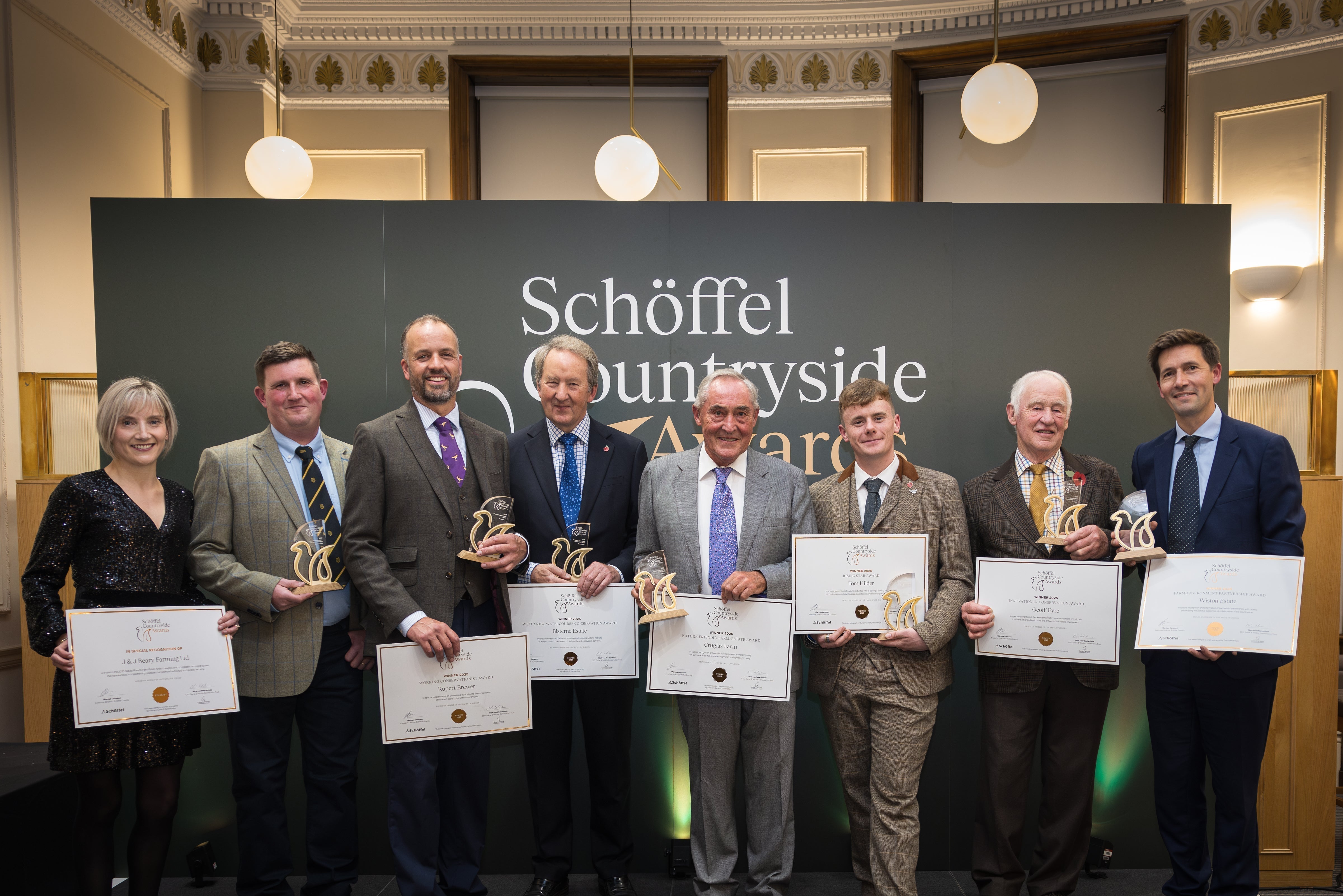
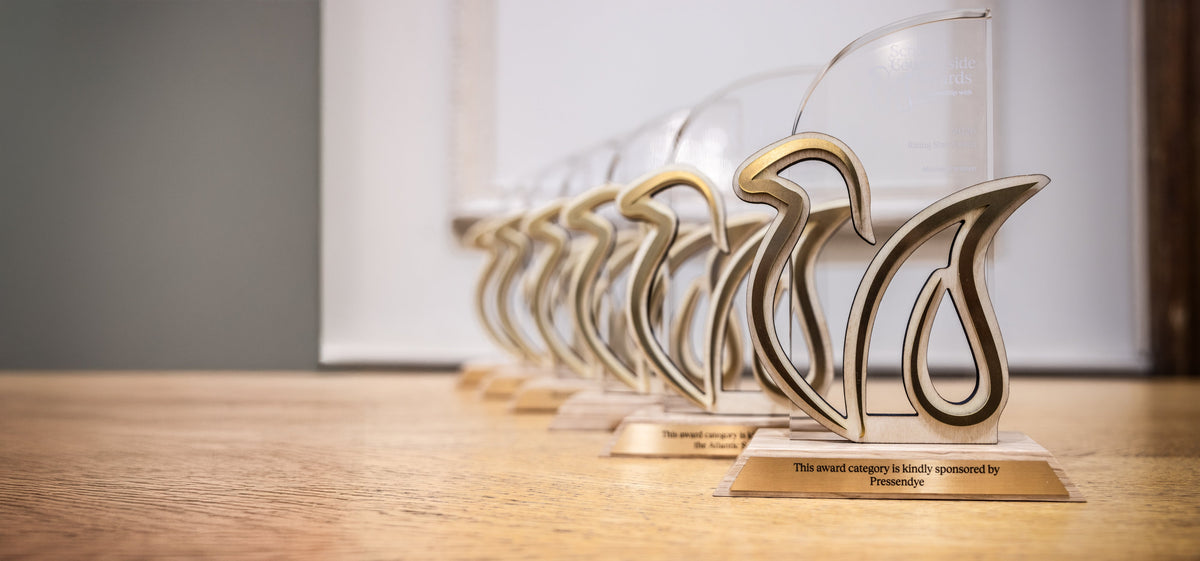
On Monday 9 November, farmers, keepers, scientists and land managers from across the UK gathered in central London for the second Schöffel Countryside Awards. The awards are run in partnership with the Game & Wildlife Conservation Trust (GWCT), and the evening was hosted once again by Coutts Landed Estates.
This year’s awards drew more than 70 nominations from England, Scotland, Wales and Northern Ireland, and 29 finalists were shortlisted across six categories. Over the summer, our distinguished panel of judges travelled the length of the country to see each finalist’s work for themselves: Highland rivers, Norfolk chalk streams, Northamptonshire arable land and much more besides.
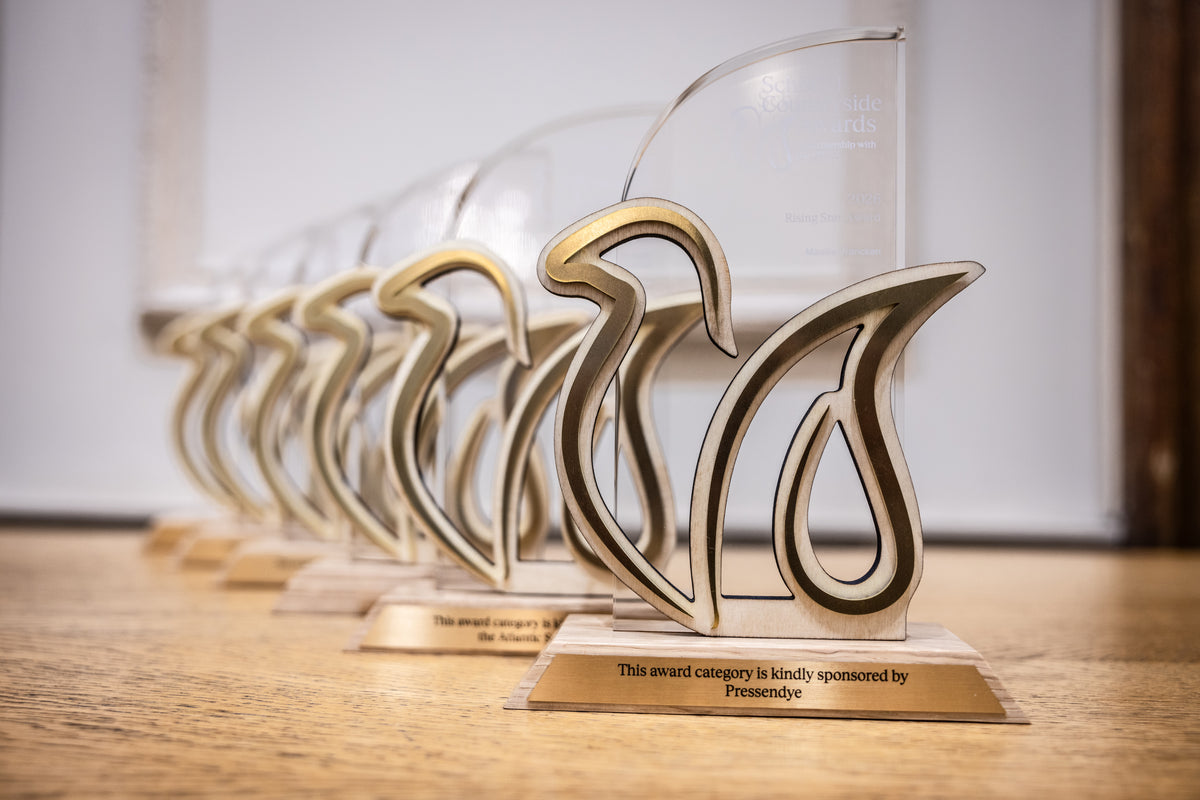
The panel brought together GWCT ecologists and advisers with experts from outside the Trust, including ‘Cheerful Charlie’ Ireland of Clarkson’s Farm and hedgelayer-writer Richard Negus. The awards wouldn’t be possible without the support of our category sponsors: Mea Opus, Oakbank Game & Conservation, B-hive Innovations, the Atlantic Salmon Trust and Pressendye. Thank you to every one of them.
To celebrate. To inspire. To engage.
“Our strapline for these awards is ‘To celebrate. To inspire. To engage.’ Every one of our finalists this year allows us to do just that,” said Marcus Janssen, executive director of Schöffel Country and a driving force behind the initiative.
“The calibre of entries across the six award categories has, once again, been very high, and choosing our winners has been incredibly challenging.
“These are the people who know the habitats and species – and the threats and opportunities they face – more intimately than anyone. If the Schöffel Countryside Awards can help bring their work, and its value to the future of the countryside, to a wider audience, then we will have gone some way to doing what we set out to do.”
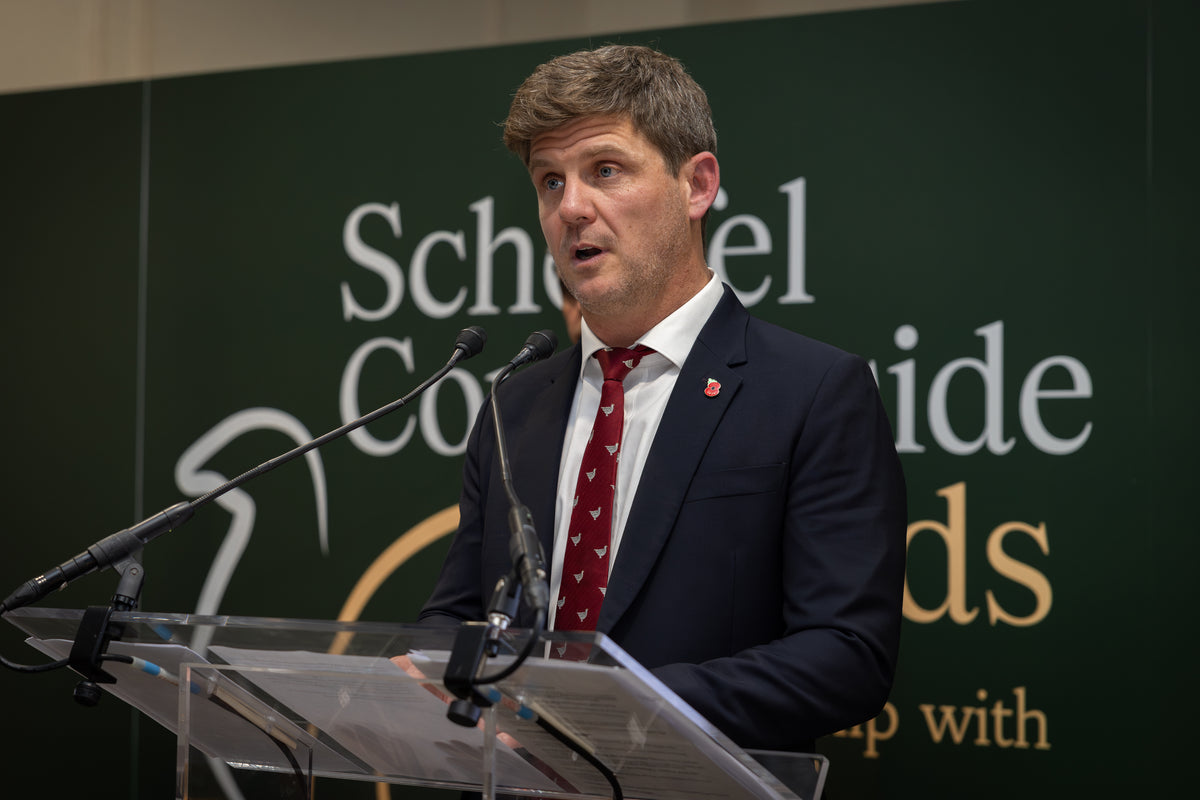

Nick von Westenholz, CEO of the Game & Wildlife Conservation Trust, said: “What makes these awards so important is that they shine a light on the extraordinary conservation work being carried out every day by people who live and work in our countryside. Much of this work goes unseen, yet its contribution to restoring wildlife, improving habitats and building a healthier, more resilient countryside is invaluable.
“At the GWCT, we have always believed that successful conservation depends on sound science, local knowledge and skilled land management working together. These winners are outstanding examples of that philosophy in action, and I hope their achievements will inspire others to follow their lead.”
So, to the winners...
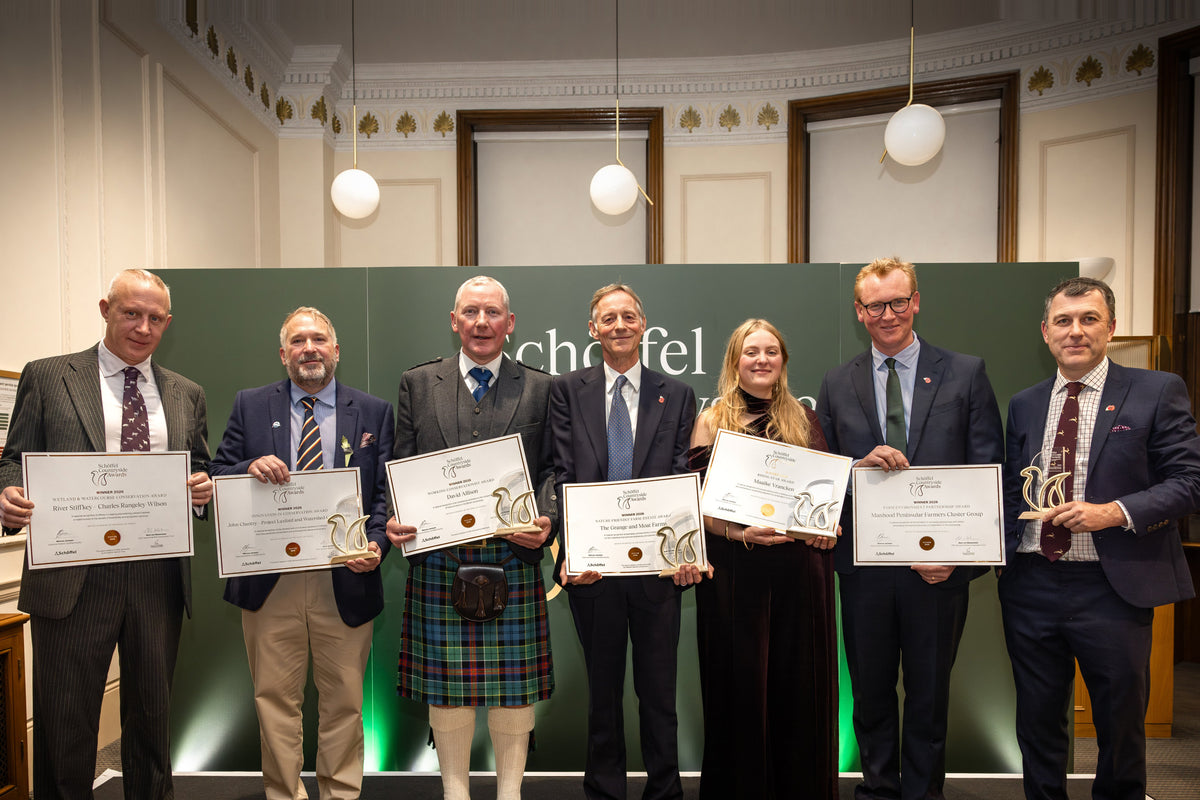
Working Conservationist Award | Winner: David Allison, Grosvenor Reay Forest Estate, Sutherland
This category recognises an individual who has devoted much of their life to conserving the British countryside's flora and fauna, and is sponsored by Mea Opus.
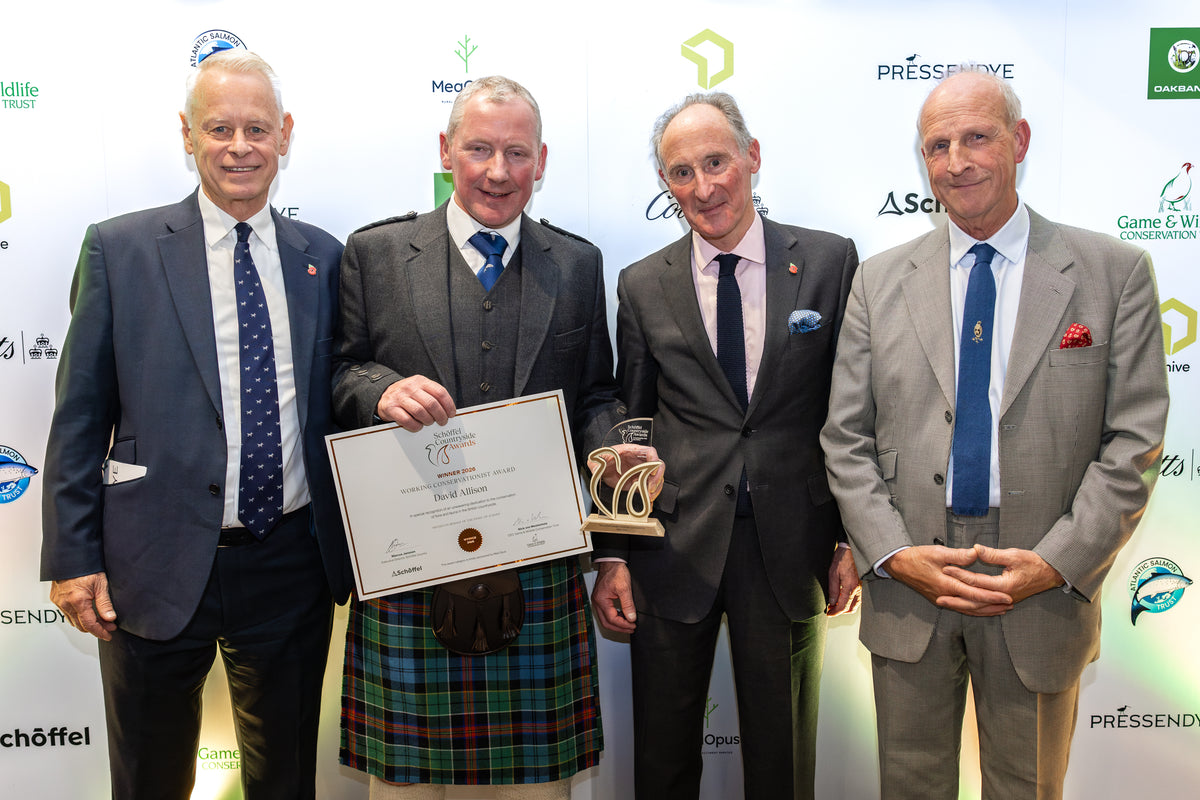
David has been head stalker at Reay Forest for 19 years, and he manages the estate as one connected ecosystem. Carefully planned deer management sits alongside native woodland and river-corridor restoration, all backed by rigorous monitoring. He is also involved in Project Laxford, a ten-year partnership to improve conditions for wild Atlantic salmon, and in a programme to plant more than a million native trees.
Nature-Friendly Farm/Estate Award | Winner: The Grange and Moat Farms, Northamptonshire
This category recognises farms, tenant farms and estates that excel at promoting biodiversity and species recovery, and is sponsored by Oakbank Game & Conservation.
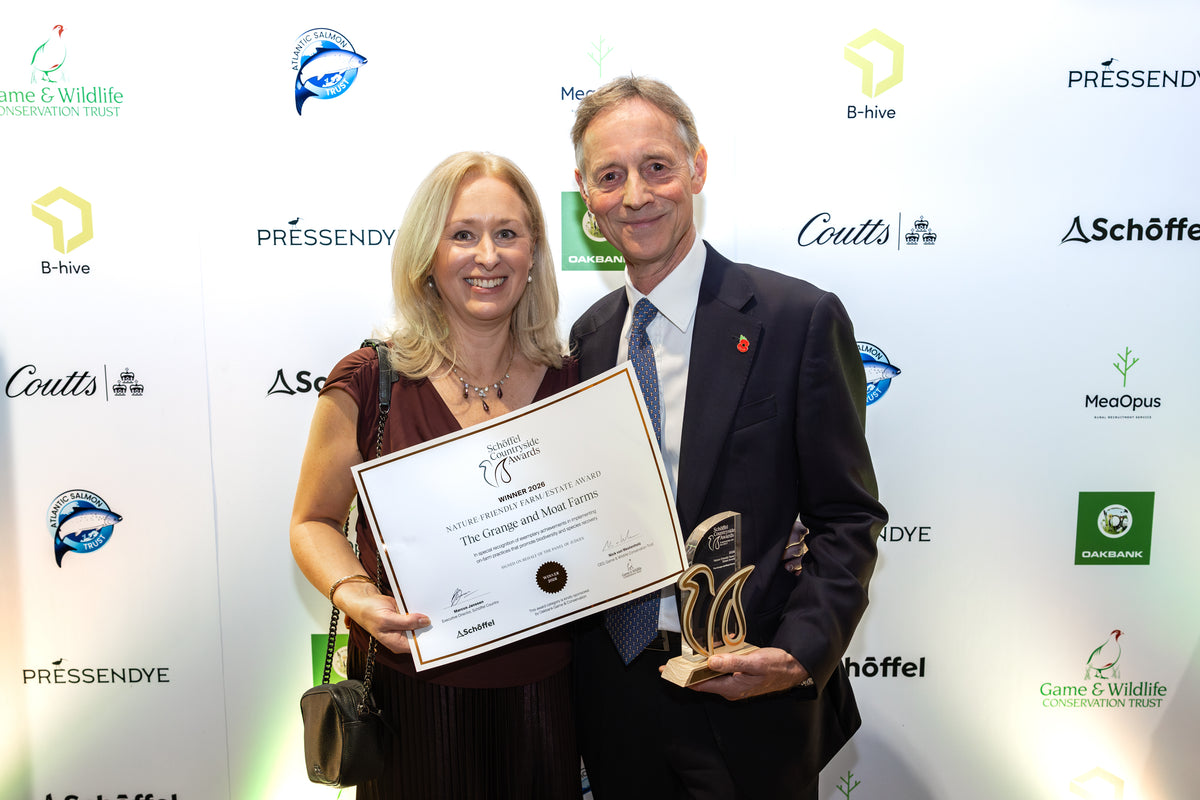
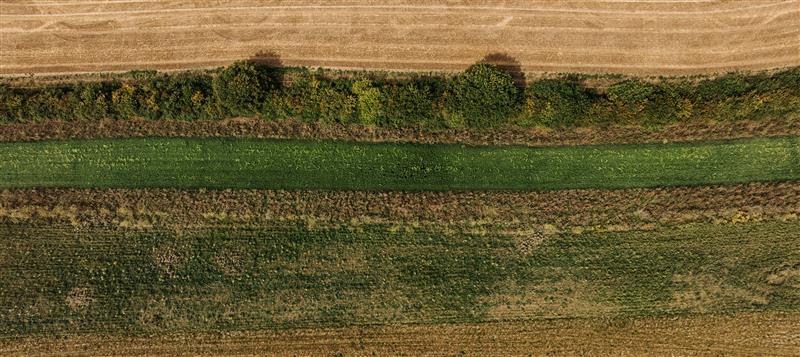
Brothers Andrew and William Pitts farm around 600 hectares, showing that commercially productive arable farming and wildlife can thrive side by side. Their approach combines direct drilling, carefully targeted habitat, year-round food for farmland birds and linked habitat corridors. Their ‘Farm in a Field’ demonstration project shows others how it can be done. Grey partridge conservation has been a particular focus.
Innovation in Conservation Award | Winner: John Chantry, Project Laxford & Watershed Connections, Sutherland
This category recognises individuals or groups who have developed new solutions, technologies or methods that advance conservation, and is sponsored by B-hive Innovations
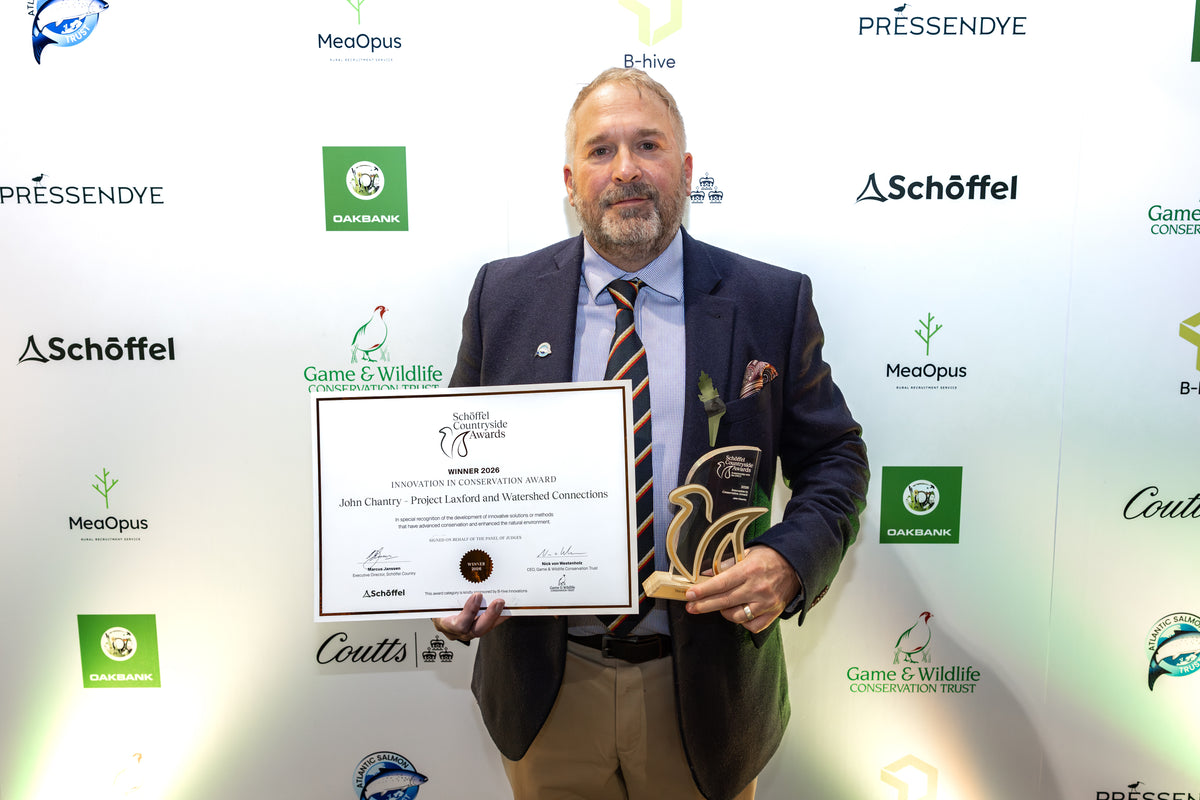
As programme co-ordinator for the Atlantic Salmon Trust’s Project Laxford and Watershed Connections, John has developed a drone-survey method that combines LiDAR, thermal imaging and 3D mapping. Used across several Scottish catchments, it finds the cold-water refuges salmon rely on, shows where habitat work should go and tracks whether it has worked. According to the judge, his surveys are around 80% faster and 60% cheaper than conventional methods.
Farm-Environment Partnership Award | Winner: Manhood Peninsula Farmers Cluster Group, West Sussex
This category recognises farms that have formed successful partnerships with others, and the results that collaboration delivers.
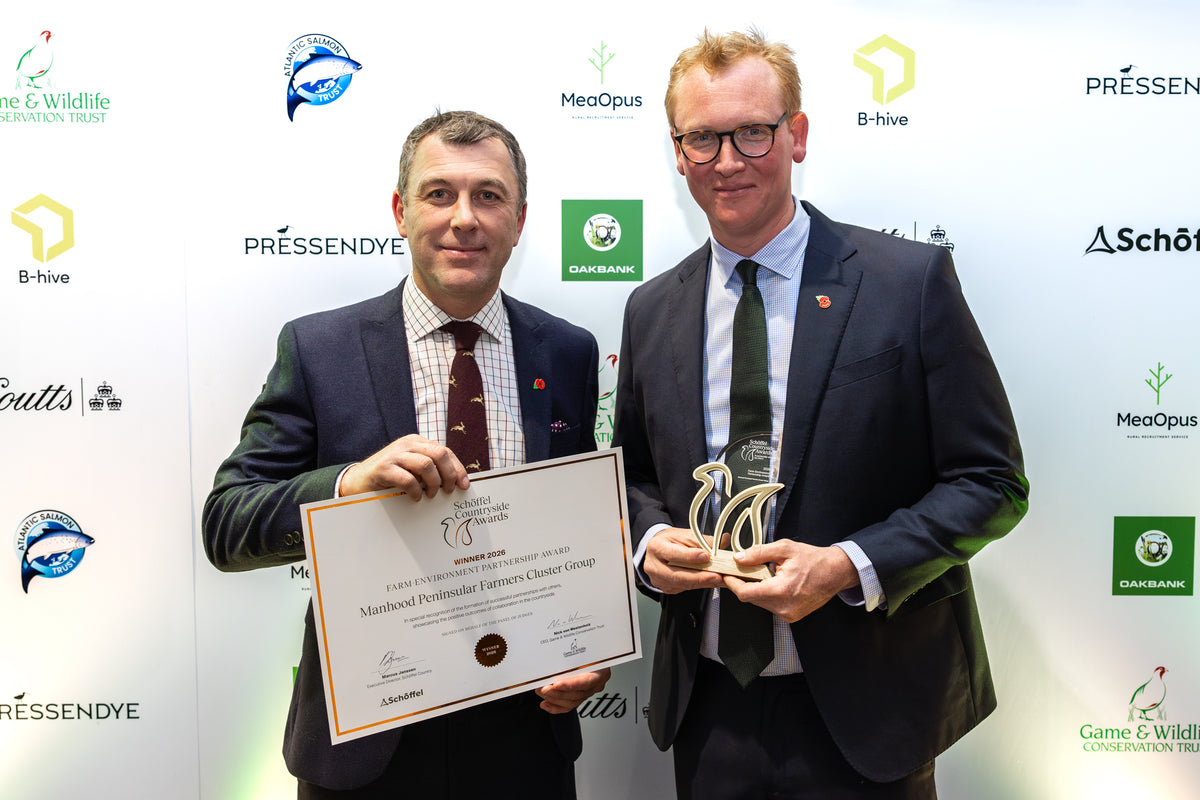
Founded in 2022 by Andrew Gentle and Tom Monnington, the cluster brings together six family farms covering almost 2,000 hectares. Together they are joining up hedgerows and habitat, improving conditions for farmland birds and working with local schools and organisations. Their grey partridge work includes a broody-hen rearing programme, and the released birds have gone on to breed in the wild.
Wetland & Watercourse Conservation Award | Winner: River Stiffkey and Charles Rangeley-Wilson, Norfolk
This category recognises work undertaken to create and restore wetlands and watercourses for the benefit of biodiversity, and is sponsored by the Atlantic Salmon Trust.
Chalkstream conservationist Charles Rangeley-Wilson, working with Norfolk Rivers Trust and the Holkham Estate, has returned 2.5 kilometres of the River Stiffkey to its historic, meandering course and reconnected it with its floodplain. The river’s characteristic plants have come back, followed by brown trout, eels, kingfishers and otters.
Rising Star Award | Winner: Maaike Vrancken, Atlantic Salmon Trust, Edinburgh
This category shines a light on young people taking an outstanding approach to conservation, and is sponsored by Pressendye.
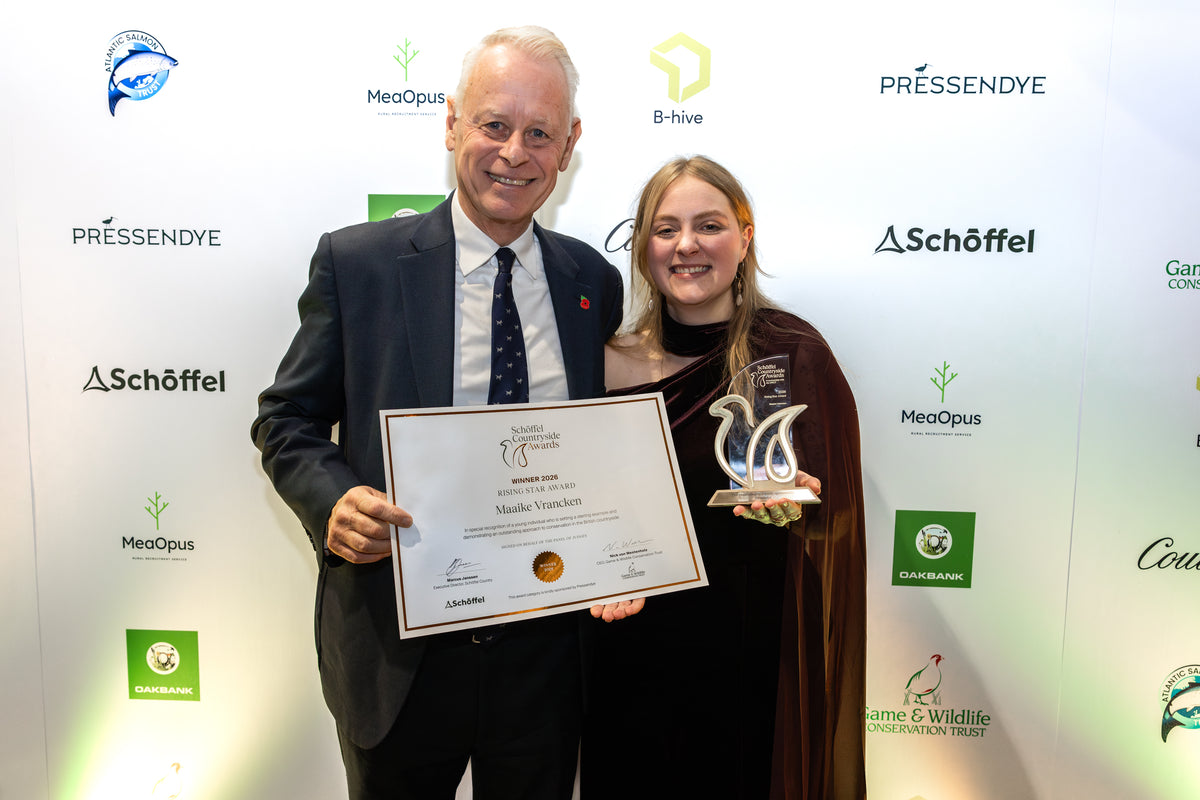
Early in her career, Maaike is already making her mark on wild salmon conservation. She co-ordinates large-scale tagging of juvenile salmon and analyses their survival and migration. She also supports improvements to fish-monitoring infrastructure and the development of AI-assisted sonar analysis.
To learn more about the winners, read our blog which features comments from our judges.
The Schöffel Countryside Awards return in 2027 and will open to nominations and entries in January.
To learn more about past winners and for long-form awards films, follow us on YouTube, here.
 Notes from the judges | 2026 Schöffel Countryside AwardsRead postSchöffel Countryside Awards12 min read
 The unsung heroes of the countryside | Episode 6: Graham DennyRead postSchöffel Countryside Awards8 min read
 The unsung heroes of the countryside | Episode 5: Geoff EyreRead postSchöffel Countryside Awards5 min read
 Nominations open for 2026 Schöffel Countryside AwardsRead postSchöffel Countryside Awards5 min read
 The unsung heroes of the countryside | Episode 4: Hooves and habitatRead postSchöffel Countryside Awards7 min read
 The unsung heroes of the countryside | Episode 3: Rupert BrewerRead postSchöffel Countryside Awards5 min read