
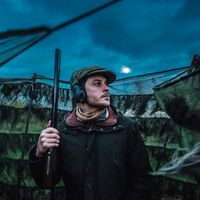
The unsung heroes of the countryside | Episode 4: Hooves and habitat
From conservation grazing to cutting-edge animal-monitoring technology, Grazing Management Ltd is reshaping nature recovery across the South West. We explore how Alex and Emily Crawley – finalists in the 2025 Schöffel Countryside Awards – use native livestock to restore wildflower meadows, wetlands, heathlands and peatlands – proving that farming and habitat restoration can thrive side by side.
If you ask Alex and Emily Crawley what Grazing Management Ltd does, they’ll tell you – with the calm practicality of people who spend most of their days outdoors – that they “restore habitats using livestock.” But spend even an hour with them on a hillside in the Wye Valley, and the picture becomes far richer: a blend of farming, ecology, technology, logistics, public engagement, and good old-fashioned graft that few would imagine sits behind a herd of quietly chewing cattle.
Today, their animals are scattered across wetlands, cliffs, commons, peatlands, meadows and heath, shaping habitats with the kind of finesse diesel-powered machinery simply cannot match. But like most good stories in the countryside, this one doesn’t begin with land or money or even a family farm. It begins, unexpectedly, in Borneo.
A turning point at 10,000 feet
“In 2012, I’d just come back from Afghanistan,” Alex began. “We flew into the Highlands in Borneo for survival training, climbing to about 10,000 feet. I looked out of the aircraft window and all I could see was palm-oil plantation after plantation. Just total environmental loss, stretching right to the horizon.” It was, he said, “horrific”. And transformative. “I realised I wanted to do something for nature – but in a way that was connected to farming. I didn’t want it to be either/or.”
Over the next few years, that instinct grew into something firmer. By 2017, after nearly two decades working in conflict zones, Alex stepped away, took a sabbatical, and went to learn how to farm – specifically, how to farm with nature restoration at its heart. What he discovered was possibility. Livestock, he realised, could be some of the most powerful tools we have for repair. Hooves could replace machinery in fragile habitats; grazing pressure could shape mosaics of vegetation; animals could help restore balance at landscape scale. All that was missing was a model to deliver it.
A business built from nothing
The plan came while Alex was a mature student: a grazing-management service offering outsourced nature restoration with livestock, working for government bodies, charities and private landowners alike. There was only one problem: they had no land and no farm. “We won a few awards for the idea,” Emily explained, “but it was still unbelievably hard.” Then came 2021, and, unexpectedly, an opening. COVID created a small gap in work; a contract followed. It was the foothold they needed.
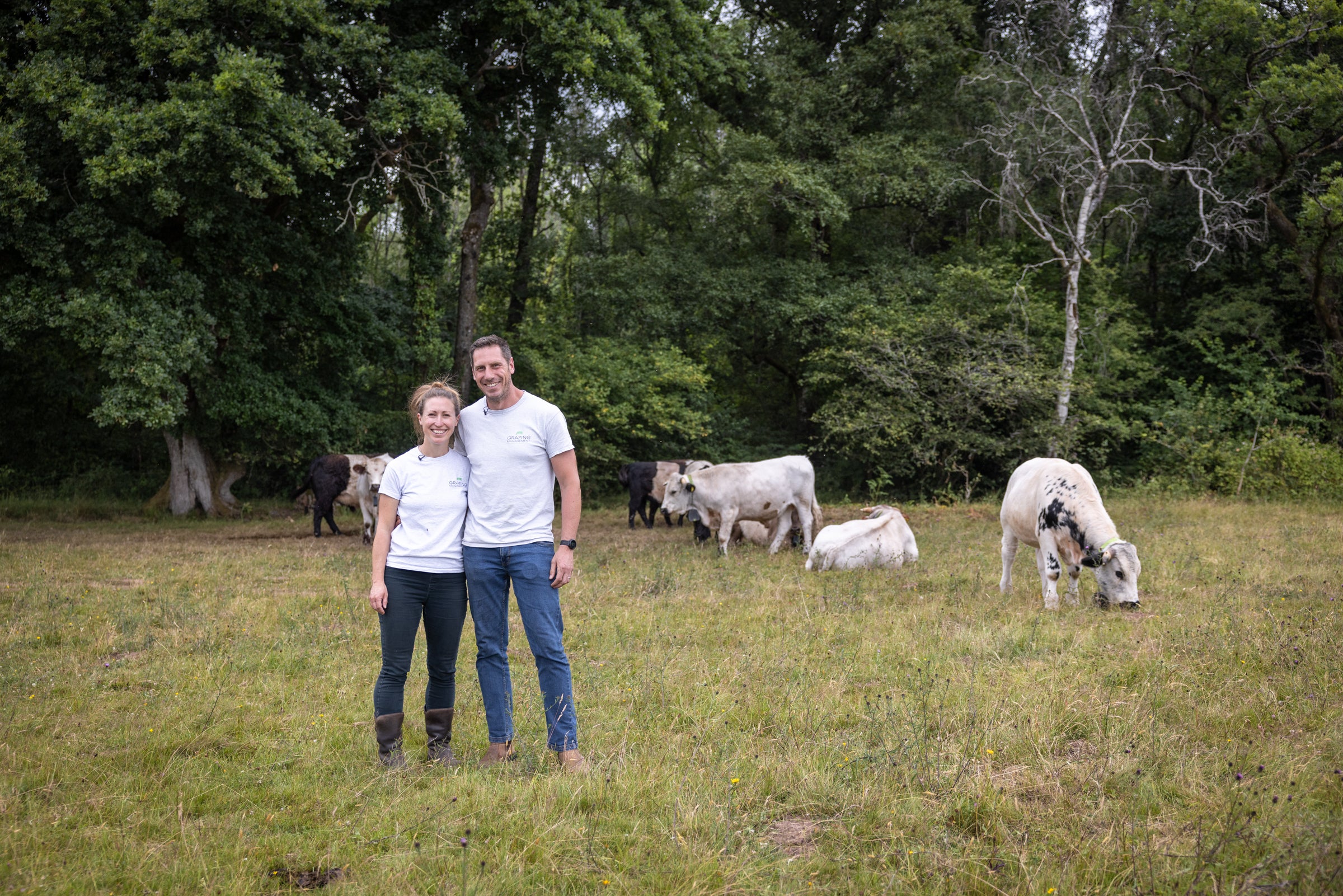
“In no time, we’d gone from our first two-acre site to 65 acres, and now we manage around 500 acres across 25 sites, spread over 1,400 square miles,” Emily continued. And that was while they were both still juggling other jobs and a young family. Today, both Emily and Alex work on the business full-time, they employ staff, and the original six cows have become 50 cattle and 30 goats and sheep – all integral to the ecological story unfolding across Gloucestershire, Herefordshire and Monmouthshire.
Hooves, not machinery
Hoof-powered nature restoration’ sounds poetic, but the impact is deeply practical. Certain ecological outcomes simply can’t be achieved with tractors or brush-cutters. Cattle create hoofprint pools, for example, that amphibians use as stepping-stones or ‘highways’ as Alex called them. Cowpats become microcosms of insects that feed bats, birds and other mammals. Goats thread through scrub machinery can’t reach.
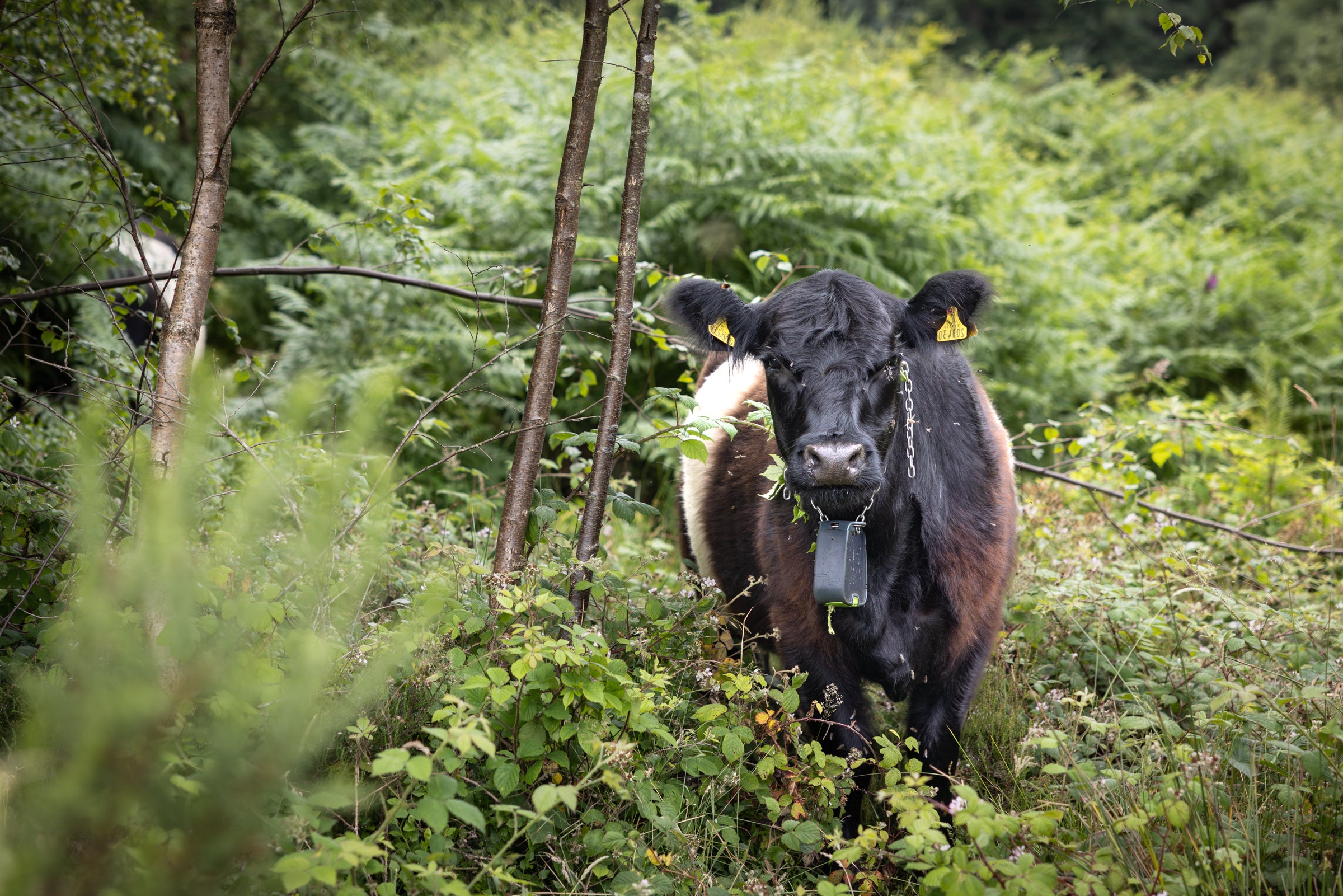
All of it, crucially, is driven by breed choice and behaviour. “Our animals are real specialists,” Alex explained. “Bagot goats for scrub control, Shetland and Castlemilk Moorit sheep for delicate sites, and hardy native cattle like Belted Galloways and Ancient Cattle of Wales are chosen for their temperament and ability to thrive outdoors all year. Nothing goes into barns. They out-winter and do what they’re designed to do.”
“Cattle,” he added, “work their way up the system. They start on straightforward sites, earn their stripes, and if they suit the job, they stay with us for years. If not, they enter the food chain – because this is still farming.”
The technology changing everything
For a business spread across dozens of remote sites, innovation isn’t a luxury but survival. “We were early adopters of geo-fencing,” Alex said, referring to the solar-powered GPS collars that allow farmers to draw invisible boundaries on a smartphone. “This site alone would cost £40,000 to fence conventionally,” he added as we walked further into dense thicket of birch and alder on a local heathland site. “The collars do the same job for a fraction of the cost, and they’re far more adaptable.”
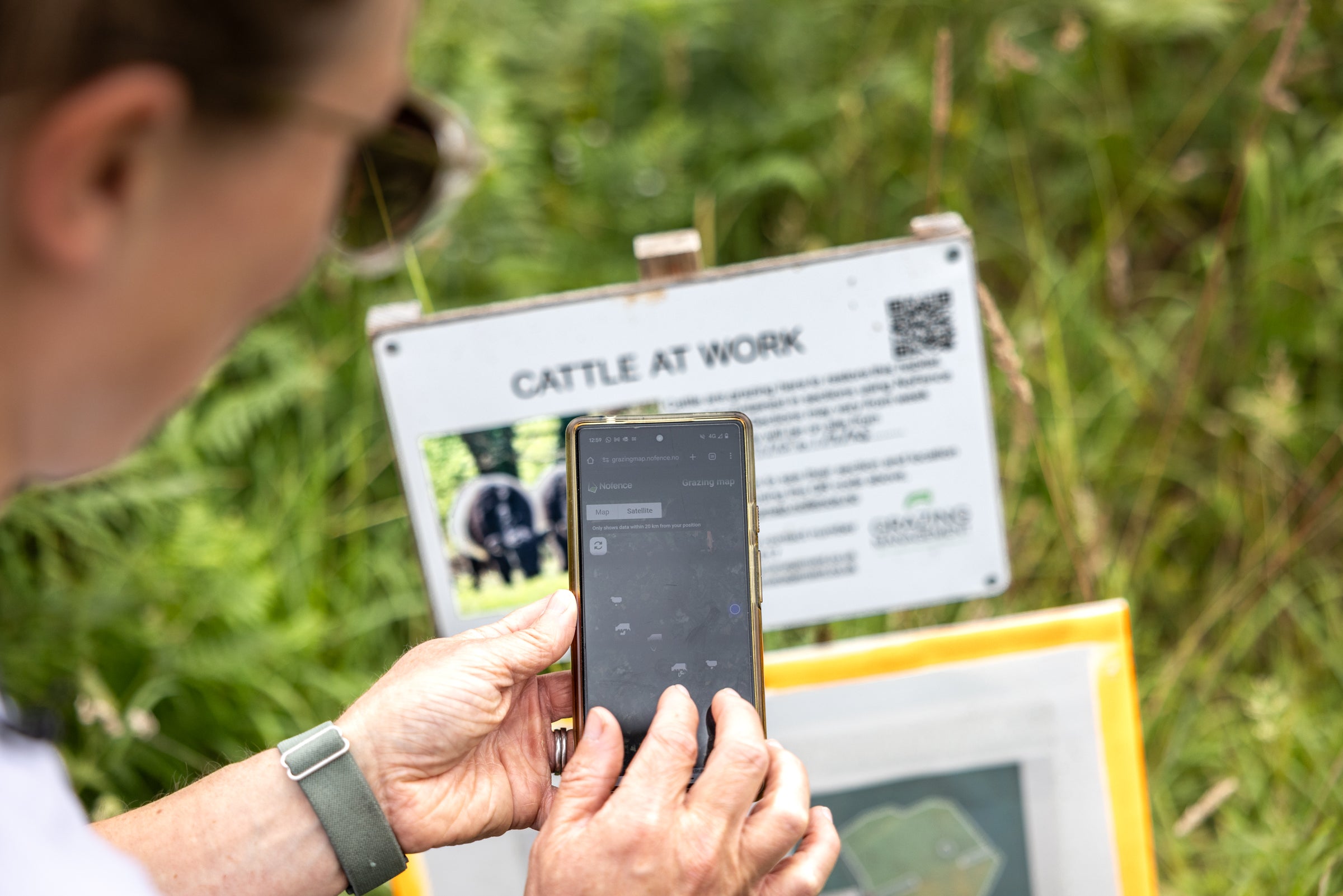
Use of solar-powered and 4G-linked cameras has been equally transformative, enabling Emily and Alex to watch water troughs, monitor behaviour, and reduce the need for constant travel between winter sites. And now, thanks to Welsh Government support, the team are trialling internal bolus sensors: small devices inside the animals that record temperature, activity and wellbeing every 15 minutes. “Much of it is interpreted by AI,” Emily explained. “It means we can maintain really high welfare across dispersed sites while keeping the system efficient enough to scale.”
Bringing people with you
Technology may be efficient, but conservation is still fundamentally human. “We work on public access sites where people have long, deep relationships with the land,” Alex said. “We feel it’s important to involve local people and communities with what we’re doing where possible.” Grazing Management now runs ‘meet the cattle’ days and school visits, and has a volunteer checker programme, whereby volunteers trained under their new LANTRA-accredited livestock-checking course help monitor animals and feedback any problems to HQ.
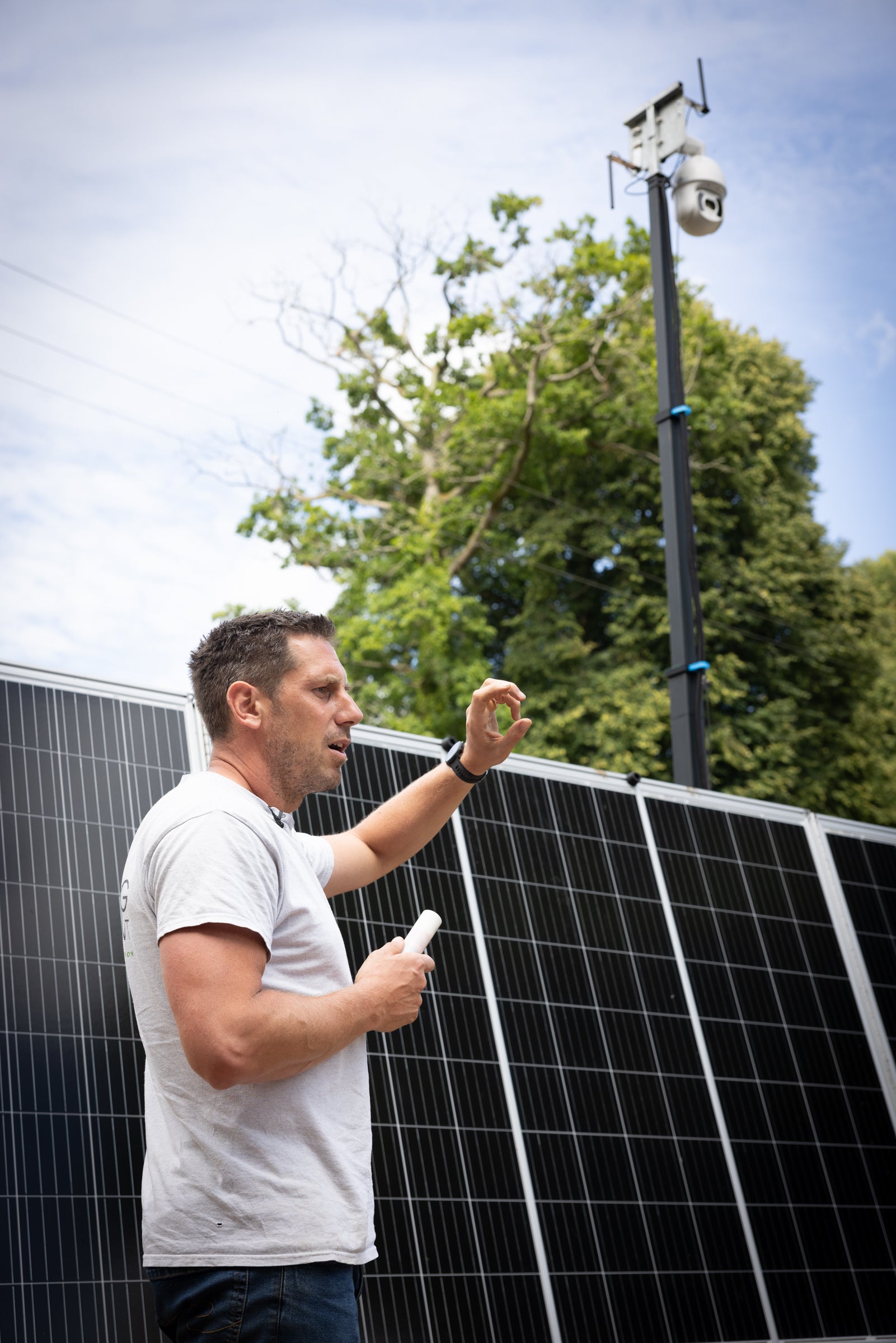
“They become our eyes on the ground, but also great ambassadors for the work we are doing – and we try to look after them. Training, socials, even a bit of beef at the end of the season. It matters.” In fact, this three-way balance – of nature, community, and finances – is one of the principles the team returns to often. “You can’t be green if you’re in the red,” Alex said simply.
The beauty of variety and partnerships
It’s clear that part of the joy, and the challenge for Emily and Alex is the sheer variety. Heathlands alive with nightjars and adders. Peatlands storing carbon and slowing water. Wildflower meadows – 97% of which have been lost since the Second World War. Cliff systems supporting rare mosses. Wet meadows, floodplains, commons... Each has its own logic, rhythm, pressure points. And each, when grazed well, hosts extraordinary life. “Watching orchids return to a site that was once a biological desert,” Alex said, “is something you never get tired of.”
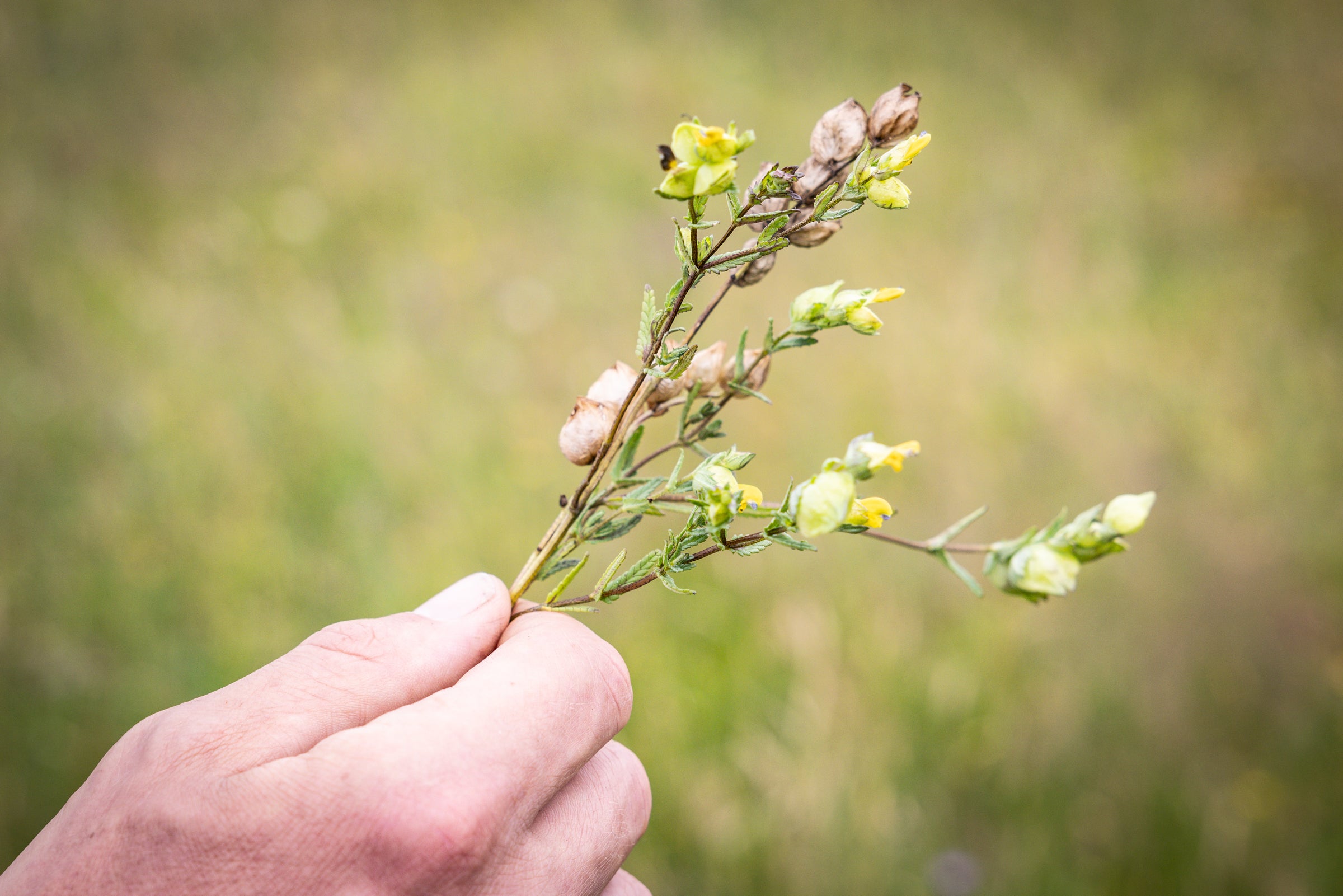
Partnerships very much sit central to the business, too – partnerships that the Crawleys accept will be key to their growth. Today they work with around a dozen government bodies, charities and private companies, alongside 26 private landowners — relationships as important as any piece of kit. Drawing on backgrounds in the civil service and charitable sector, they bring bid-writing, compliance and risk assessment into the conservation space – skills often overlooked, but essential for winning and delivering projects. And sometimes the partnerships are unexpected.
“We’re exploring working with EarthRanger,” Alex said, referring to the African NGO originally designed to protect rhinos and elephants from poaching. “Their system fuses data from rangers, sensors, cameras and trackers. We’re adapting it for goats restoring rare mosses in Wales. Far less glamorous, but pioneering. It’ll be the first time in Europe that volunteer logs, cameras, bolus sensors and collar data are fused into a single platform.” Elsewhere, their work with another estate is helping to grow wildflower seed production from seeding new species-rich meadows across the region.Landscape-scale consultancy is becoming a larger part of the business, too – from peatland restoration in Wales to habitat management in the Scilly Isles.“It’s exciting to think our small beginnings might help shape bigger conservation efforts,” Emily enthused.
Technology, innovation, and the future of farming
Perhaps the most striking thing about Grazing Management Ltd isn’t the variety of its work – impressive as it is – but the spirit behind it: a willingness to innovate, to adapt, and to learn from others.
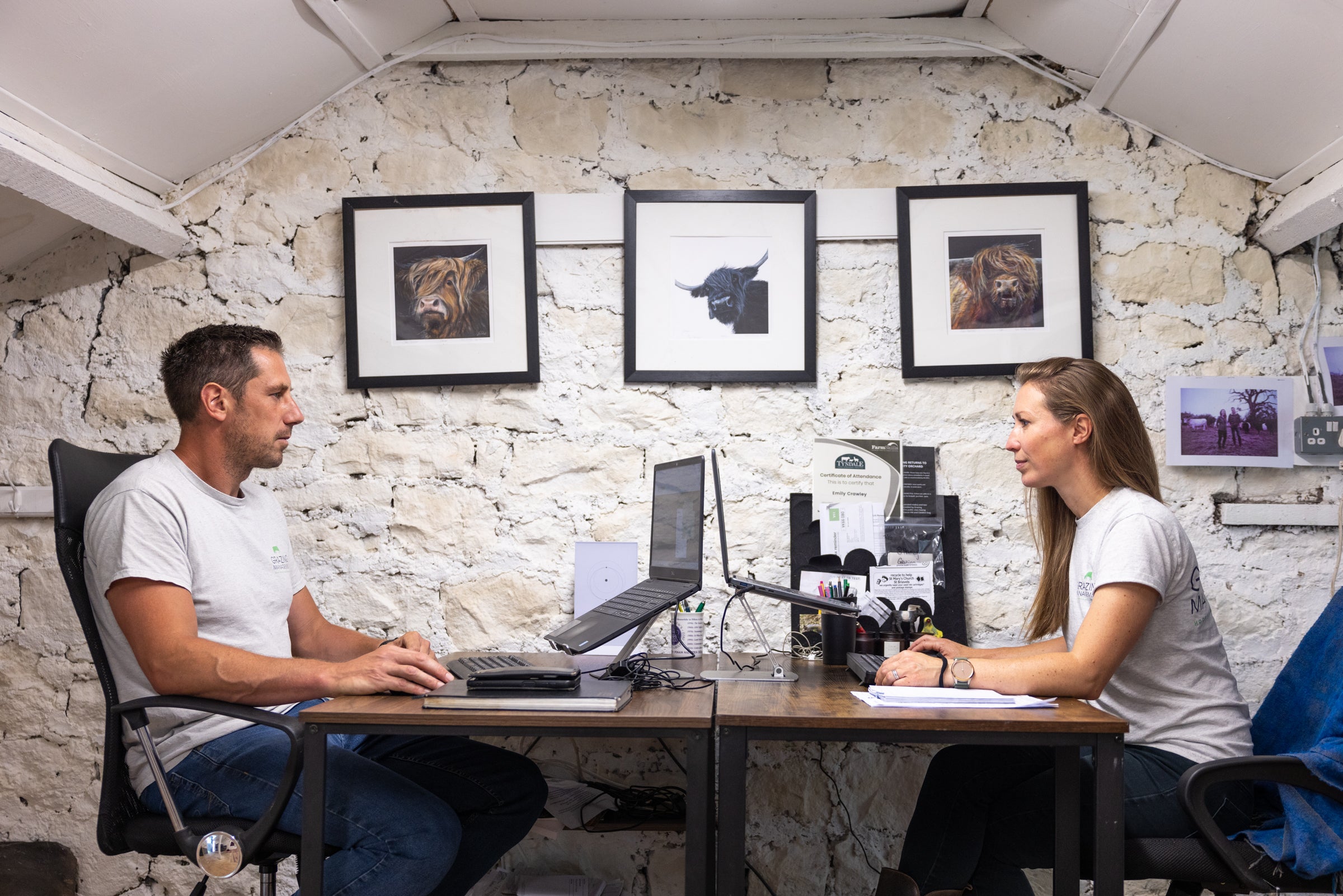
The business started with eight acres of land, no security, and limited capital from their own savings – just an idea and a belief that farming and nature recovery don’t have to live in separate rooms. Today, that belief has grown into a network of habitats, partnerships and people, stitched together by hooves on soil and a stubborn determination to do things differently. At a time when the countryside is wrestling with change – from climate change, markets, and public expectation – their work offers something rare: a practical and grounded vision of how land can be farmed, cared for and restored all at once. And it began with someone looking out of a window, seeing what had been lost, and deciding to do something about it.
Grazing Management Ltd was a finalist in the 2025 Schöffel Countryside Awards, run in partnership with the Game & Wildlife Conservation Trust. The Innovation in Conservation category was sponsored by B-hive Innovations.