Created from scratch | A closer look at our tweed
Hold a length of tweed up to the light, look closely, and the fabric dissolves into seven, eight, sometimes ten or more individual threads. Greens, ambers, greys, rust – all spun together so tightly that from across a room they read as one flat colour. It's a small trick of the eye, and central to tweed's allure.
We're at Lovat Mill, in the Scottish Borders, where every piece of tweed carrying the Schöffel Country name is made. Not chosen from a pattern book, not adapted from someone else's cloth, but designed from nothing – colour by colour, thread by thread – by us, for us, and for nobody else.

How did tweed get its name?
Weaving itself is almost as old as civilisation. The Egyptians were doing something recognisably similar thousands of years ago. But the story of this particular cloth starts more locally, in the hills around the Scottish Borders, where Cheviot sheep have grazed for centuries and their crisp wool has been woven into cloth for just as long.
Tweed's name came by accident. For a long time before anyone knew it as 'tweed', this region produced a two-ply woollen cloth, woven in a 'twill'. In Scotland, 'twill' was pronounced 'tweel', and so bales of it became known as 'tweels'.
In 1826, another consignment of these 'tweels' was sent south to a cloth merchant in London. By then, well-heeled Londoners had discovered the Scottish Borders as a destination in their own right, arriving by stagecoach to hunt, shoot and fish along the river that ran through it: the Tweed.

When the merchant went to reorder, the word on the label – 'tweel', in looping copperplate handwriting – was misread. 'Tweed', the merchant wrote back, thinking of the river he knew. William Watson & Sons of Hawick, who'd made the original bale, thought it was rather a good name for their cloth. It stuck, and has belonged to the fabric ever since.
How is tweed made?
Ask anyone at Lovat Mill to explain how tweed is made, and they'll tell you the process breaks down into stages easily enough. Trying to explain those stages to the layman, however, is another matter.
It starts, as it always has, with wool – a natural, sustainable fibre, often sourced from Cheviot sheep – a breed synonymous with the Scottish Borders.
Choosing that pattern is its own discipline. Yarns are selected not only for colour but for grist – their thickness – which determines the eventual weight of the cloth. Many are twisted together, two or three strands at once, both to adjust that weight and to build in performance; the particular twist behind Schöffel's own cloth is a recipe unique to us.

Once the design is set, yarns are built onto the warp mill – the vertical threads that will carry the pattern – which are then drawn through shafts to keep them moving in the right order once they reach the loom. Weaving itself is the moment the weft yarn is passed horizontally through that warp, locking pattern and colour into place.
What comes off the loom isn't finished, though. Because it's a natural fibre, every length of cloth carries small imperfections, breaks and knots – and every single inch is checked and mended by hand before it goes anywhere near a garment. Finishing follows: washing, and a series of processes that give the cloth its final handle and performance. Some of that finishing is genuinely transformative: plenty of Schöffel fabrics are machine washable, which for a wool tweed takes real innovation to achieve.
Built from scratch, just for us
Lovat Mill likes to describe itself as a craft trying to be an industry. Weave with a natural fibre and you'll never fully industrialise it – nor would you particularly want to. Technology helps at the edges, but at nearly every stage, it still takes a person who understands the material to get it right.
And that is what makes Schöffel Country's tweed different. It isn't only where it comes from, but how it comes to exist in the first place, and the people who bring the whole process to life.
Rather than choosing from an existing pattern book, every Schöffel tweed starts as close to a blank page as cloth gets. Guided by Lovat Mill's own team – James, Alan, Stephen and Ruth among them – the Schöffel product team chooses everything: the colour, the weave, the pattern, the check, the weight, the finish. Nothing is off the shelf. Whether it’s for our women’s tweed jackets and blazers, our men’s tweed sport jackets or tweed accessories like our tweed hats and caps, everything is made from scratch.

Initially it can feel faintly overwhelming. On a first visit to the mill, it's hard not to be struck by just how complex tweed-making really is, and by how vast the range of possible outcomes can be. There are countless patterns, countless checks, countless ways for a handful of colours to combine into something entirely new. Lovat Mill's team excel in guiding customers through exactly that: narrowing an almost endless canvas of possibility down into one cloth.
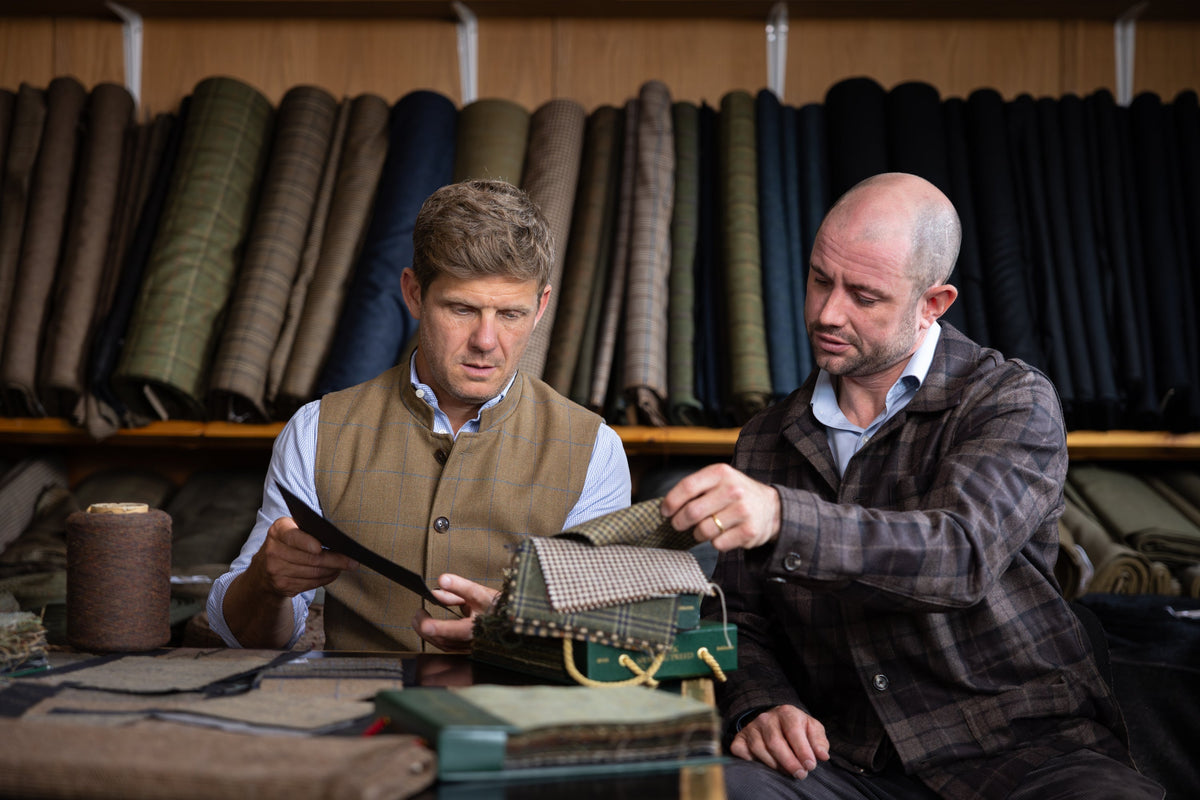
The process itself is collaborative and, by all accounts, genuinely enjoyable. We start by gathering around a table with the mill's designers, discussing and debating different options, gradually settling on a direction for the base colour, itself a blend of several fibre shades, before introducing an overcheck on top. Samples are hand-spun downstairs and brought back up for review; a colour gets toned down here, brought up there, the mixture refined again and again, until it's right. The reward, when it comes, is a length of cloth that exists nowhere else in the world.
What are tweed’s defining features?
It's a question that is surprisingly hard to answer in one line, because tweed resists it. Its defining feature might be exactly that resistance: the fact that it has so many defining features at once.
The trick is right there in the yarn: what looks like plain tan or brown fragments, up close, into seven or eight separate threads doing the work of one. It also happens to be a genuinely practical cloth, warm without being heavy, tough without feeling stiff, which is presumably why it turns up equally on the hill, at the races and in the pub afterwards without looking out of place.

It's worth remembering, too, what tweed isn't. Where a tartan repeats the same sequence of colour in both warp and weft – a pattern built for a family, a clan, a name – tweed lets the two run differently, opening up far more room for colour and complexity, and the need for balance. Tartan, as they say at Lovat Mill, belongs to the family. Tweed belongs to the land.
Two hundred years after a misread word gave this cloth its name, the process itself has barely changed. What does change, for Schöffel Country at least, is that a new tweed still gets designed from nothing most seasons – a different base colour, a different overcheck, worked out at the same table, with the same mill, and the same people – people who are proud to carry a legacy and a tradition that truly is timeless.
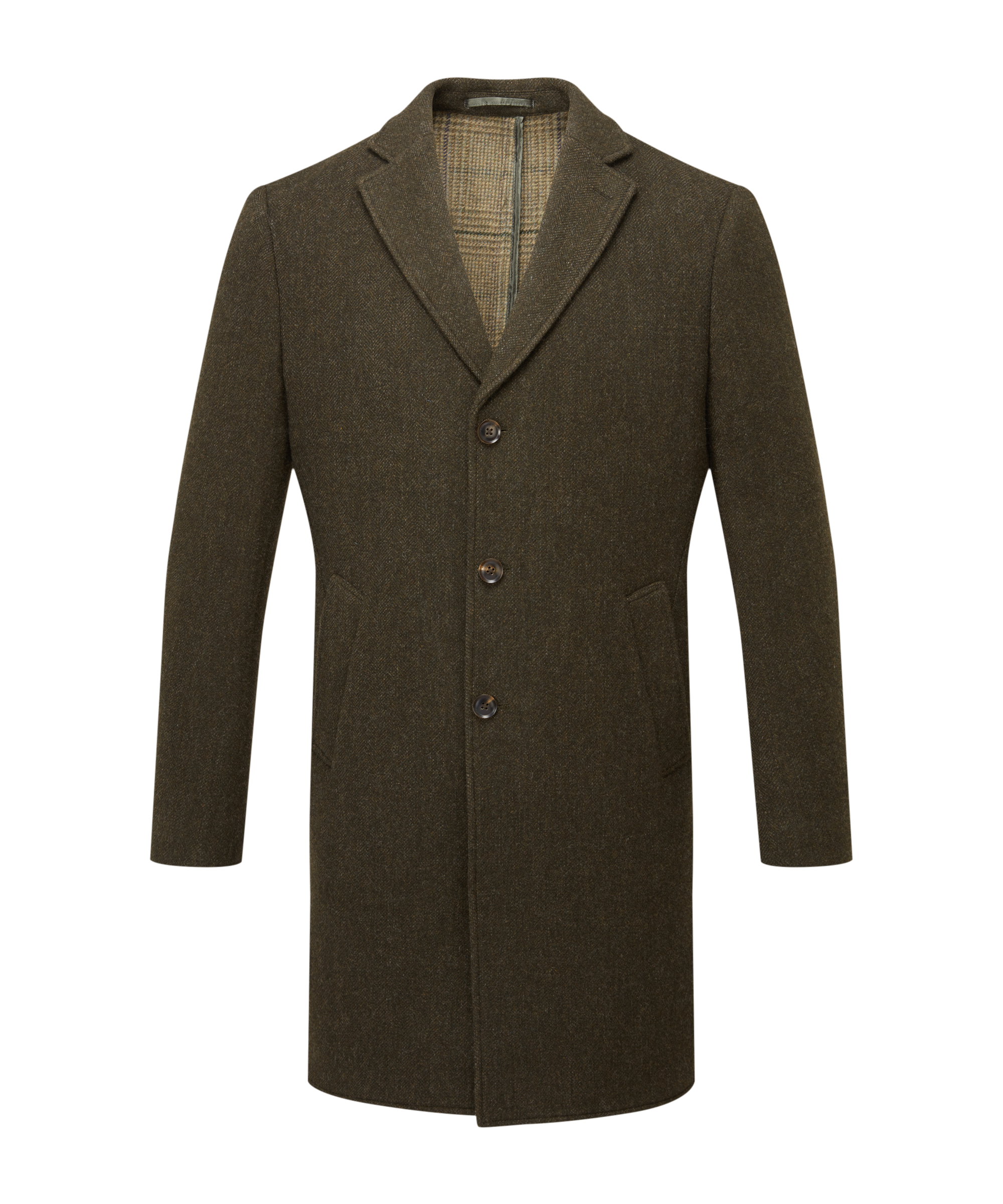
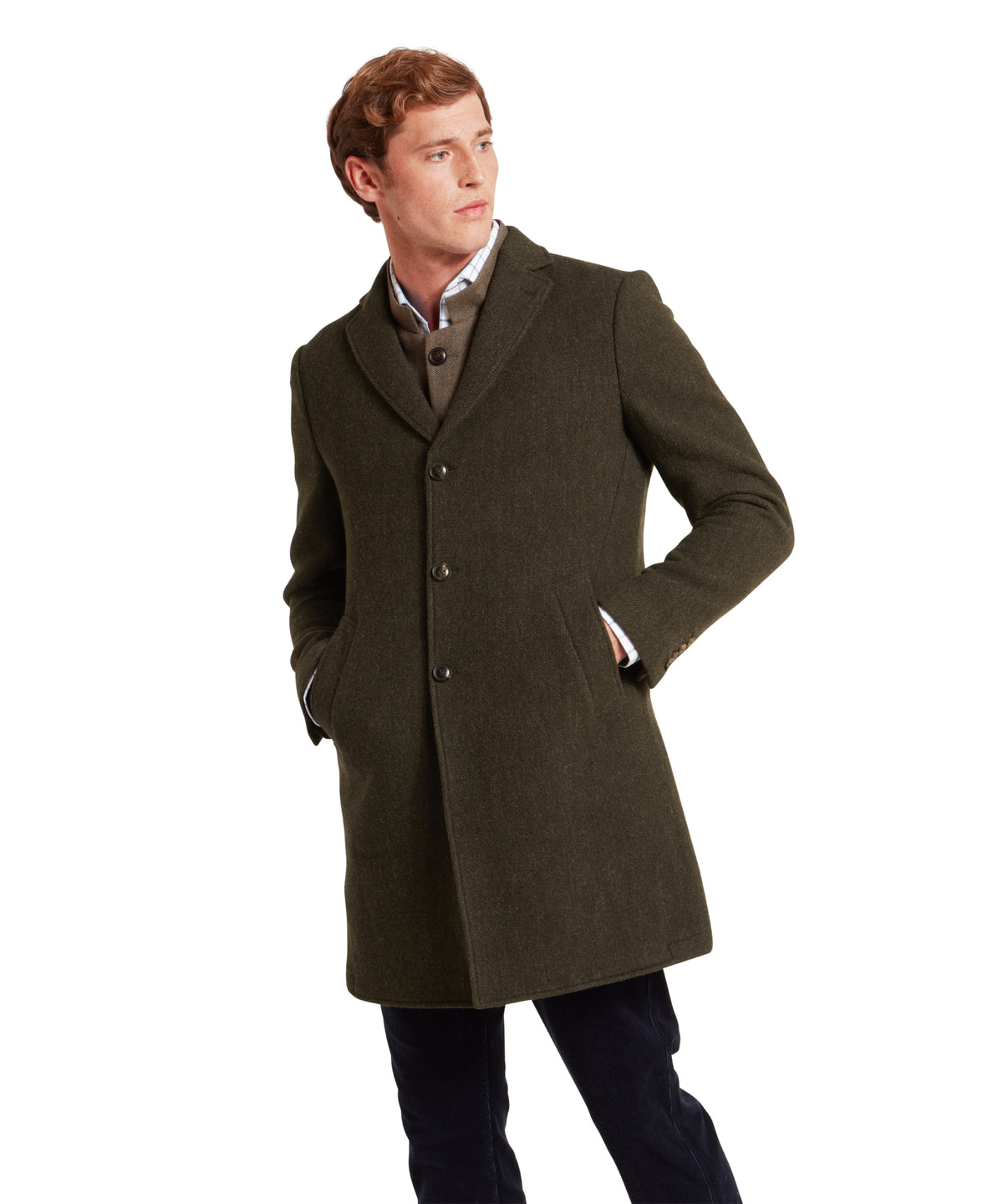 BestsellerBanchory Tweed CoatForest$1,000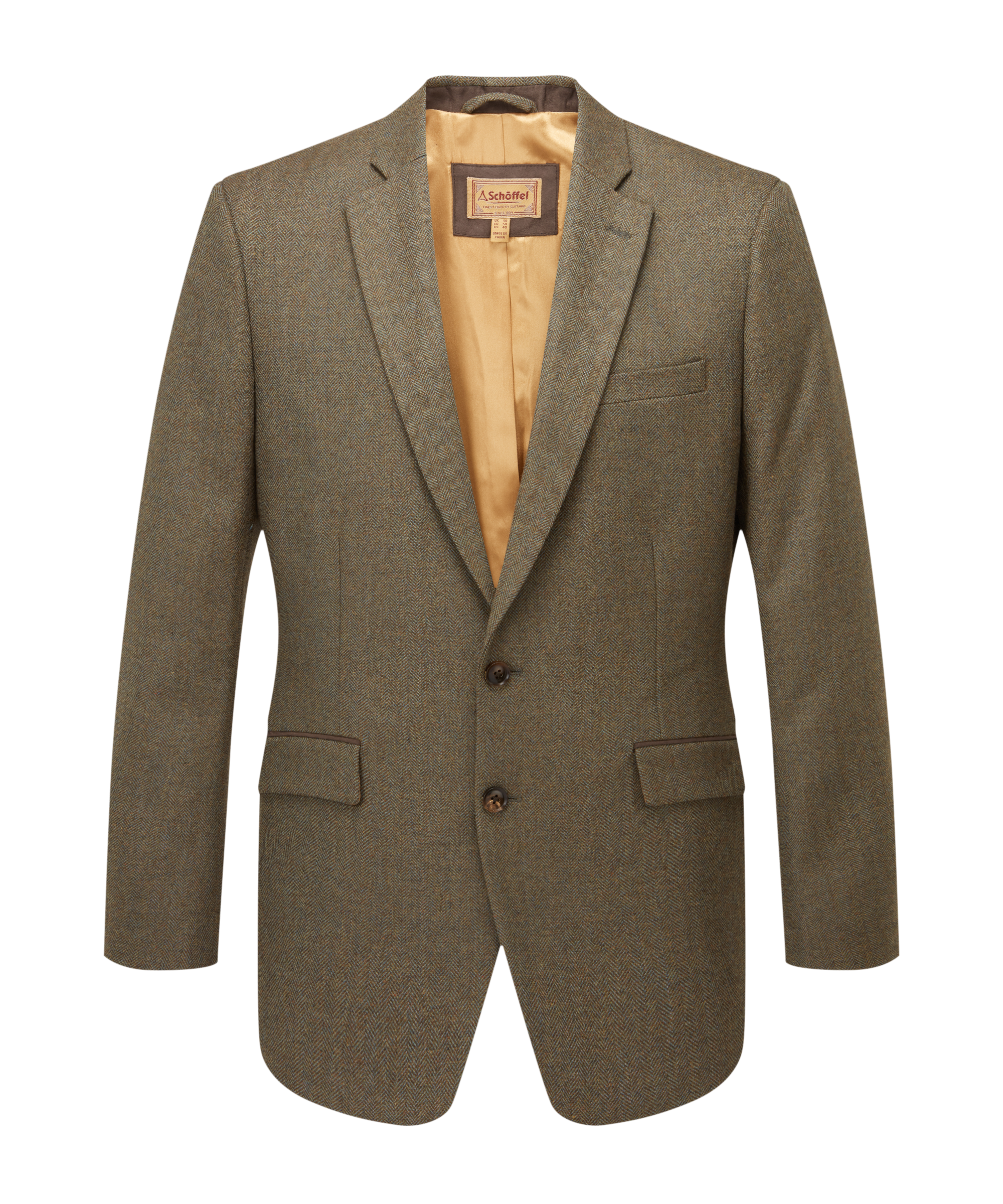
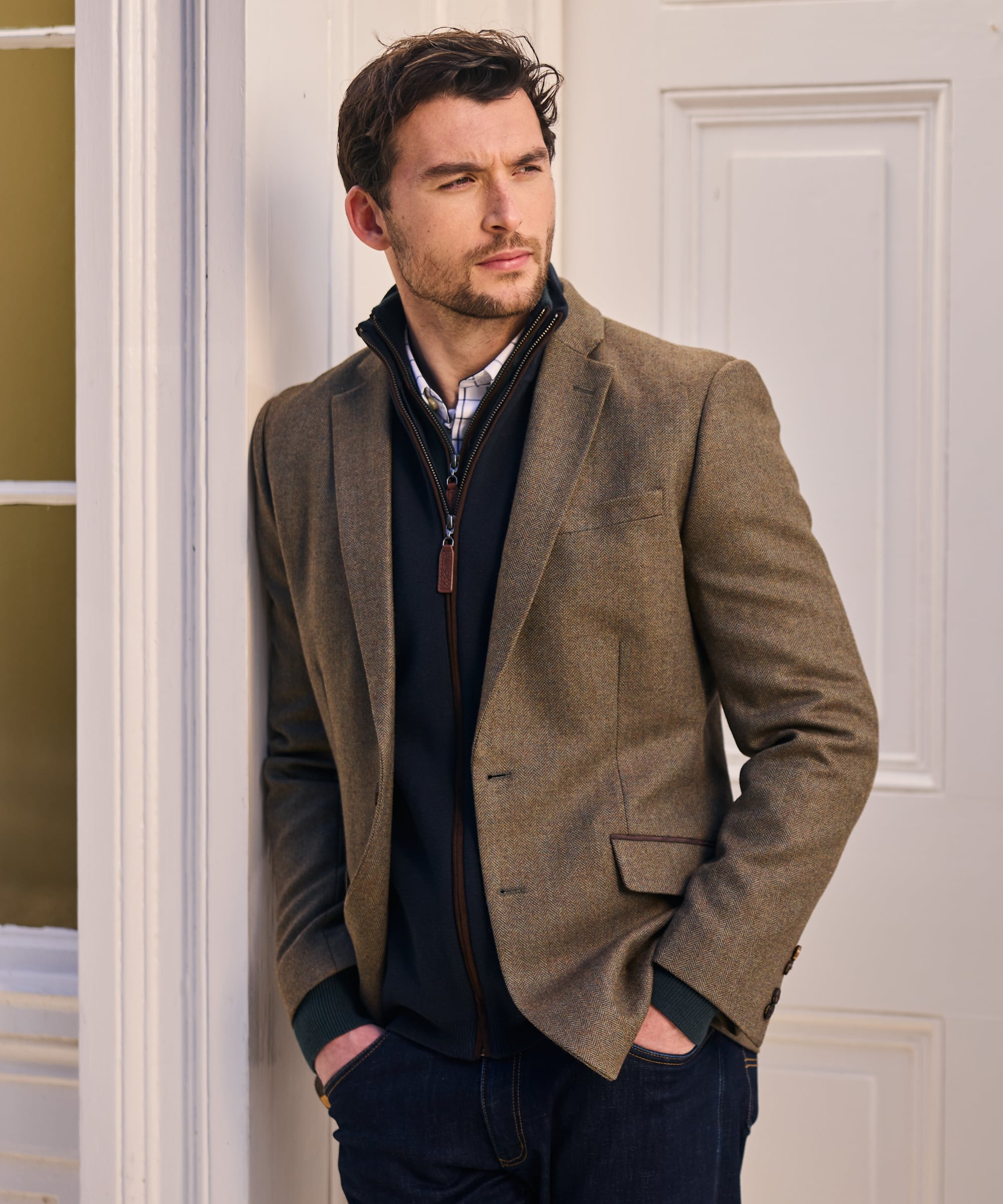 OutletSt Andrews Tweed Sports JacketLoden Green Herringbone Tweed + 3 colours$490
$650.00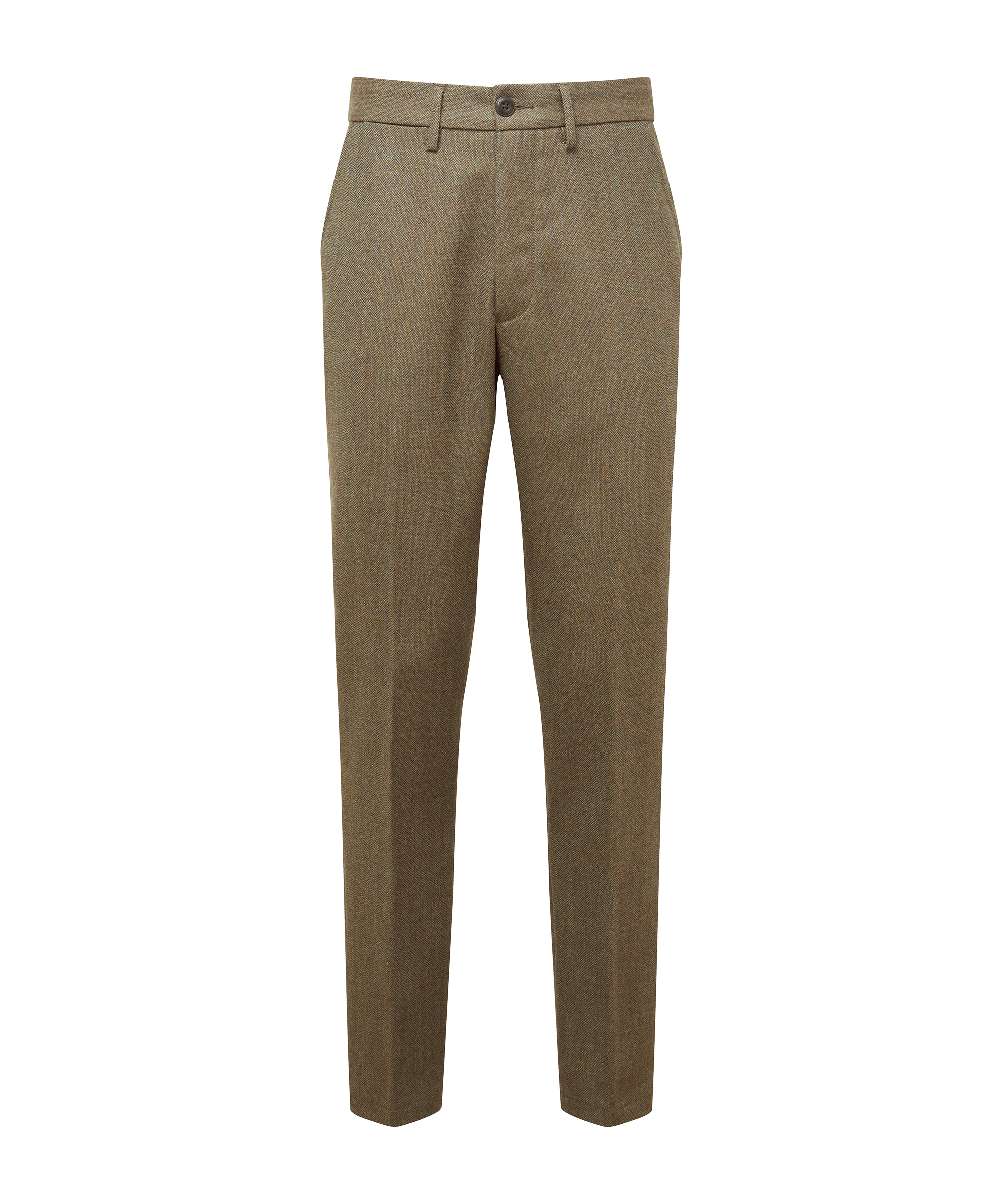
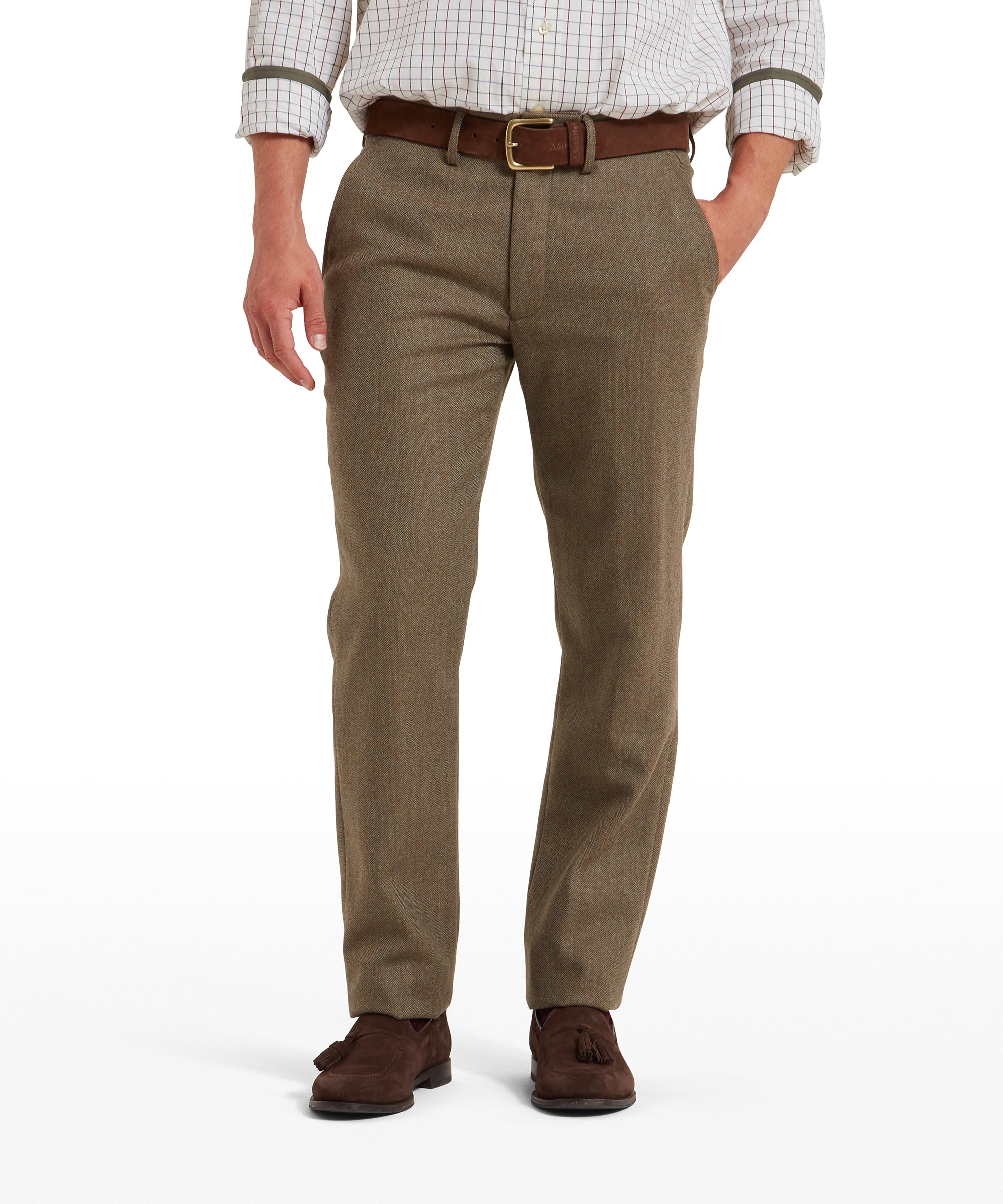 Ross Tweed PantsLoden Green Herringbone Tweed$450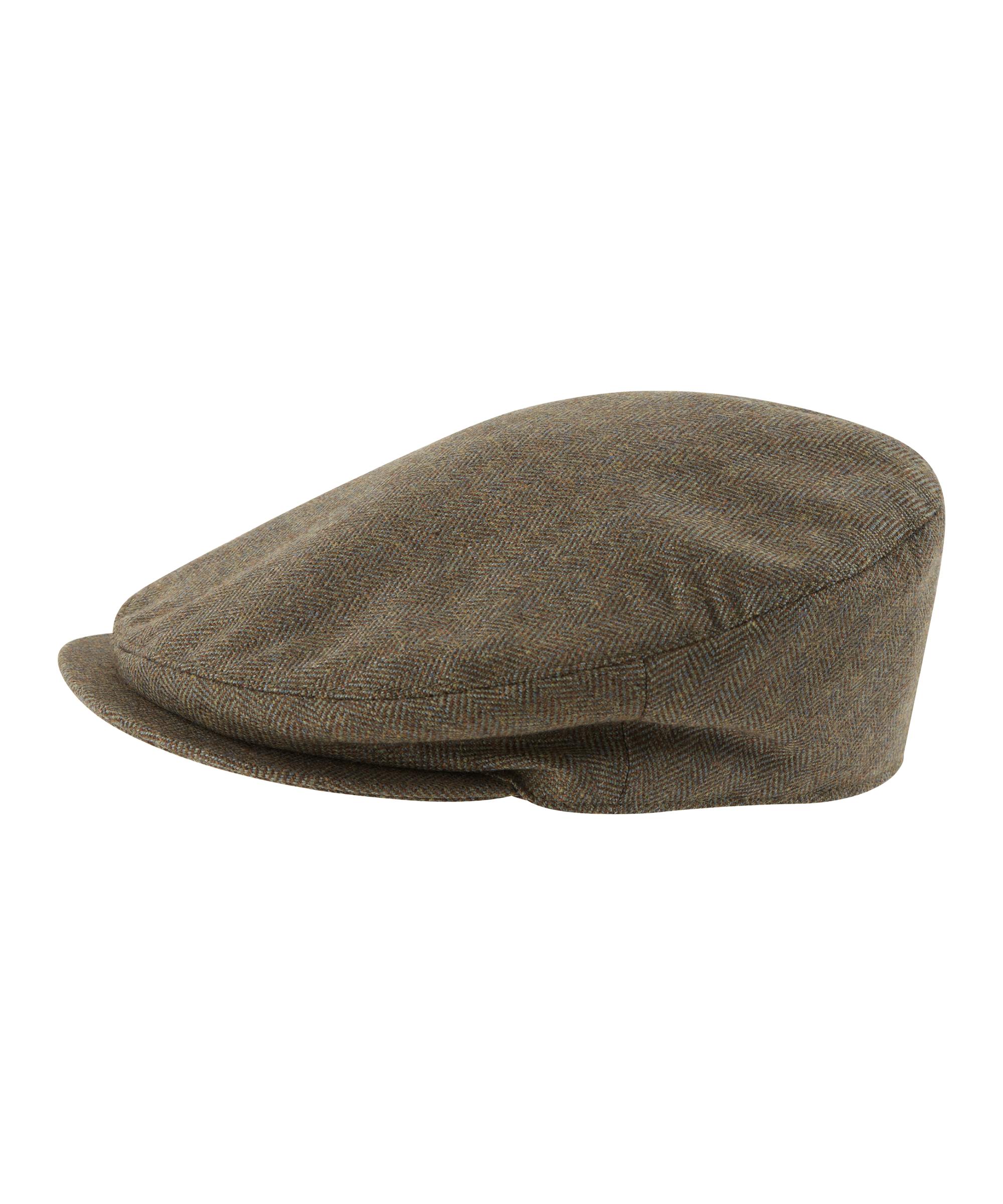
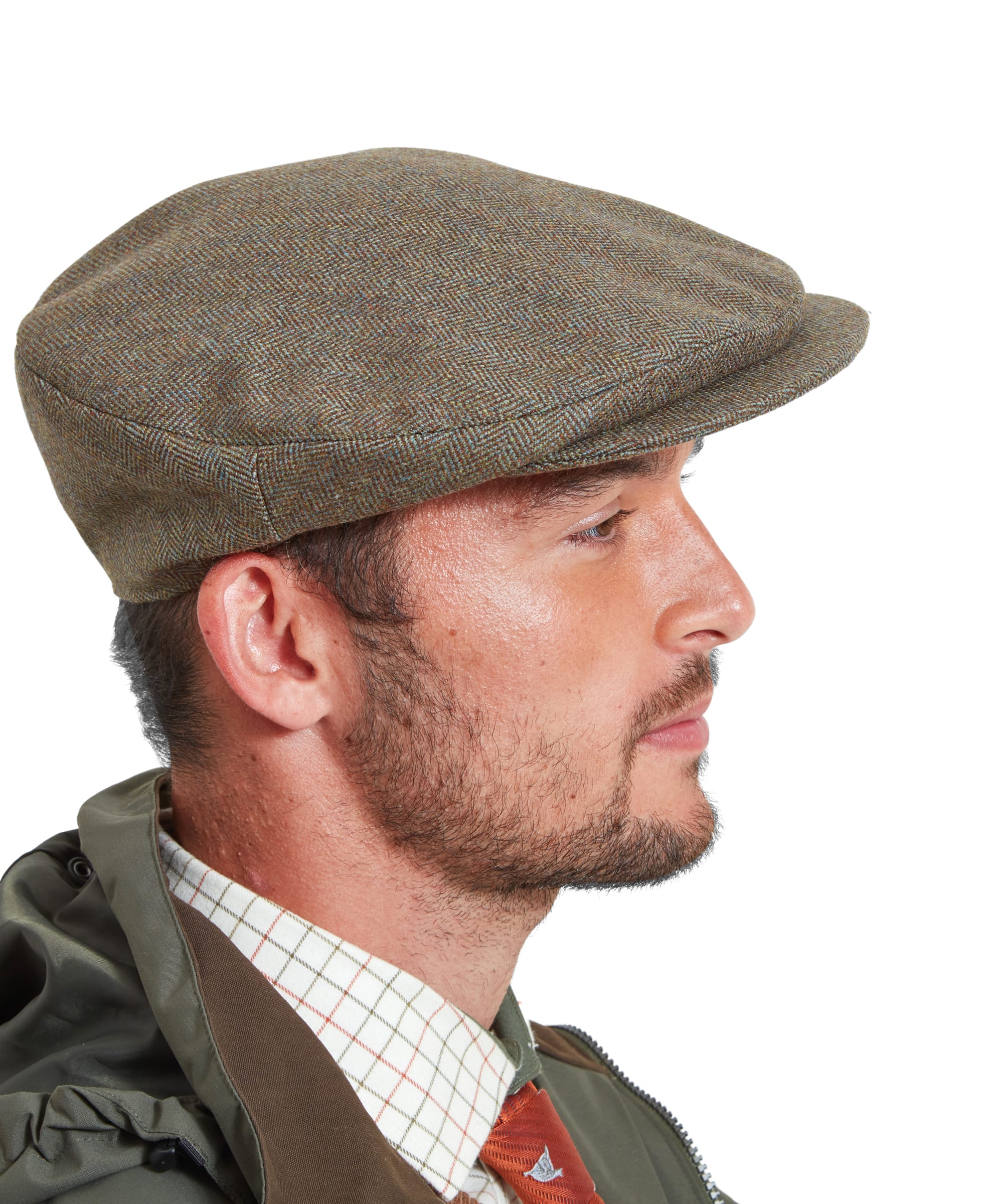 OutletCountryman Tweed CapLoden Green Herringbone Tweed + 6 colours$90
$130.00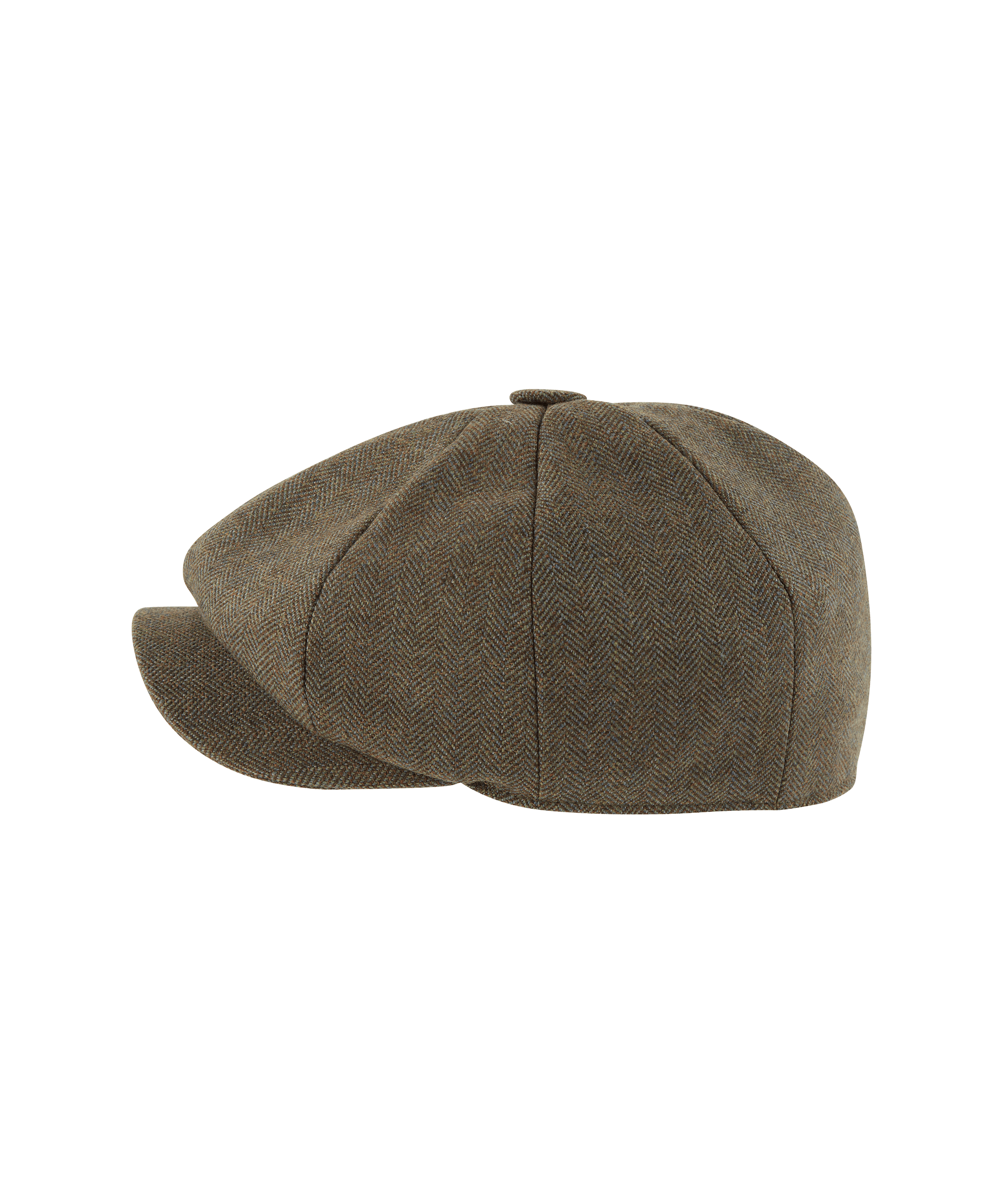 OutletNewsboy Tweed CapLoden Green Herringbone Tweed + 5 colours$90
$130.00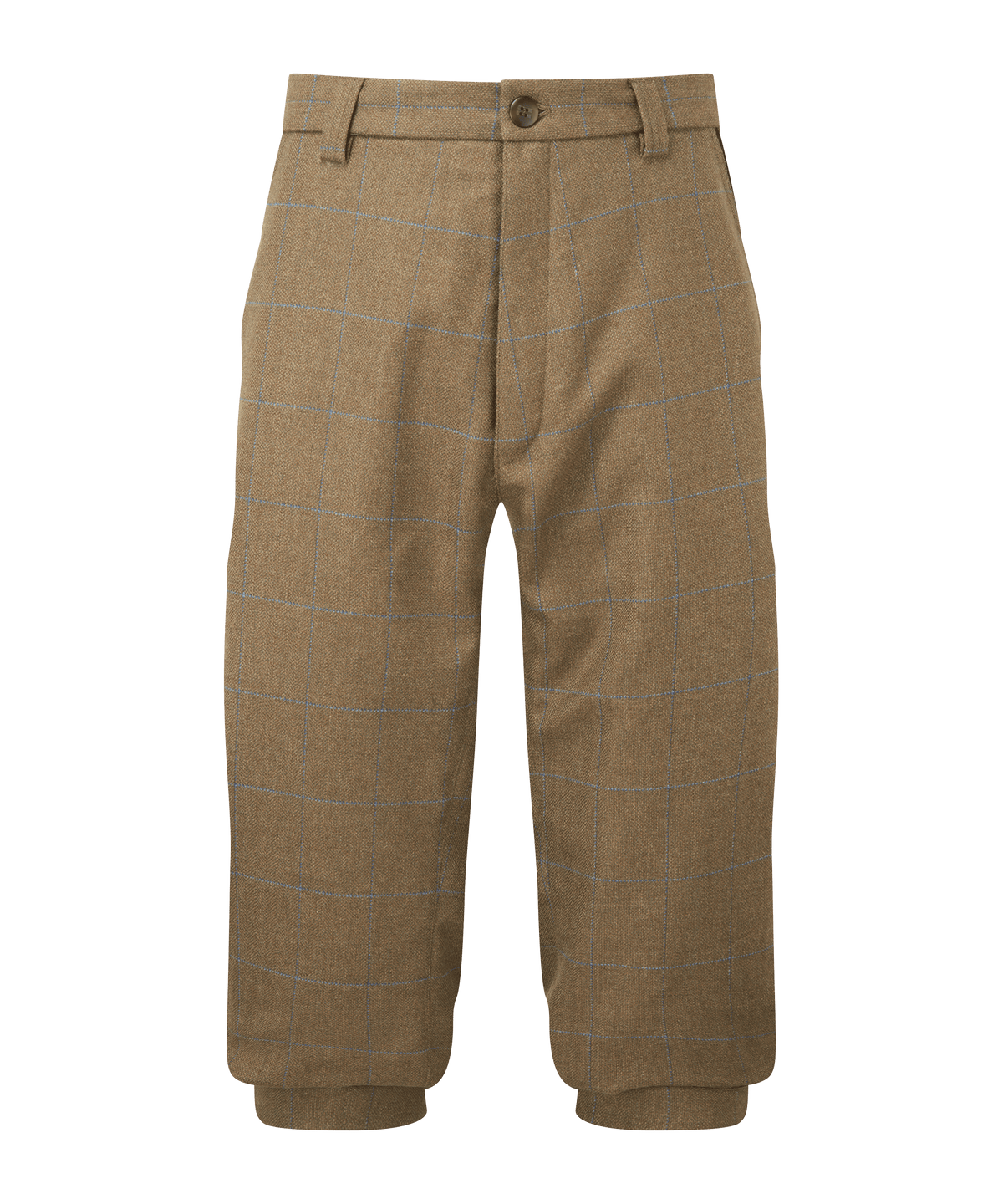
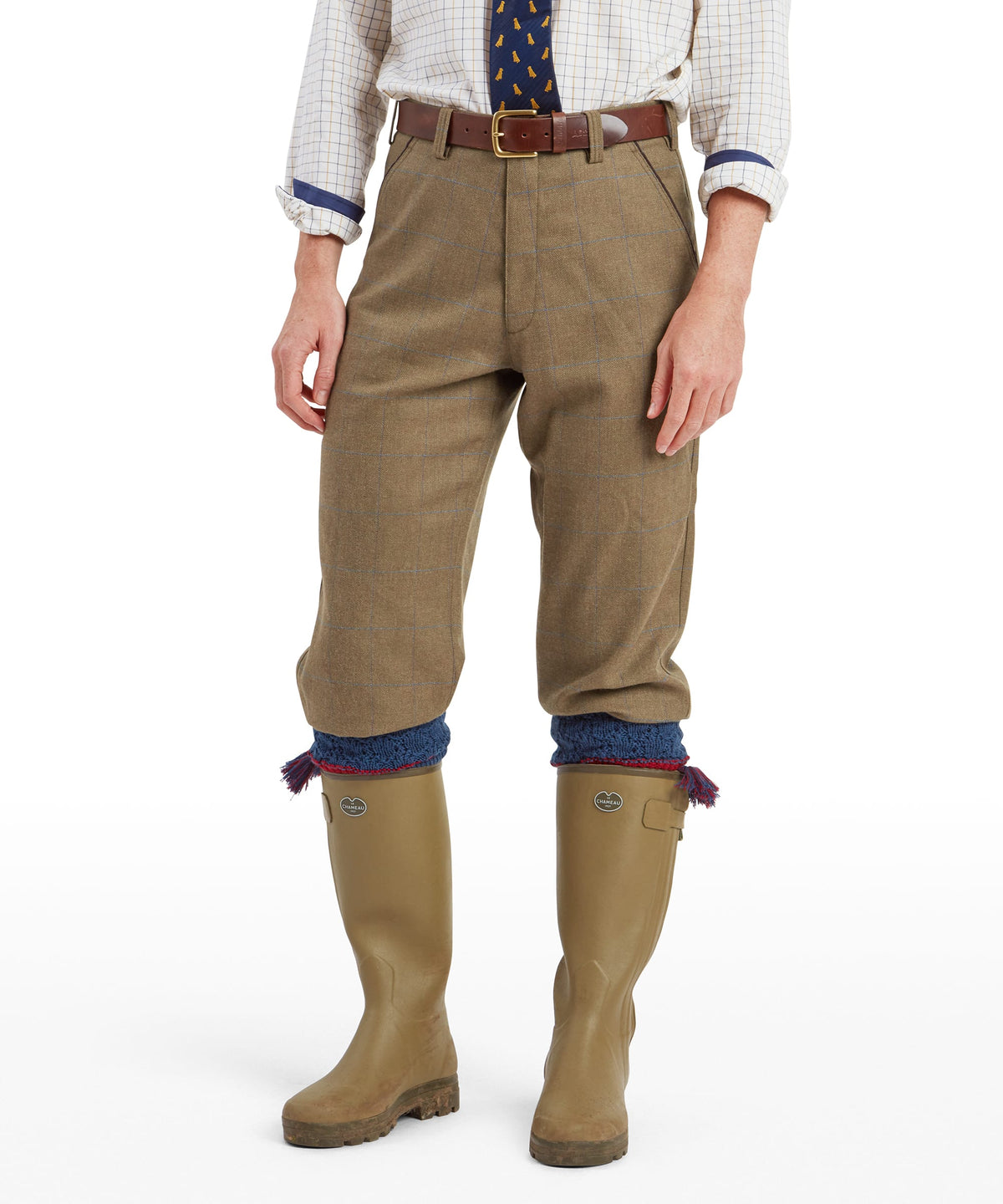 New inMens Ptarmigan Tweed Plus Twos GreenCorry Tweed$600
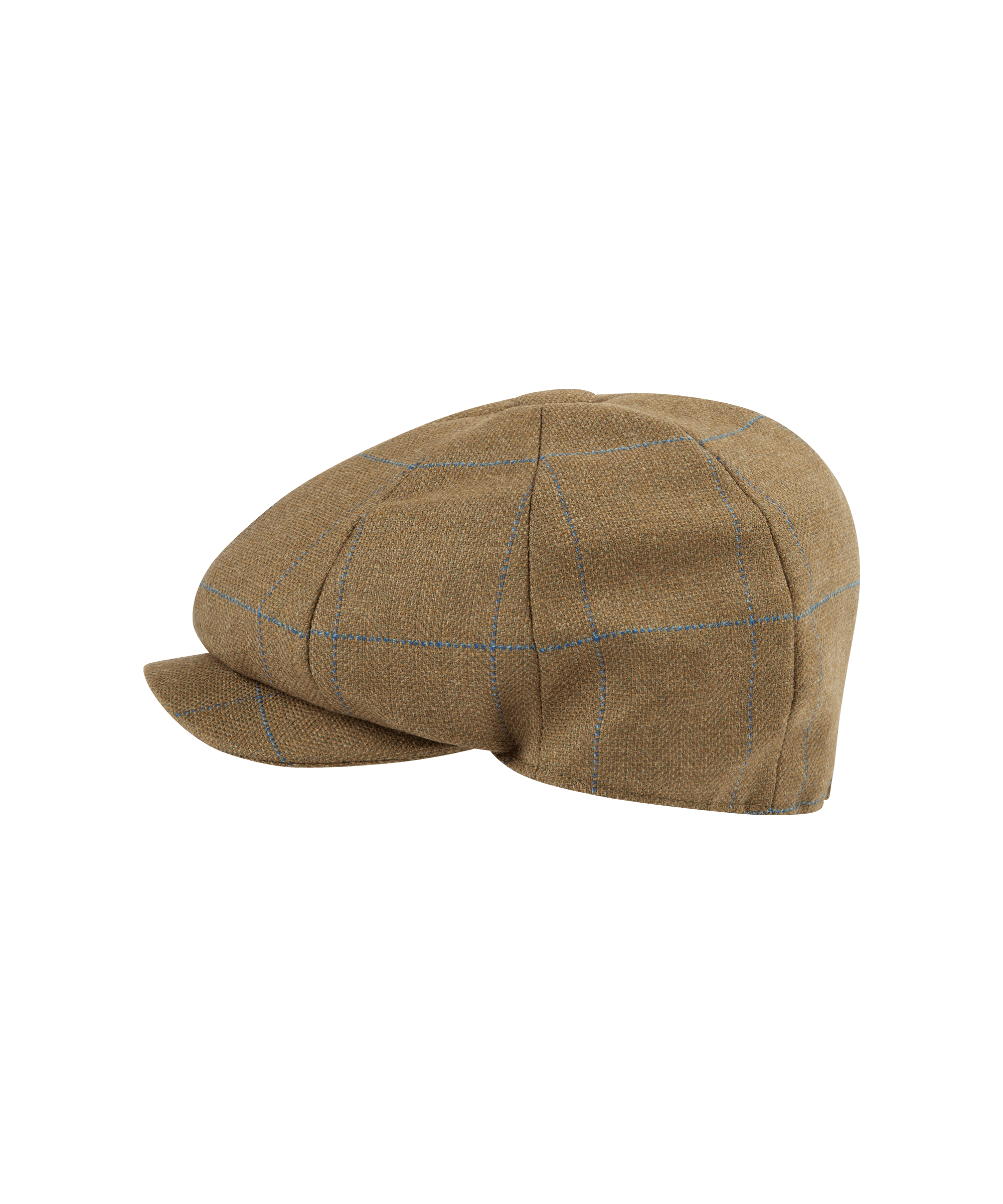 Newsboy Tweed CapCorry Tweed + 5 colours$130
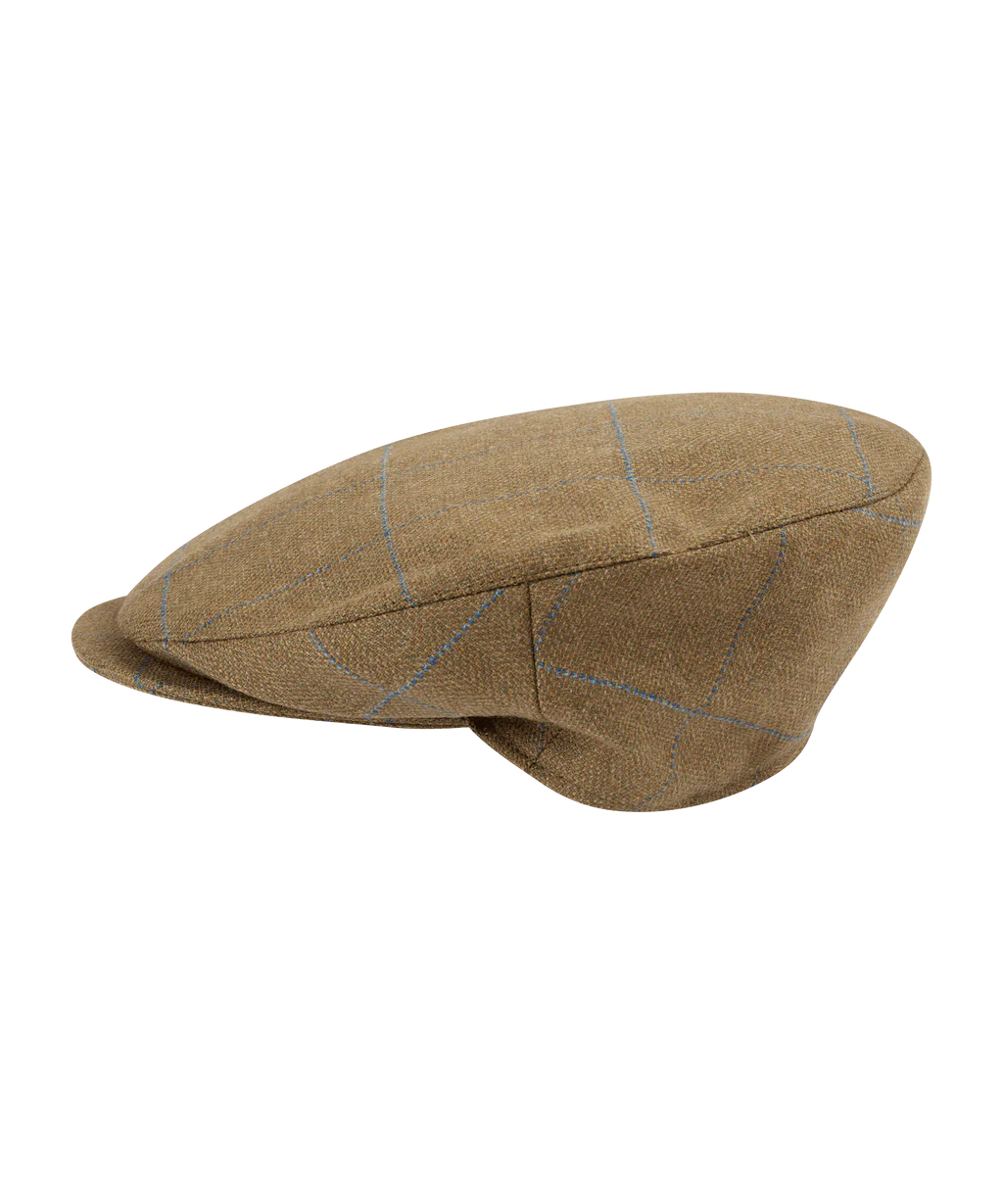 Countryman Tweed CapCorry Tweed + 6 colours$130
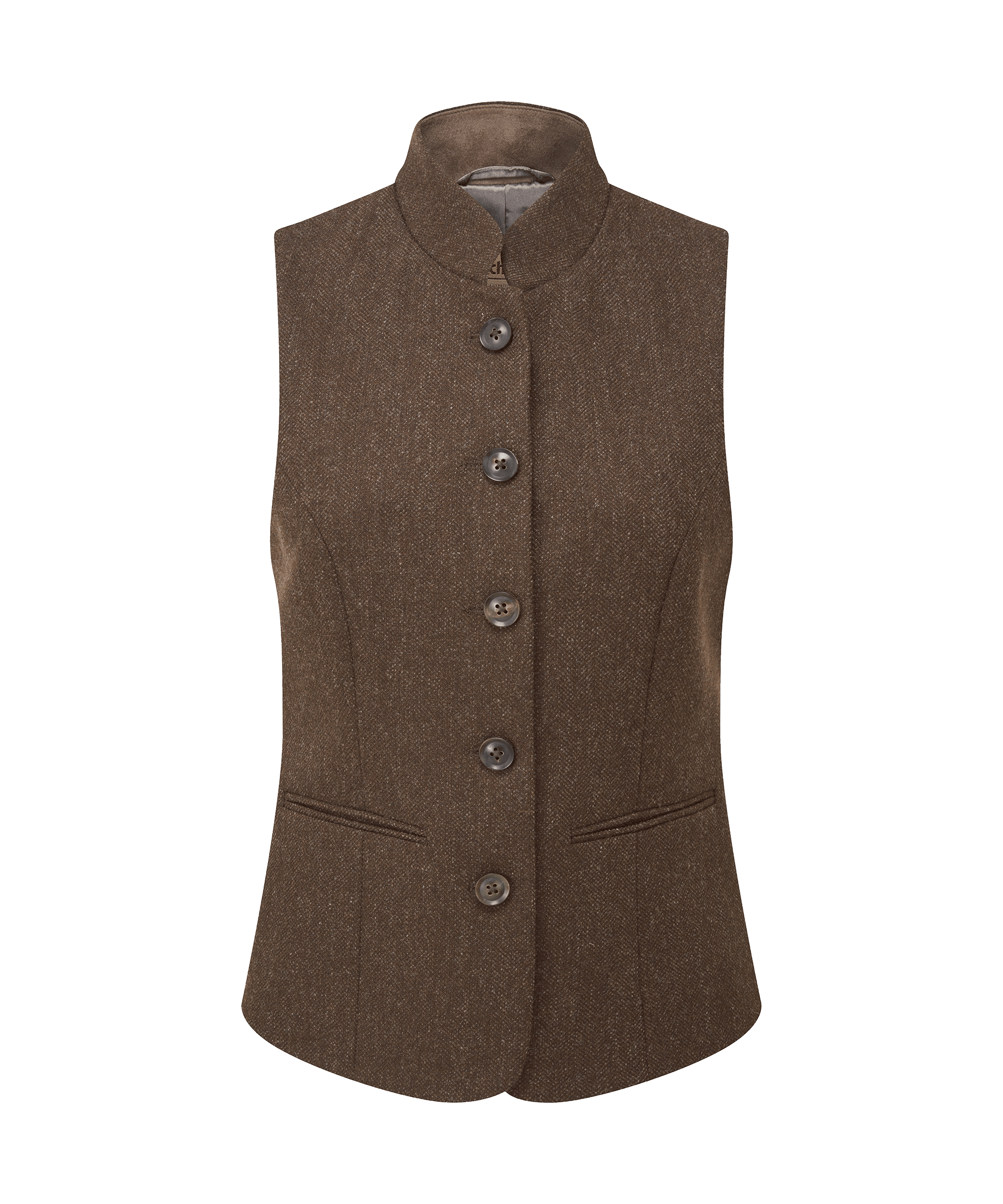
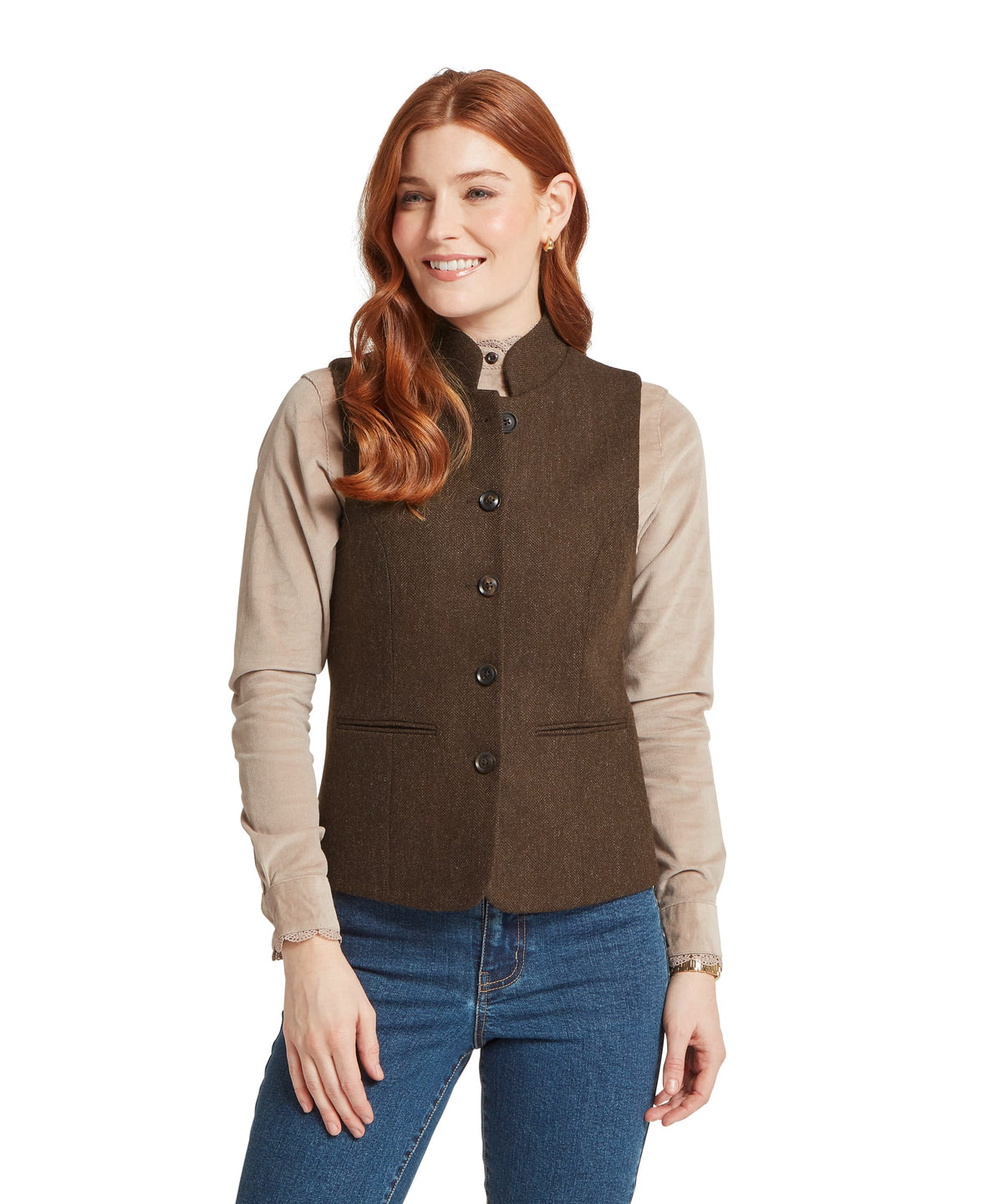 New inWomens Millport Tweed Nehru Waistcoat BrownChocolate Herringbone Tweed + 2 colours$500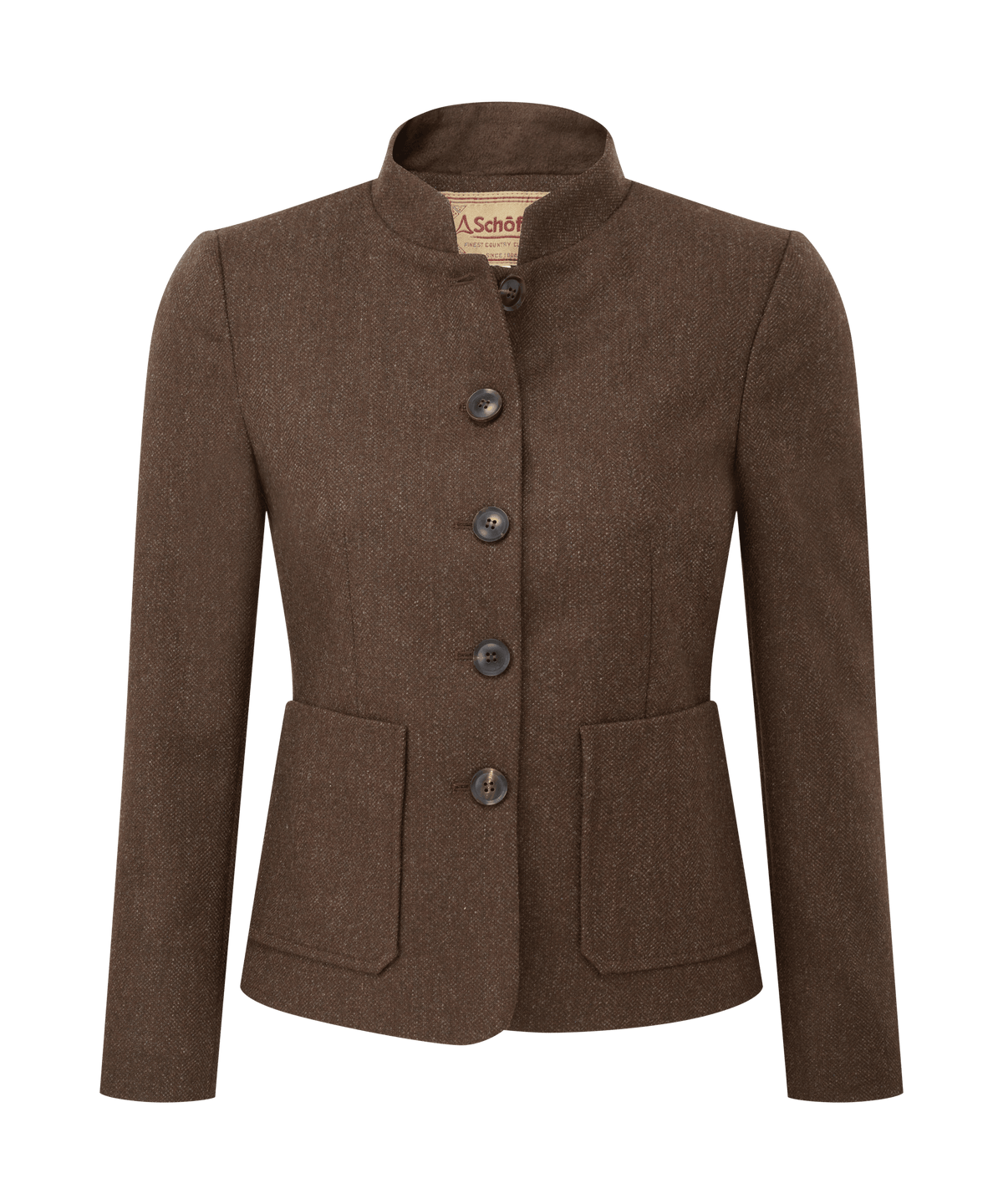
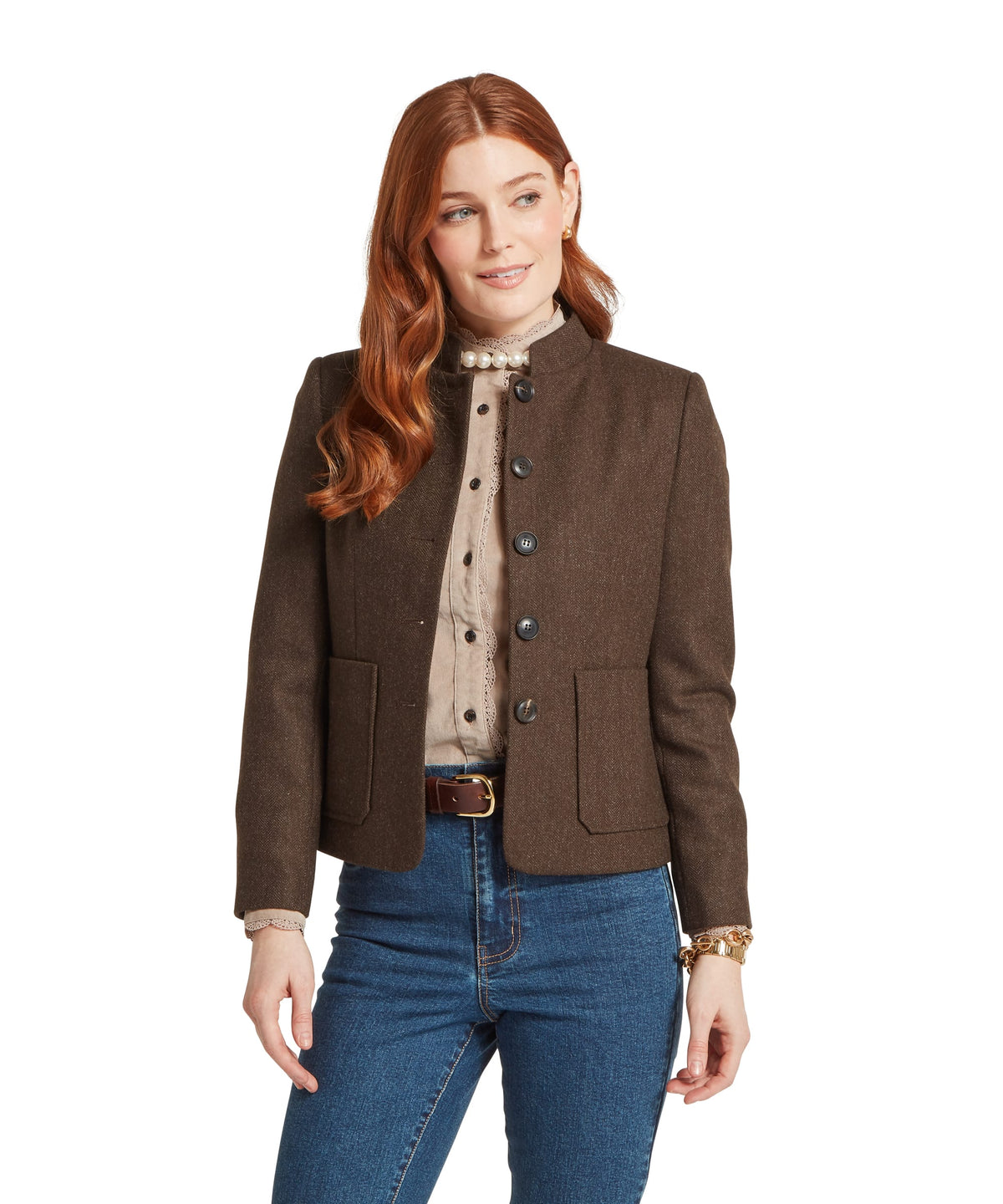 New inWomens St Abbs Tweed Blazer BrownChocolate Herringbone Tweed$700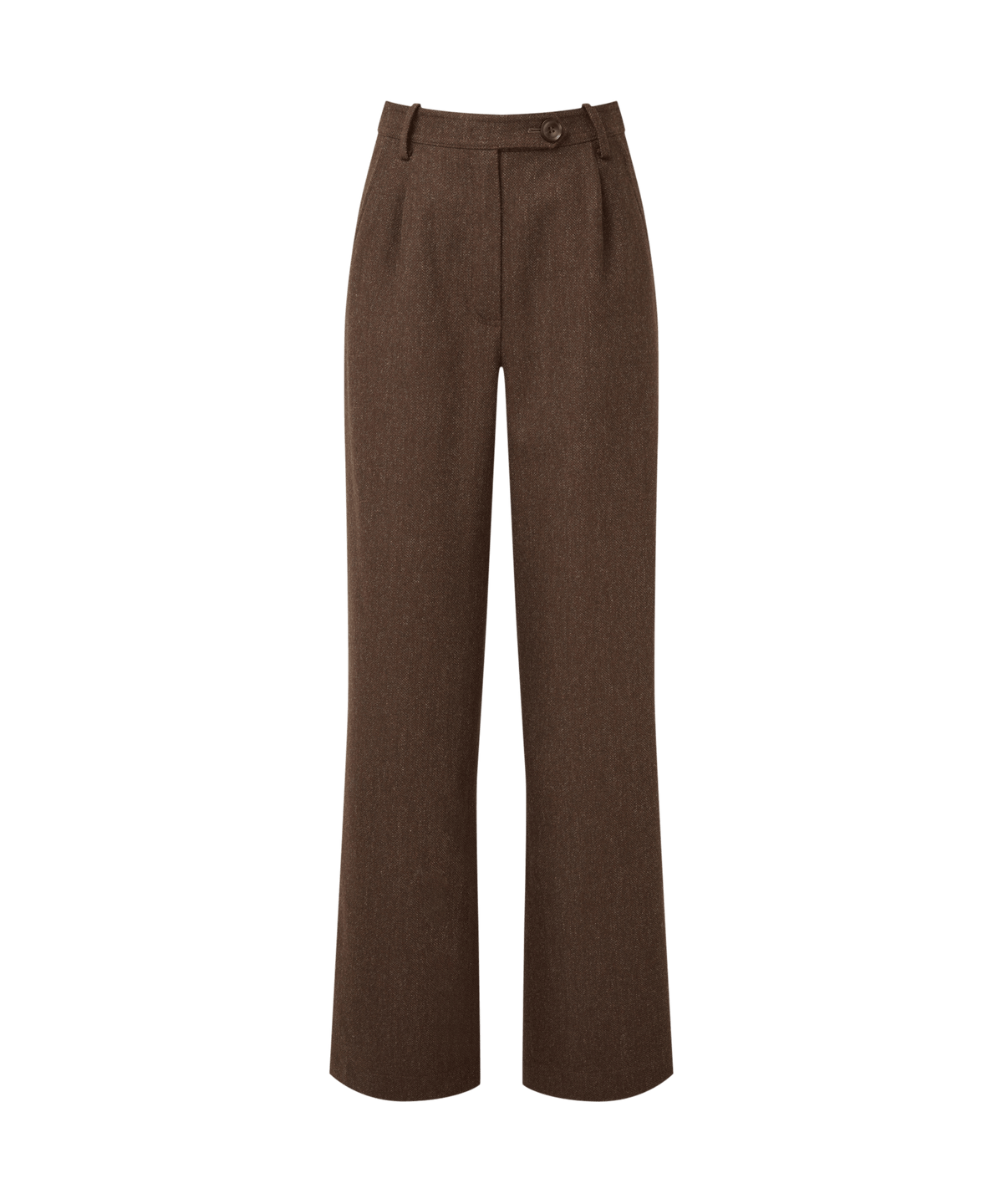
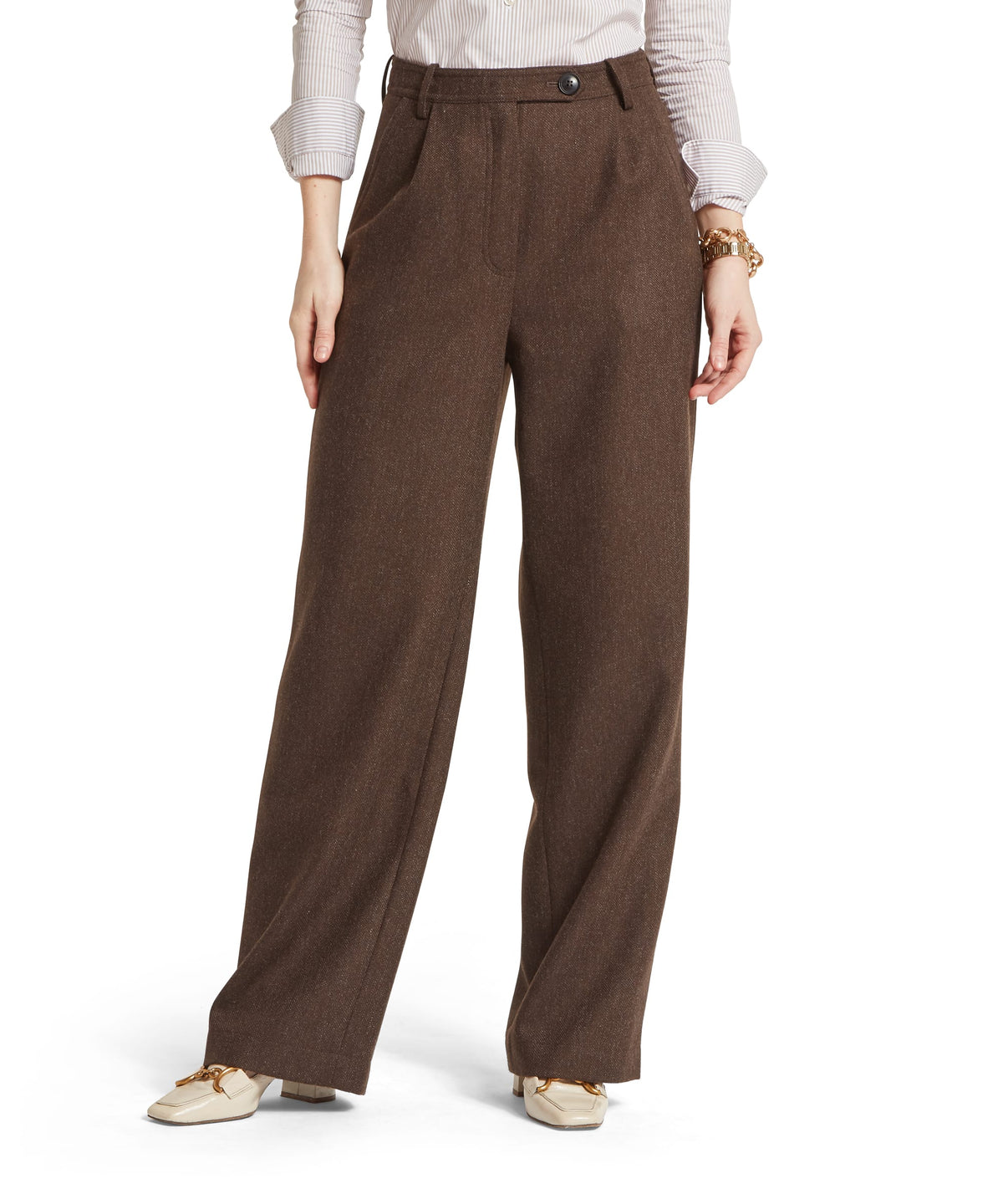 New inWomens Arabella Tweed Pant BrownChocolate Herringbone Tweed$600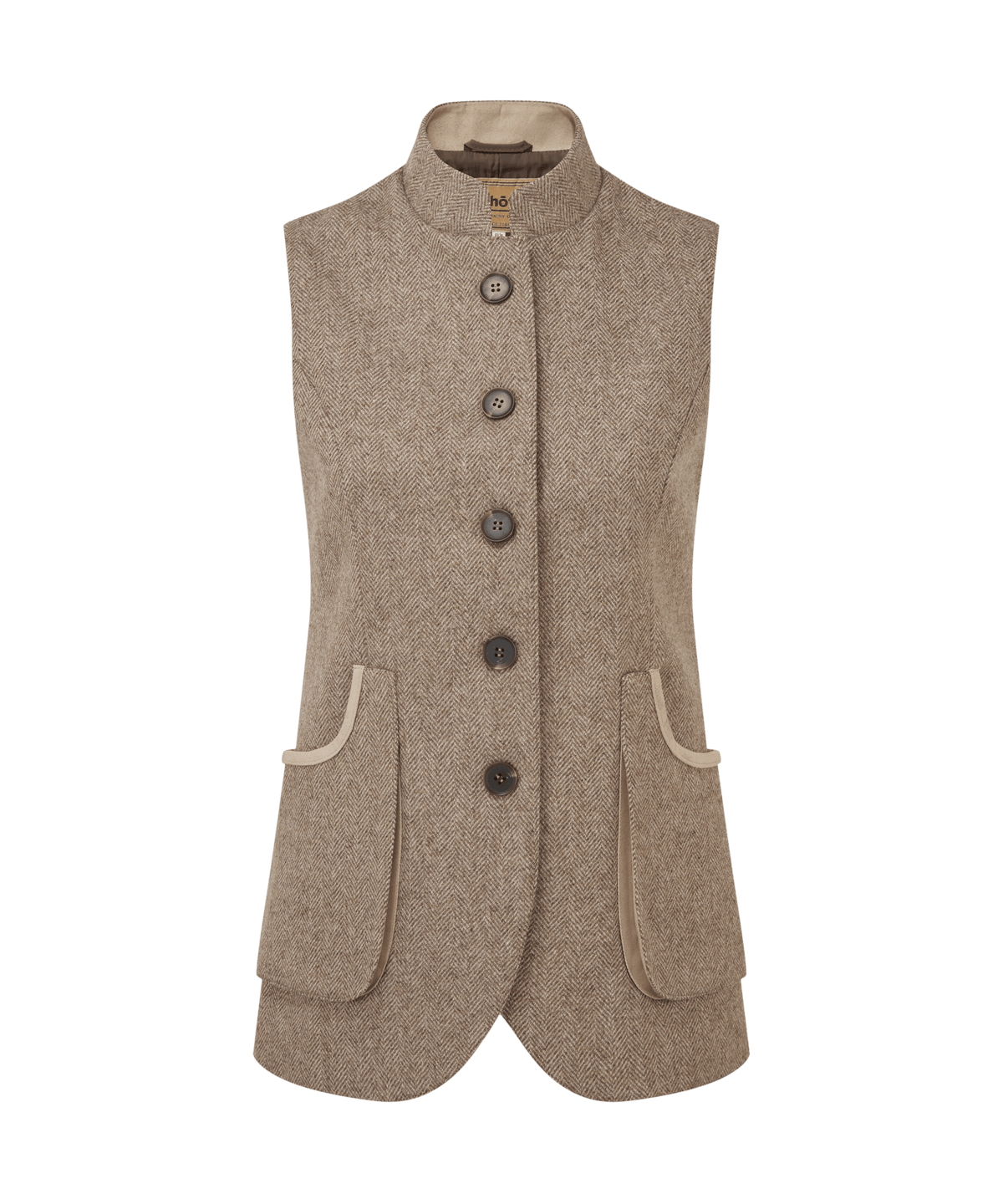
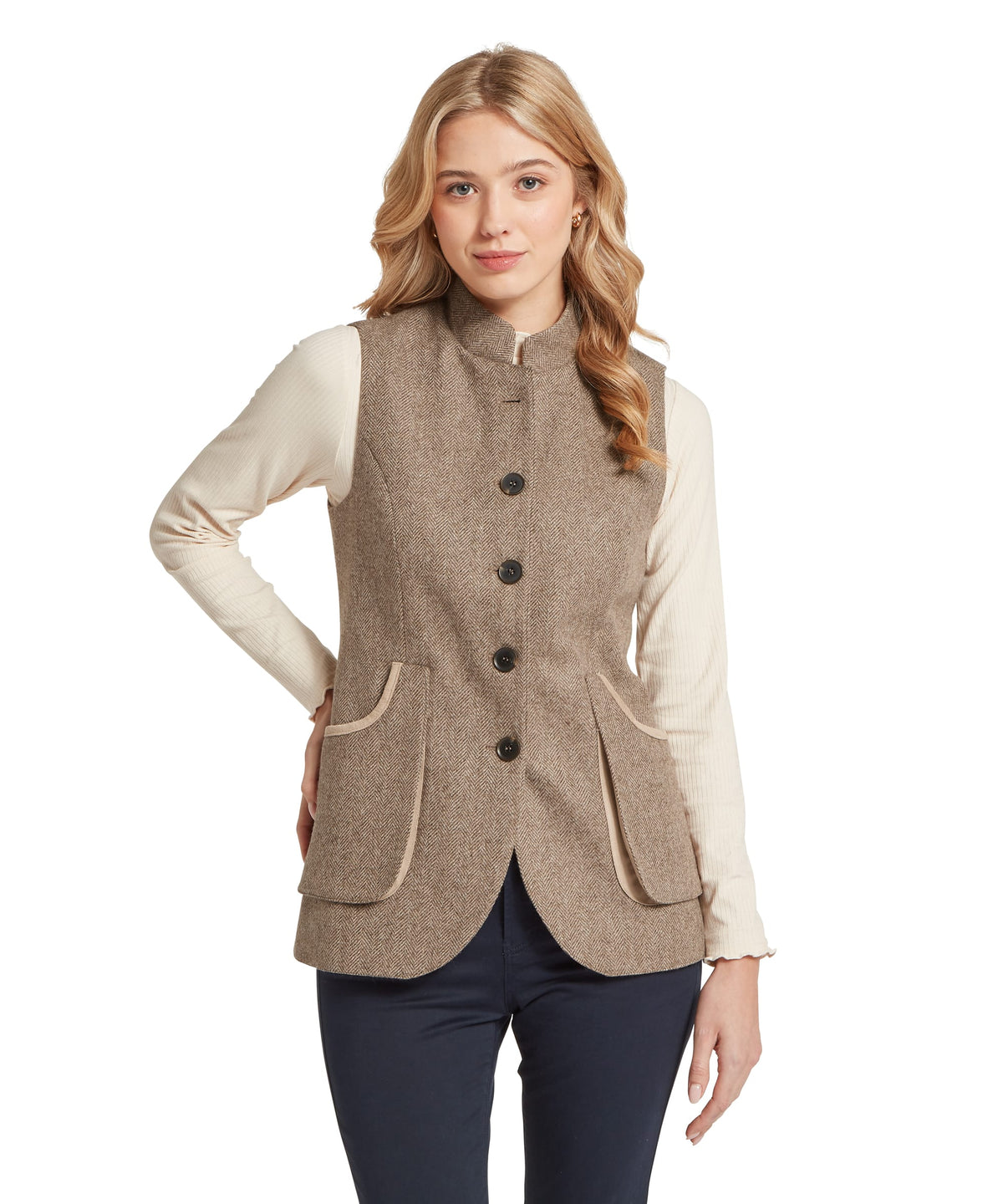 New inWomens Pennan Tweed WaistcoatCobblestone Herringbone Tweed$550
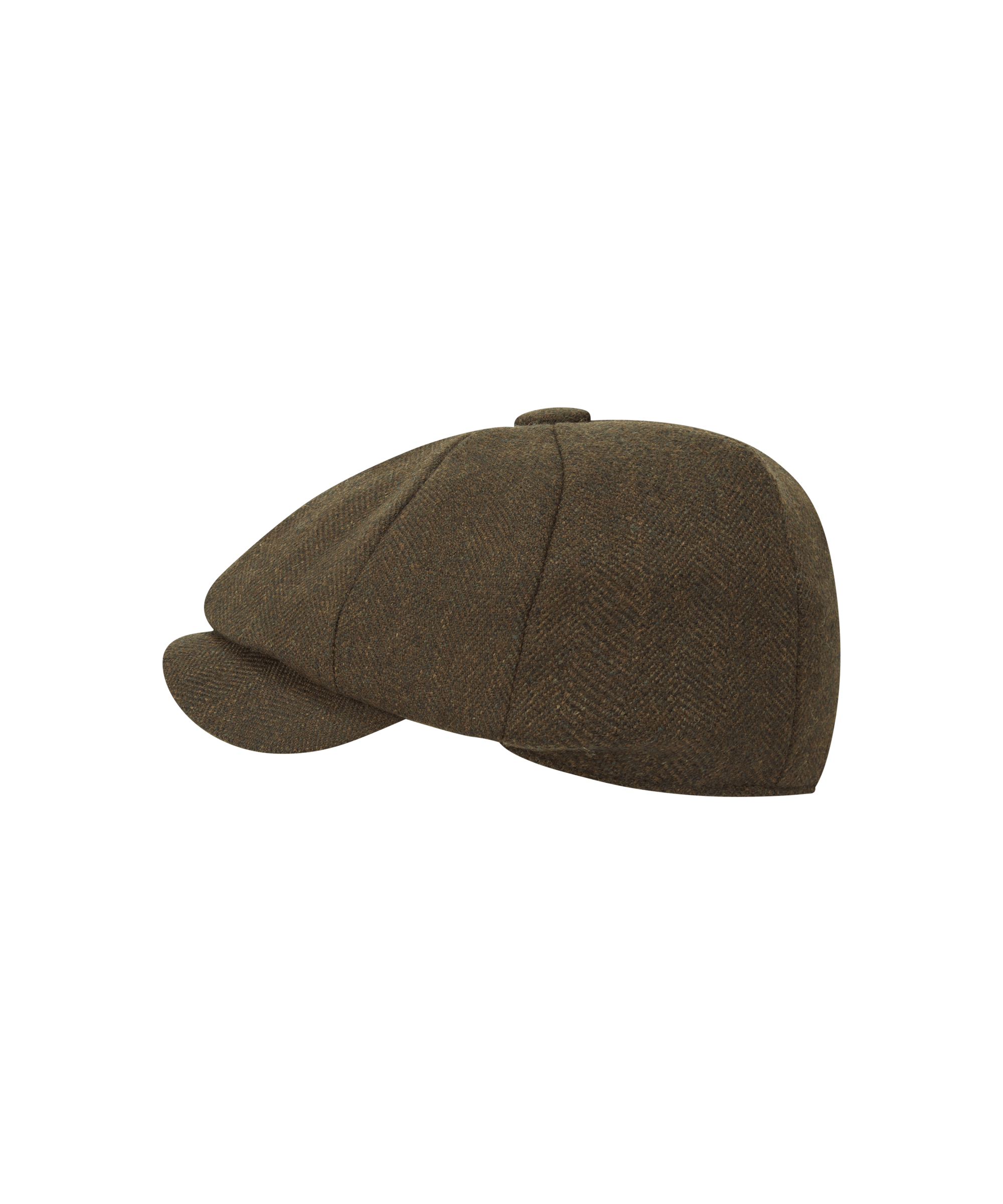 New inWomens Women's Newsboy Cap GreenDark Loden Herr Tweed + 7 colours$140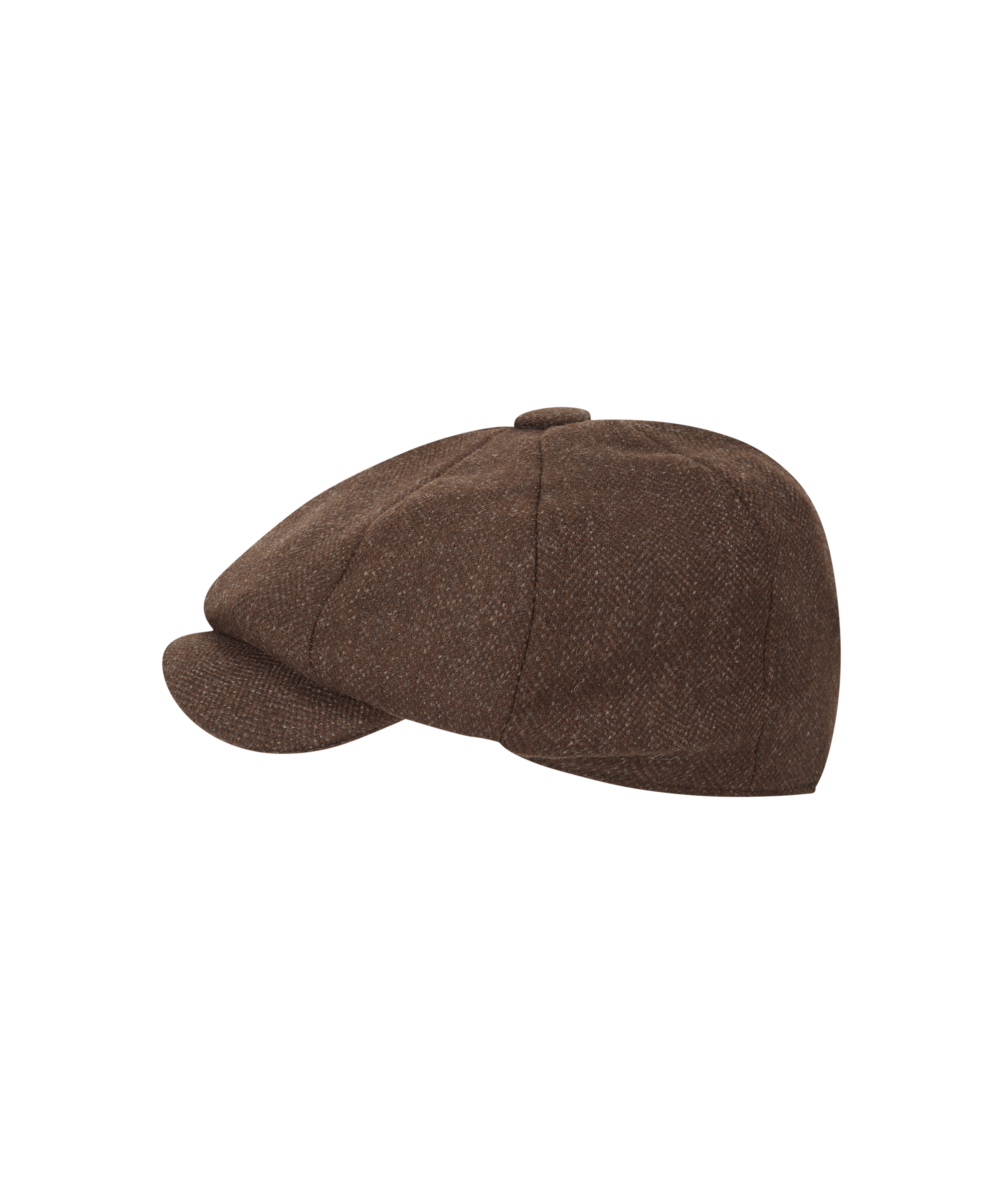
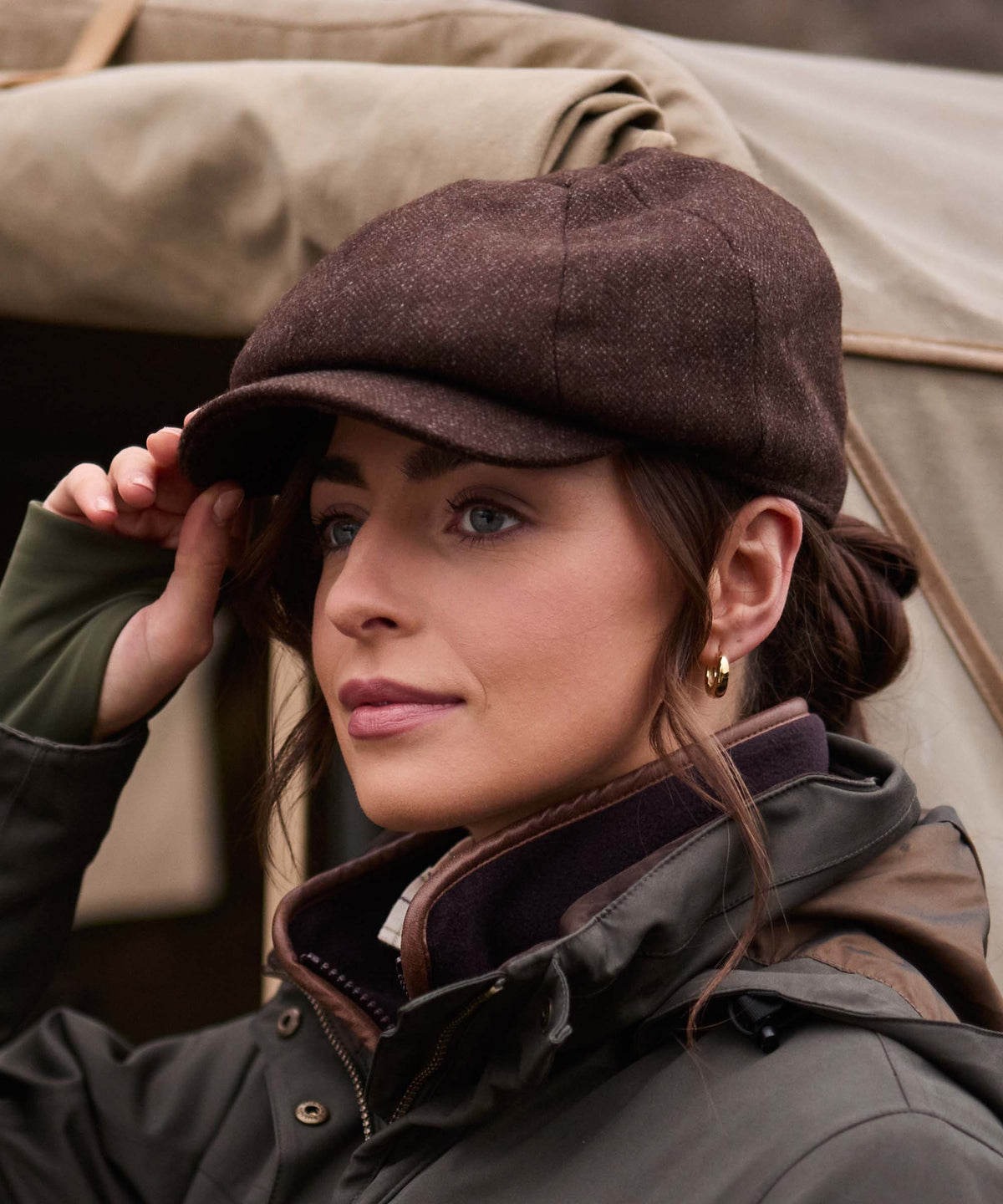 New inWomens Women's Newsboy Cap BrownChocolate Herringbone Tweed + 7 colours$140
 Hartington BeltOak Herringbone Tweed + 1 colour$140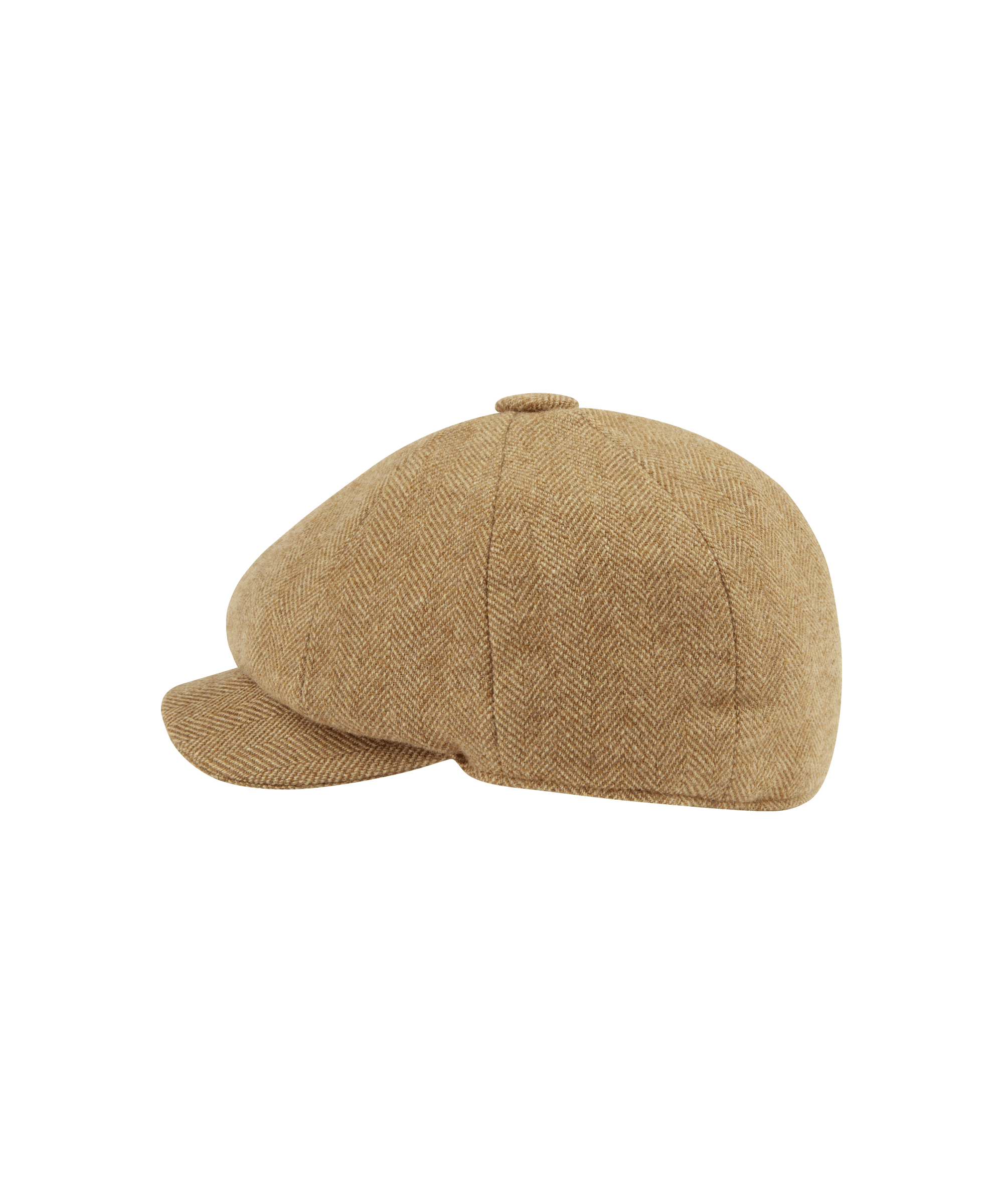
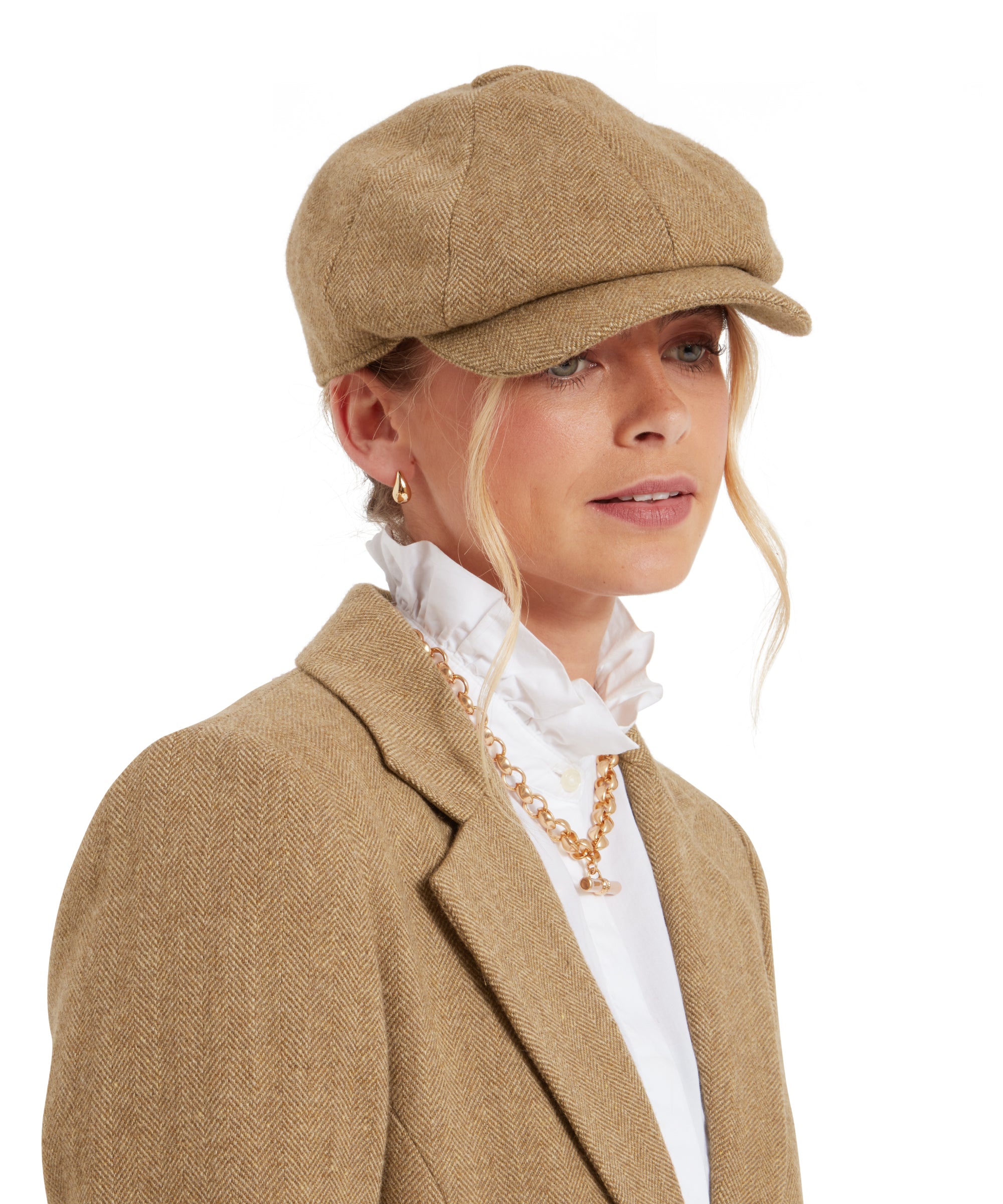 Women's Newsboy Tweed CapOak Herringbone Tweed + 7 colours$140

Common questions about tweed
Tweed is a woollen cloth, traditionally woven in a twill. What makes it distinctive is its colour. Each yarn is a blend of several dyed fibres, so up close a single shade breaks into seven, eight or even ten separate threads. From a distance they read as one flat colour. Tweed is also a practical cloth: warm without being heavy and tough without feeling stiff.
Tweed got its name by accident. The Scottish Borders produced a twill cloth, and in Scots "twill" was pronounced "tweel". In 1826, a London cloth merchant, James Lock & Co, misread the word "tweel" on a label. He wrote back ordering "tweed", thinking of the River Tweed, which runs through the Borders. William Watson & Sons of Hawick, who made the cloth, liked the name, and it has stuck ever since.
Tweed is made from wool, which is a natural, sustainable fibre. Many tweeds, including many of those made at Lovat Mill, use Cheviot wool. It comes from the sheep that have long grazed the Scottish Borders and is known for being crisp and hard-wearing. The raw wool is dyed and blended before it's spun into yarn, and that's where tweed gets its depth of colour.
Tweed is made in stages:
– Raw wool is dyed in small batches, blended in careful proportions and spun into yarn.
– Yarns are chosen for colour and grist (thickness), and are often twisted together to set the weight.
– The warp (the vertical threads) is built and drawn through shafts, then the weft is woven through it on the loom.
– Every inch of the cloth is checked and mended by hand.
– Finally, the cloth is washed and finished to give it its handle and performance.
We mustn’t forget the great deal of thought and consideration that goes into designing a tweed before it is physically made, however.
Tartan repeats the same sequence of colours in both the warp and the weft. That creates a pattern traditionally tied to a family, clan or name. In tweed, the warp and weft can run differently, which leaves much more room for colour and complexity. As they say at Lovat Mill: tartan belongs to the family, tweed belongs to the land.
Each tweed yarn is made from wool dyed in several shades and blended before spinning. What looks like plain brown or tan from across a room is actually seven or eight different threads. They might be greens, ambers, greys and rust, working together to make one colour.
Grist is the thickness of a yarn. It decides how heavy the finished cloth will be. Yarns are chosen for their grist as well as their colour, and they're often twisted together two or three at a time. That fine-tunes the weight and adds performance.
Yes. Tweed is warm without being heavy and strong without feeling stiff. That's why it has long been worn for hunting, shooting and fishing. It's also why it looks just as at home on the hill, at the races or in the pub afterwards.
Traditionally, wool tweed isn't something you'd put in the washing machine. However, many Schöffel fabrics are machine washable, thanks to specialist finishing processes. Always check the care label on your garment before you wash it.
Every Schöffel Country tweed is designed from scratch at Lovat Mill in the Scottish Borders. It isn't chosen from a pattern book. The Schöffel product team works with the mill's designers to choose the colour, weave, pattern, check, weight and finish. Samples are hand-spun and refined until the cloth is right, so each tweed exists nowhere else. A new tweed is designed most seasons.
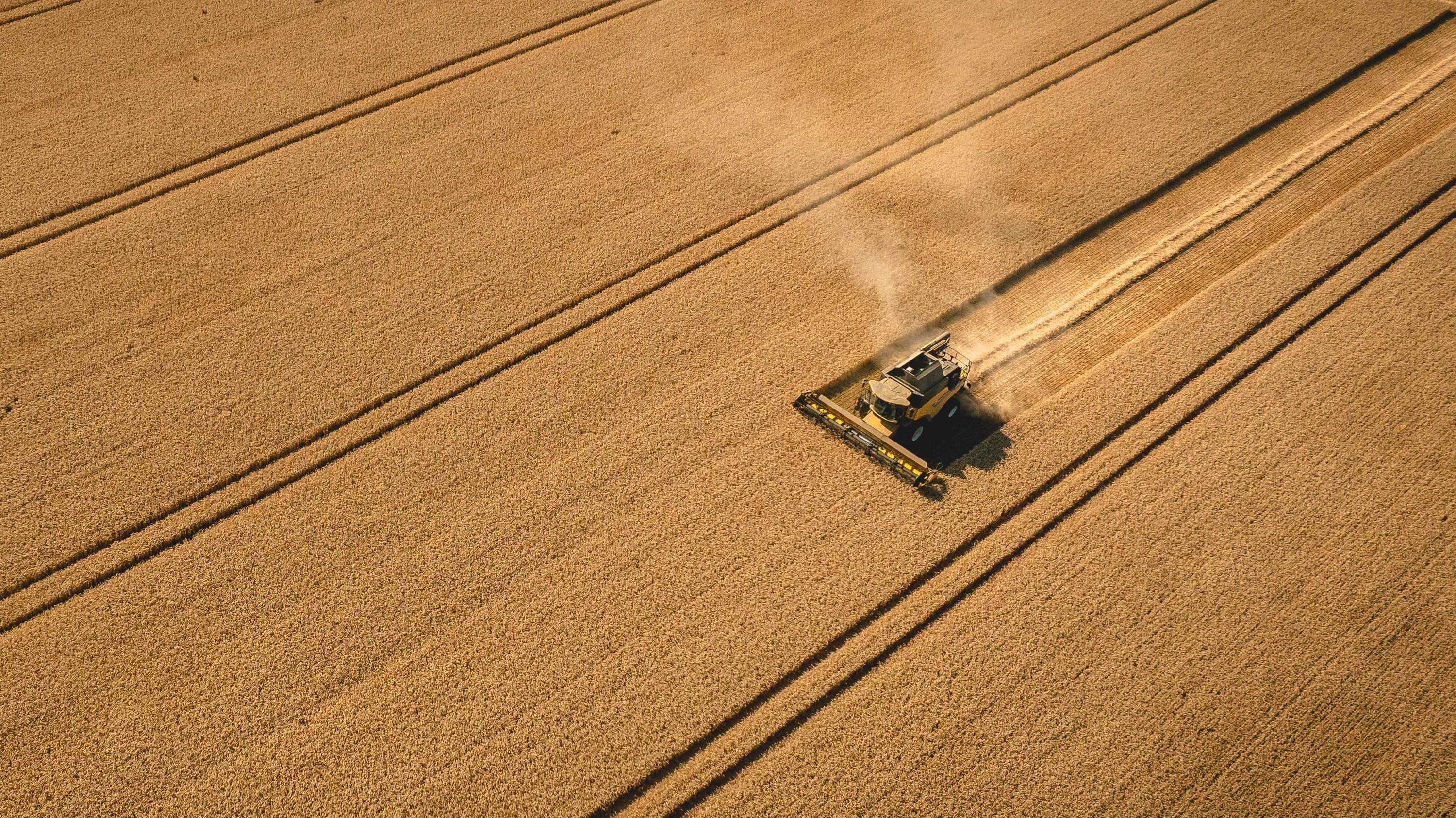 Harvest, drought, and a new venture | Farming the Seasons with Tom YoungsRead postField Notes9 min read
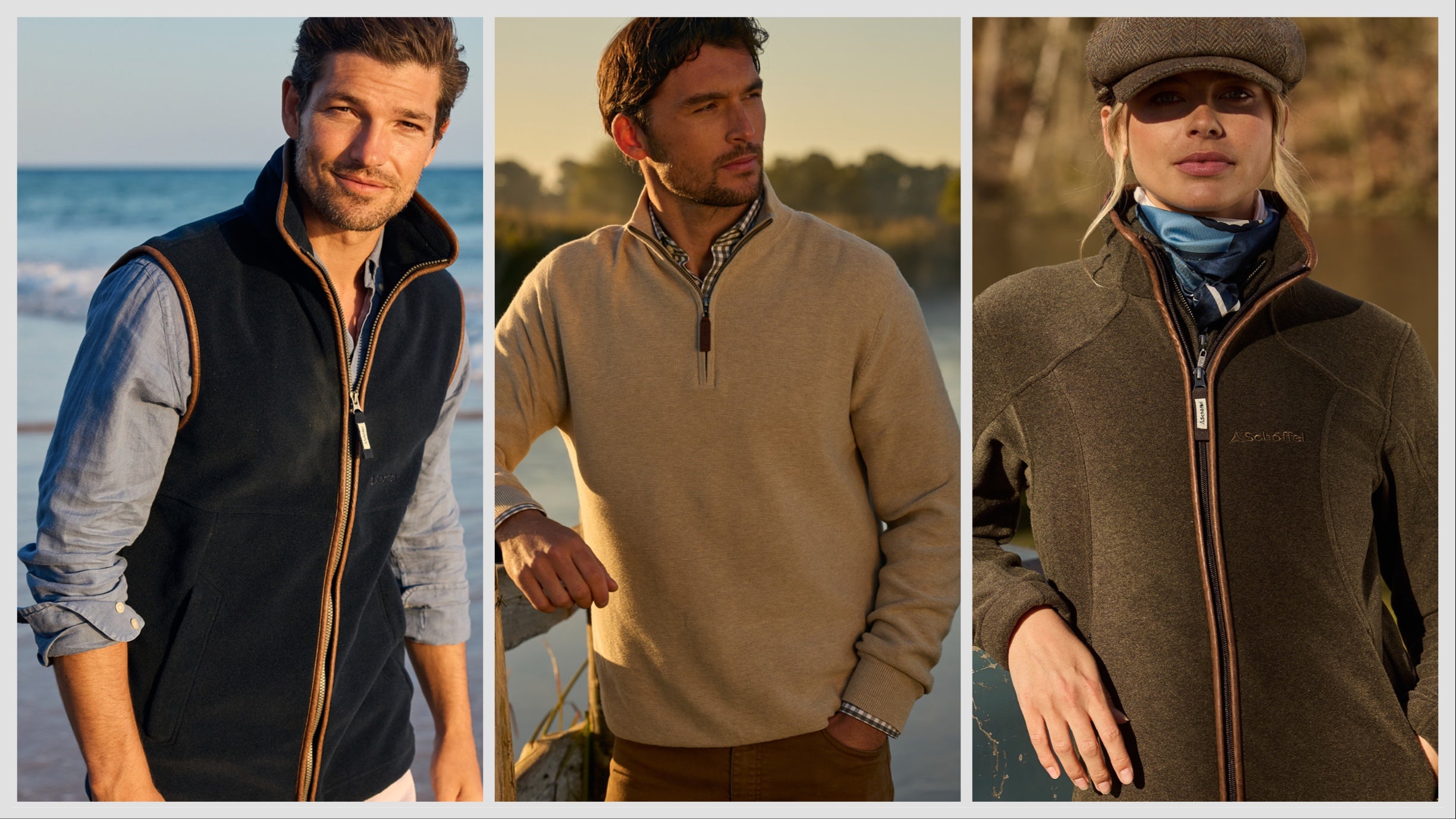 Fleece jacket vs quarter zip vs gilet: Which layer should you choose?Read postStyle Guide12 min read