Living with spring showers | Choosing the right lightweight waterproof jacket
In this guide, we explore our evolving relationship with rain and how modern waterproof, breathable outerwear is designed to keep you dry, comfortable, and confident through unpredictable spring weather.
There’s something unmistakable about April and May in the British countryside. One moment, the air feels soft with the promise of spring: the next, rain drifts in across the fields as Mother Nature reminds us of who really runs the show.
Spring showers very much shape the rhythm of rural life. They bring growth, colour, and renewal – but they can also bring unpredictability. Plans change. Conditions deteriorate. Skies shift without warning.
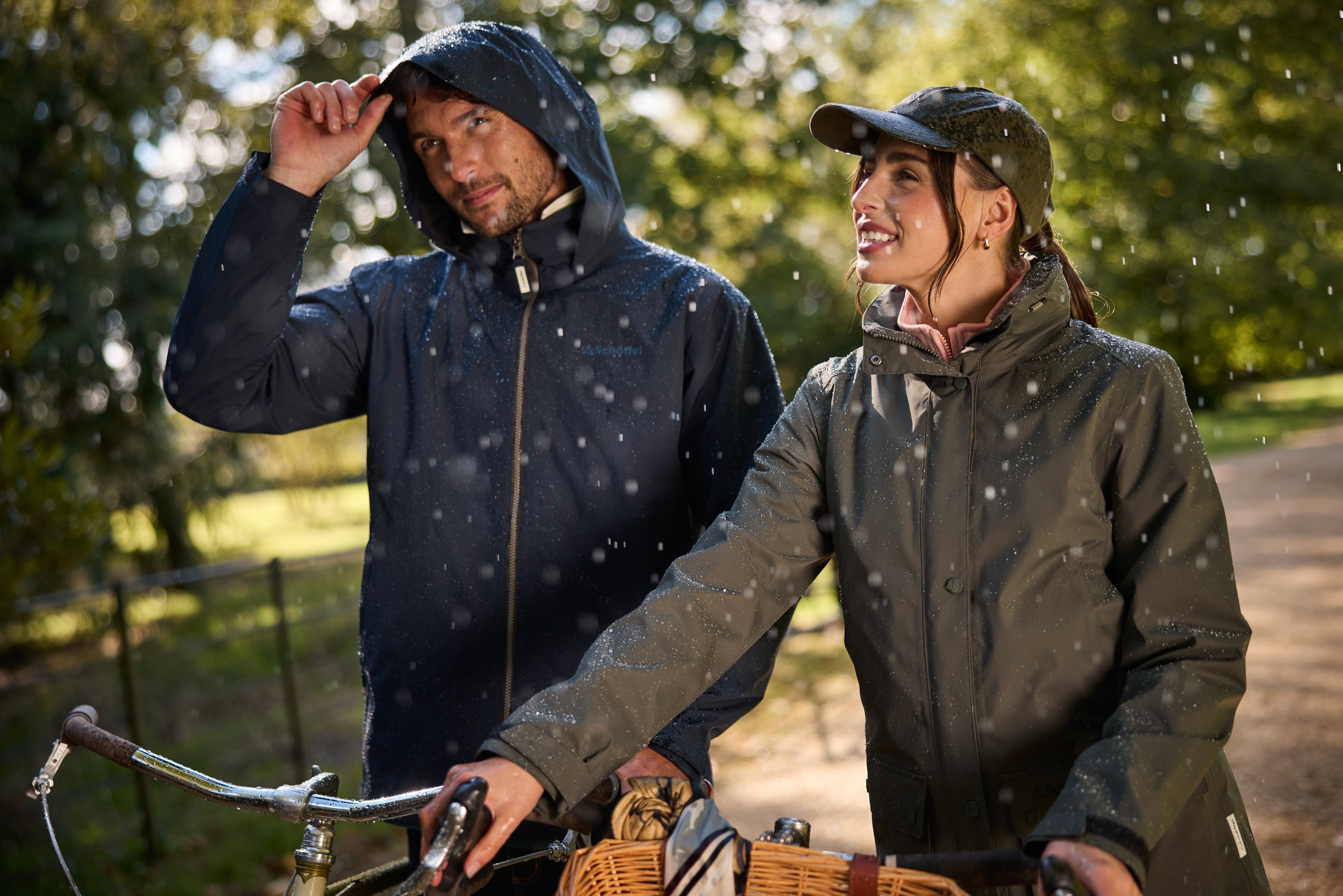
And yet, our relationship with rain is changing. Where once it meant retreating indoors, today it’s increasingly something we dress for, step into, and even embrace. With the right clothing, rain becomes less of an inconvenience and more a part of the experience – another layer of the countryside to be enjoyed.

Why spring showers still define the countryside
Spring rain is not simply a backdrop – it plays an essential role. New growth in woodlands and hedgerows is bolstered by a bit of moisture, and spring drillings require a drink to get off to a good start.
Still, unpredictability is a defining feature of spring. A bright morning can easily give way to steady rain by afternoon, followed by clear skies once more before dusk – just as frost on the ground in the morning can precede balmy, bright summer-like sunshine later in the day.
It’s this constant variation that makes dressing for spring uniquely challenging. Layers matter. Fabrics matter. And above all, your outerwear matters. Because when the weather refuses to settle, your clothing has to do the same – adapting, performing, and remaining comfortable throughout the day.

Our relationship with rain: from avoidance to embrace
Traditionally, rain has been something to avoid. A reason to cancel plans, cut walks short, or stay close to shelter. But spend enough time in the countryside and that mindset begins to shift.
Rain becomes familiar. Expected, even. It’s part of a longer walk with the dog, a day spent working outdoors, or a morning on the sidelines watching sport.
The difference now is that we’re better equipped to meet it. Modern country living doesn’t demand that we endure the elements – it allows us to move through them comfortably. And that shift begins with what we wear.
The problem with traditional rainwear
For many, the memory of ‘waterproofs’ is tied to compromise: Heavy jackets that trap heat but do not breathe; stiff fabrics that restrict movement; and waterproofing that keeps rain out but keeps moisture in.
In the past, staying dry often came at the expense of comfort. Breathability was limited, meaning that even light activity could leave you overheated and damp from perspiration. Style, too, was often an afterthought. Even if a coat was practical, it was rarely refined.
While these garments served a purpose, they don’t align with the demands of modern outdoor life, where versatility, comfort, and appearance all matter.

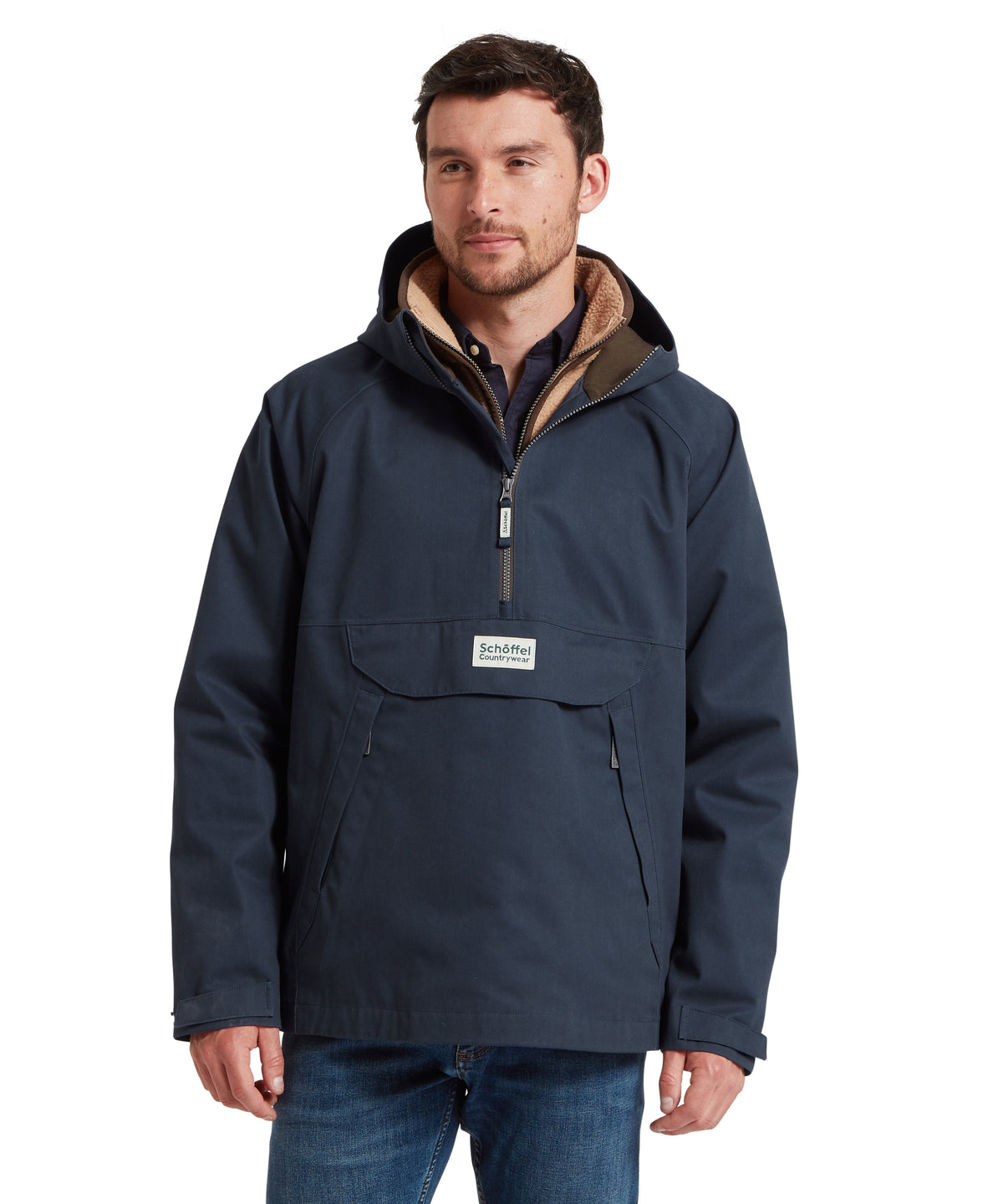 Overton Waterproof AnorakCarbon Navy + 1 colour£260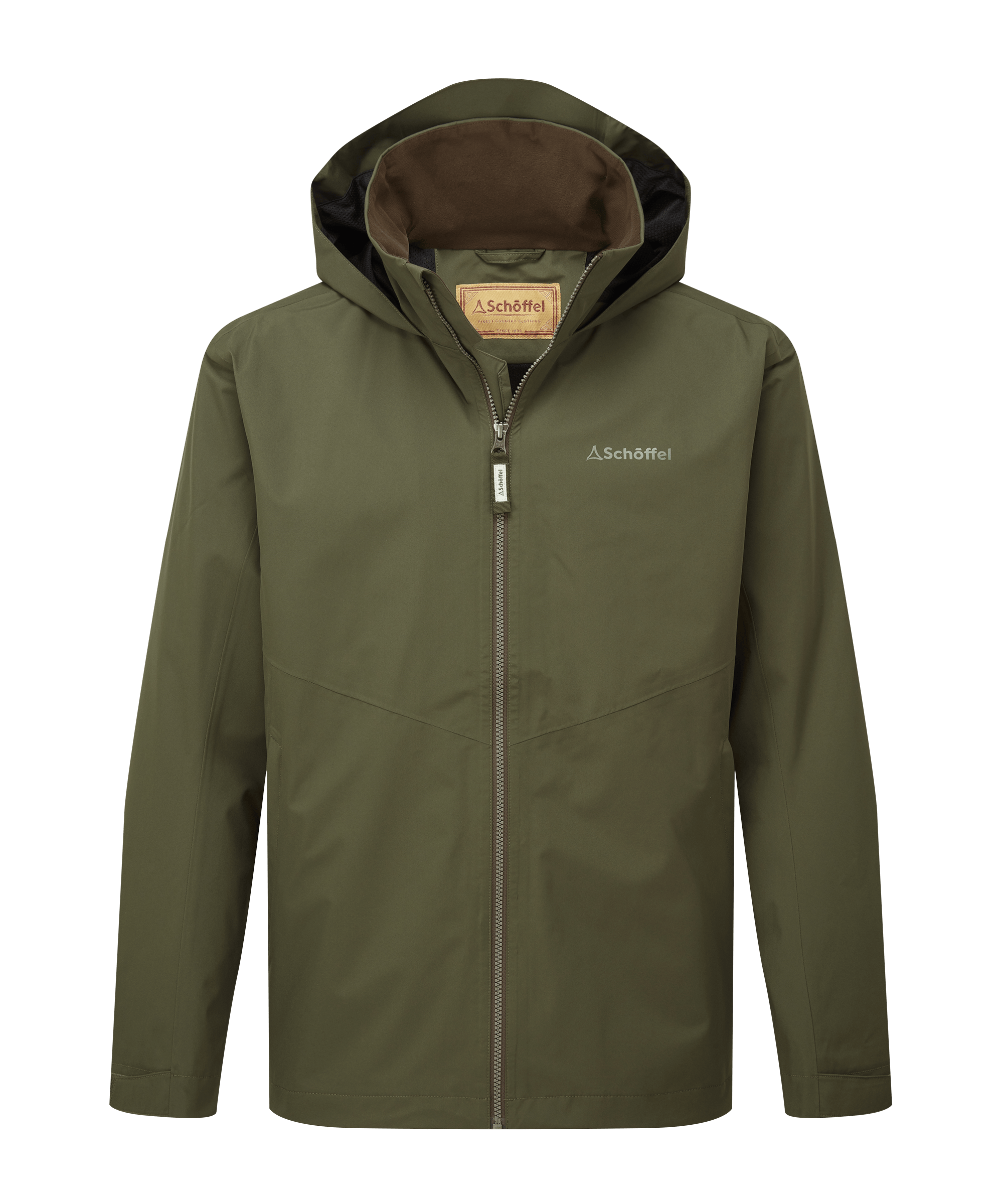
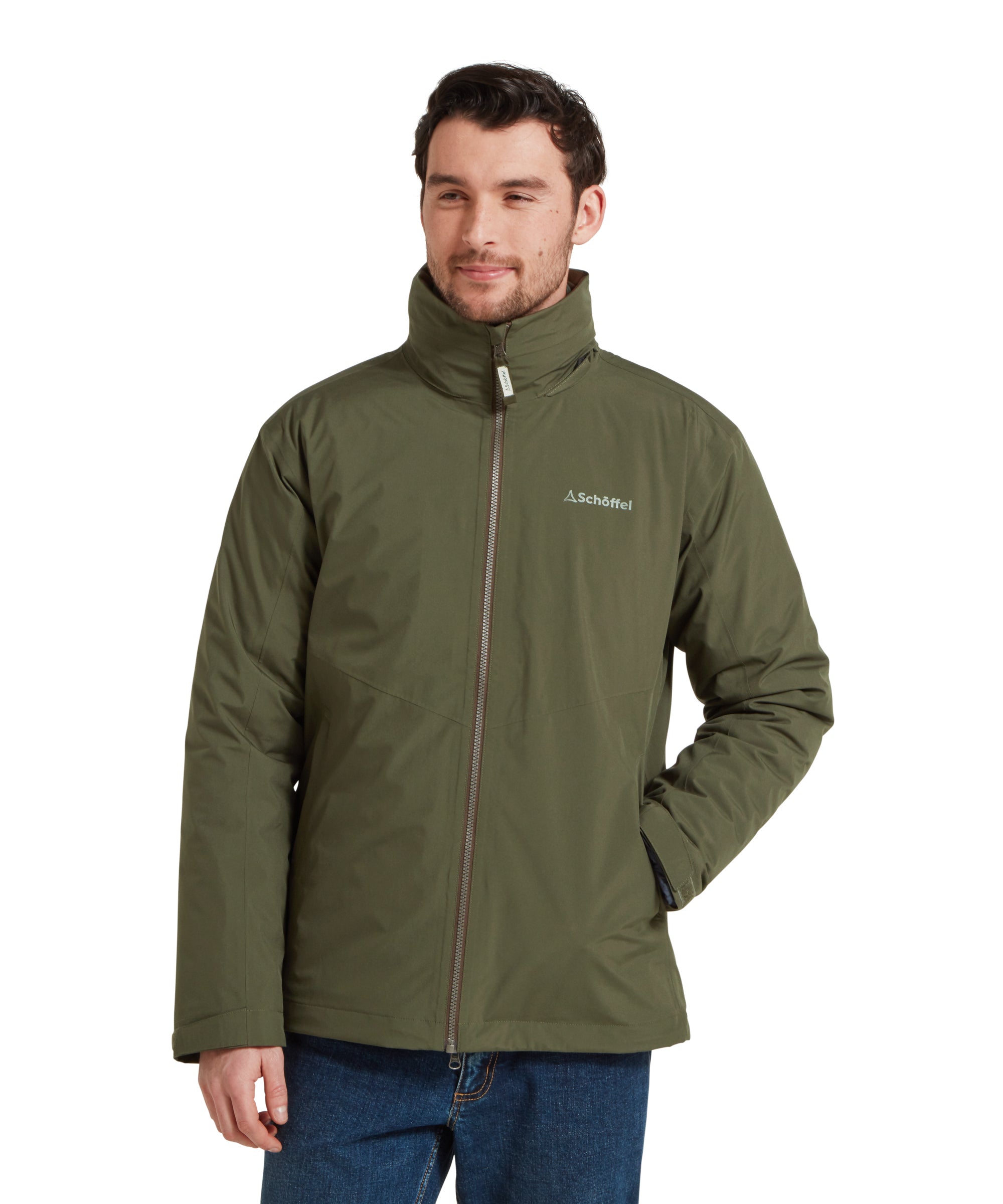 BestsellerEgleton Lightweight JacketWoodland + 1 colour£220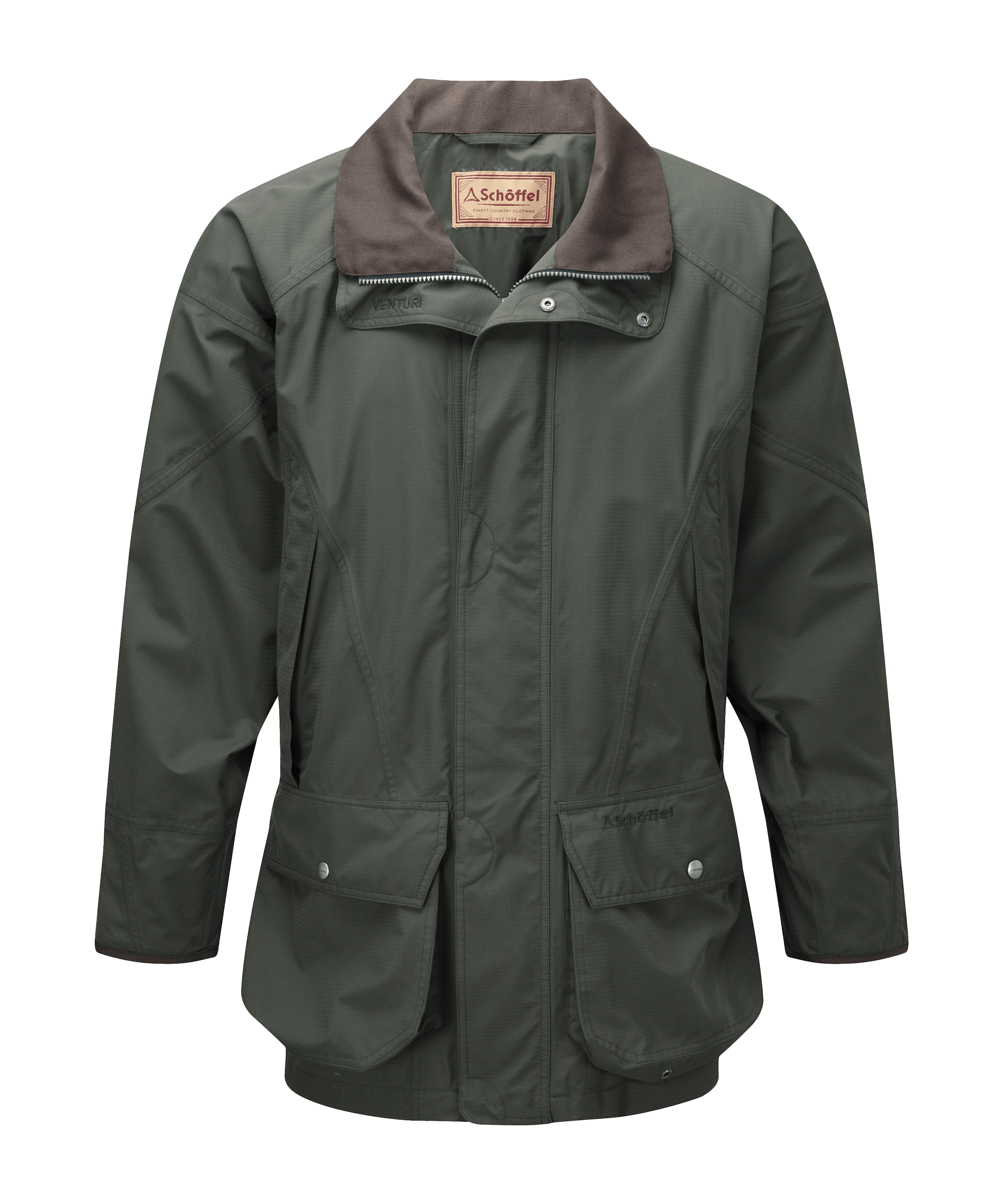
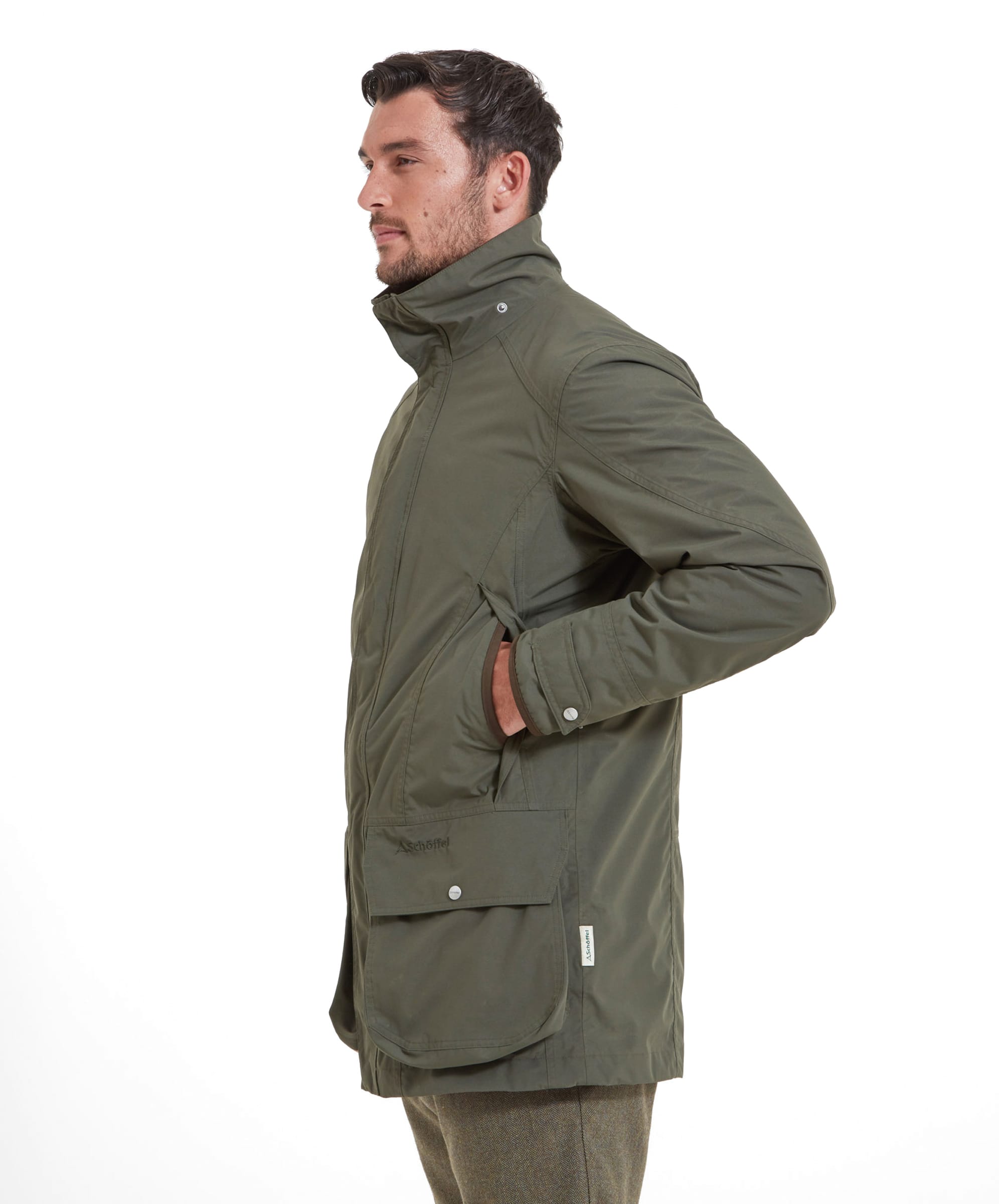 Ptarmigan Ultralight II CoatForest£425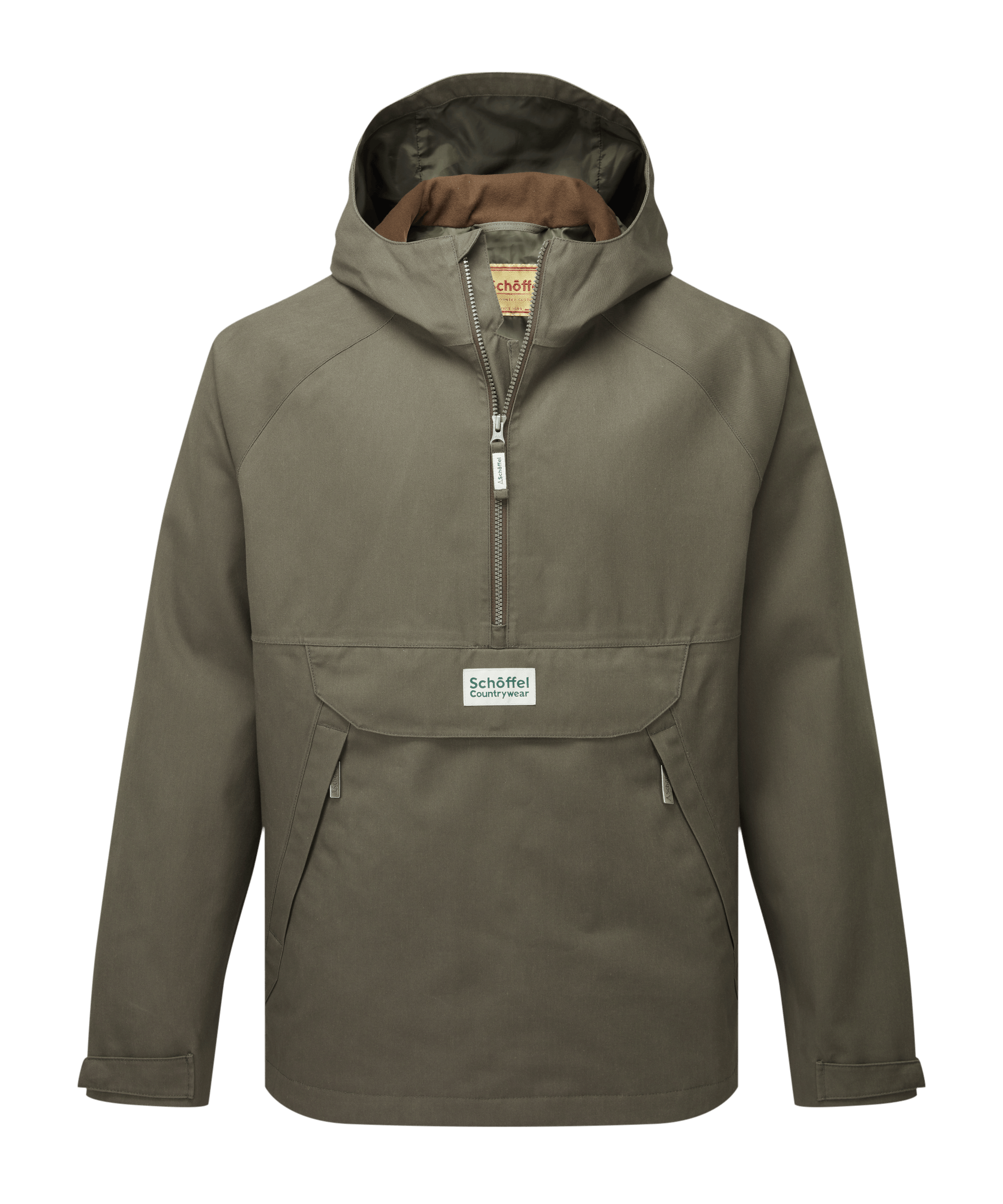
 BestsellerOverton Waterproof AnorakTundra + 1 colour£260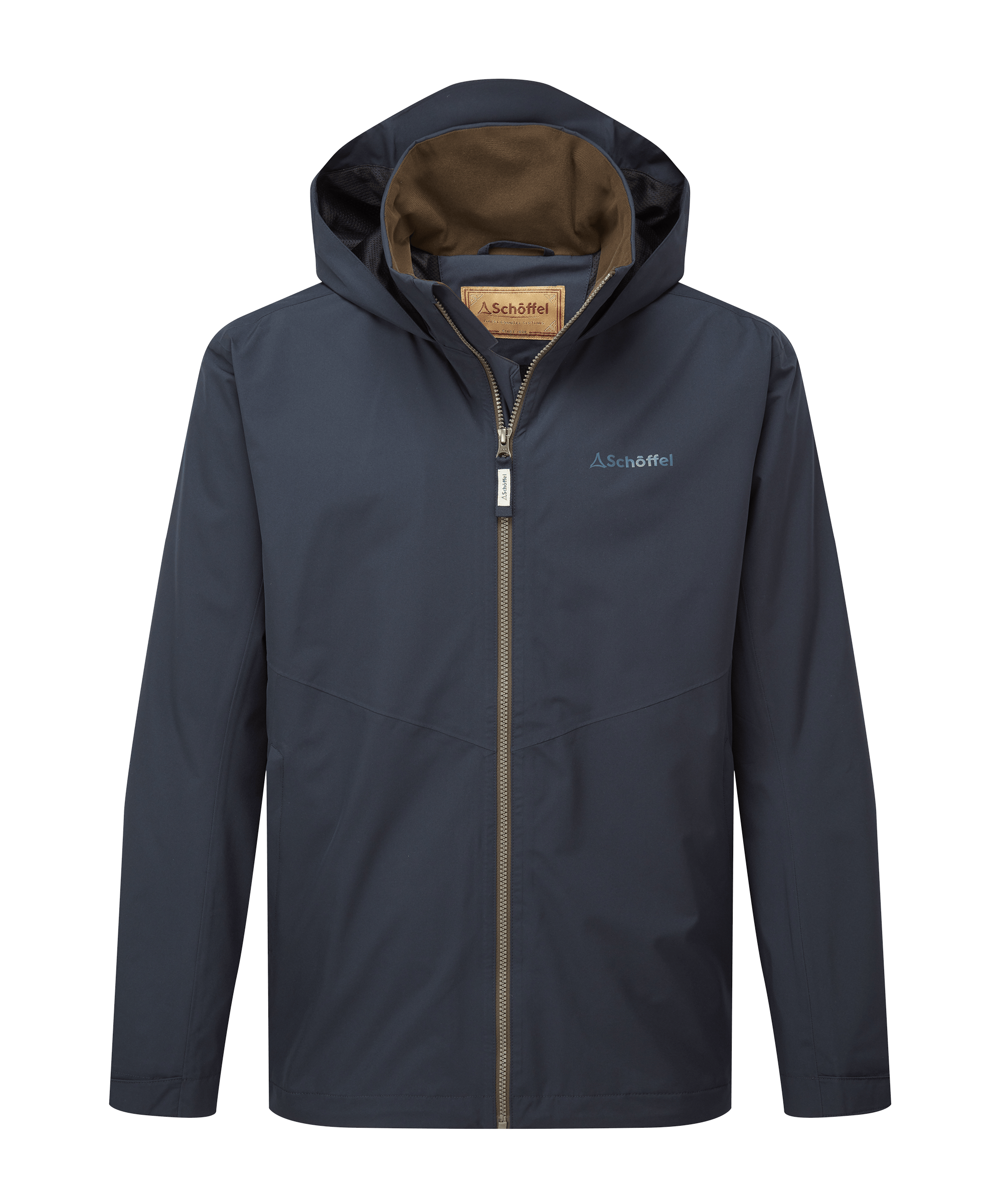
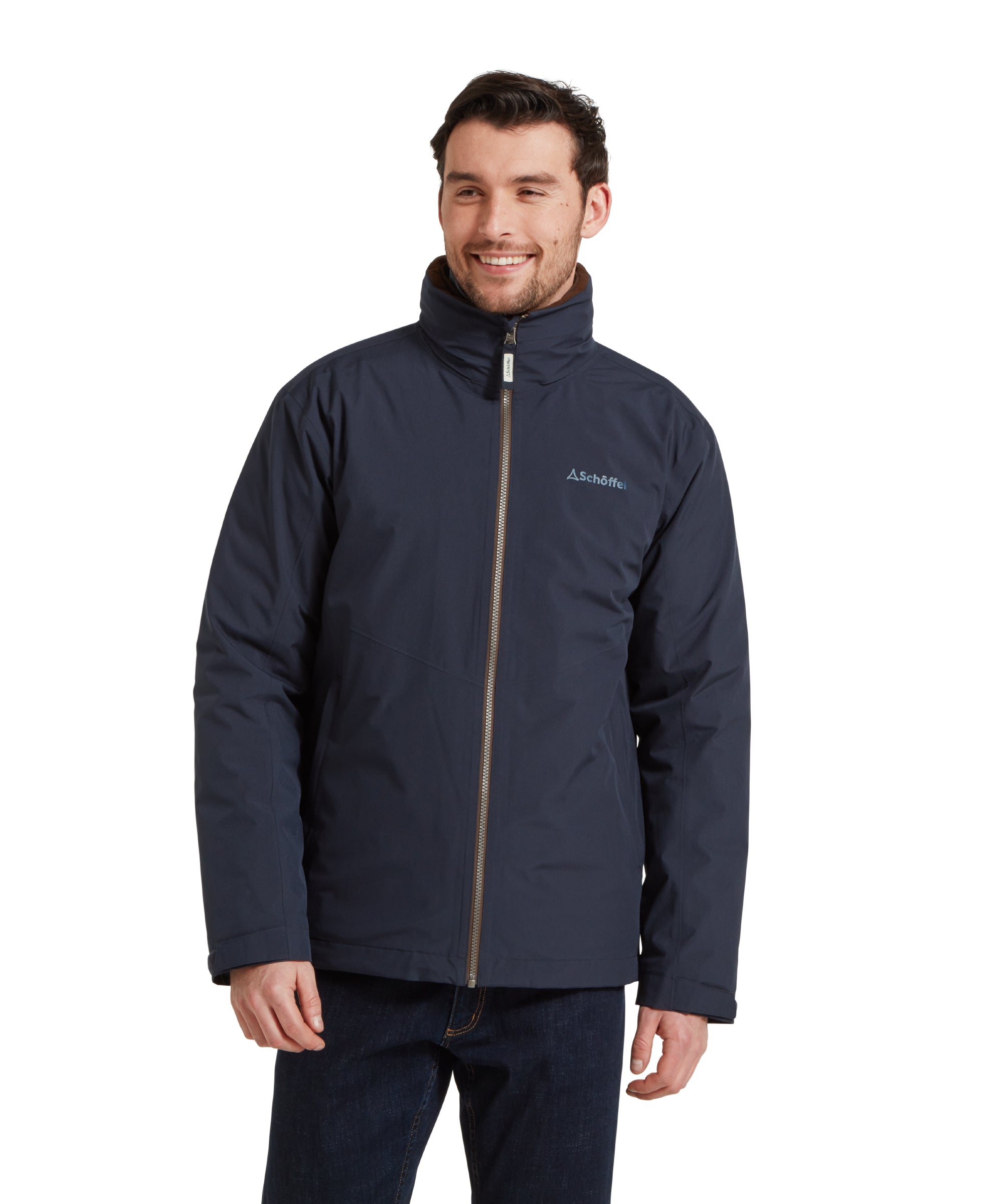 BestsellerEgleton Lightweight JacketTrue Navy + 1 colour£220


What makes modern waterproof jackets different?
Today’s technical outerwear has been designed with a far clearer understanding of how we move, live, and dress outdoors.
At its core, the difference lies in balance. A well-designed waterproof jacket doesn’t simply block out rain – it works with your body. It allows heat and moisture to escape, helping to regulate temperature whether you’re walking, working, or standing still. Modern coats and jackets are no longer just protective – they’re adaptive.
This is where breathable membrane technology becomes essential. By allowing vapour to pass through while preventing water from entering, these fabrics and technologies – such as Toray Dermizax and Venturi – keep you dry from both the outside and the inside. When layered sensibly, they protect you from rain and perspiration at the same time.
Equally important is weight and flexibility. Lightweight construction and stretch fabrics mean freedom of movement is never compromised, while carefully considered fits ensure that performance doesn’t come at the cost of style. The fit and shape of a waterproof jacket also plays a key part in its versatility – many of us now expect our waterproof jackets to fill many roles, from dog walking in wet weather to doing the school run, commuting to work and more.
Designed for spring showers: performance in unpredictable weather
Spring demands versatility. You might set out in cool, dry conditions, only to find yourself caught in steady rain an hour later. Or you might move between open and sheltered areas – from fields to woodlands and indoor spaces – throughout the day.
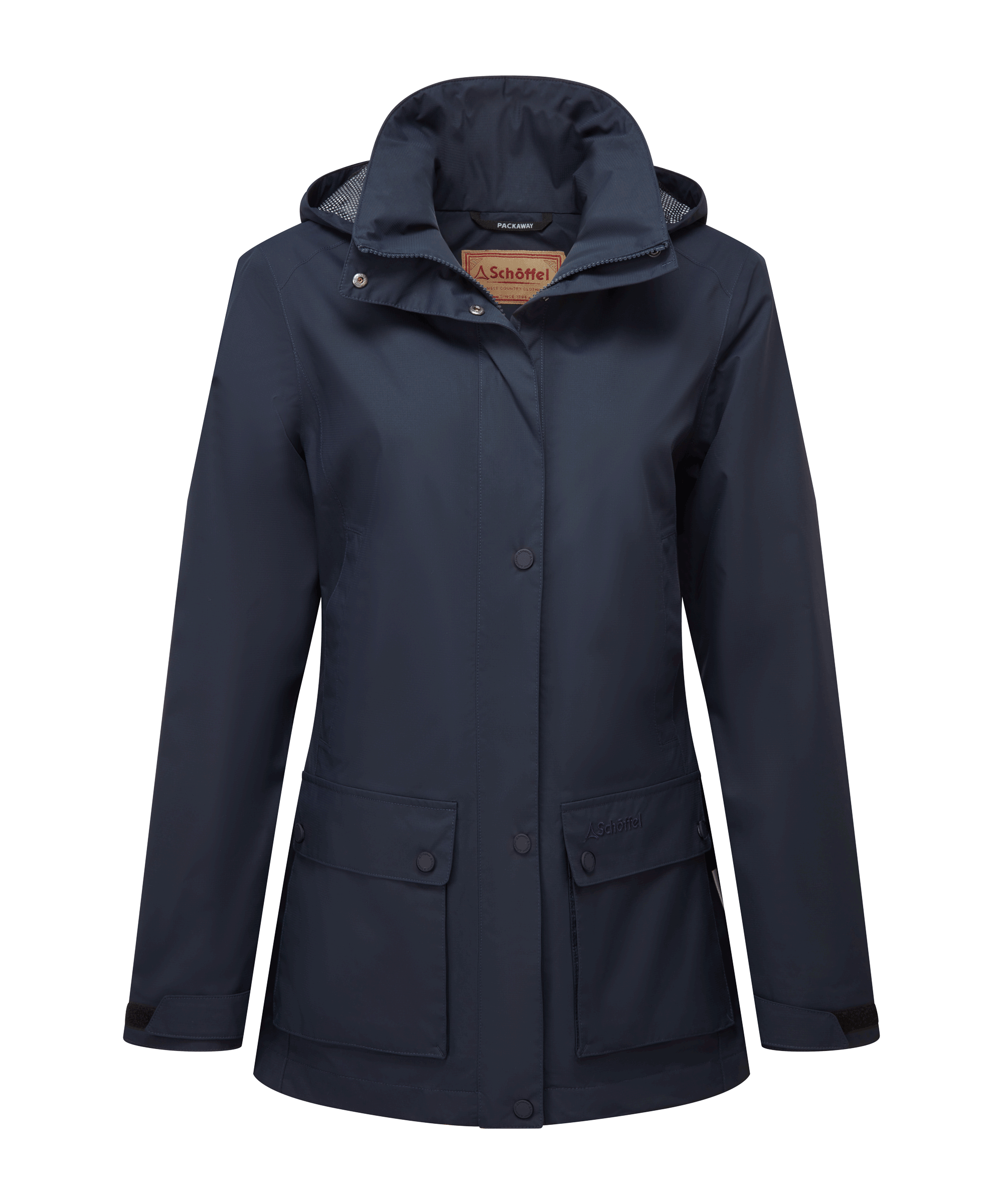
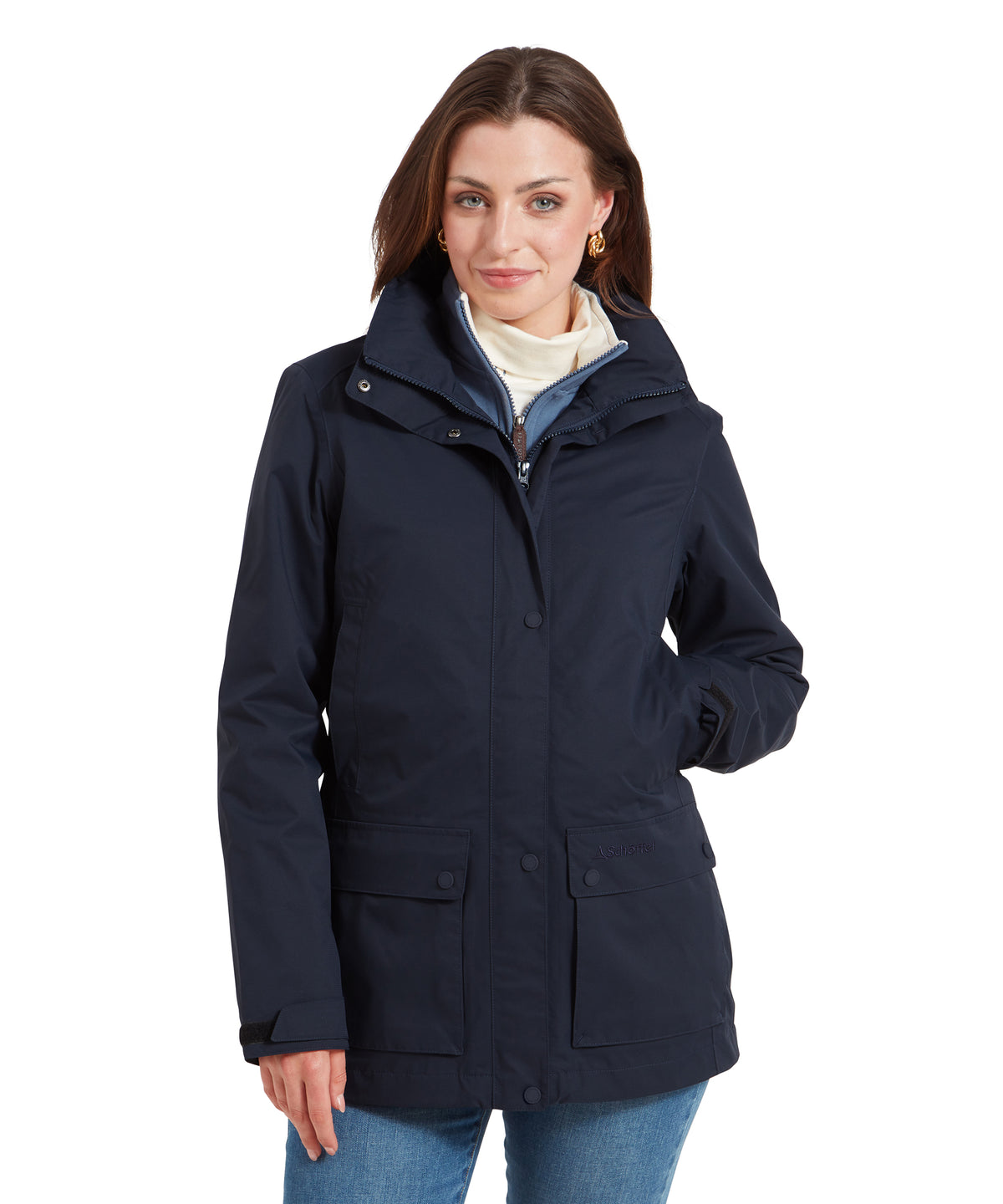 BestsellerEdith JacketTrue Navy + 1 colour£260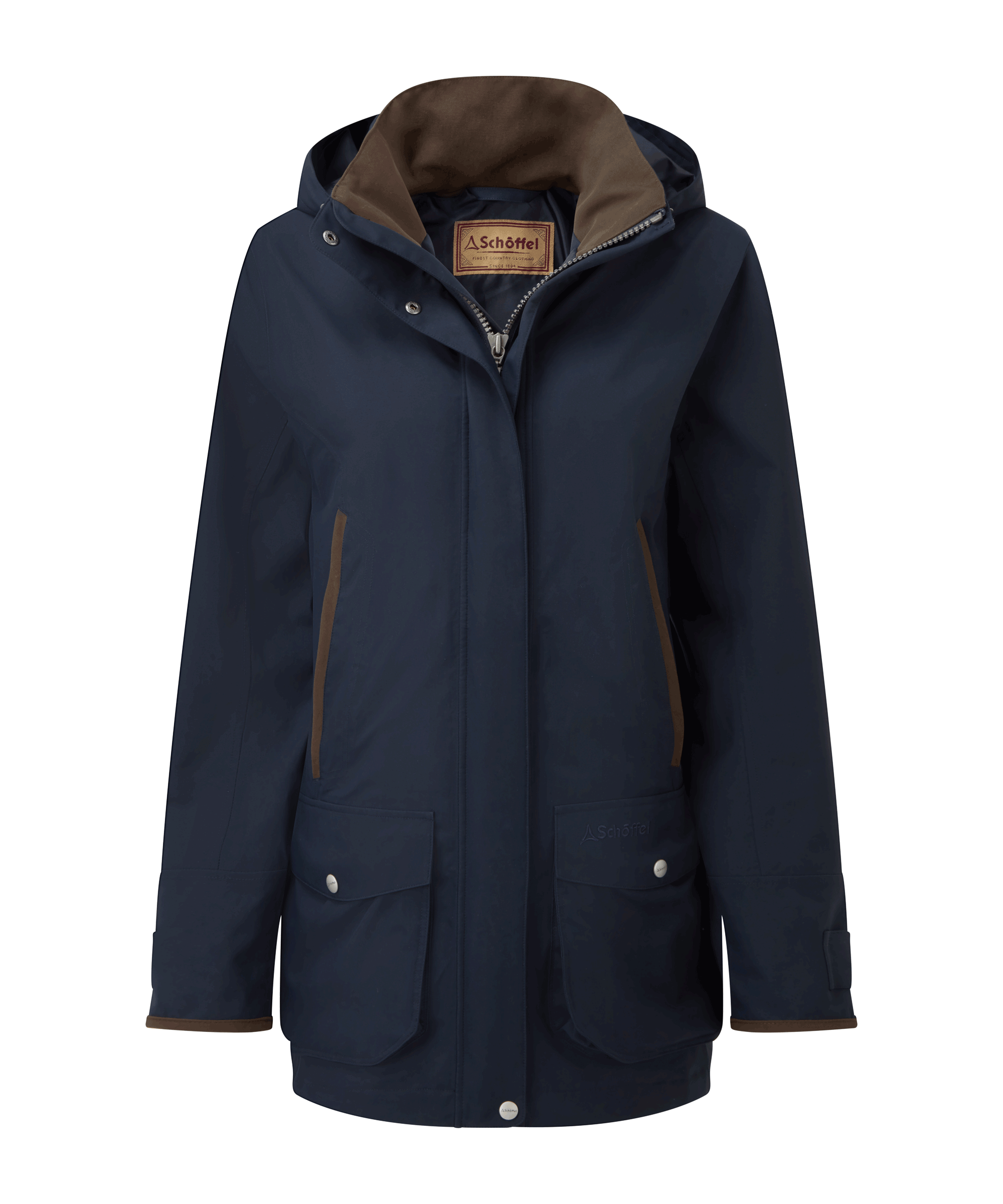
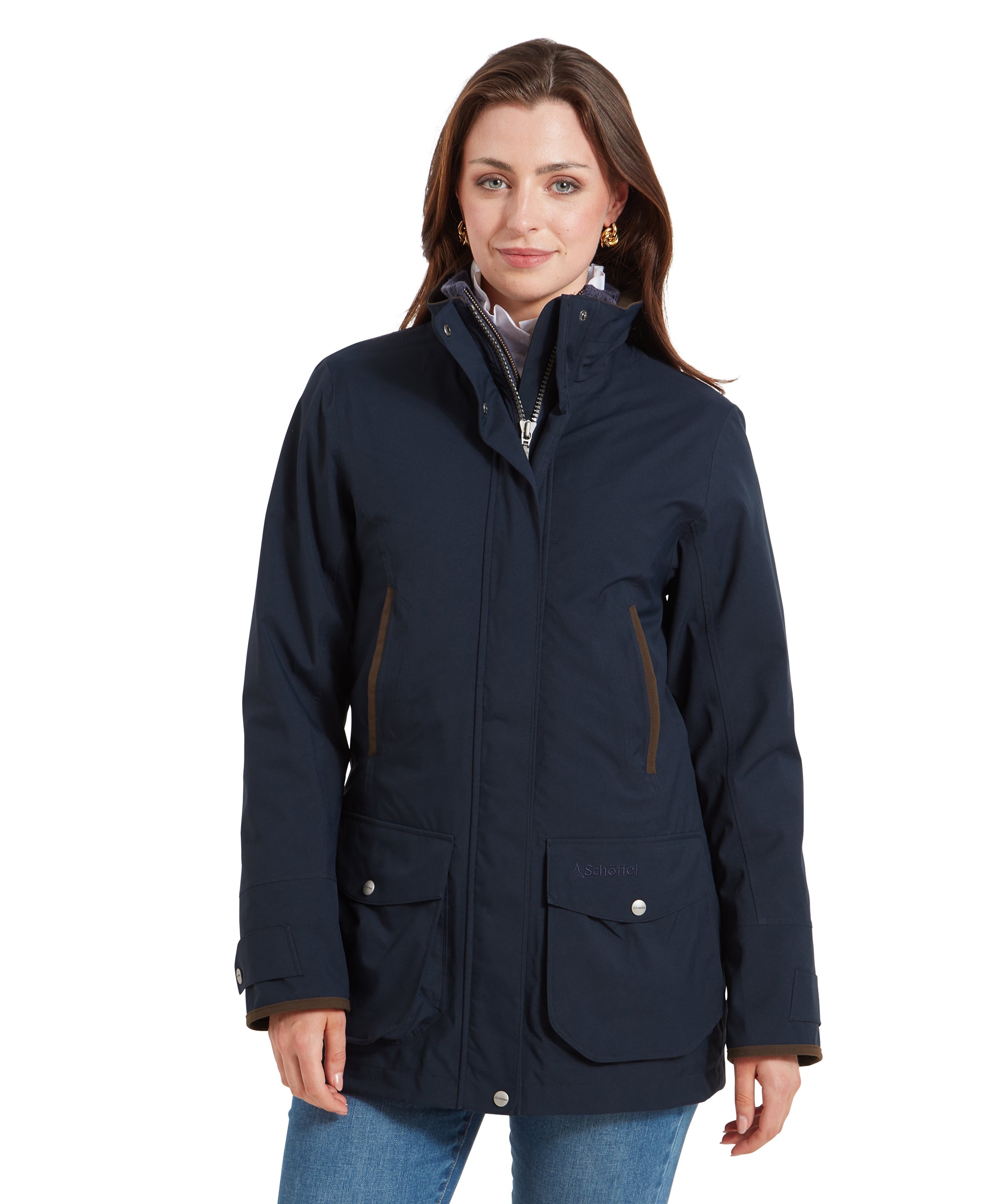 Teal Ultralight CoatTrue Navy + 1 colour£380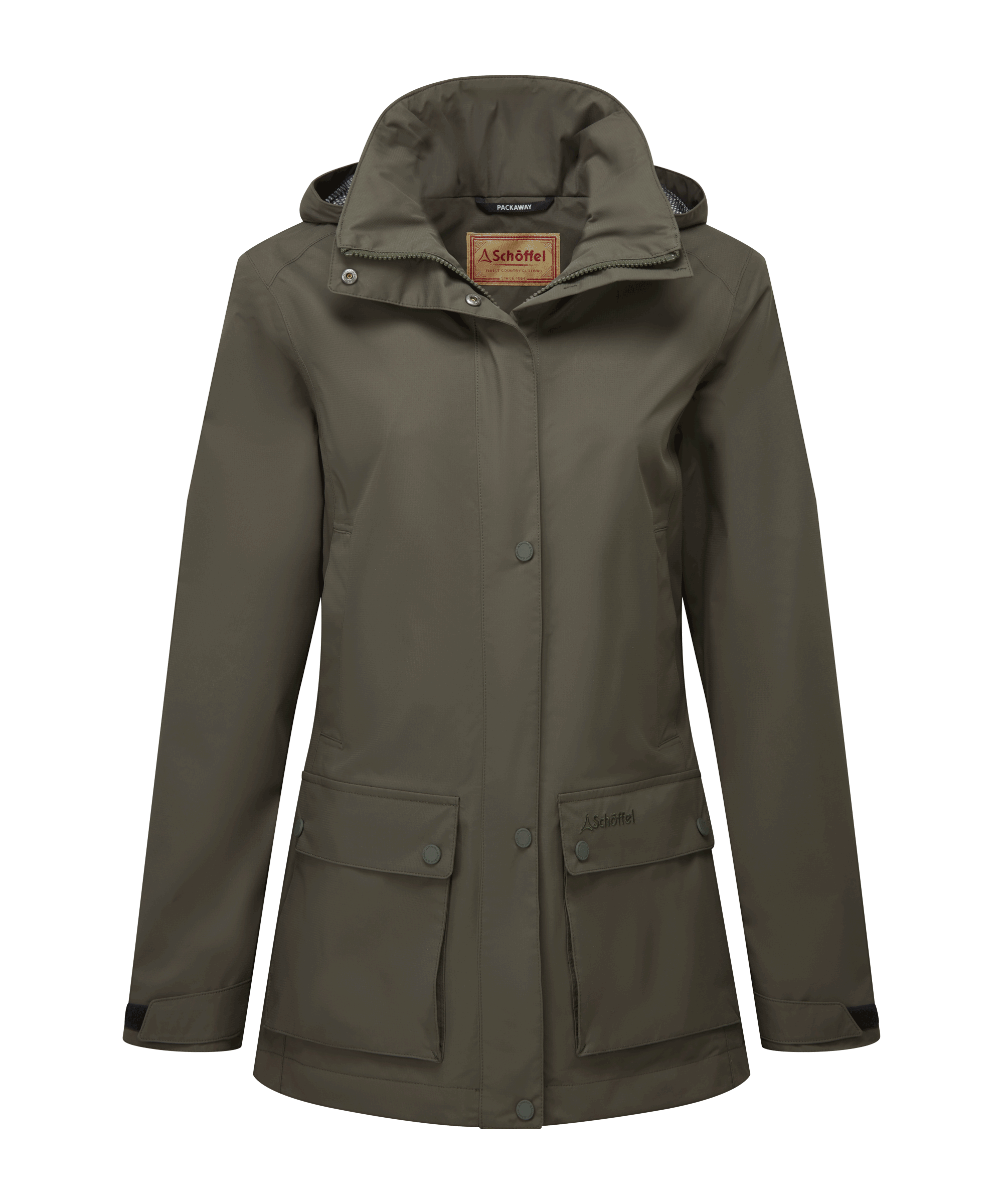
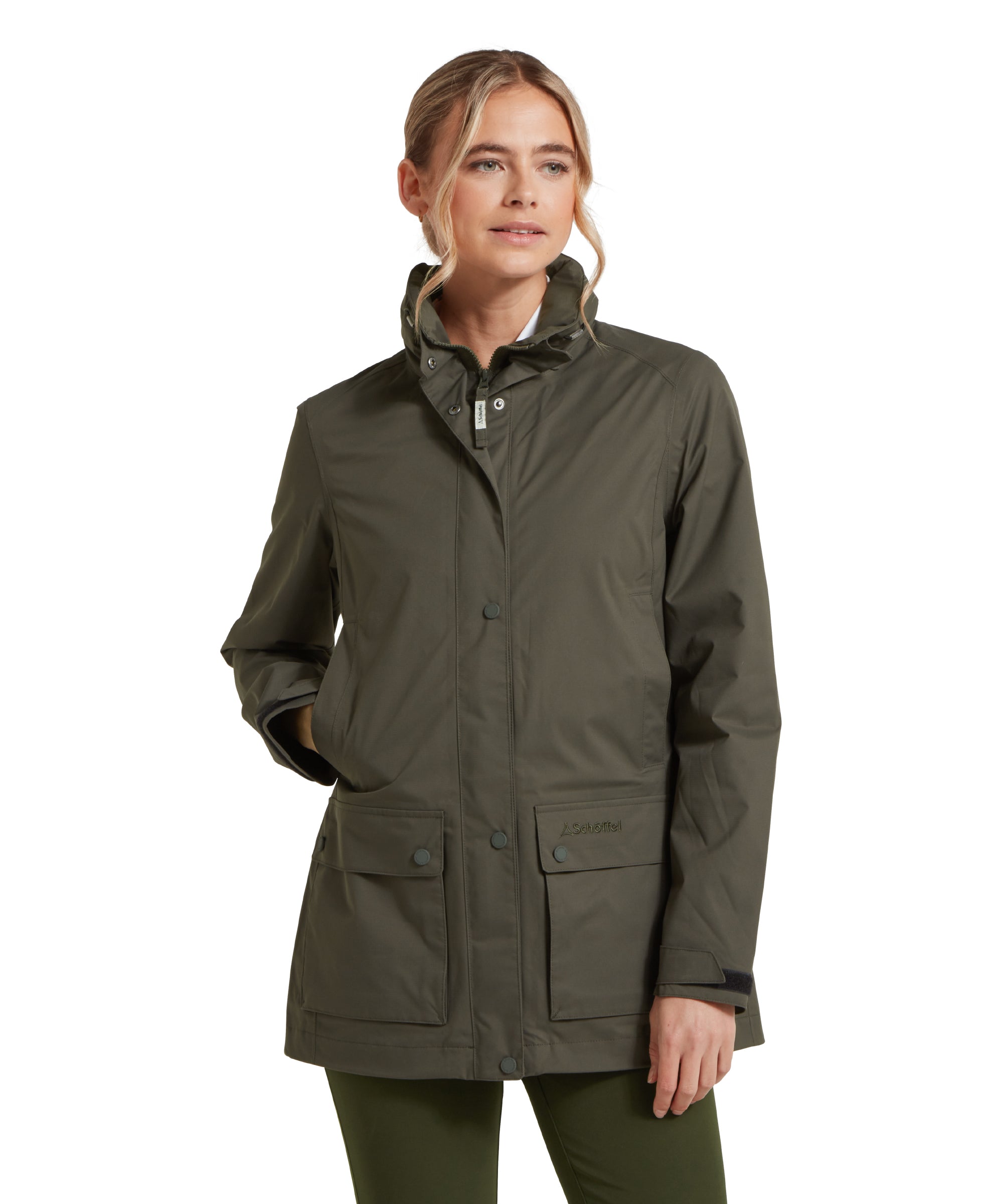 OutletEdith JacketTundra + 1 colour£195
£260.00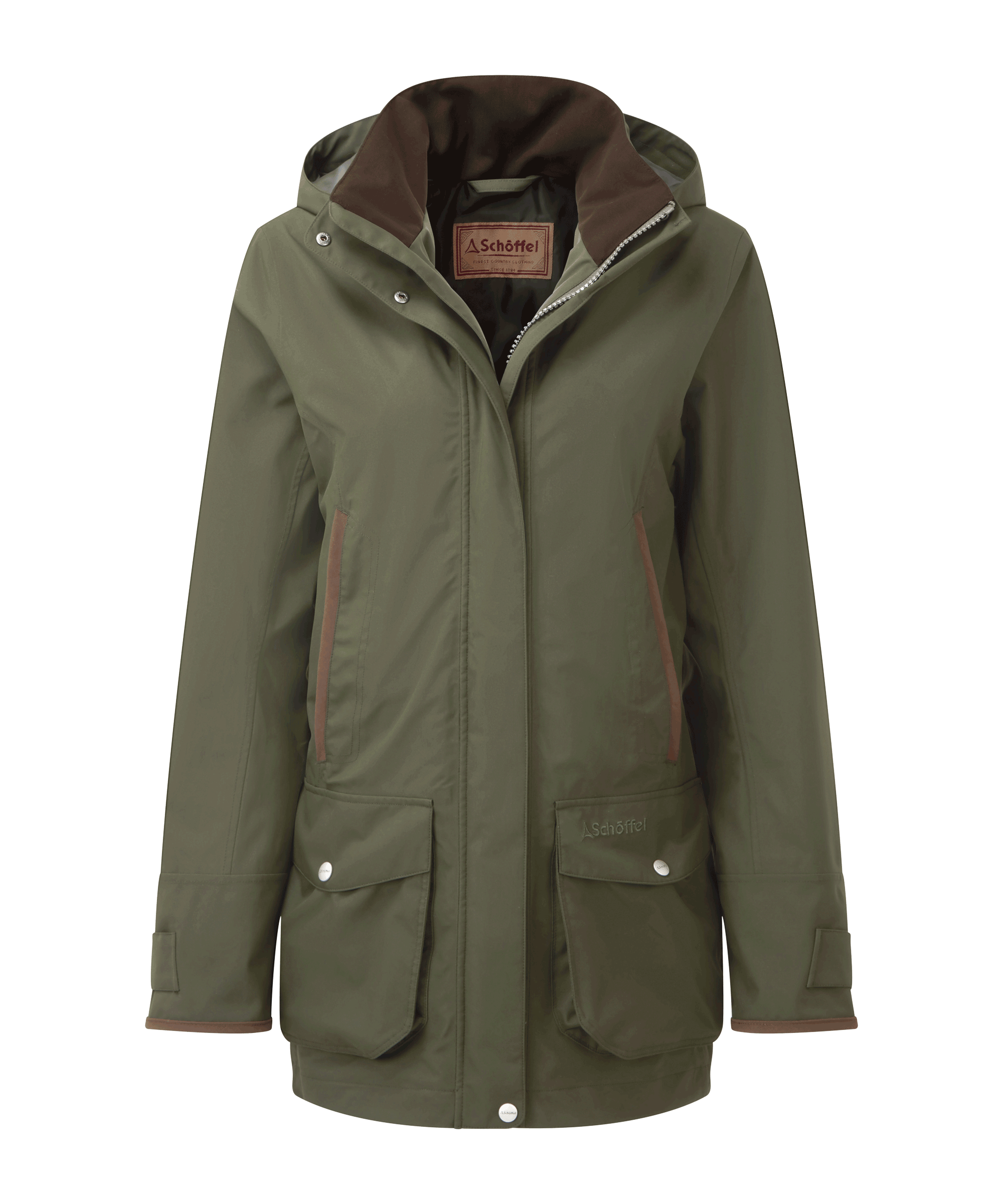
 Teal Ultralight CoatForest + 1 colour£380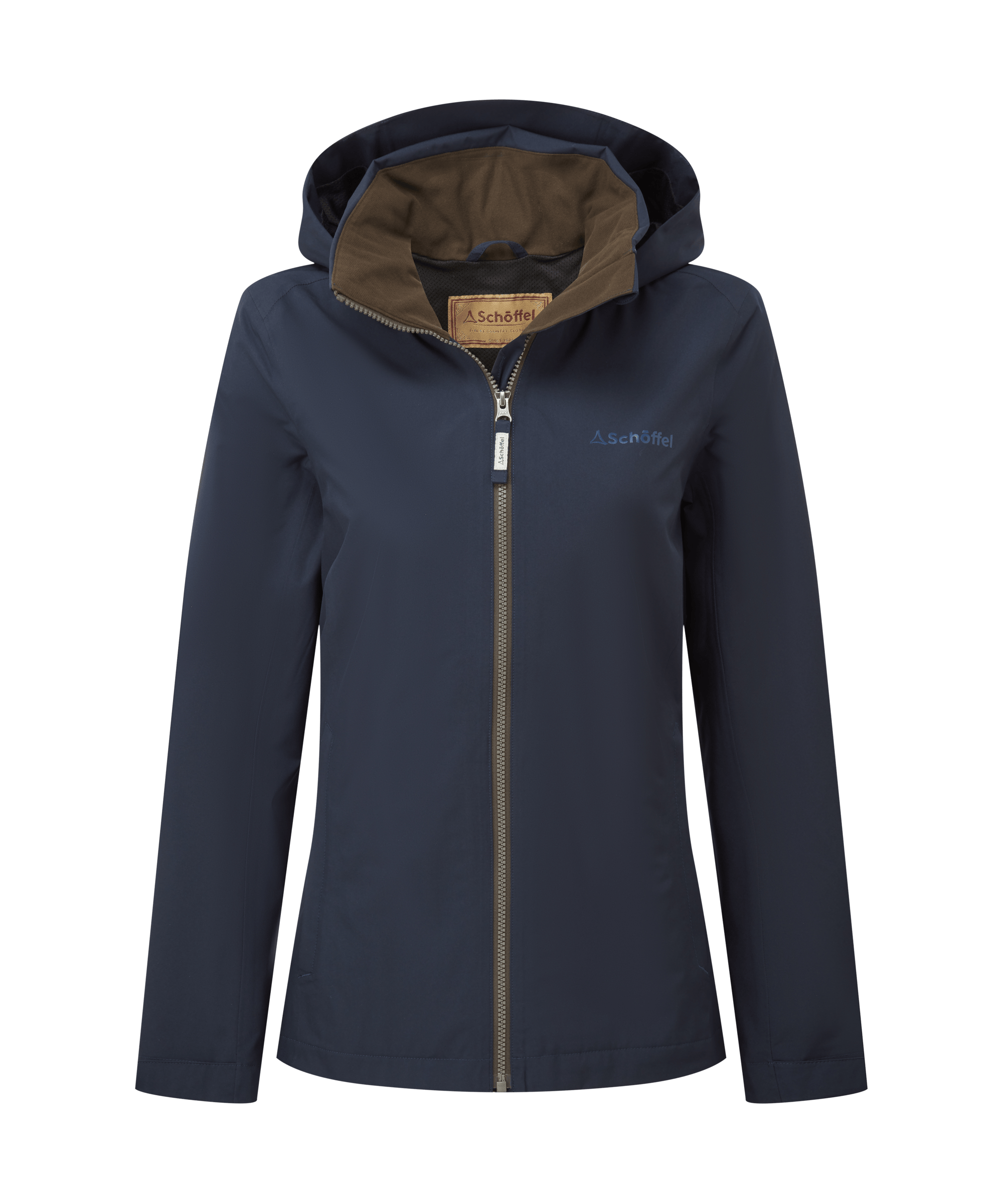
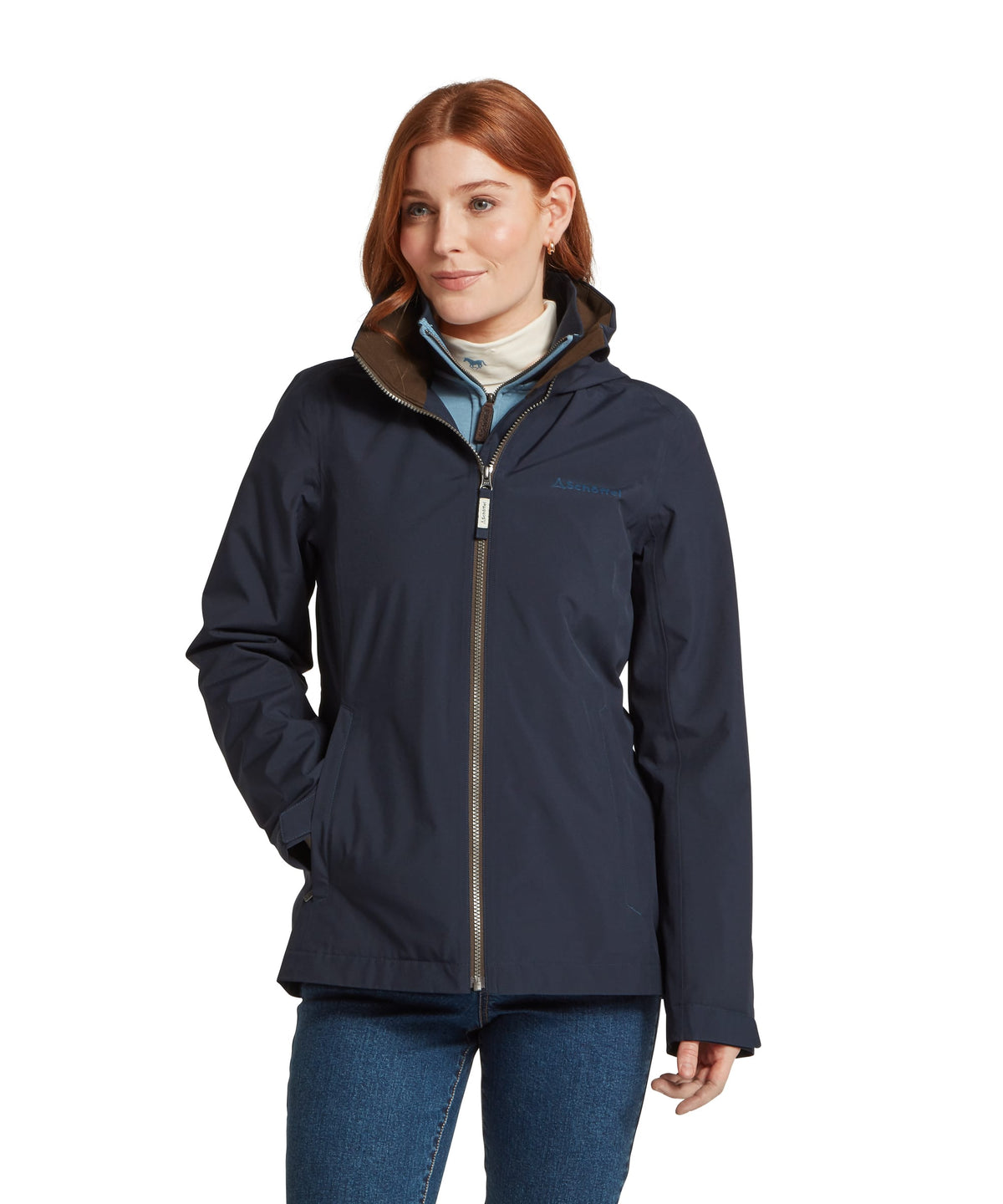 New inManton Lightweight JacketDark Navy + 1 colour£220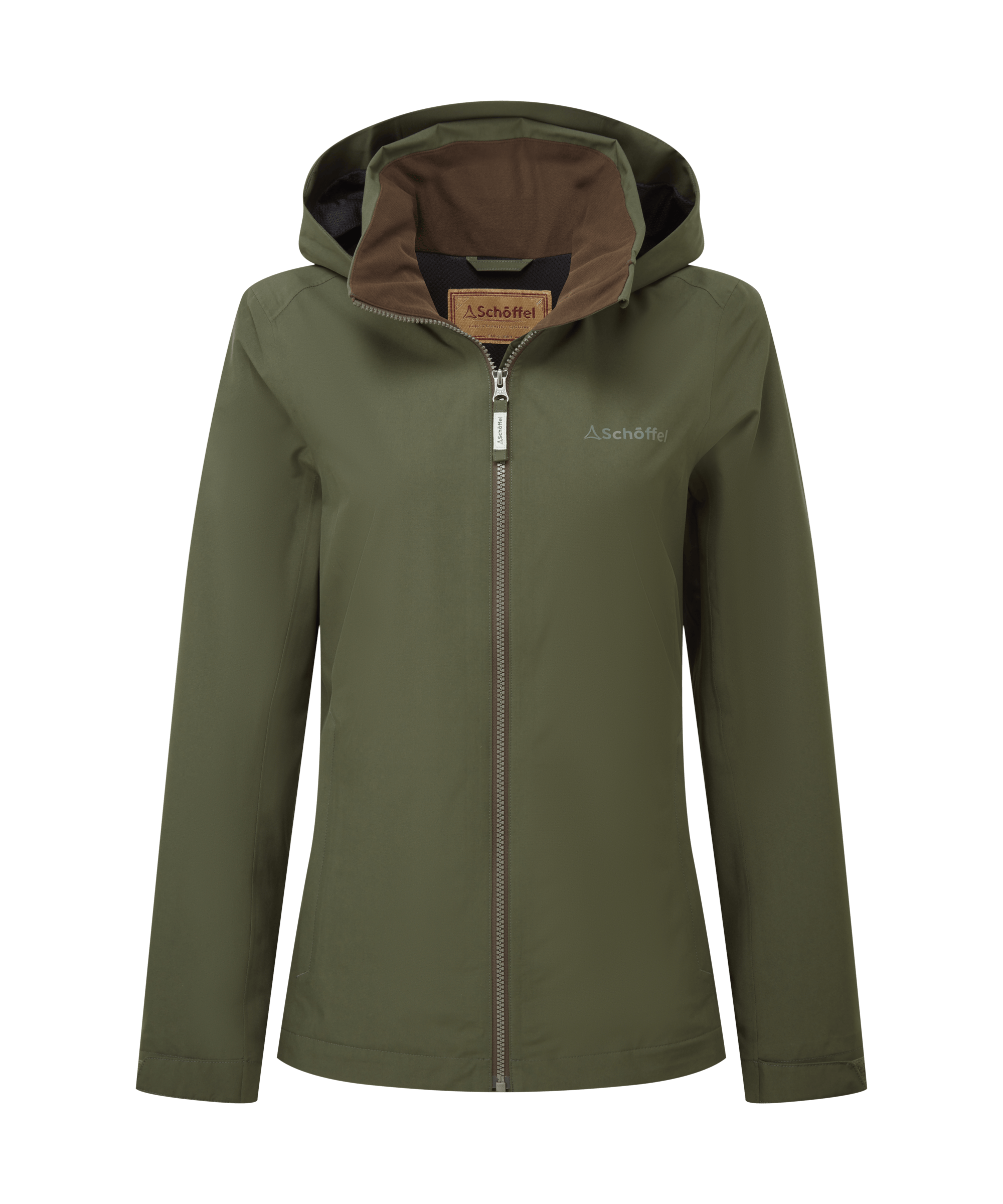
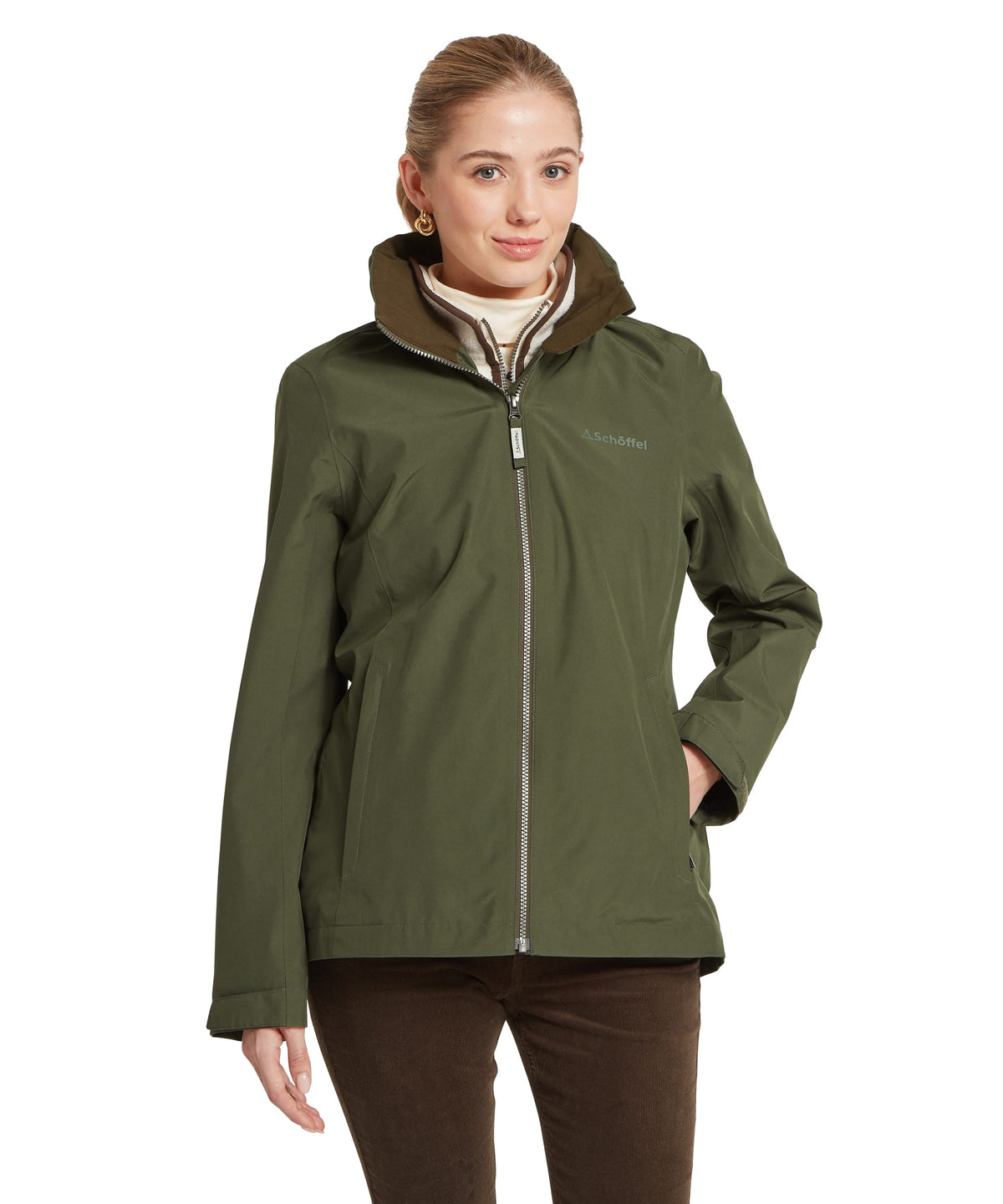 New inManton Lightweight JacketWoodland + 1 colour£220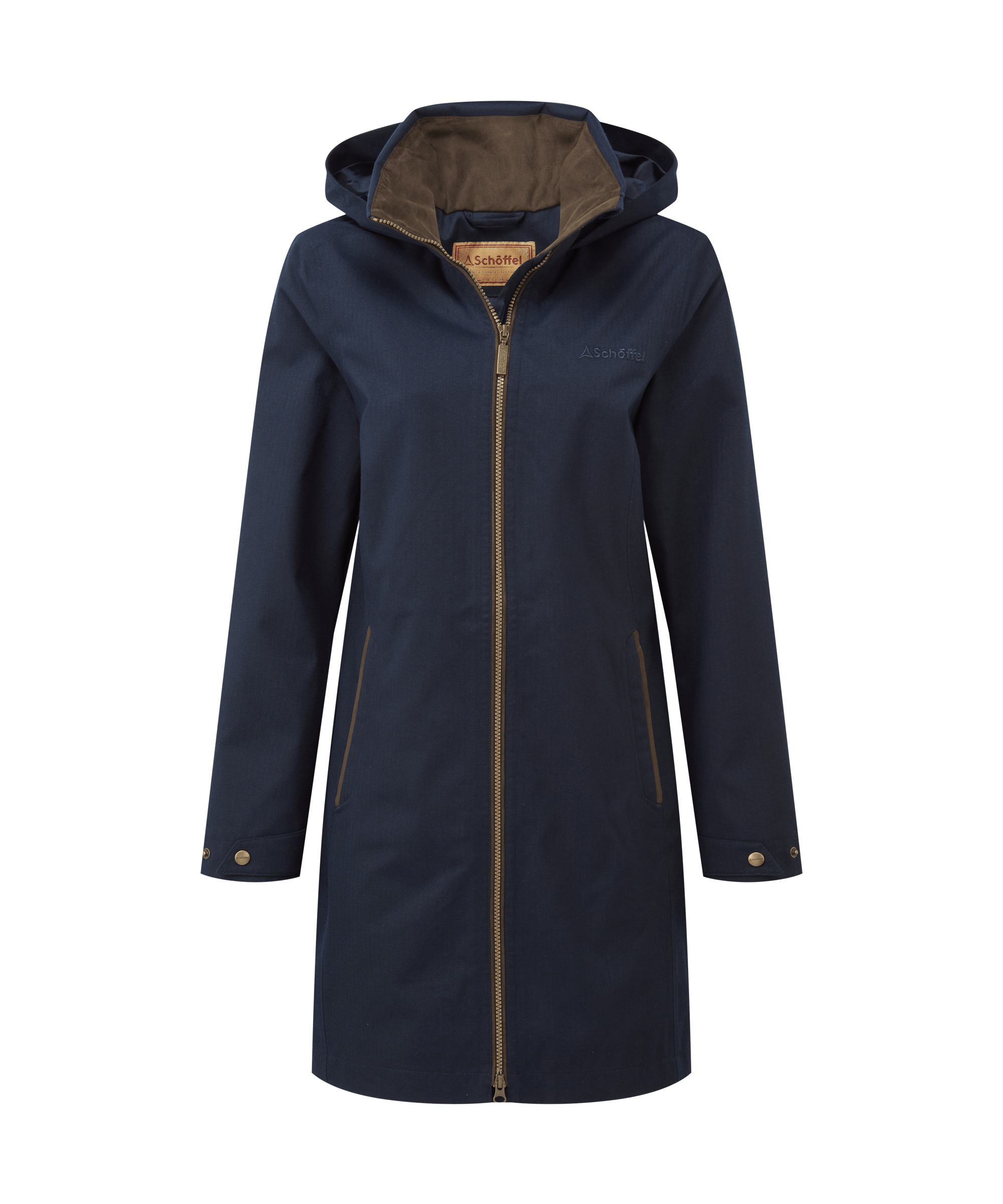
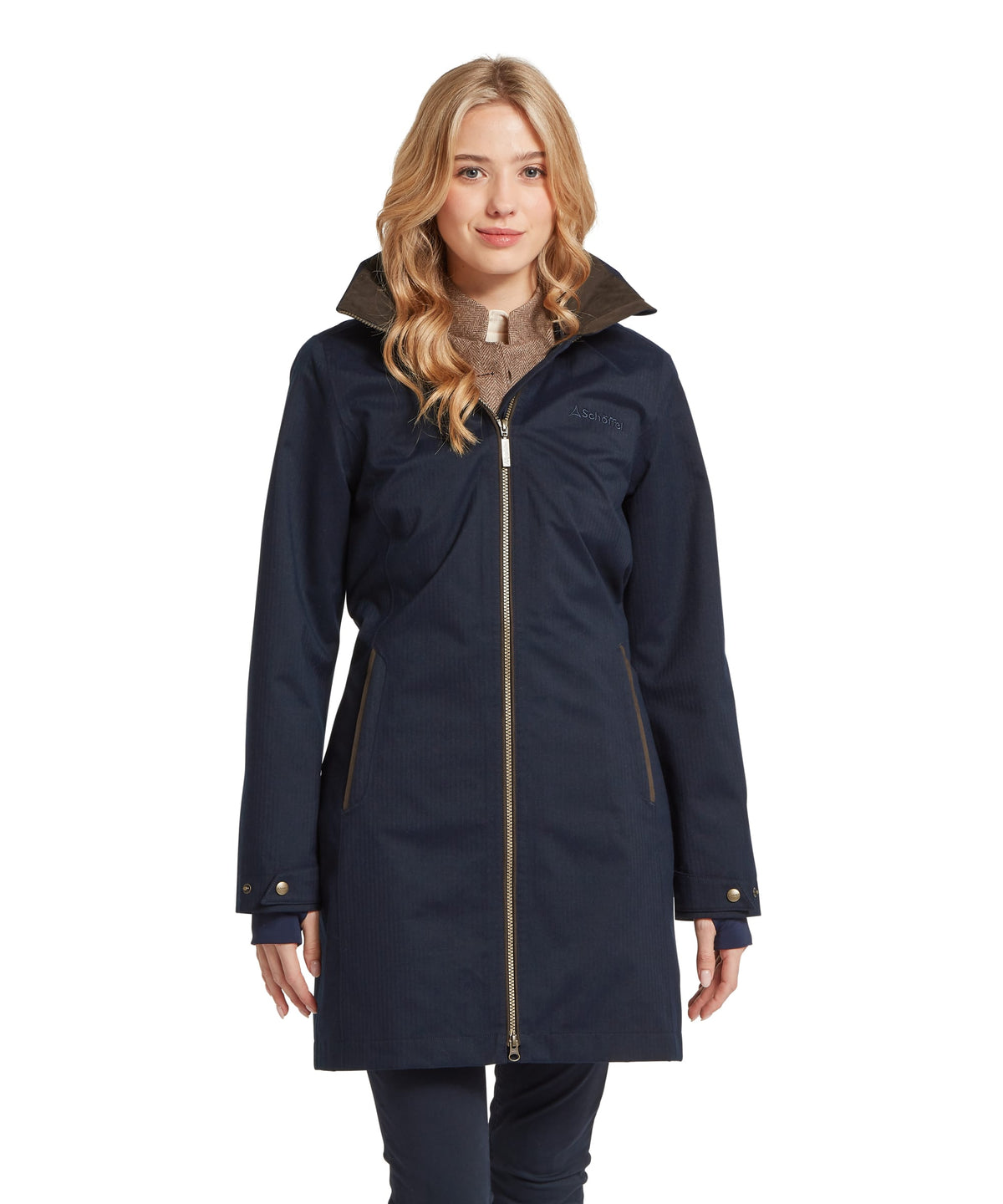 New inAllexton Waterproof CoatDark Navy + 1 colour£350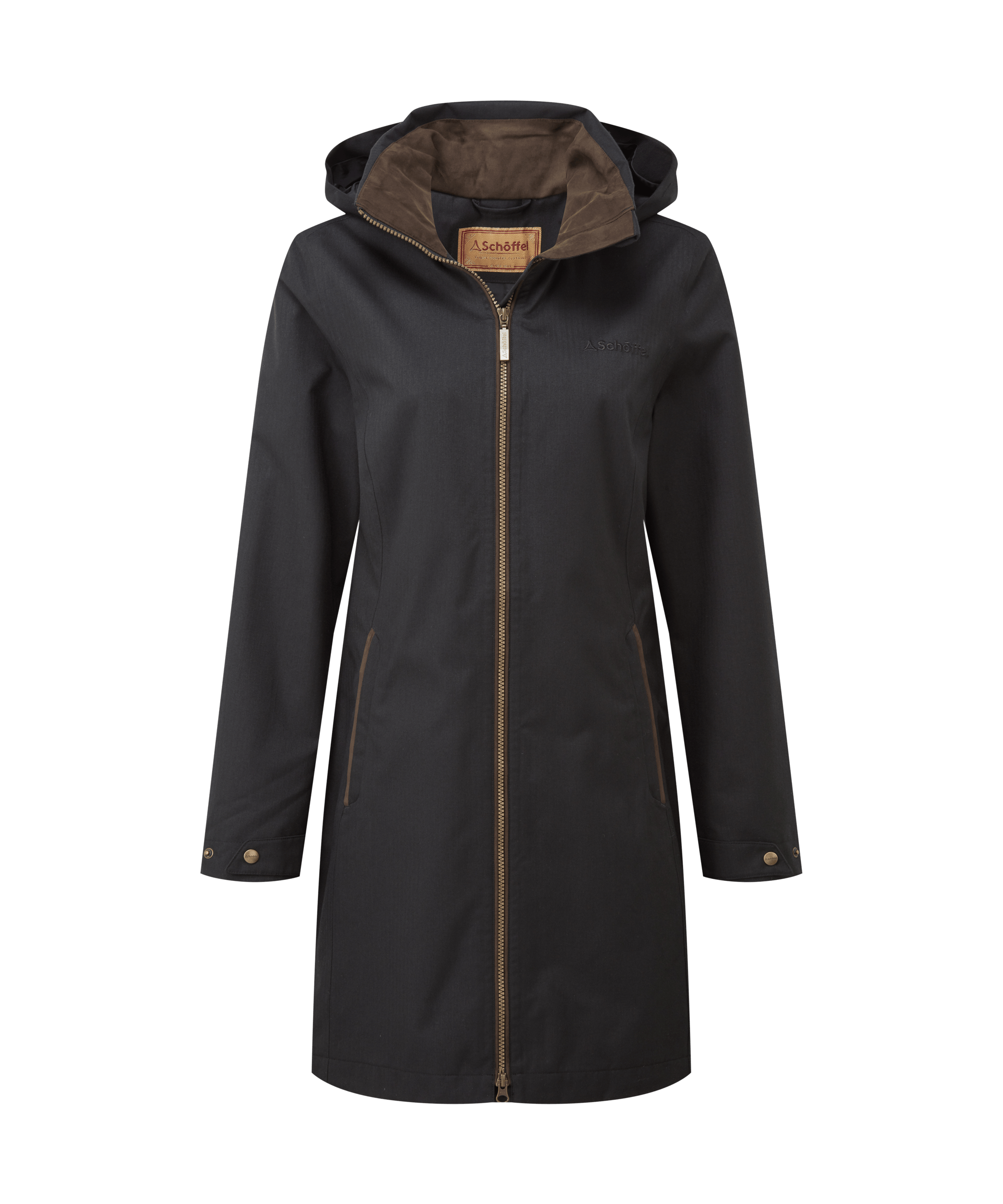
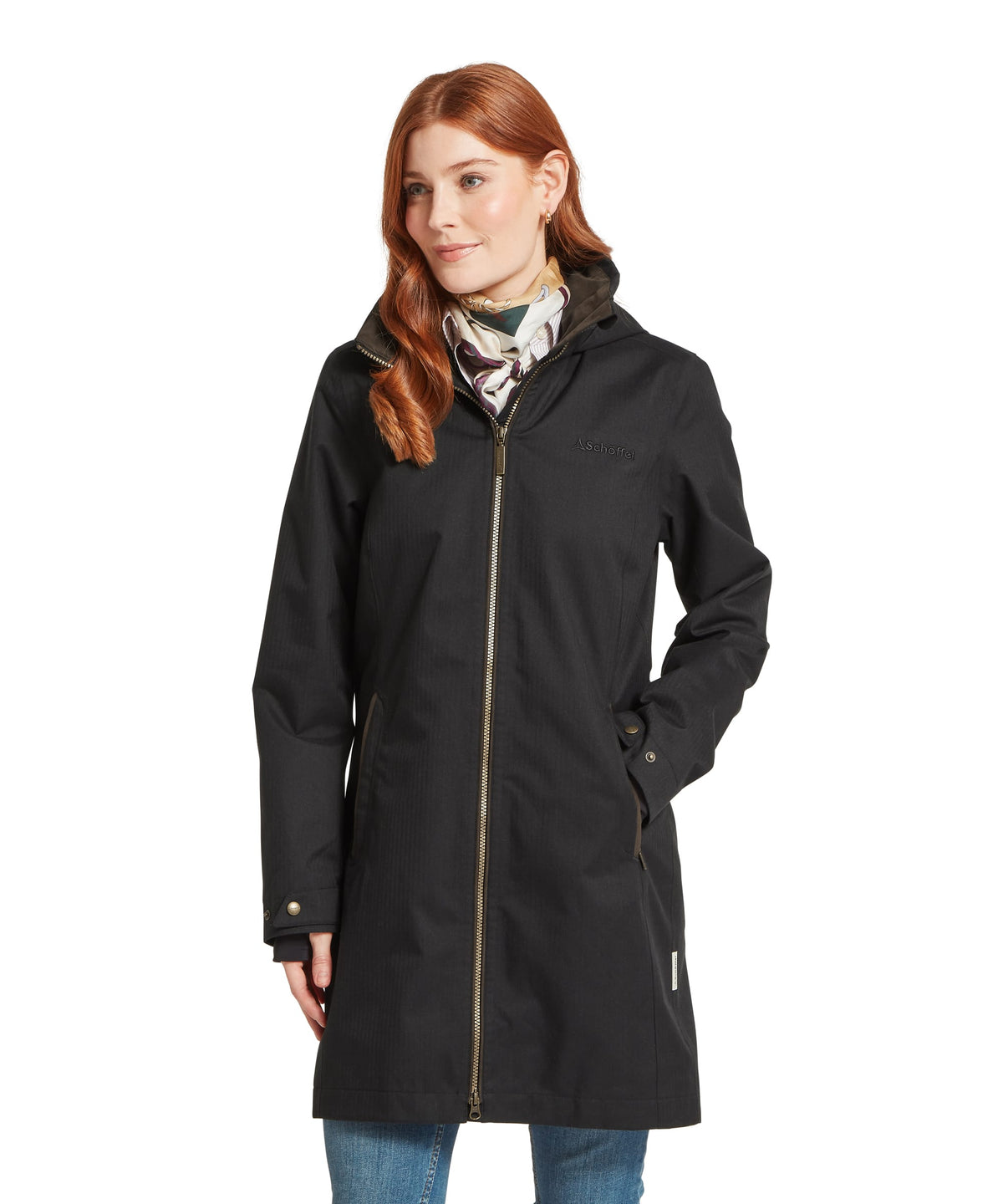 New inAllexton Waterproof CoatCharcoal + 1 colour£350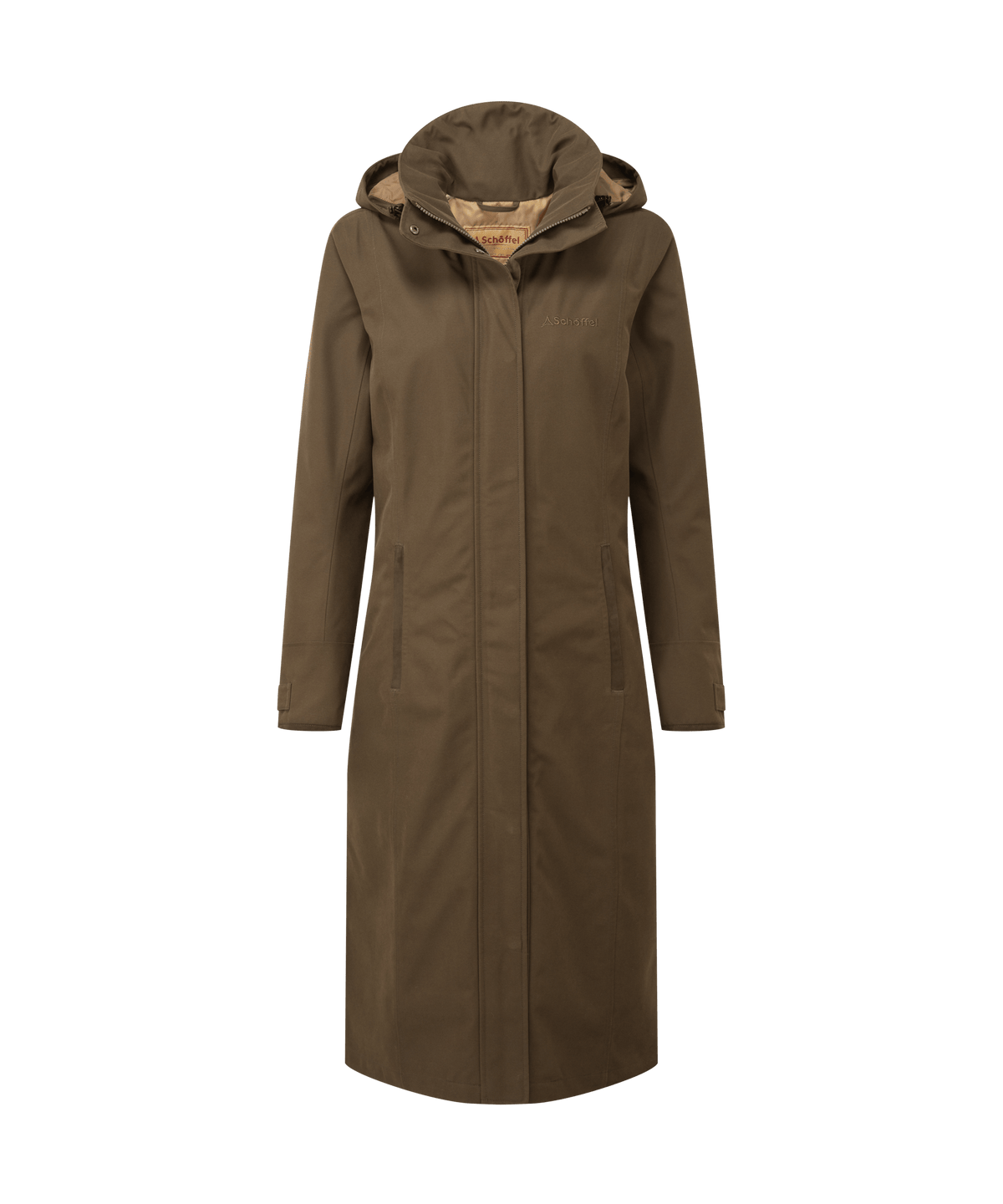
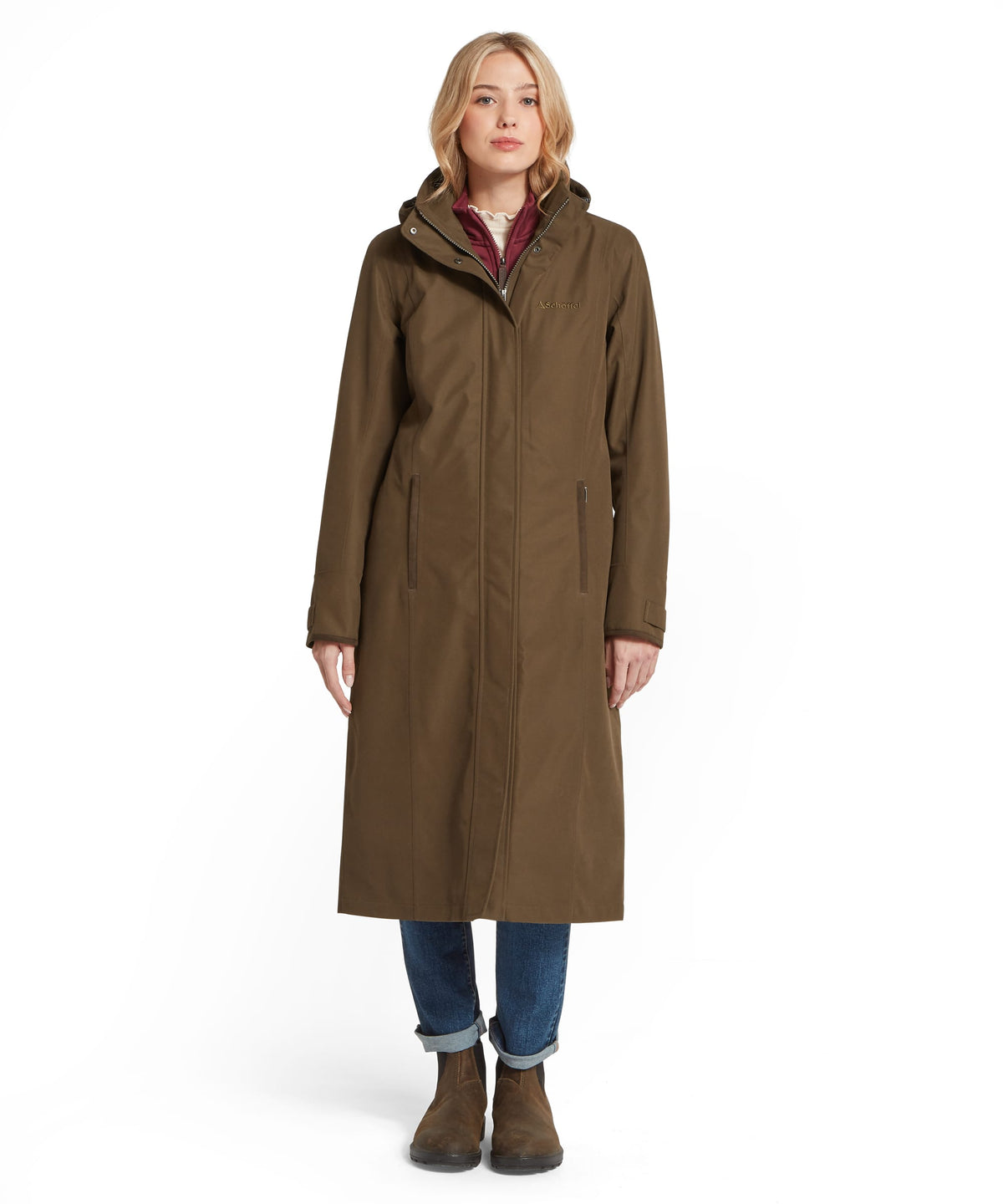 New inMarefield Waterproof CoatDark Caper£450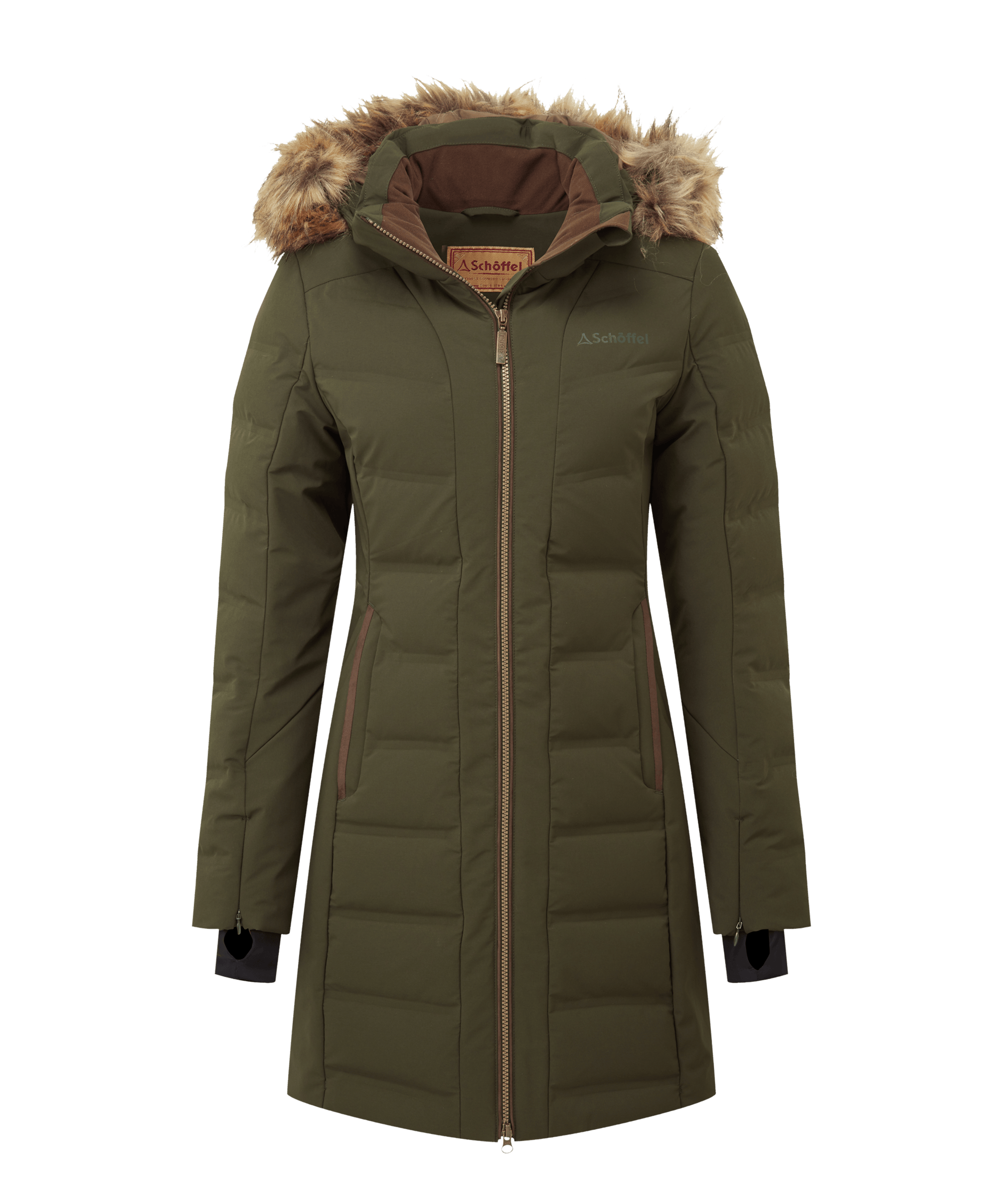
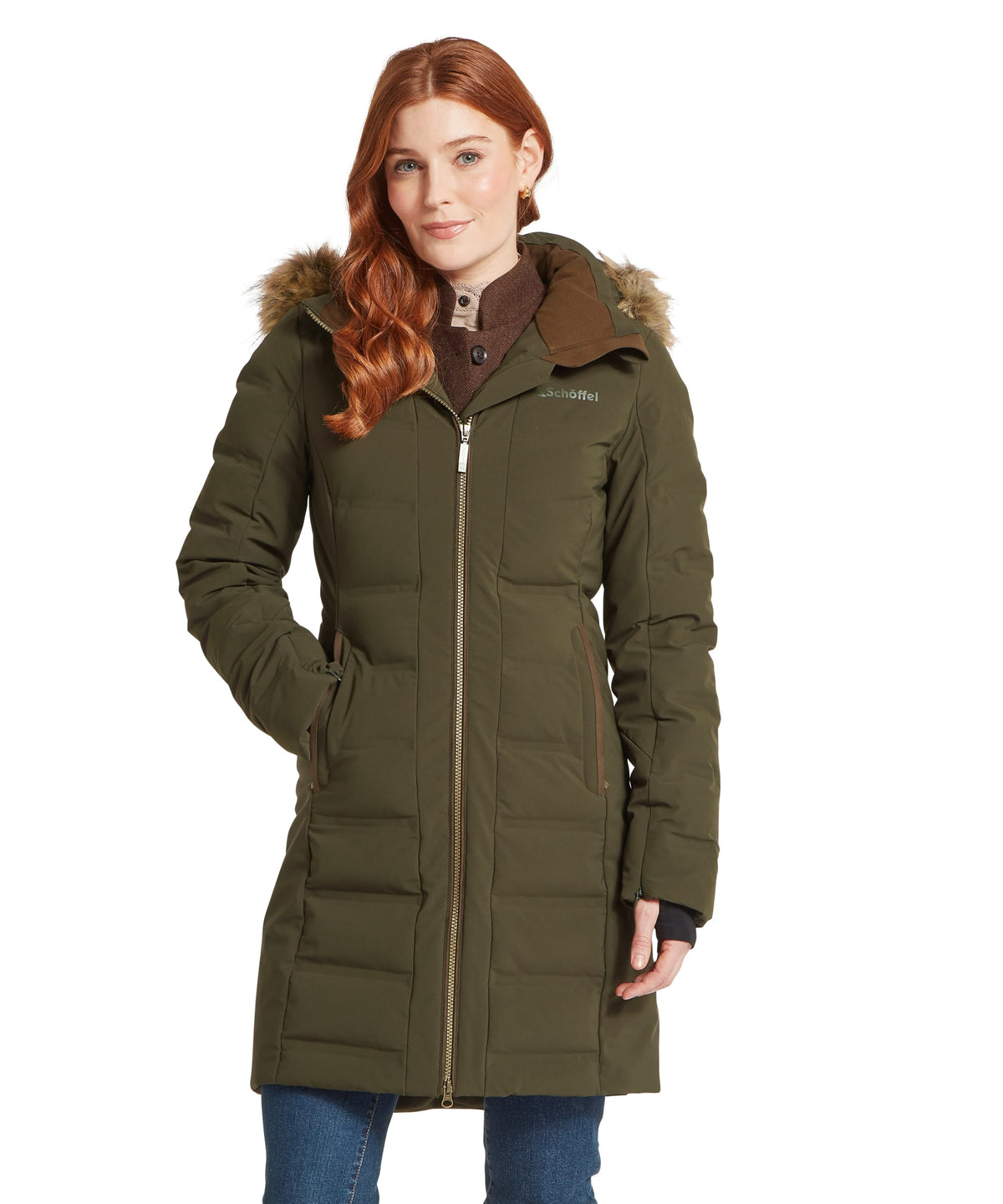 New inHurlingham Waterproof Down CoatForest + 1 colour£600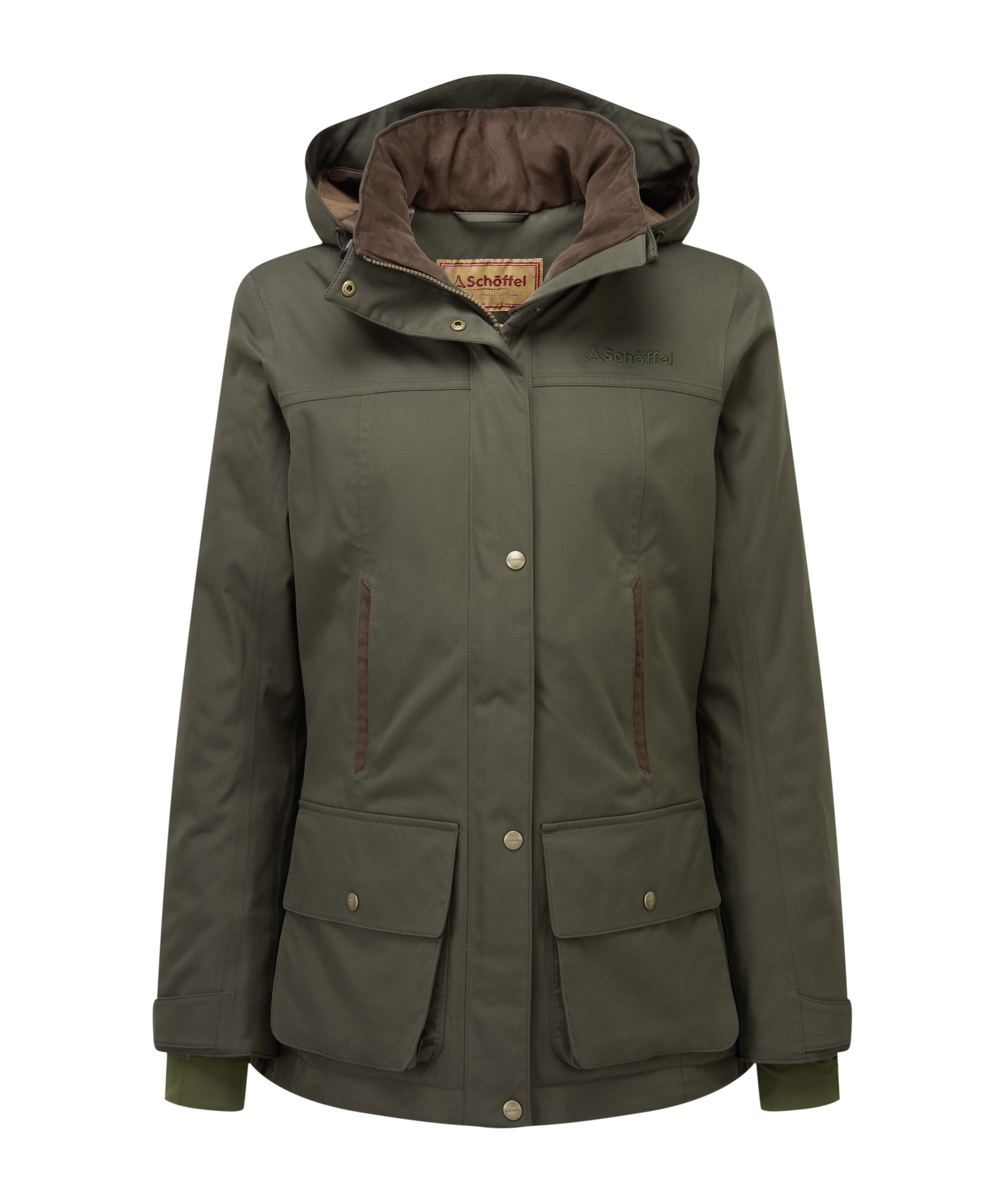
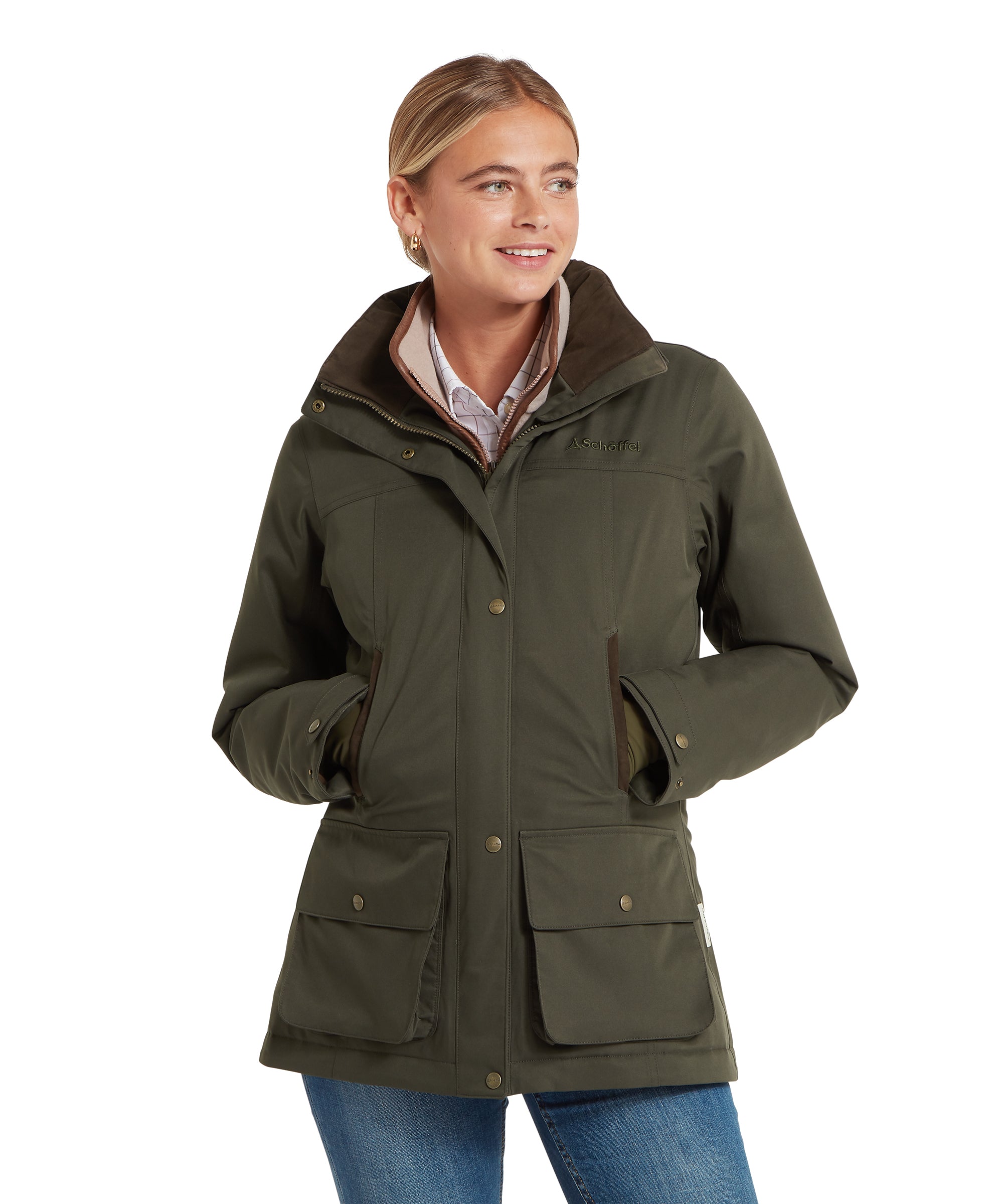 BestsellerLangton Country CoatDark Woodland£450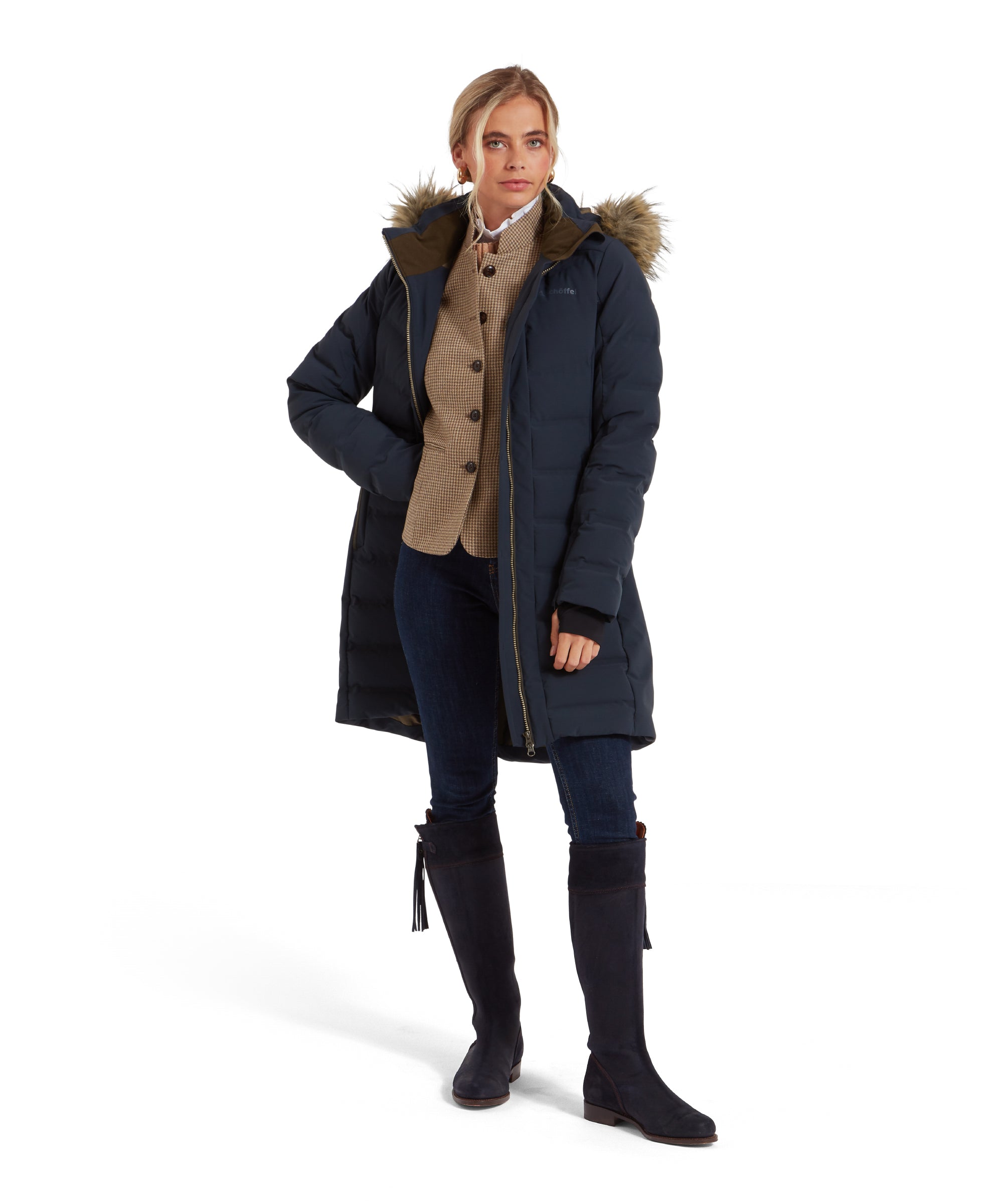
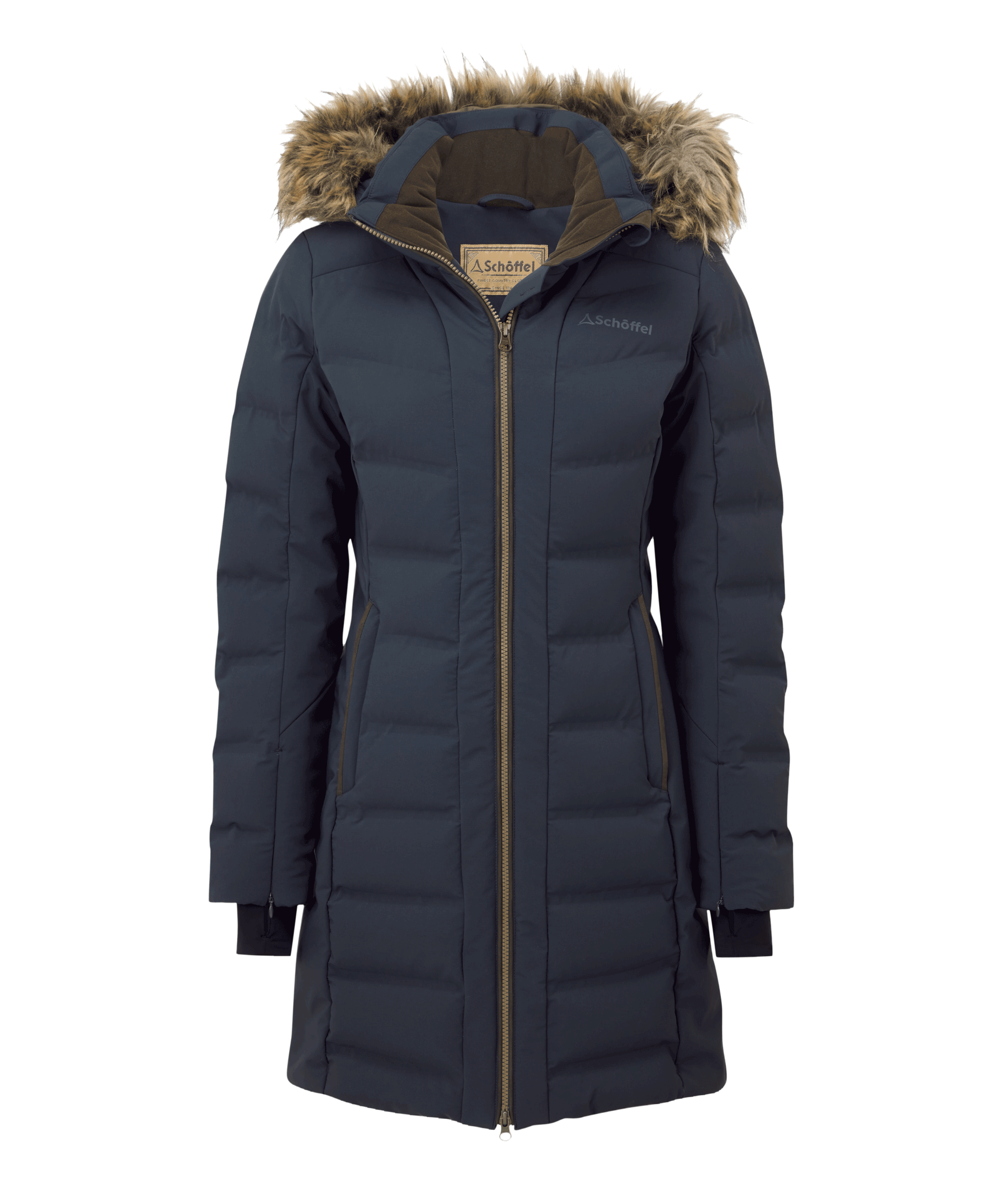 BestsellerHurlingham Waterproof Down CoatCarbon Navy + 1 colour£600

In these moments, your outerwear needs to respond without requiring constant adjustment. Lightweight waterproof shells come into their own, offering protection without bulk. Easy to layer over shirts, knitwear, or gilets, they provide a flexible solution that works across changing conditions. These jackets are easy to carry with you or stow away when not in use, too.
Breathability ensures comfort during periods of movement, while features such as adjustable hoods, storm cuffs, and secure pockets add practical value when the weather turns. It’s not about preparing for one condition but being ready for all of them.
Style in the rain: a new approach to country clothing
There was a time when technical clothing and style sat at opposite ends of the spectrum. That’s no longer the case.
Today’s country wardrobes are built on pieces that perform exceptionally while maintaining a clean, considered aesthetic. Tailored fits, muted tones, and refined finishes allow technical jackets to sit comfortably alongside more traditional garments.
The result is a more cohesive approach to dressing – one where function enhances style, rather than detracting from it.

How to dress for spring rain in the countryside
Dressing well for spring and summer showers is less about adding layers indiscriminately and more about choosing the right ones.
A breathable waterproof jacket forms the foundation – light enough to wear throughout the day, yet protective enough to handle sudden rainfall. Underneath, a simple combination of shirt and mid-layer, whether that’s a lightweight knit or fleece gilet, provides warmth without excess bulk.
The key is flexibility. Layers that can be added or removed easily, fabrics that work together, and garments that perform across a range of temperatures and activity levels.
As with any well-considered outfit, each piece should have a purpose.
Outerwear really performs at its best when the layers beneath have been carefully chosen. Mid layers that do not breathe, are tight fitting or too warm for the conditions, will undermine the comfort and performance of an outer shell. This is particularly important in spring and summer when temperatures are higher.
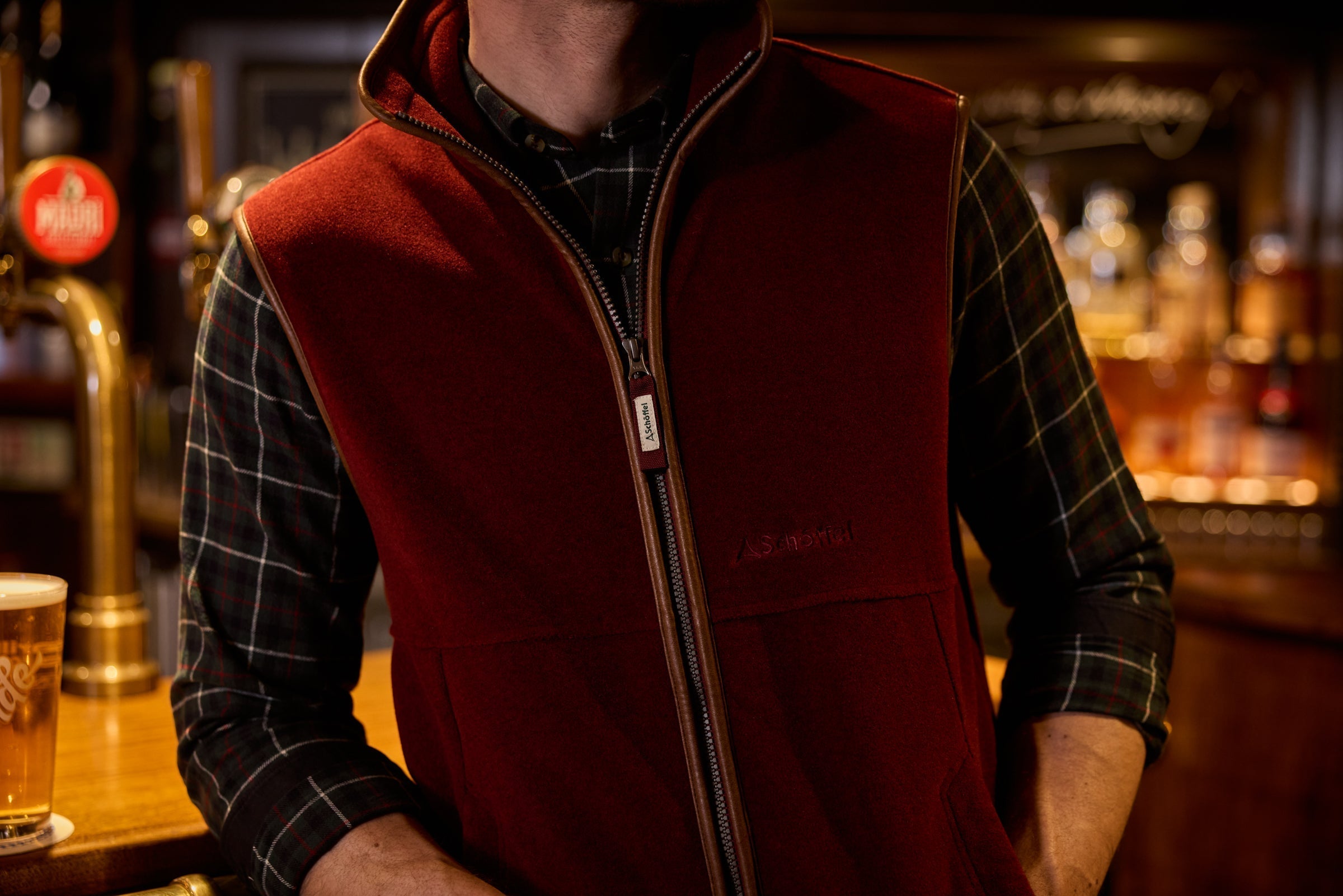
Naturally breathable materials like lambswool and Merino quarter zips and jumpers excel in cooler temperatures. As do garments like gilets that are cut for excellent freedom of movement. In warmer weather, a quality cotton deck shirt or polo will work. Fit is key. Restrictive clothing soon becomes uncomfortable during warm weather and activities that involve a lot of movement.
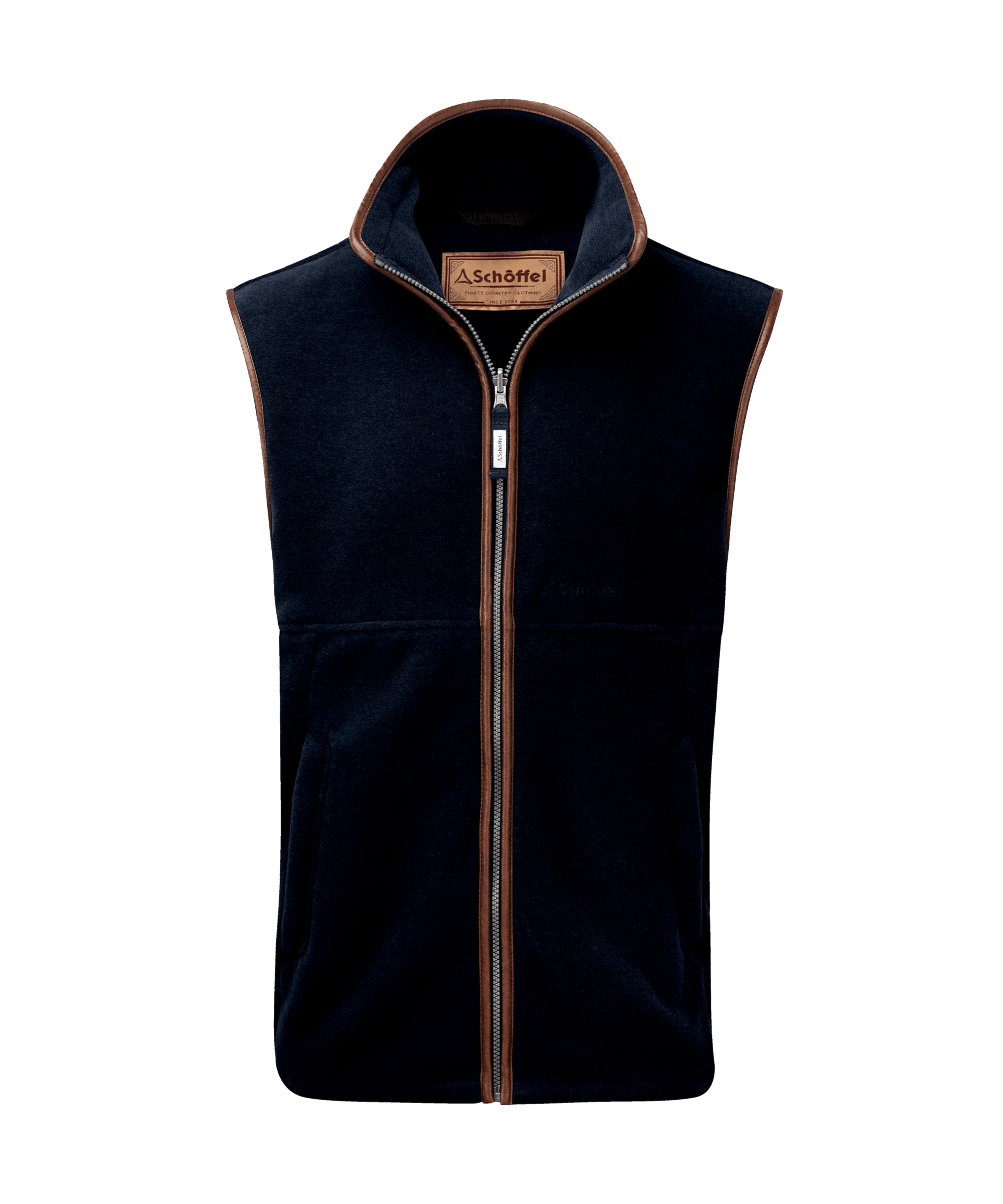
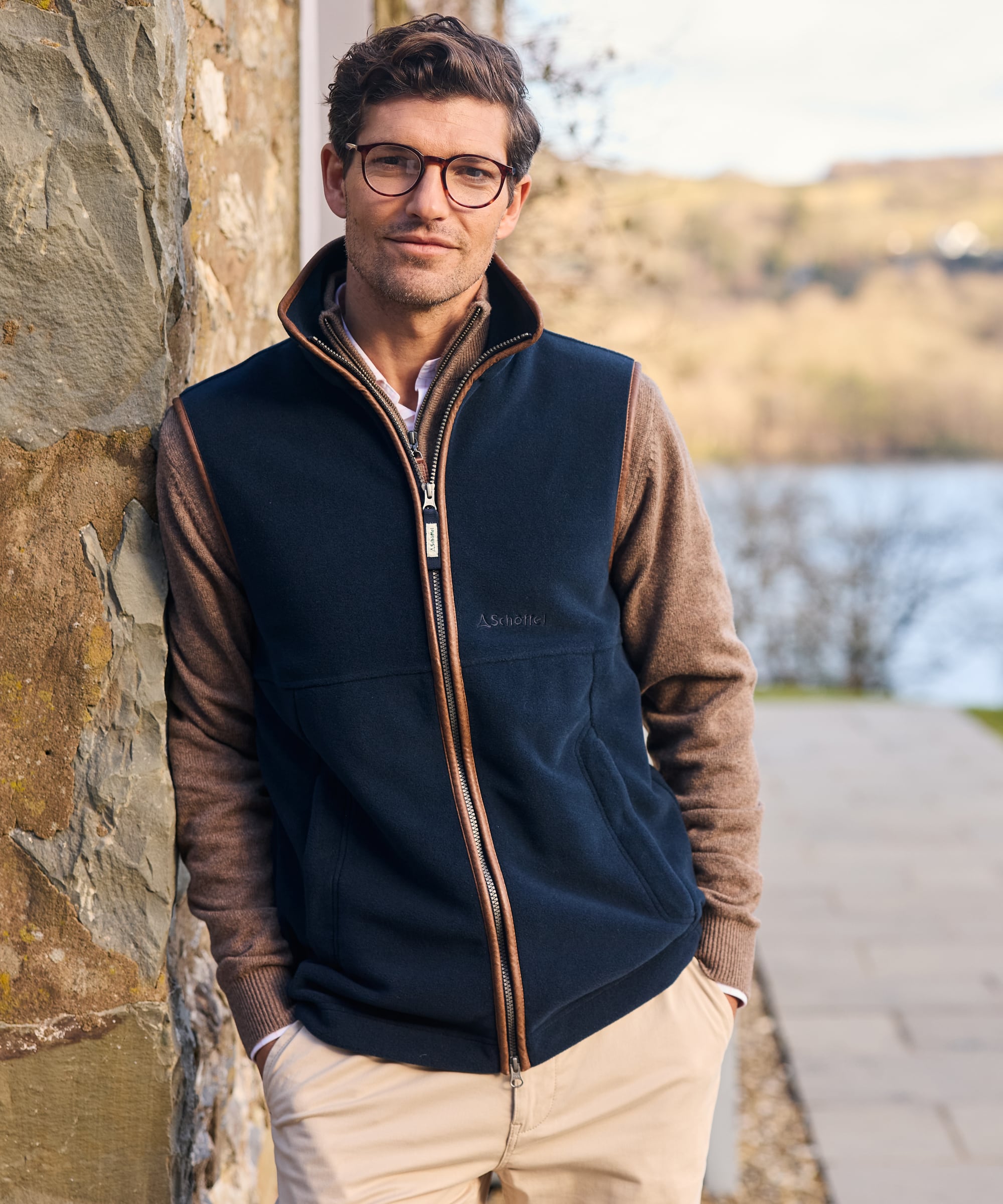 BestsellerOakham Fleece GiletNavy + 7 colours£160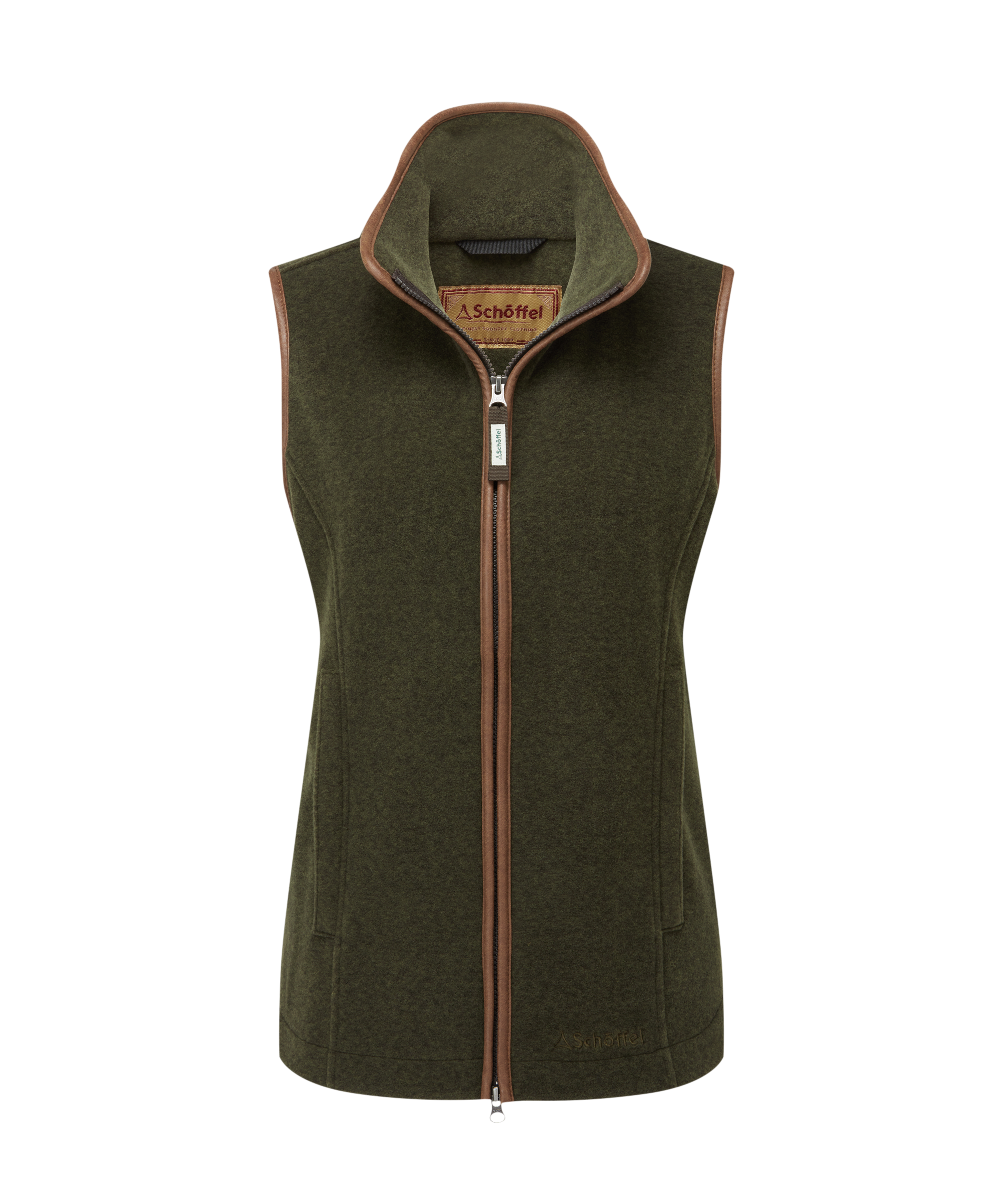
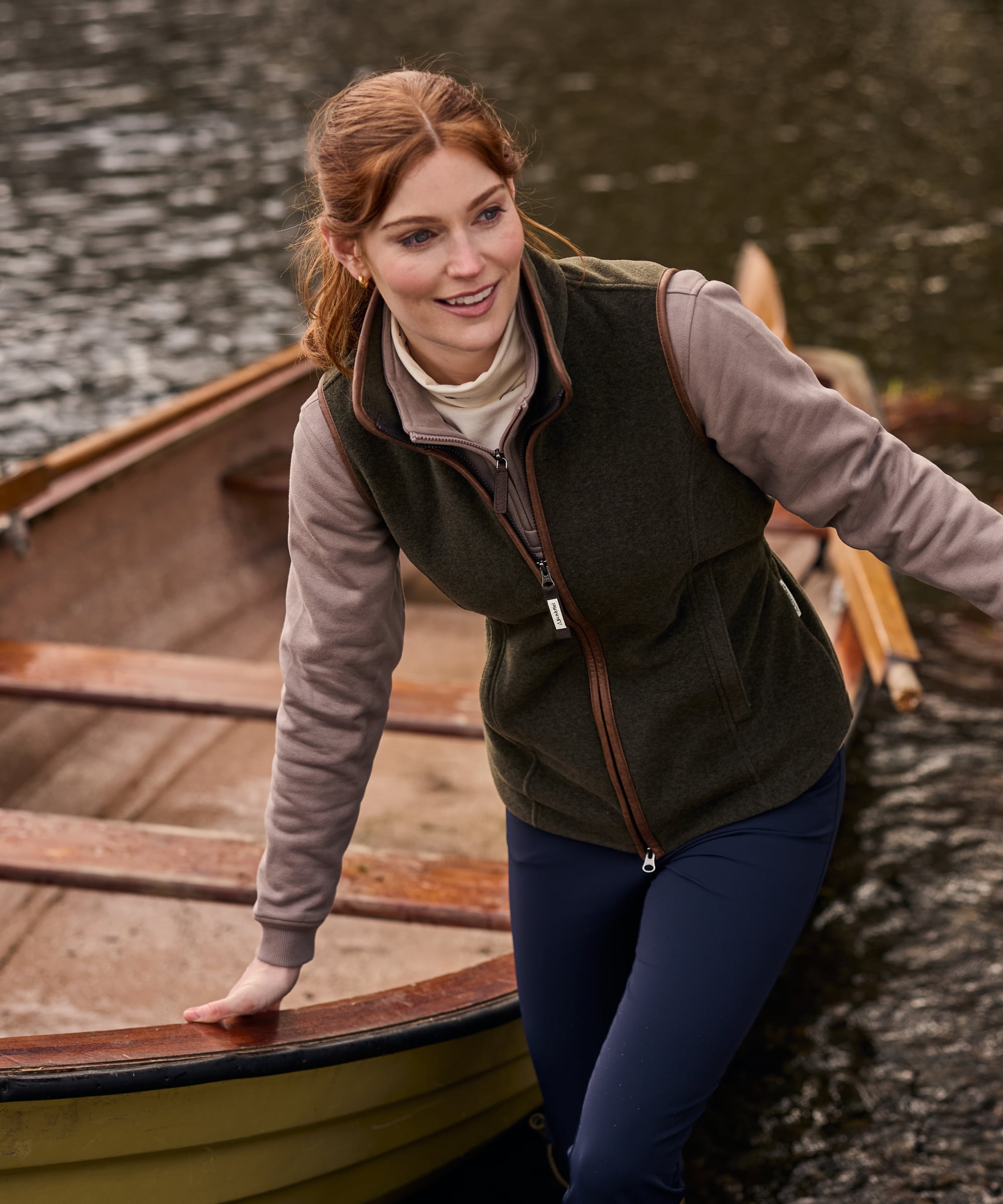 BestsellerLyndon Fleece GiletDark Olive + 9 colours£160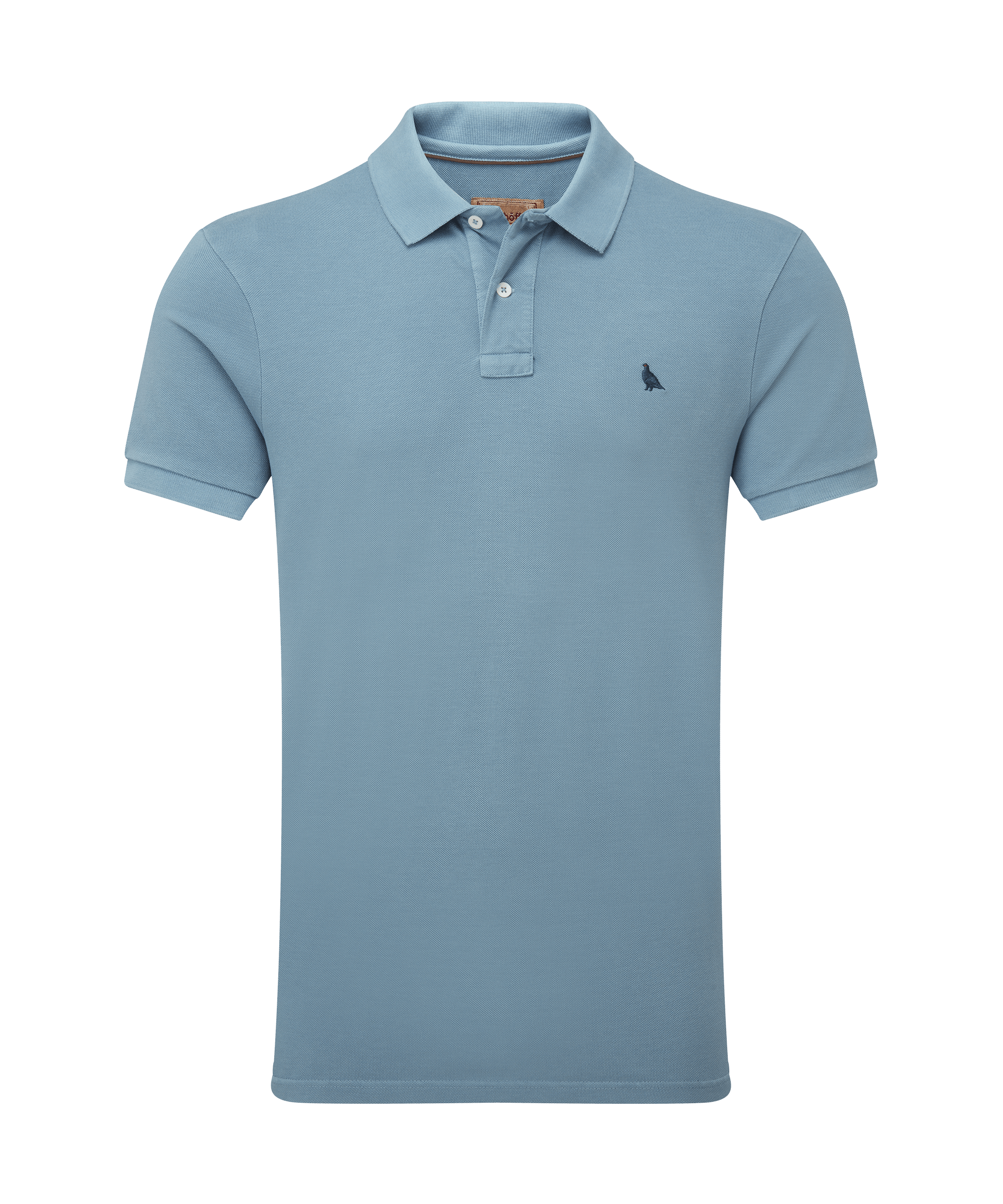
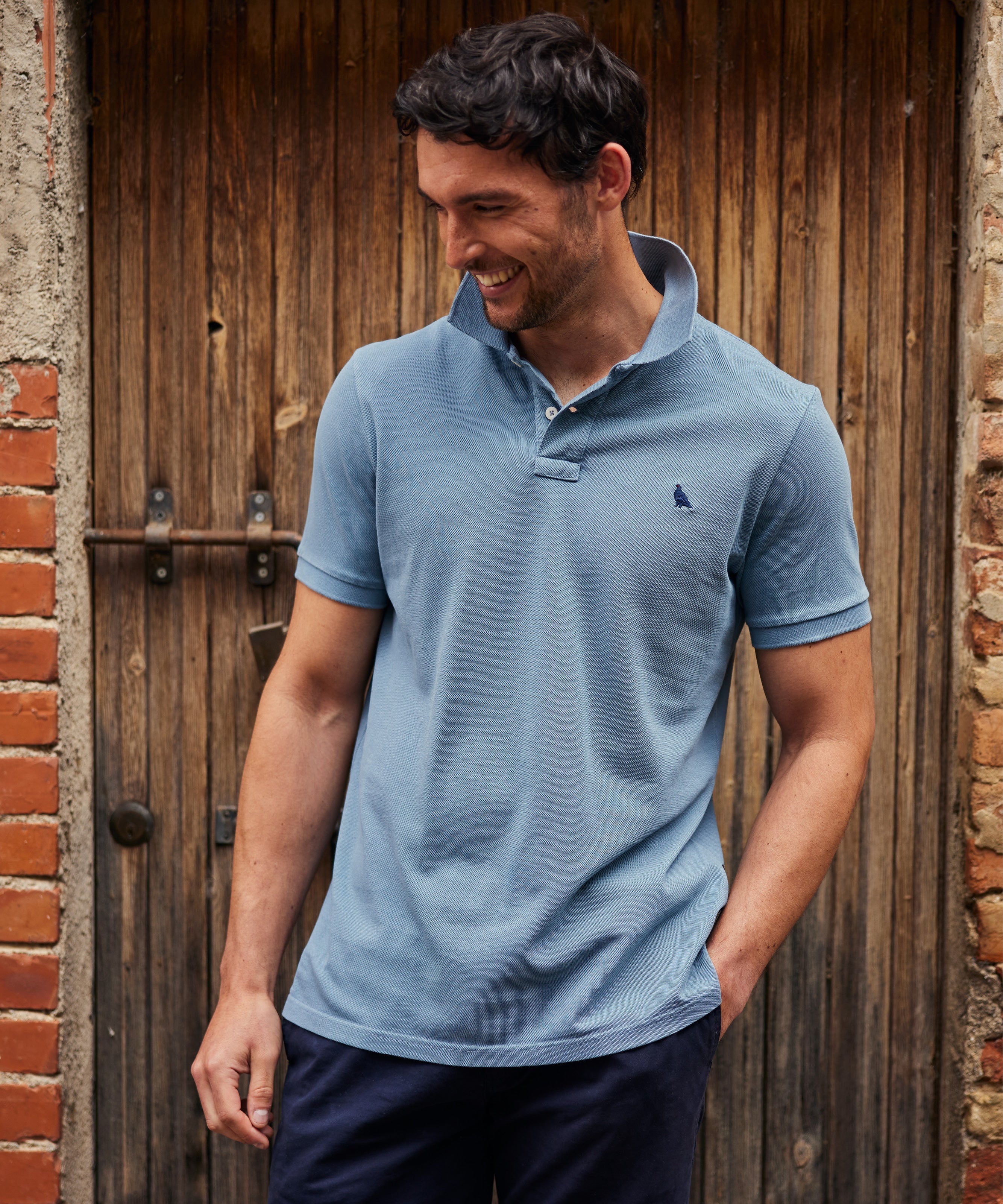 OutletSt Ives Garment Dyed Polo ShirtDark Pigeon Blue + 7 colours£45
£60.00
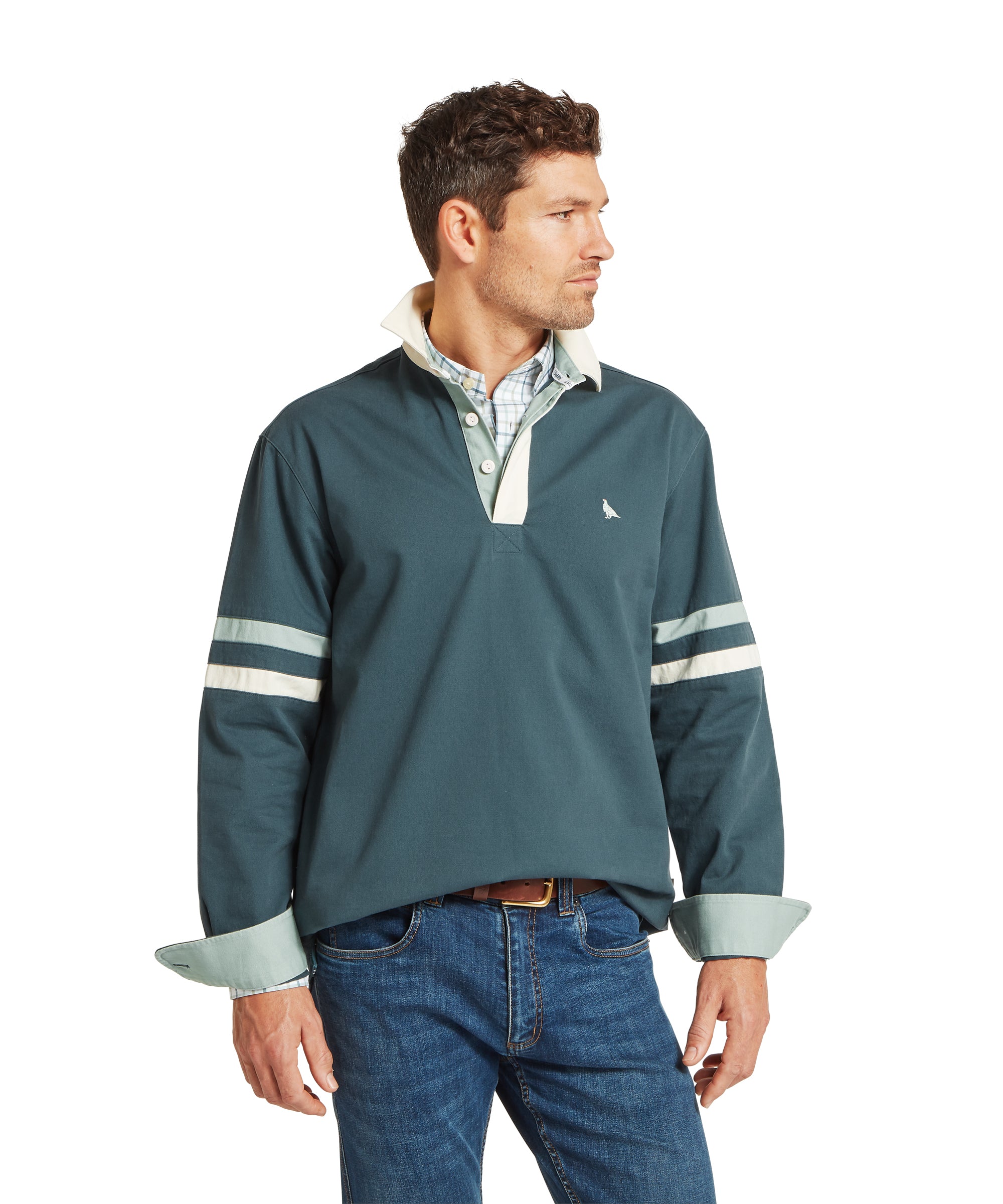 Truro Deck ShirtDeep Ocean Blue + 3 colours£90
-
BestsellerOakham Fleece GiletNavy + 7 colours£160
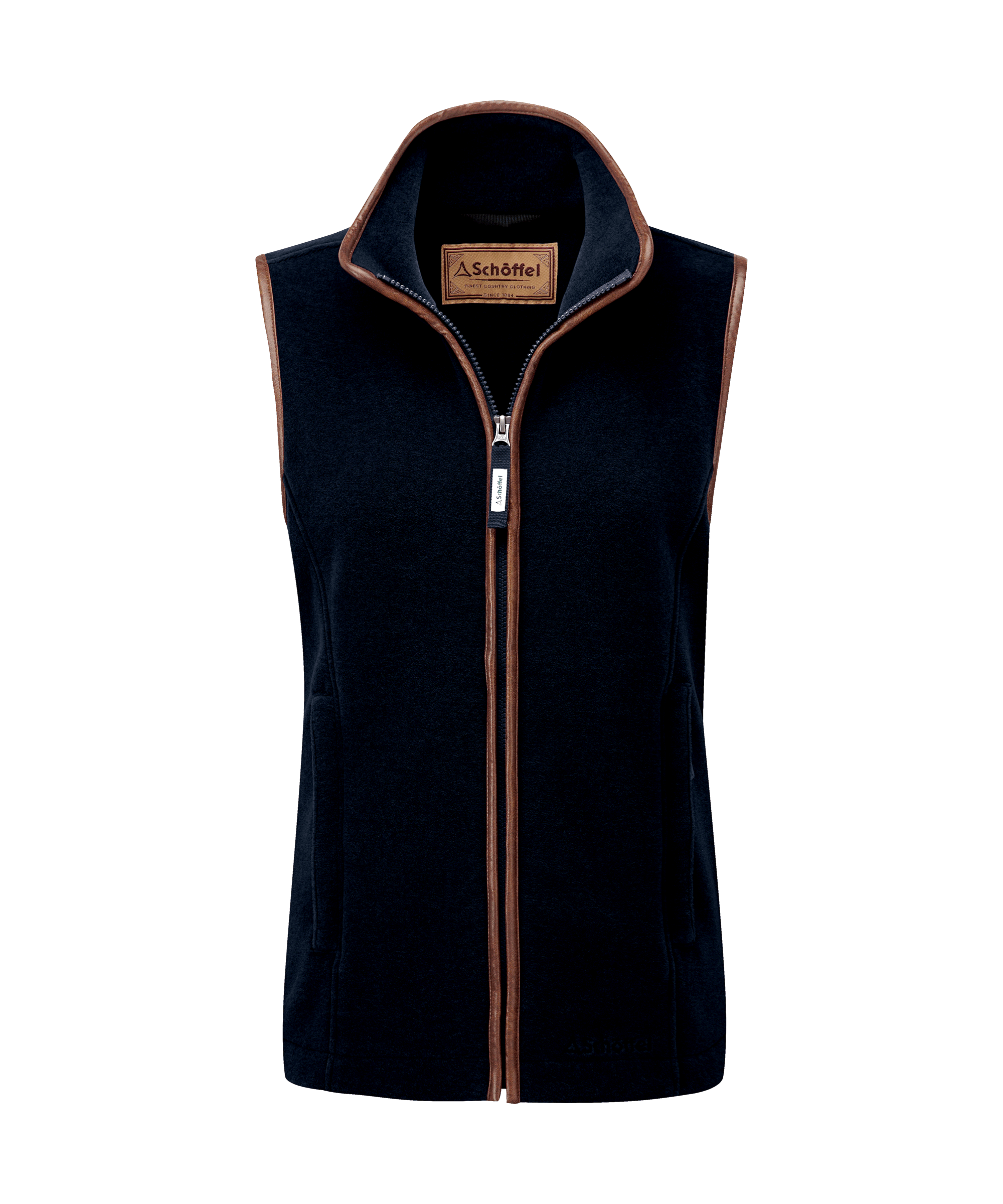
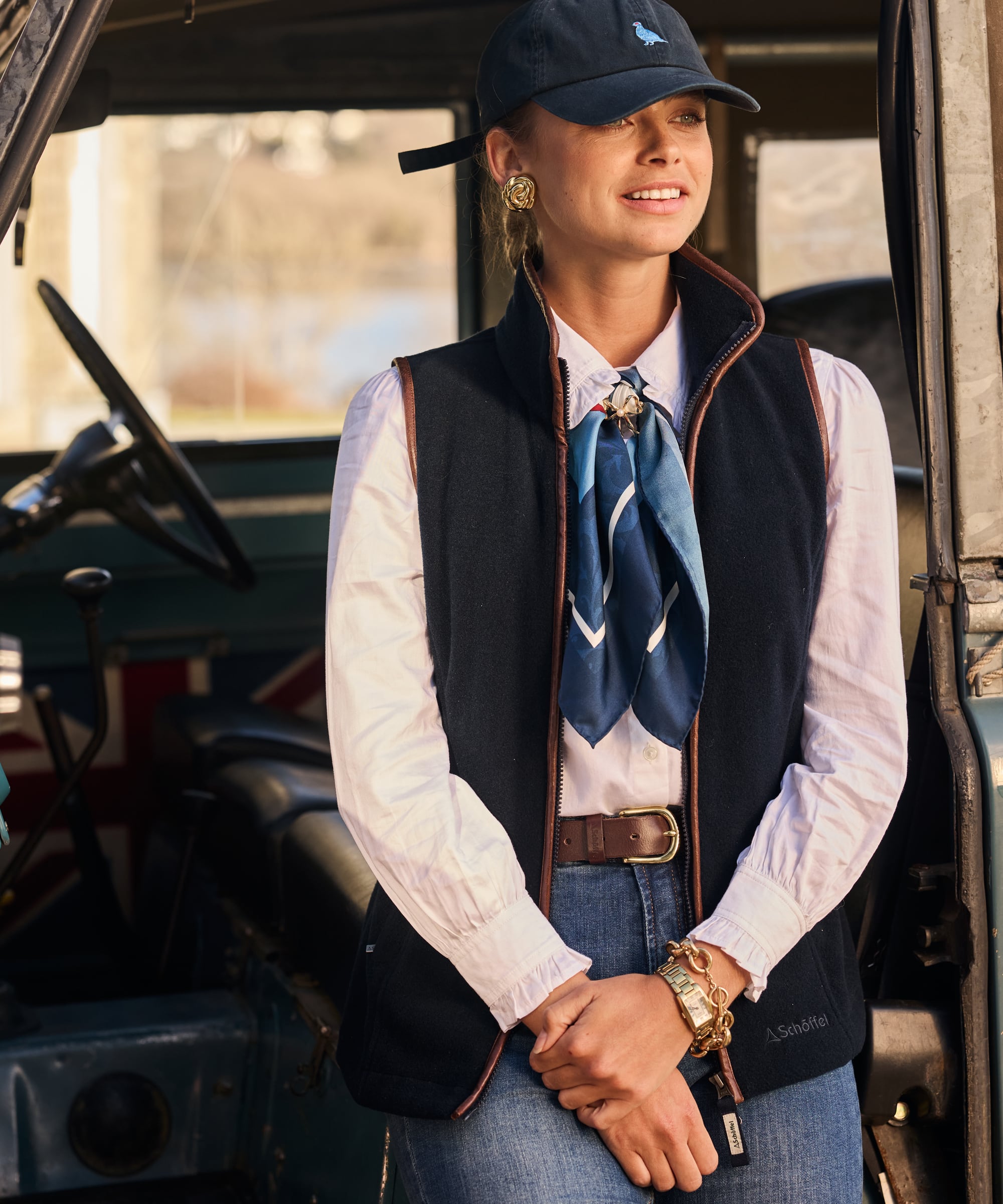 BestsellerLyndon Fleece GiletNavy + 9 colours£160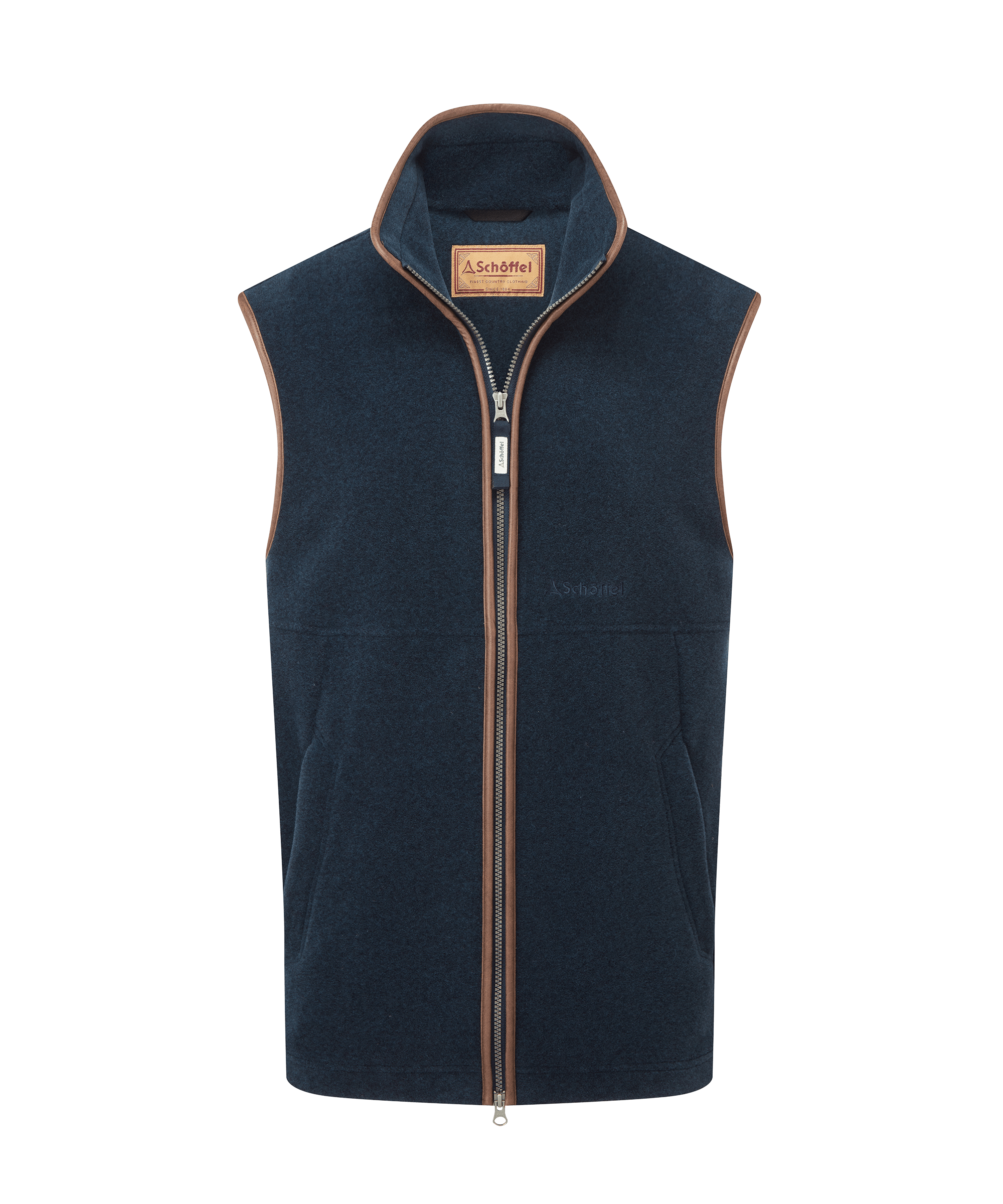
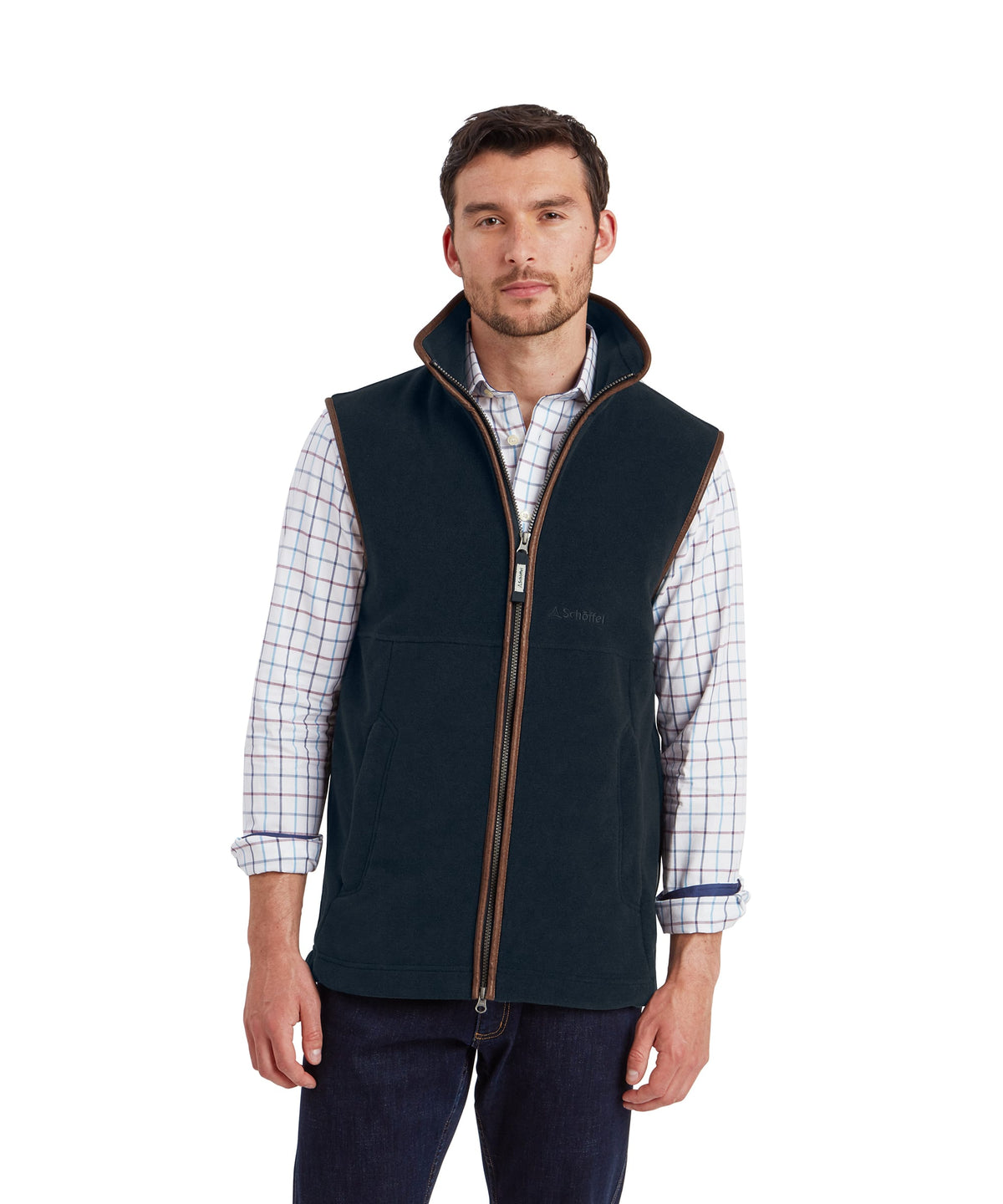 BestsellerOakham Fleece GiletPetrol Blue + 7 colours£160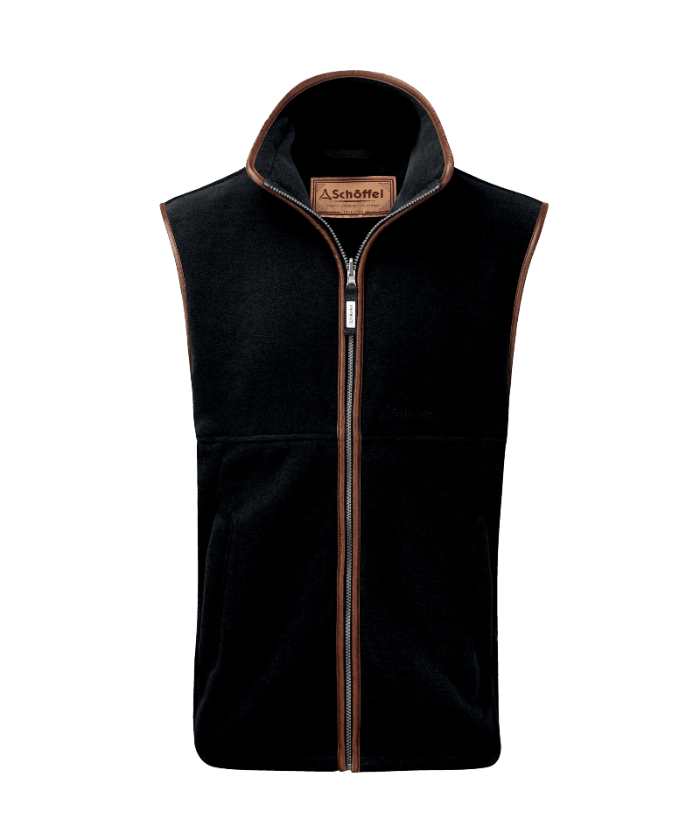
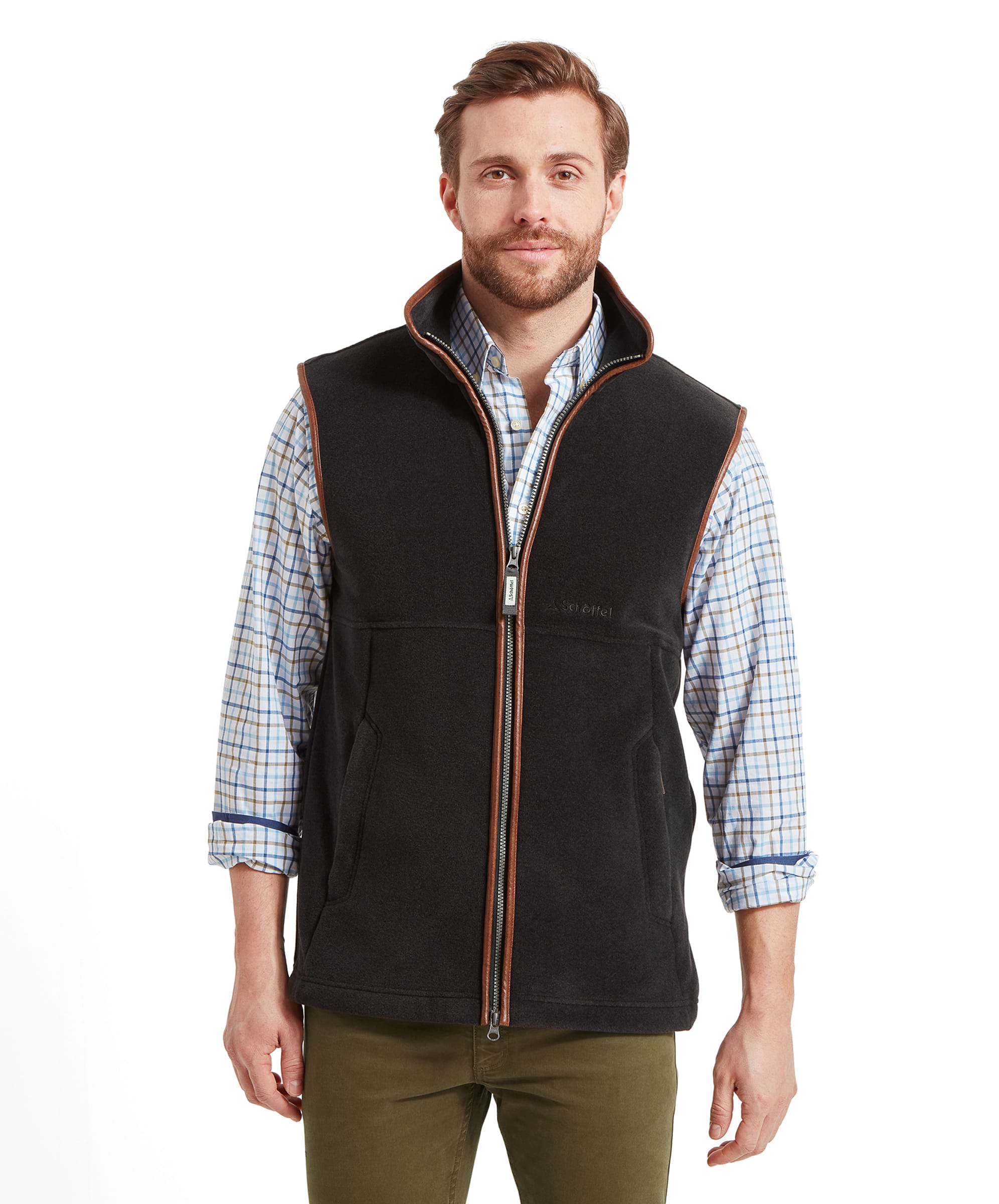 BestsellerOakham Fleece GiletGunmetal + 7 colours£160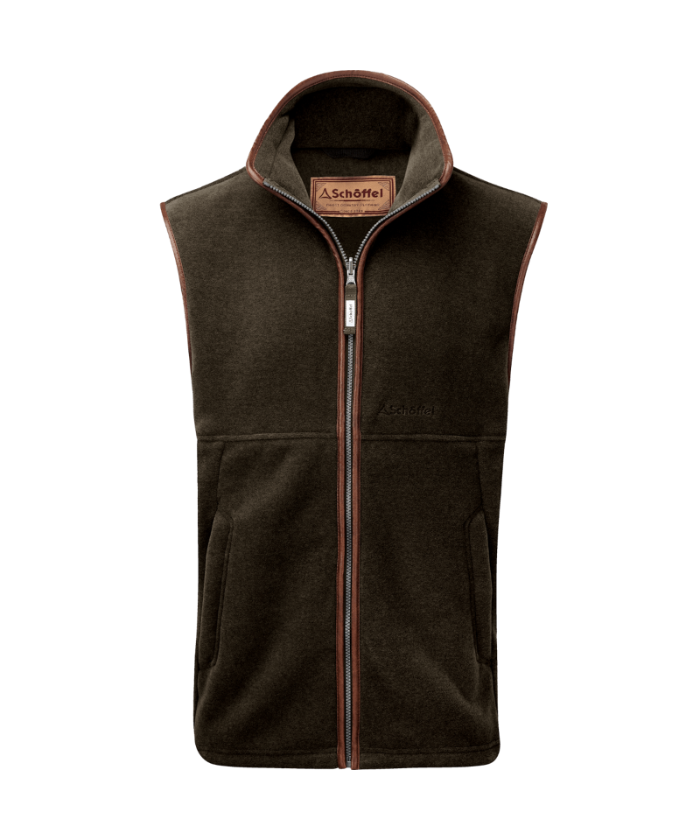
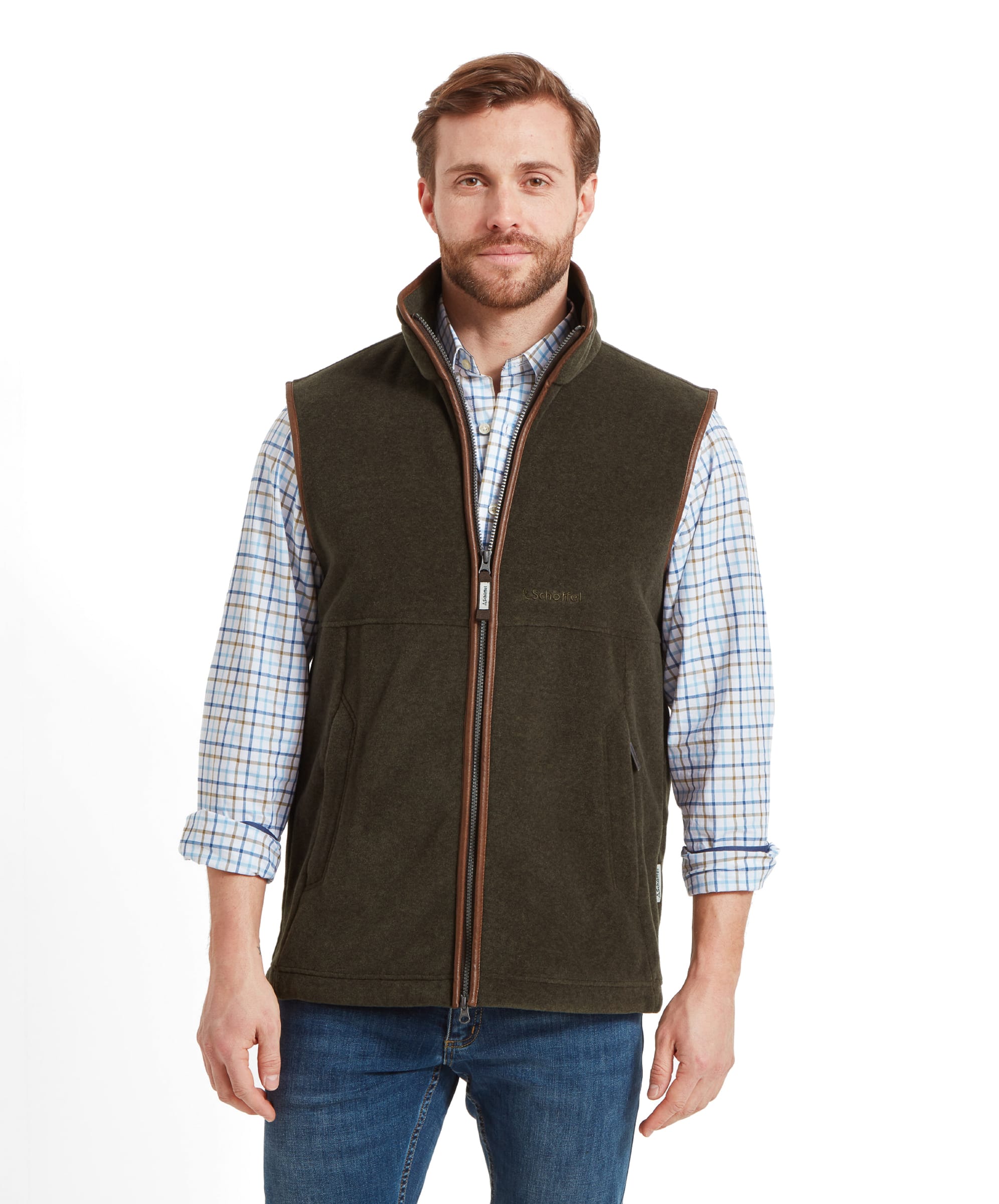 BestsellerOakham Fleece GiletDark Olive + 7 colours£160
-
BestsellerLyndon Fleece GiletDark Olive + 9 colours£160
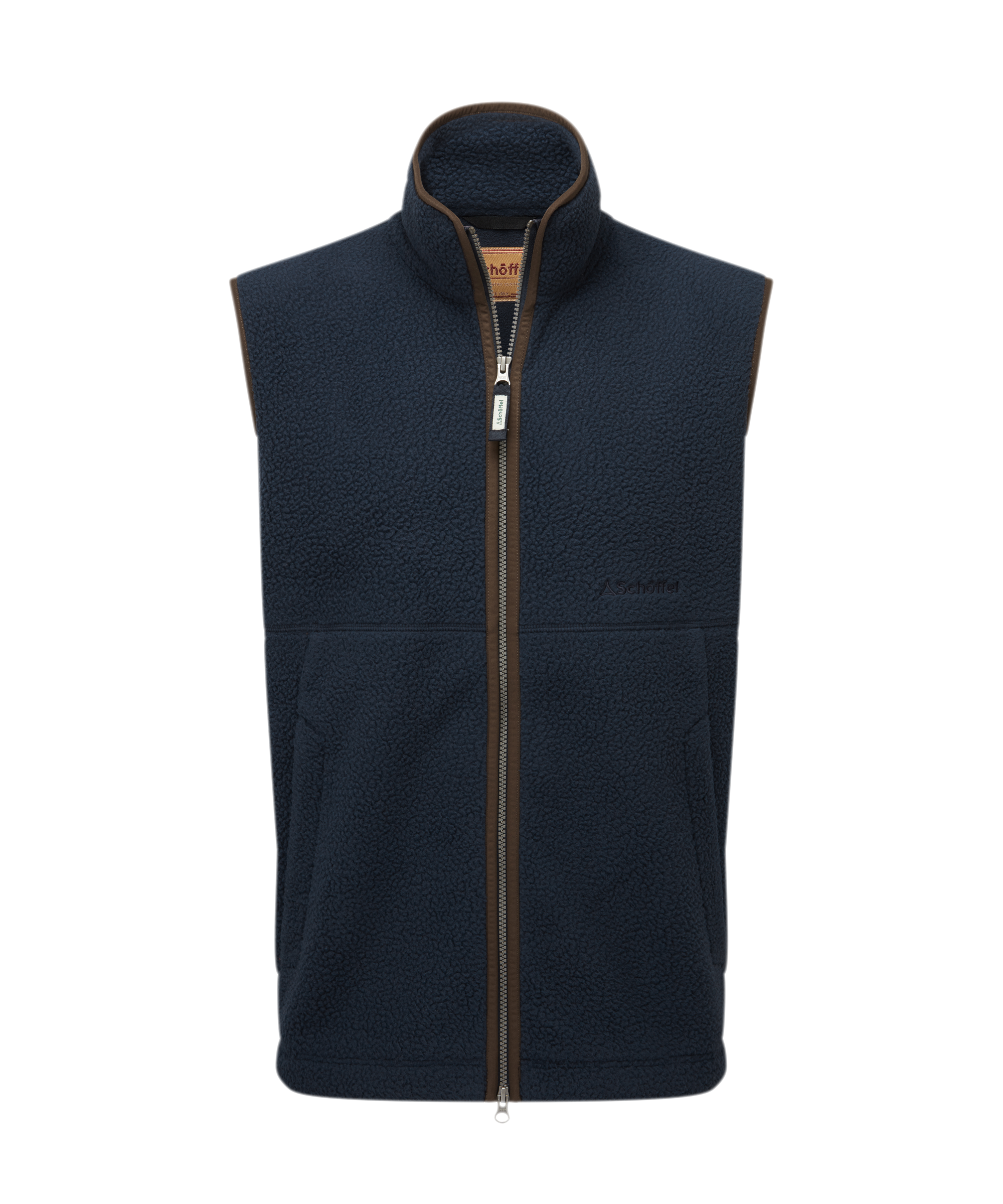
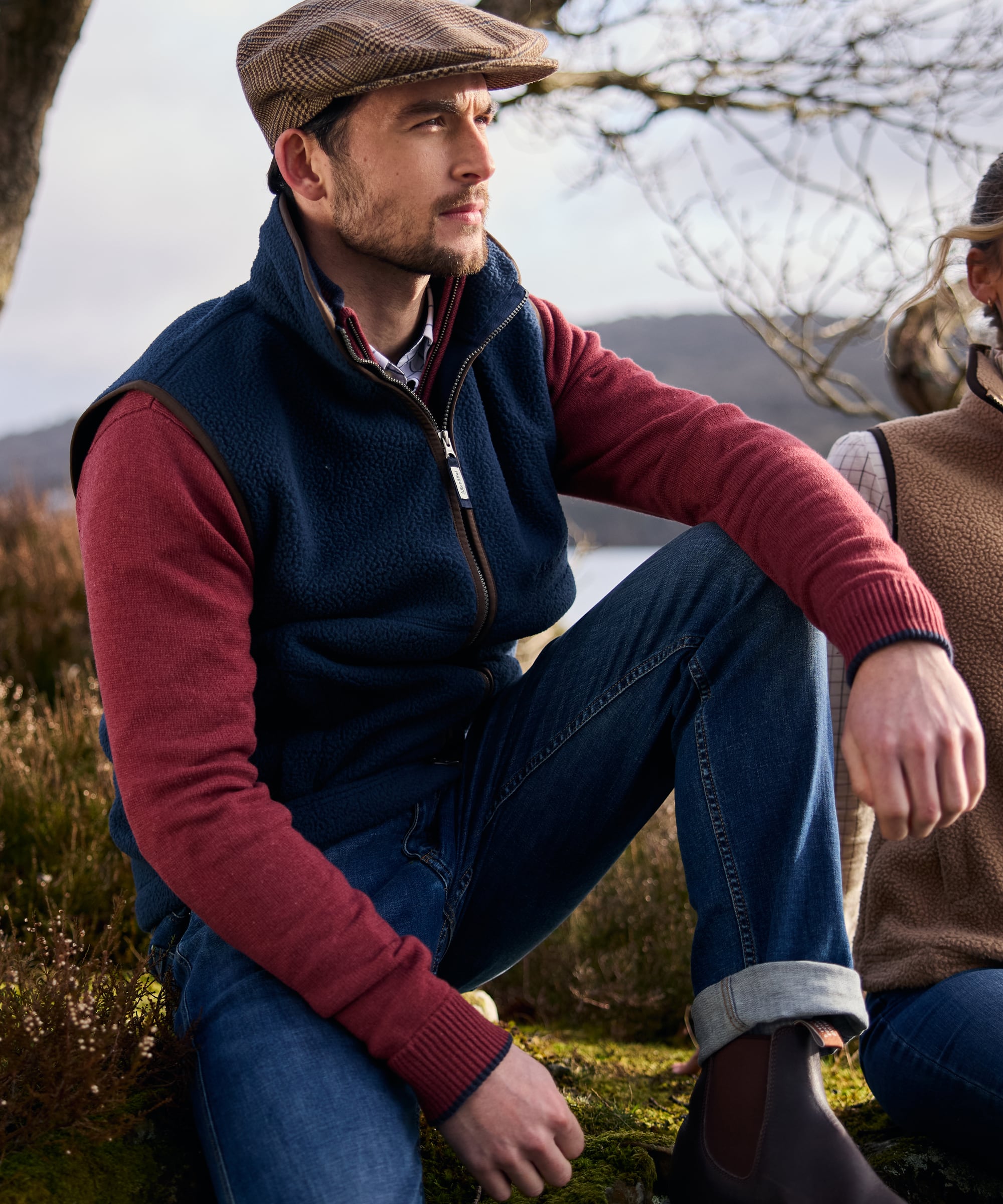 BestsellerOakham Retro Fleece GiletTrue Navy + 2 colours£140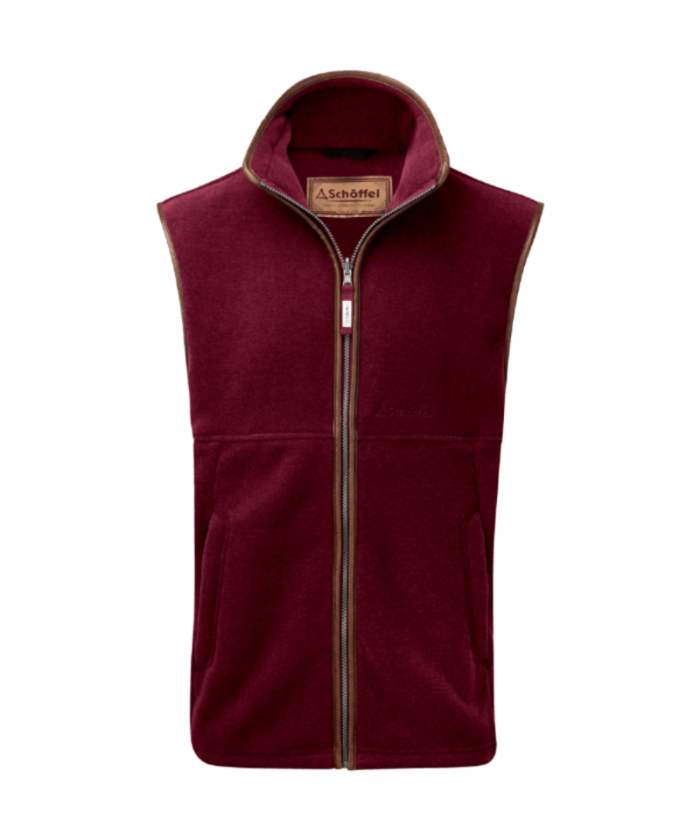
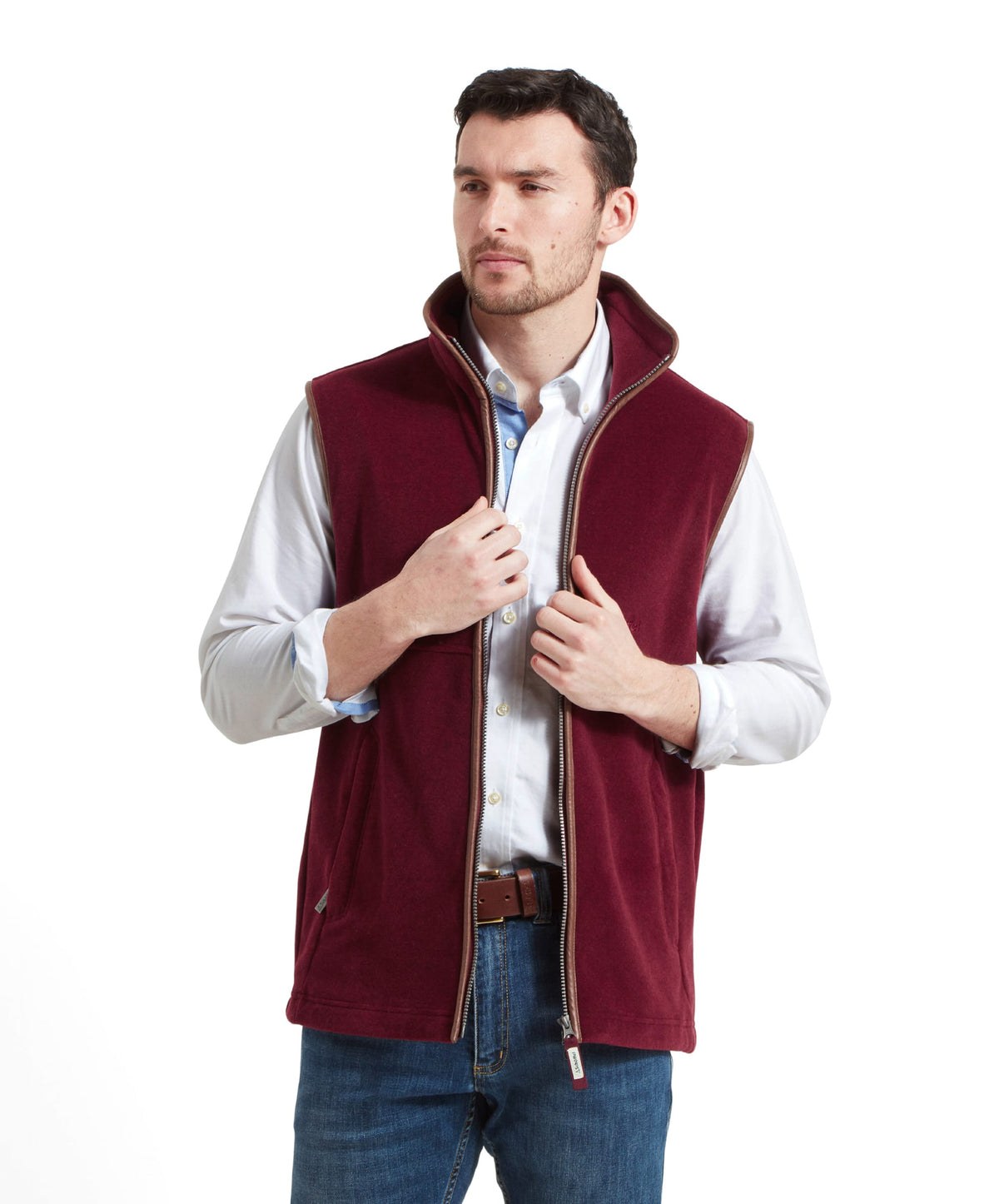 BestsellerOakham Fleece GiletClaret + 7 colours£160

The benefits of investing in a technical waterproof jacket
A quality technical jacket is not simply about immediate comfort – it’s an investment in long-term performance.
Durability ensures that a well-made jacket will withstand repeated use in demanding conditions. Advanced fabrics maintain their performance over time, continuing to repel water and allow breathability for many years.
There’s also a sustainability aspect to consider. Fewer, better garments – chosen carefully – reduce the need for constant replacement. And that’s better for the environment and your finances.
Perhaps most importantly, the right outerwear expands your options. It allows you to spend more time outside, in more varied conditions, without hesitation.

What to look for when choosing a jacket for spring
There are a few key things to bear in mind when choosing a waterproof jacket for the warmer months of the year.
Firstly, it’s important to think what you will use your jacket for? Do you need a waterproof coat for medium- or high-intensity activity? Do you simply want a light shell jacket that can easily be thrown on if it starts to rain? Do you want a jacket to keep the evening chill at bay, too – or will you layer well to tick that box? These questions will dictate the level of breathability, waterproof protection and insulation you might choose.
If you wish to investigate things even further, metrics like ‘Moisture Vapor Transmission Rate’ (MVTR) or ‘Resistance of Evaporation of a Textile’ (RET) will tell you more about breathability, while ‘water column’ and ‘hydrostatic head’ measurements indicate waterproof ratings. We explain all in this straightforward guide.
And then, of course, are the many features and details that we’re known for at Schöffel Country – we only include a feature if it truly serves a purpose. From stowaway hoods and taped seams to quality internal and external zips, attention to the finer things makes a real difference.
 Fleece jacket vs quarter zip vs gilet: Which layer should you choose?Read postStyle Guide12 min read