A guide to simulated game shooting | Everything you need to know
From format and etiquette to cost, kit and what to expect on the peg, here’s everything you need to make the most of a day’s simulated game shooting.
“Everything but the feathers” is a term often used to describe simulated game shooting as a quarry-free straight-swap for the real thing. And that, in my mind, is a mistake. Both types of shooting offer things the other simply can’t. They do, though, share the same loose structure and social elements. And there’s no getting away from simulated game shooting’s surge in popularity in recent years.
‘Sim days’, as they are often called, fill that quieter gap in the country calendar nicely for many. They also offer a more affordable and accessible experience than the likes of driven partridge and pheasant shooting. Let’s not forget that they can be enjoyed when the days are longer and the weather kinder, too.
In this guide, written for both the newcomer with an interest in simulated game days and the more seasoned Shot who is perhaps searching for tips on etiquette, general format, and more, we’ll look closely at what simulated game shooting is, how a typical day works, what to wear, and how – with a little forethought – such a day can help you prepare for a day “with feathers” come winter.

What is simulated game shooting?
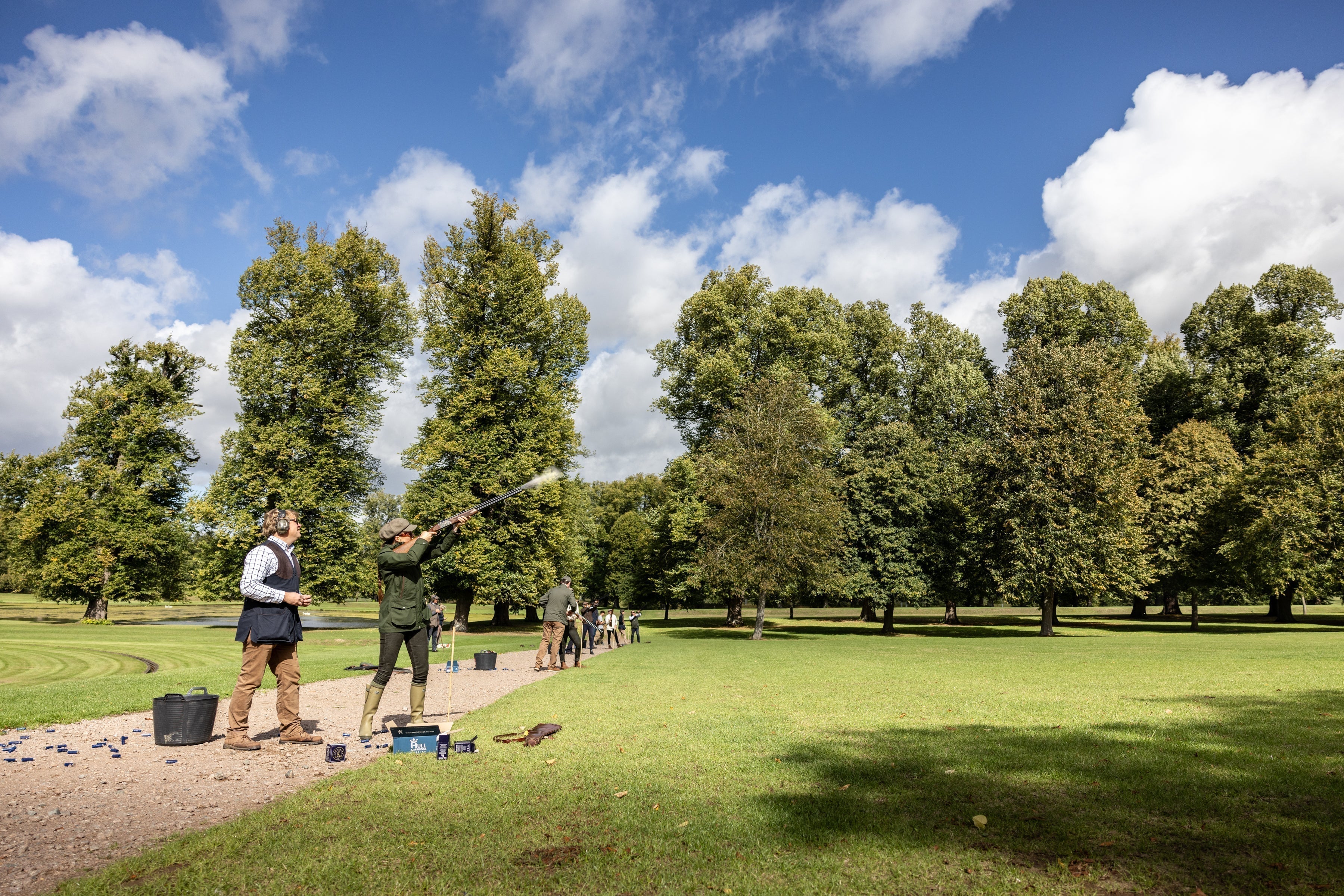
A well-run day of simulated game shooting is designed to replicate a traditional driven shoot in structure. Guns (the people who are shooting) rotate through a series of drives across varied terrain, standing in a line across or in front of which clay targets are presented to mimic everything from pheasant and partridge to grouse, ducks and even rabbits. It’s often fast and furious, with a great variety of targets presented in a deliberately unpredictable manner.
Unlike a standard clay layout, where stands are fixed and repetition is expected, simulated game shooting introduces movement, variation and the freedom to shoot (at) whichever targets you please.
At Boughton Estate for instance, where some of the Schöffel Country team enjoyed a day under the clays last year, the drives range from low, skimming grouse targets which appear suddenly over short horizons, to higher, pheasant-style presentations in mature woodland.
Safety is, of course, the first priority. But provided you’re safe, any ‘etiquette’ tends to be brushed aside among friends as they break each other’s clays. How ‘selective’ you are when shooting is entirely down to you and really comes down to how many cartridges you fancy getting through.
You may be shooting with or without a ‘stuffer’ – somebody who stands beside you and helps you reload quickly between shots. In fact, many simulated game days are run on the basis that you will shoot in pairs, where one person shoots and the other ‘stuffs’ before roles are switched halfway through the drive. Sharing the experience with another person adds to the fun and gives you a rest.
Of course, between drives, there’s plenty of time to catch up with the rest of the team, with planned stops for refreshments a key feature.
 Edenham Clay Shooting VestForest + 1 colour£180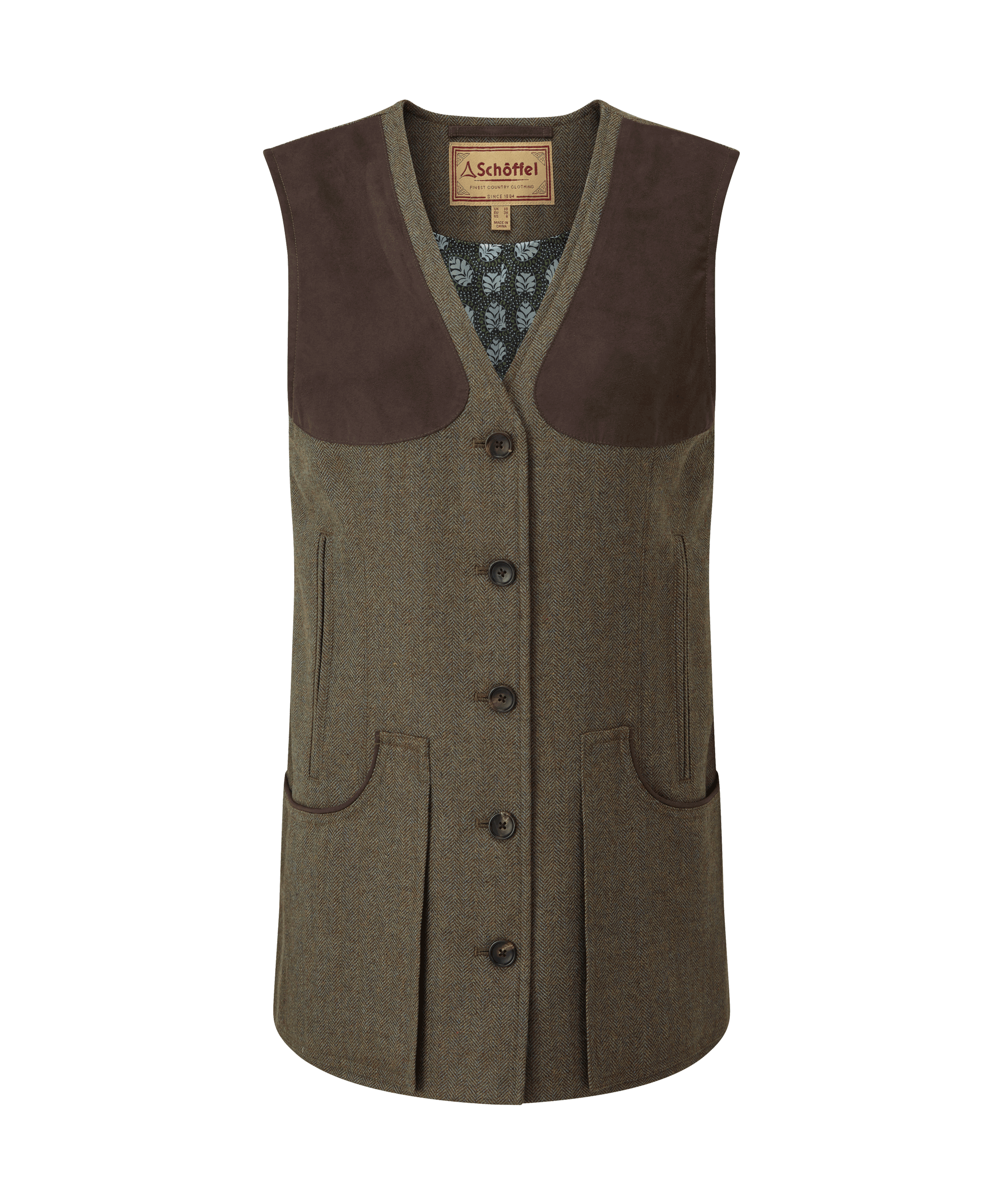
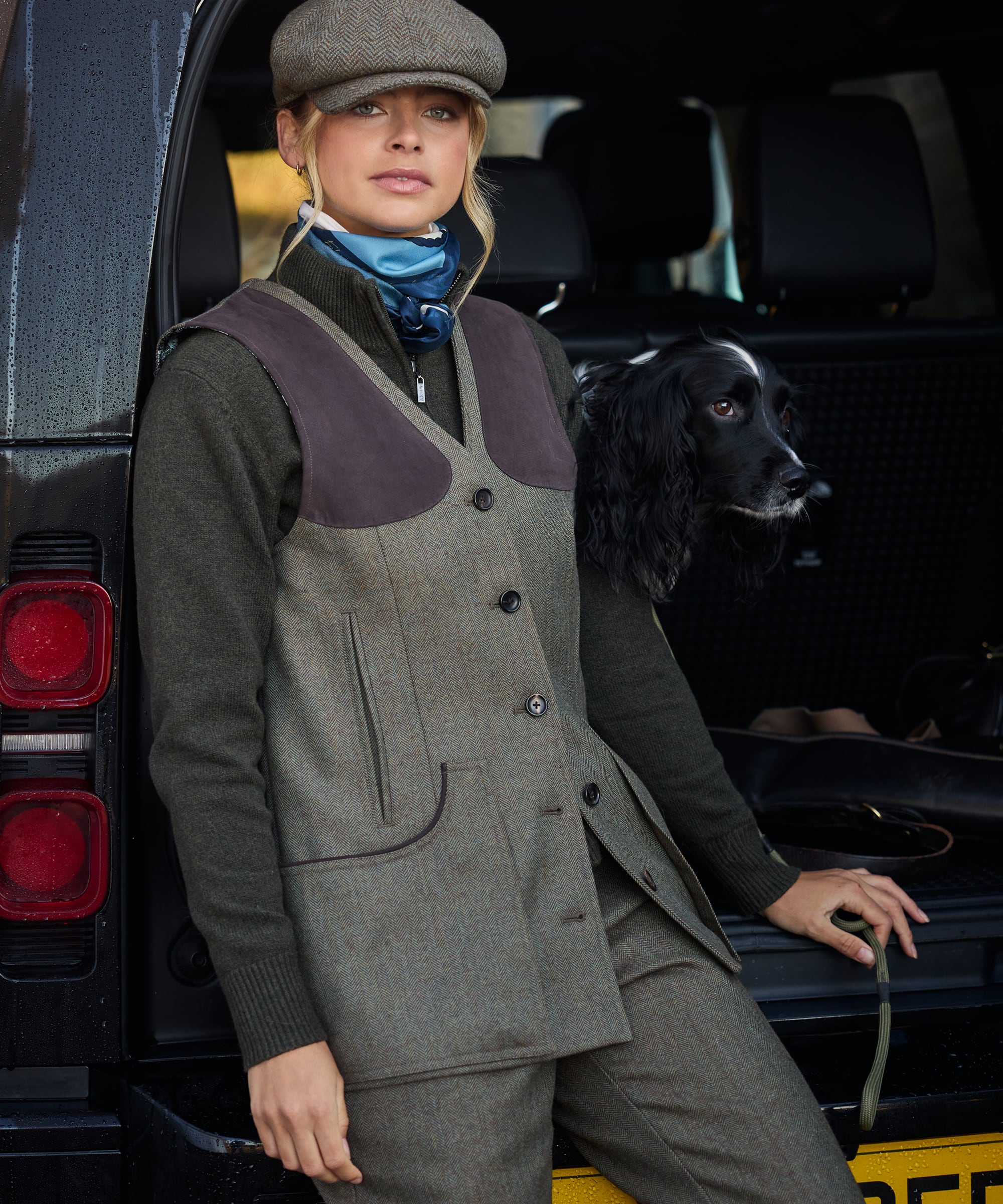 OutletWomen's Tweed Shooting VestLoden Green Herringbone Tweed£195
£300.00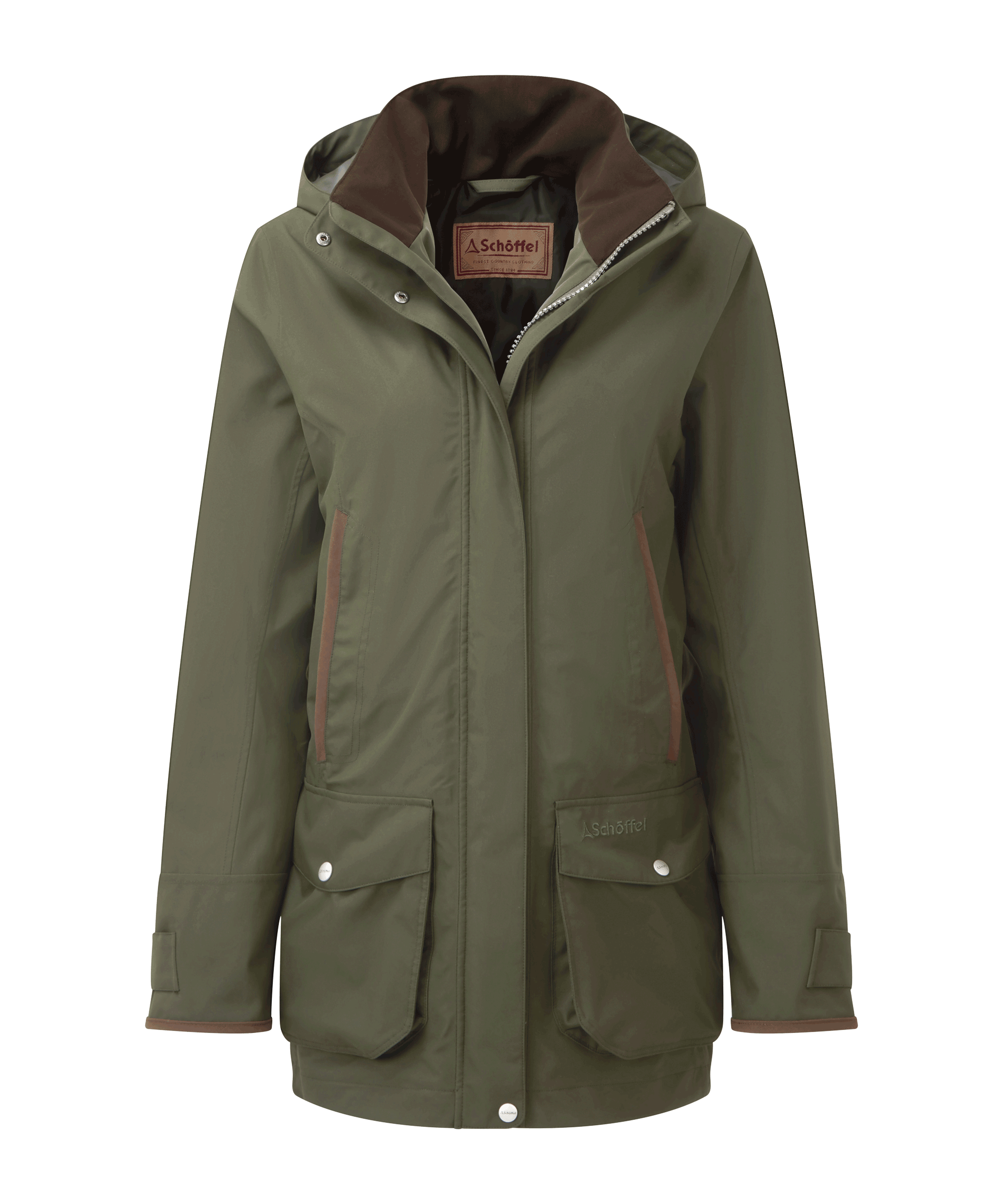
 Teal Ultralight CoatForest + 1 colour£380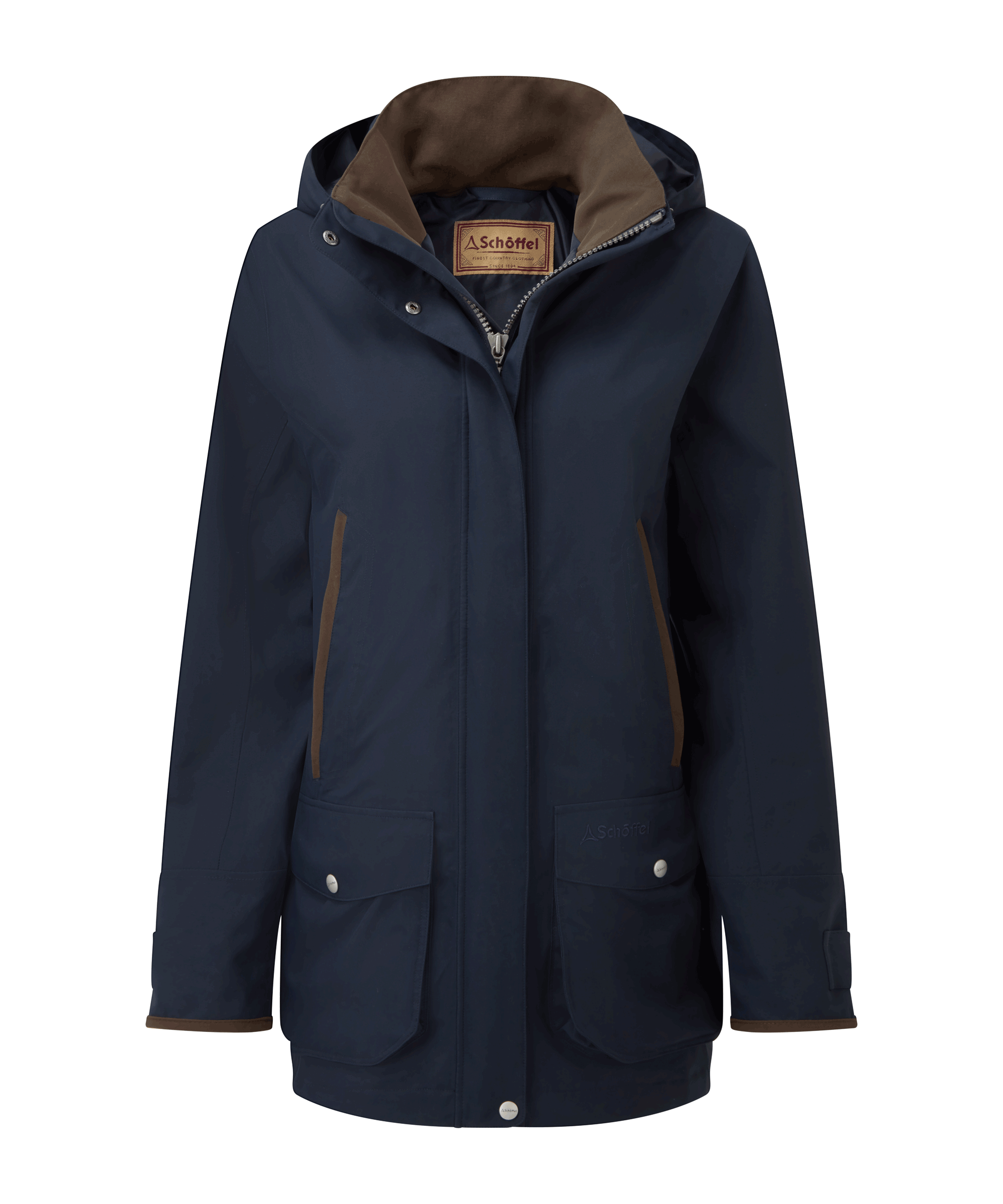
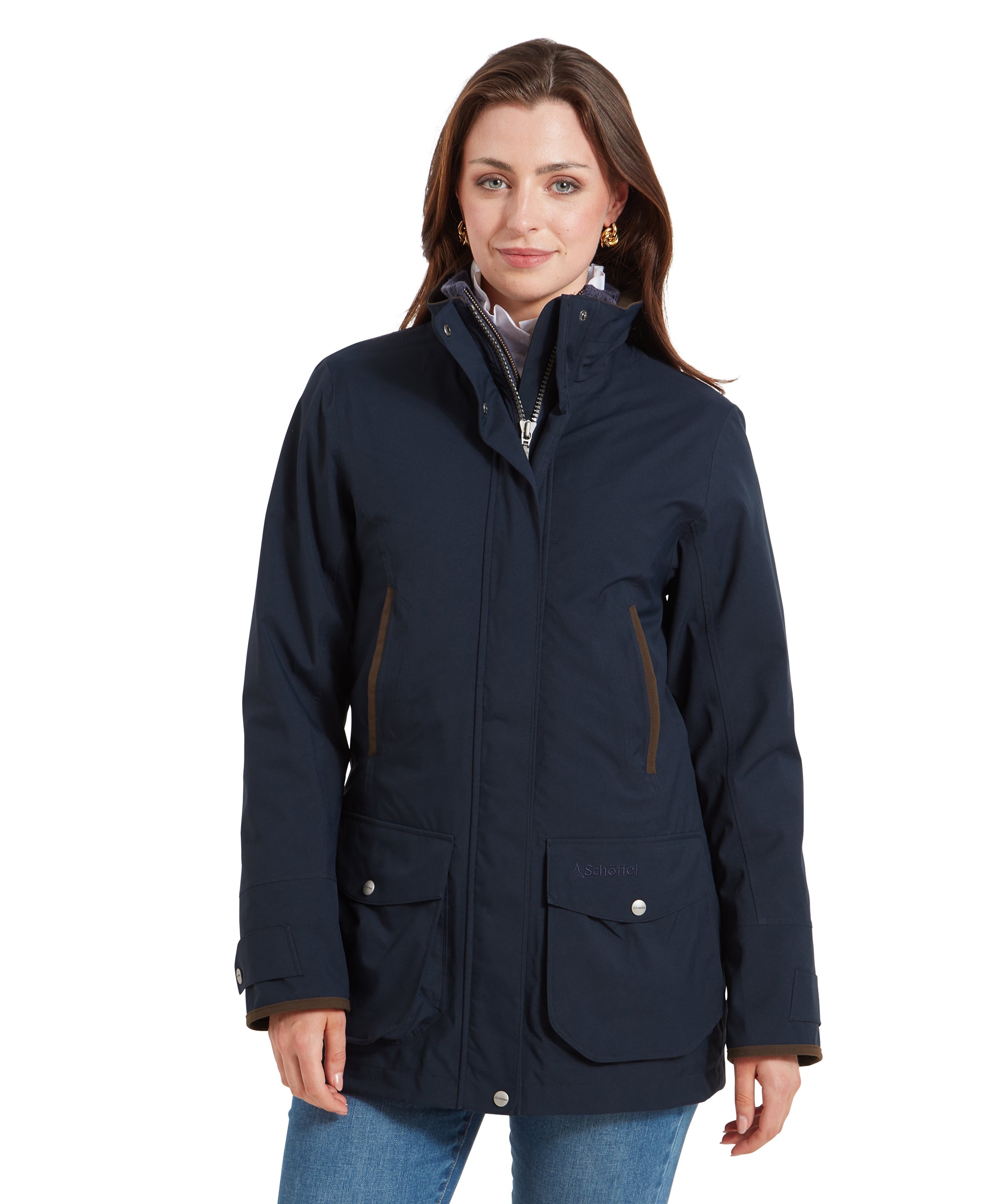 Teal Ultralight CoatTrue Navy + 1 colour£380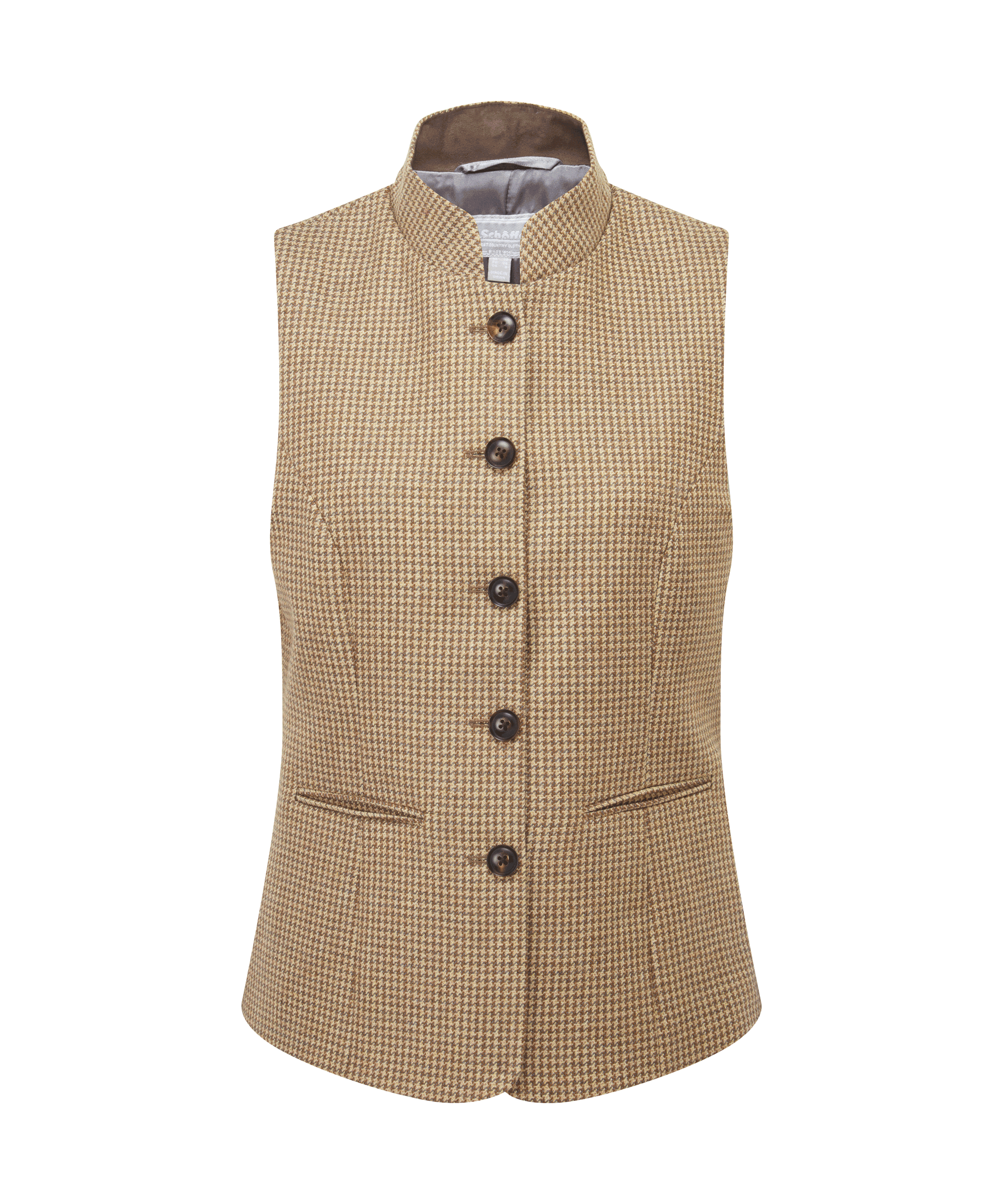
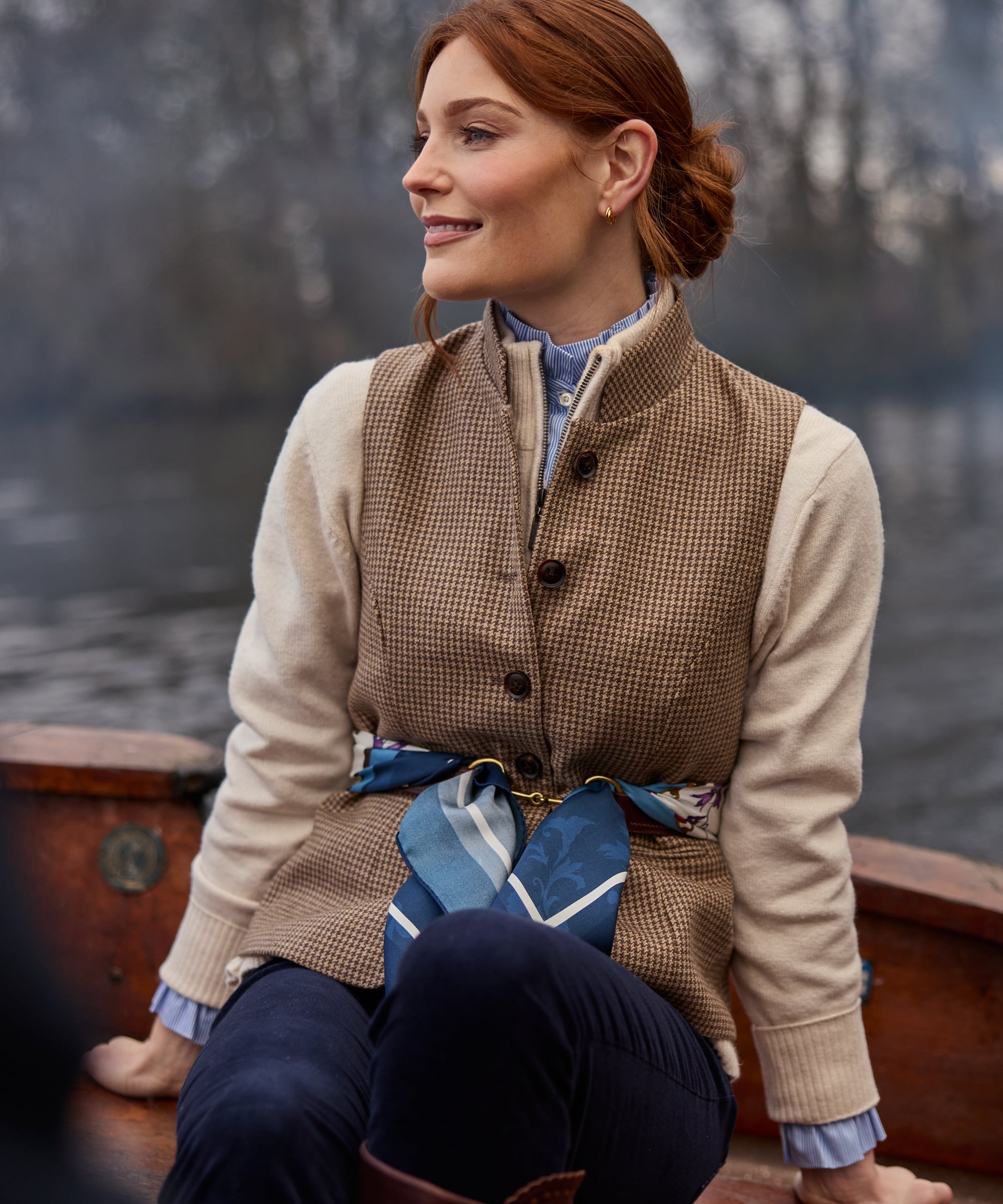 OutletMillport Tweed Nehru WaistcoatHoundstooth Tweed + 2 colours£195
£280.00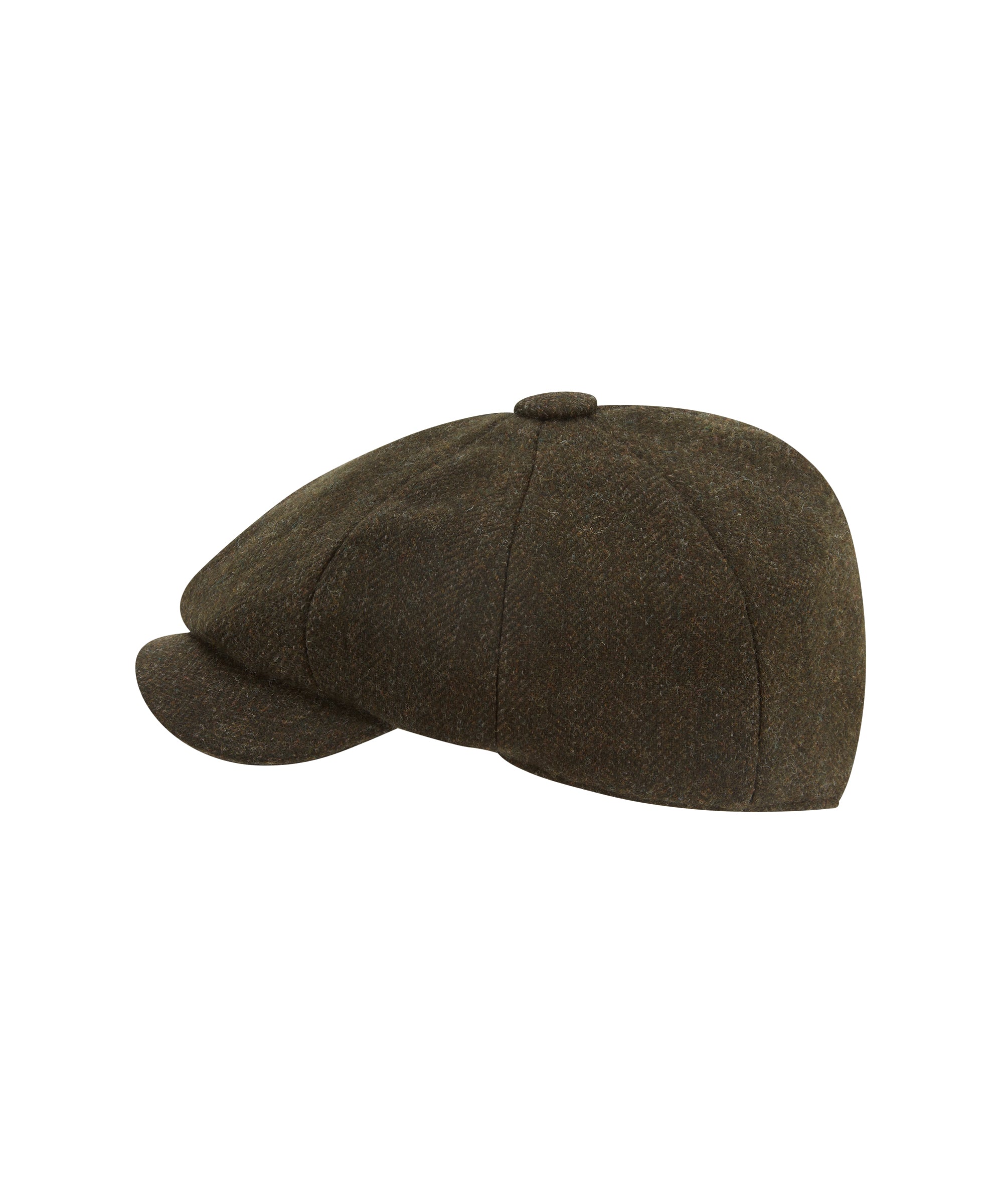 Newsboy CapDark Olive Herringbone Tweed + 5 colours£75
 Thurlestone CapAgave Green + 2 colours£30


Who is simulated game shooting for?
Simulated game shooting occupies something of a middle ground. For experienced Guns, it can, if treated correctly, offer meaningful practice – particularly on high, irregular or grouped targets that are difficult to replicate elsewhere.
For newer Shots, it provides a structured introduction to the format of driven shooting and the opportunity to become familiar with shooting safely as part of a line of Guns as targets appear from many directions.
Group and corporate days, meanwhile, deliver a balance of sport and hospitality that is becoming increasingly popular.
At places like Boughton Estate, this breadth is part of the appeal – days are designed to challenge without excluding, allowing mixed abilities to shoot together safely and comfortably.
A day on the peg: what to expect
While no two estates run identical days, the structure will feel familiar to anyone who has stood on a peg in winter. When simulated game shooting, you really can take things at your own pace, you can expect a great deal of variety, and you can expect very warm barrels!

Is there a briefing on simulated game days?
Yes, just like on a day’s driven shooting, the day will typically commence with a welcome briefing – normally over a drink and maybe a light breakfast. It’s your host’s chance to introduce himself/herself in person, before running through the order of the day. Key details covered in the briefing on a sim day tend to include safety, transport, ear and eye protection, teams or pairings, how each drive (period of shooting) will start or end, and how many cartridges you might need.
The briefing is a chance to ask any questions before you set off. It is when you will typically draw pegs to establish where in the line you will be positioned for the first drive. For those with less experience, it is also when they will be assigned a mentor for the day.
Getting to and from drives on a simulated game day
Although at some locations you might drive separately or even walk, Guns typically travel between drives together on a simulated game day, usually in a purpose-built trailer. It’s a social occasion after all, so the more time to reflect on the previous drive and discuss the next, the better.
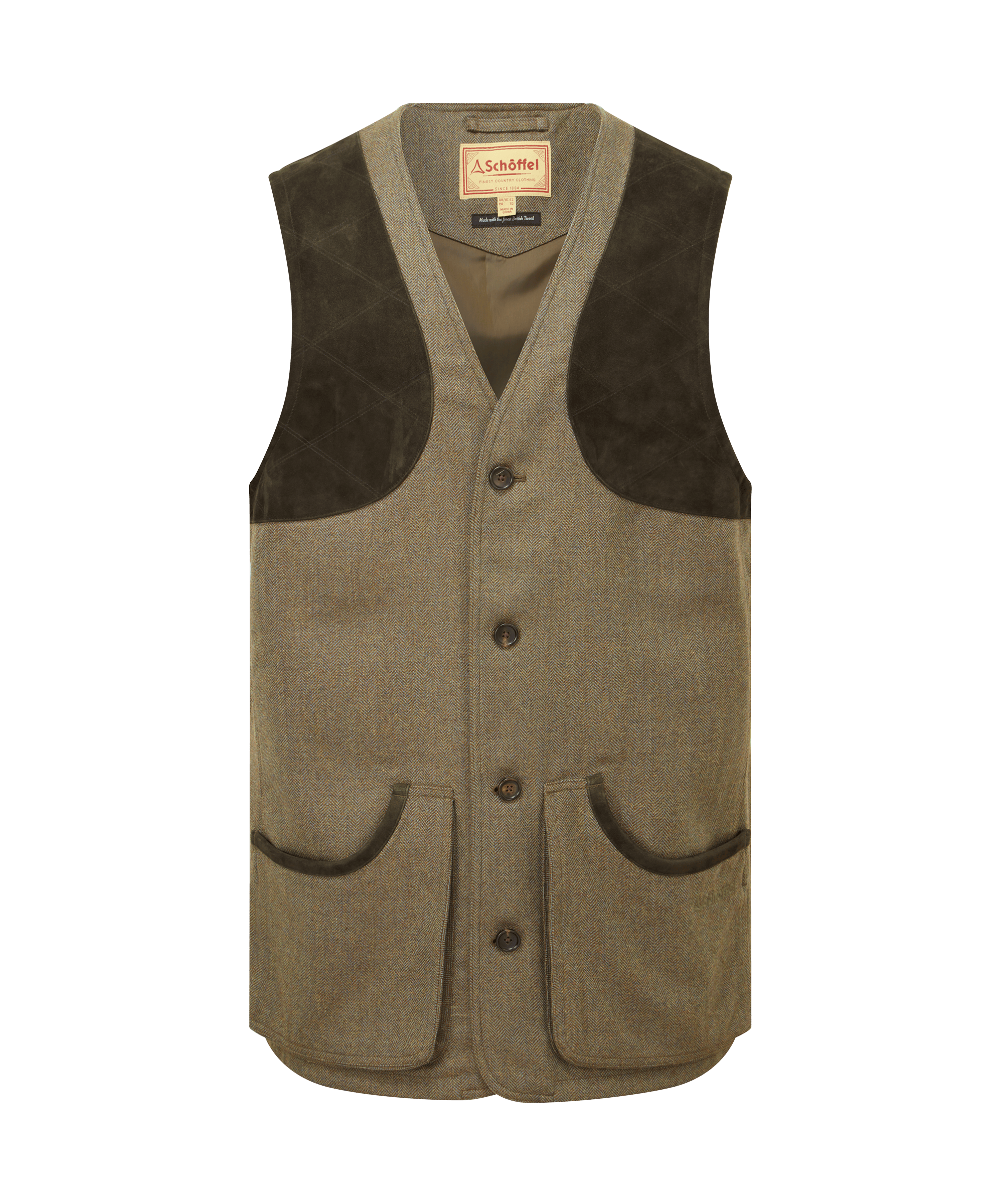
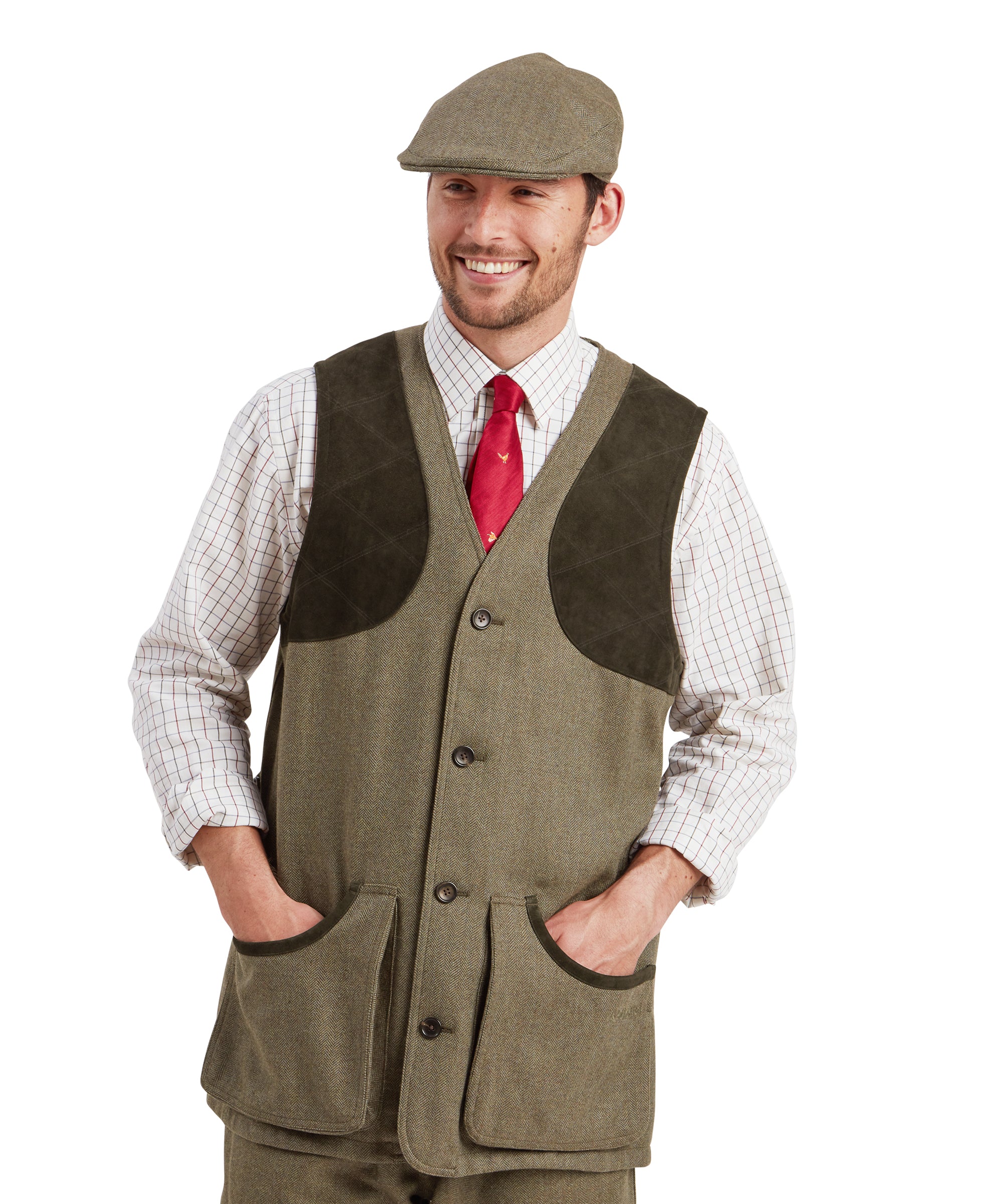 OutletPtarmigan Tweed Waistcoat IILoden Green Herringbone Tweed + 2 colours£270
£360.00
 Colwell CapPigeon Blue + 4 colours£30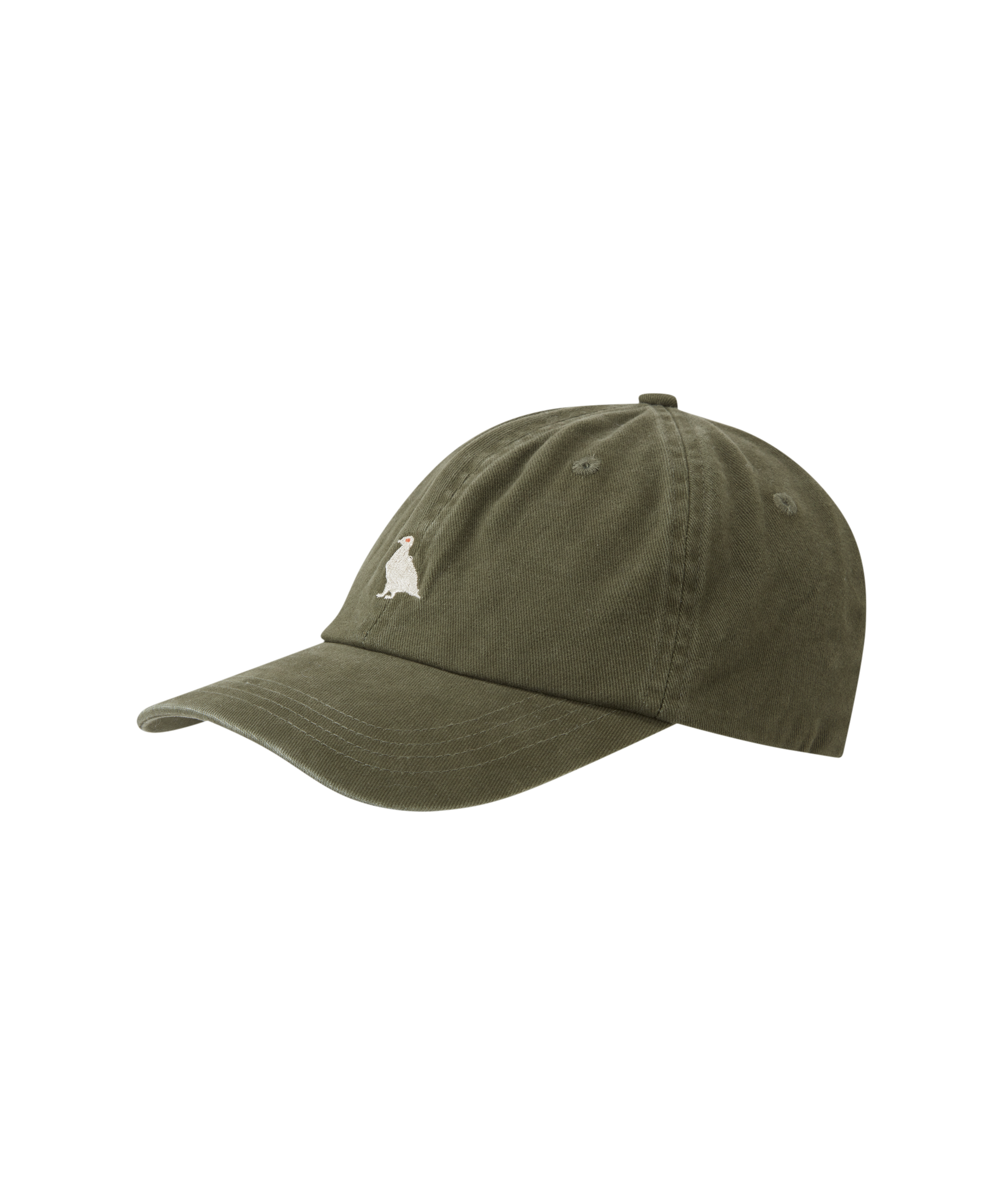
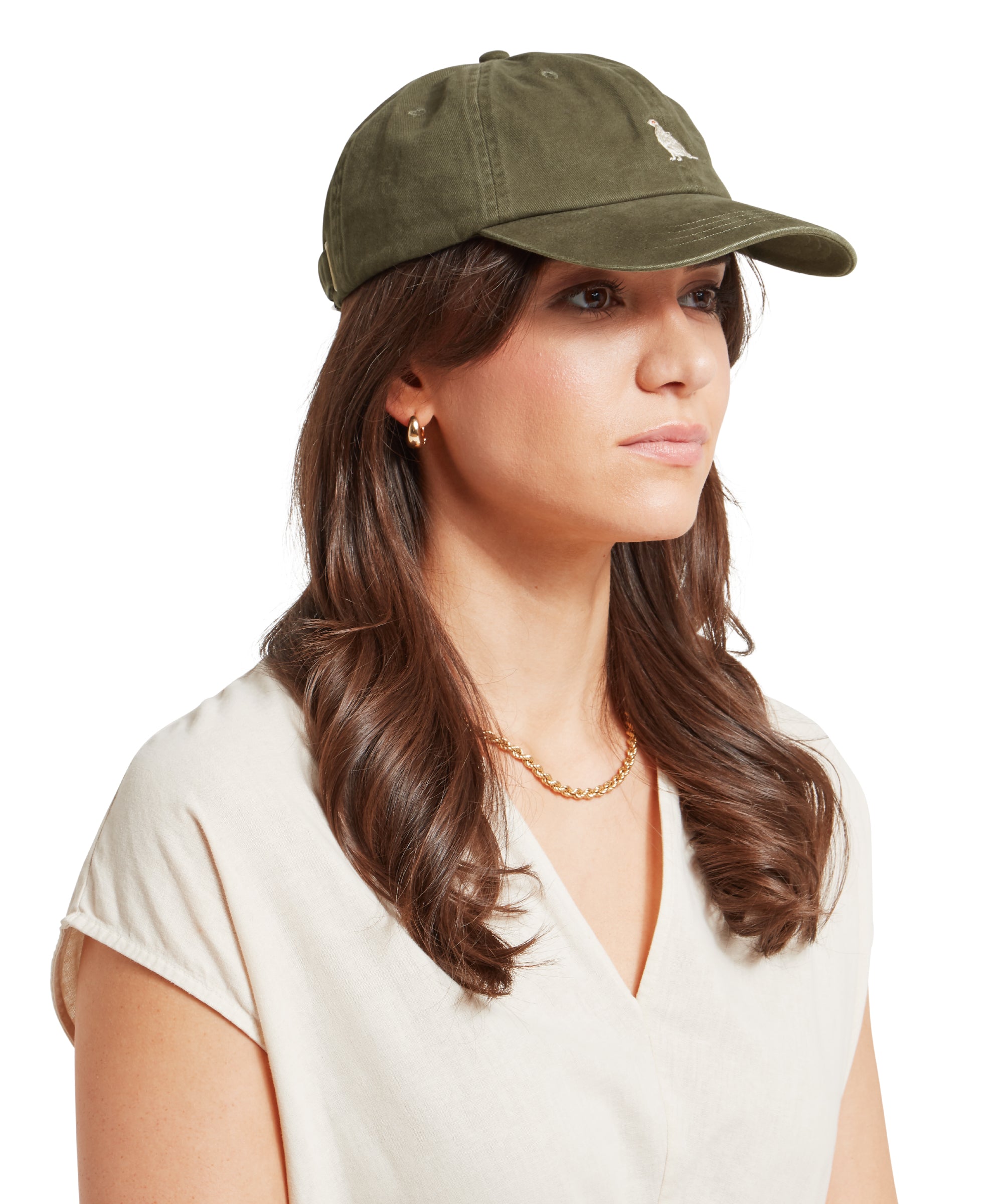 Colwell CapWoodland + 4 colours£30
How many drives are there on a typical ‘sim day’?
At Boughton Estate, a typical day includes five or six drives, each offering a distinct test: fast crossers, high overhead birds, or sudden bursts designed to replicate a flush.
The shooting itself can be relentless. It is not uncommon for one person to get through several slabs of 250 cartridges in a day, particularly when targets are presented in volume.
Many simulated game shoots are flexible and open to working with teams to put on a tailored experience, dependent on how many people are in the team, experience levels, and whether they wish to stop for a longer lunch halfway through. Some people might prefer three longer drives than six shorter ones.
What truly sets one simulated game day apart from another?
There are many factors that can distinguish one simulated game shooting day from another. First, and perhaps most obvious, is the setting. Set-ups vary in scale; sometimes drives are very close together, while others are dotted around a larger estate, making best use of topography and features. At Boughton House, for example, Guns tackle a ‘duck’ drive while lined along the bank of a large pond. On another drive, our team was pegged out on a lawn that stretched away to the grand main house.

Hospitality is a biggie. Most providers of simulated game shooting now offer a range of packages when it comes to breakfast, elevenses and lunch – some are simple, others are extravagant. You might have a sit-down lunch indoors or eat al fresco. The quality is generally reflected in the price.
The hosting and general running of the day is also important. A well-organised day, where everyone involved is well briefed and prepared, feels more relaxed and less rushed. A good host will keep things running smoothly without being overbearing.
Then there’s variety. We’ve discussed how drives tend to be designed to show different types of targets, at a range of angles, speeds and distances. Added to this, some simulated game shoots might include occasional ‘reactive’ targets that produce a loud crack, flash or plume of smoke when hit.
Simulated game vs clay pigeon shooting
It is tempting to group simulated game shooting with clay pigeon shooting more broadly. In reality, the distinction is significant.
Clay shooting, in its traditional sense, is often technical and controlled – repeatable targets, fixed stands, and a focus on precision. Simulated game shooting, by contrast, prioritises realism and flow.
On a sim day, multiple traps are used to fire targets in an unpredictable sequence. It requires a more instinctive style of shooting, and unless you turn it into a friendly competition, nobody is counting how many clays you hit or miss.
As a result, simulated days appeal not only to clay shooters looking to progress, but to seasoned game Shots seeking to stay sharp between seasons.

How much does it cost to go simulated game shooting?
A simulated game shooting day in the UK typically ranges from £180 to £350+ per peg, depending on the estate, scale of the day, how many of you are shooting, and the level of hospitality.
At Boughton Estate, full-day experiences include multiple drives and comprehensive catering, positioning it firmly within the premium end of the market.
Most estates require Guns to hold a valid shotgun certificate and insurance, and many expect a degree of familiarity with gun handling and etiquette. It’s always wise to check with the provider when it comes to borrowing guns and buying cartridges on the day.
When and where to go?
Simulated game shooting is most commonly hosted in spring and summer, when longer days and drier ground allow for more ambitious layouts and a more relaxed pace.
Across the UK, a great many estates now offer simulated days, each shaped by unique terrain. From steep valleys and woodland edges to open parkland, the landscape plays as much of a role as the traps themselves.

Simulated game shooting – quickfire questions
What cartridges to use on a simulated game day?
Most estates now stipulate that only cartridges with fibre or biodegradable wads may be used on their simulated game days. It’s worth checking with the shoot; cartridges are often available to buy or even come as part of the package. Given the volume of shooting and the fact you’re only breaking clays, lighter loads – 21g or 24g of a smaller shot size (7s, 7.5s or 8s) – are popular for 12 and 20 bore users.
How many cartridges will I need on a simulated game day?
This really depends on your shooting style, whether you are using a loader/stuffer, and how quickly you are shooting. Some people make it their mission to shoot (at) as many clays as possible, while others really take their time, so the number of cartridges used can vary considerably. At the time of booking, your host can give you a good idea of how many cartridges are typically used so you can plan accordingly; using 250 to 500 cartridges isn’t uncommon

What should I wear when simulated game shooting?
Unless told otherwise by your team or the host, there is no real dress code to follow for simulated game shooting. Being comfortable and able to move freely is the most important thing.
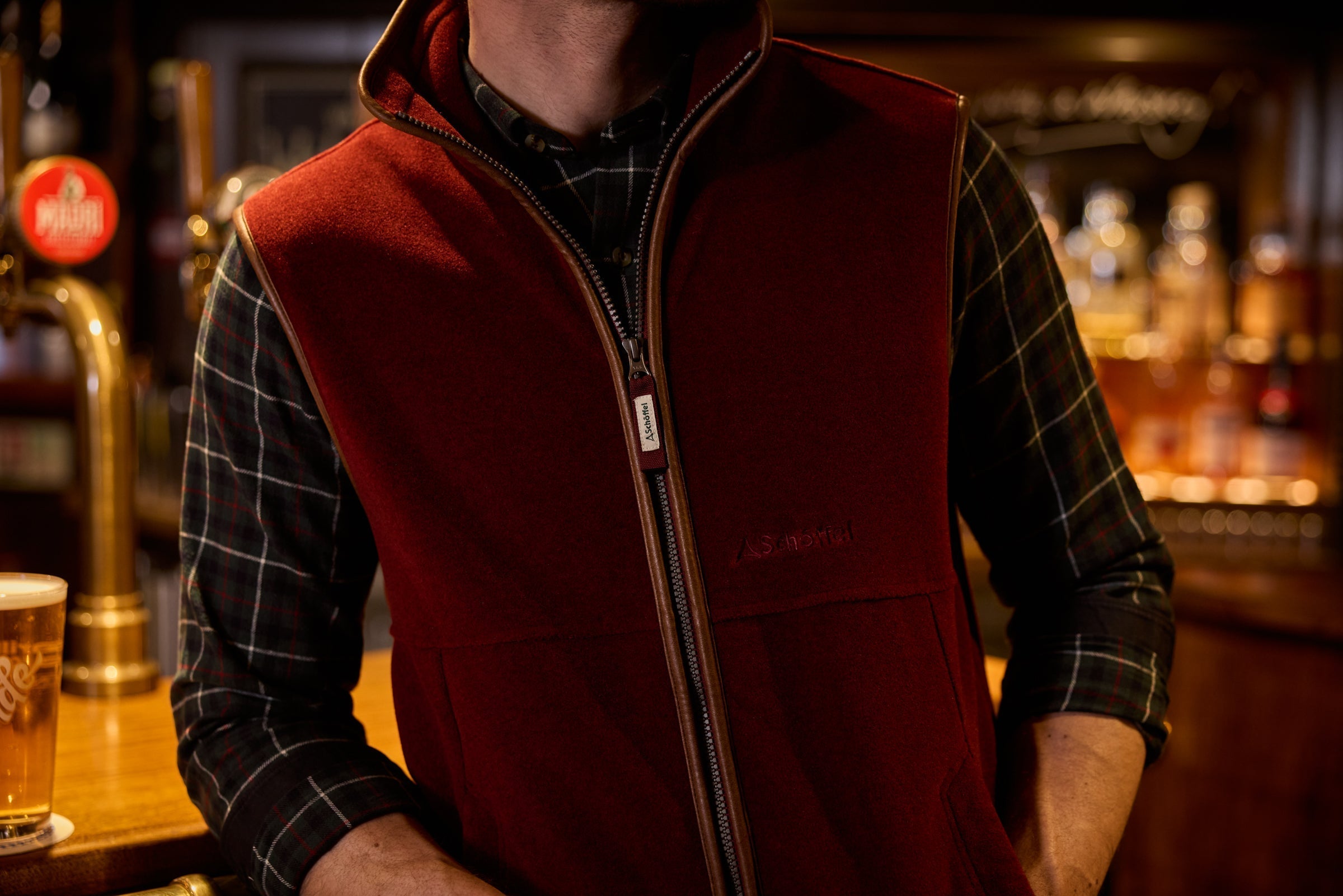
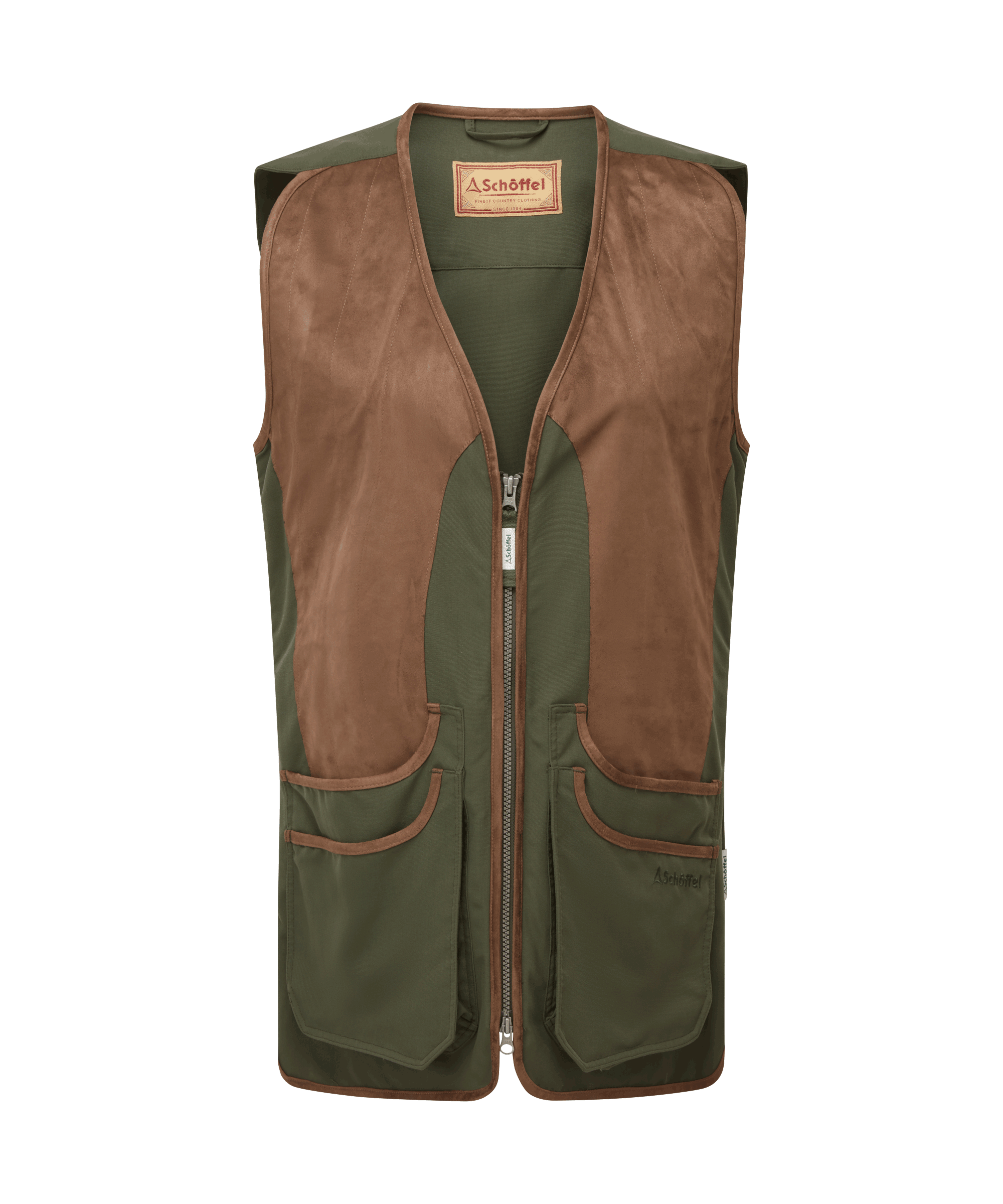
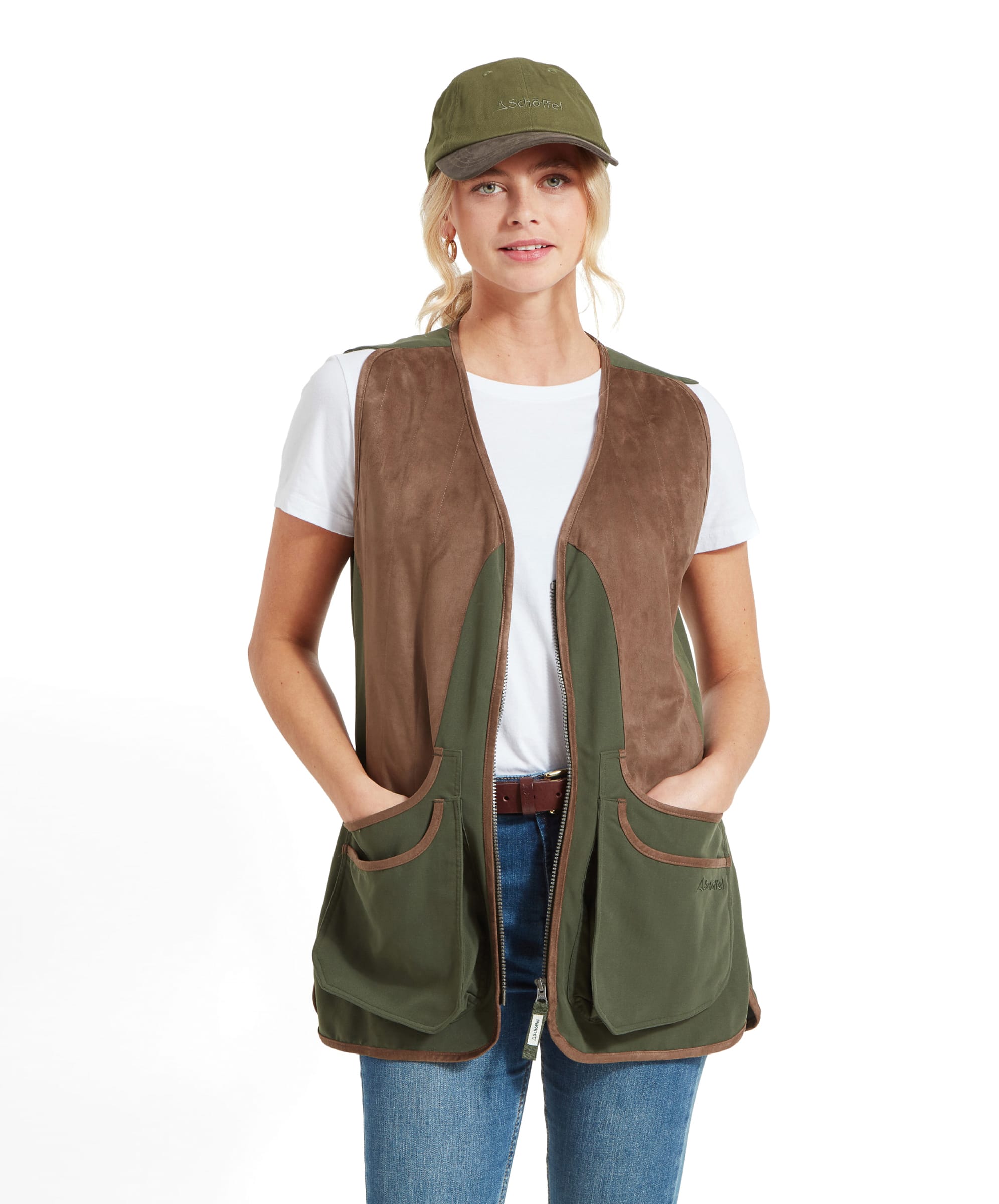
In warmer weather, a shirt with a generous fit or some stretch under a shooting vest or lightweight gilet is a good starting point. If you are shooting with a stuffer who is loading the chambers of your gun straight from a cartridge bag, you may even opt to do away with the pockets and shoot in shirt sleeves or a polo on a hot day. It’s surprising how warm you will become in the middle of a busy drive.
On cooler days or when rain is forecast, a lightweight shooting jacket is a good idea. Breathability and adjustability are key, and practical features like double bellows cartridge pockets are very handy.
What other kit or equipment will I need?
Ear and eye protection are a must when simulated game shooting, and a peaked cap is wise, as broken pieces of clay can behave unpredictably.
It’s a good idea to take a cartridge bag with you, too, though many people will just fill their pockets straight from the cartridge boxes.
If you’re using a side-by-side, definitely take a handguard or glove for your lead hand – your barrels will get very warm!
Do I need my own gun to go simulated game shooting?
No, not necessarily. Some providers can loan you a gun to use. If you haven’t a shotgun certificate, you will be accompanied by a mentor.
To learn more about simulated game shooting at Boughton Estate, click here.
 Harvest, drought, and a new venture | Farming the Seasons with Tom YoungsRead postField Notes9 min read
 Fleece jacket vs quarter zip vs gilet: Which layer should you choose?Read postStyle Guide12 min read