How to care for your winter jacket
At Schöffel, we know a thing or two about coats. Our high-quality, robust men’s and women’s coats use the best fabrics and technologies to keep you warm and dry in the cold and rain.
However, even a tough and durable coat with a range of technical features can be cared for incorrectly during the washing and drying process, and this can affect the sleek, modern outline and look that made you buy it in the first place.
With the right care and approach, though, the life of our already long-lasting coats can be extended even further. In this guide, we explain how to maintain and how to wash a winter jacket or coat so that it lasts longer. We look specifically at how to clean a tweed coat, how to clean a wax jacket, how to clean a down jacket, and how to store coats so they don’t crumple, crease and become misshapen.
Choosing the right coat for you
Firstly, it’s important to wear the right coat for the activity in question. This is key to a coat’s longevity. While some coats are perfectly fine at keeping you warm and dry in light rain, they may not be designed to deal with prolonged and heavy downpours. If you’re planning on being outside when rain is forecast, it’s better to opt for a jacket that utilises waterproofing fabric technologies like Venturi or Toray Dermizax – there are various examples in our waterproof collections for men and women.
Think about the environment you will be in, too. When pushing your way through harsh undergrowth like brambles and thorn thickets, for example, soft and delicate fabrics are more likely to suffer damage than tweed or technical, abrasion-resistant fabrics.
Furthermore, for activities that may cause you to sweat, it’s important to have a coat that's breathable and moisture wicking. Coats or jackets that aren’t breathable or moisture wicking soon become uncomfortable as you overheat.
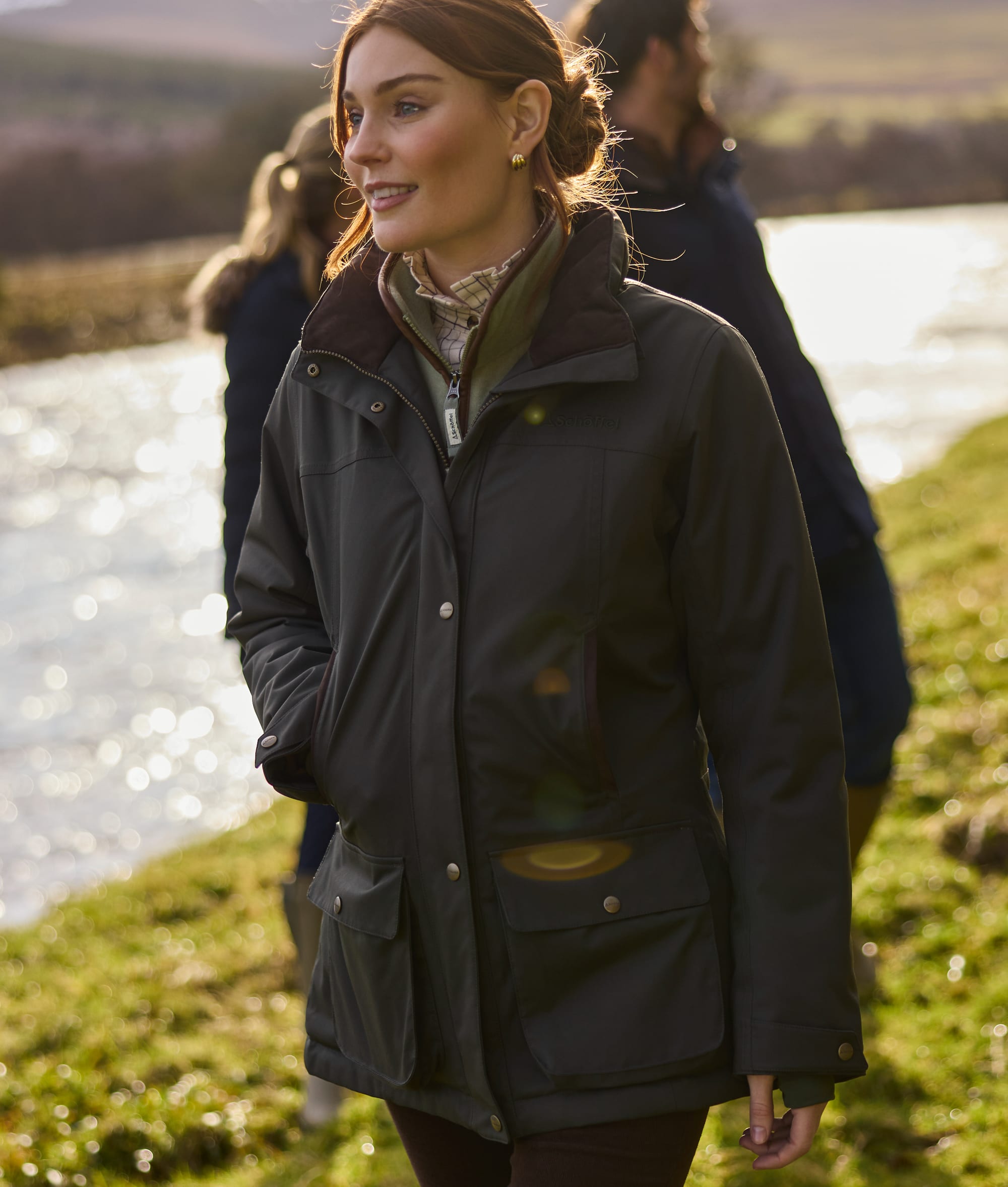
Extending the life of your winter coat
Of course, the materials products are made from vary, so it’s important that you follow the care label to make sure that you’re caring for and storing your coat or jacket in the best possible way.
Often the care label will tell you (among other things) whether to wash by machine or hand, what the ideal water temperature and cycle is, and what type of cleaner to use. It will also tell you to ensure the coat isn’t damp when you store it during the summer months, as this can cause mould and mildew.
Consider the fabric of your coat
The tips above are just a general guide for coat care and may change depending on the make-up of your winter coat. For example, a heavy material like tweed should never be hung up when wet.
The material is always an important factor to consider when choosing how to take care of your coat. As detailed below, different materials require different approaches.
How to clean a tweed coat
Many Schöffel tweed coats, are machine washable. When doing so, it’s important to follow the care label instructions.
You may wish to tackle smaller stains by hand washing. When hand washing, you should:
- Ensure the wash basin or sink you are using is thoroughly clean, with no food debris or leftover harsh chemicals.
- Use lukewarm water and mild non-biological detergent or specialised shampoo. Ensure the cleaning agent dissolves first.
- Gently squeeze the garment to get rid of excess water and lay it flat on a towel to dry.
You should also never hang up wet tweed with pegs, as the heavier, saturated material can cause stretch damage at fibre level, spoiling the coat’s shape.
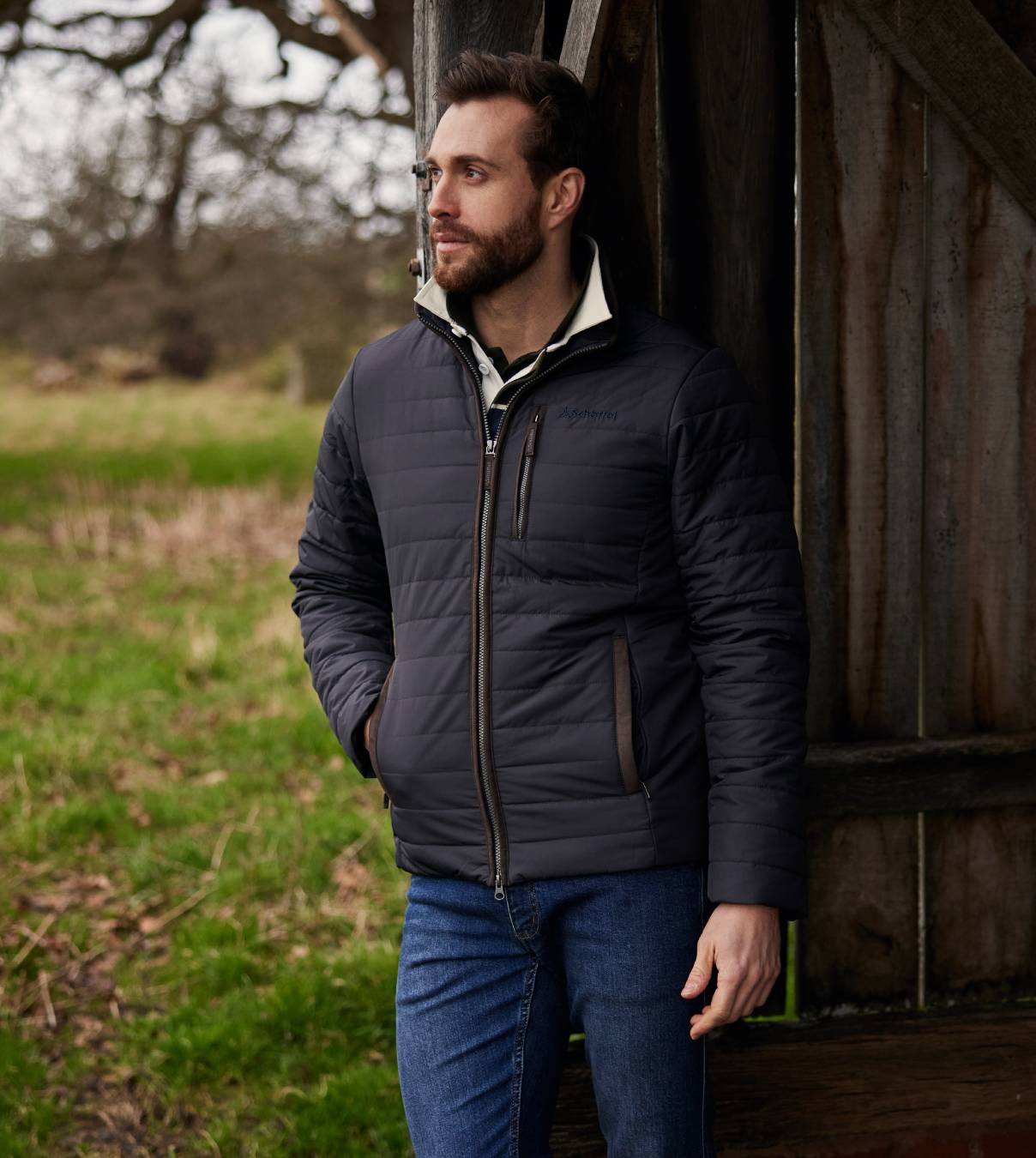
How to clean a wax jacket
When it comes to wax jackets, you should never machine wash them. Machine washing a wax jacket can cause the wax to come off permanently, damaging the sheen and stripping away at the moisture- and stain-repellent coating.
Instead, you should wash your wax jackets by hand. When hand washing a wax jacket, you should:
- Clean with cold water and use a sponge to wipe down the outside of the jacket. Do not use soap or detergent. Never use hot water or bleach.
- Hose down and leave extra muddy items for a few hours before washing and sponging.
- When drying, leave your wax jacket to air-dry in a temperate, non-damp and well-ventilated area. Do not tumble-dry, as this can damage the wax.
Additionally, it’s recommended that you re-wax such jackets once a year to maintain their integrity and waterproofing benefits.
How to clean a down jacket
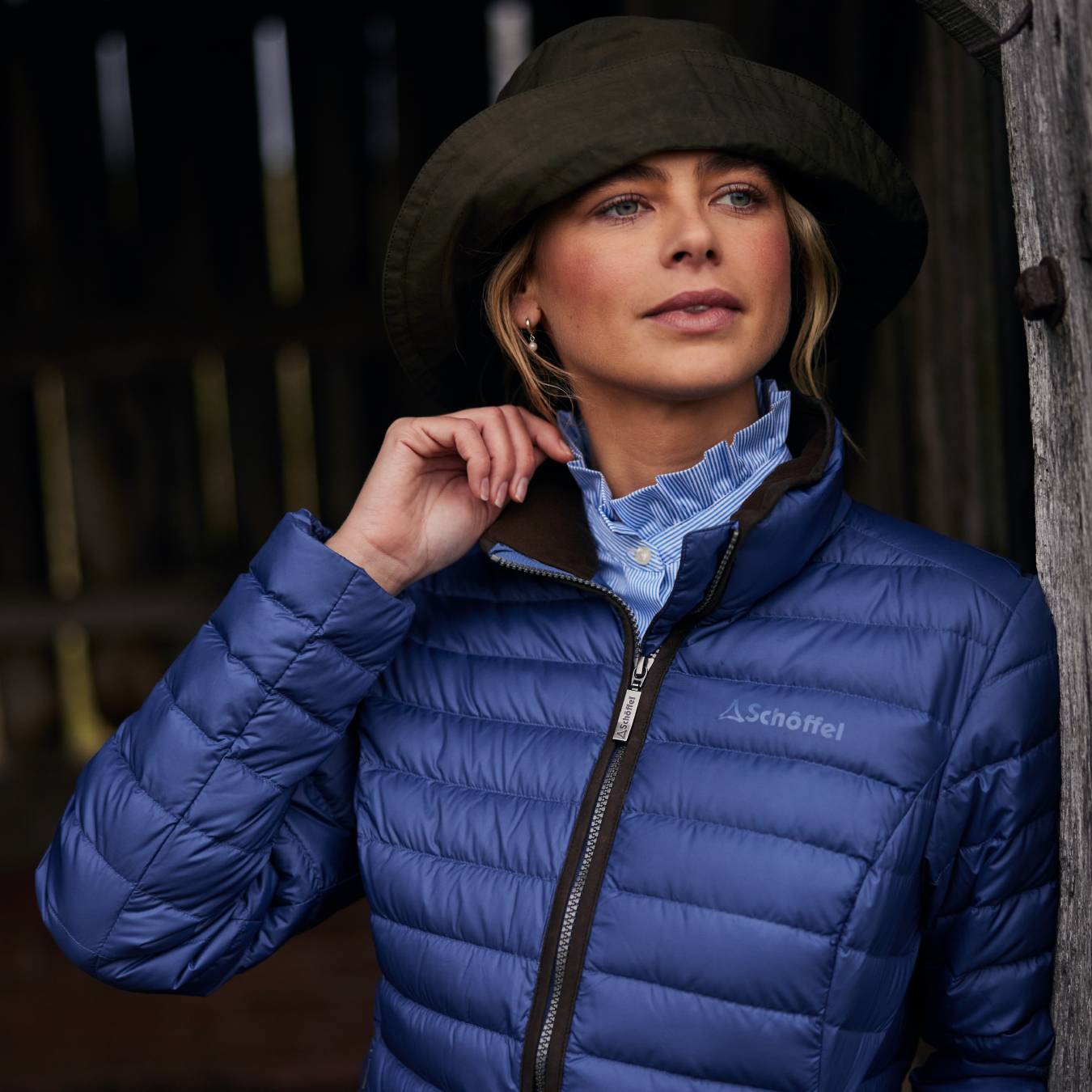
In the Schöffel Country range, we have several machine washable down jackets for men and women. There are a few things to bear in mind, though, to help preserve the insulating duck down and feathers that offer you such excellent, robust warmth on a cold day.
To take care of a puffer-style insulated jacket, there are a few things to consider:
Read the instructions on the care label. Before washing, close all zips, Velcro fastenings and press studs and turn the item inside out. If washing a ‘2-in-1’ jacket with detachable zip-in, the latter will have its own separate care label. Unless otherwise indicated, wash on a gentle cycle at 30°C, using liquid detergent specifically for down clothing. Then rinse thoroughly in clear water to remove any detergent residue. Never use fabric softener, and always wash similar colours together.
Do not use bleach. Use only mild detergent. When using stain remover, read the label to make sure the product does not contain any chlorine or oxygen bleach.
Tumble drying clothing with down filling puffs up the volume again. Try putting 2–3 tennis balls in the tumble dryer with the clothing to help loosen the down, and during the drying cycle, take the clothing out every now and then and shake it carefully. If the outer fabric is dry but the down is still damp, extend the drying time a little and add a damp cloth. Afterwards, hang the clothing up to breathe for several hours. Again, always refer to the care label instructions.
Stubborn stains or heavily soiled parts (e.g. cuffs or collars) are best treated with liquid gall soap. Carefully rub the soap into the affected areas, then leave it to work for a short while before washing the jacket as instructed on the care label. Do not use commercial stain removers, as they may contain chlorine and/or oxygen bleach which can damage the membrane beyond repair.
The best way to dry your winter jacket
If washing at home, you need to take into consideration the best way to dry your winter coat. Air-drying is often the best policy when it comes to tweed and wool coats, as tumble dryers can damage fibres with their rough tumbling treatment. However, you have to be patient when it comes to air-drying, especially with heavy garments.
It’s normally best to wait 24 hours until you wear your coat again, by which time any wrinkles will have disappeared and the integrity and elasticity of the fabric will have bounced back.
How to store your winter coat
Finally, it’s important that you store your winter coat out of direct sunlight and away from heat sources like radiators and fireplaces. Doing this will help prevent fading and shrinkage. It’s also important to use sturdy pegs and hangers, as weaker ones can bend under the weight of a coat made from heavier material and cause it to become misshapen. If your coat looks deflated, limp and crumpled while it hangs, it’s time for you to change your hanging equipment.
Additionally, when storing coats made from more delicate materials like lambswool, vacuum-sealed storage packs are to be avoided, as the suction can damage the fibres. When winter is over, it’s best to store winter coats in a simple, sealed garment bag and use natural cedar balls to repel moths.

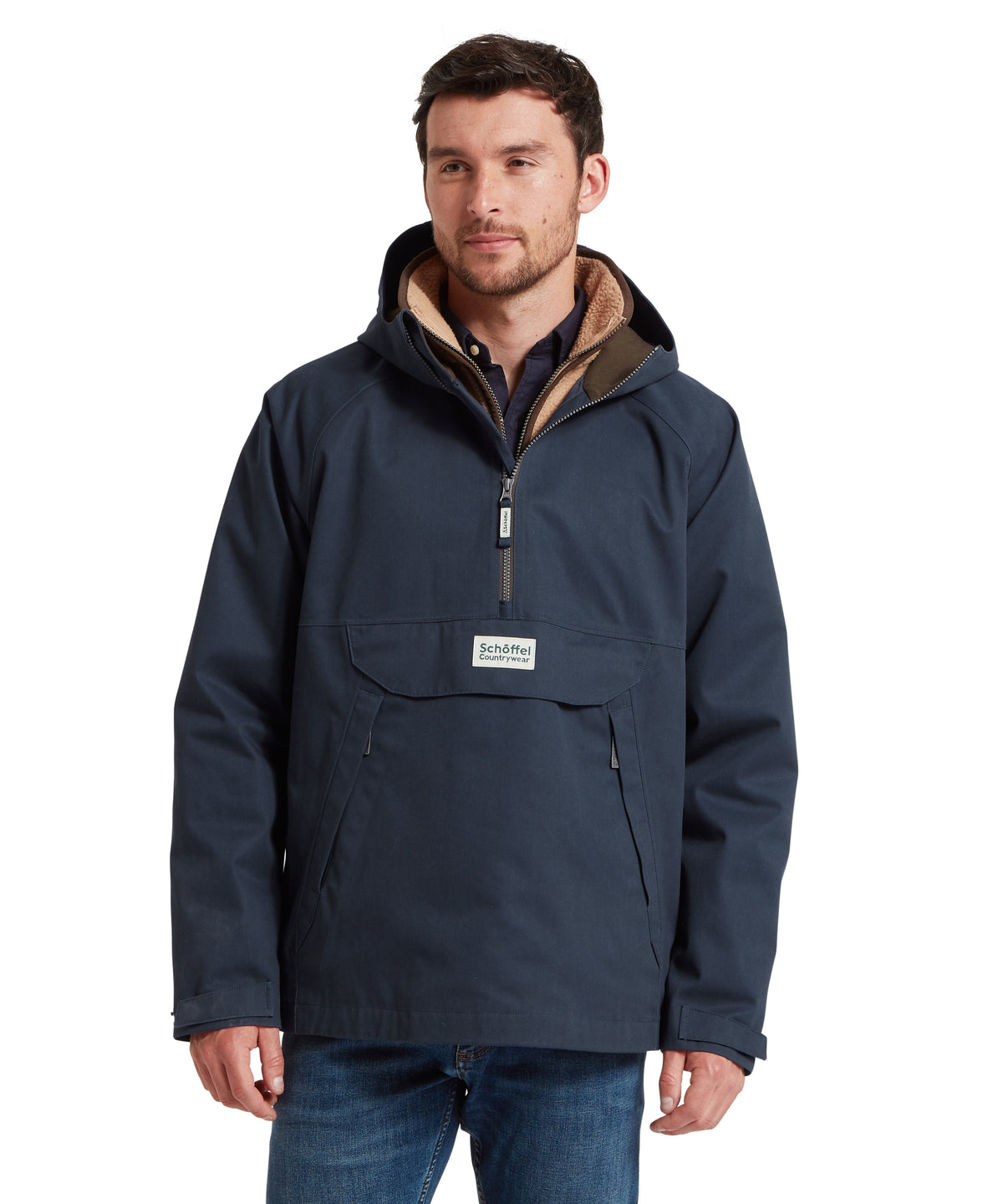 Overton Waterproof AnorakCarbon Navy + 1 colour$440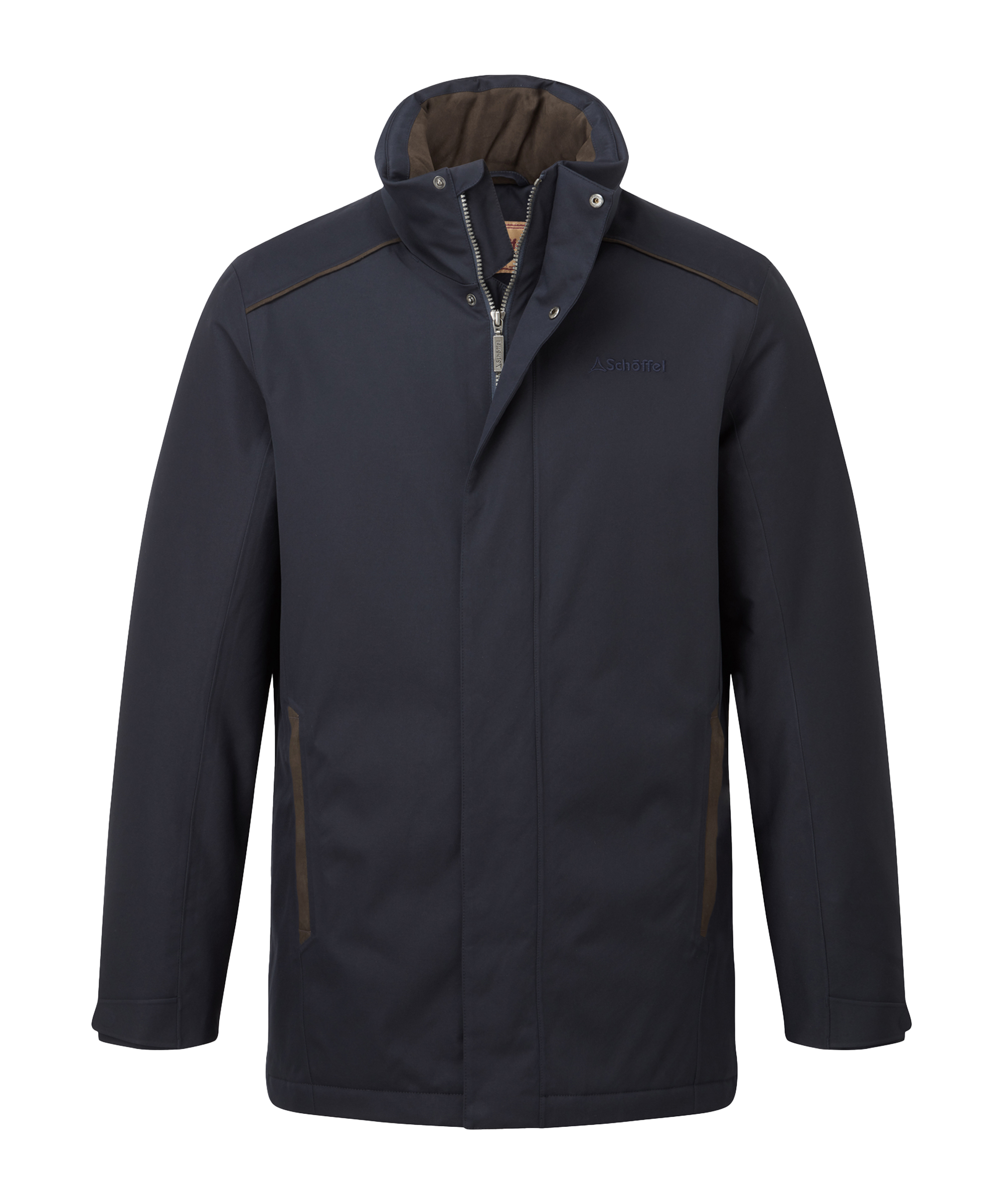
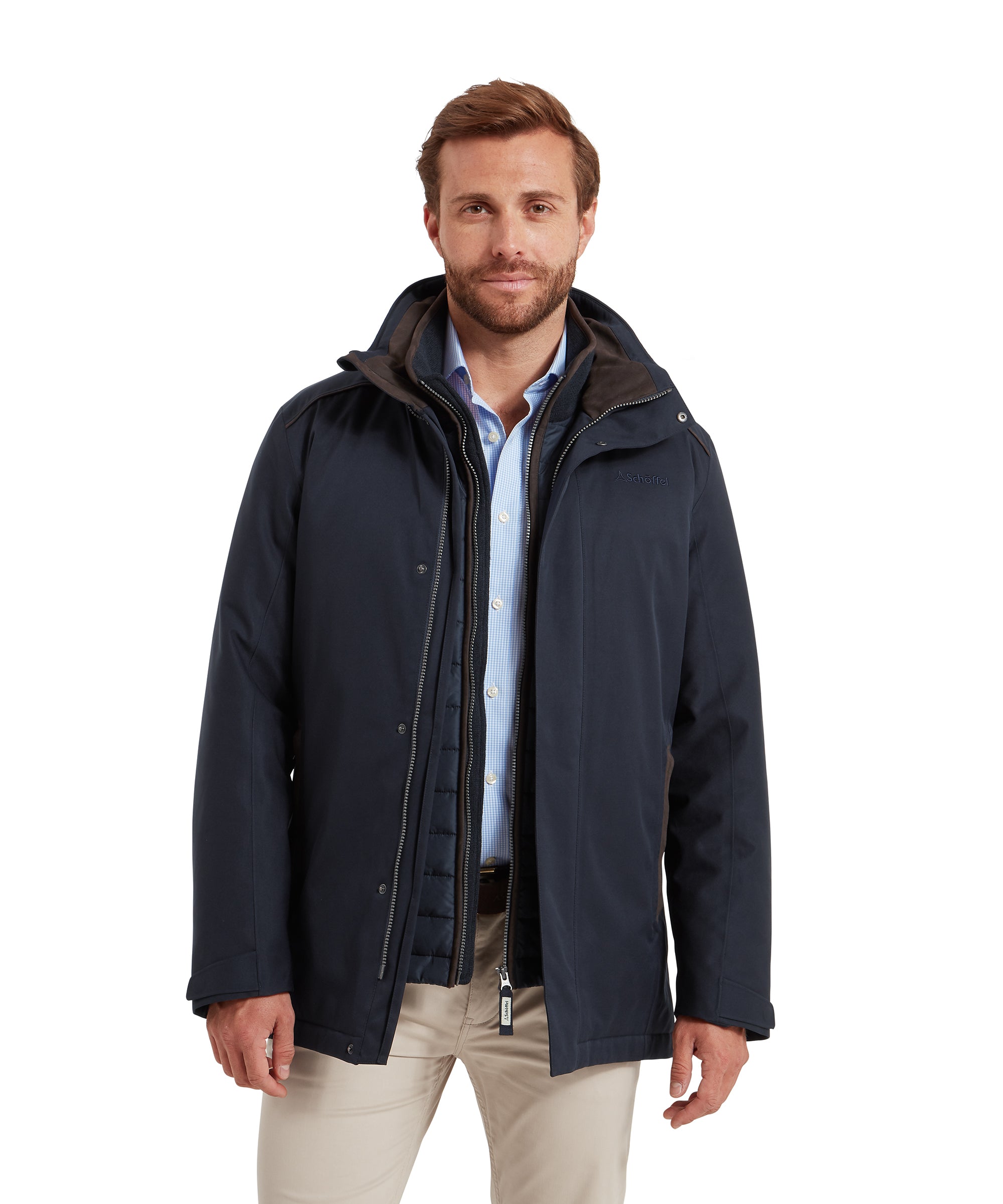 BestsellerWhitton Waterproof CoatNavy$800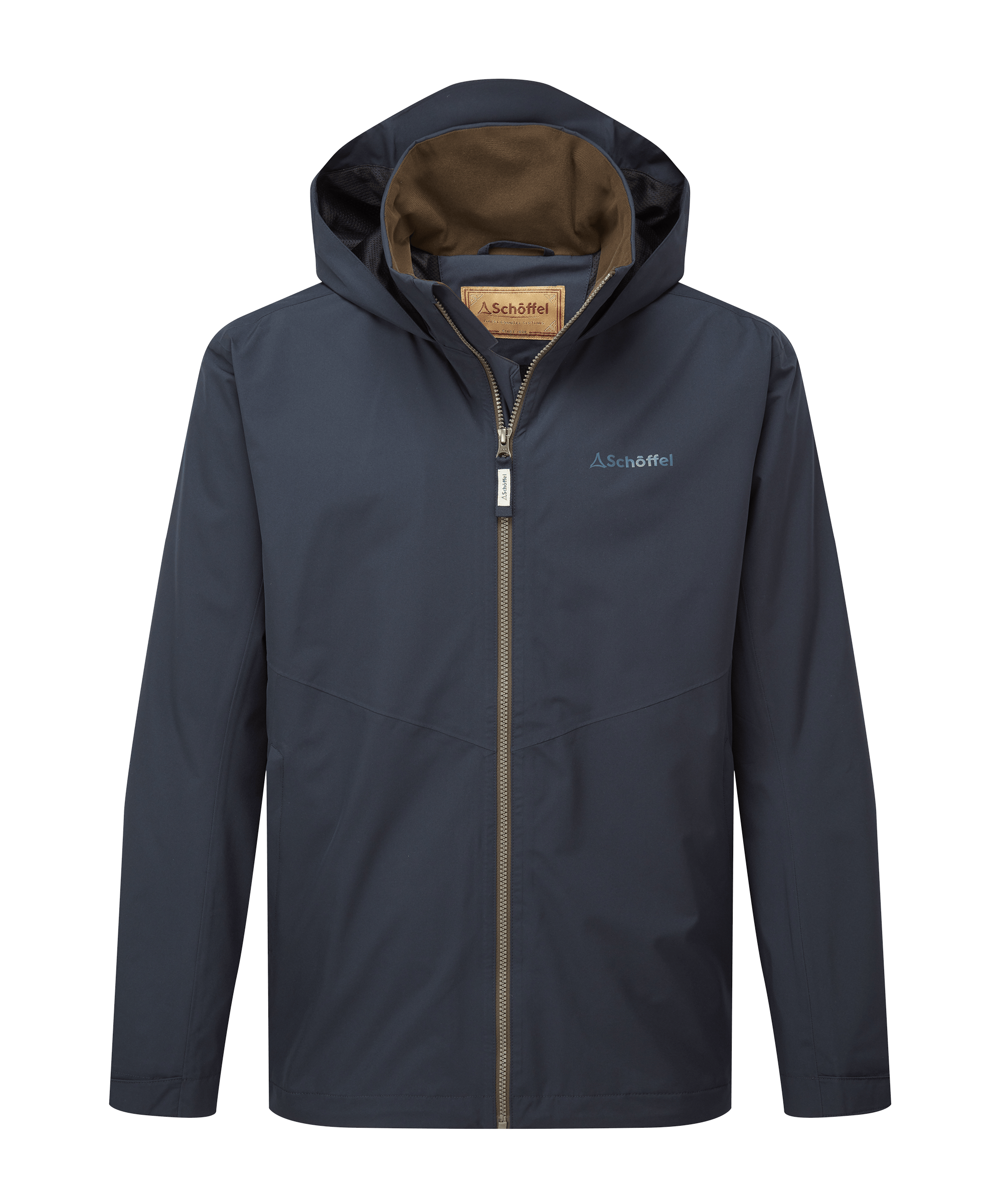
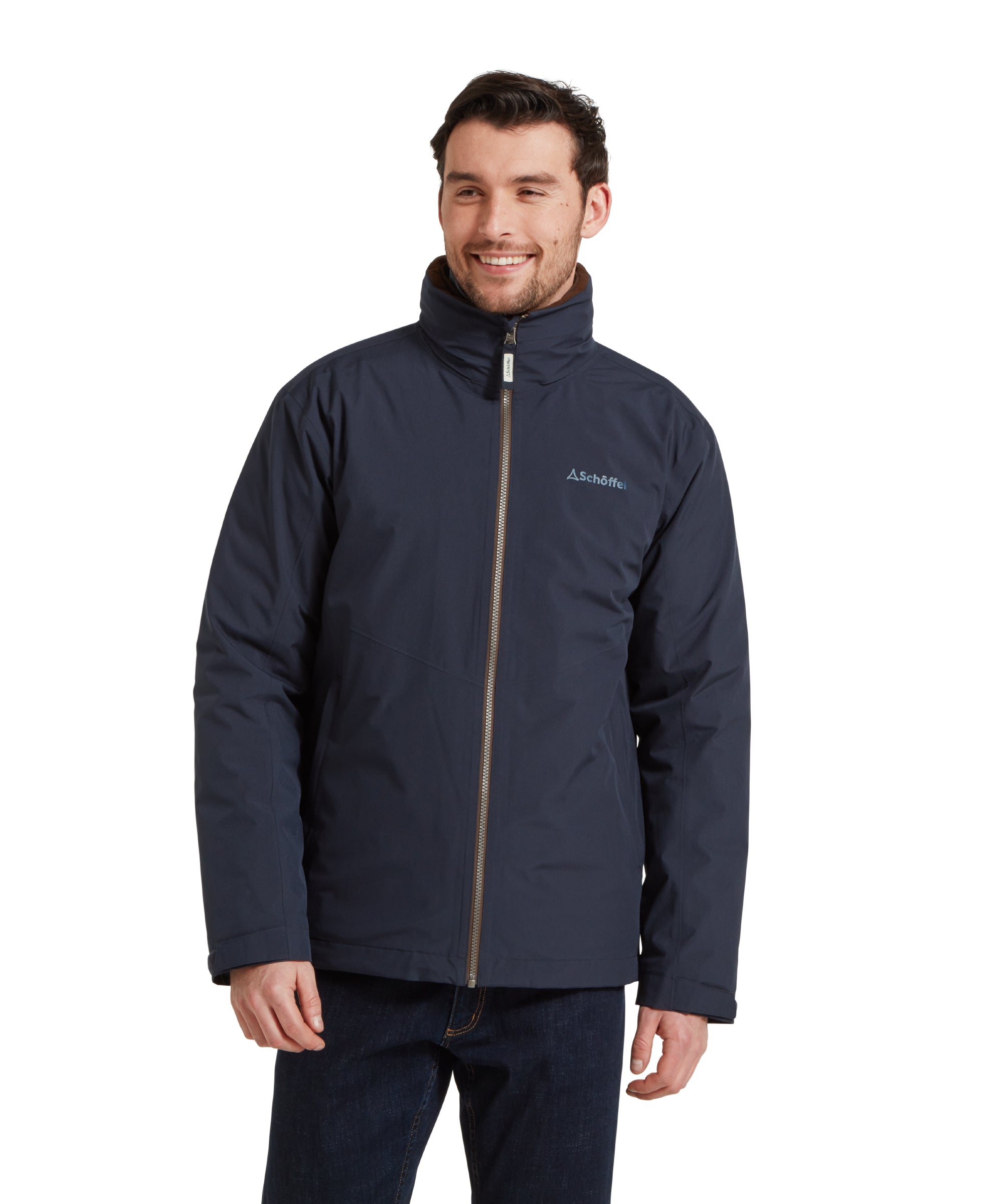 BestsellerEgleton Lightweight JacketTrue Navy + 1 colour$340
 New inMens Barrow Country Coat BlueCarbon Navy$550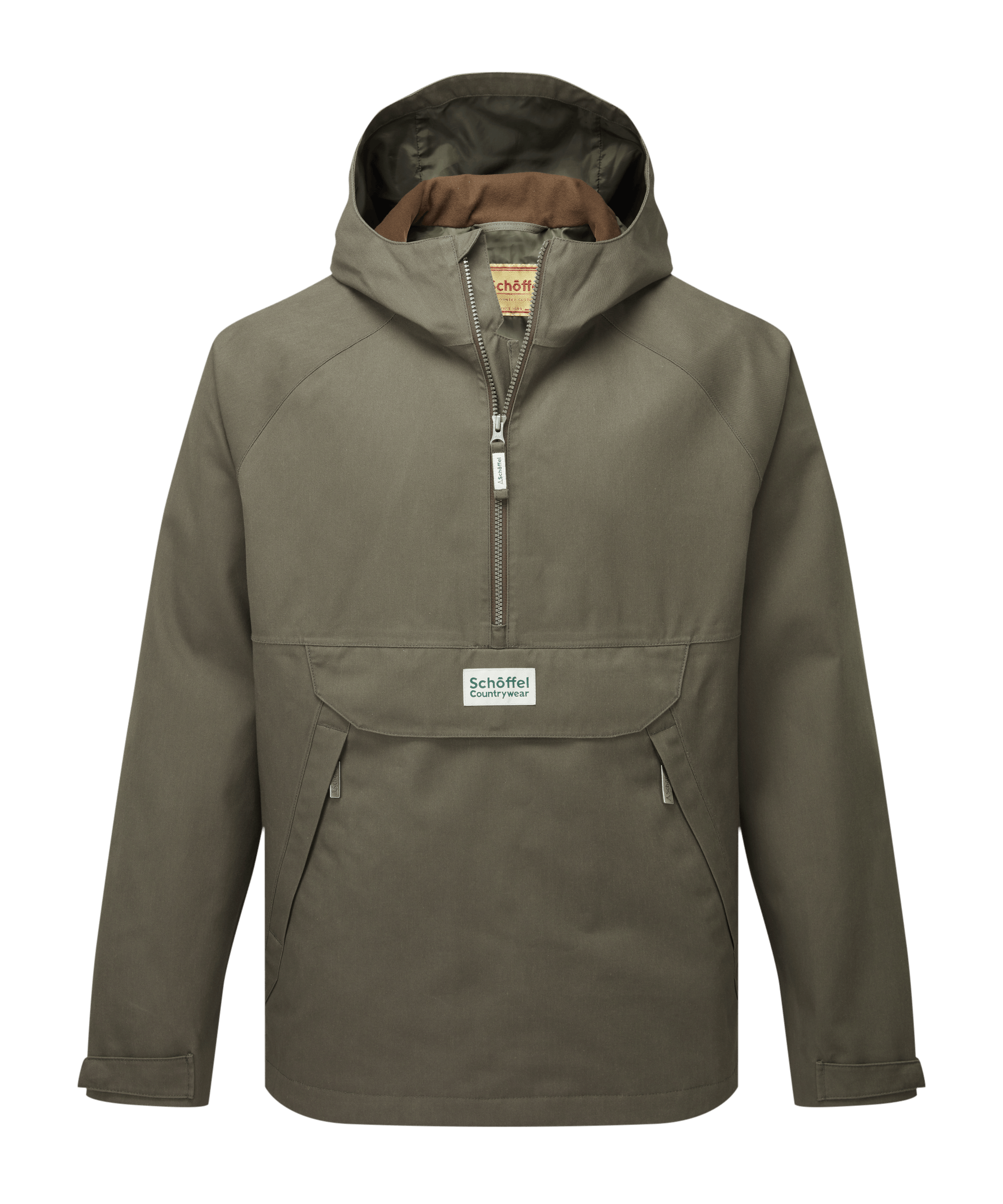
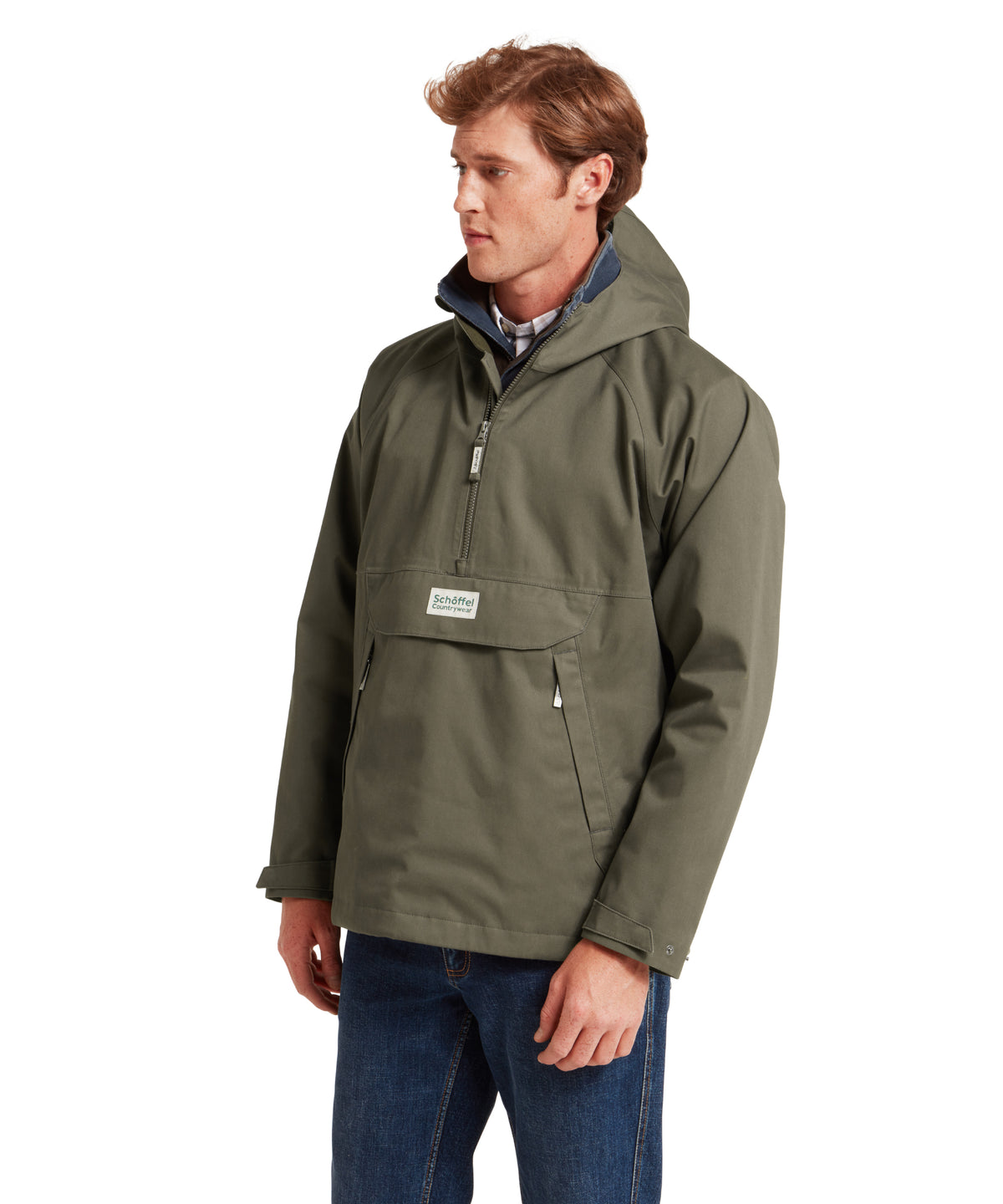 BestsellerOverton Waterproof AnorakTundra + 1 colour$440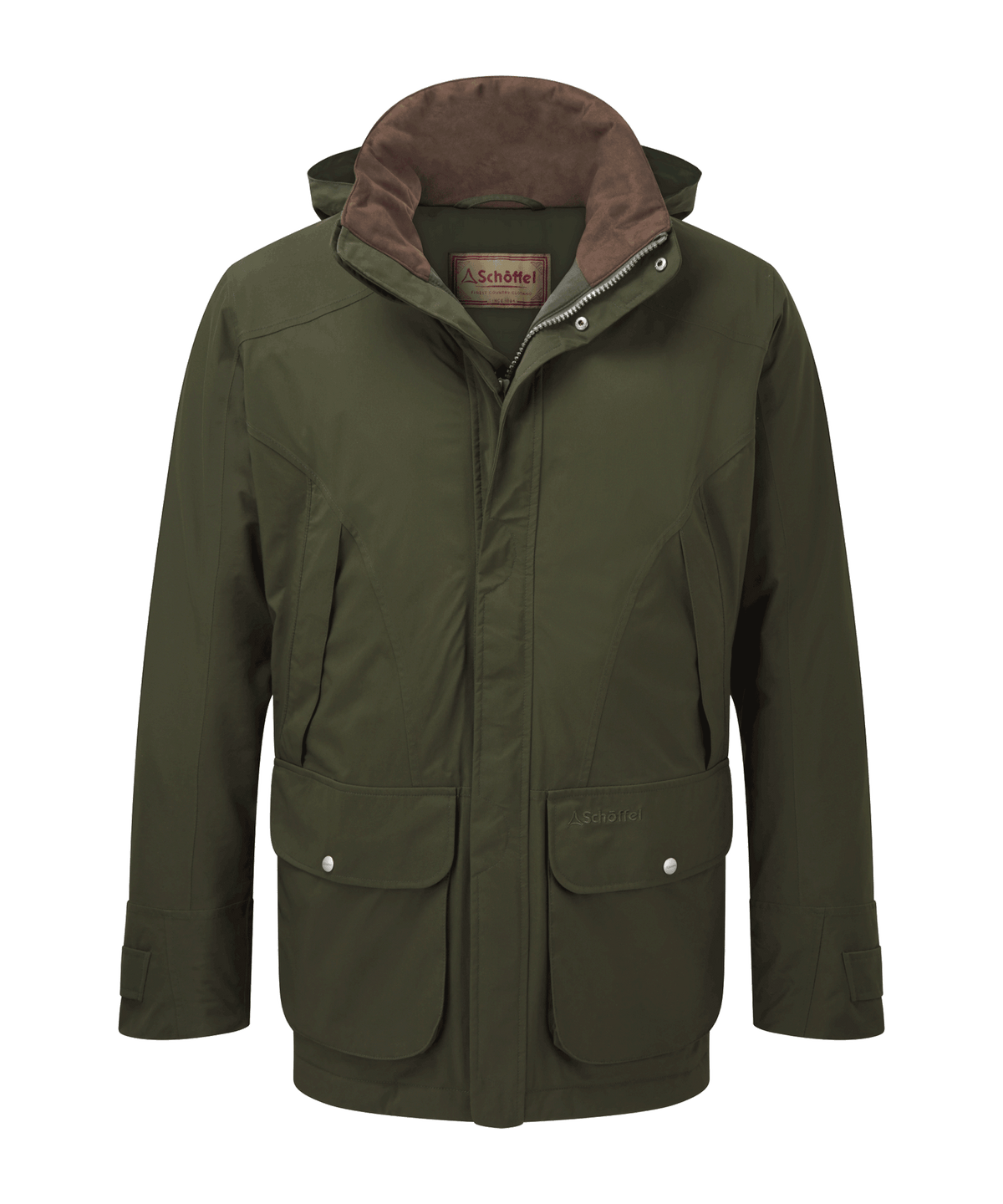
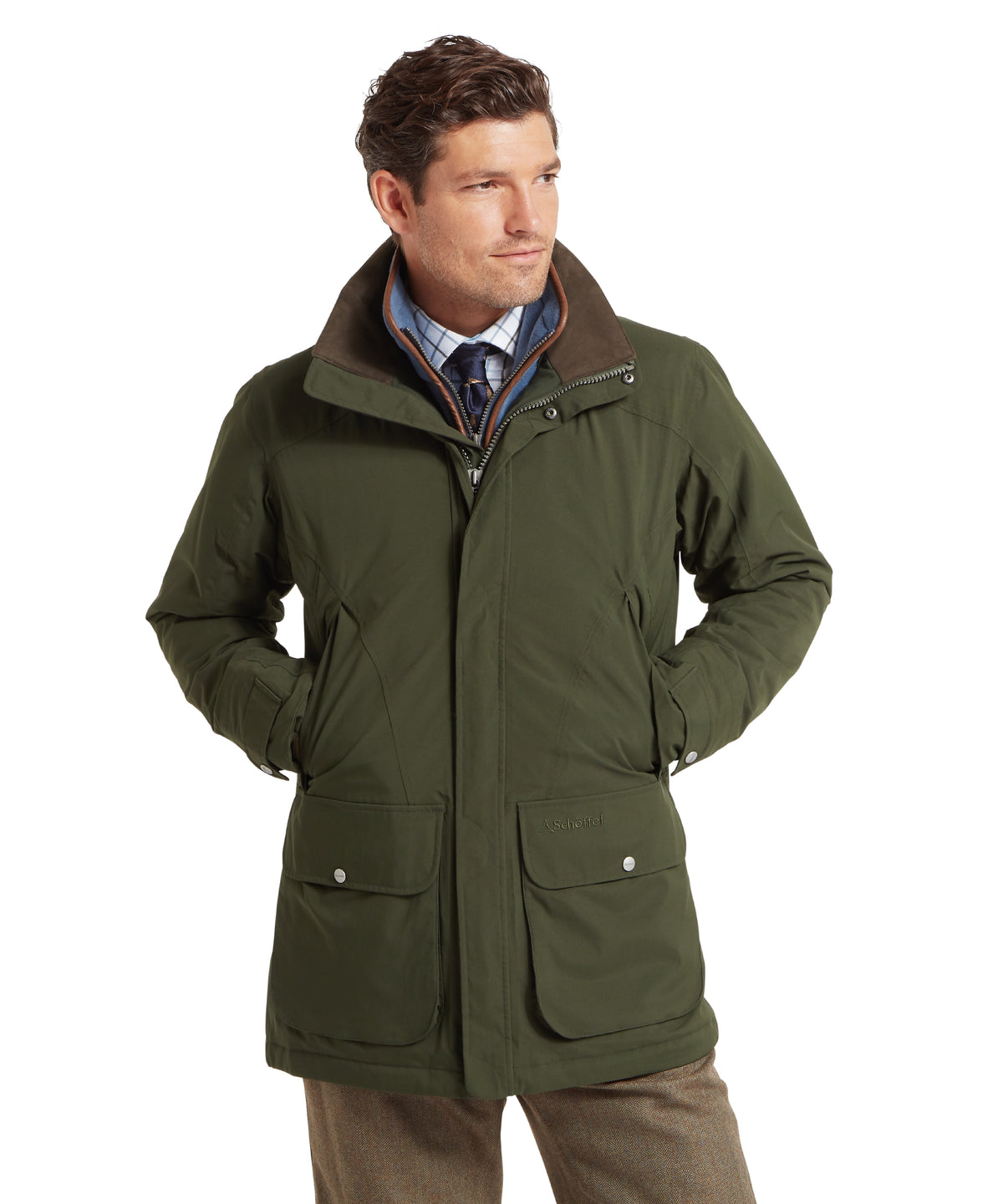 BestsellerSnipe CoatForest$750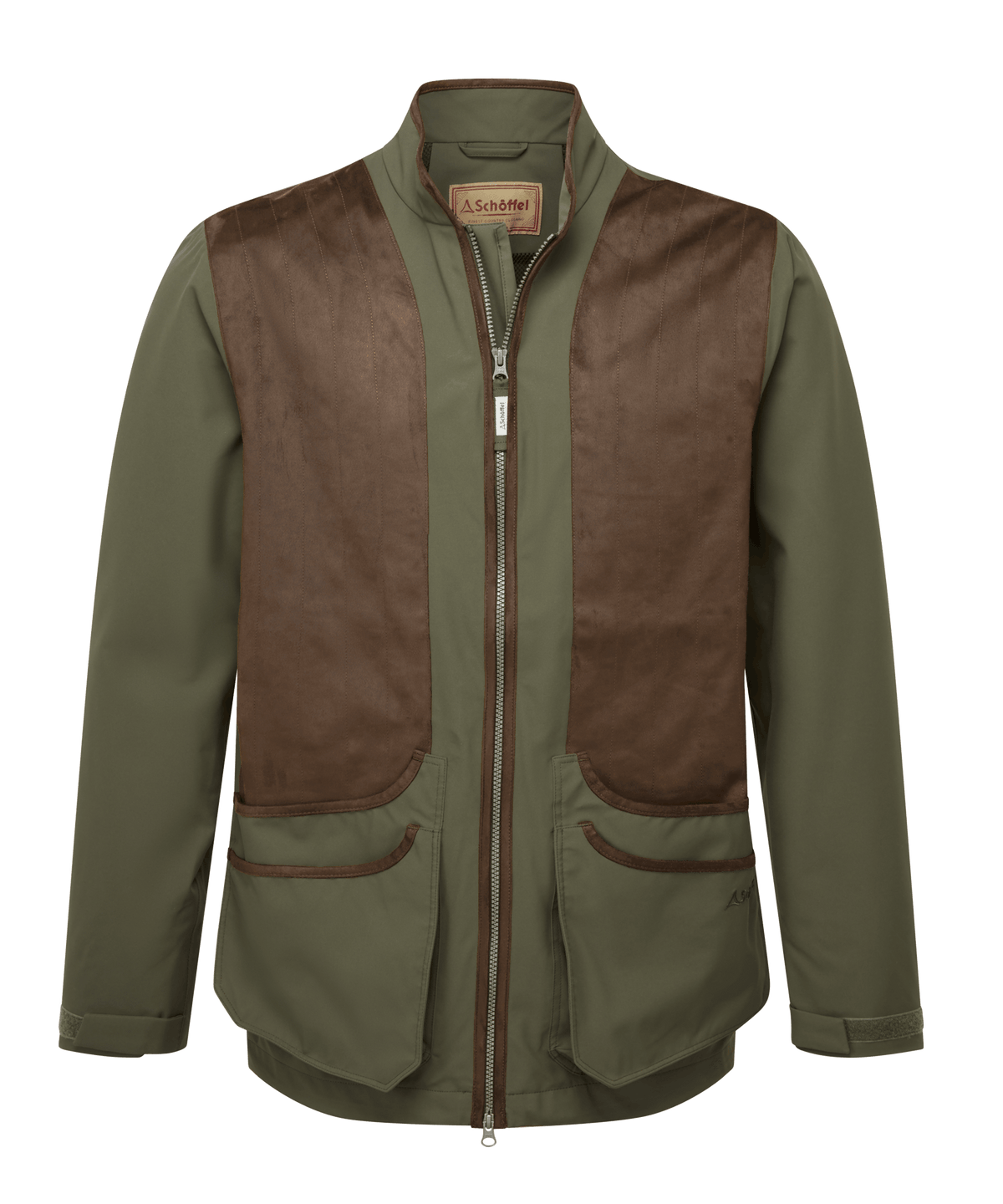
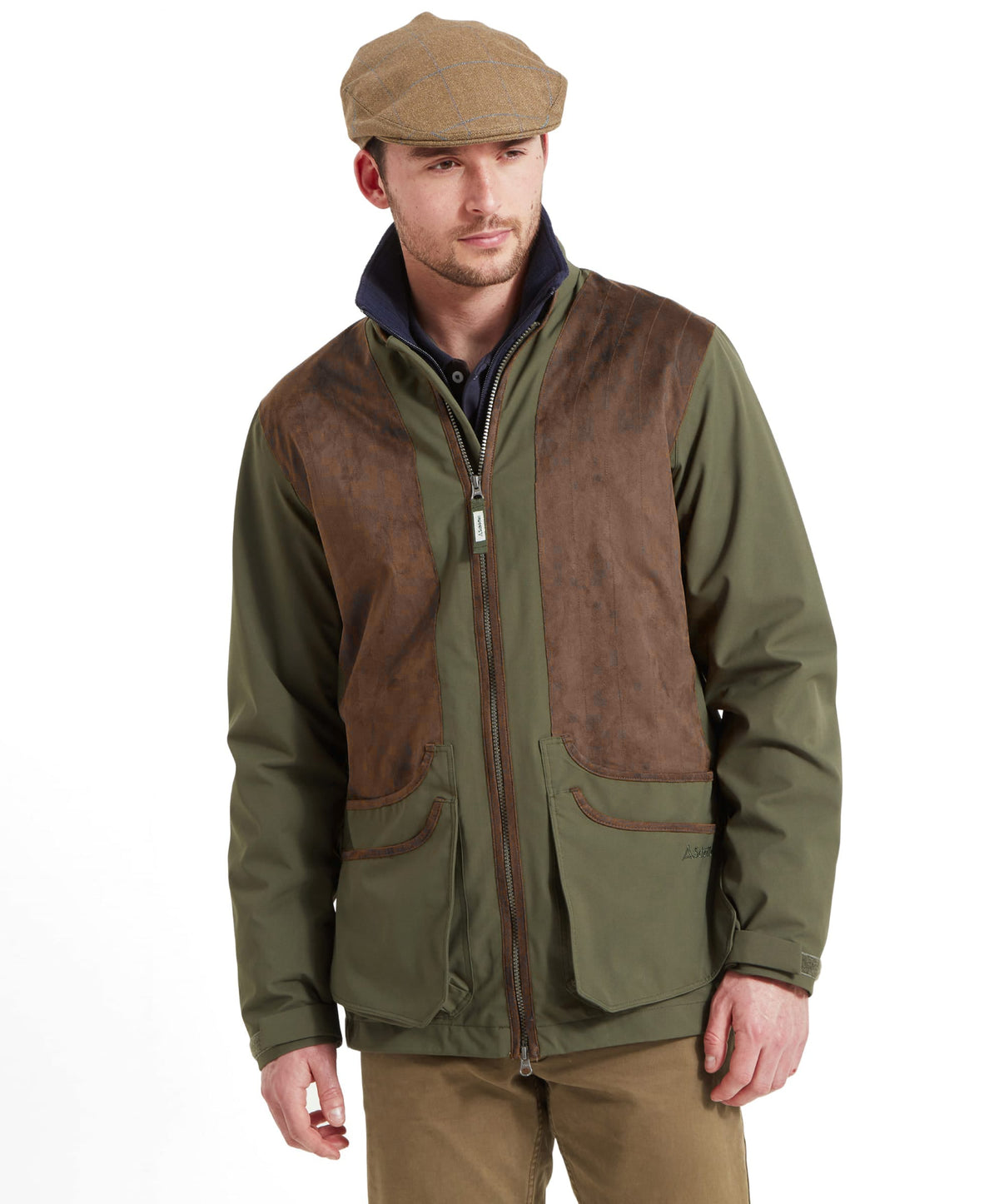 New inMens Grimsthorpe Clay Jacket GreenForest + 1 colour$410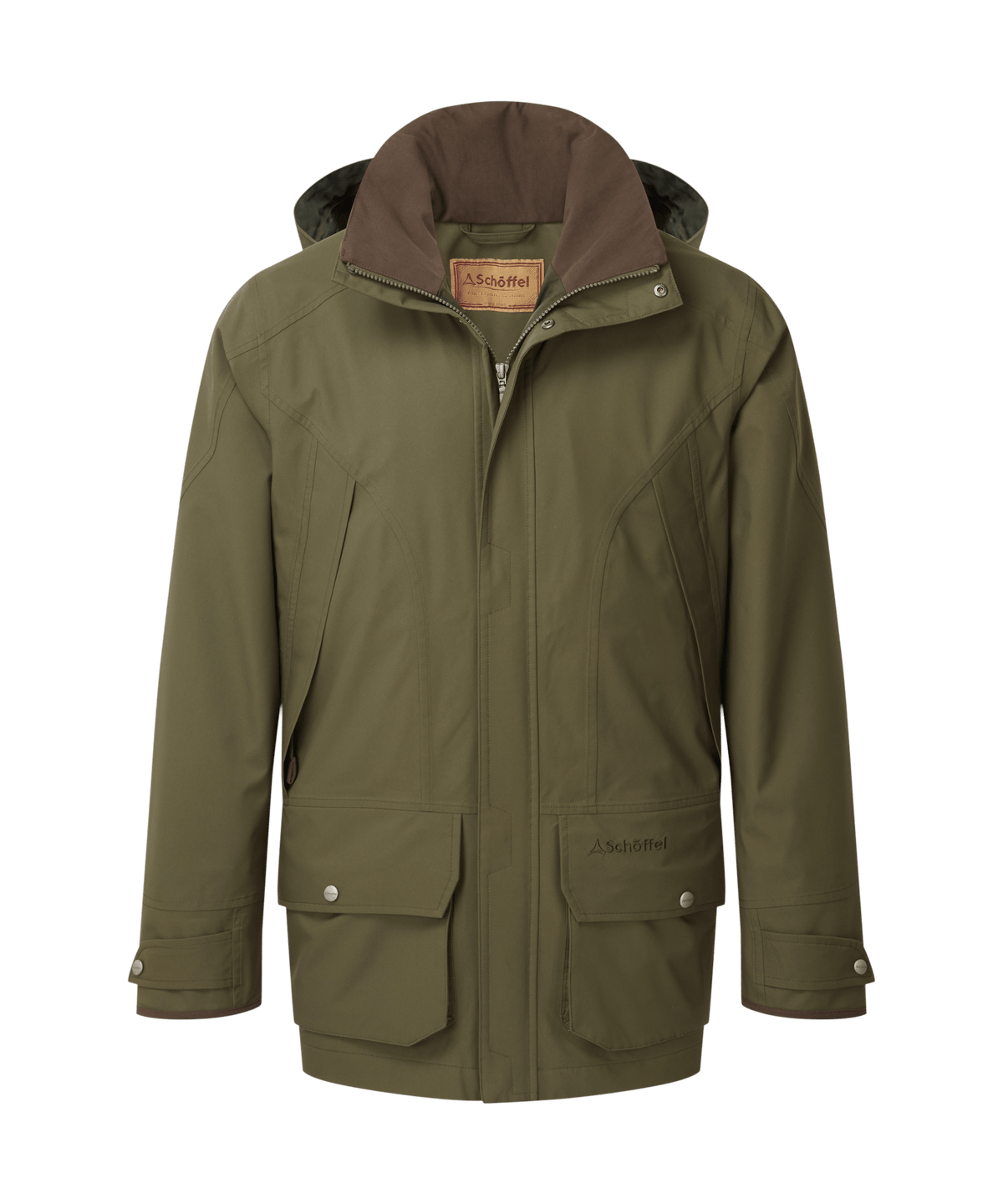
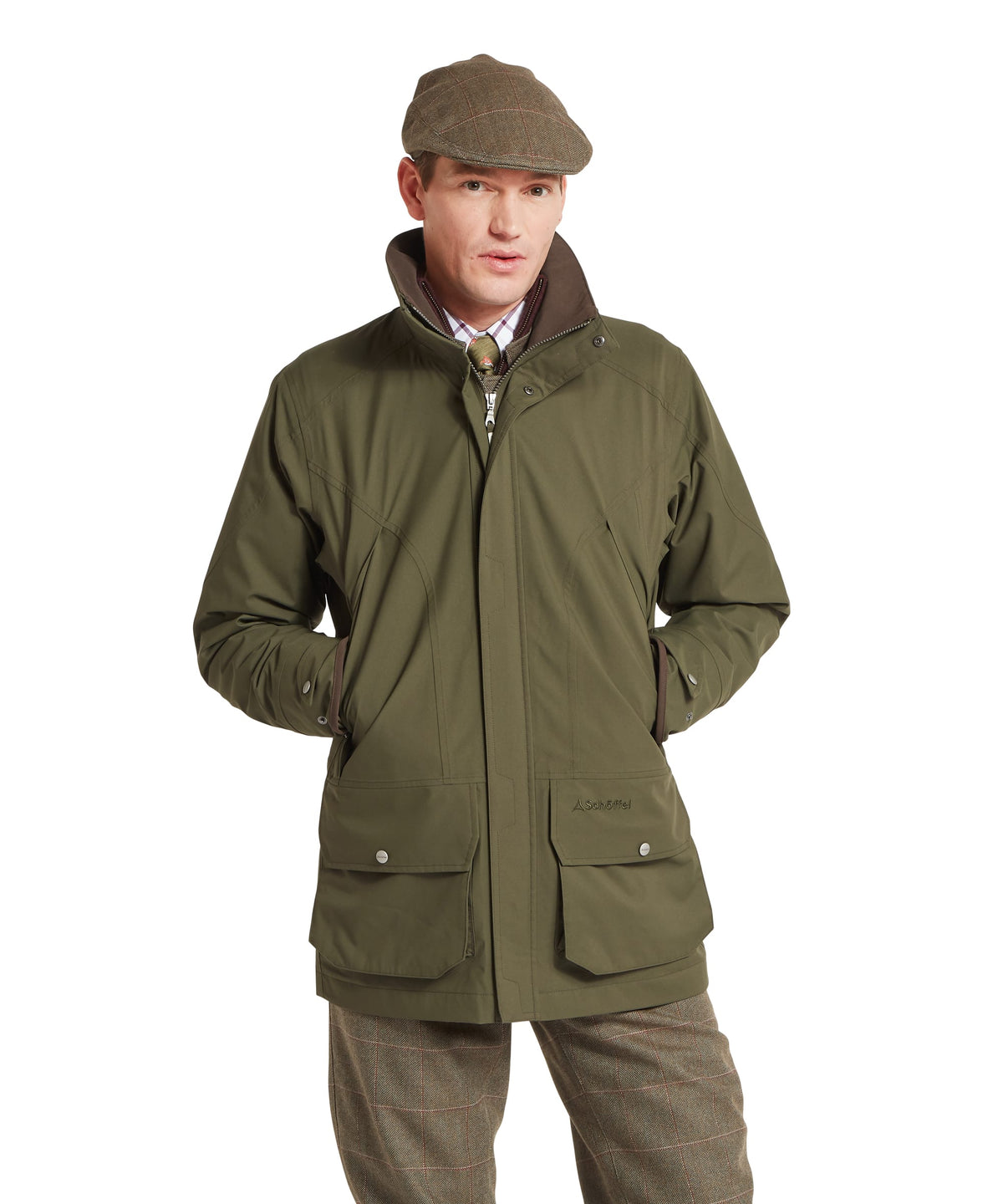 New inMens Snipe Ultralight Coat GreenForest$625


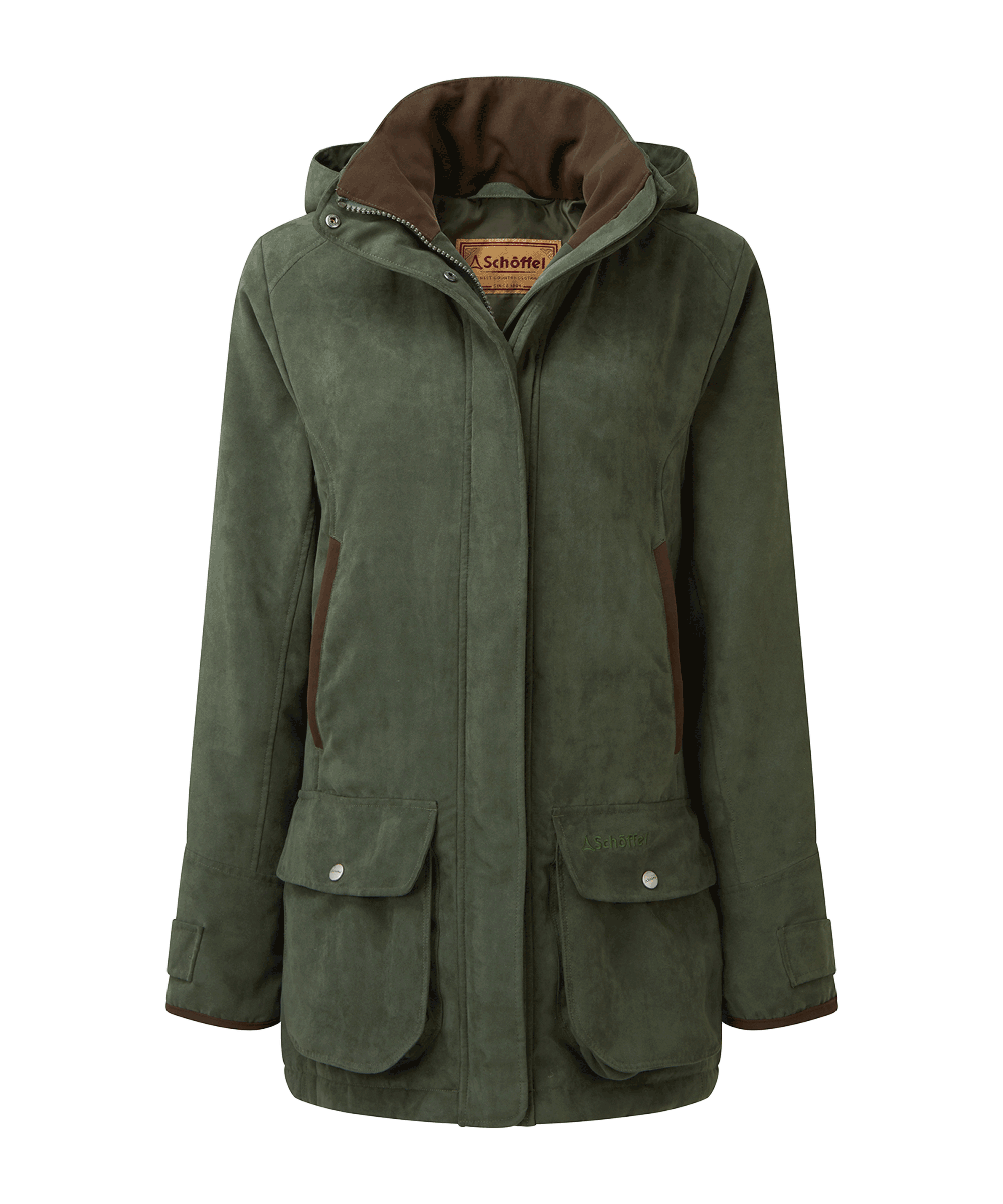
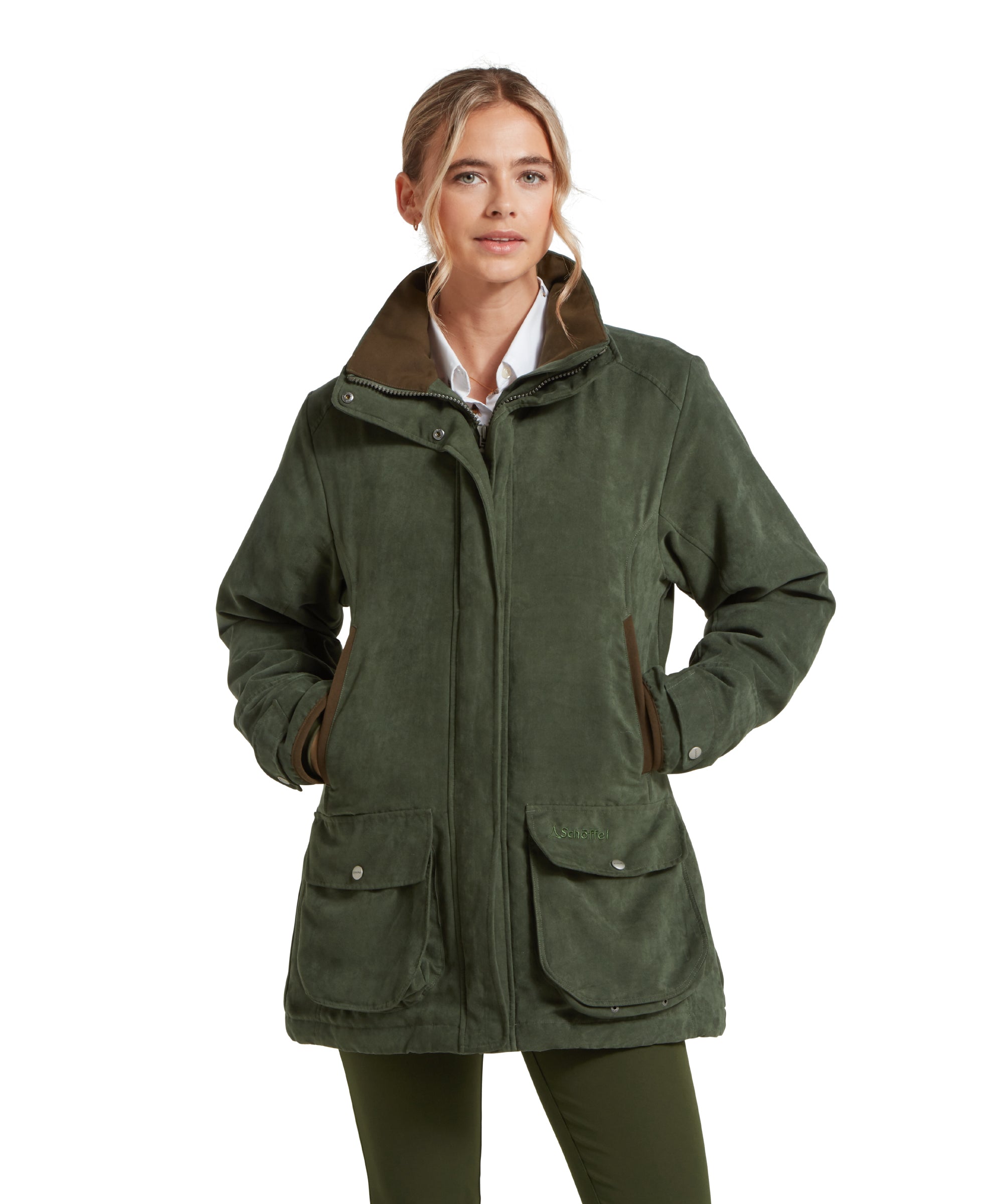 Teal Hunting CoatCedar$700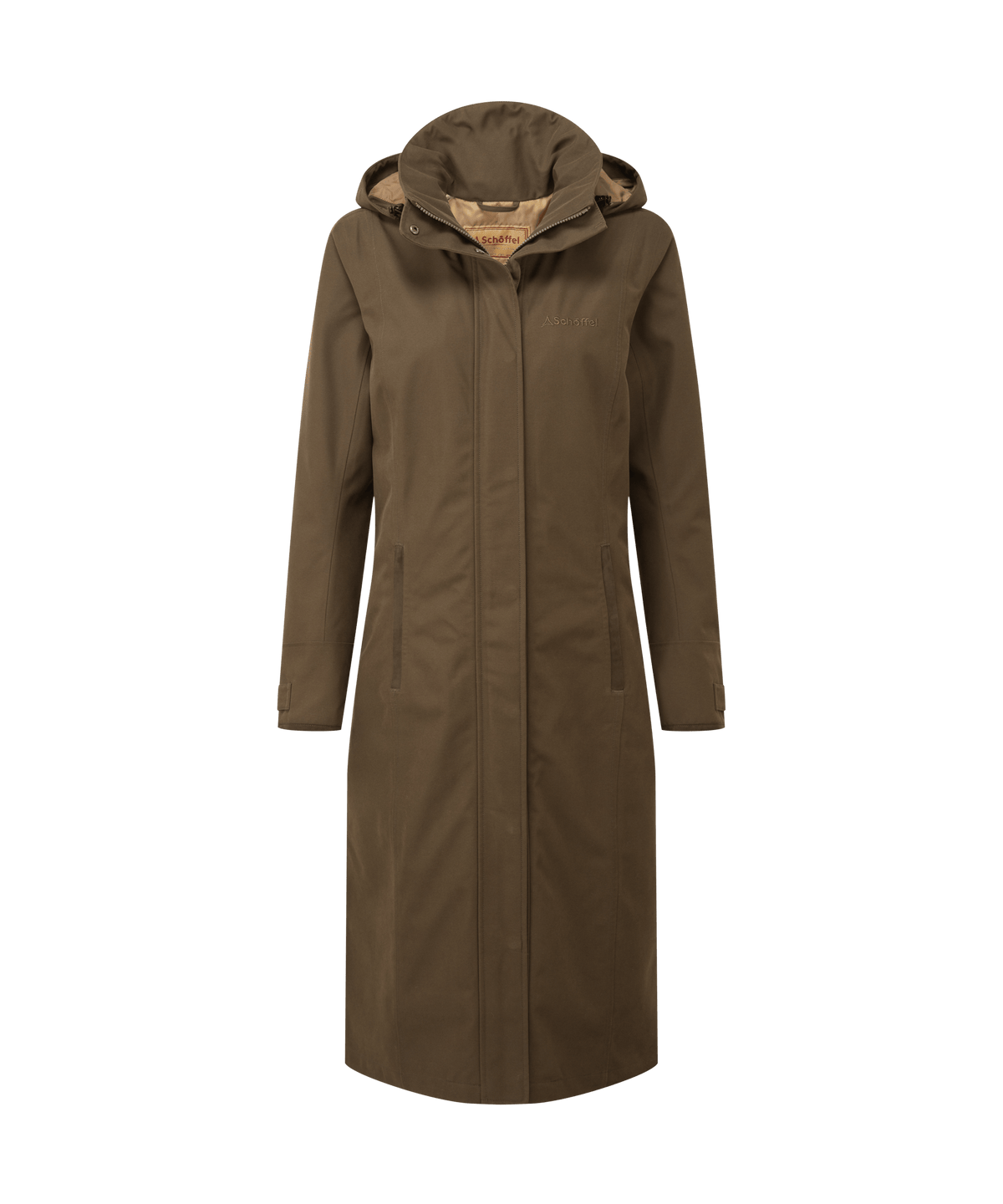
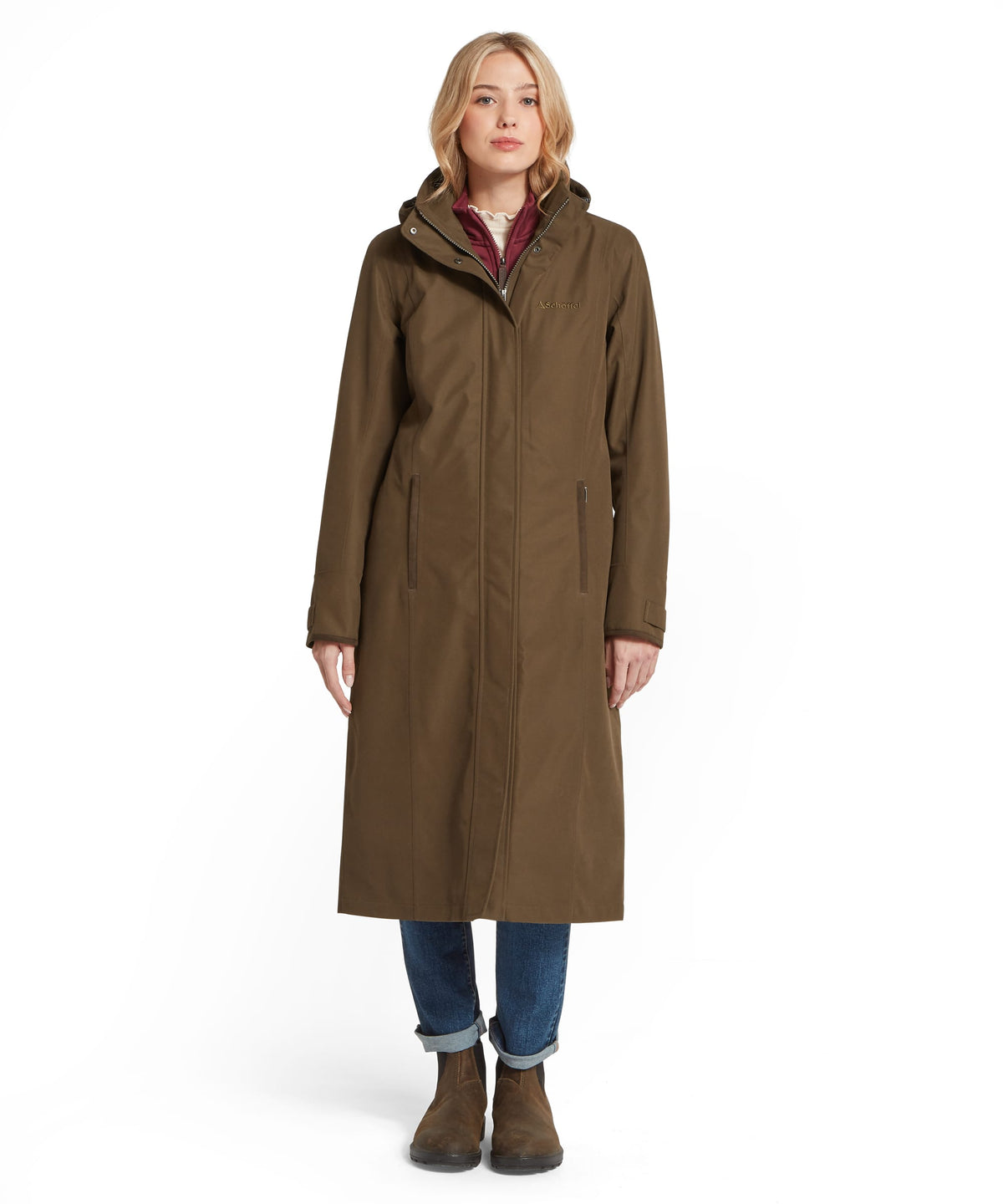 New inWomens Marefield Wp CoatDark Caper$750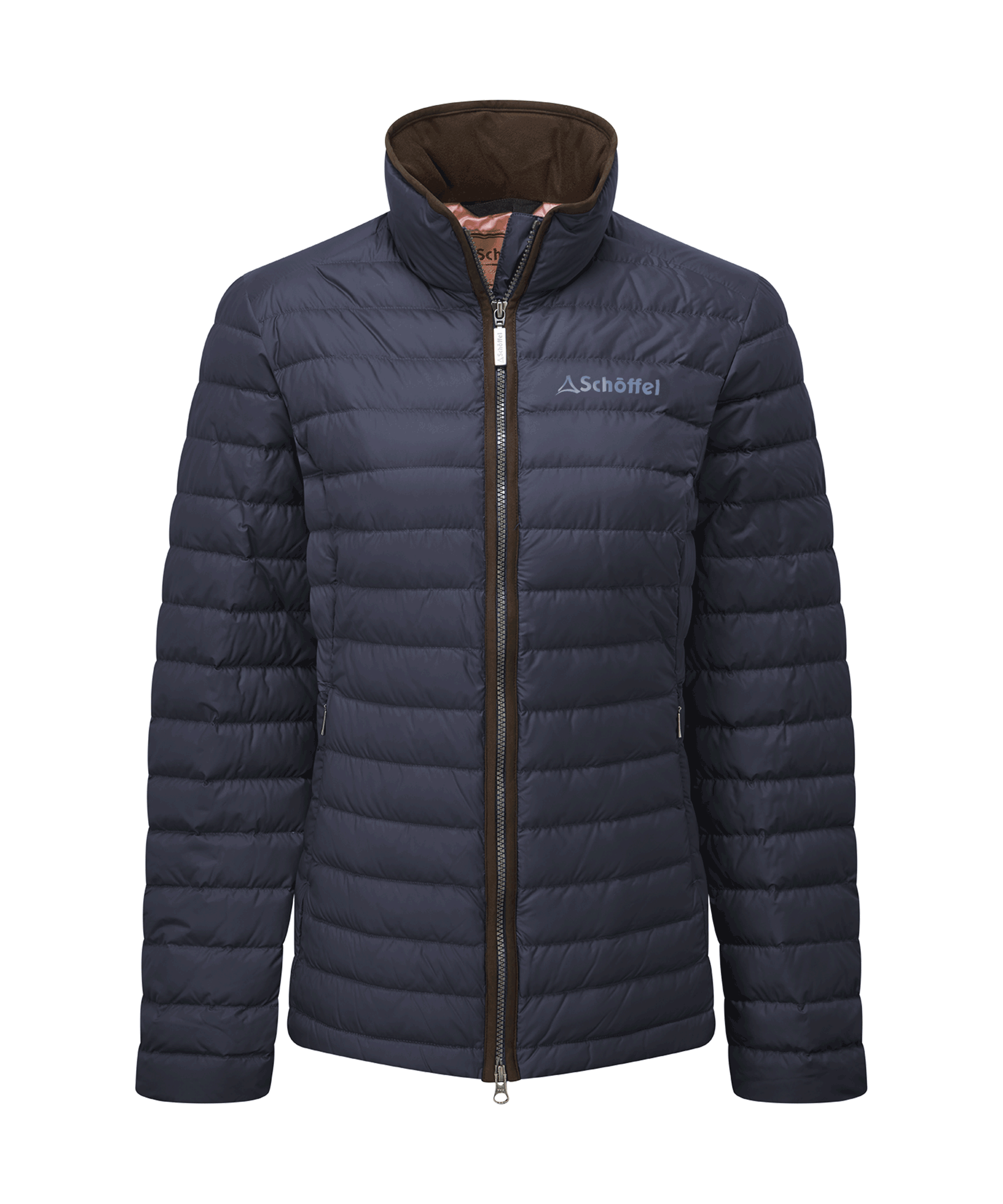
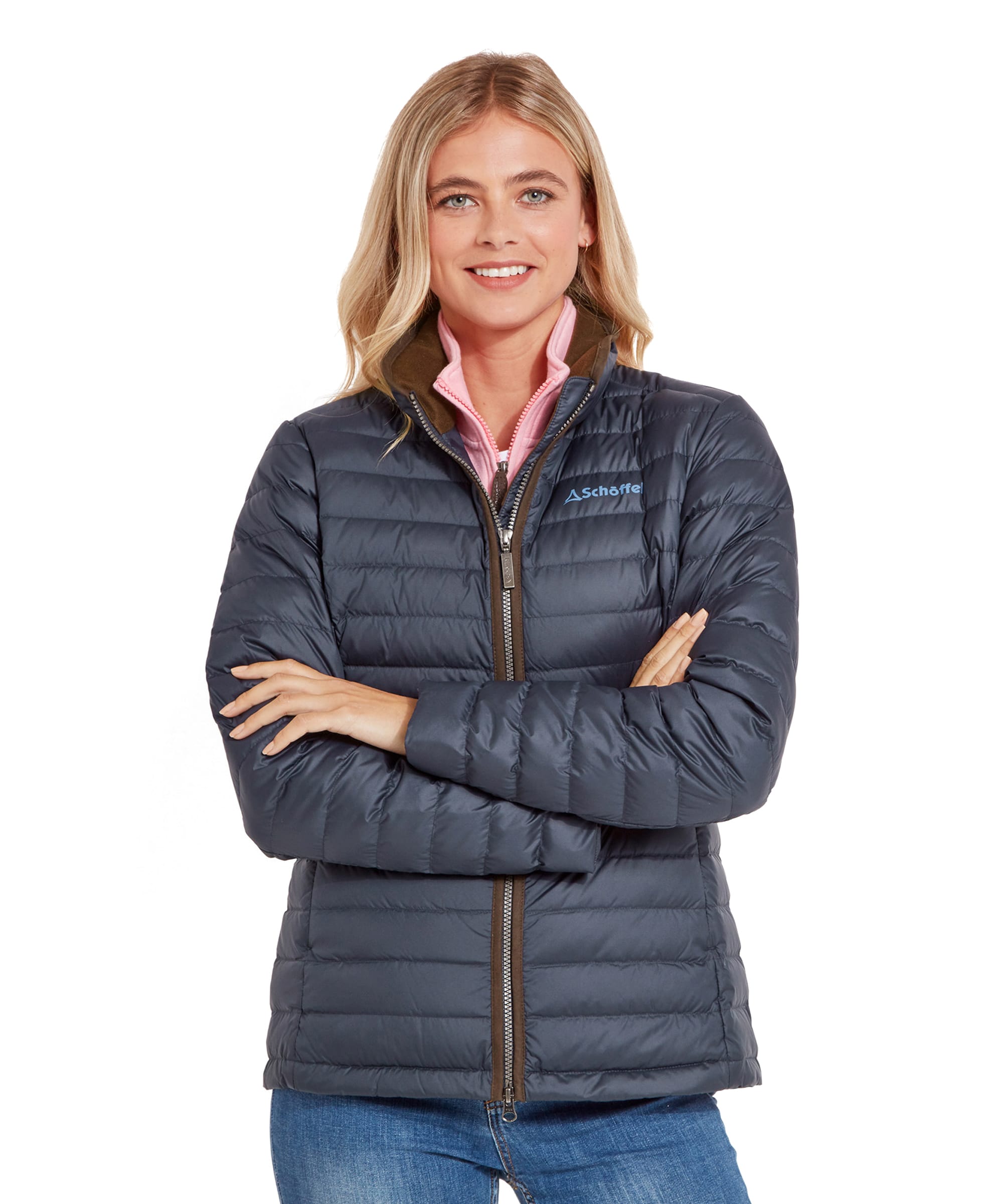 Hambleton Down JacketPetrol Blue + 2 colours$550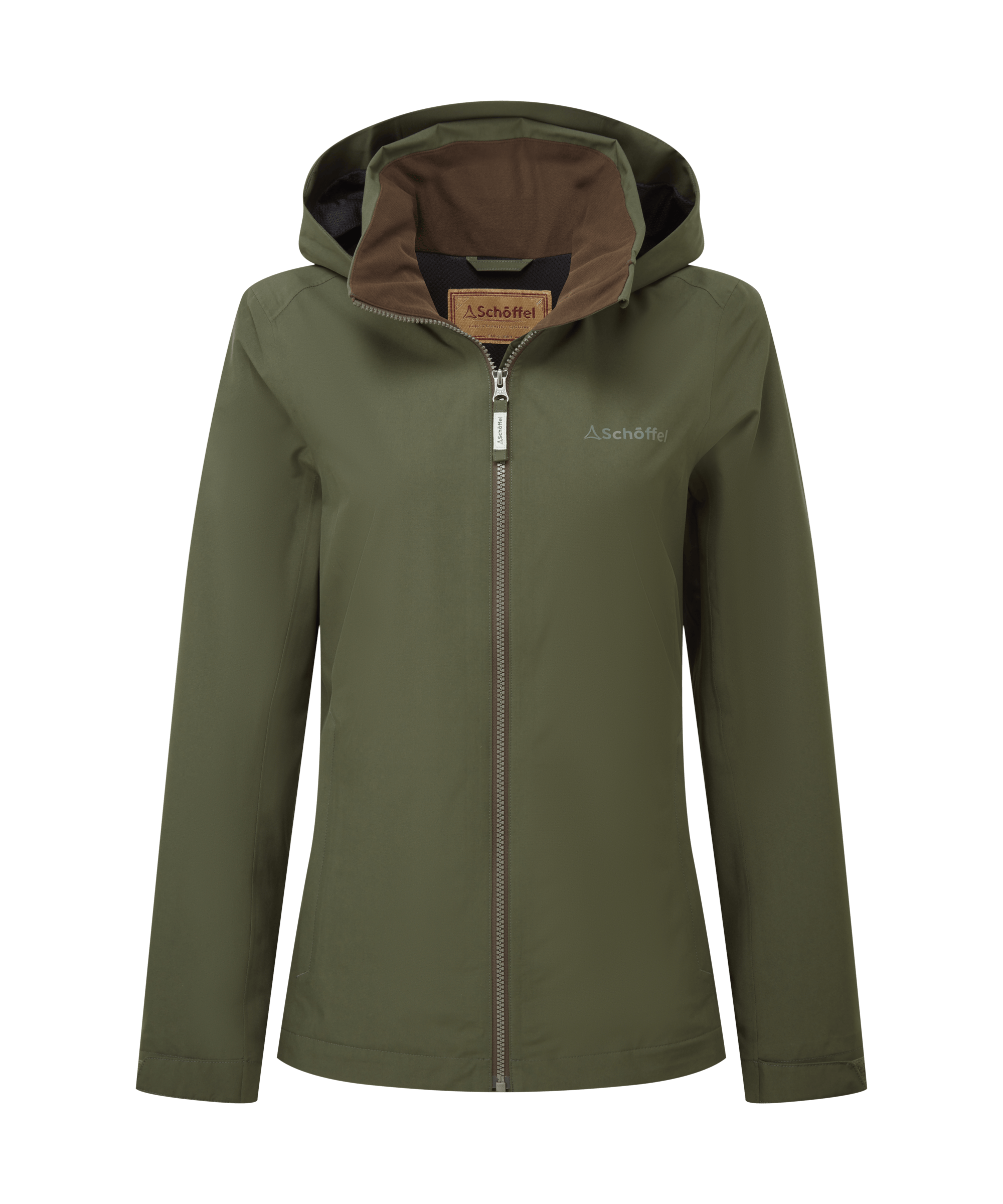
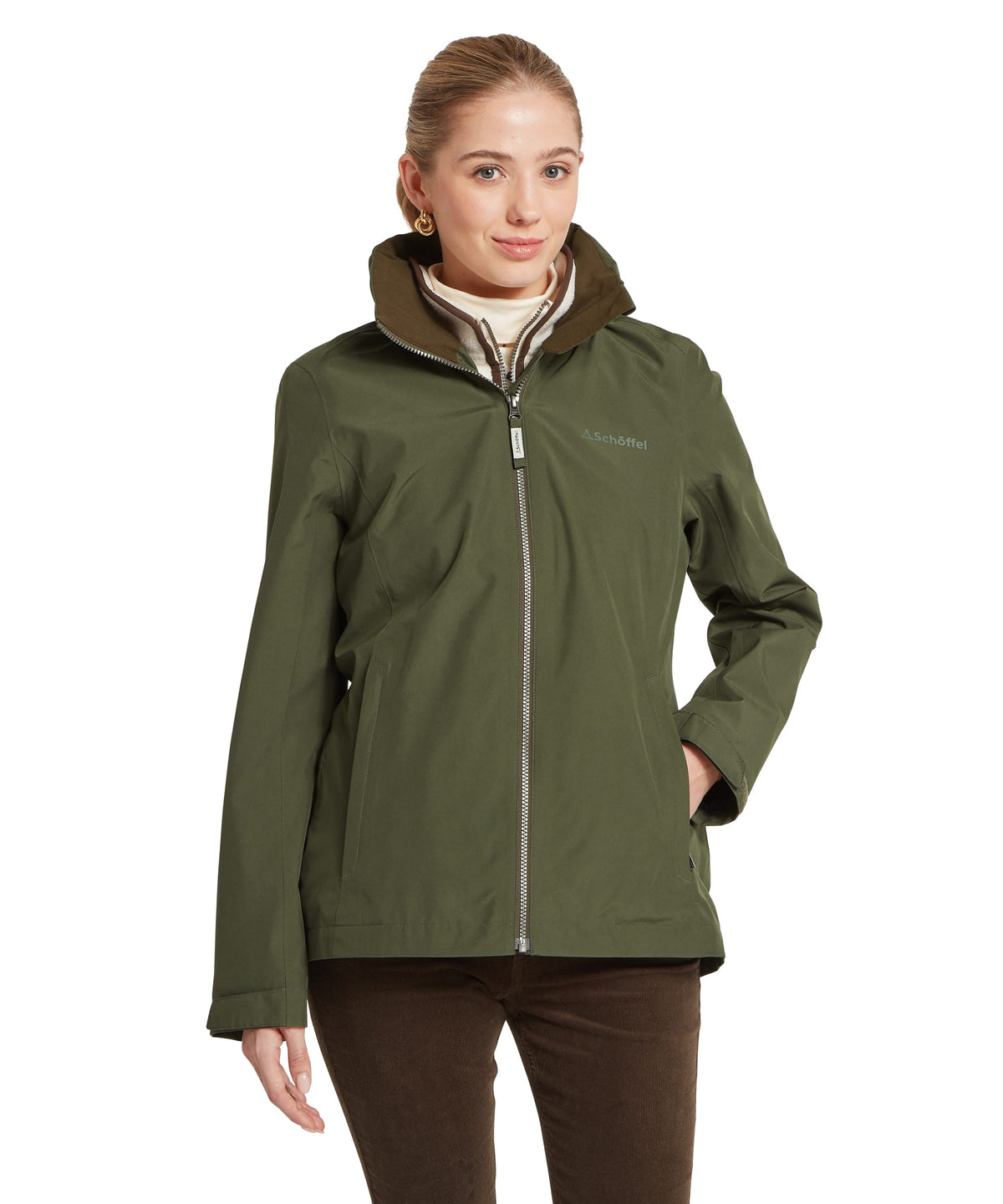 New inWomens Manton Lightweight Jacket GreenWoodland + 1 colour$340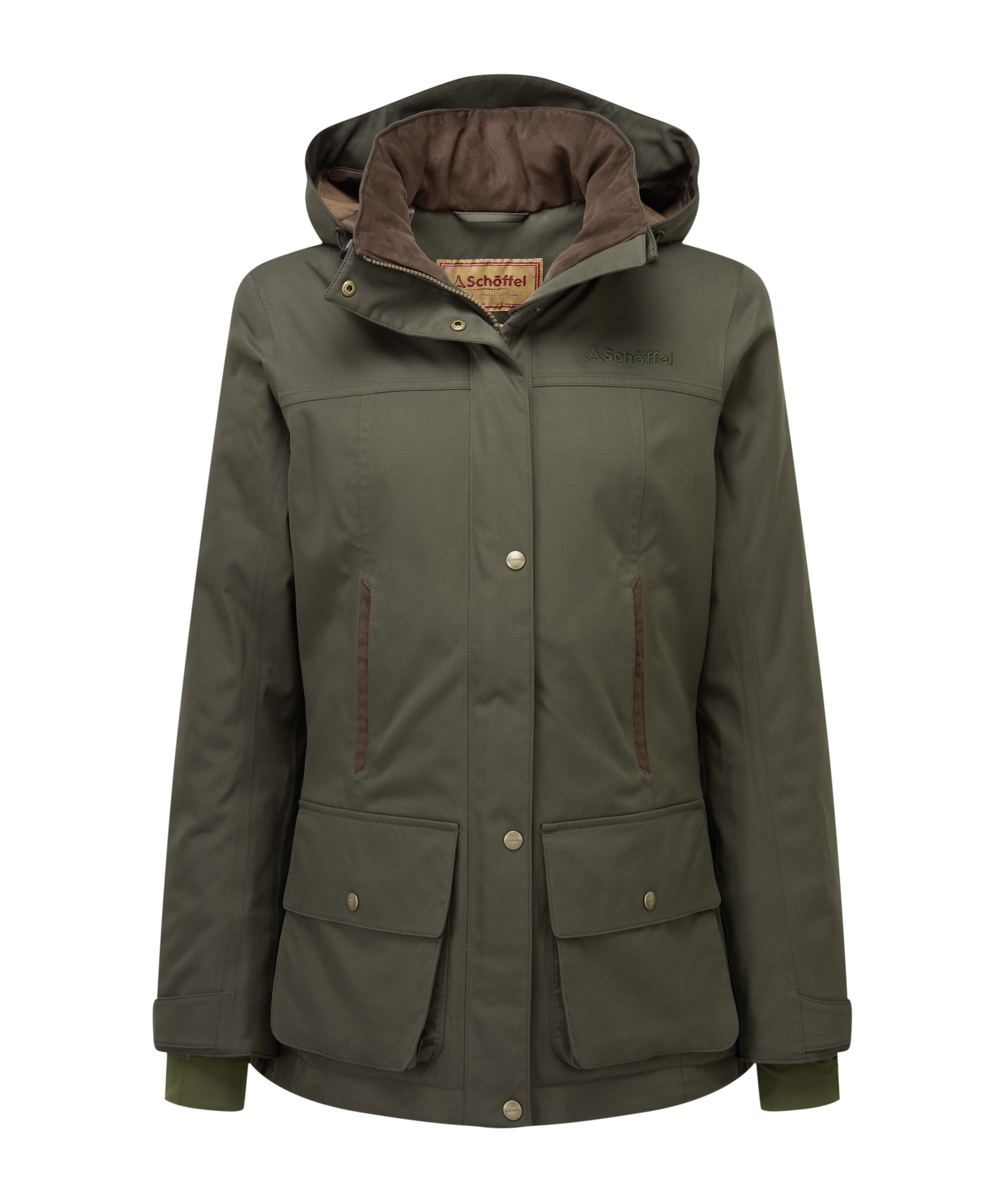
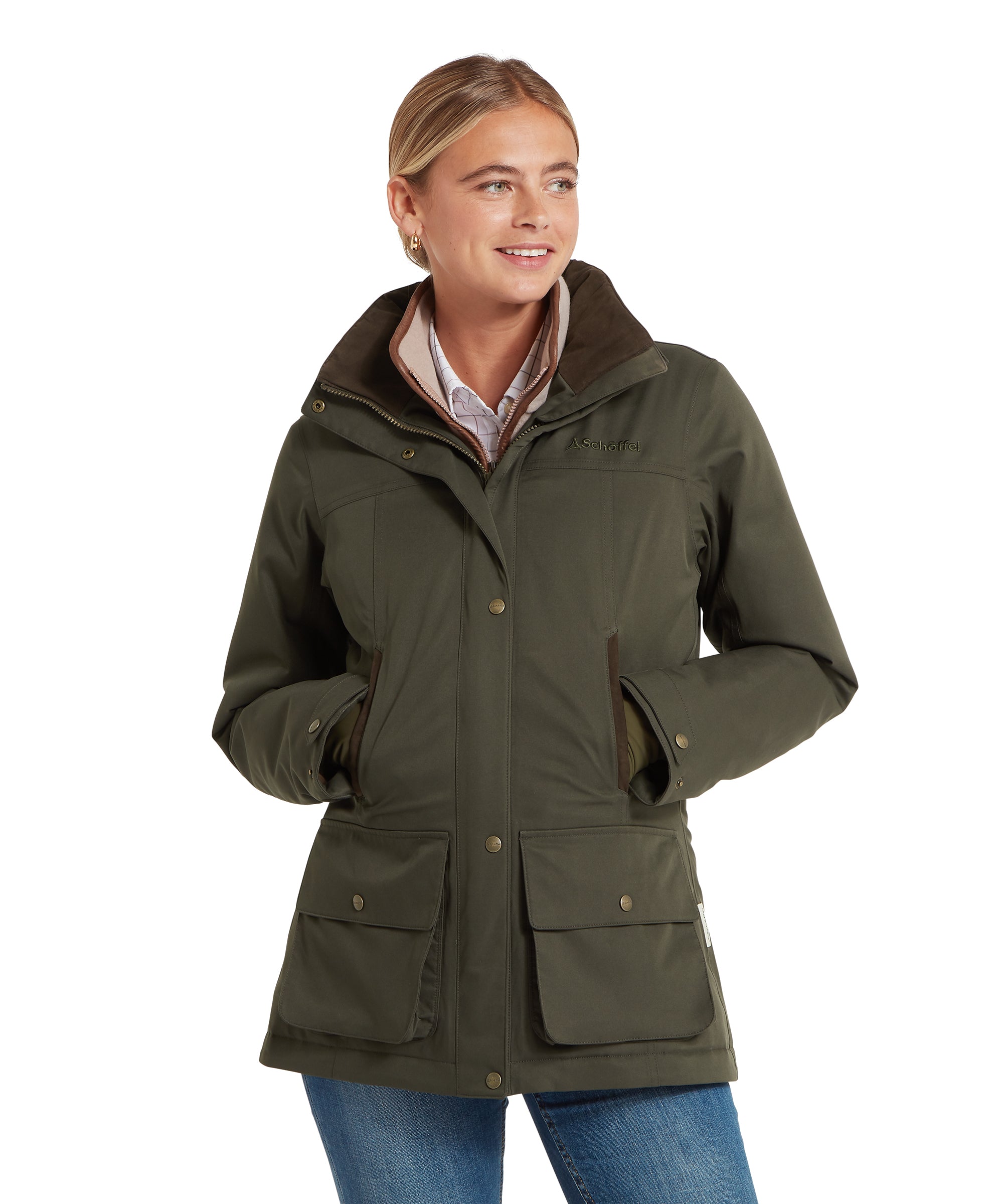 BestsellerLangton Country CoatDark Woodland$700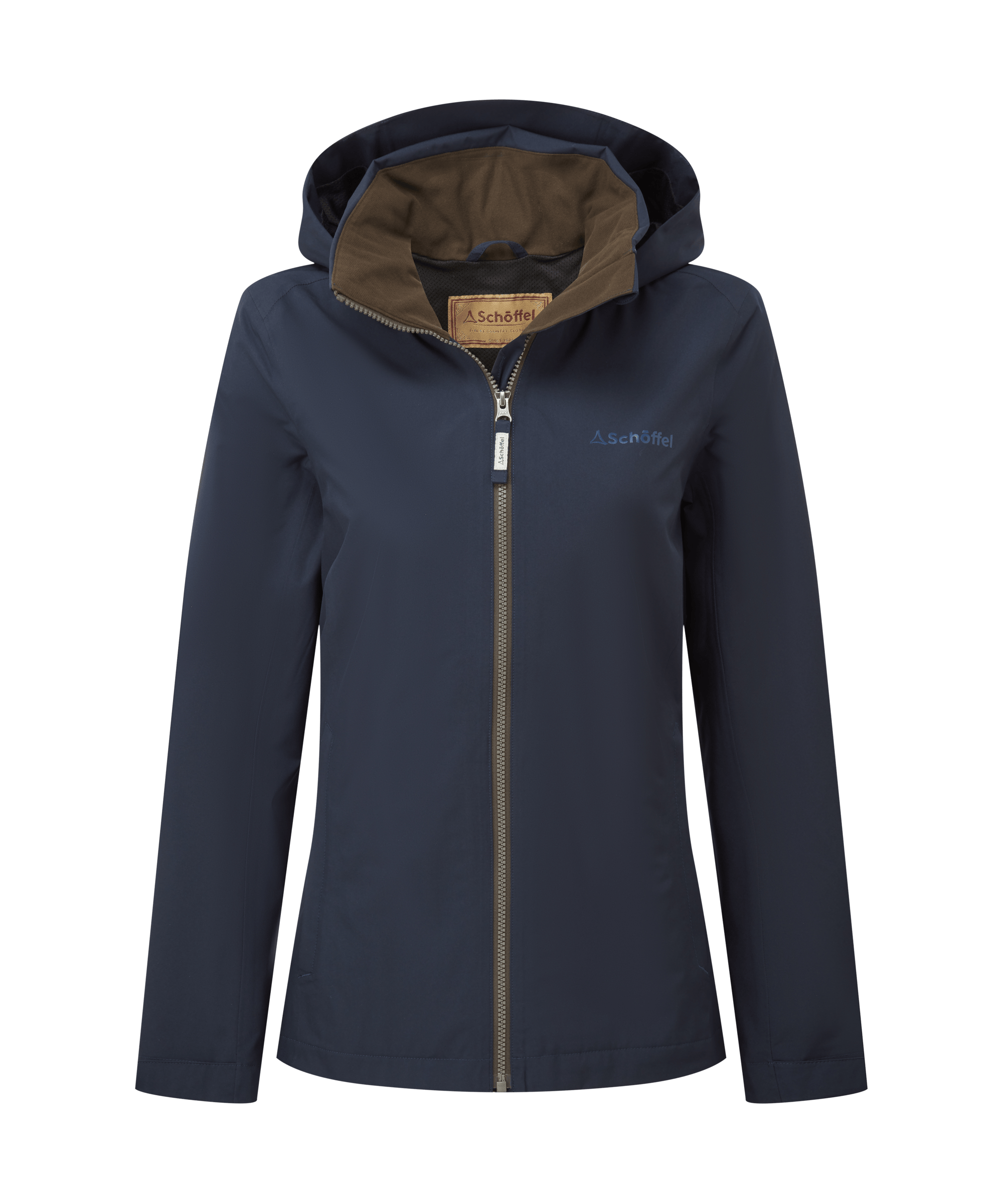
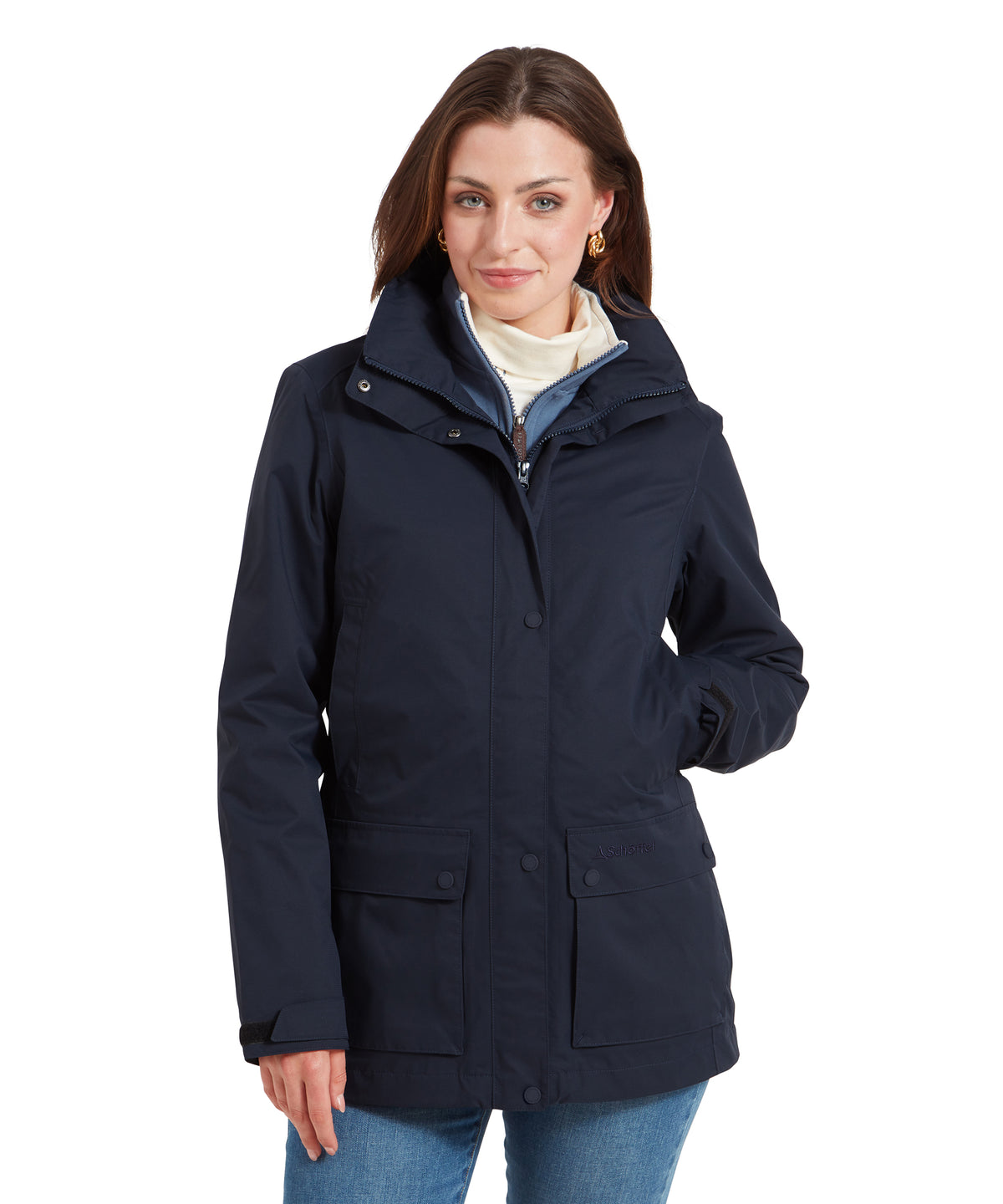
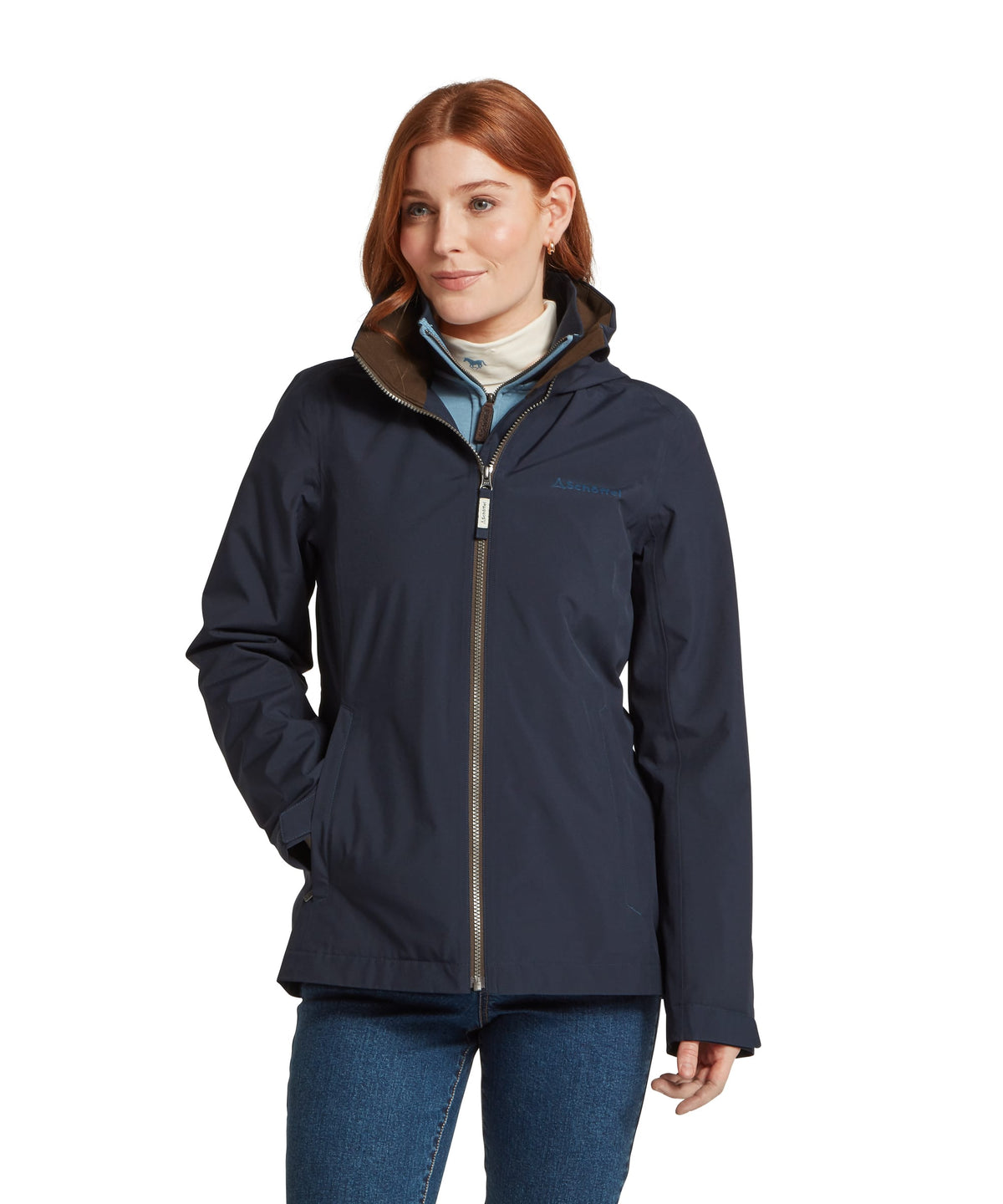 New inWomens Manton Lightweight Jacket BlueDark Navy + 1 colour$340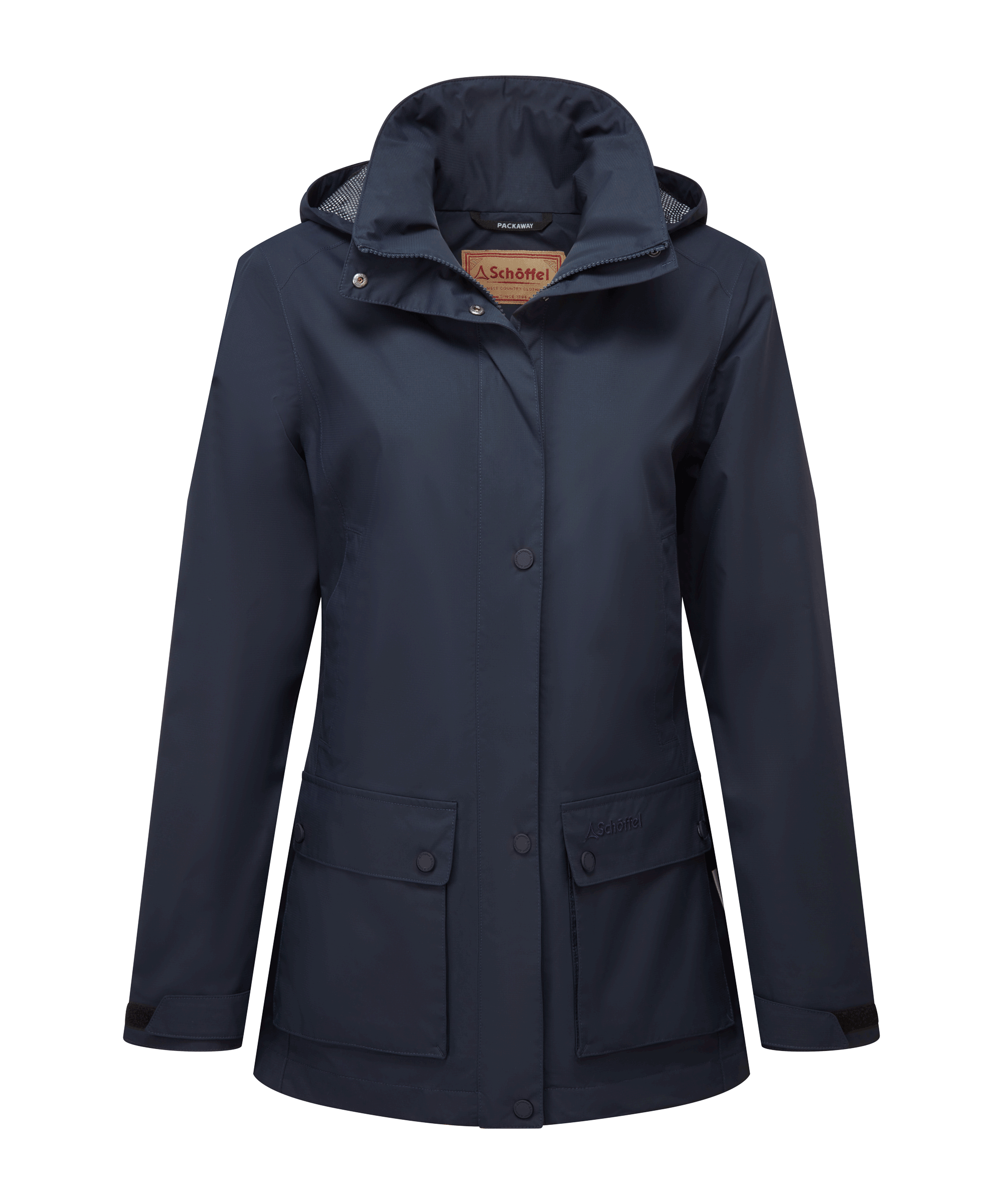
 BestsellerEdith JacketTrue Navy$430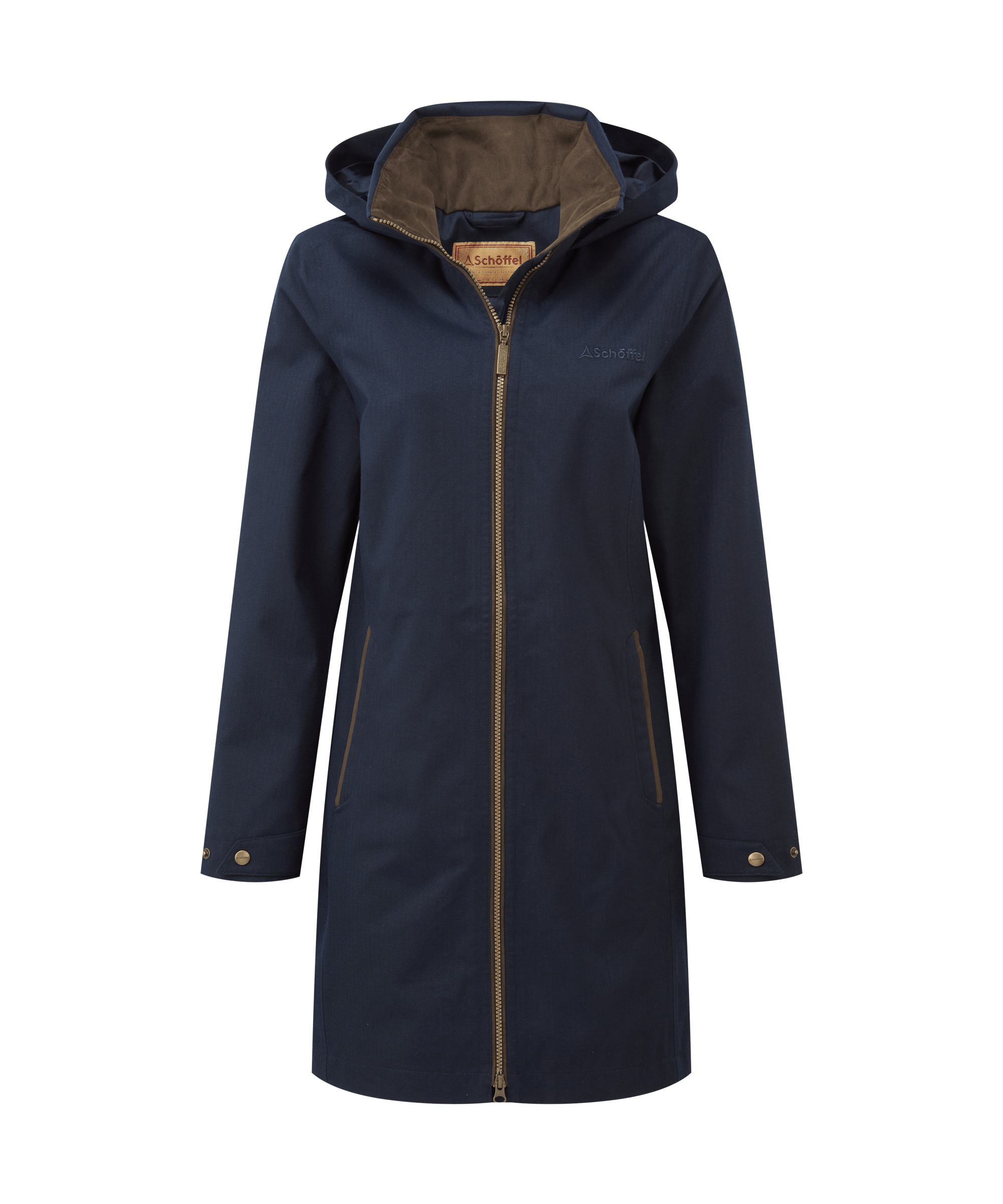
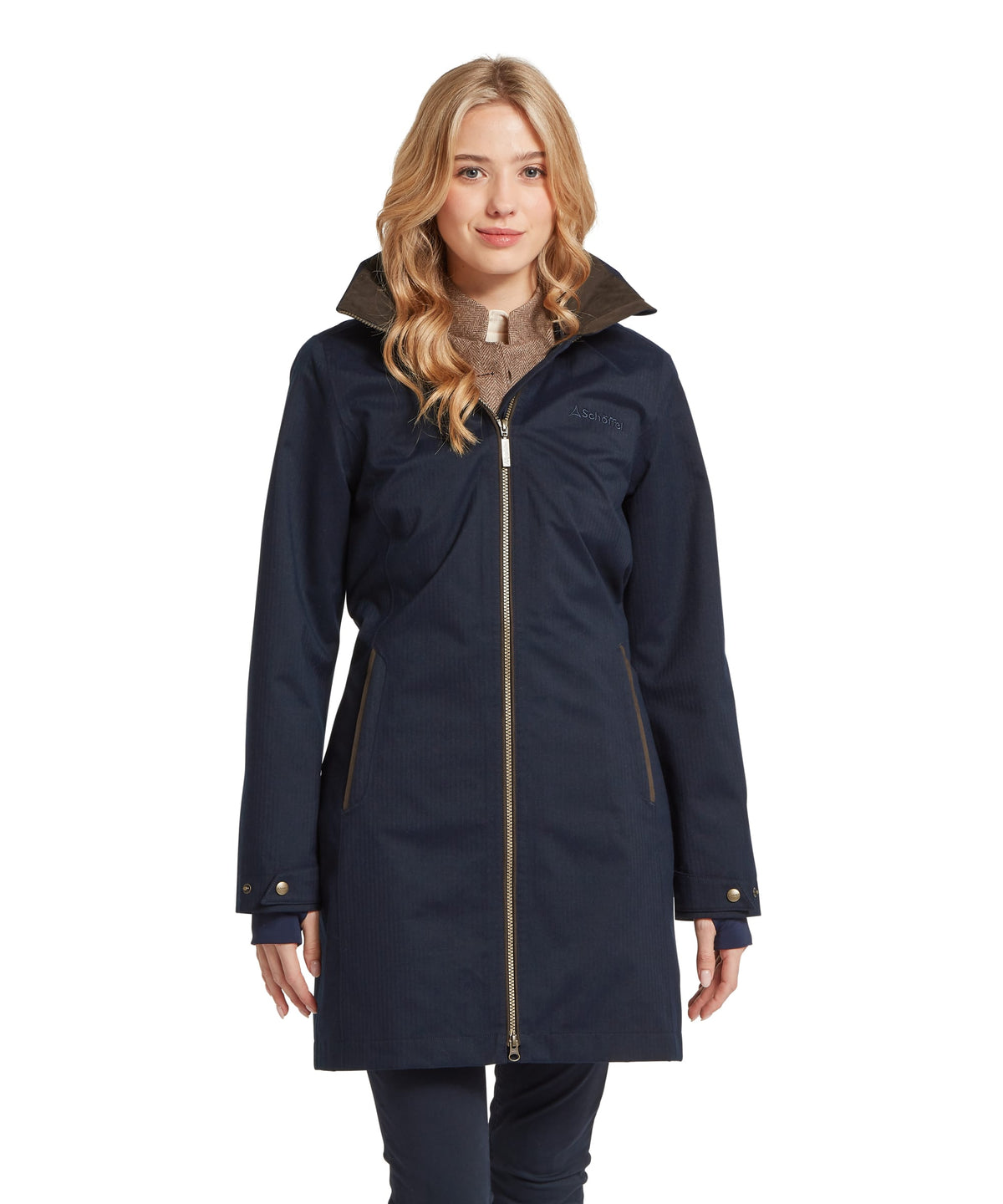 New inWomens Allexton Wp Coat BlueDark Navy + 1 colour$600