Fowlescombe Farm: A place to slow down
A restorative countryside escape in south Devon, at Fowlescombe Farm unfussy luxury meets farm-to-table hospitality for an experience that invites you to relax and enjoy the rhythm of the land.
Hidden in a quiet fold of south Devon between Dartmoor and the coast, Fowlescombe Farm feels like the kind of place you stumble upon and then wonder why you’d ever leave. The working-farm-cum-rural-retreat invites guests to eat well, rest deeply, and reconnect – all in a setting that feels spontaneous and entirely unscripted.
“It’s not a hotel,” says owner Caitlin Owens. “And ‘retreat’ kind of suggests it’s a health spa – and it’s not that, either.”
The guiding principle? Luxury comfort without fuss. Simplicity without sacrifice. Everything you need and nothing you don't.
“From the outset we wanted to create this sense where people would feel like they’re staying with friends. It’s very relaxed and informal,” Caitlin continues. “Indulgent, but in a way that leaves you feeling rejuvenated.” And that’s achieved through thoughtful hospitality – grounded in food, fresh air, and the rhythm of the land.
Time to replenish and connect with nature
The word ‘regenerative’ is bandied about a great deal nowadays. Yet, at Fowlescombe, it really means something – several things, actually.
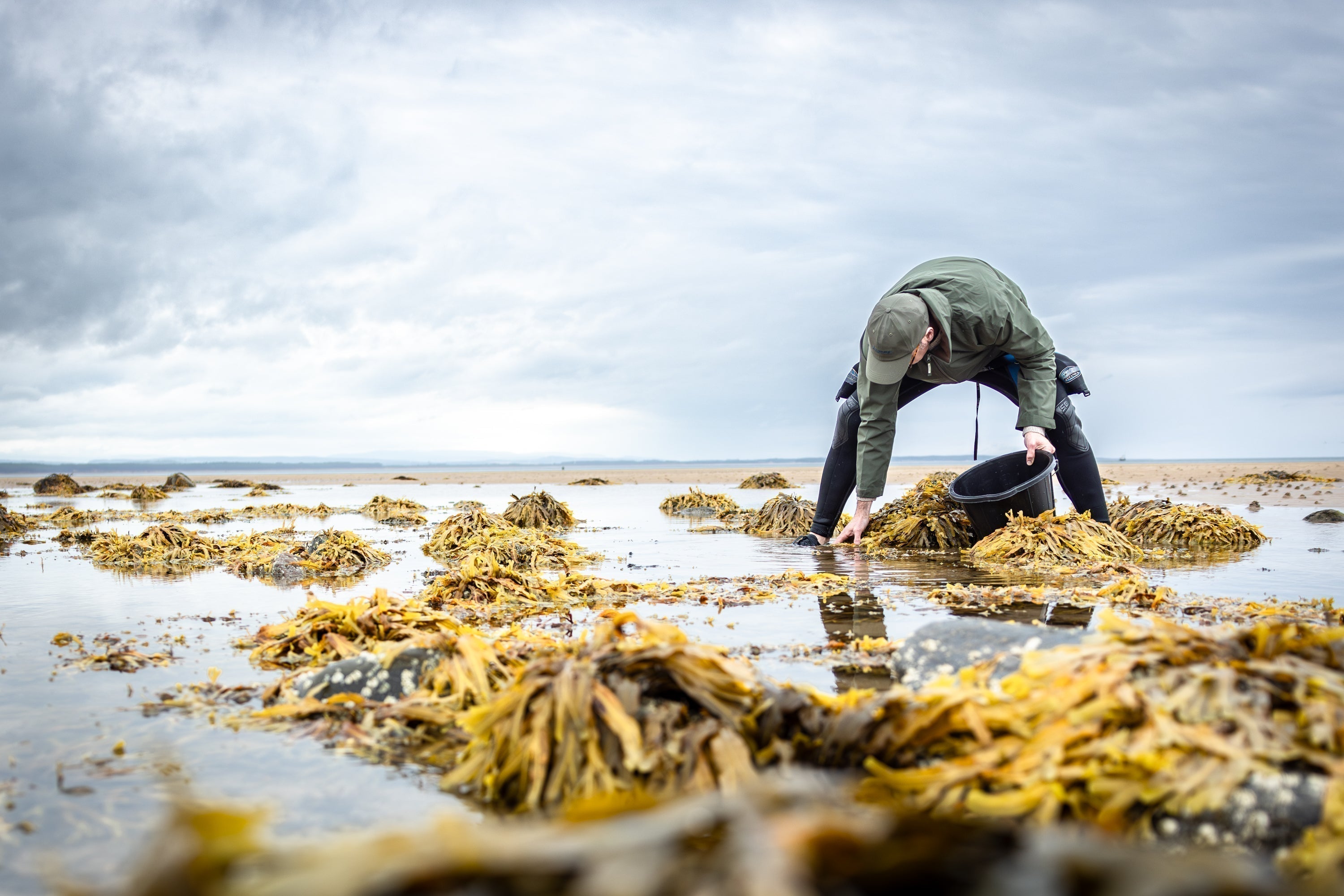
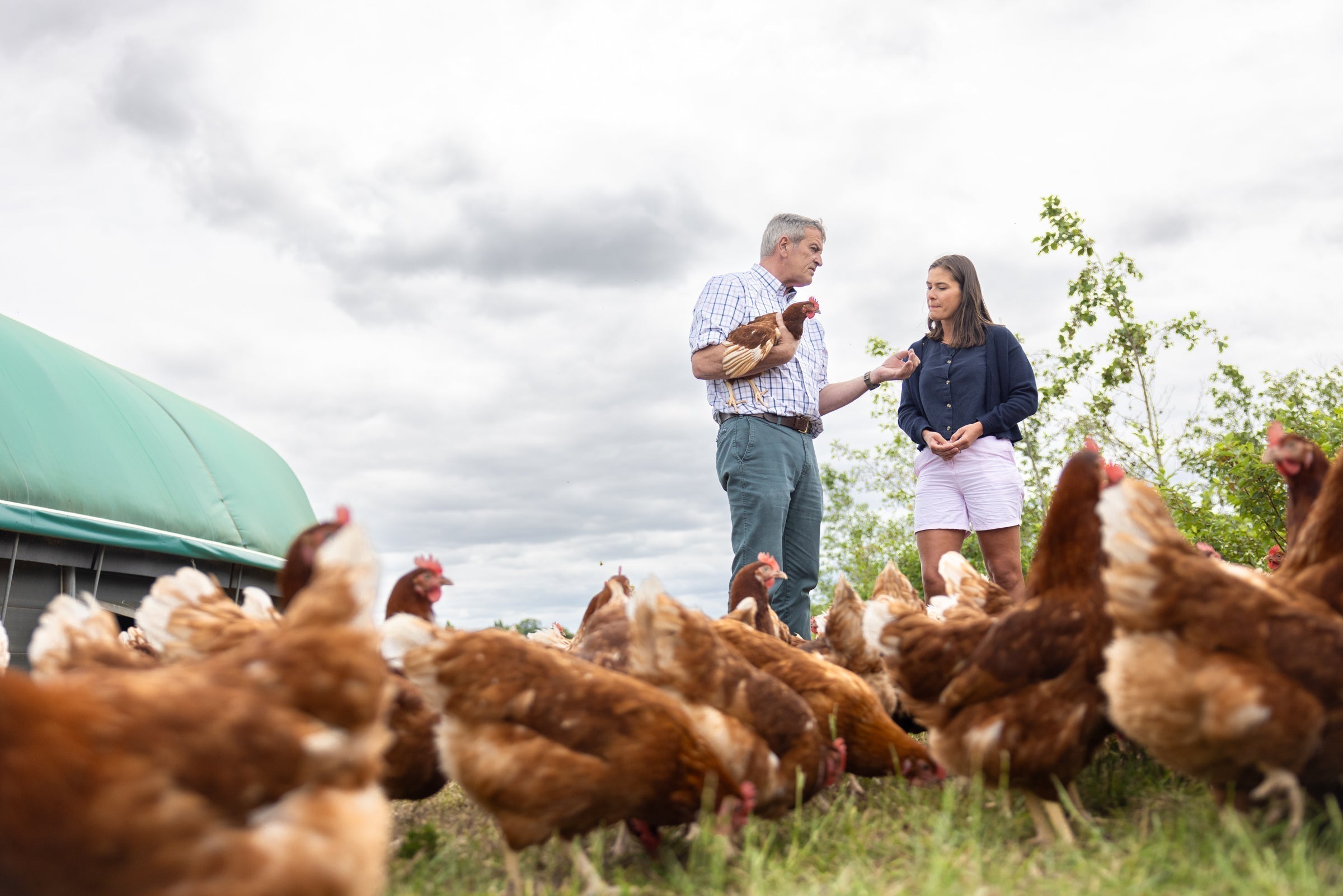
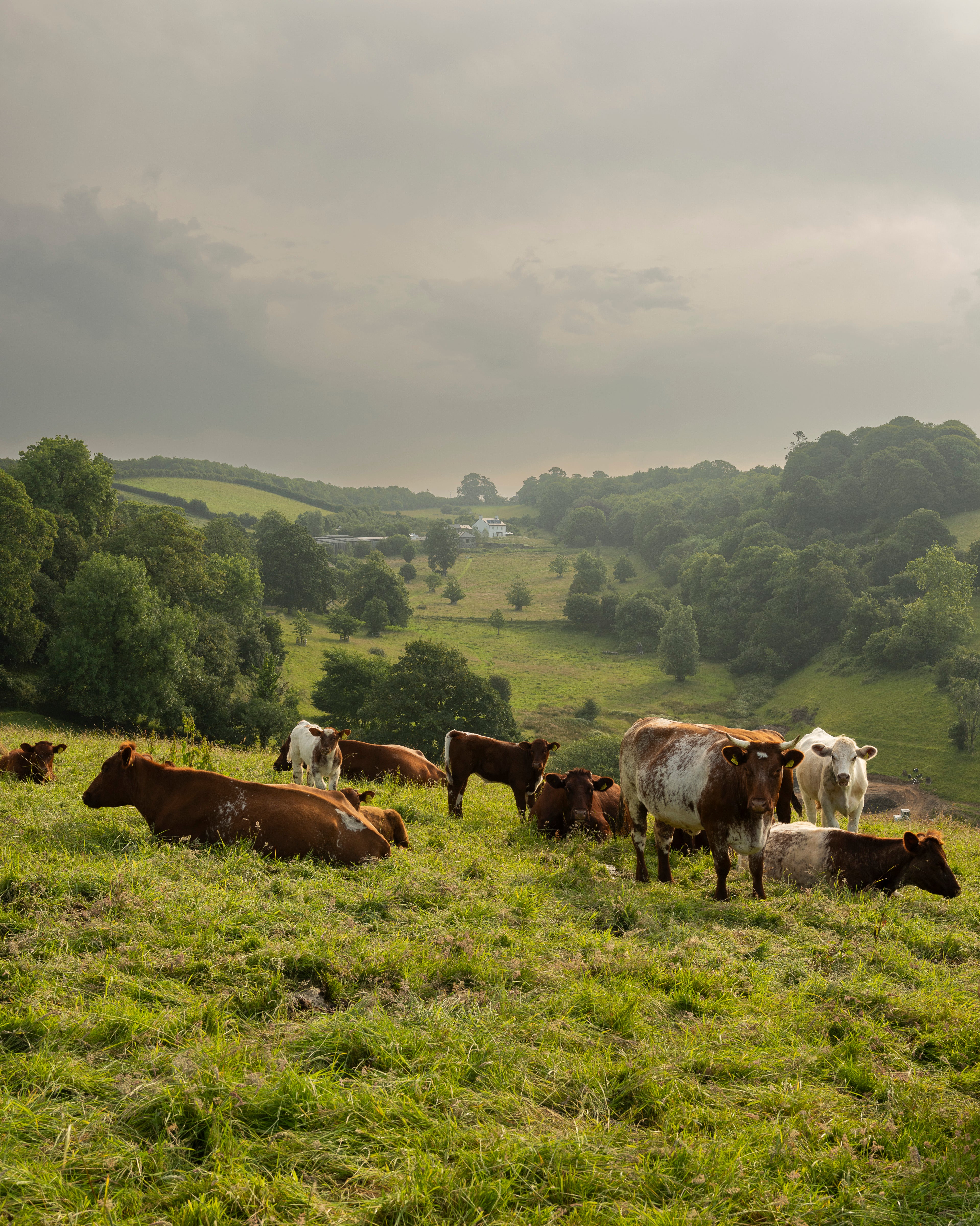
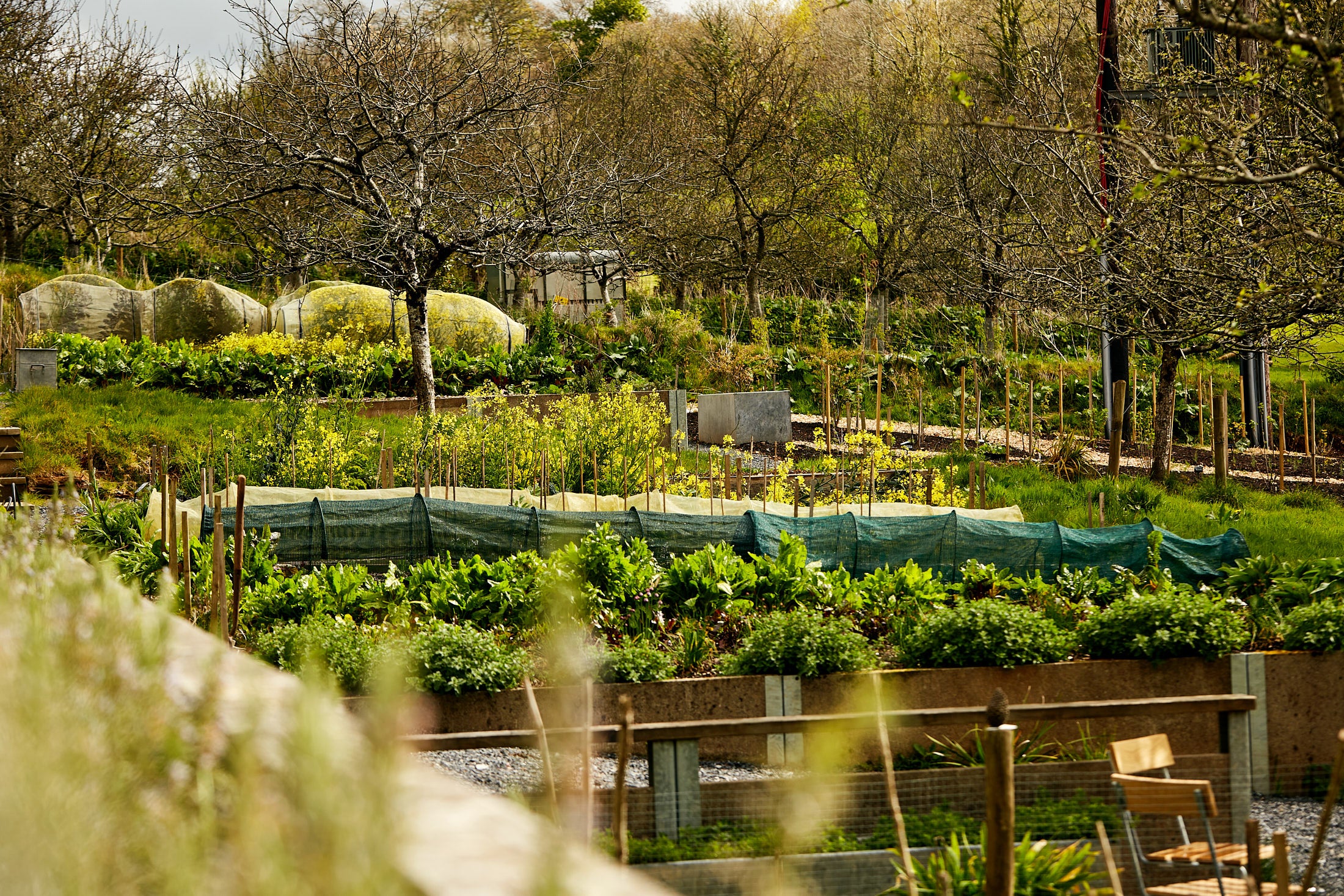
Slow-grown cattle and rare-breed sheep, goats and pigs graze herbal leys and root happily under trees; vegetables and flowers are grown using no-dig methods in rich compost beds. Everything is guided by a simple principle to leave the land in a better state than it was found.
It’s an ethos that applies to every aspect of your stay. “We want Fowlescombe to be regenerative for our guests, too,” says Caitlin, “so they leave here having slept and eaten very well and having spent plenty of time outside. It’s a chance to slow down, enjoy local and seasonal food, and connect with nature.
“Indulgence tends to imply excess, but Fowlescombe is not excessive. It’s a different kind of luxury here.”
A landscape with depth
Today, Fowlescombe sits in an 450-acre picture-postcard landscape which has been managed organically for the past two decades. There’s a stillness that welcomes you from the moment you arrive – not the manicured quiet of a spa, but something older that nods to the estate’s history stretching back to 1537.
Indeed, the Fowell family who originally presided over the estate and one point owned most of the southern half of Dartmoor, operated from the old manor house, just downhill from where guests at Fowlescombe stay.
“Rumour has it, the manor house is actually the inspiration for the Hound of the Baskervilles,” explains Caitlin. “Conan-Doyle stayed there before the building eventually burned down in the early 20th century. Perhaps he, too, had heard the story about how the old kennel master here kept the dogs hungry so they would hunt more keenly, until one day he was devoured by them when he forgot to wear the coat the dogs were familiar with.
Food: as fresh and local as it gets
Mealtimes at Fowlescombe are an experience in themselves. There’s no formal dining room, no printed menu – just a table, often set outdoors in good weather, and food that reflects the land it came from.
“It’s generous, informal, shared,” Caitlin explains. “There’s always enough – it’s abundant. But it’s not fussy.”

Lunch might be slow-cooked pork, garden squash roasted with rosemary, and homemade flatbreads. Dinner could be beef from the next field, braised over several hours, with foraged greens or a tart of orchard fruit.
Everything has a story. The ingredients are local, seasonal, often grown metres away. The bread might be made with flour from a nearby mill. The eggs, still warm that morning.
“We had one guest who said it felt like being at a long family lunch, where no one is rushing,” Caitlin recalls. “That’s exactly what we’re after.”
Meals are eaten together, and guests are encouraged to treat the kitchen as their own – top up a glass, ask for seconds, chat with the chef. It’s relaxed, but deliberate. Hospitality in its truest sense.
A home away from home
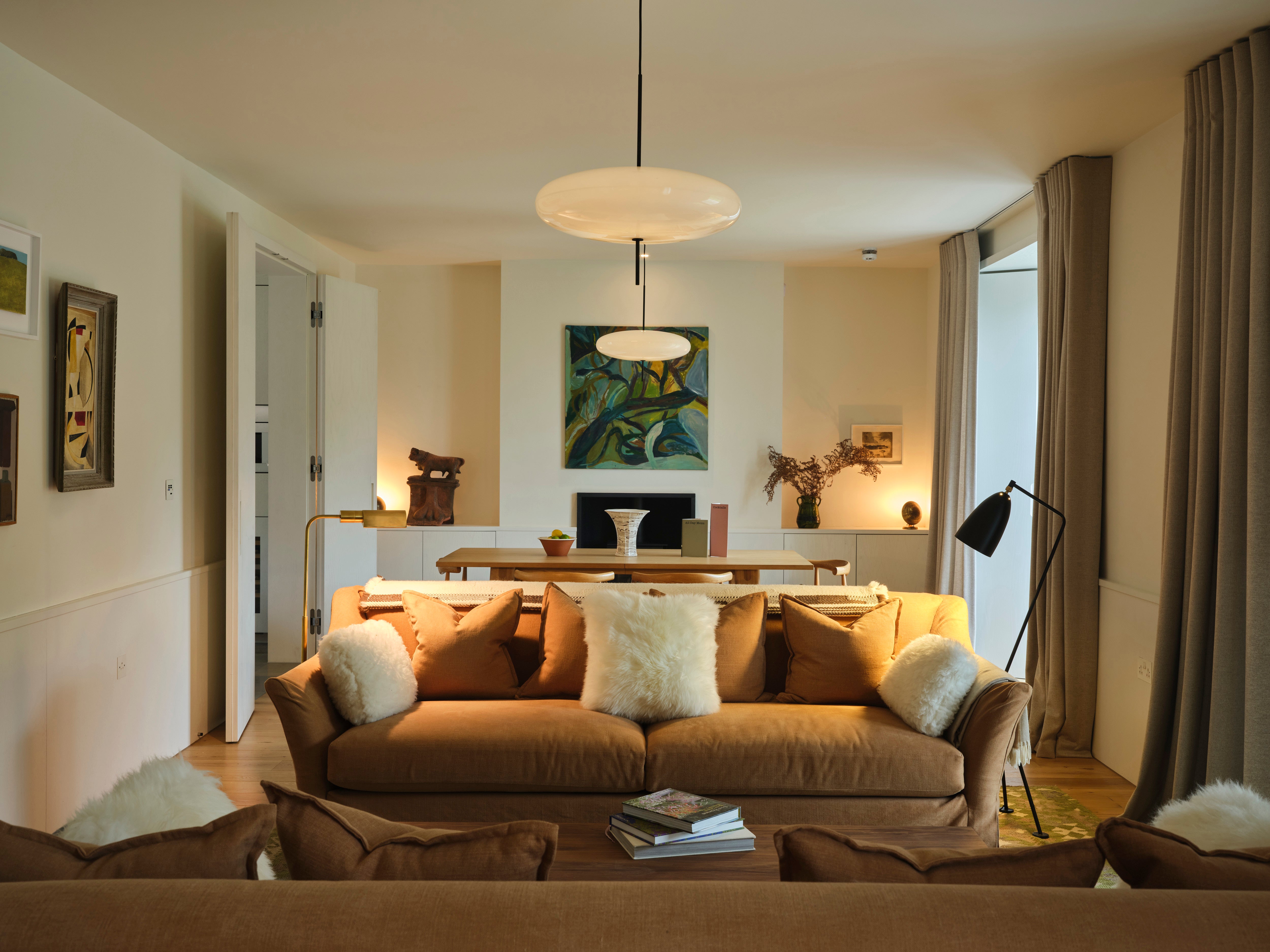
There are 10 suites at Fowlescombe. Some elements thread their way through each and every one – the soft linen, oak and wool, the heavy curtains, the super-king bed, and the windows that open to birdsong – but otherwise they are distinct in character.
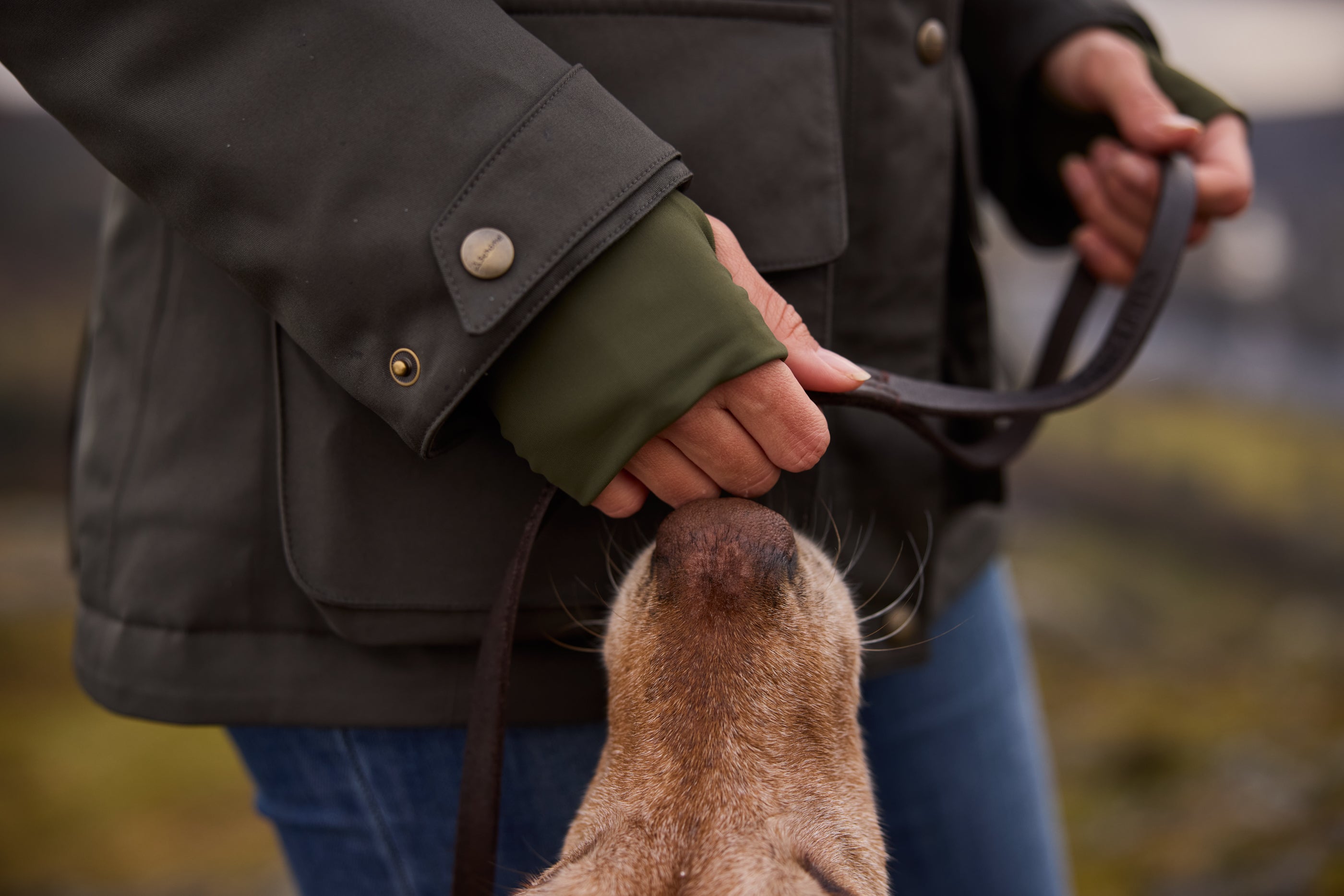
Dogs are welcome. Muddy boots are expected. “We’ve tried to make it beautiful, but also practical,” Caitlin says. “You shouldn’t feel like you’re tiptoeing around.”
Fowlescombe isn’t about busy itineraries. There’s no set schedule or activities. The land is the invitation, and guests respond in their own ways – with the help of the staff’s excellent local knowledge.
“We want to help connect people further to a Devon they might not otherwise see. We know of the most picturesque places to go horse riding, or foraging, for example. Or how to access the nearby Millbrook Inn pub by water at high tide – we call it ‘paddle to the pub’. Our local knowledge helps guests make the most of their time here.”
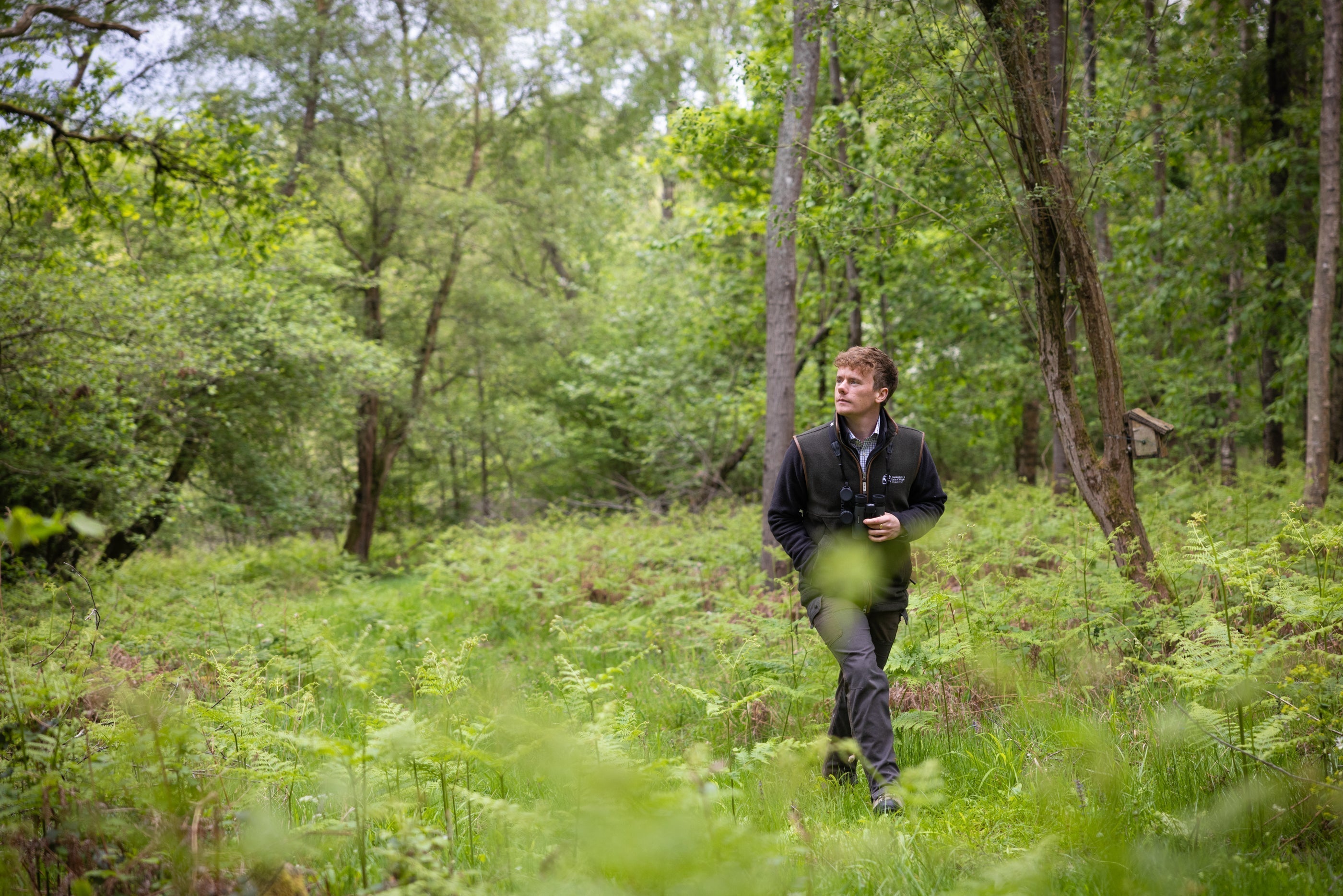
You might explore the woodland trails, stop by the market garden, or lie in the grass doing nothing at all. There are guided farm walks for those who want them, or time spent harvesting vegetables with the gardeners or a wild swim in the stream.
The hope, I gather, is that people arrive tired and leave rested. Not in the spa sense, but in the deeper way – that comes from being in tune with something bigger than yourself.
The retreat that stands apart
In a world full of curated getaways, Fowlescombe stands apart. There’s no Wi-Fi in the fields. No polished packages. What it offers is simpler – and rarer. The chance to eat well, move slowly, and feel at home in a place that has existed long before you arrived and will carry on long after.

There’s luxury in the details — the bedding, the food, the setting — but it’s the emotional generosity that stays with you.
“We’re not trying to impress people,” Caitlin says. “We just want them to feel welcome, looked after, and part of something real.”
And real it is. The mud is real. The weather changes. The sheep bleat at odd hours. But that’s the point.
You’re not escaping life here — you’re stepping more fully into it.
 Harvest, drought, and a new venture | Farming the Seasons with Tom YoungsRead postField Notes9 min read
 Fleece jacket vs quarter zip vs gilet: Which layer should you choose?Read postStyle Guide12 min read