From field to food bank | Tackling food poverty with wild venison
The Country Food Trust is on a mission to tackle food poverty using wild venison from the British countryside – a commendable use for what is arguably the most sustainable meat there is. We were keen to learn more...
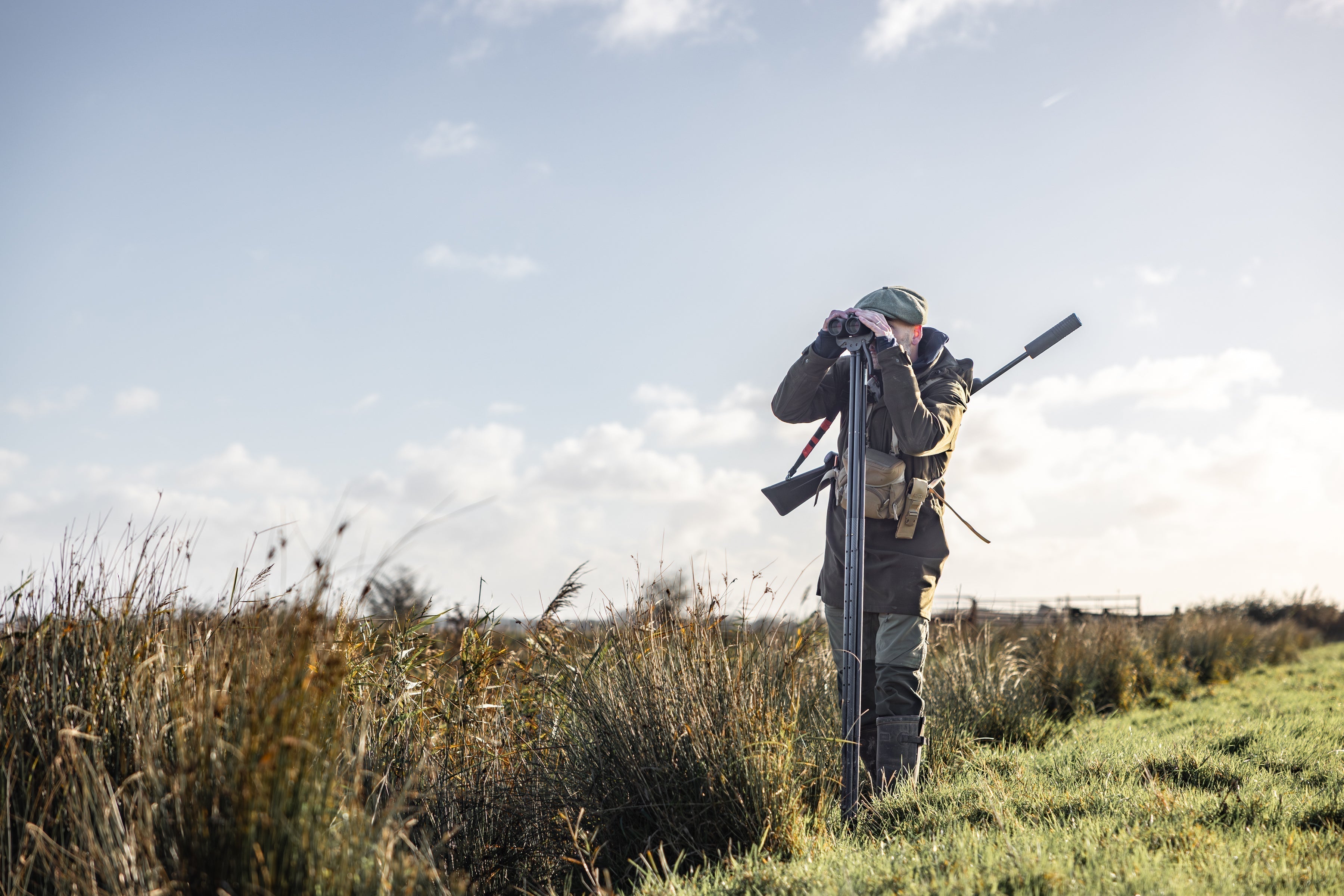
Britain’s wild deer require thoughtful management. And, as a product of that management, comes arguably the most sustainable meat going – wild venison.
But what to do with it? Demand seems to be rising from pubs and restaurants. Consumer interest in ‘seasonal’, ‘local’ and ‘wild’ grows with greater awareness. And yet, in some areas and at certain times of year, deer managers still struggle to find a reliable outlet for their wares.
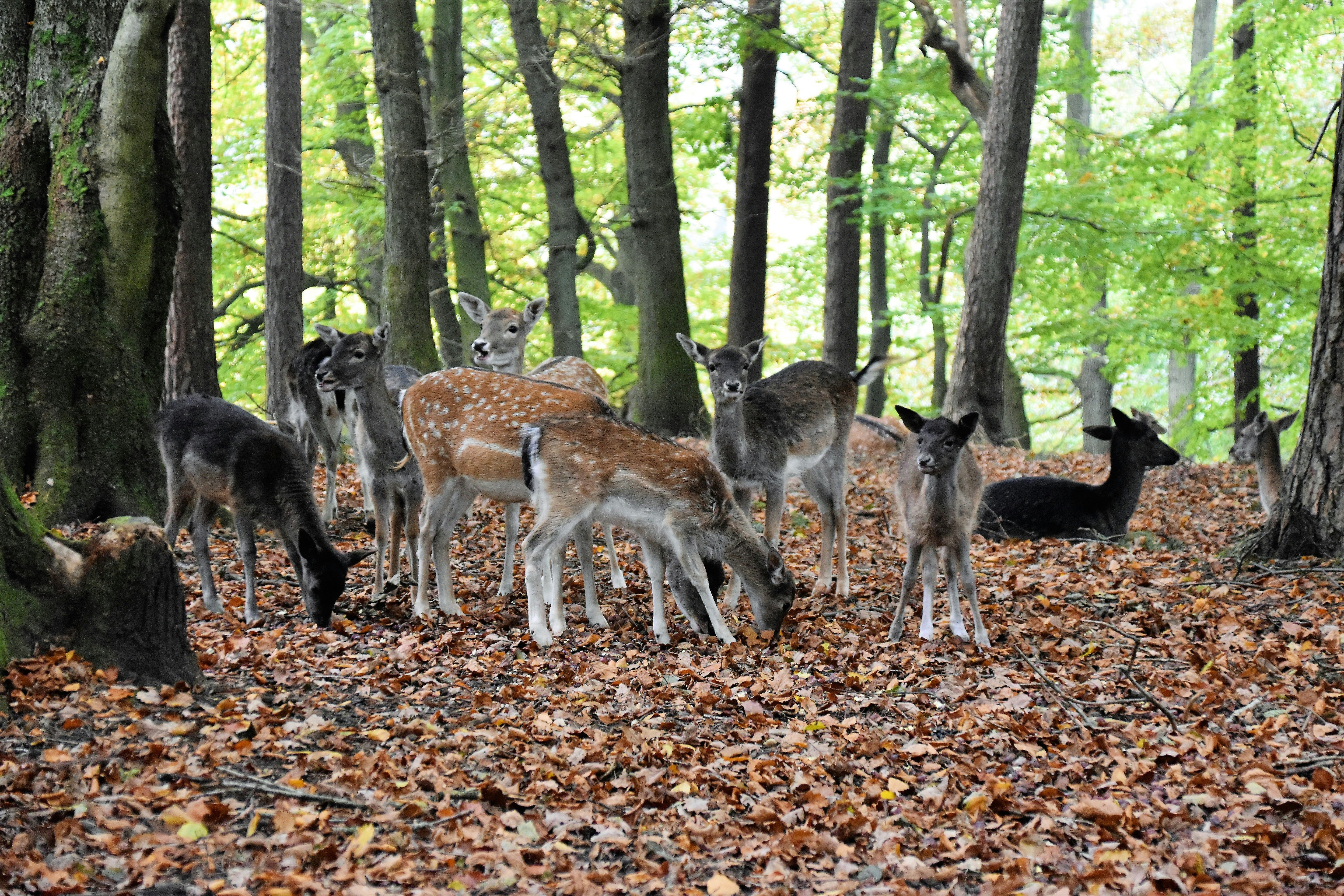
Game dealer prices to the deer manager are no longer the incentive they once were. For the smaller species like muntjac and Chinese water deer in particular, they are often not a viable outlet.
The Country Food Trust is another option – a commendable alternative that sees the wild meat put to very good use indeed. For the last decade, the charity has produced more than 6.5 million meals using game and venison – in both raw mince form and ambient pouches. Just let that sink in for a moment...
What is the Country Food Trust?
A UK-based charity that provides nutritious food to communities facing food insecurity, the Country Food Trust works with shoots, deer managers, estates, game dealers and food hubs to transform meat from the countryside into meals for people in need.
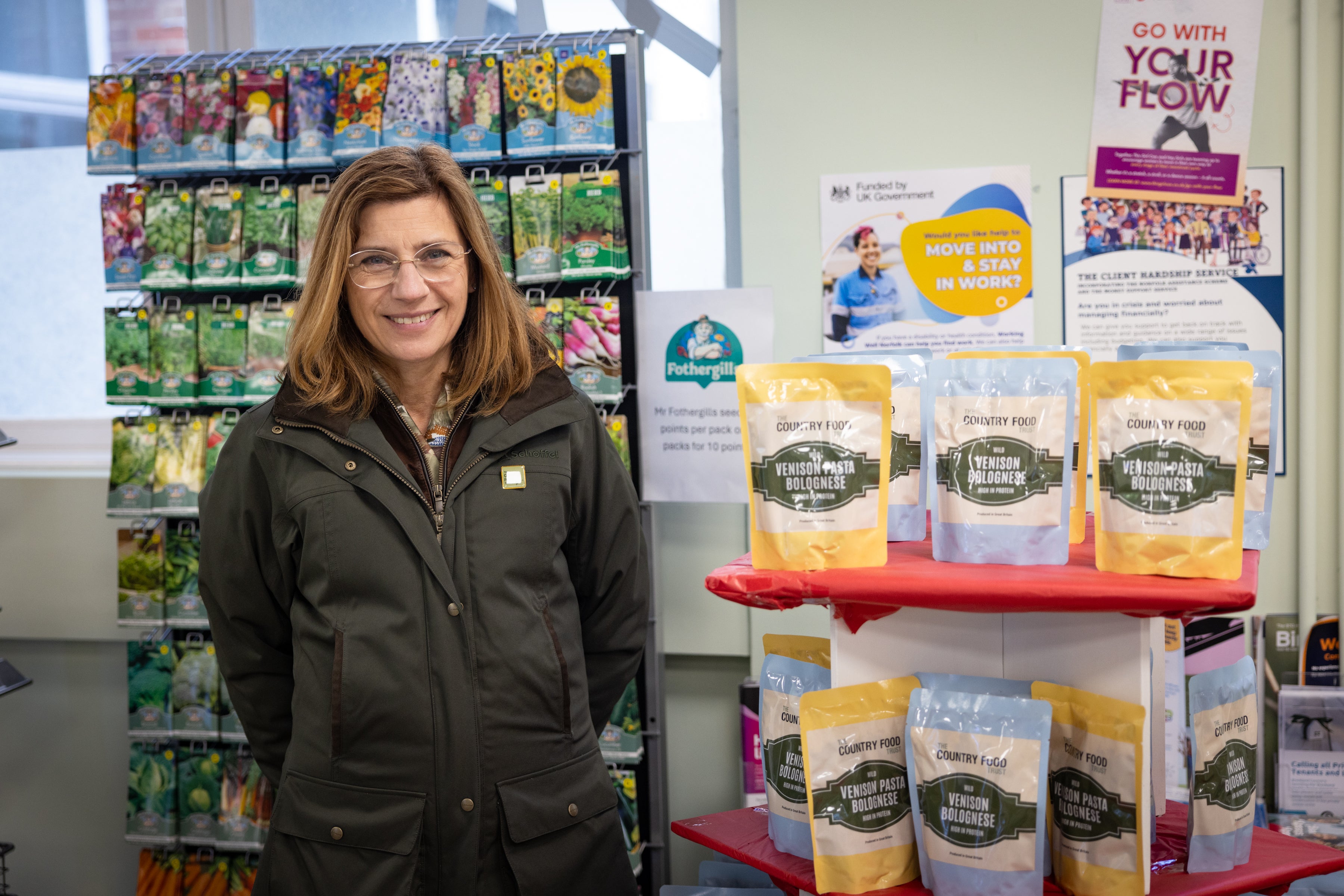
Born in 2015, initially with a focus on using pheasant and partridge, the Trust now works with more than 1,500 community kitchens, food banks and homeless shelters across the country. “Protein is the most important food group for human health,” explained CEO SJ Hunt when we met her at the Charles Burrell Centre in Thetford. “Yet, as the most expensive, it’s the first that is dropped by people suffering food insecurity.
“There are now more food banks across the country than there are McDonald’s. There are 7.3 million people suffering food insecurity. And we want to address that.”
On the Wild Venison Project, SJ talks passionately. “The reason we got into deer management projects was not only to procure the wonderful meat and help local communities, but because we could see the ecological impacts of high deer densities in some areas of the countryside.
“Deer are wonderful, beautiful animals, but they need to be managed. The resulting venison is very healthy and nutrient-dense, and we’re putting that to great use nationwide.”
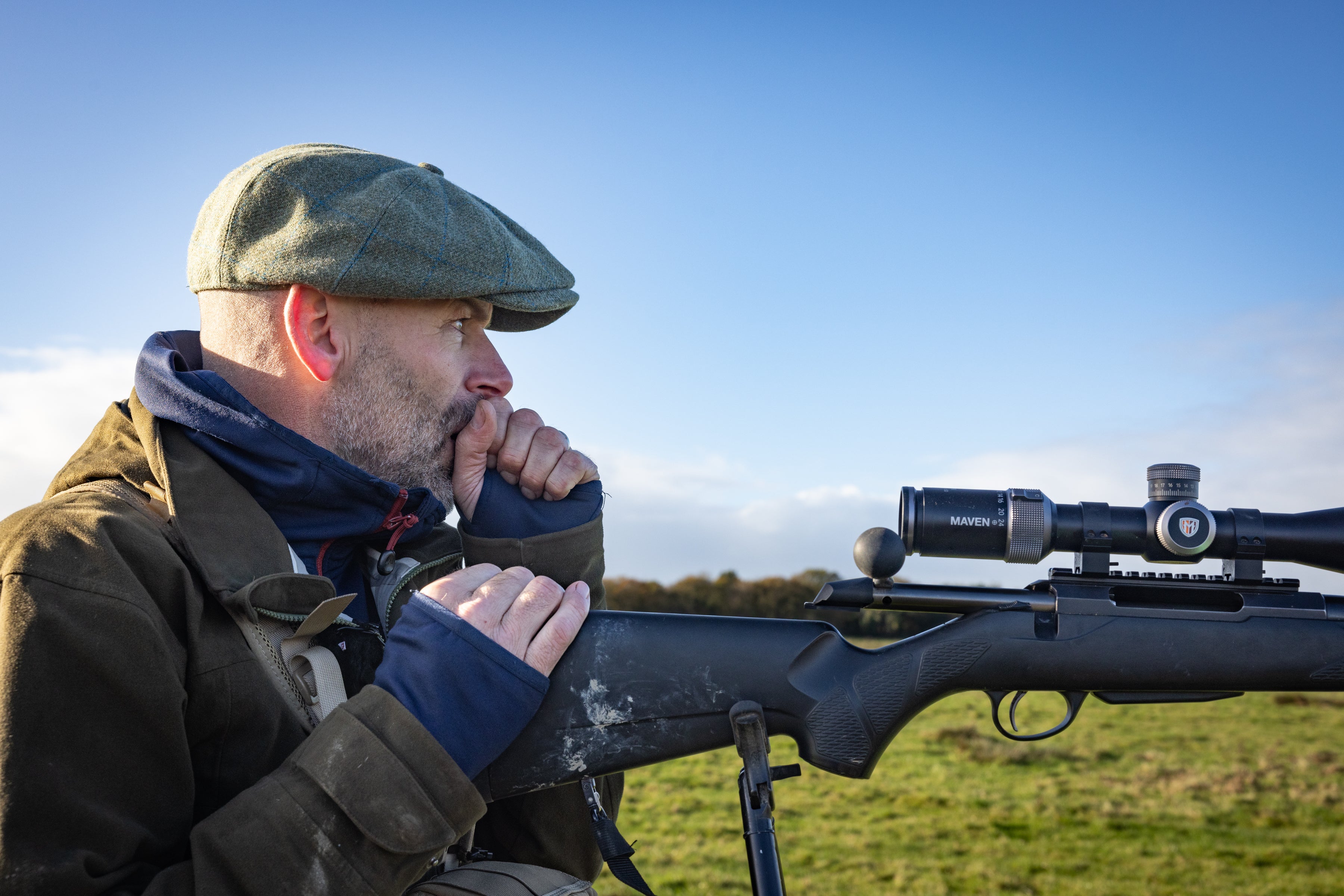
Why do wild deer need to be managed?
With few natural predators in the UK, wild deer populations need to be kept in balance with their environment by humans.
Deer management is nuanced. Ecological, social and economic factors all play a part and demand an approach that is tailored to the specific area, species and circumstances.
High densities of deer can translate to damage of food crops, woodland and other sensitive habitats. As with many animals, high populations are also conducive to shortages of food and disease. Road traffic accidents are also of real concern in some areas, with the toll of deer involved each year in road traffic accidents on our roads estimated to lie between 42,000 and 72,000.
Objectives and approaches to deer management vary from one farm or estate to the next, depending on other business interests, the nature of activity on adjacent land, and species present. Three of the six species resident in the UK – muntjac, Chinese water deer, and sika – are non-native and considered ‘invasive’.
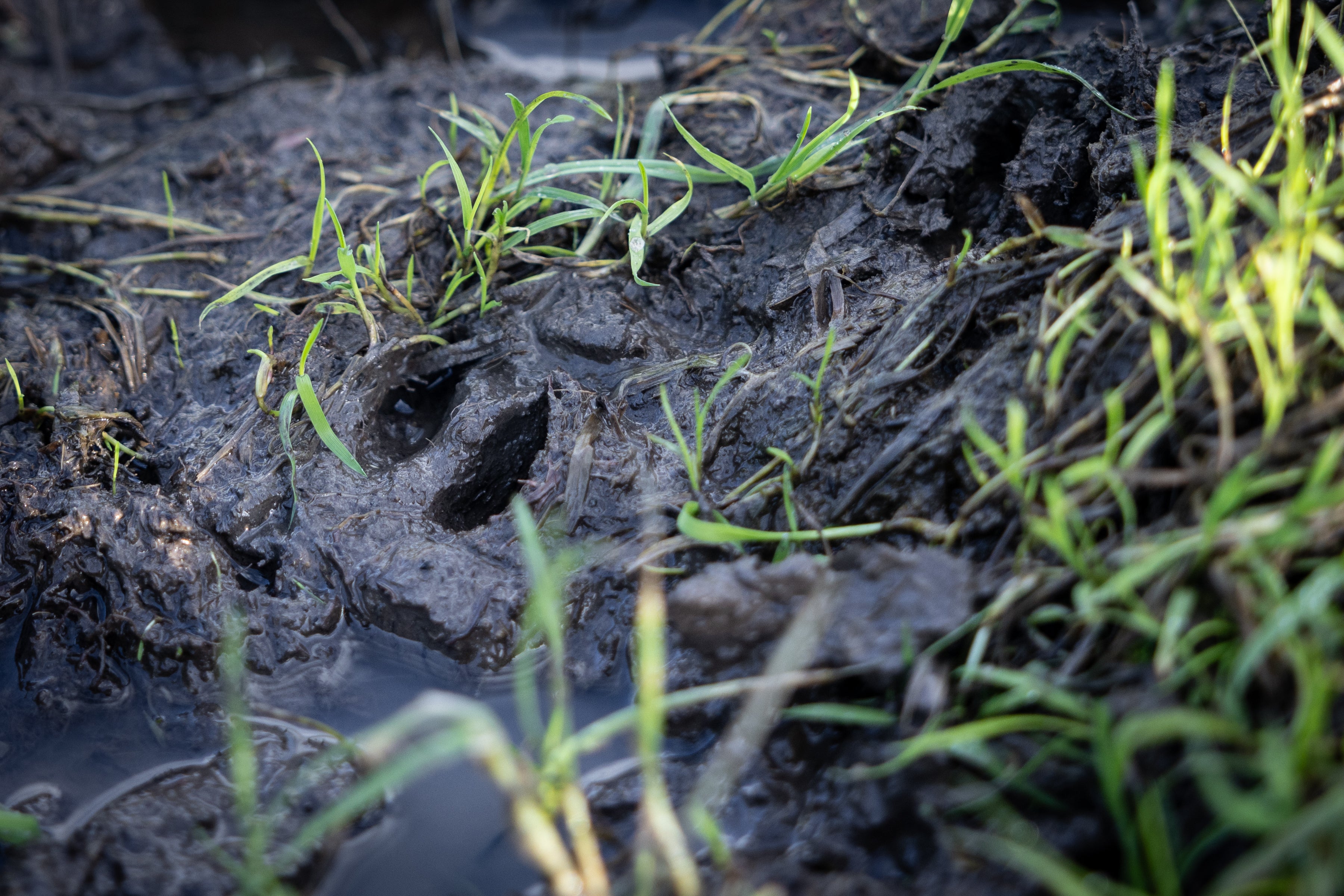
Many rightly see deer, particularly our native species of roe and red deer, as an asset – important ecosystem engineers. But few would dispute that their numbers need to be carefully managed for the good of all, including the deer.
How can I get involved with the Country Food Trust
There are lots of ways to get involved with the Country Food Trust, whether you’re an individual, a landowner, a gamekeeper or a business.
If you have surplus wild meat, please get in touch with the Trust, who will ensure it is donated locally. Some deer managers and estate teams also support the Trust by registering as regular suppliers; if you’re interested, you can contact the Trust directly through the details on its website: www.thecountryfoodtrust.org
Businesses can support the Trust through financial donations, fundraising events, or by offering subsidised processing and storage. Pubs, restaurants and butchers can help by hosting collection drives, contributing plate proceeds from a special menu night, or becoming long-term partners that champion the Trust’s work to customers.
“We’re always asking people to let us know where their local food bank is, too, so we can help them,” added SJ. “Very often, the only meats available are those that the Country Food Trust provides...”
Watch our film and learn more
On our journey to learn more about the work of the Country Food Trust, we visited Adam Gage on the Raveningham Estate in Norfolk. “With the conservation work we do, and the predator management, Chinese water deer numbers have rocketed here,” he said, “so we had to start looking at ways that we could use the end product of this management – the venison. That’s when we heard about the Country Food Trust.”
A short drive away, Nicola Welham, centre manager at the Charles Burrell Centre in Thetford, spoke of the demand for protein-rich meals such as the Trust’s venison pasta bolognese, pheasant curry, or venison bolognese, which line the shelves of the food hub she oversees. “When we have residents who are choosing between heating and eating, especially in the colder months, something like this is so vital. It’s so easy to prepare, it’s ready-made, and it’s a cheap and effective way to get some great, nourishing food.”
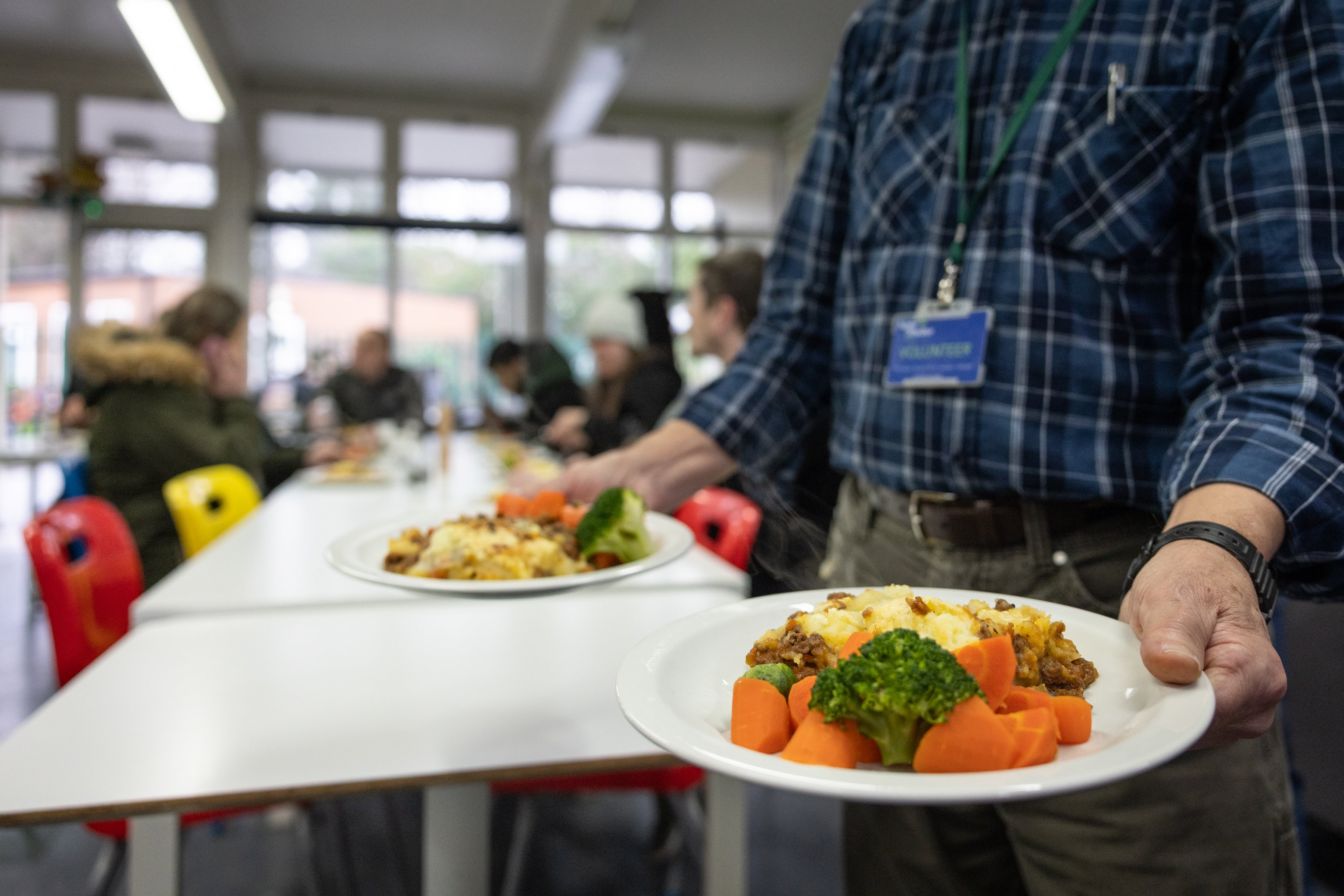
Finally, we visited the Haven Day Shelter in Swindon where some of the raw mince, processed at nearby Oakland Park wild game processing plant, is being turned into a shepherd’s pie for a couple of dozen homeless and vulnerable individuals. “It’s really important that we can serve hot, nutritious meals,” said centre manager Dawn Prosser. “The people who come here really appreciate it. A high-protein, balanced meal goes a long way.”
To learn more about the Country Food Trust, visit