What’s next for the Hawkstone Farmers Choir?
Just over a year after forming through a project backed by Jeremy Clarkson, the Hawkstone Farmers Choir has made television history as the first choir ever to win Britain’s Got Talent. So, what’s next?
Just over a year ago, a simple Facebook advert asked a straightforward question: “Are you a farmer who can sing?” Few could have predicted that the answer would lead to such a remarkable journey on British television.
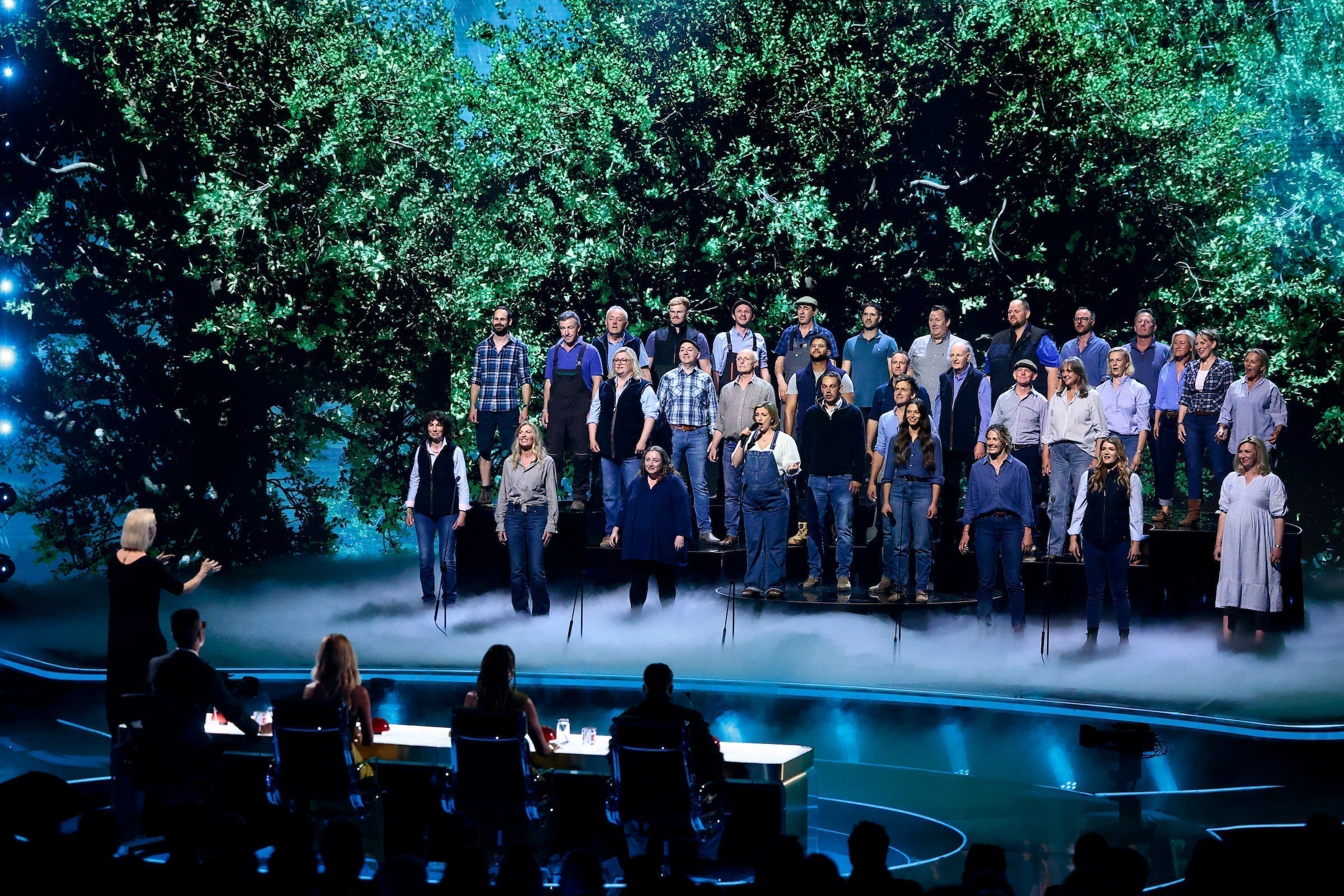
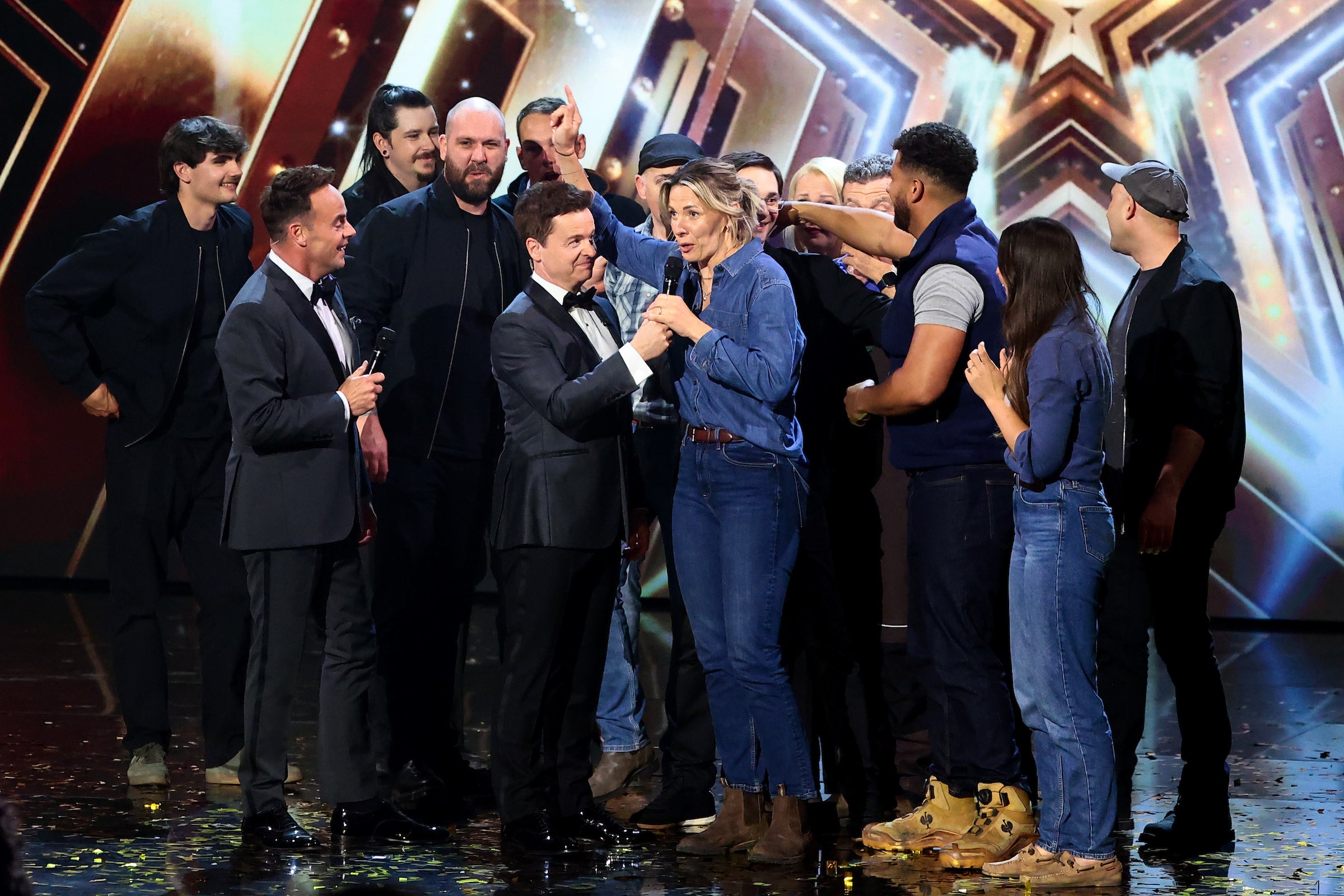
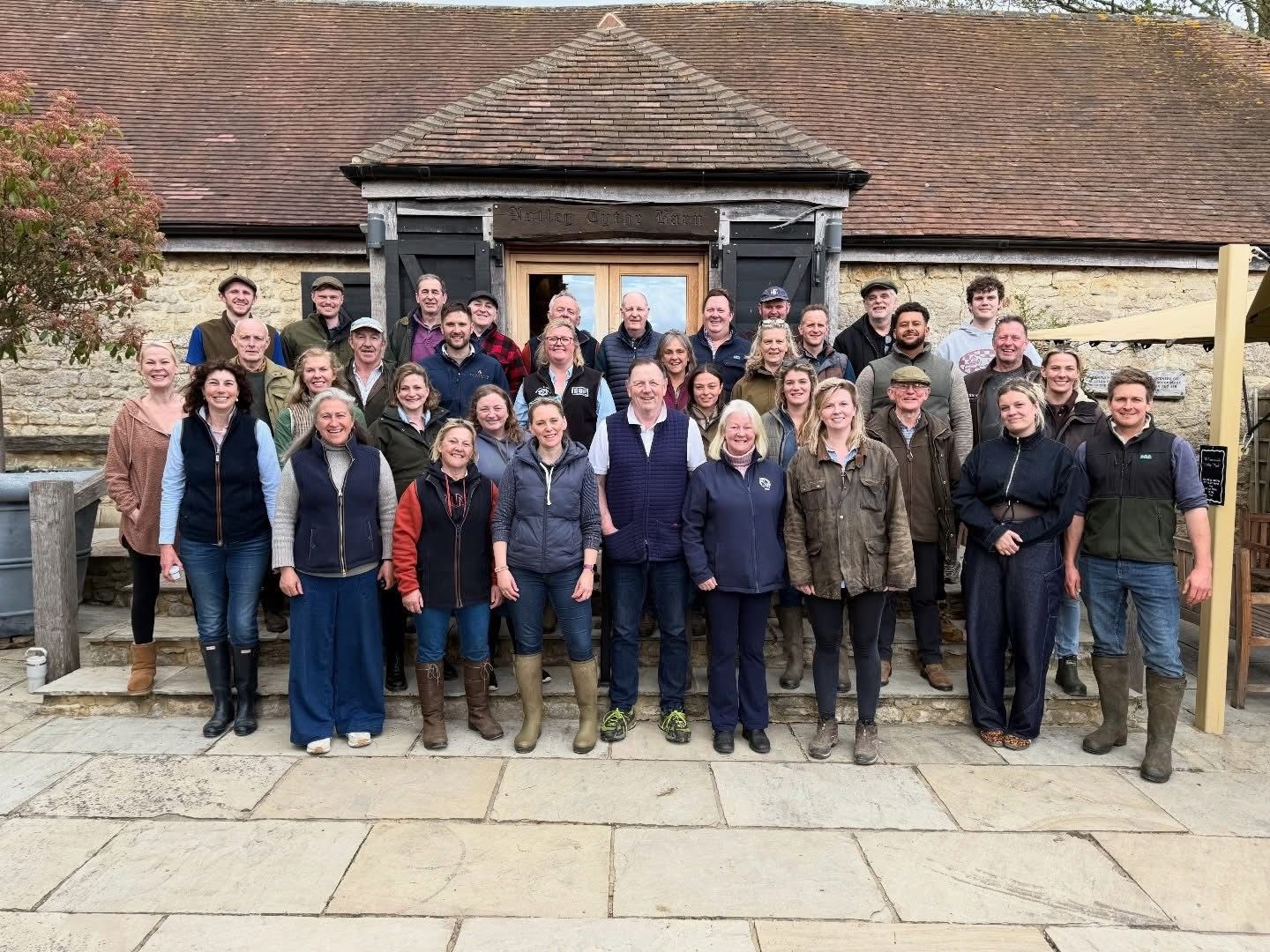
On Saturday 30 May, the Hawkstone Farmers Choir achieved what no choir had ever done before, becoming the first choir in the history of Britain’s Got Talent to win the competition. In front of millions of viewers, the 33-strong group of farmers and agricultural professionals delivered a moving performance of their original song, This Is Home, to earn the 2026 title, a £250,000 prize and a coveted place at the Royal Variety Performance.

For those who have followed the choir’s journey from the beginning, that moment felt like far more than a TV breakthrough. It was a victory for British farming, rural communities and the people who work tirelessly behind the scenes to feed the nation.
A choir born from the countryside
The story of the Hawkstone Farmers Choir began with Jeremy Clarkson’s Hawkstone brand and a recording project designed to celebrate British farming and the increasingly popular drinks brand.
What started as a one-day initiative at Clarkson’s pub, The Farmer’s Dog, quickly evolved into something much bigger, as we learned in our interview earlier this spring about how the choir came to be.
Bringing together farmers from across the country, the initiative united people from all corners of the agricultural sector. Dairy farmers, arable growers, livestock producers and rural professionals found themselves standing shoulder to shoulder, connected by a shared love of the countryside and a common understanding of the challenges facing modern farming.
Among the members are people who spend their days milking cows before dawn, checking crops in difficult weather conditions or managing livestock through long and often unpredictable seasons. Others work behind the scenes in agricultural support roles, helping keep the industry moving.
The result was a choir unlike any other. Authentic, relatable and refreshingly unpolished, the group quickly captured attention not because they were professional performers, but because they represented something genuine.
As choir director Lizzie Deane said, they are simply “down-to-earth grafters singing from the gut”. That authenticity would become their greatest strength.
Raising awareness of mental health issues in farming
Throughout their Britain’s Got Talent journey, the Hawkstone Farmers Choir consistently stood apart from the competition.
While many acts relied on spectacle, choreography or technical showmanship, the farmers brought something different to the stage: honesty, and a greater cause – the choir was, indeed, formed with a mission to raise awareness for mental health and suicide prevention within the farming community, where isolation and financial pressures often take their toll.
Their performances celebrated the realities of rural life, the importance of community and the resilience that defines British agriculture. And audiences connected with that from the outset.
The group’s audition earned Amanda Holden’s golden buzzer, sending them directly through to the live shows and instantly establishing them as one of the competition’s most talked-about acts. As the weeks progressed, support continued to grow. Social media channels filled with messages from farmers, rural businesses and viewers who recognised something of their own experiences in the choir’s performances. For many, it felt like the countryside finally had a voice on one of the nation’s biggest stages.
What song did the Hawkstone Farmers Choir sing in the final?
For their deciding performance, the Hawkstone Farmers Choir took an unusual and courageous approach. Rather than performing a well-known cover version, they chose to sing an original composition.
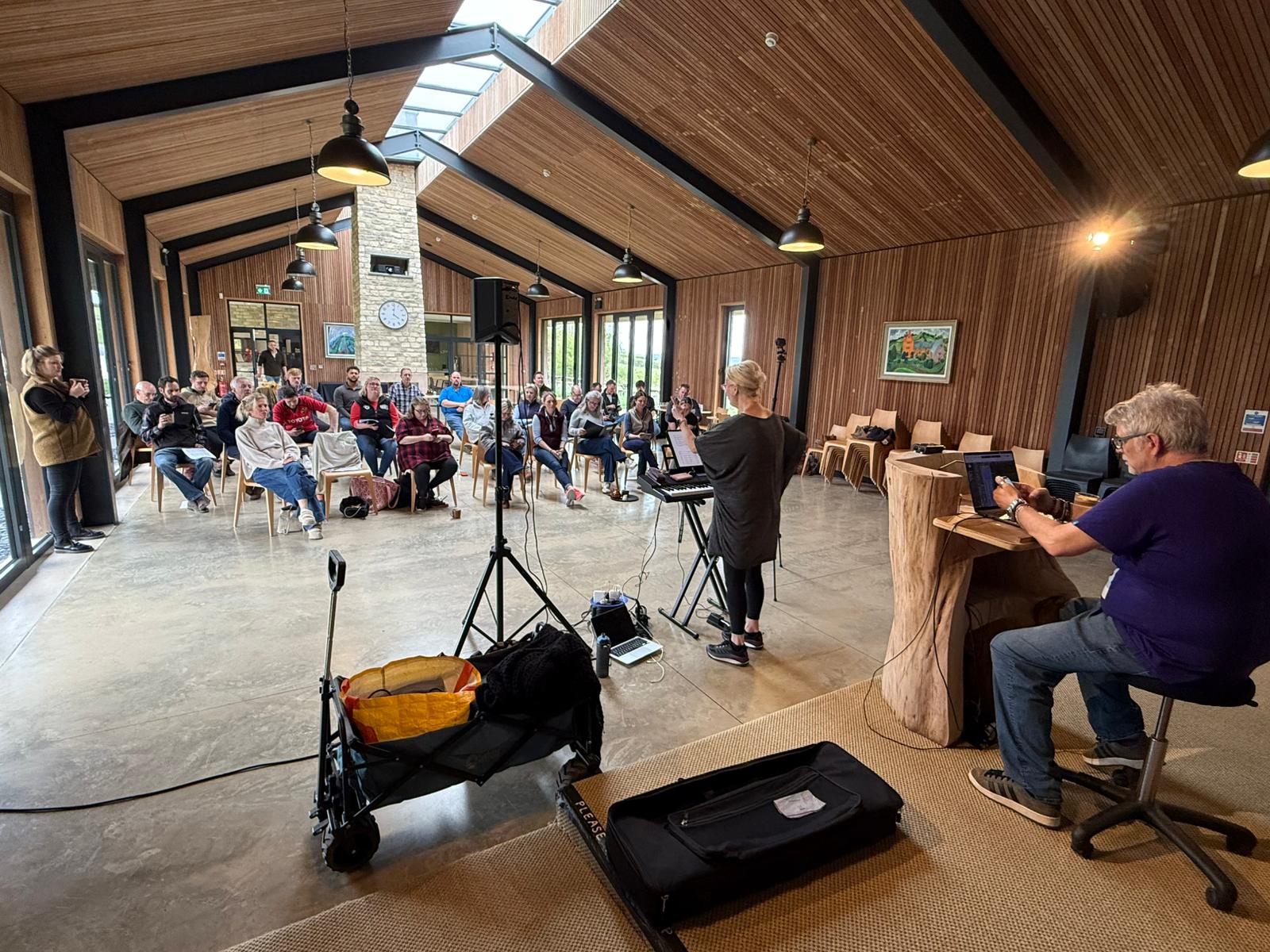
Written specifically for the choir by musical director Simon Gwilliam, ‘This Is Home’ was created as a tribute to the farming community and the landscapes that shape rural life.
In a competition where familiar songs often provide a safer route to success, performing an original piece in the final was a bold move. But it proved to be exactly the right one.
The song’s message resonated deeply with viewers, celebrating not only the beauty of the countryside but also the determination required to make a living from it.
For anyone who has worked in agriculture, the lyrics reflected a familiar reality: early starts, long days, uncertain conditions and an unwavering commitment to the land.
As the final notes echoed around the auditorium, the response was immediate. The judges rose to their feet.
Simon Cowell described the performance as “absolutely stunning”, while Amanda Holden said she “couldn’t be prouder” of the group she had backed from the beginning. Judge Alesha Dixon praised the choir’s warmth and sincerity, and KSI encouraged them to release their music on Spotify.
The response from the audience was equally enthusiastic. Social media was alive with messages of support and celebration from the farming community.
More than a talent show
While winning Britain’s Got Talent is a remarkable achievement in itself, the choir has always been driven by a purpose that extends far beyond entertainment. From the beginning, the group has used its growing platform to raise awareness of mental health challenges within the farming community.
Agriculture remains one of the most rewarding professions in Britain, but it can also be one of the most isolating. Long hours, financial uncertainty, weather pressures and the demands of running a farm can create significant strain on individuals and families alike. The issue of mental health in farming has received increasing attention in recent years, and the choir has been determined to help continue that conversation.

For choir spokesperson Katryna Shell, the group’s success represents an opportunity to shine a light on challenges that are often hidden from public view. “This isn’t just our win,” she said after the final. “It’s for every farmer, every family and every rural worker who has ever felt alone. We hope this shows that it’s OK to speak up, ask for help and support one another.” It is a message that resonates far beyond the agricultural sector.
The sense of community that exists within farming has always been one of its greatest strengths, and the choir’s journey has demonstrated the power of bringing people together through shared experiences.
In keeping with that mission, the choir has pledged to donate a significant portion of its £250,000 prize money to agricultural mental health charities. That commitment ensures their victory will create a lasting impact long after the television cameras have gone.
A proud moment for British farming
The success of the Hawkstone Farmers Choir arrives at a time when agriculture rarely enjoys positive headlines.
Farmers have faced increasing challenges in recent years, from rising costs and labour shortages to changing regulations and environmental pressures. Against that backdrop, seeing a group of farmers celebrated on a national stage has felt particularly significant.
For many viewers, the choir offered a reminder of the people behind British food production and rural stewardship. They showcased not only the talent that exists within farming communities but also the values that underpin them: hard work, resilience, humour and a willingness to support one another.
The choir’s story has also helped introduce millions of viewers to a more human side of farming. Away from the political debates and industry statistics, audiences were able to connect with real people and real stories. That connection may ultimately prove to be one of the choir’s most important achievements.
What’s next for Hawkstone Farmers Choir?
Winning Britain’s Got Talent no doubt marks the beginning of something exciting for the Hawkstone Farmers Choir.
The immediate focus will be preparations for the Royal Variety Performance, where they will perform in front of the Royal Family as part of one of the UK’s most prestigious entertainment events.
Beyond that, opportunities are likely to arrive quickly. Many have already called for recordings of their music, while rural communities across the country will undoubtedly be eager to see the group perform live.
Yet despite their newfound fame, the choir remains firmly rooted in the farming world. Most members will return to their farms, livestock, crops and day-to-day responsibilities. The cows still need milking. The fields still need checking. The work continues. That, perhaps, is what makes the story so compelling.
These are not professional celebrities or full-time performers. They are farmers who came together to celebrate an industry they love and a community they care deeply about. In doing so, they captured the imagination of the nation, reminding us of something many in the countryside have always known: When rural communities come together, remarkable things can happen.