Keeping chickens – what you need to know
Curious about keeping chickens at home? From choosing the right breeds and setting up a secure coop to daily care, feeding, and health, this beginner-friendly guide covers everything you need to start your own flock.
Chickens are such wonderful additions to the garden. You might start with the idea of fresh eggs or some feathered company, and before long you’ve got a flock full of personalities, routines built around them and a lovely reason to head outside.
Chickens are curious, social, and surprisingly clever. They learn quickly, follow you around, and keep you on your toes with a little mischief along the way.
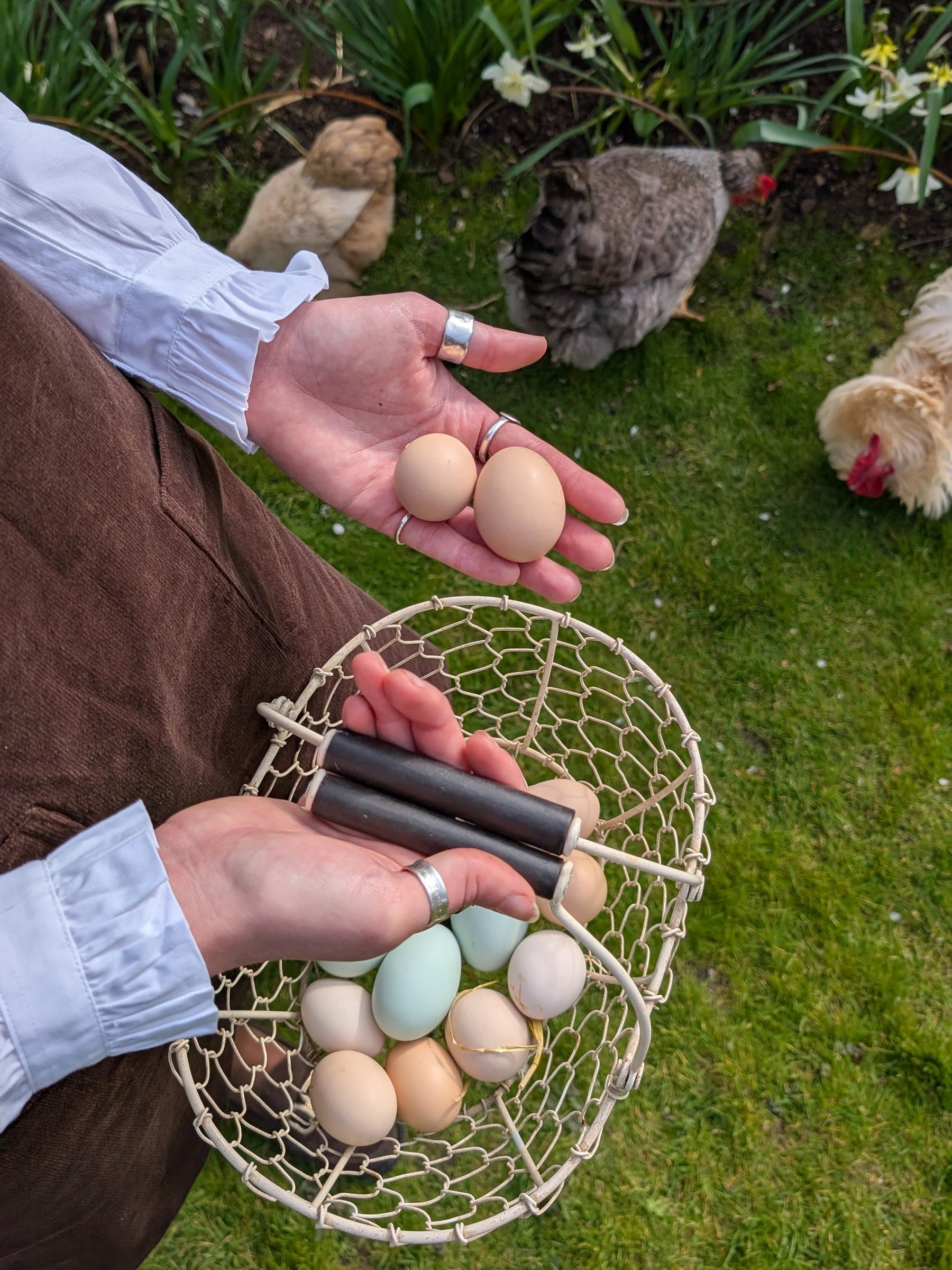
I’ve kept chickens for years now and, as many chicken keepers will say, they’ve become rather addictive (in all the best ways). I started my chicken keeping journey with cream legbars, which lay the most beautiful, blue-shelled eggs. They’re brilliant layers and quite independent, always off doing their own thing around the garden.
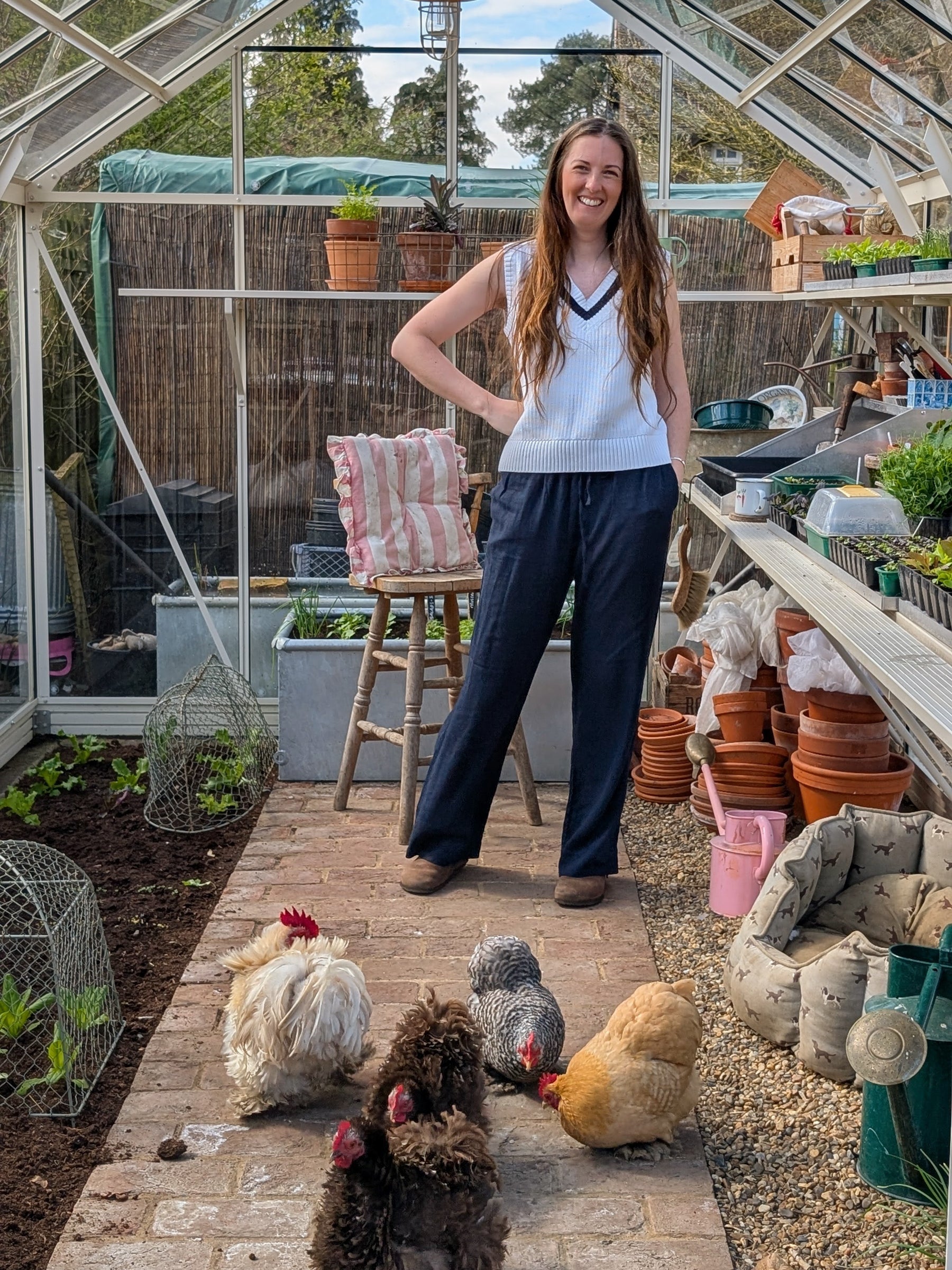
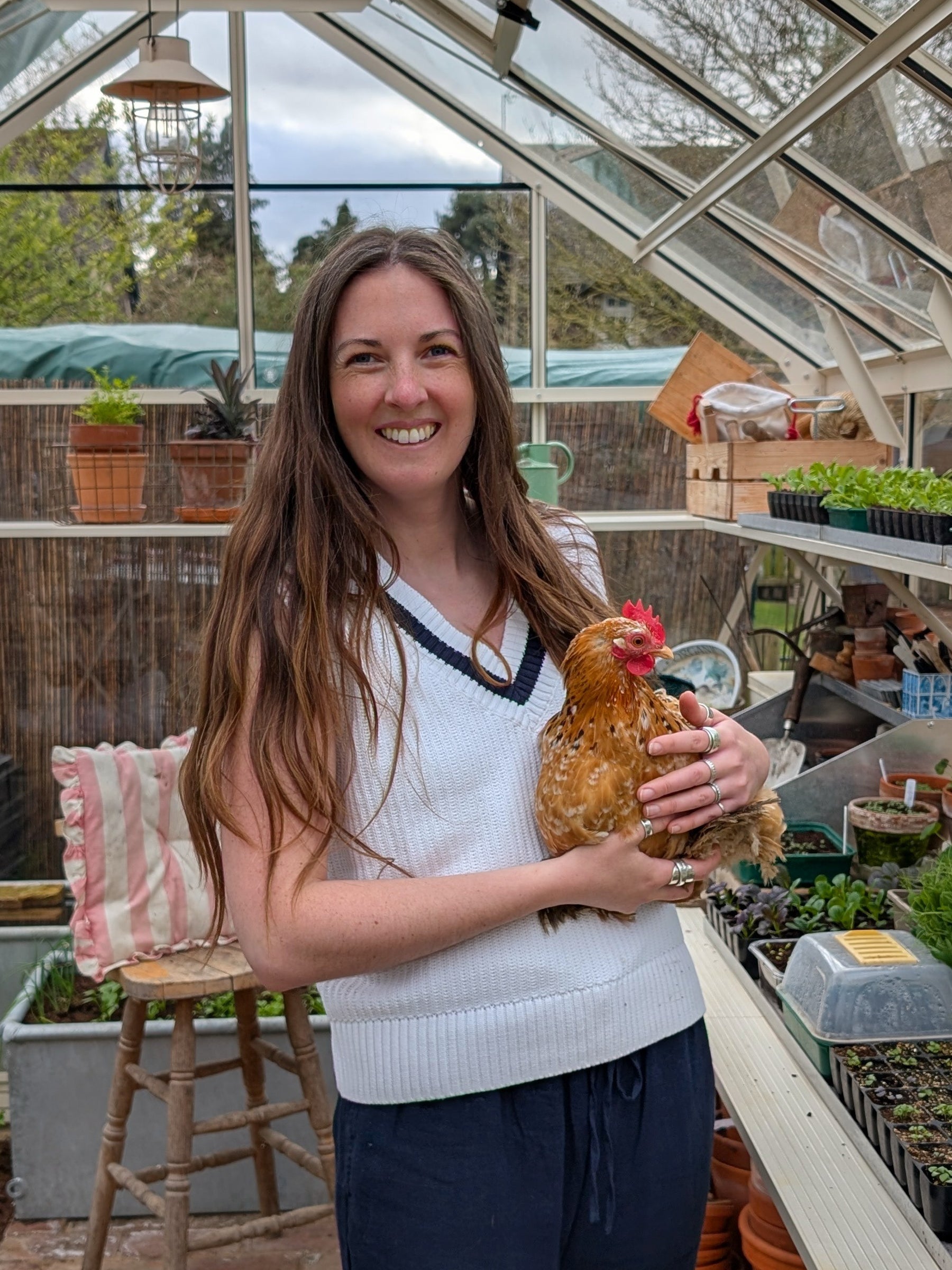
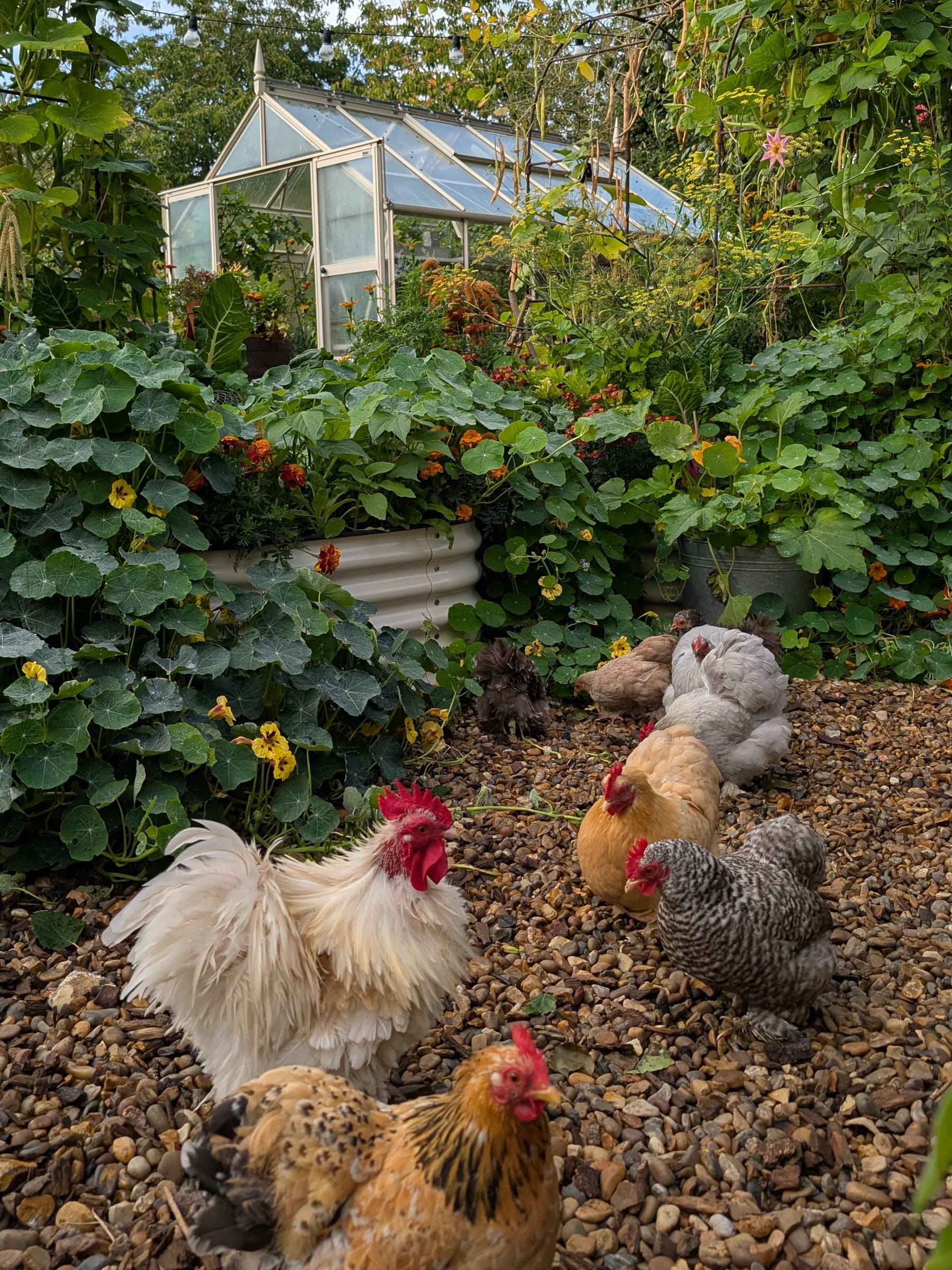
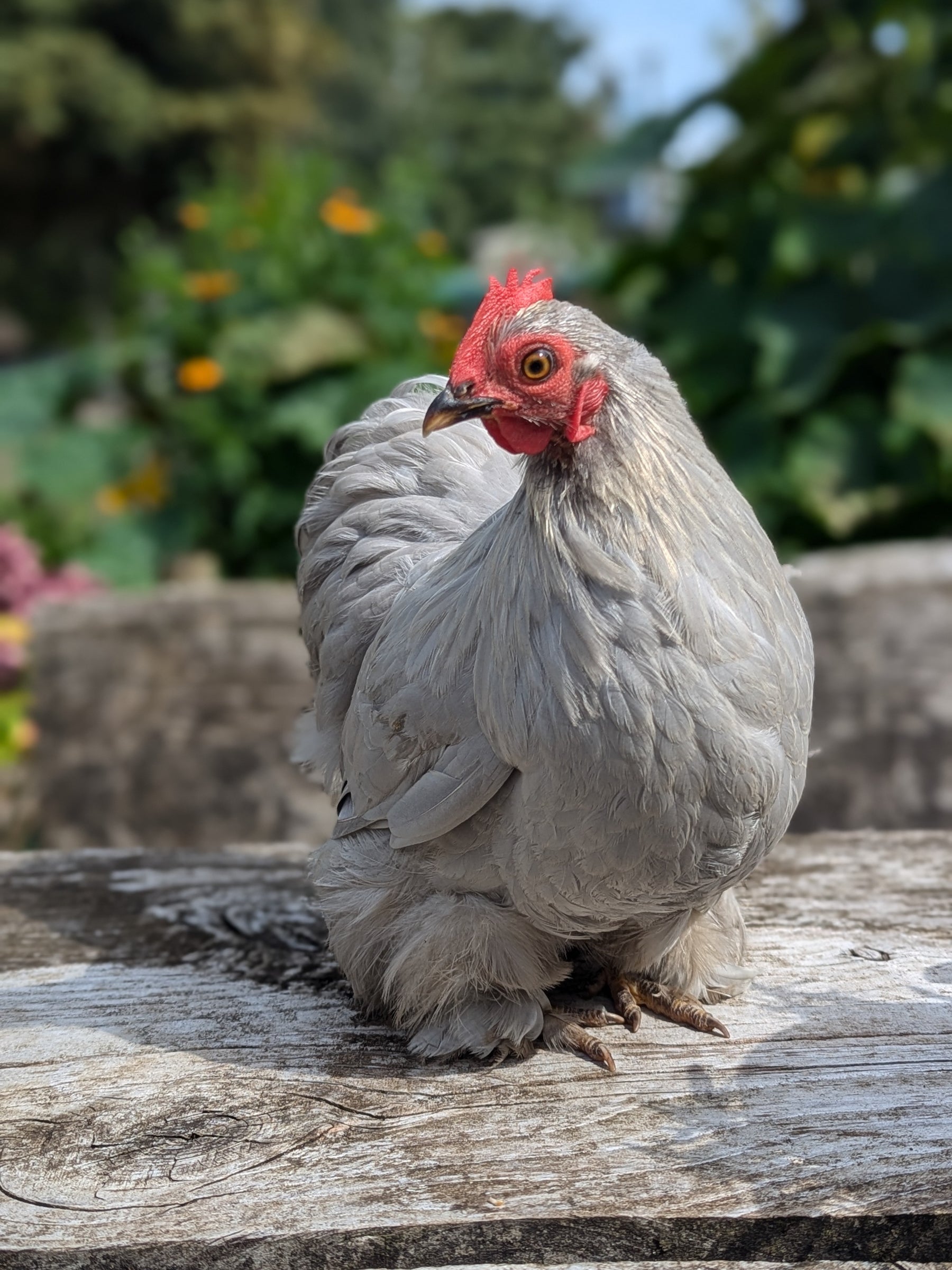
Over time, I’ve found myself drawn more and more to a much smaller breed, Pekin bantams. They’re beautiful chickens, a little more chaotic, and packed full of character. Their size makes them ideal for smaller gardens, but they are bold, and what they lack in stature they make up for in personality. My flock of now 10 make me laugh daily with all of their antics.
If you’re wondering whether you can keep chickens in your garden, it’s worth checking any local restrictions if you’re unsure. And when you’re ready to start your own flock, there are just a few practical things to consider before you begin….
Starting your flock
One of the first things to think about is how many chickens to keep. I always recommend starting with at least three. Chickens are flock animals and rely on that sense of group for comfort and security. It also gives you a bit of resilience. If anything ever happens to one, you’re not left with a single hen on her own.
There are a few practical things to be aware of in the UK. It’s a good idea to register your flock with the Animal & Plant Health Agency (APHA), which helps you stay informed with the latest guidance, particularly around things such as avian flu and any measures you may need to take to keep your flock and other birds safe.
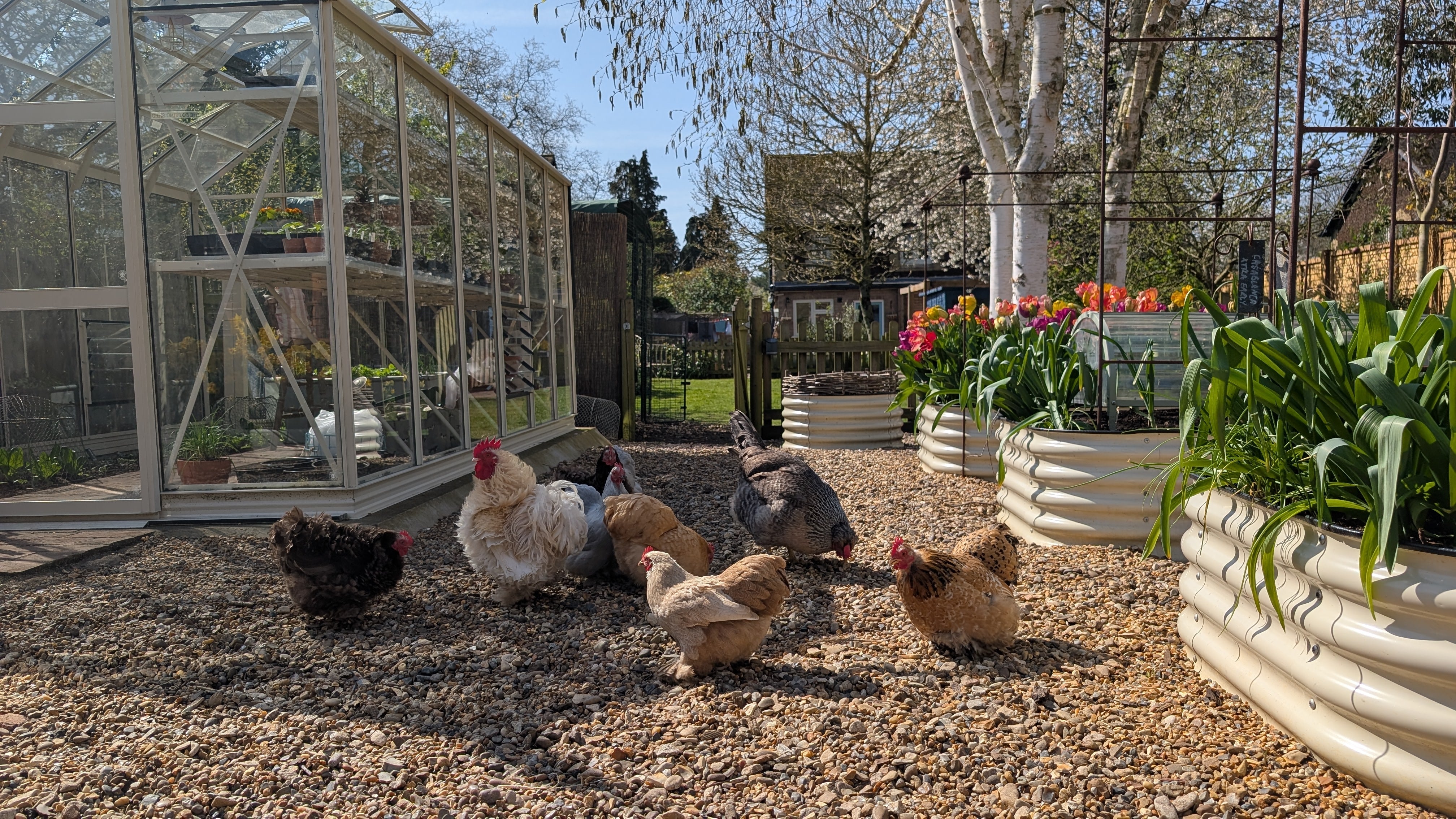
Think about the space you have and how you’ll share it with your chickens. The more space you can offer them to scratch, forage, and behave naturally, the better. Chickens can be a little destructive, so I manage this by fencing off parts of my garden and using cloches to protect my precious plants in my veg patch. For the most part, the rest of the garden is there to explore but, I have found the odd pot dug out whilst they’re foraging for worms as a result!
Housing and essential bits of kit for chickens
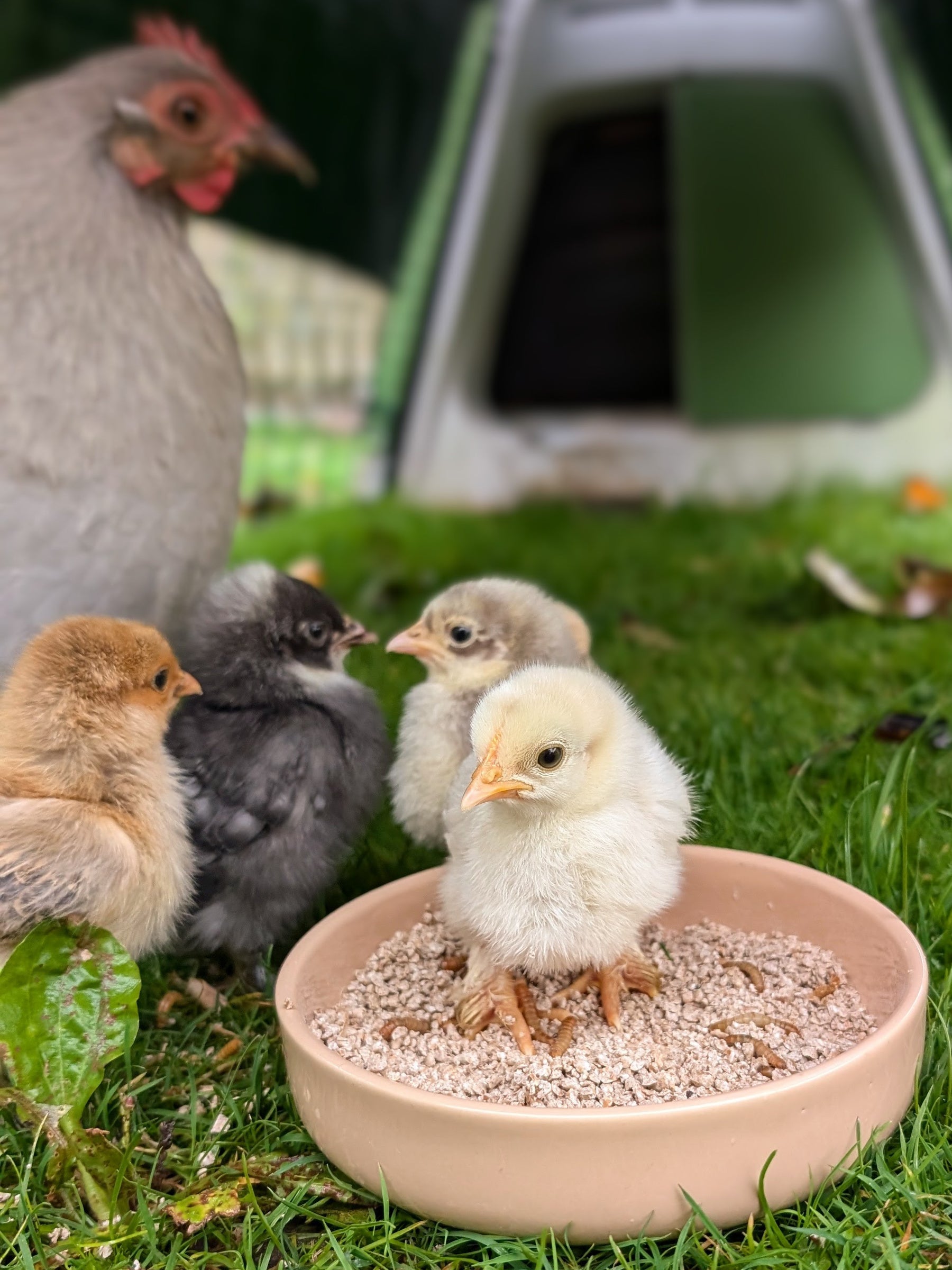
A secure coop is essential. It should be dry, well ventilated, and safe from predators. Attached to that, a run or enclosed space gives your chickens somewhere to scratch, peck, and move around during the day. There are lots of coop styles and materials out there to suit different budgets. Moveable coops that are easy to clean or hose down tend to make life much easier.
If you’re able to let your chickens explore free range, even for short periods, it makes a big difference to their behaviour as they can keep themselves busy.
You’ll also need some basics – a rodent-proof feeder that holds plenty of feed for your flock, and a large drinker that is easy to clean and carry when it needs to be topped up. Plus, suitable bedding for their coop and nesting boxes to keep their space comfortable and dry.
What chicken breeds should you consider?
There are so many wonderful breeds of chicken. I would have one of each if I could! They all come with their own traits and quirks, so it’s worth thinking about what might suit you best. Some breeds are known for their egg laying, others for their temperament. Some are more independent, while others are incredibly friendly and happy to be handled.
My cream legbars were a brilliant starting point. They’re reliable layers, gentle in nature, and those blue eggs never lose their novelty. But it’s my Pekin bantams that really won me over. They don’t lay as consistently, but they make up for it in personality. They’re funny and endlessly entertaining.
There are plenty of other breeds to explore, depending on what you’re looking for. Here are a few popular ones:
Sussex - friendly, curious, and tend to settle well in a family garden.
Orpingtons - big, fluffy, and very calm, often happy to be handled.
Leghorns - excellent layers but a bit more independent and energetic.
Rescuing chickens
And of course, there are always chickens in need of a fresh start. Rescuing hens can be a really rewarding way to start out – take a look at charities such as the British Hen Welfare Trust and Fresh Start For Hens for advice.
When choosing your chickens, think about your space, how much time you want to spend with them, and what you want from the experience. Eggs, companionship, or a bit of both. There’s a chicken out there for everyone!
Daily life with your chickens
Spending time with my flock forms part of my daily routine. Mornings usually start with letting them out, checking food and water, and making sure everything is clean and as it should be. It doesn’t take long, but it’s a lovely way to start the day, being greeted by hens and getting a bit of fresh air.
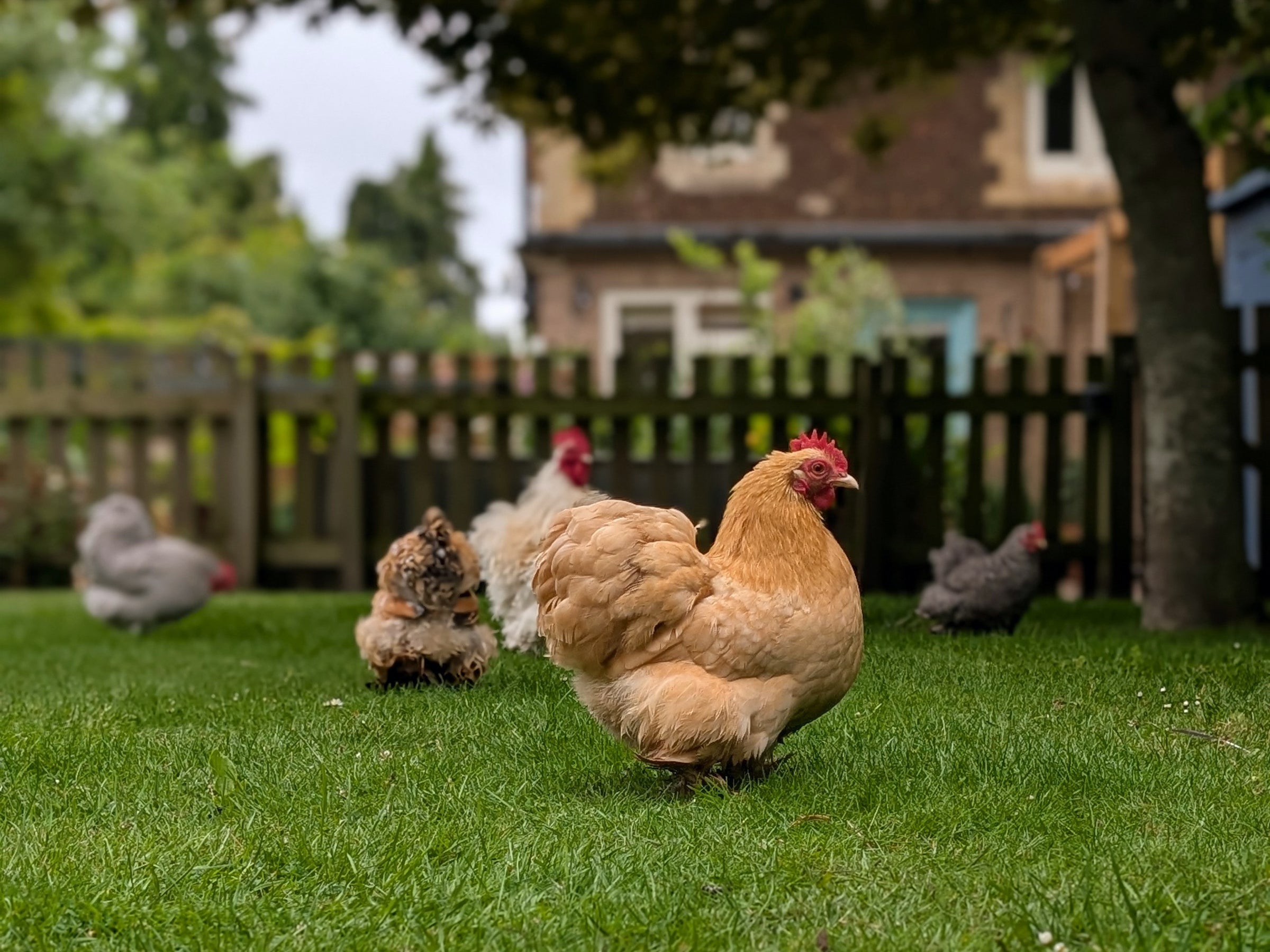
Throughout the day, they’ll largely get on with things themselves, especially if they’ve got enough space and stimulation. Chickens are natural foragers and are happiest when they’ve got things to do. They can get bored surprisingly easily, so a bit of enrichment goes a long way. Scattering feed, giving them treats in different places, adding new perches, and making sure they have access to a dust bath all help. Dust bathing is how chickens keep themselves clean, so it’s an important part of their setup. A busy chicken is a happy one, and it often means less mischief like digging up beds or nibbling your plants.
In the evening, they’ll usually put themselves to bed, heading back into the coop to roost. This is a good moment to check on them, as they’re calmer and easier to handle. A quick check over, closing the coop door, and you’re done for the day.
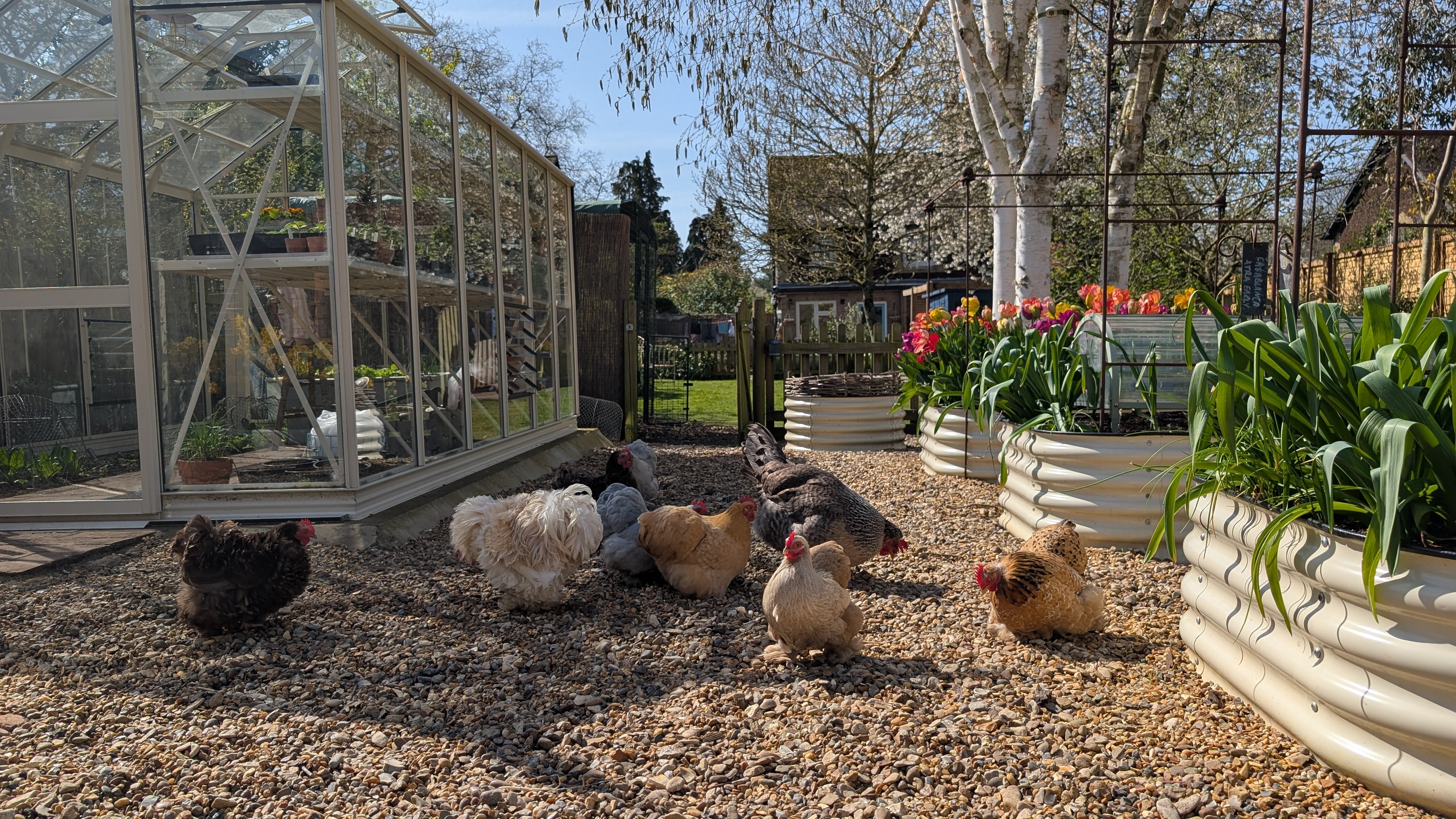
One small thing I’ve found that makes a big difference to looking after my flock is training them to come when called. Yes, it sounds a little odd but something as simple as shaking a tin of treats when you feed them teaches them to come back to you. It makes life much easier, especially if your chickens are free ranging and you need to gather them in or check on them.
Looking after your chickens
Keeping chickens healthy and happy is all part of the joy of looking after them. Most of the time, it’s about noticing subtle changes. A chicken that’s quieter than usual, not eating, or behaving differently is often the first sign that something isn’t quite right.
Keeping their living space clean and dry is one of the simplest ways to prevent issues. Refresh bedding regularly, sanitise coops, make sure water is clean, and keep feeding areas tidy.
Handling your chickens now and then, even briefly, helps you get used to what’s normal for them. It also makes it easier to check them over if you need to. Their feet are a common place for problems, so it’s worth checking for any lumps, bumps, or signs that something isn’t right.
If egg laying changes, whether that’s fewer eggs or soft shells, it can be down to diet or something else. Good quality feed and small additions to their diet such as grit to aid digestion or apple cider vinegar in their water can help maintain overall health and well-being.
Over time, you learn what’s normal for your flock and that becomes your best guide.
Embracing life with your flock
Keeping chickens is full of joy and small moments that become part of your day. They get you outside in the morning, come running over for treats in the afternoon, and reward you with fresh eggs.
My chickens make me smile daily, and my garden wouldn’t be what it is without them.