What to wear dog walking
From waterproof coats built for sustained rain to transitional coats and layers for her that handle a British spring, this guide covers how to dress for dog walks in every condition – and look good doing it.
Whether you're heading out for a quick morning circuit or a long afternoon tramp across open farmland, the right clothing can be the difference between a walk you enjoy and one you endure. This guide covers everything you need to build a practical, comfortable dog walking outfit – from the best dog walking coat for battling British weather to the versatile layers that take you from a muddy field to a café without missing a beat.
Building the perfect dog walking outfit
The ideal dog walking outfit isn't a single item – it's a system. Layers that work together, fabrics that move with you rather than against you, and pieces built for the countryside rather than a fashion photoshoot.
Think about what a typical walk asks of you: crouching to clip or slip the lead, striding across uneven ground, reaching over a gate, standing still while your dog investigates a particularly interesting smell... Your clothing needs to keep pace with all of it.
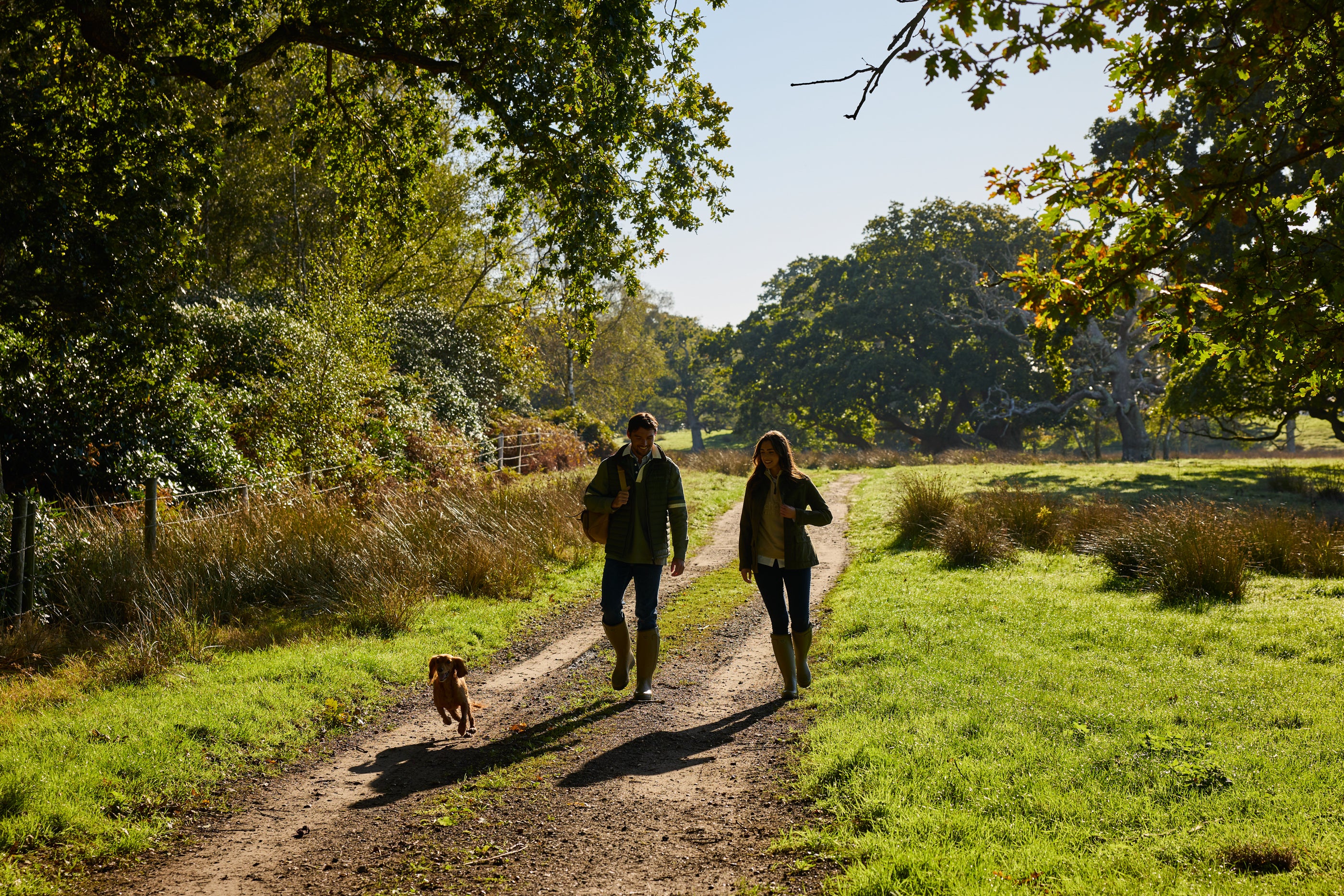
Start with a moisture-wicking base layer, add mid-layer warmth, and finish with a hardworking outer shell. That three-part structure is the foundation of any well-assembled dog walking outfit, and it's the approach that country people have relied on for decades.
The beauty of a layered system is its flexibility. Mild mornings can turn sharp by lunchtime, and a walk that starts in sunshine often doesn’t end that way. Having the right pieces to add or shed as conditions change means you're prepared for all conditions – without carrying unnecessary weight.
It's also worth thinking about how you will carry items. A spare lead, your keys, your phone... A good dog walking coat with a generous pocket layout will give you options on longer days out. As owners of working breeds that need plenty of stimulation and exercise – in the form of training sessions or longer walks at heel – we’ve been there.
Dressing for the weather: what to wear dog walking year-round
British weather doesn't follow a script. A clear autumn morning can dissolve into driving rain before you've made it back to the car, and a cold snap in April requires the same preparation as January. Planning your outfit around the conditions – rather than the calendar – is what separates a comfortable walk from a miserable one.
Rainy day walks
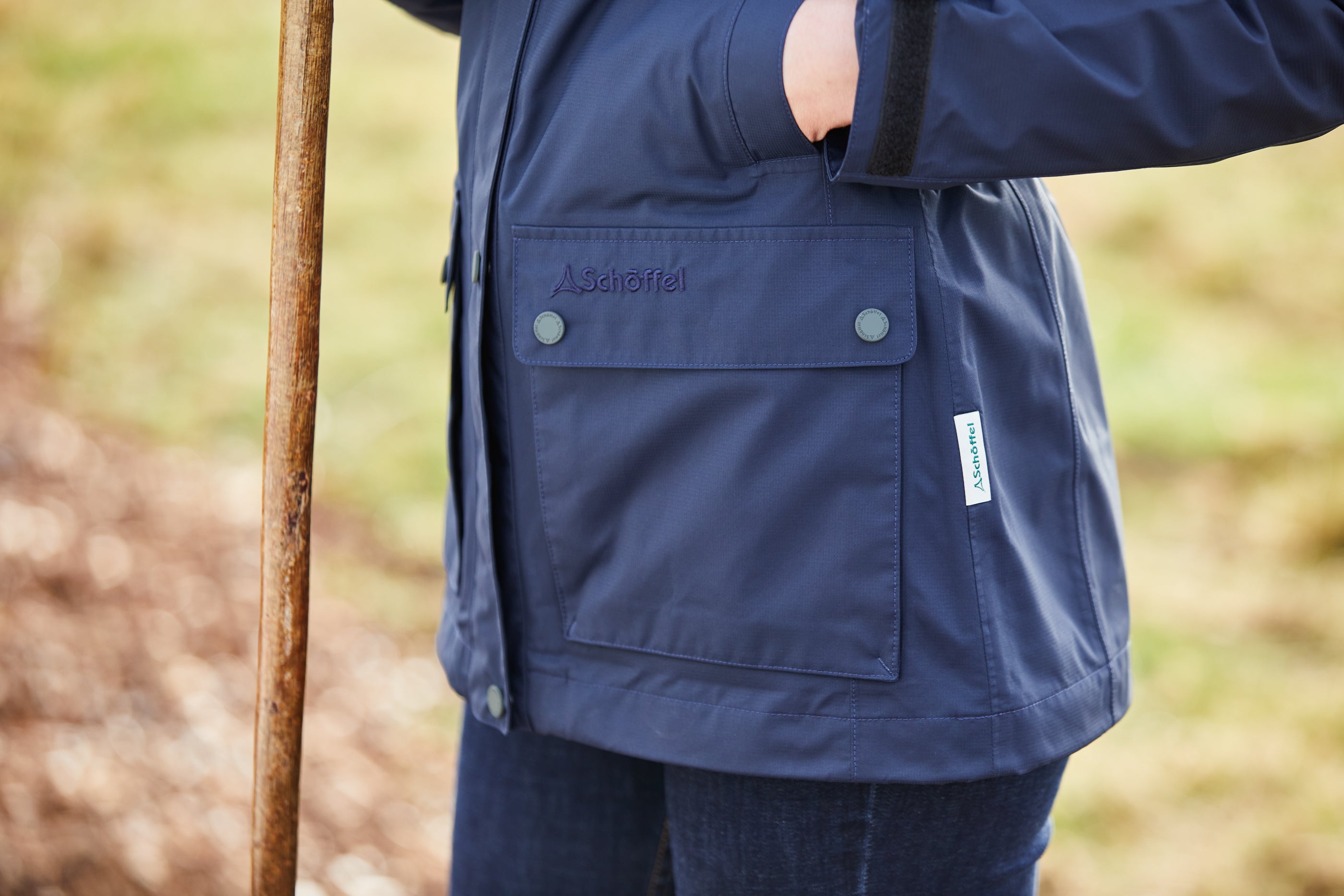
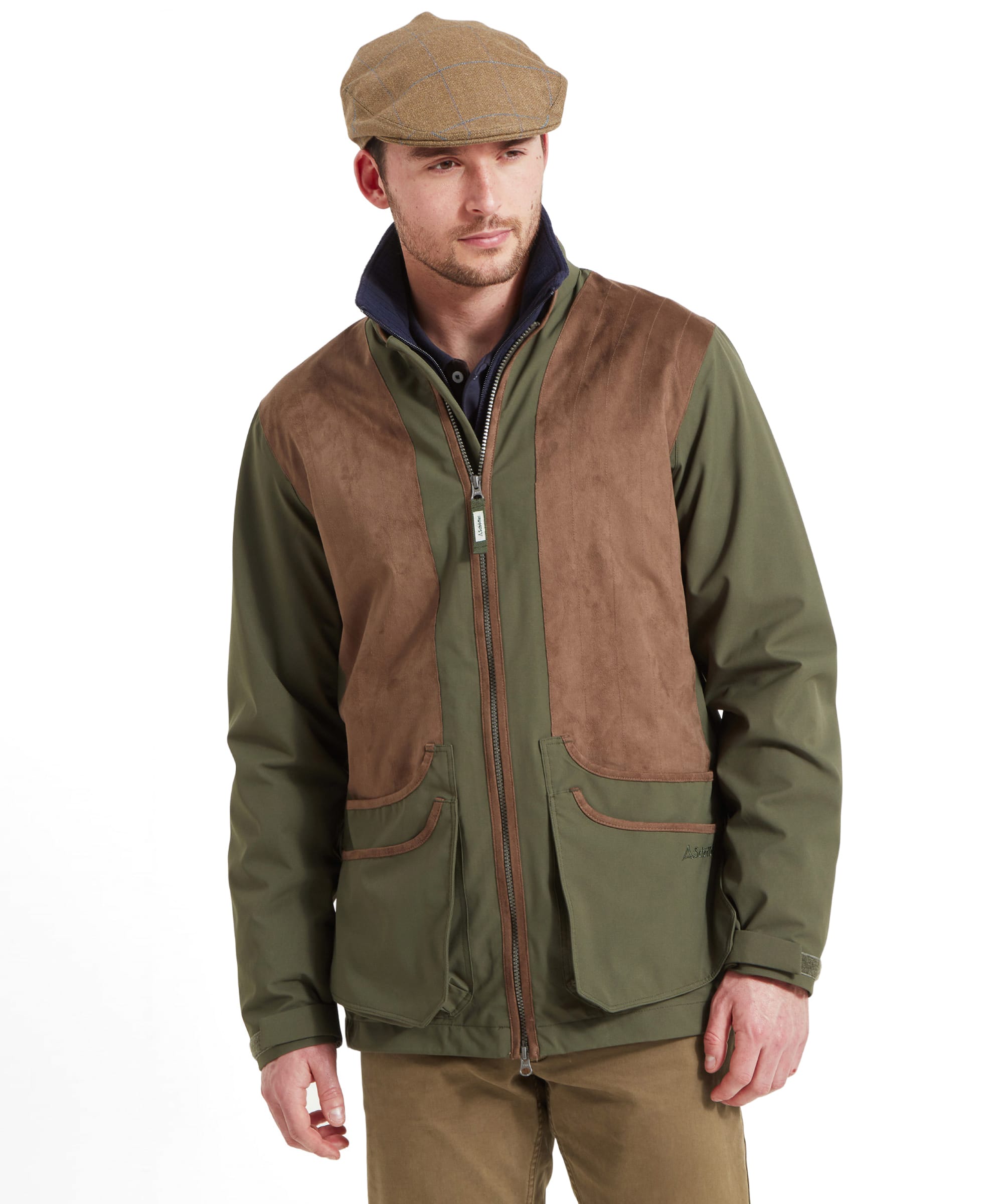
For wet conditions, a reliable waterproof coat for him and her is non-negotiable. Look for a breathable jacket with fully taped seams and adjustable features – not merely a water-resistant shell, but a genuinely waterproof outer layer that will handle sustained rain without soaking through.
Paired with a waterproof overtrouser in really wet weather, you'll cover the practical bases: staying dry from the shoulders down while keeping freedom of movement through the hips and knees. Gaiters are worth considering for particularly boggy ground, too – though we find they do take a little longer to put on, which may be a frustration if you only want to nip out for a short walk.
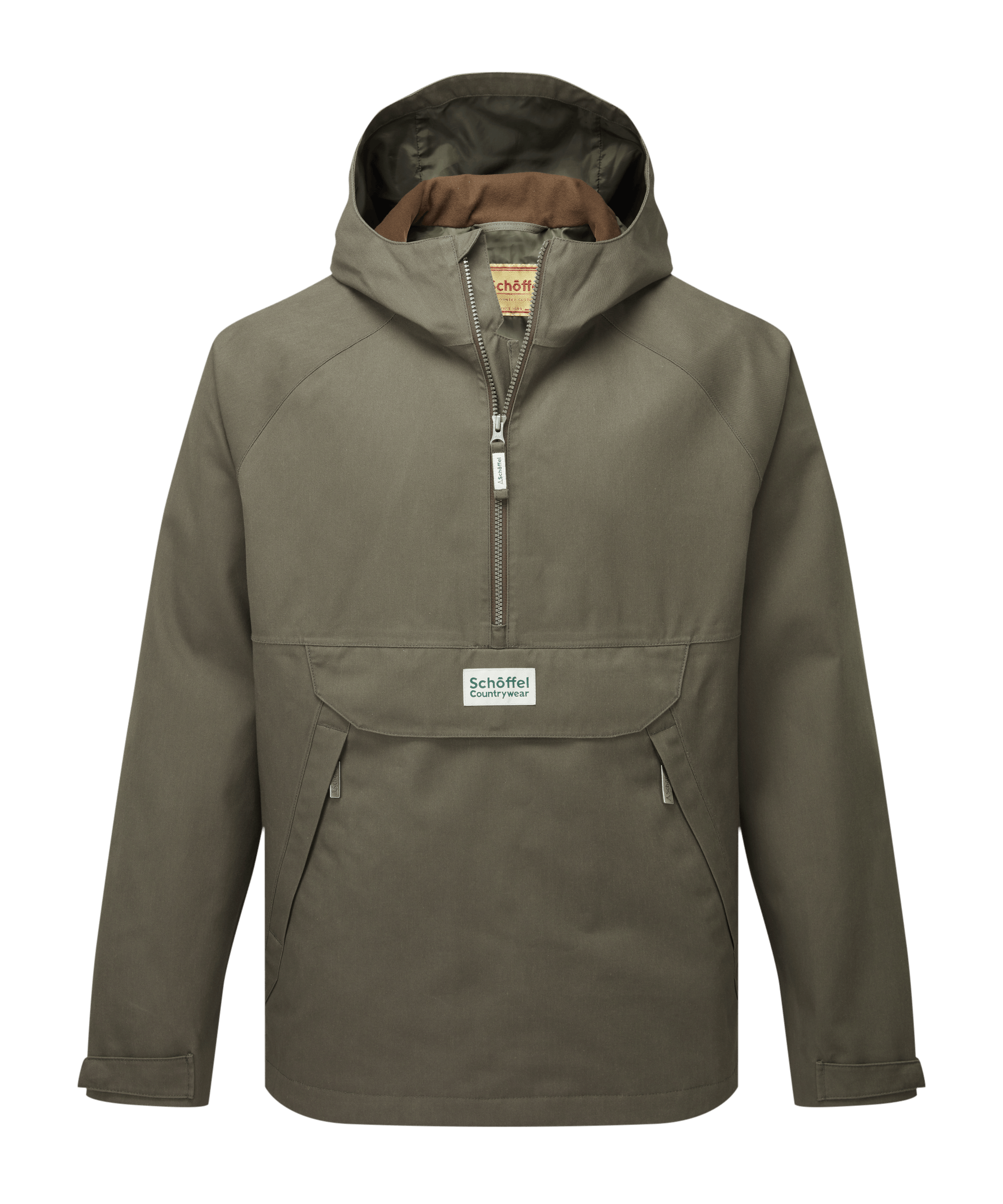
- BestsellerOverton Waterproof AnorakTundra + 1 colour€340
- BestsellerOverton Waterproof AnorakCarbon Navy + 1 colour€340
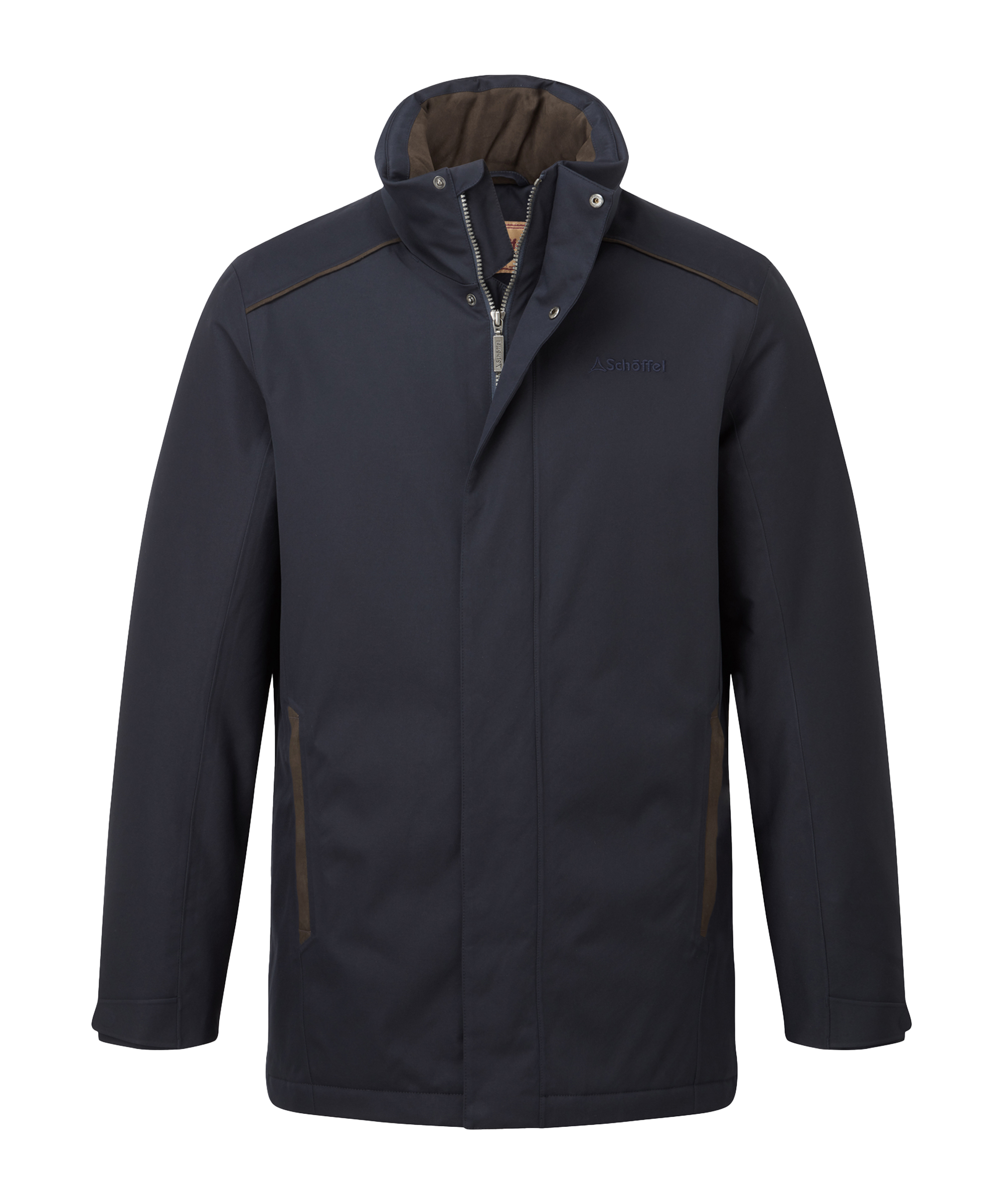
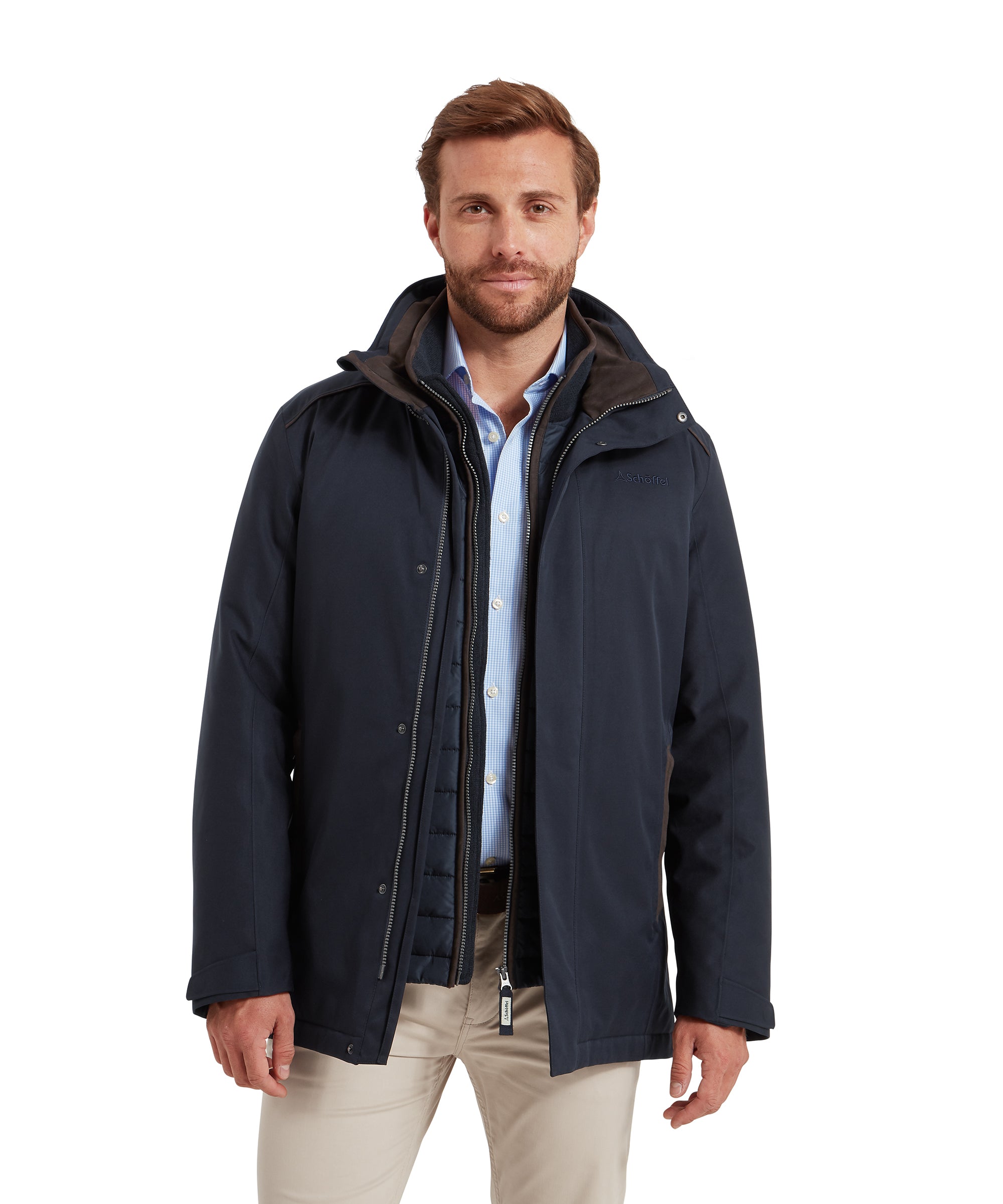
- BestsellerWhitton Waterproof CoatNavy€600
- BestsellerEgleton Lightweight JacketWoodland + 1 colour€280
- New inSnipe Ultralight CoatForest€550
- New inPtarmigan Evo CoatMoss€725
- BestsellerSnipe CoatForest€595
- BestsellerOundle Country CoatCoffee Bean + 1 colour€550


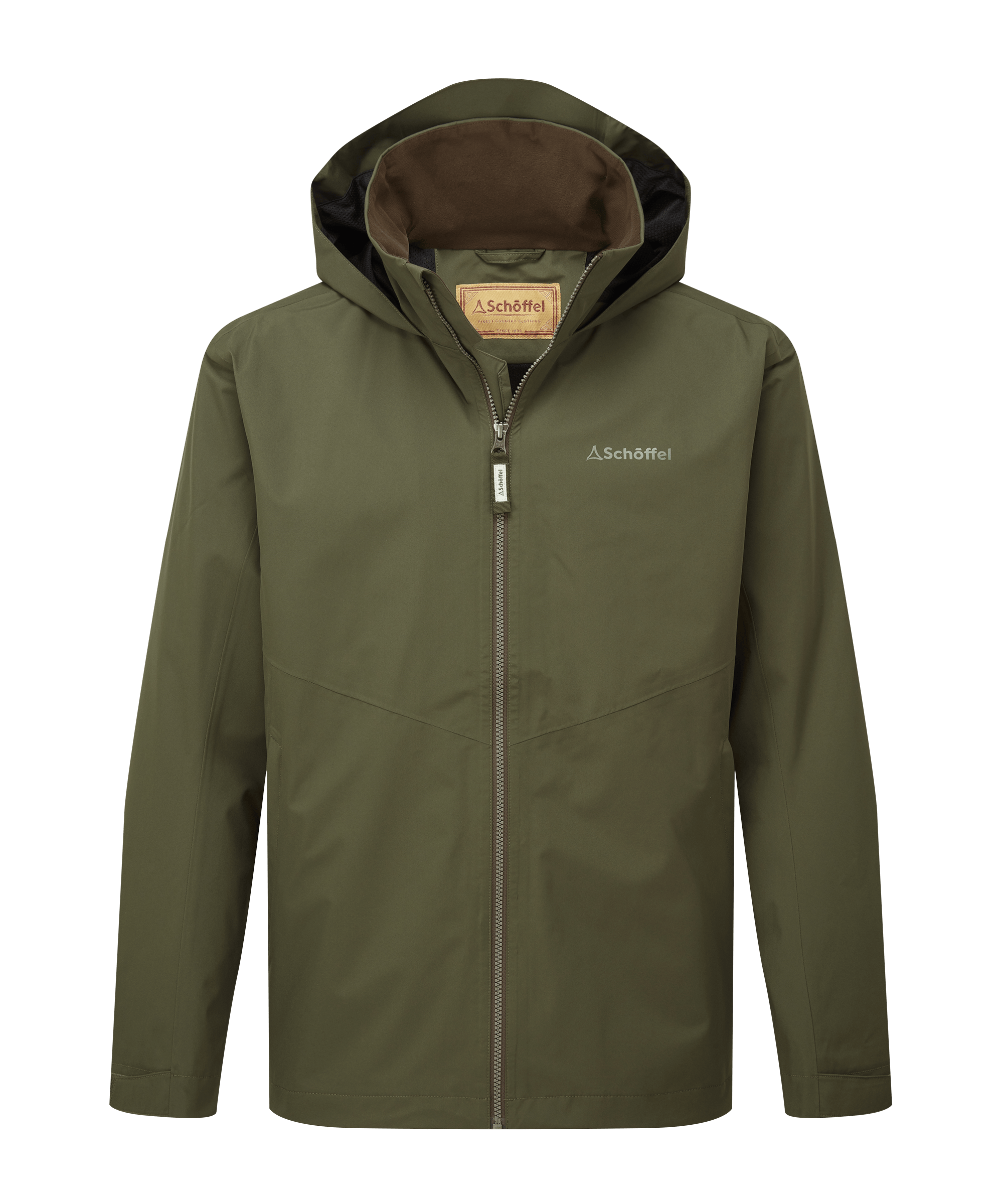
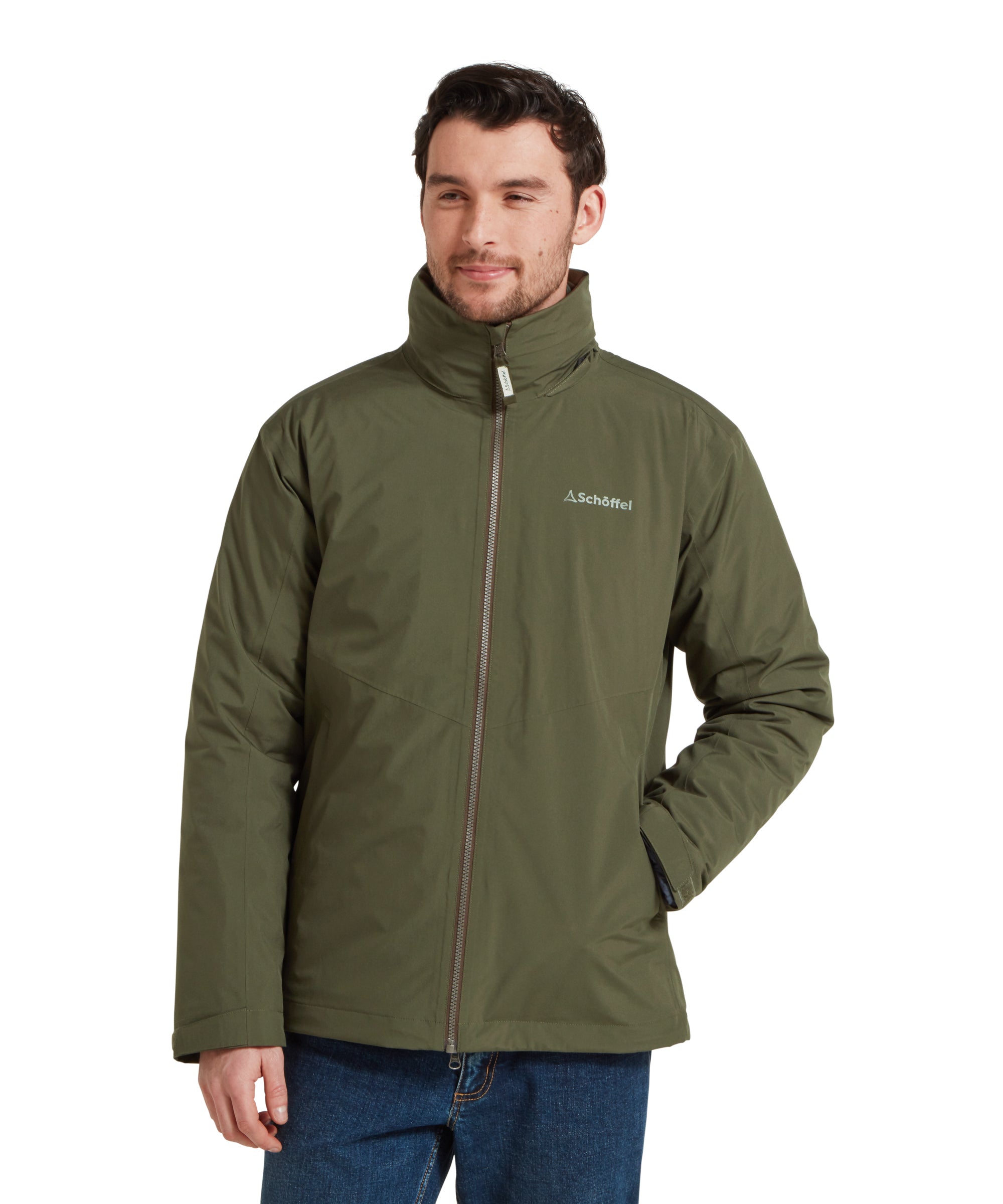
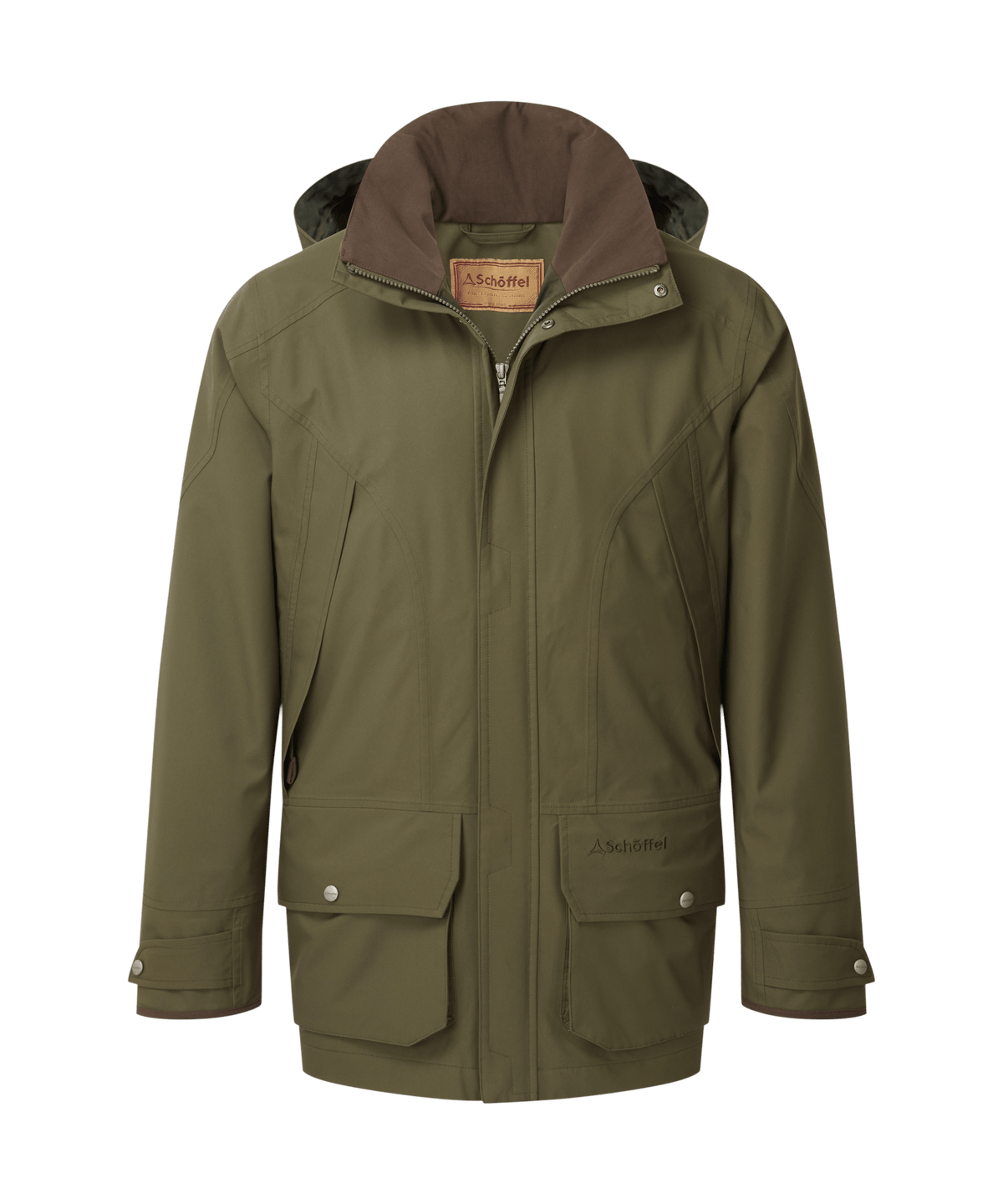
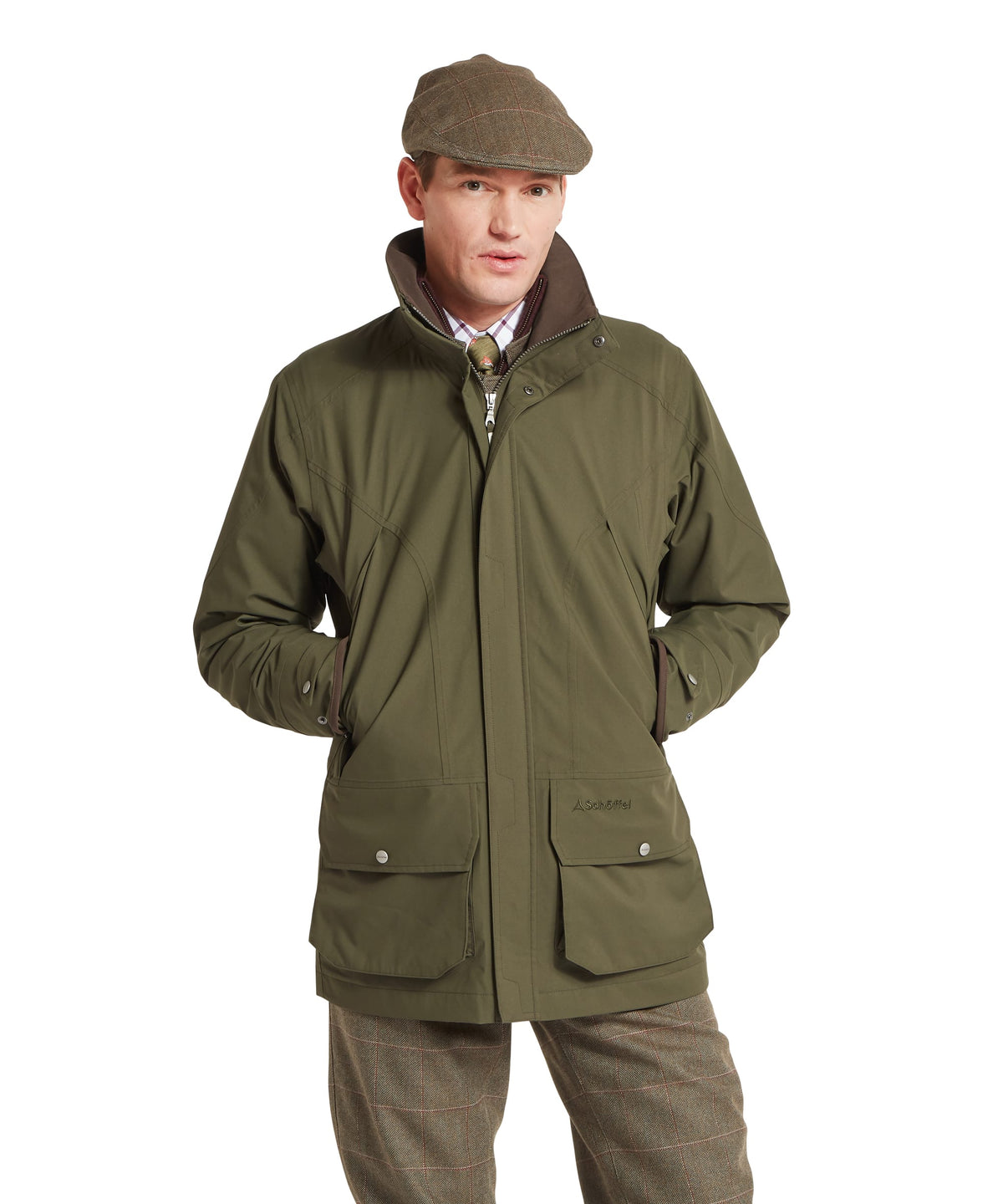

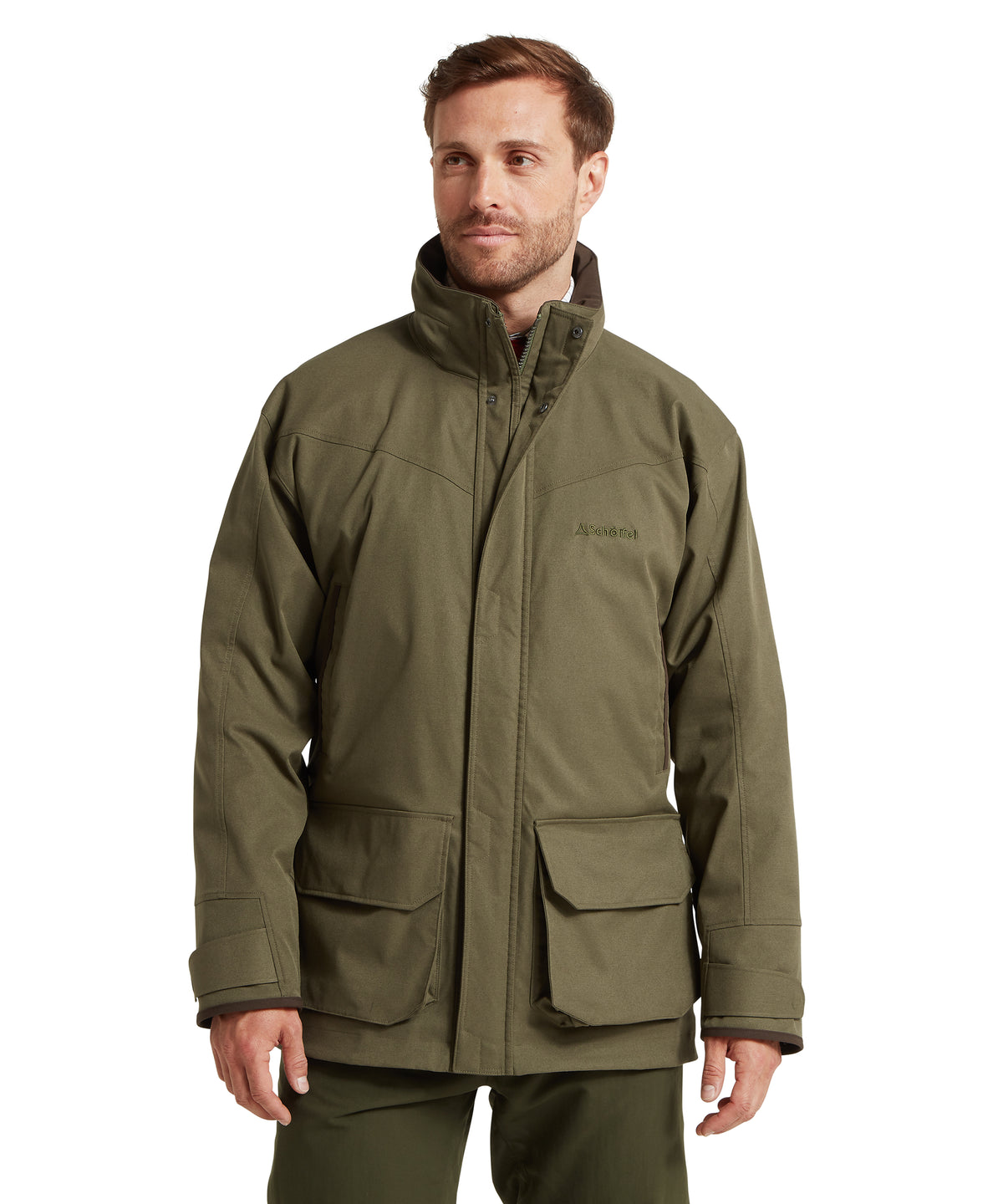
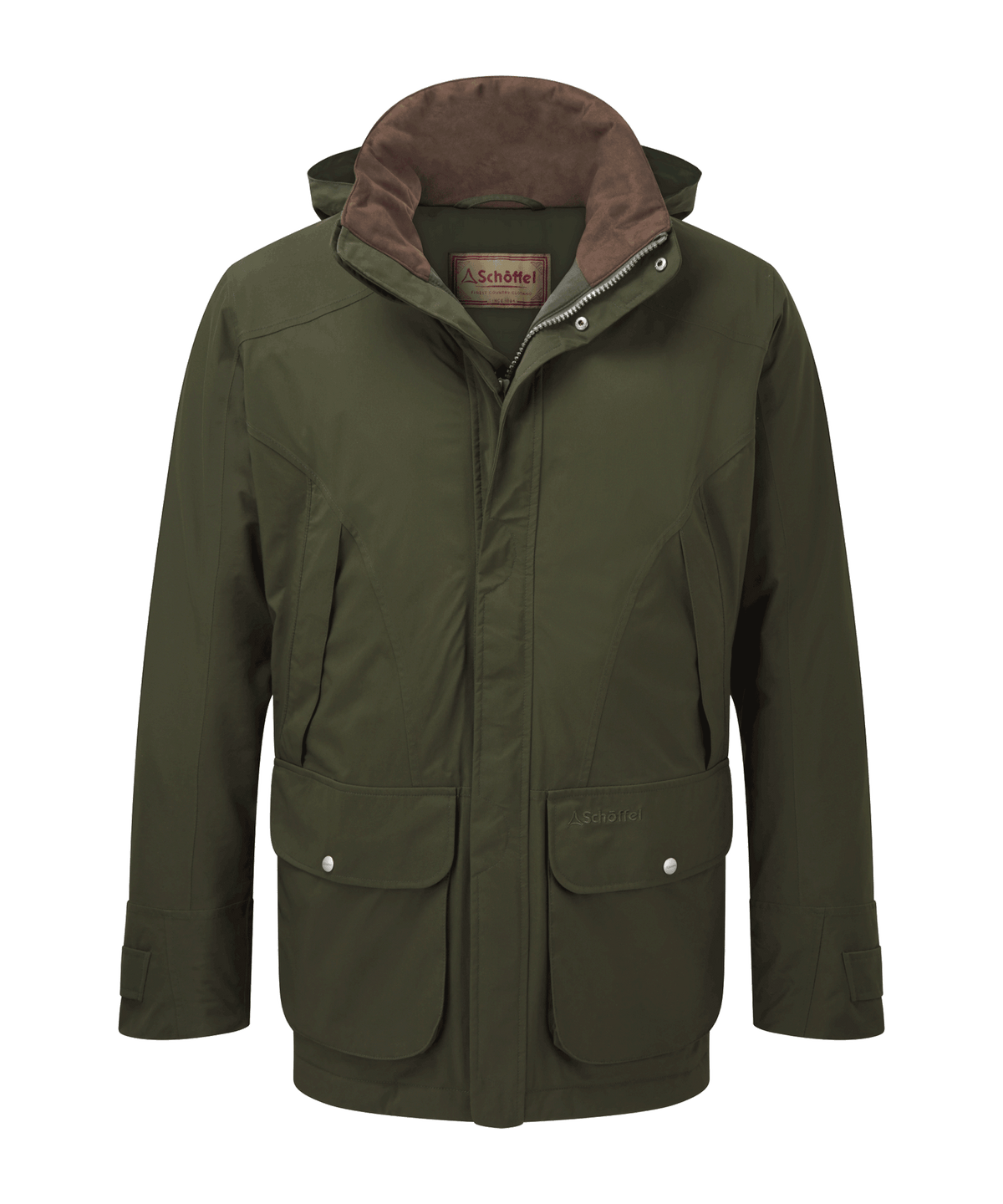
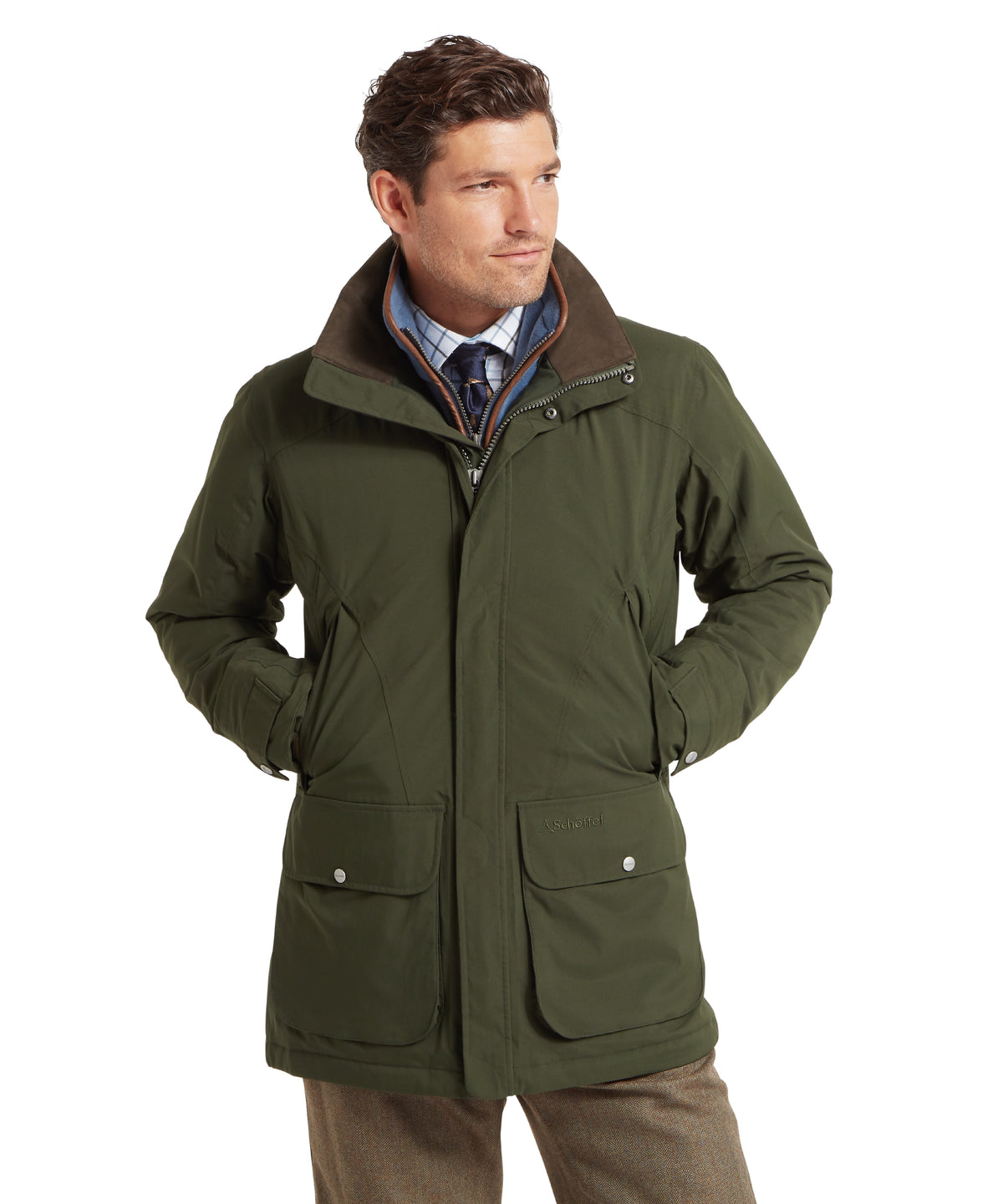
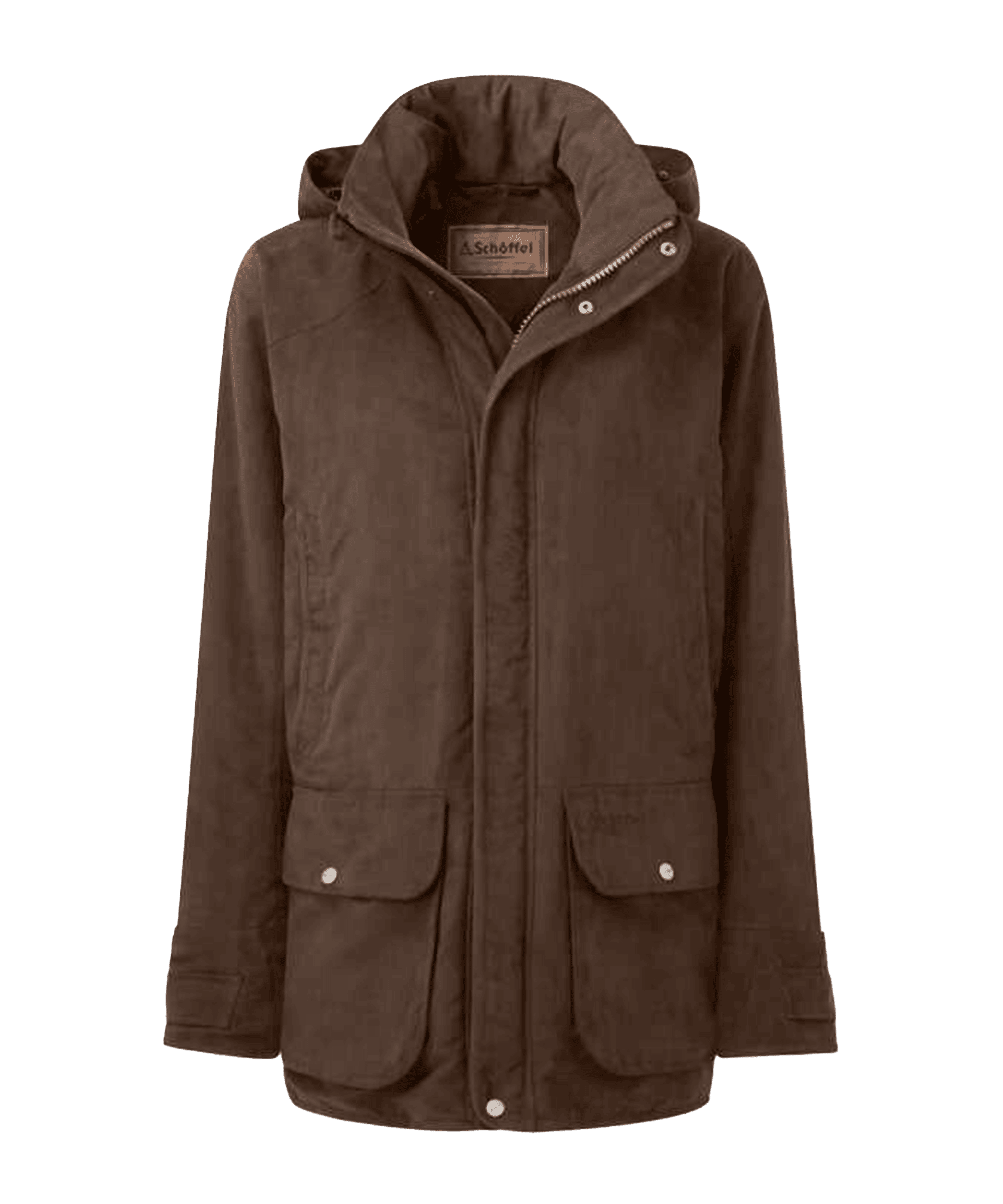

- New inManton Lightweight JacketWoodland + 1 colour€280
- New inAllexton Waterproof CoatDark Navy + 1 colour€450
- New inManton Lightweight JacketDark Navy + 1 colour€280
- New inAllexton Waterproof CoatCharcoal + 1 colour€450
- BestsellerEdith JacketTrue Navy + 1 colour€350
- Women's Ptarmigan Tweed CoatTeviot Tweed + 1 colour€1.000
- BestsellerTeal Ultralight CoatTrue Navy + 1 colour€550
- BestsellerTeal Shooting CoatCedar€575
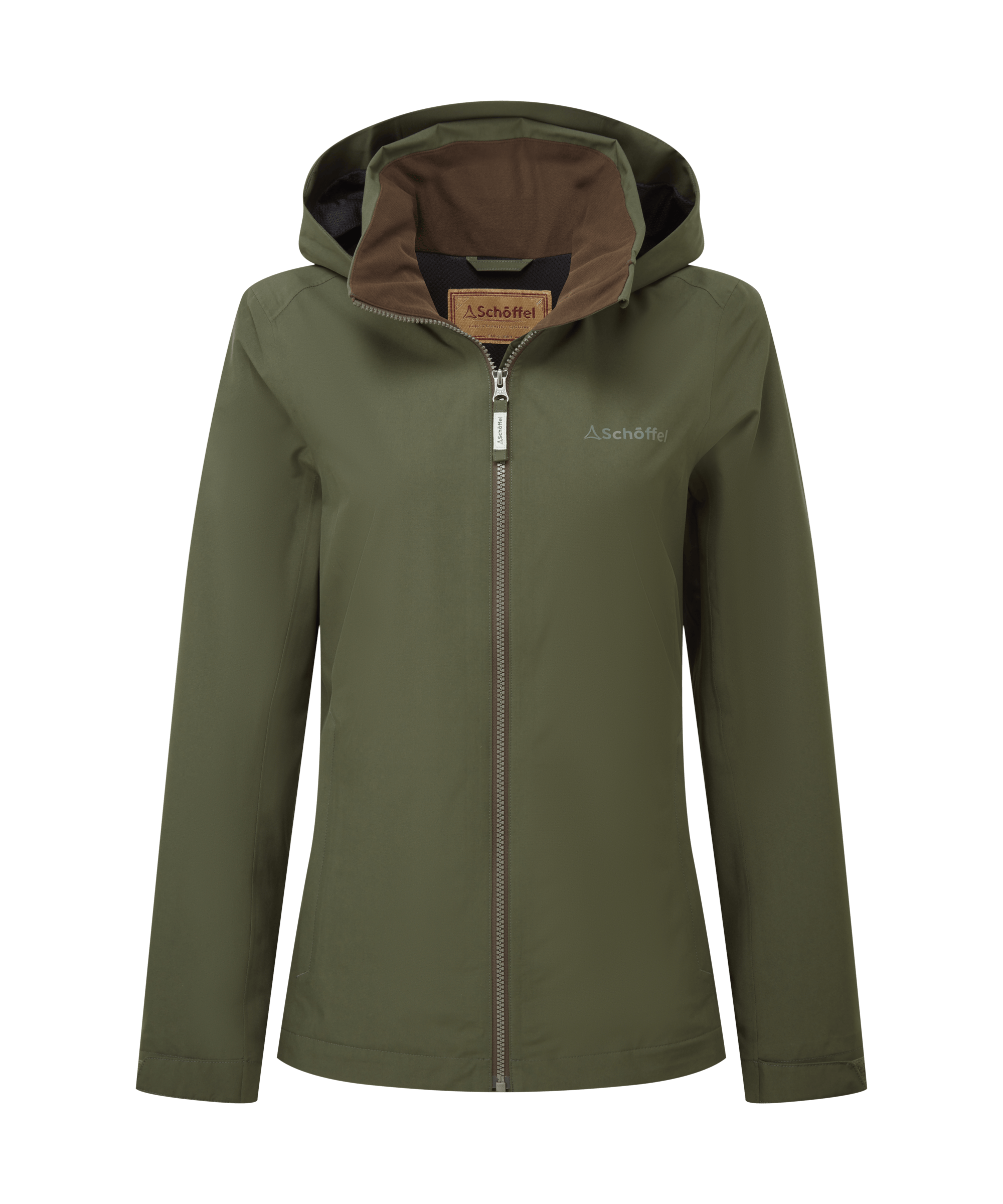
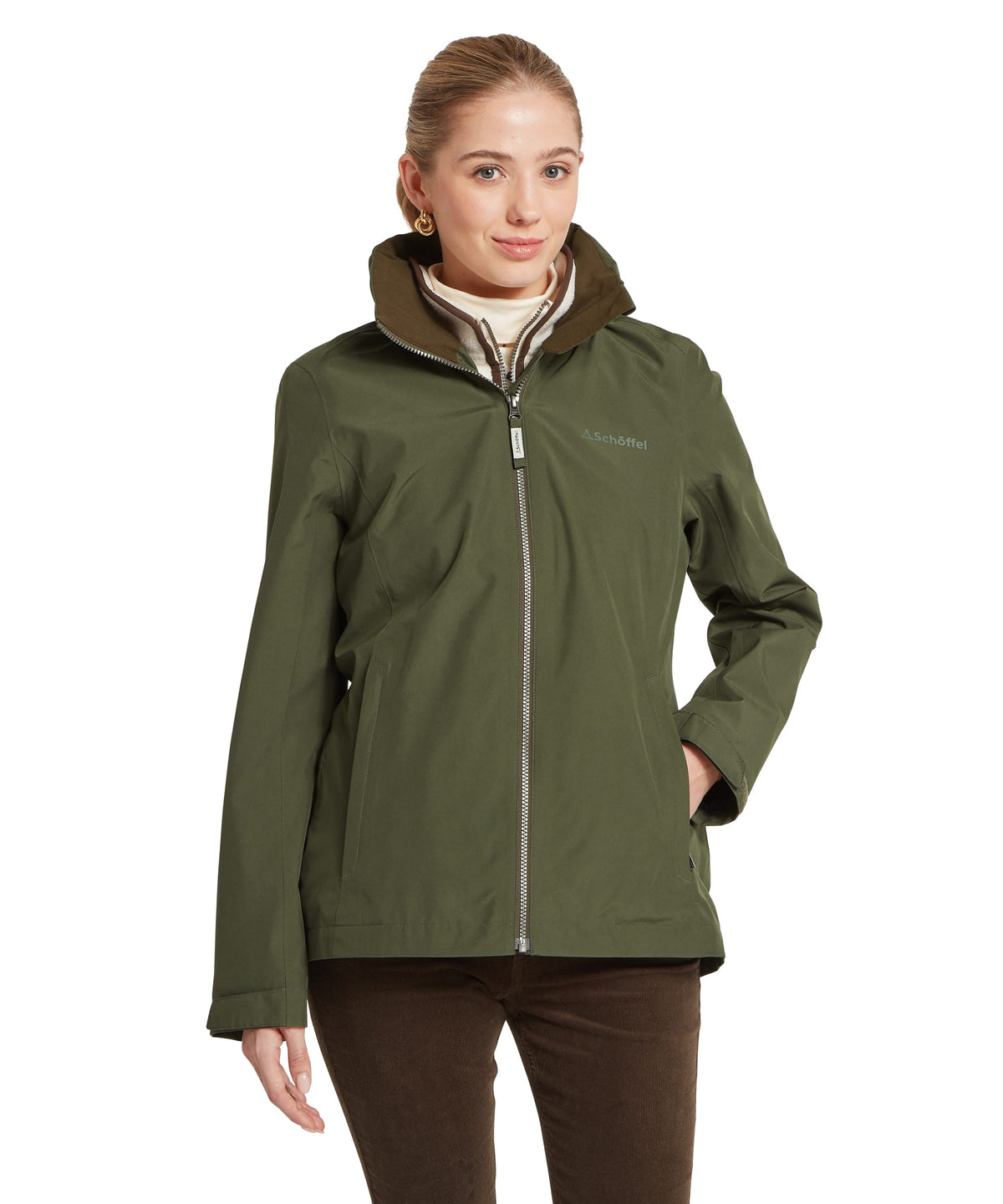
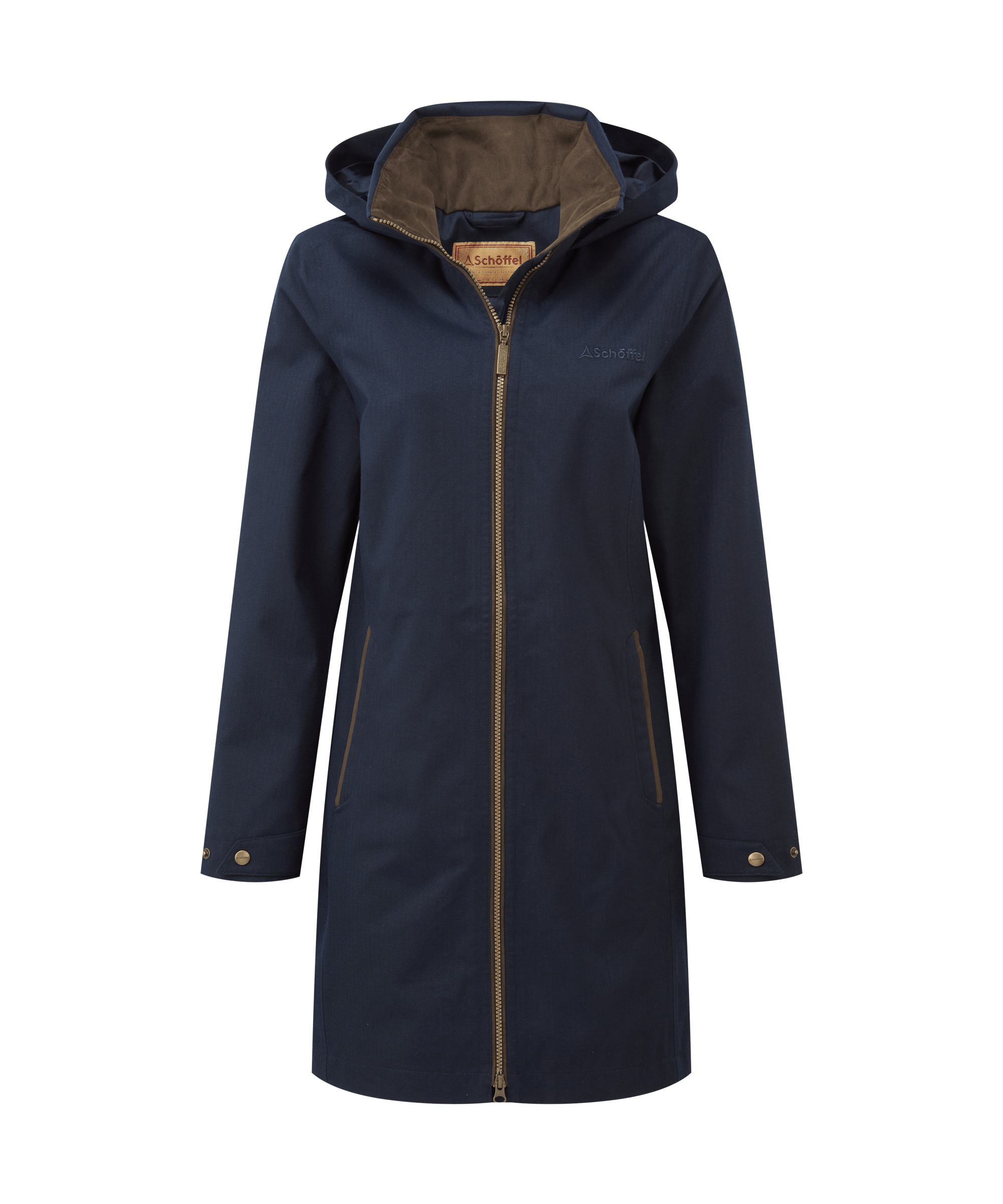
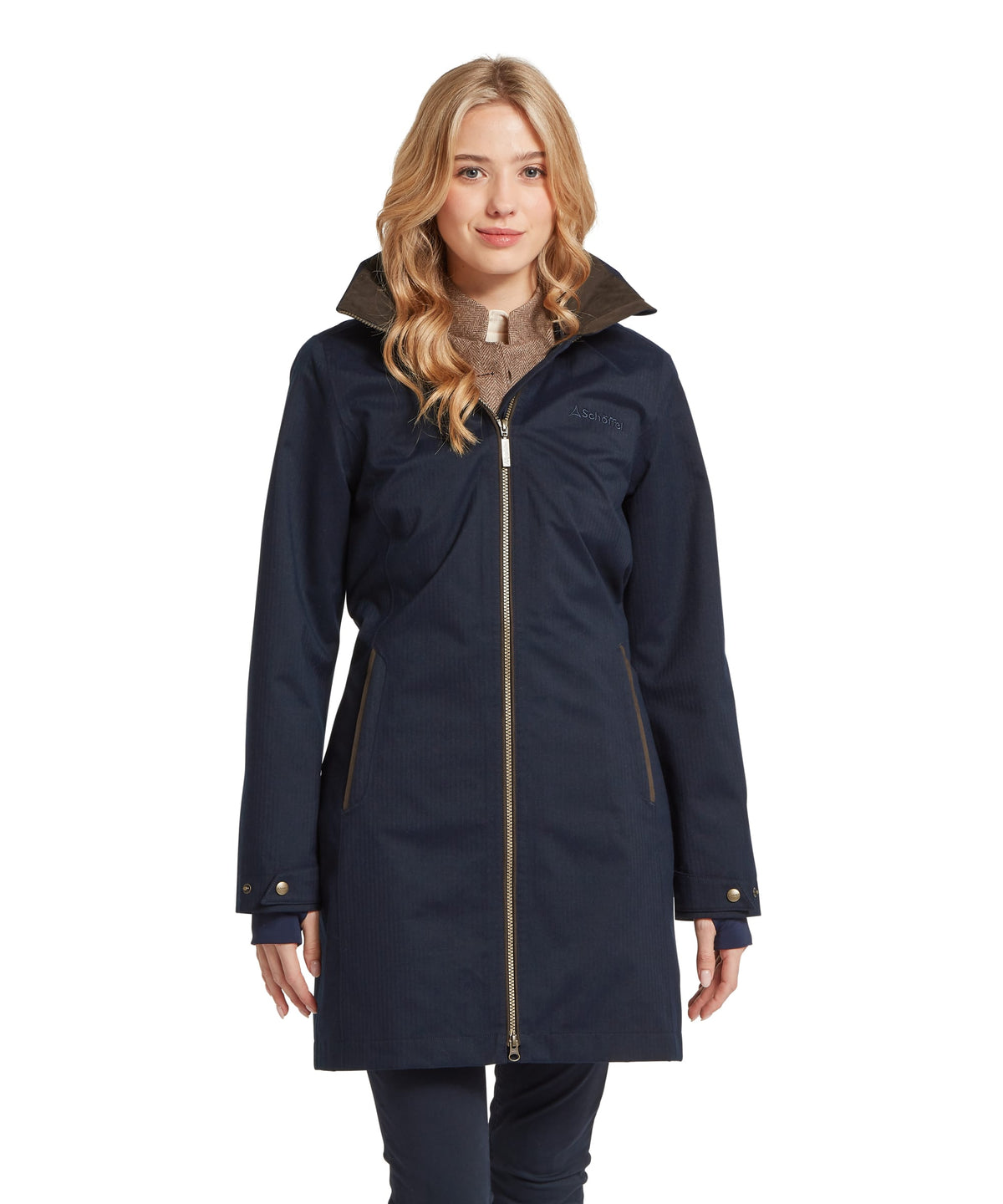
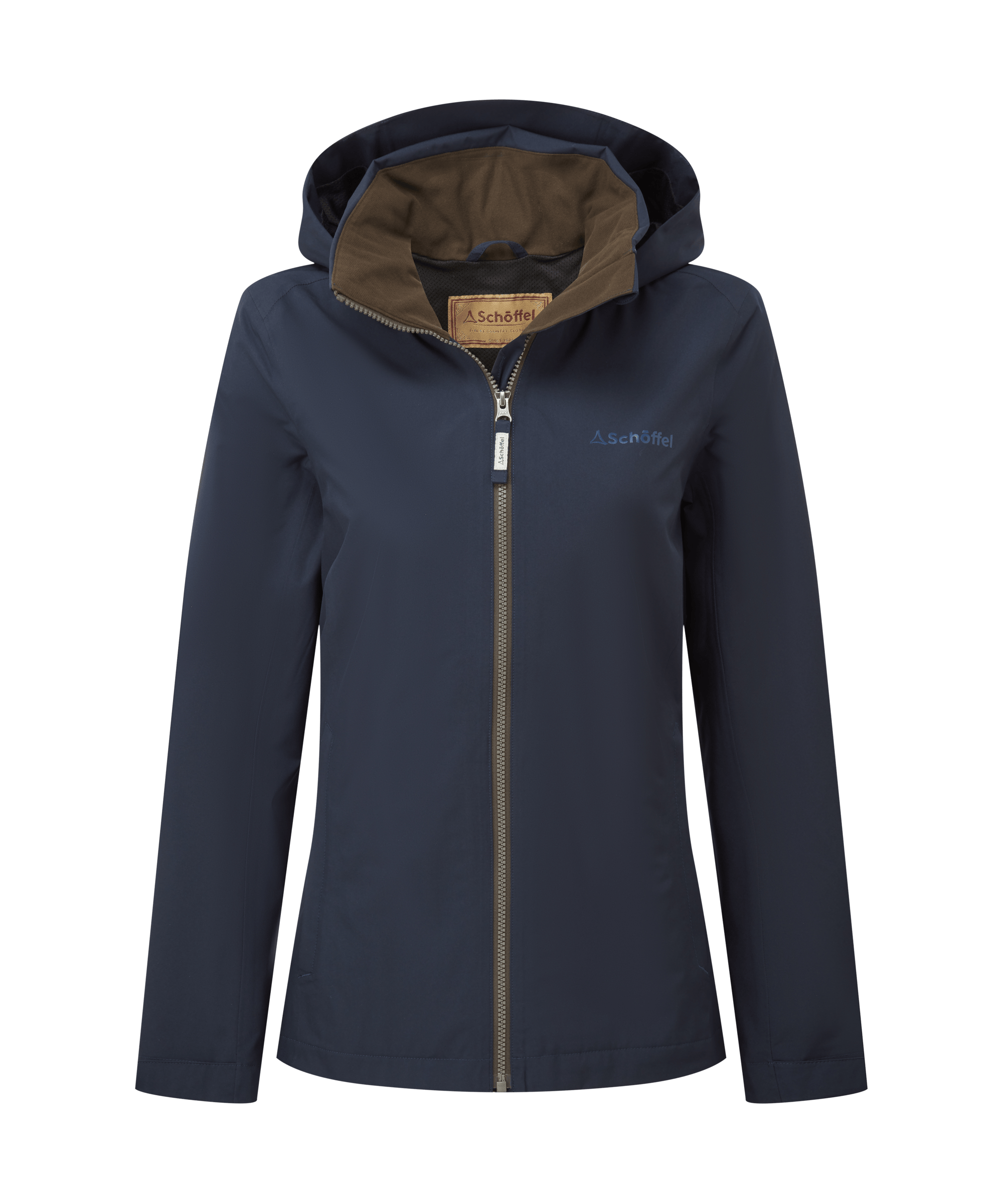
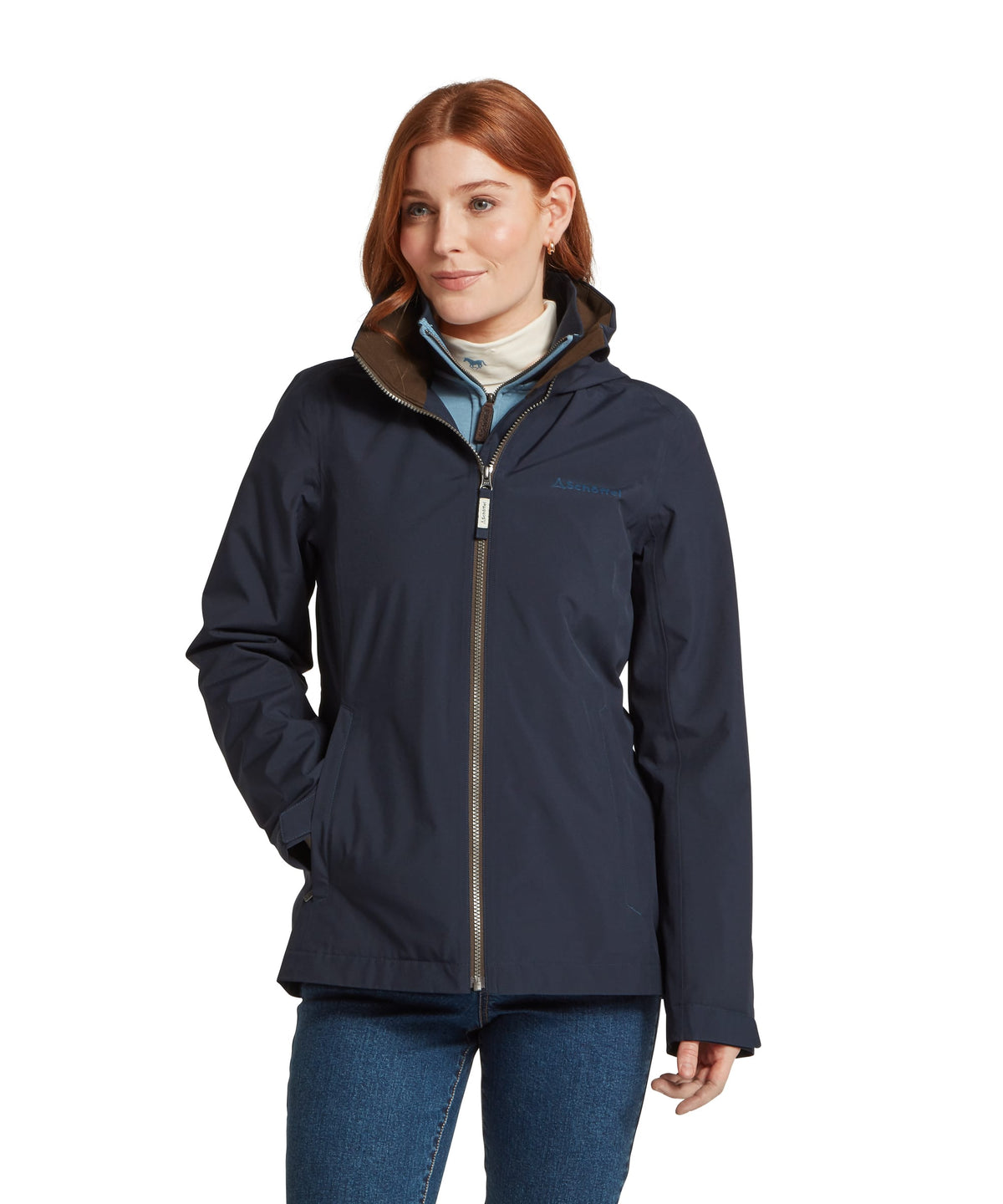
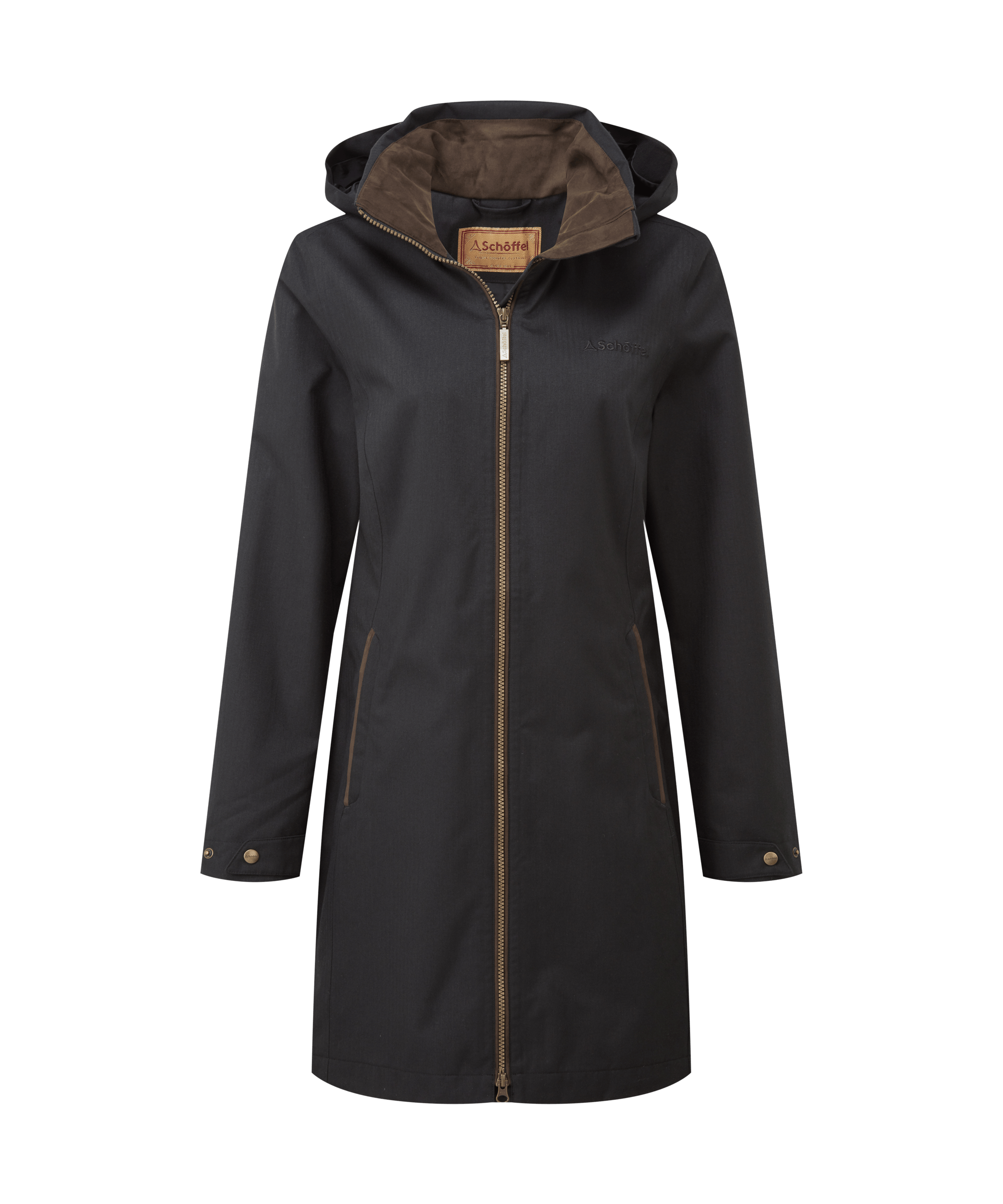
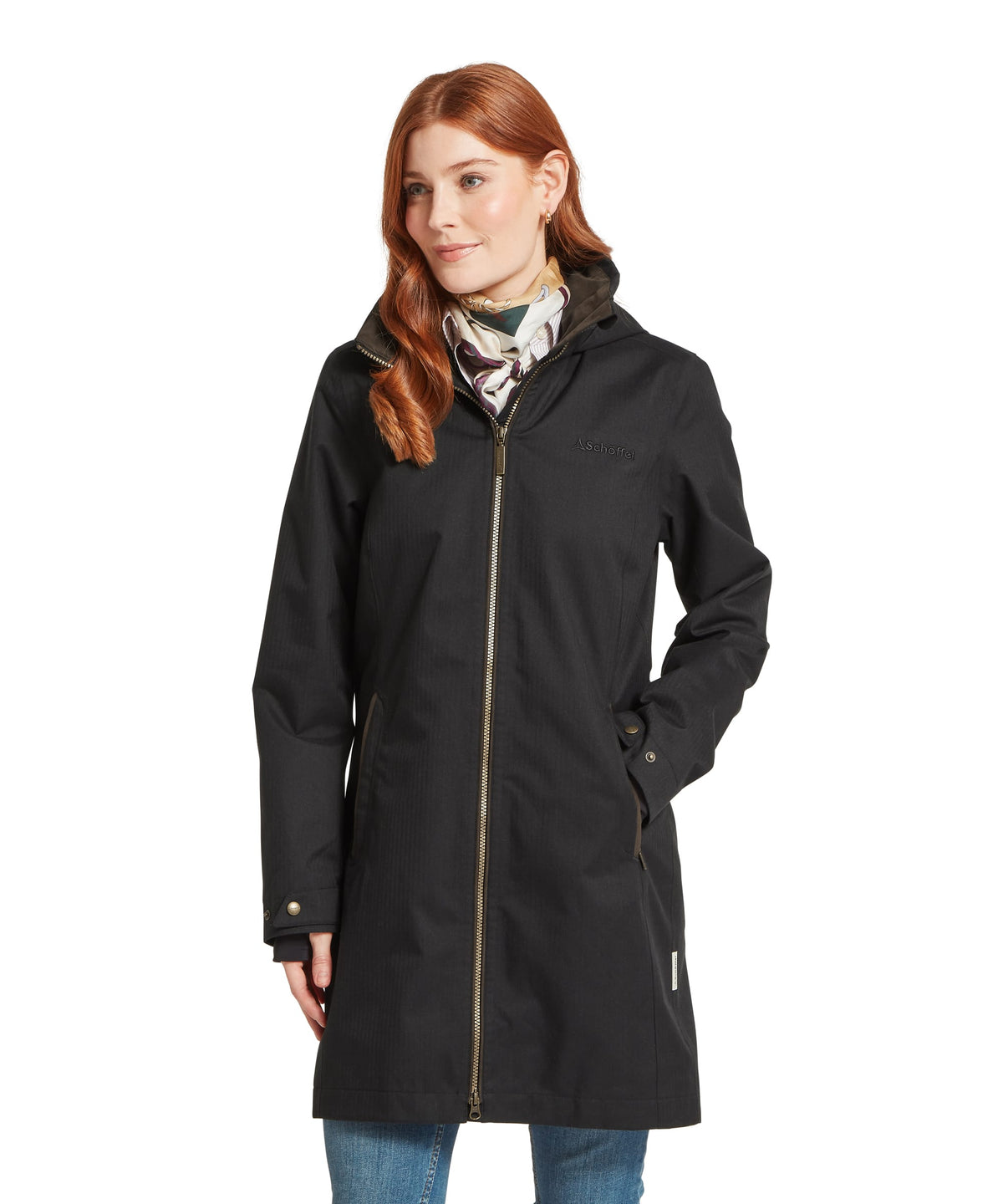
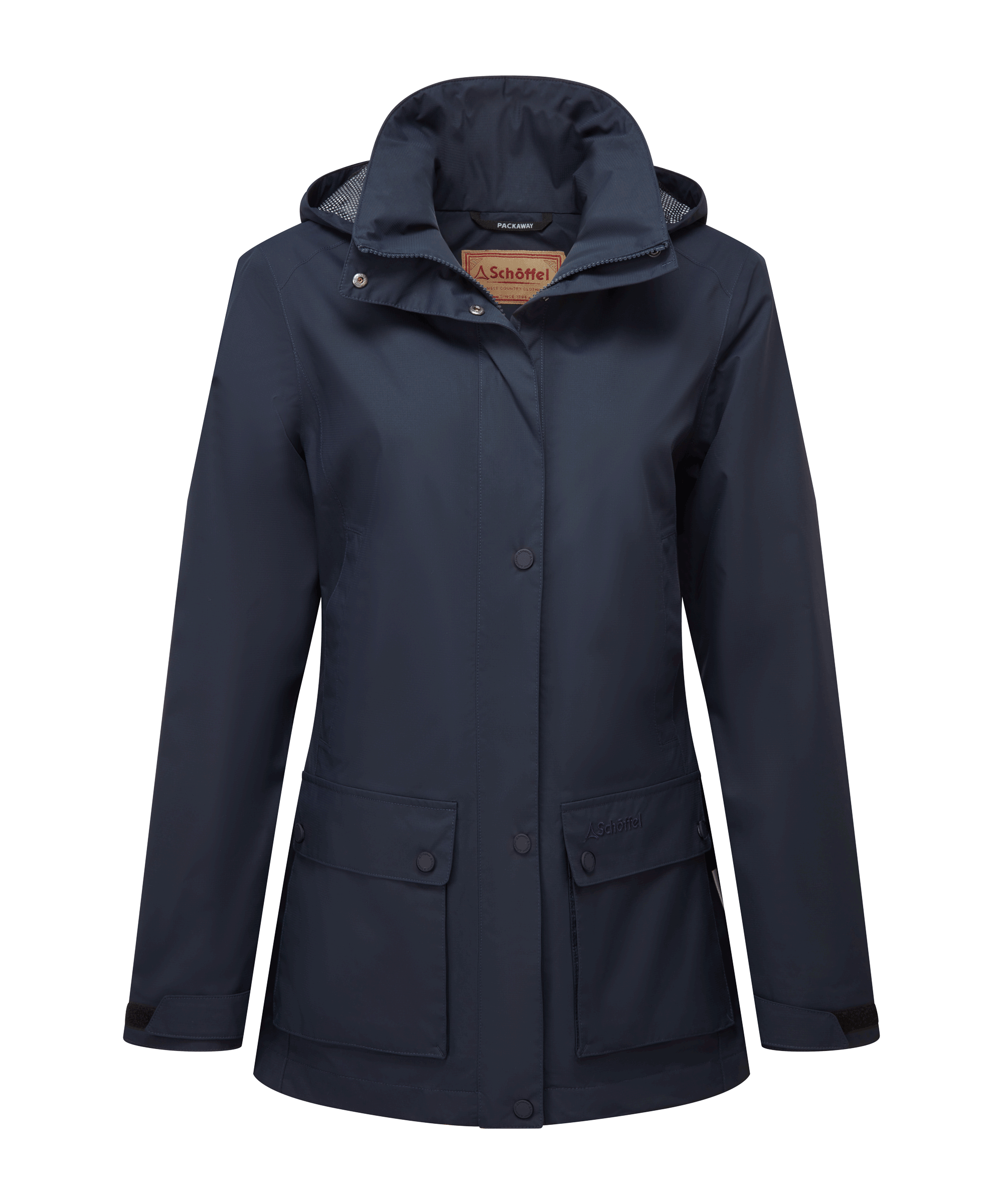
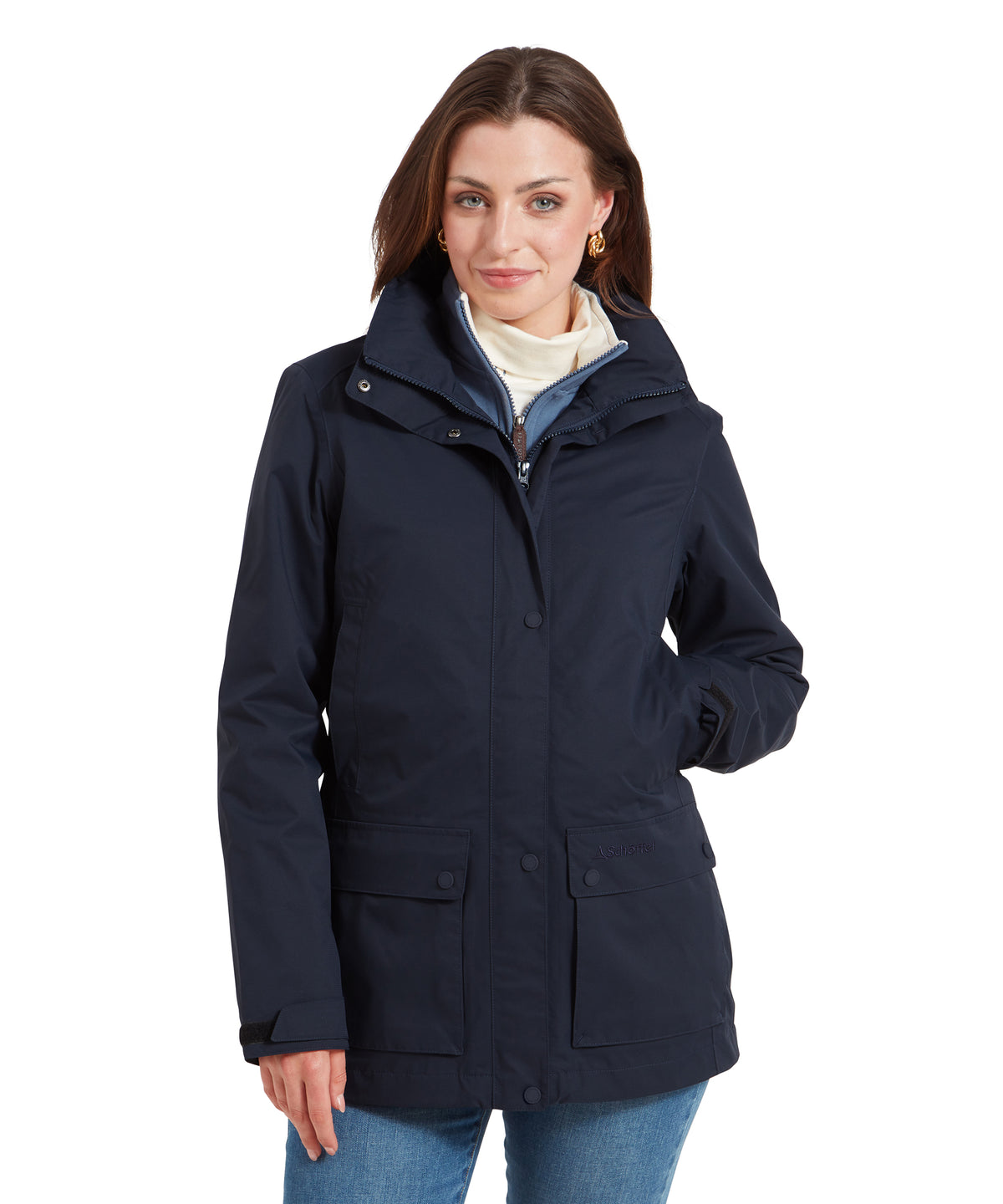
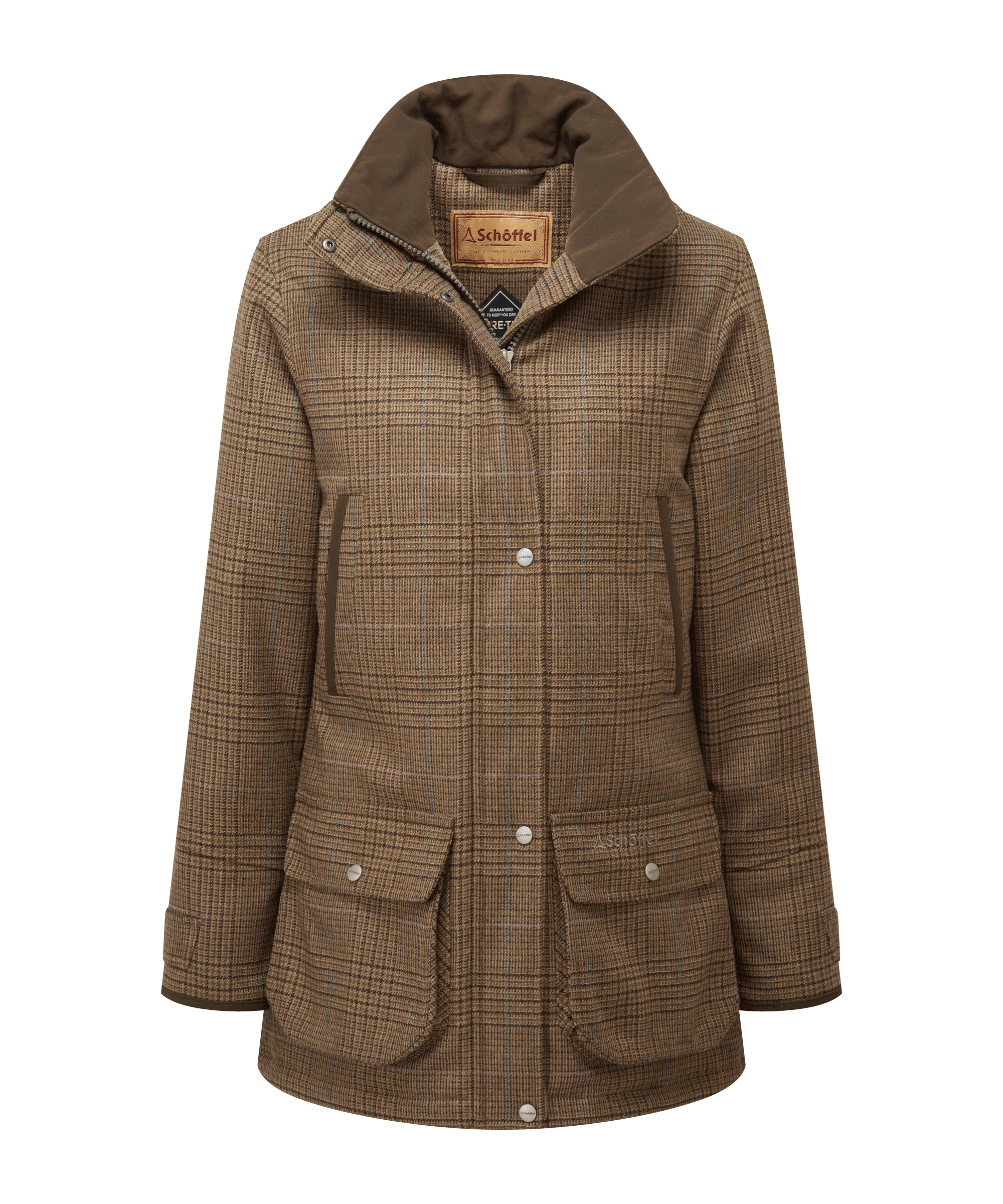
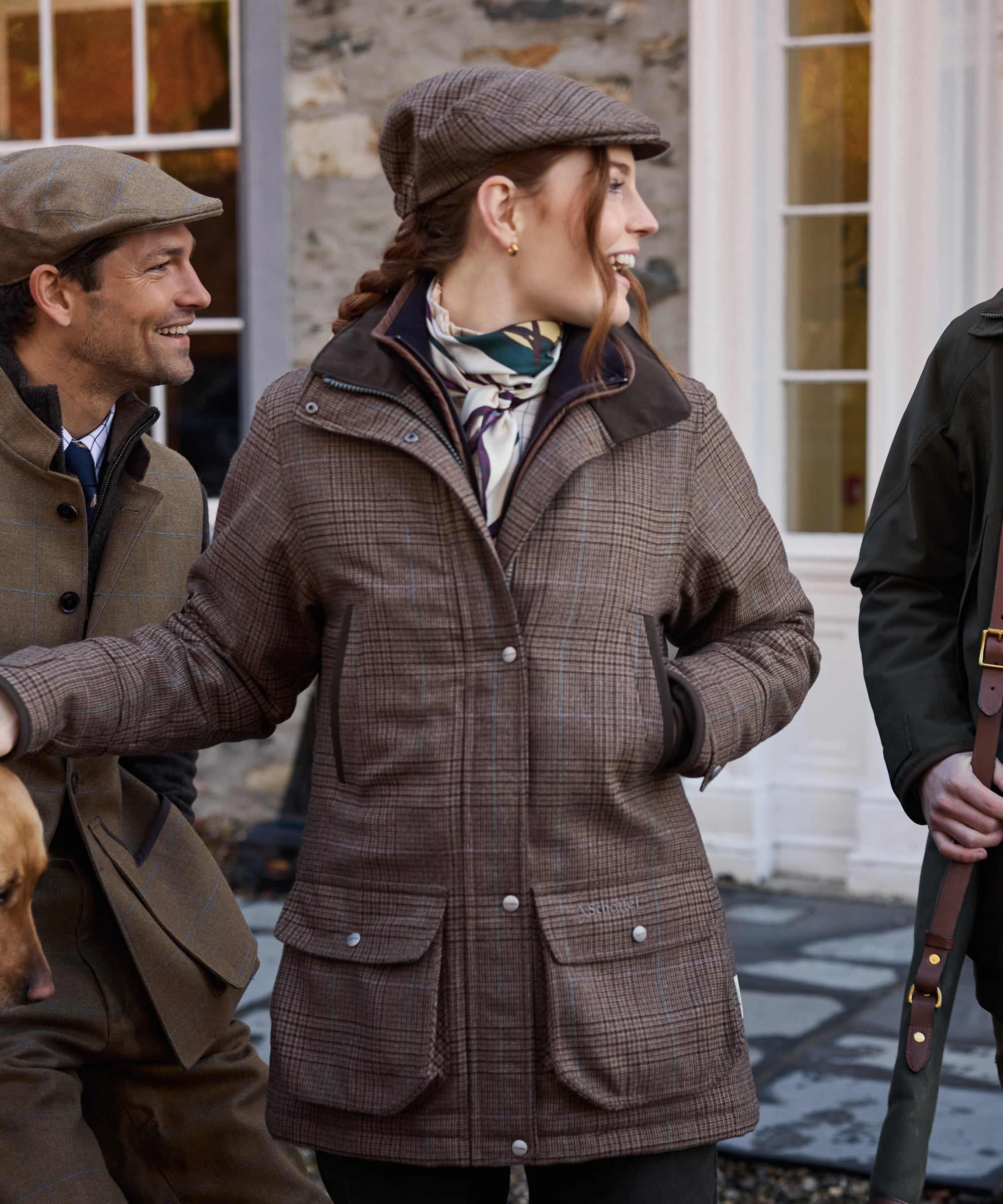
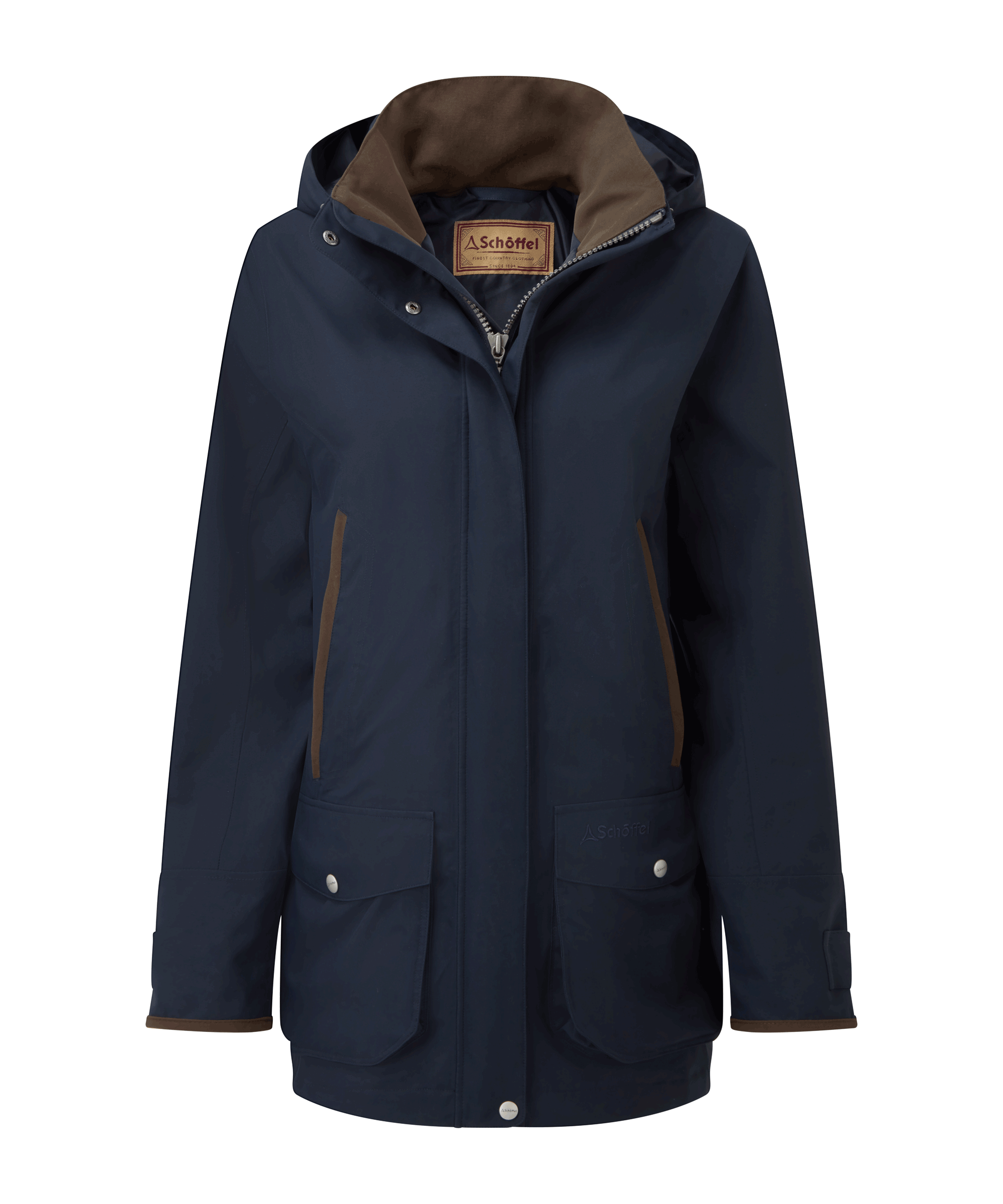
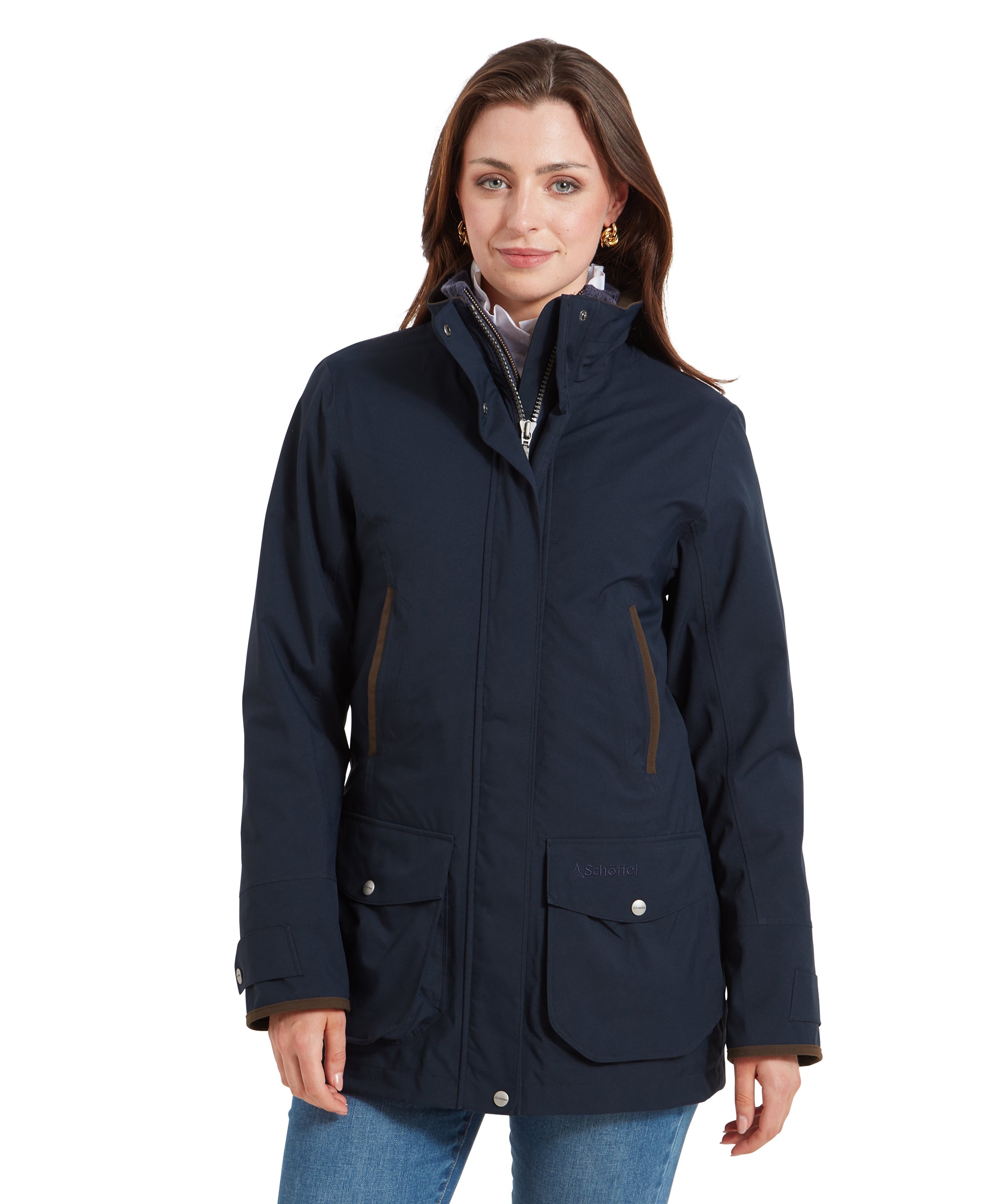
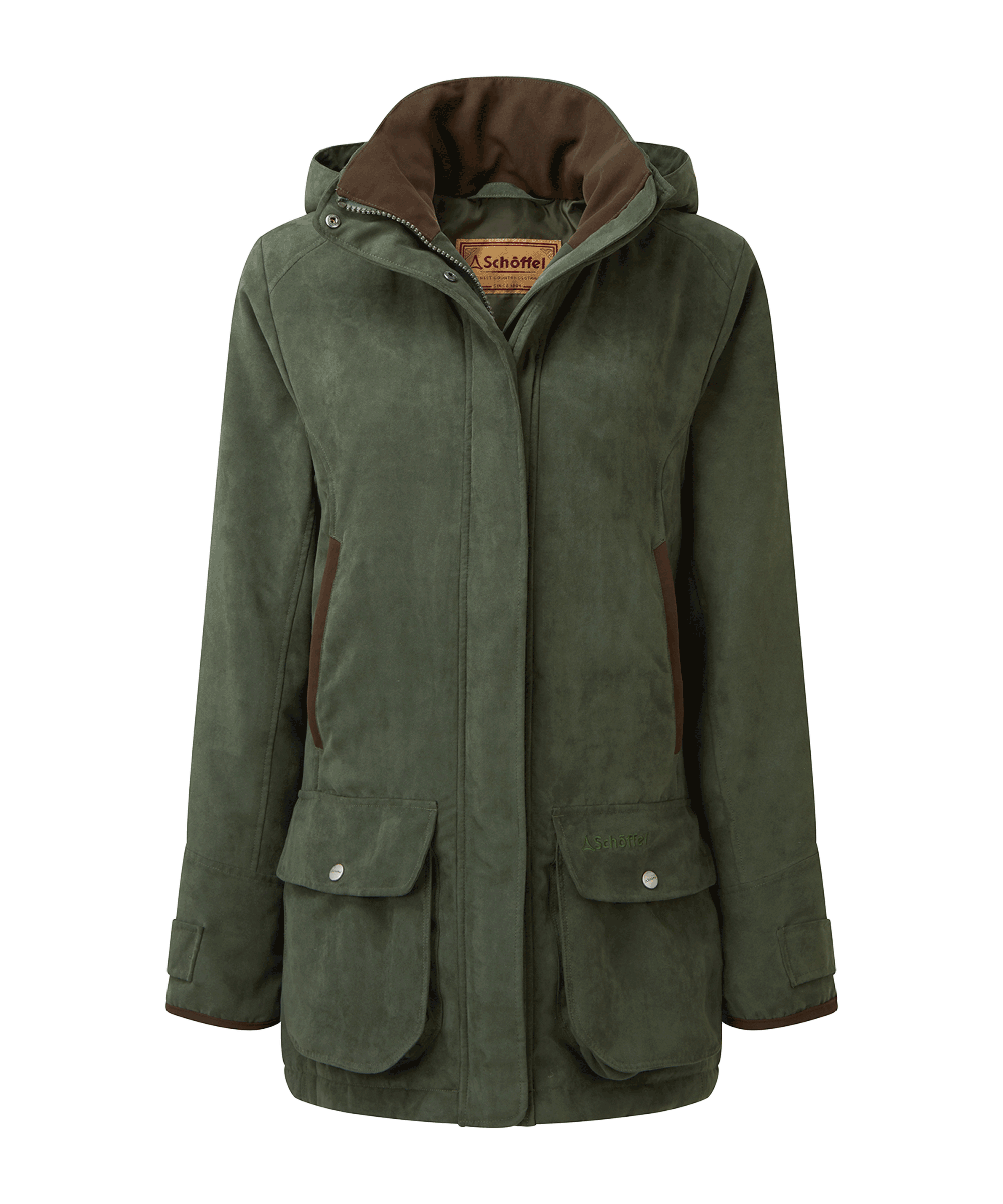
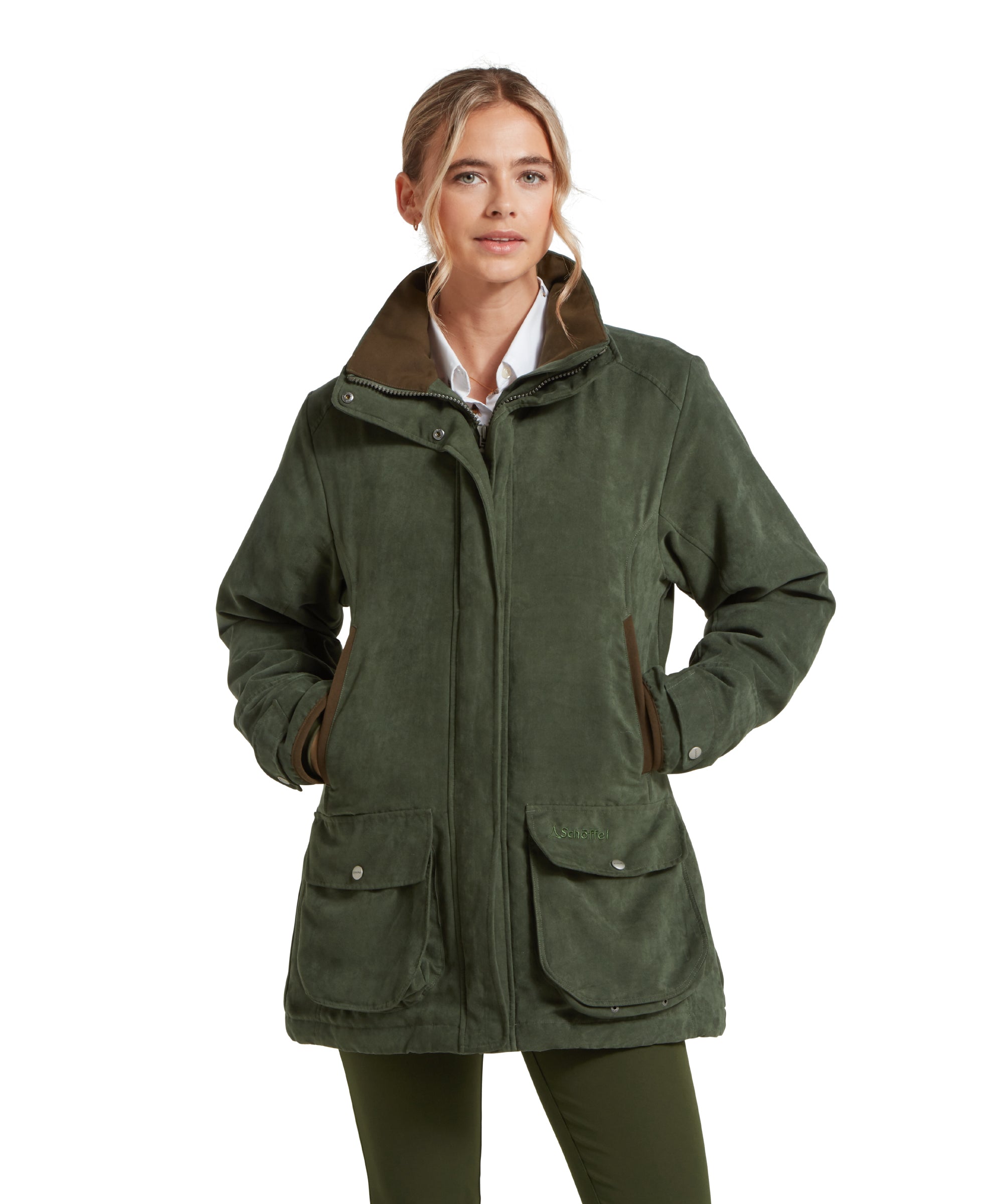
Footwear earns its keep on a rainy-day walk. A boot with a waterproof membrane and decent grip is the difference between a confident stride along a slick pathway and an undignified slide. Wellington boots work for short, muddy walks; for anything longer, a proper walking boot is often a better choice. Again, though, this is personal preference; some wellies offer more support than others – the same goes for boots.
For a deeper look at what to prioritise in outerwear, our guide to choosing the right waterproof jacket covers the key technical differences in plain English.
Cold winter walks
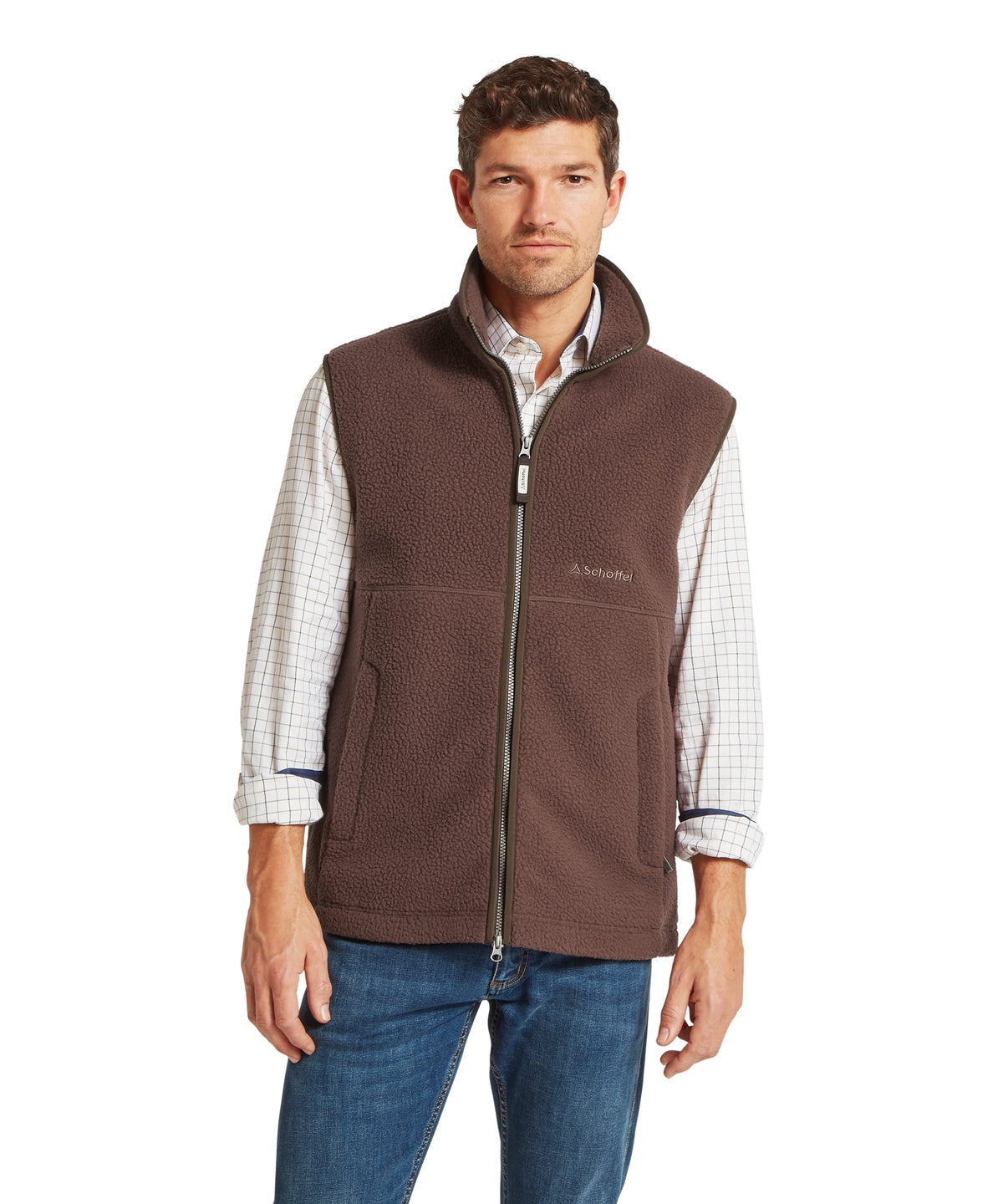
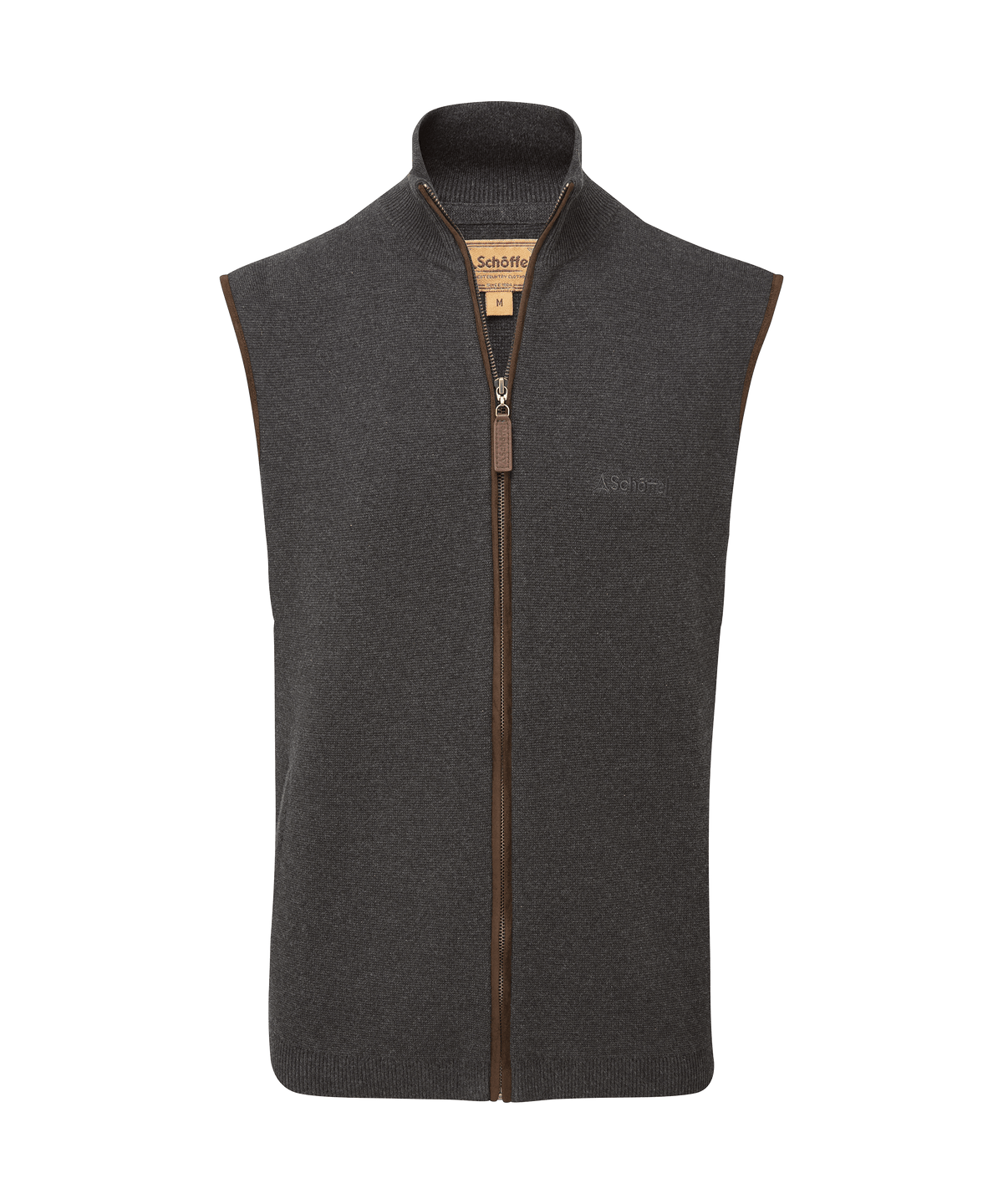
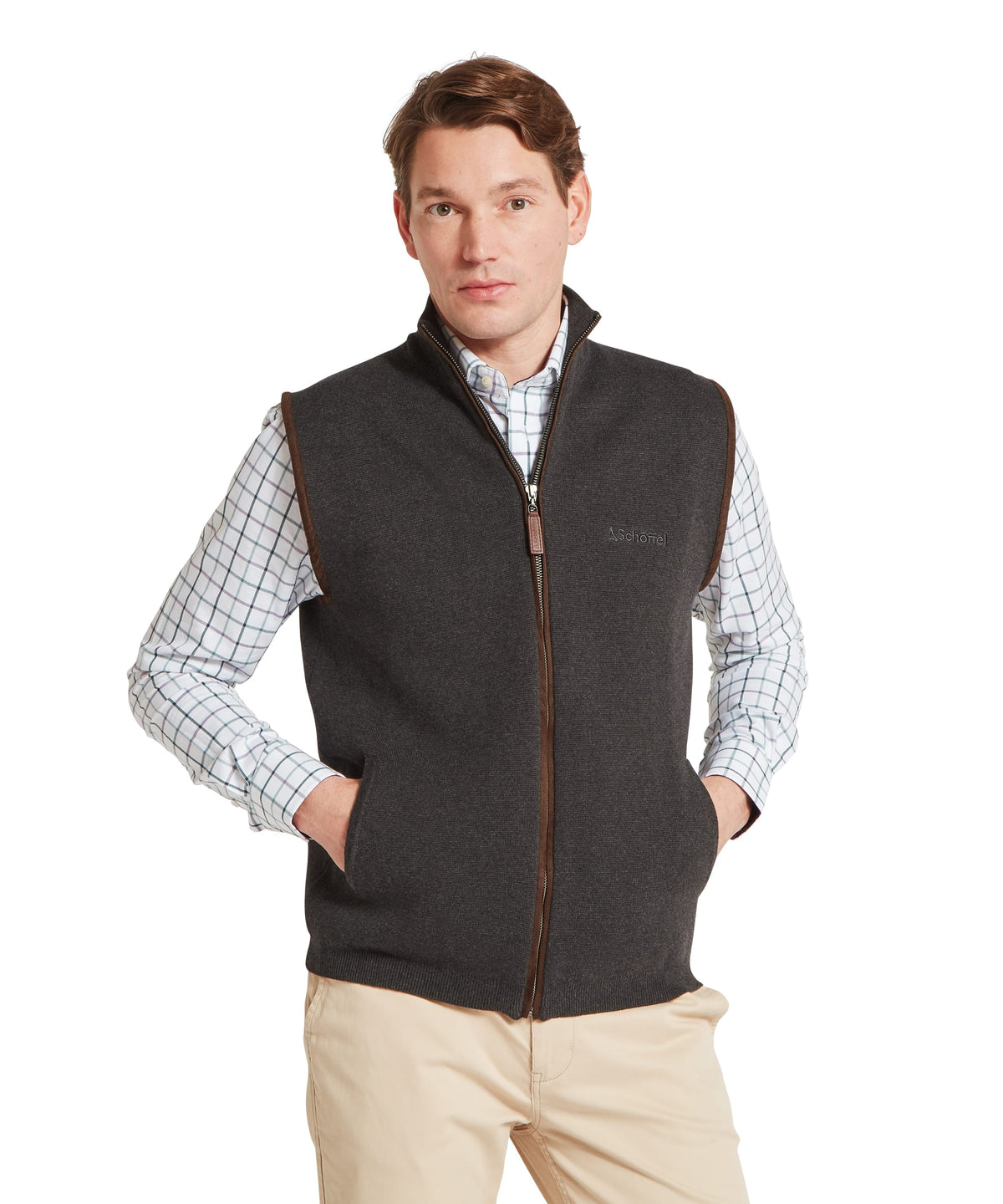
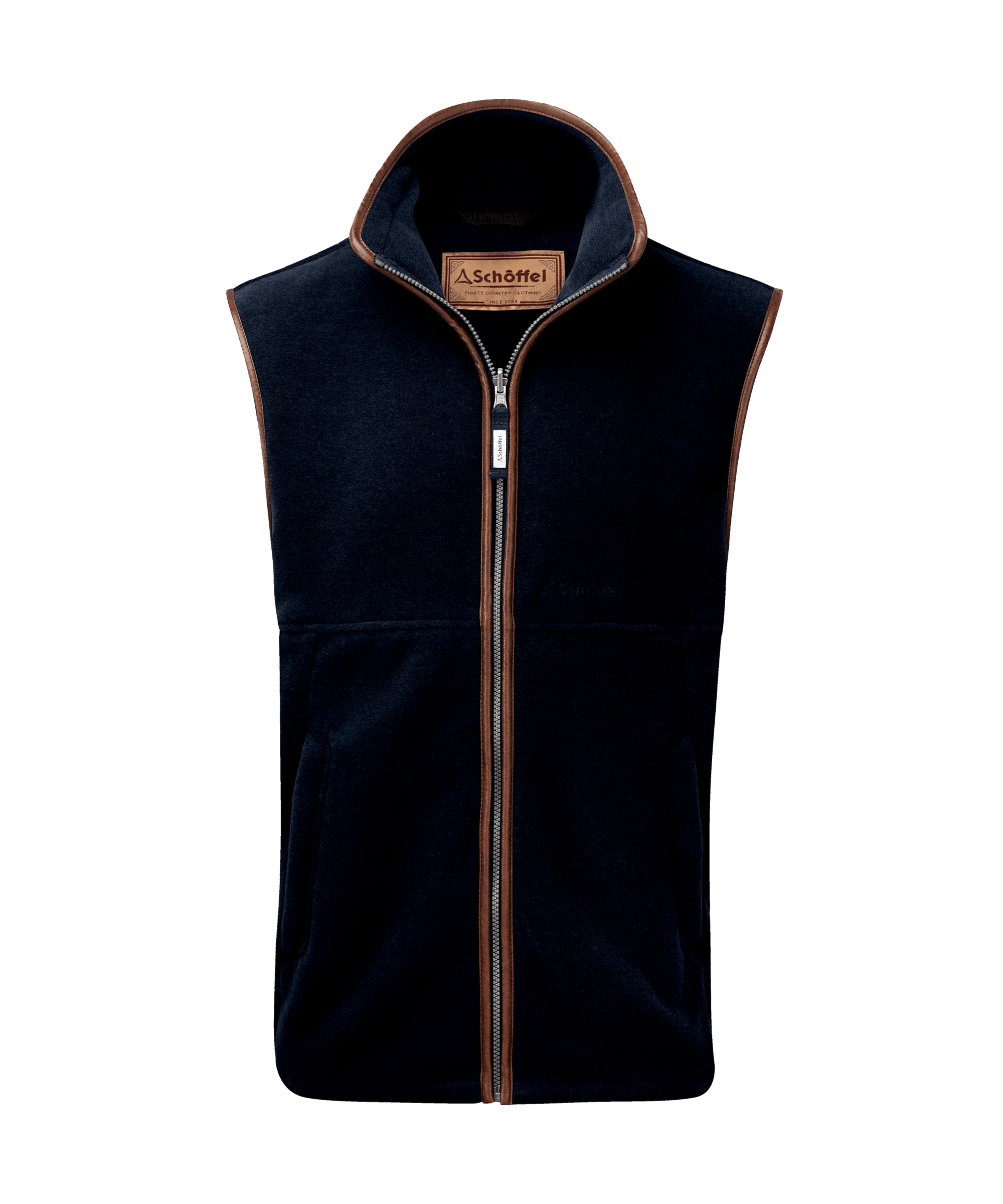
Winter dog walks call for a layered approach. Start with a thermal base layer – merino wool or wool blends are worth the investment for their warmth-to-weight ratio and ability to regulate temperature as your exertion level changes. Over that, a midweight fleece or insulated gilet keeps your core warm without adding bulk through the arms.
The fit of the outer layer is key to comfort. An insulated coat with a longer cut will retain body heat more effectively; look for features like a high collar, adjustable cuffs and hem, and deep hand-warmer pockets. Hats and gloves are obvious additions but consider a fleece-lined neck gaiter or woollen scarf, too. And don't forget about suitable winter trousers – durable breathability is key here.
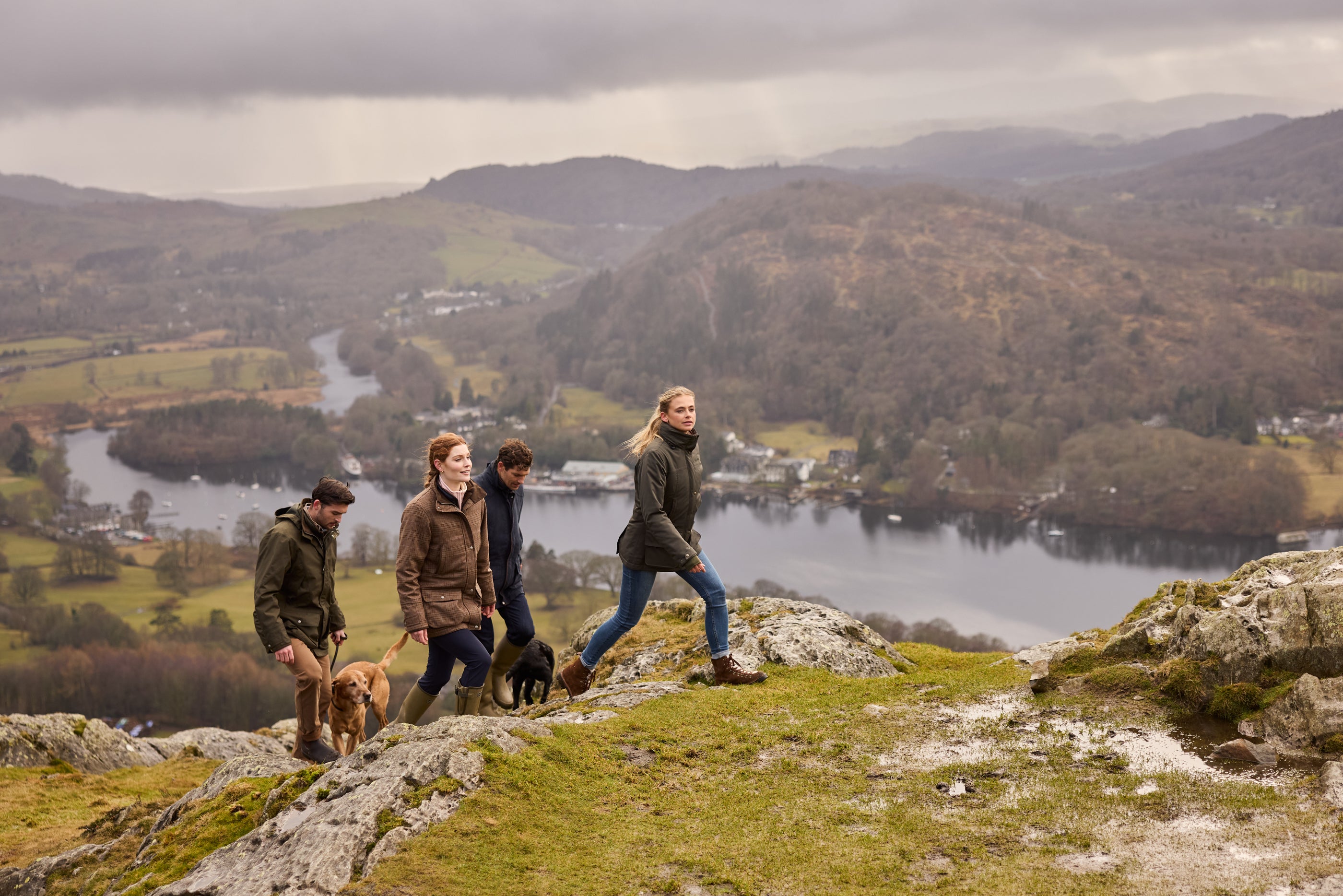
Footwear tends to get overlooked until it fails. For winter walks on mixed terrain, a mid-height boot with grip and waterproofing will offer more support than a wellington boot. Think carefully about the sort of terrain you will be walking on; a walk around the local playing field is quite a different thing to a hike up into the hills.
Spring and autumn walks
The shoulder seasons are the most demanding to dress for, because conditions can shift dramatically within a single walk. Transitional layers are the answer: pieces light enough not to slow you down when the sun appears, but substantial enough to keep the chill off when it doesn't.
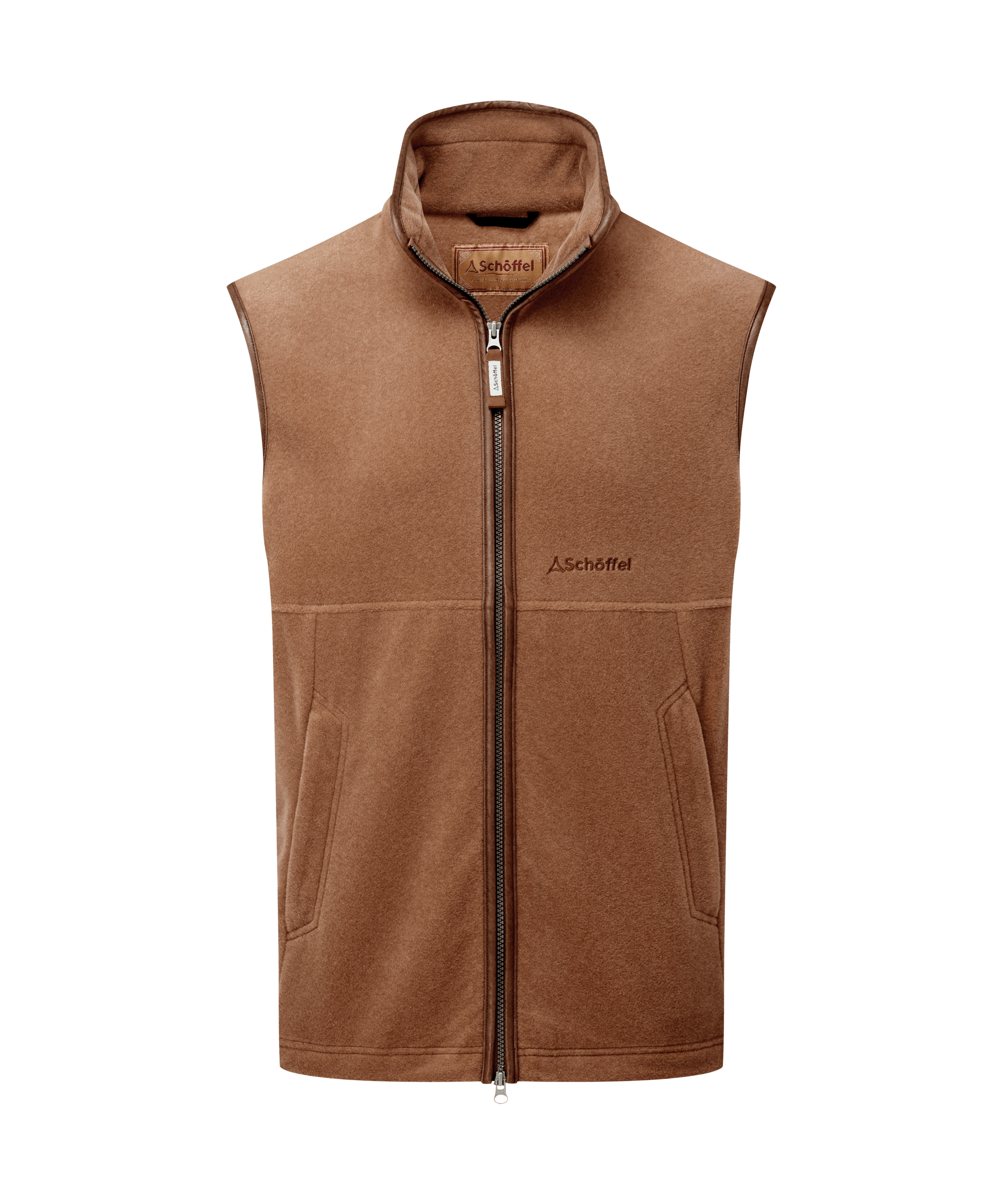
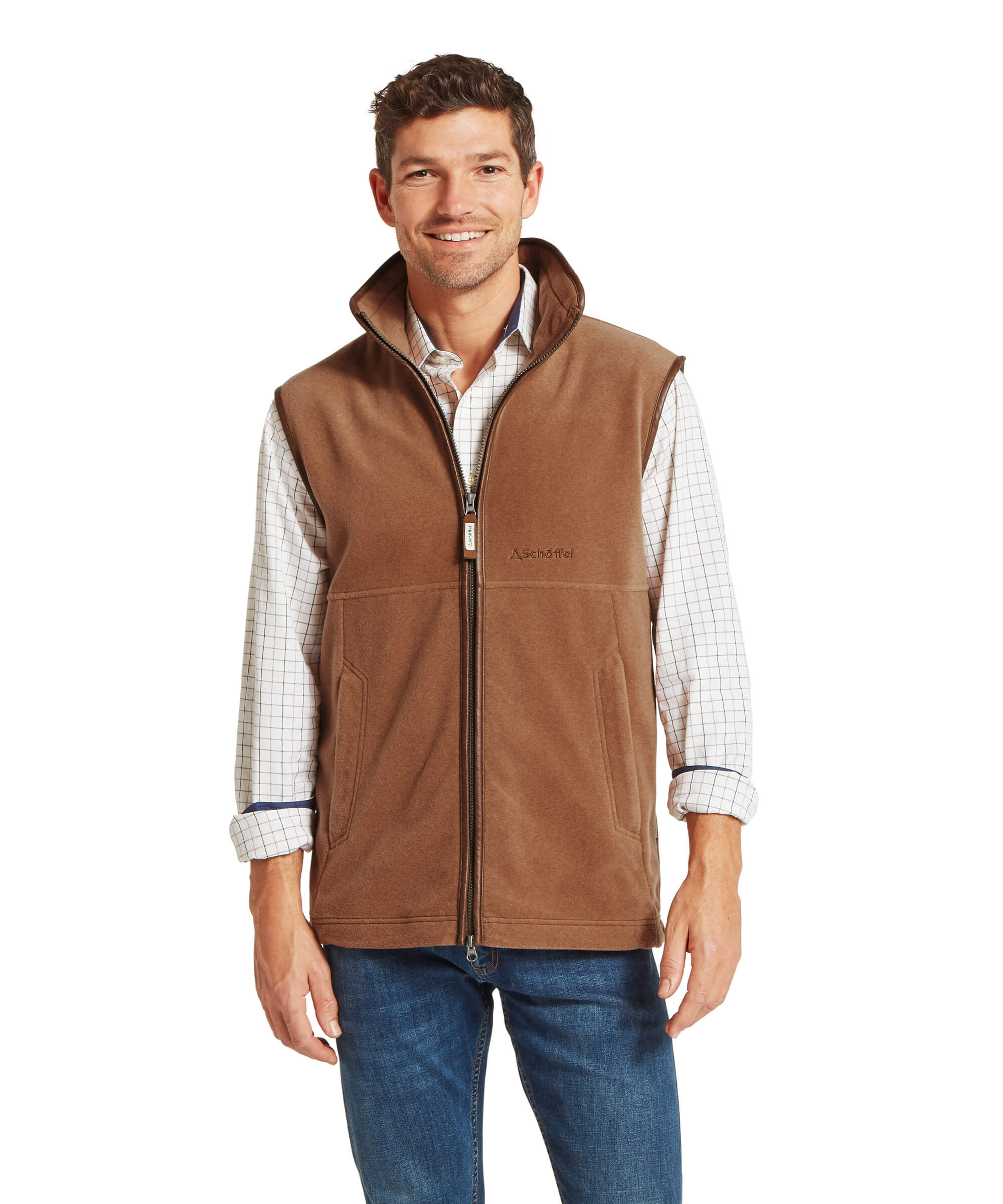
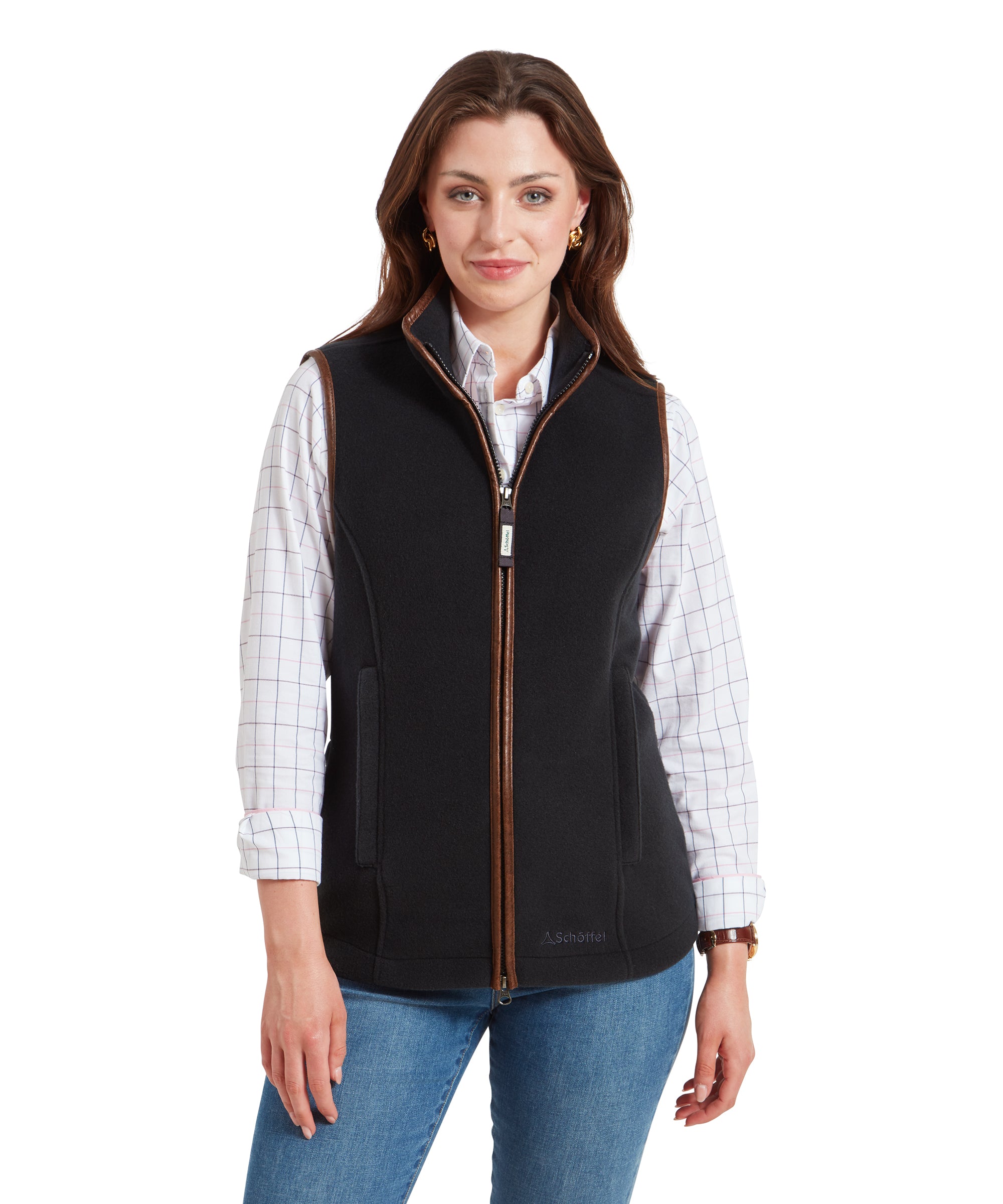
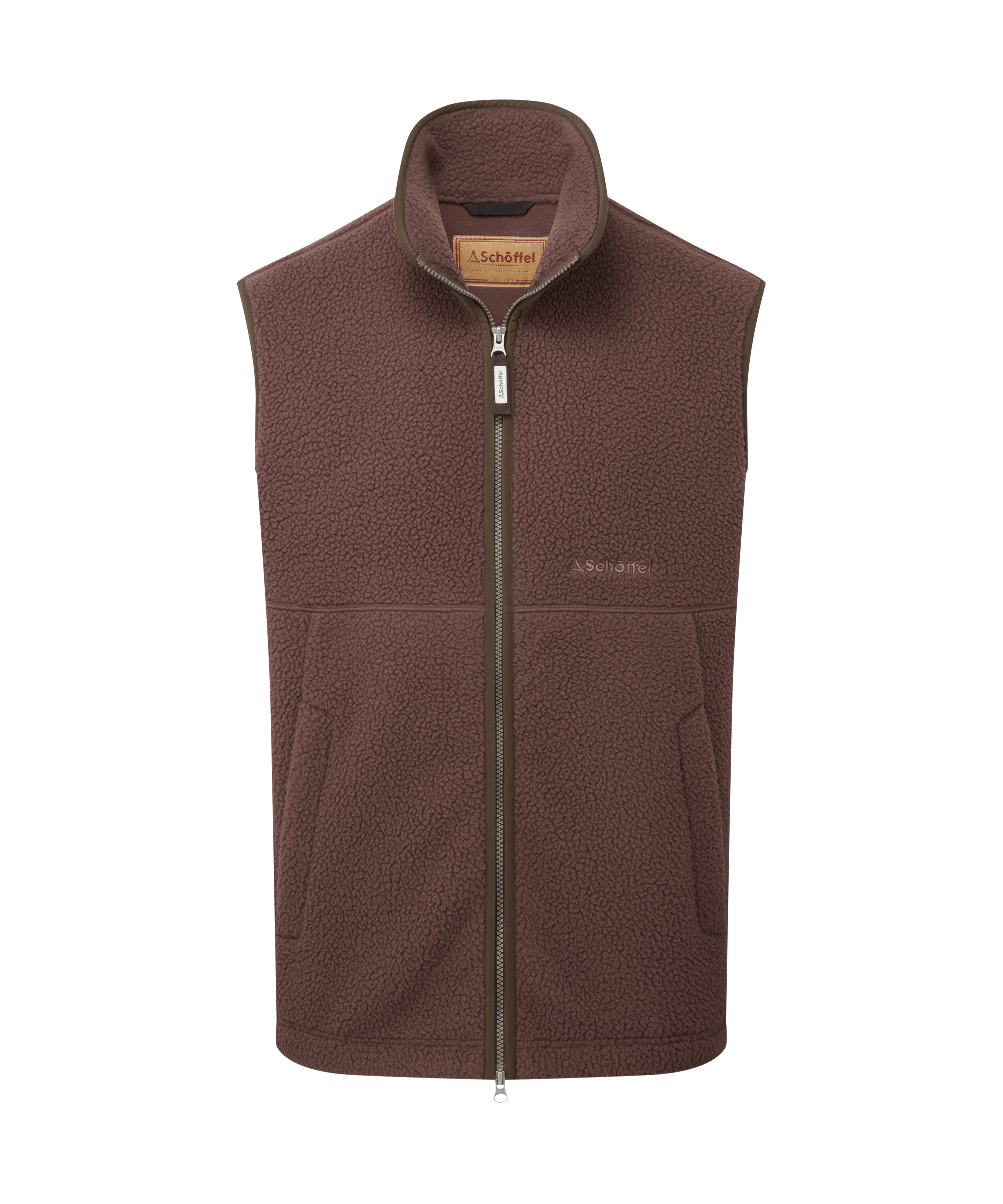
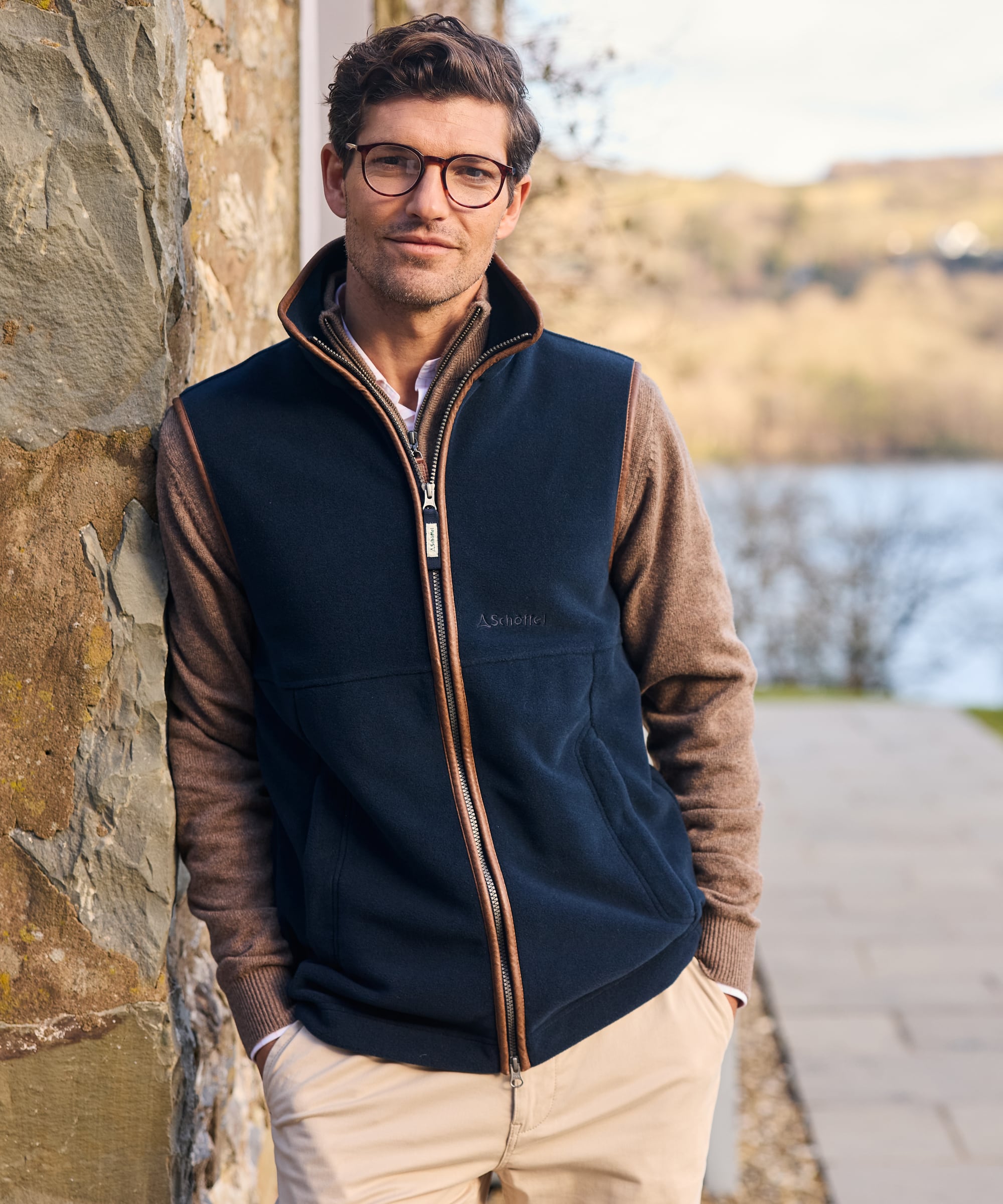
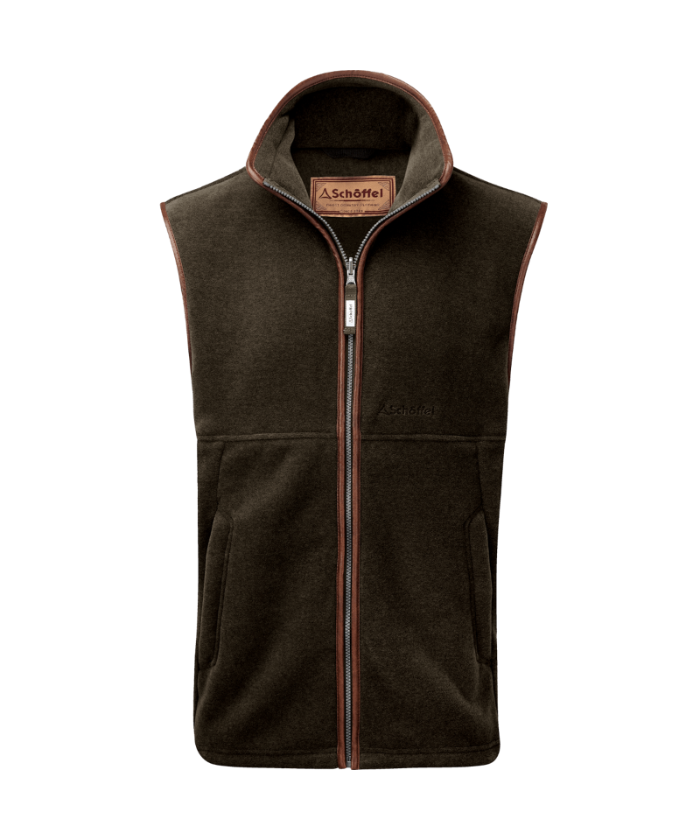
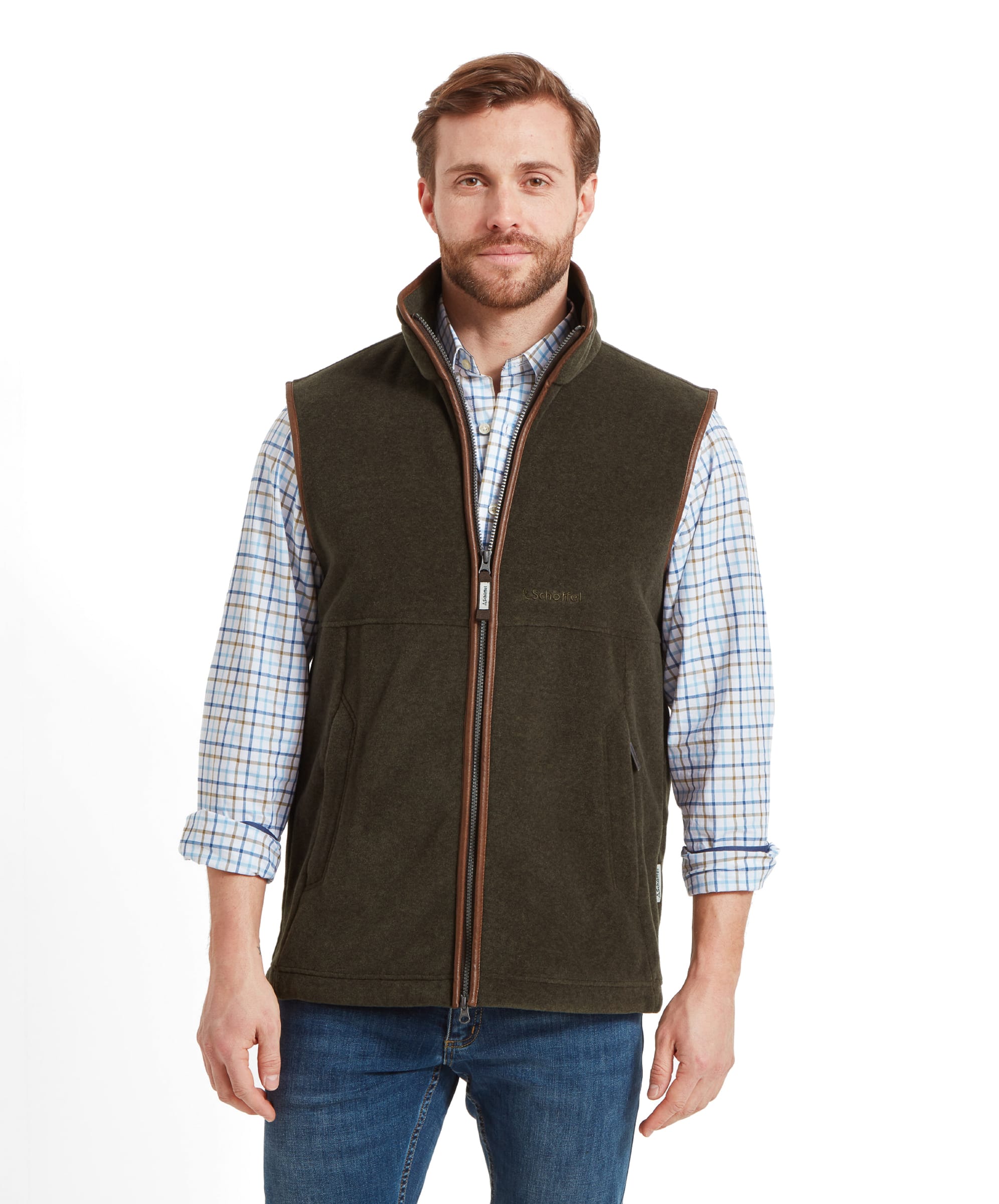
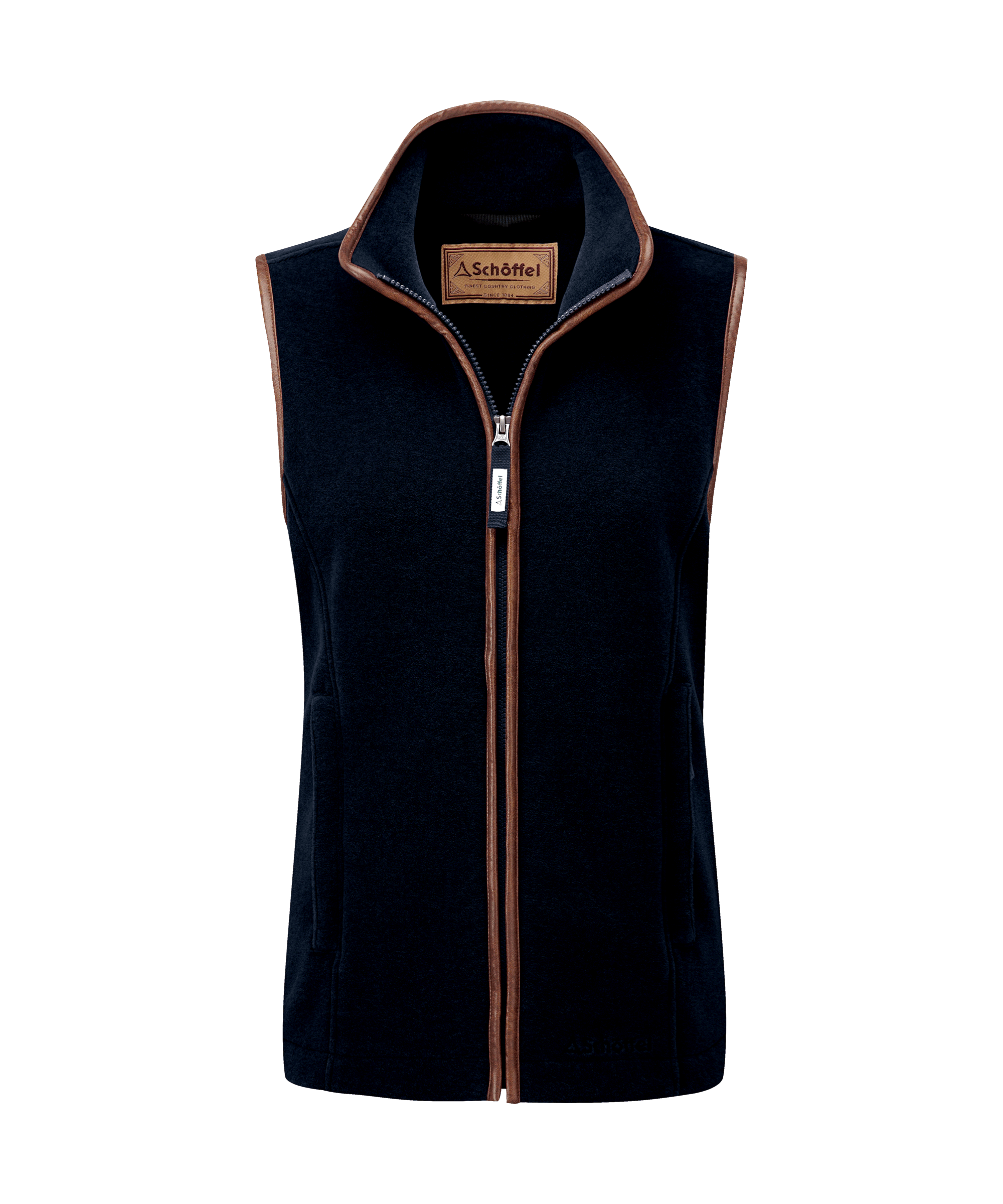
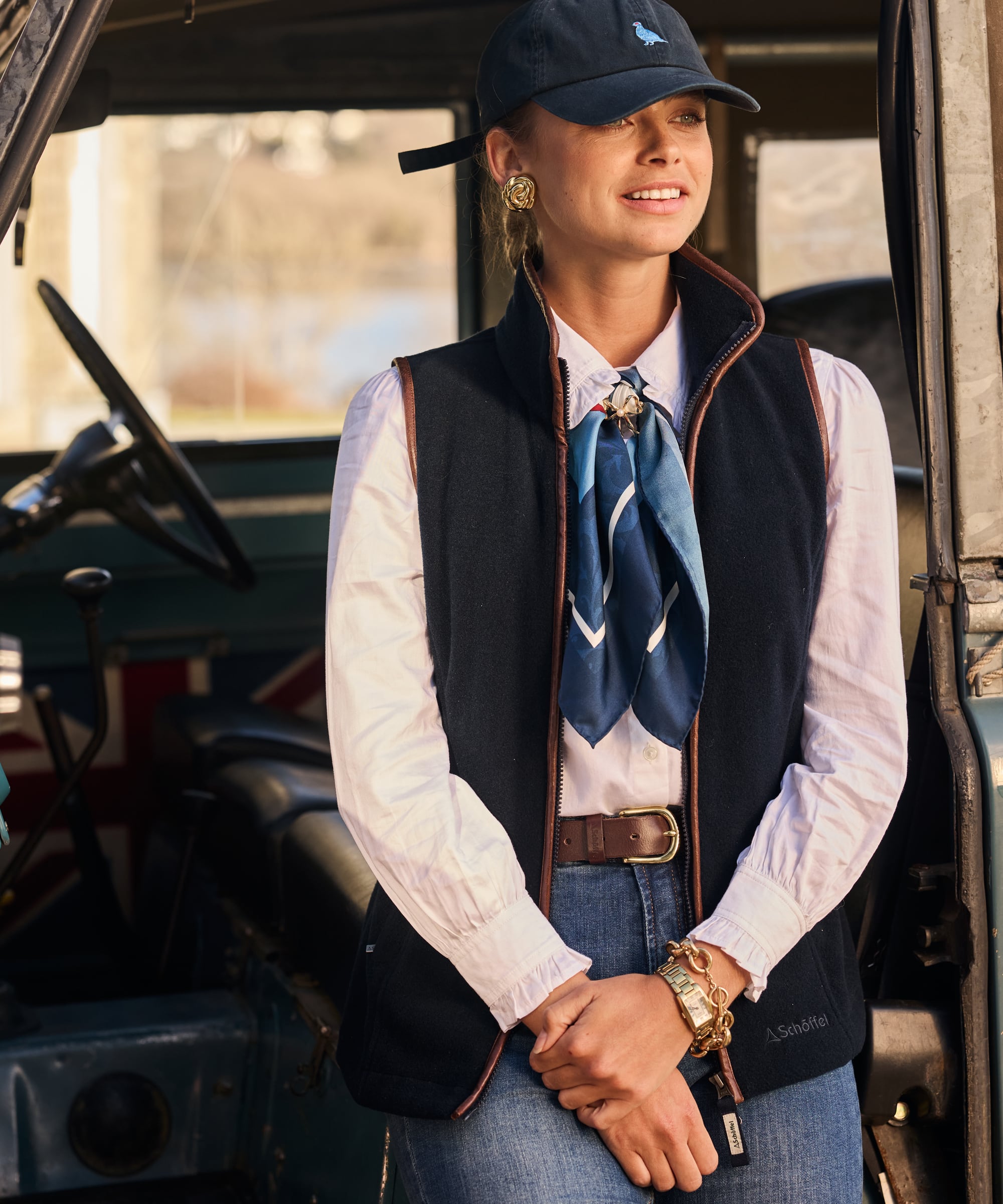
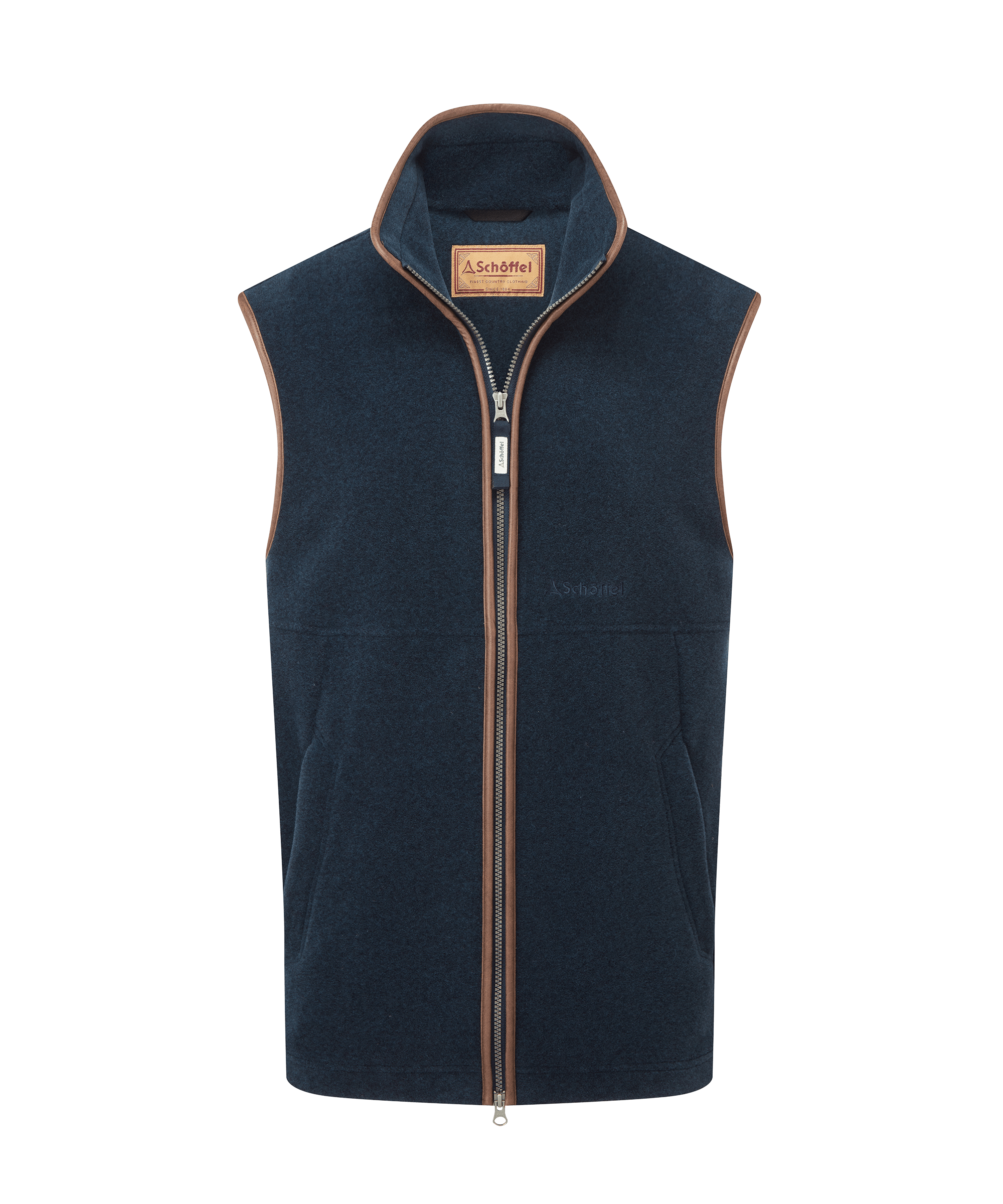
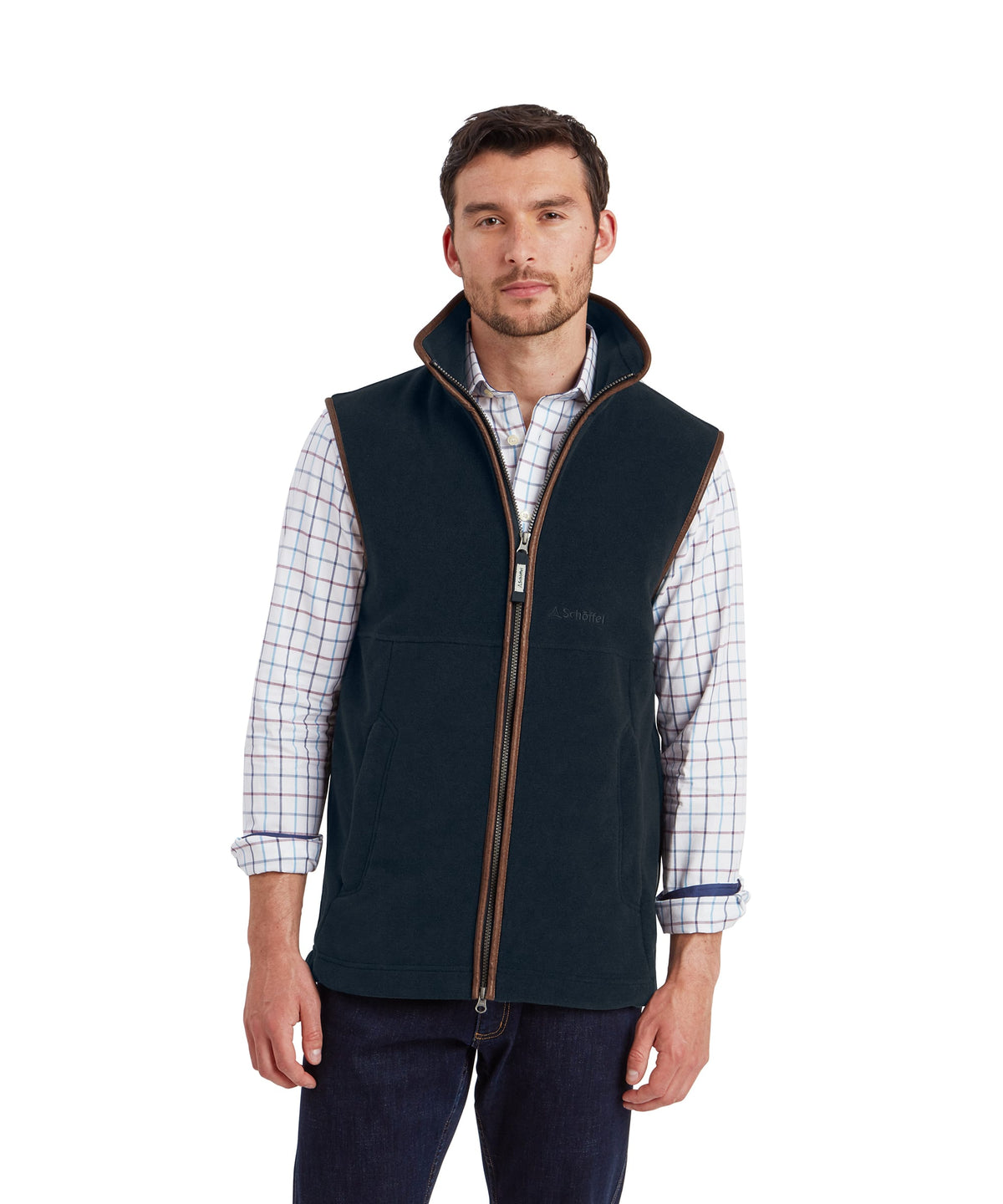
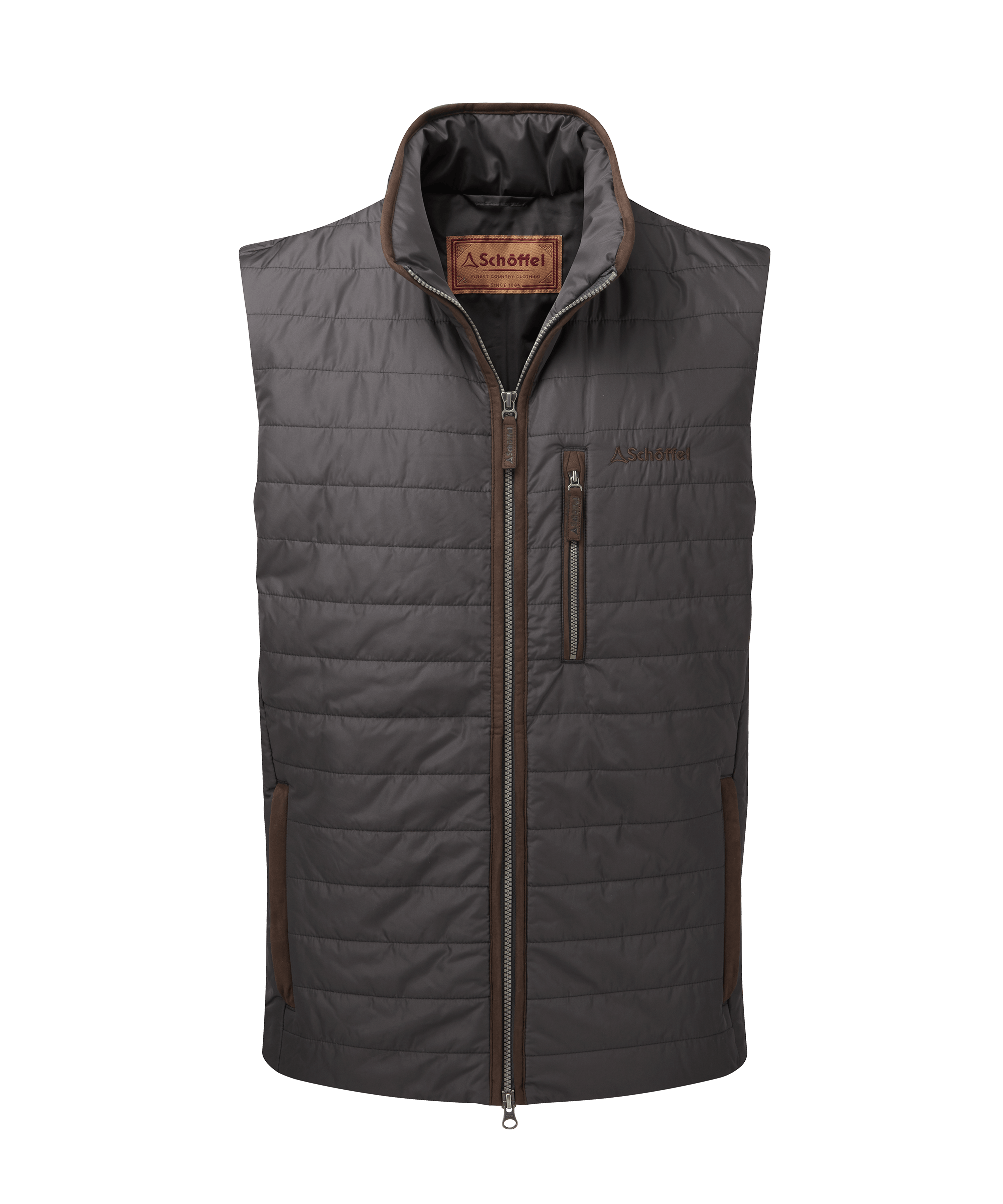
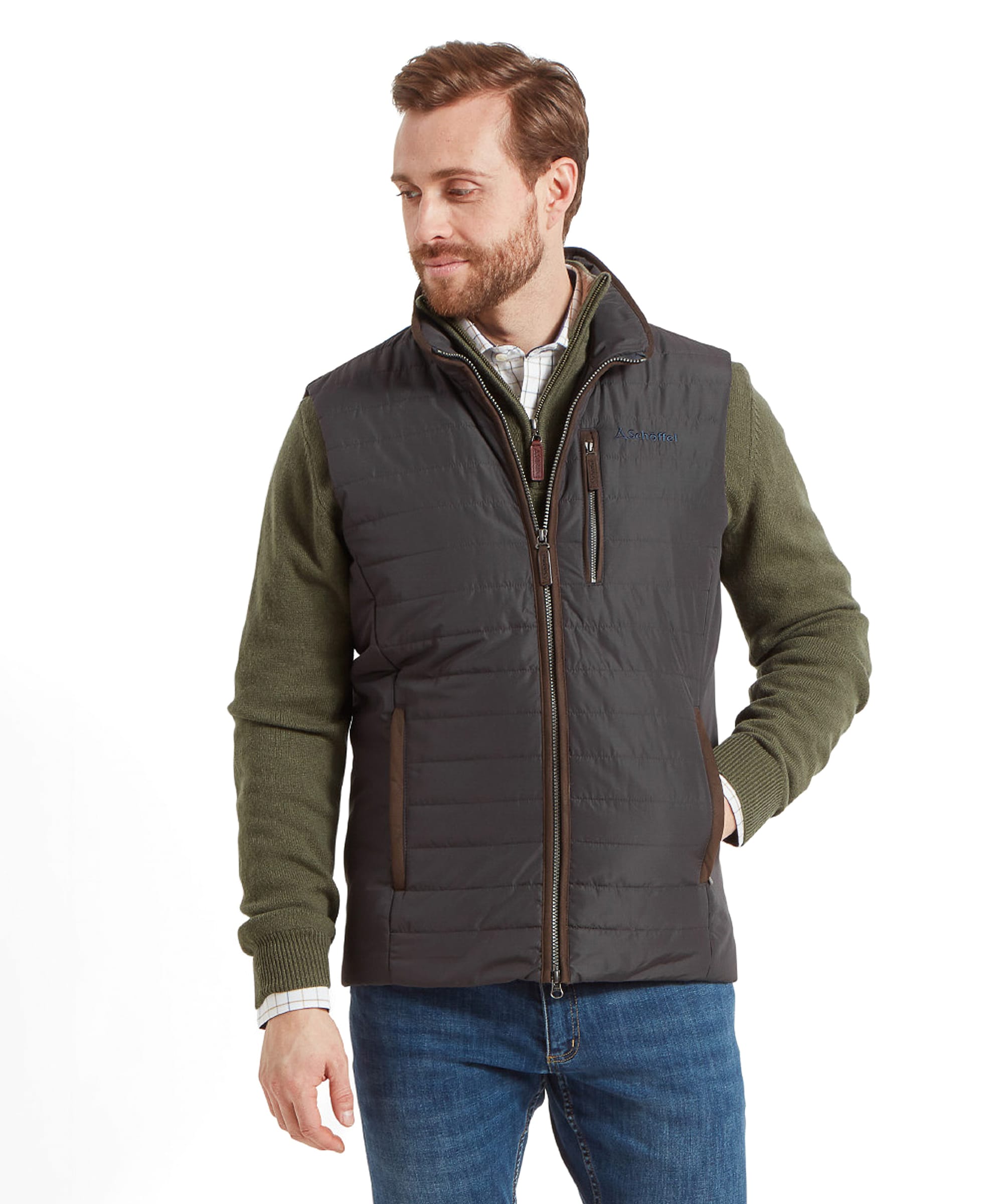
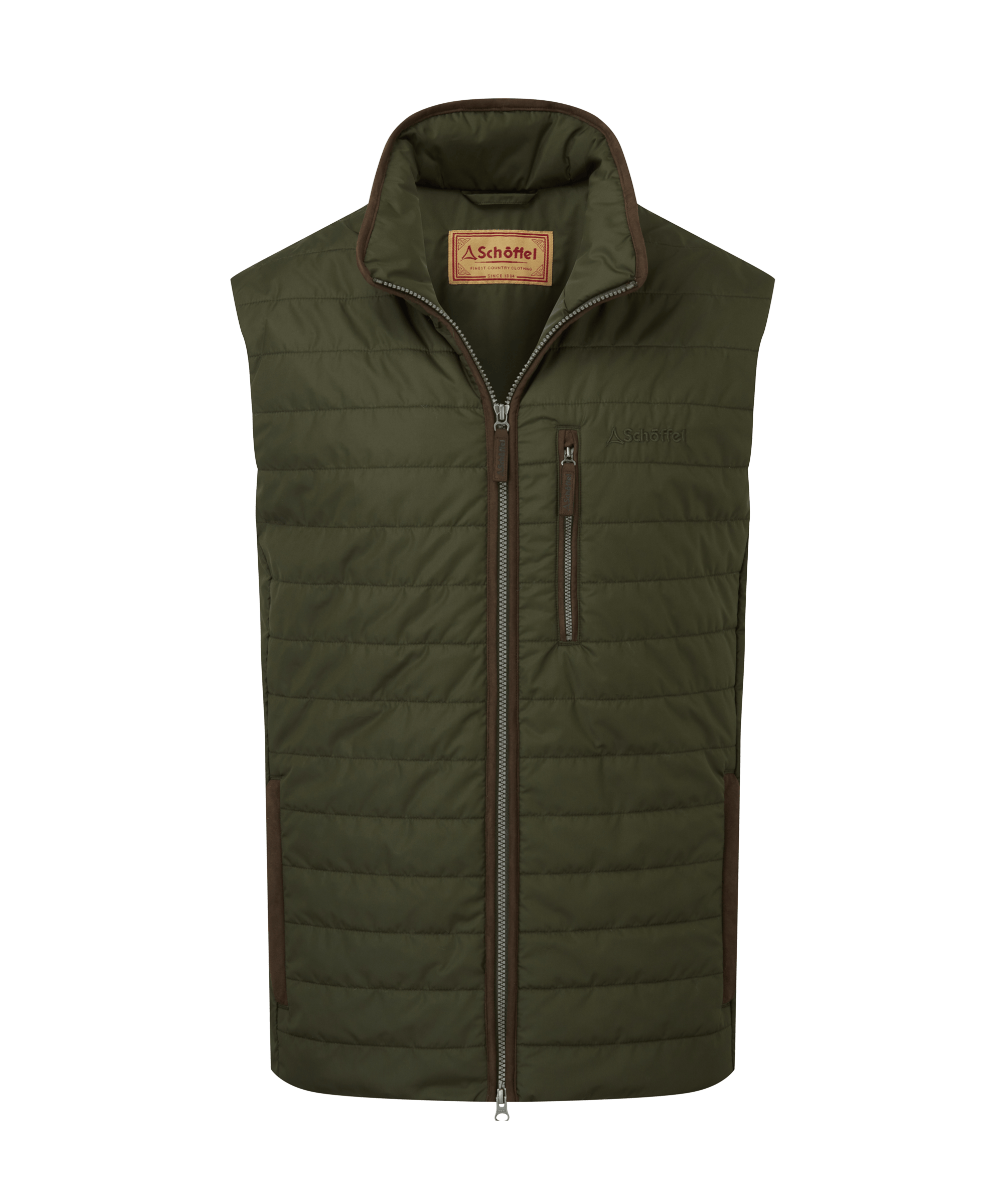
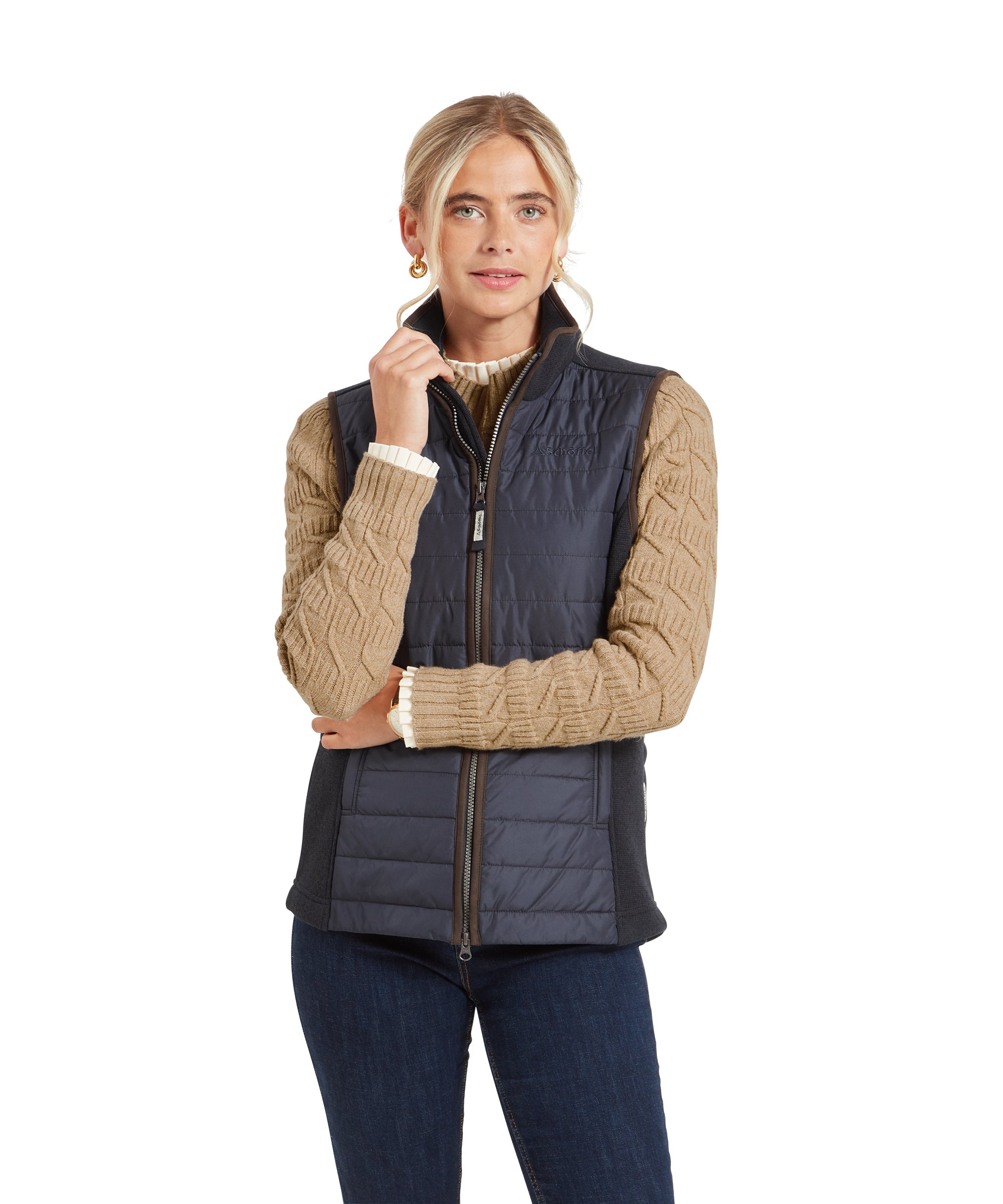
A lightweight fleece gilet for him or for her over a long-sleeved shirt is a versatile combination that adapts well to changing temperatures. If rain is on the cards, layer it under a packable waterproof. Soft-shell jackets earn their keep here, too, offering wind resistance and a degree of water-repellency – the best options incorporate four-way-stretch fabric for unmatched freedom of movement (a feature you will only fully appreciate once you’ve worn a jacket that includes it).
For navigating the particular unpredictability of spring, take a look at our piece on living with spring showers – a practical guide to dressing for weather that simply cannot make its mind up.
- New inOakham Fleece GiletToffee + 8 colours€190
- BestsellerLyndon Fleece GiletGunmetal + 10 colours€190
- New inOakham Retro Fleece GiletMahogany + 3 colours€190
- New inMarlow GiletCharcoal + 1 colour€200
- BestsellerOakham Fleece GiletNavy + 8 colours€190
- BestsellerOakham Fleece GiletDark Olive + 8 colours€190
- BestsellerLyndon Fleece GiletNavy + 10 colours€190
- BestsellerOakham Fleece GiletPetrol Blue + 8 colours€190

Warm weather walks
Early summer mornings can still carry a chill, and even a warm afternoon calls for a light layer if you're heading into the hills or staying out past sunset. In genuinely mild conditions, breathable fabrics are the priority: lightweight cotton or technical polyester blends that allow air to circulate and moisture to escape.
Swap heavy trousers for a lighter-weight option. A technical walking trouser for her in a stretch fabric works well. Shorts are an option if you'd rather not carry extra weight. For your upper half, a linen or cotton shirt with a packable windproof stuffed into your pocket covers most warm-weather eventualities.
Sun protection is worth remembering – particularly if you're spending several hours exposed to the sun. A lightweight long-sleeved layer also offers useful protection on open moorland or coastal walks where shade is limited and reflected light can catch you off guard.
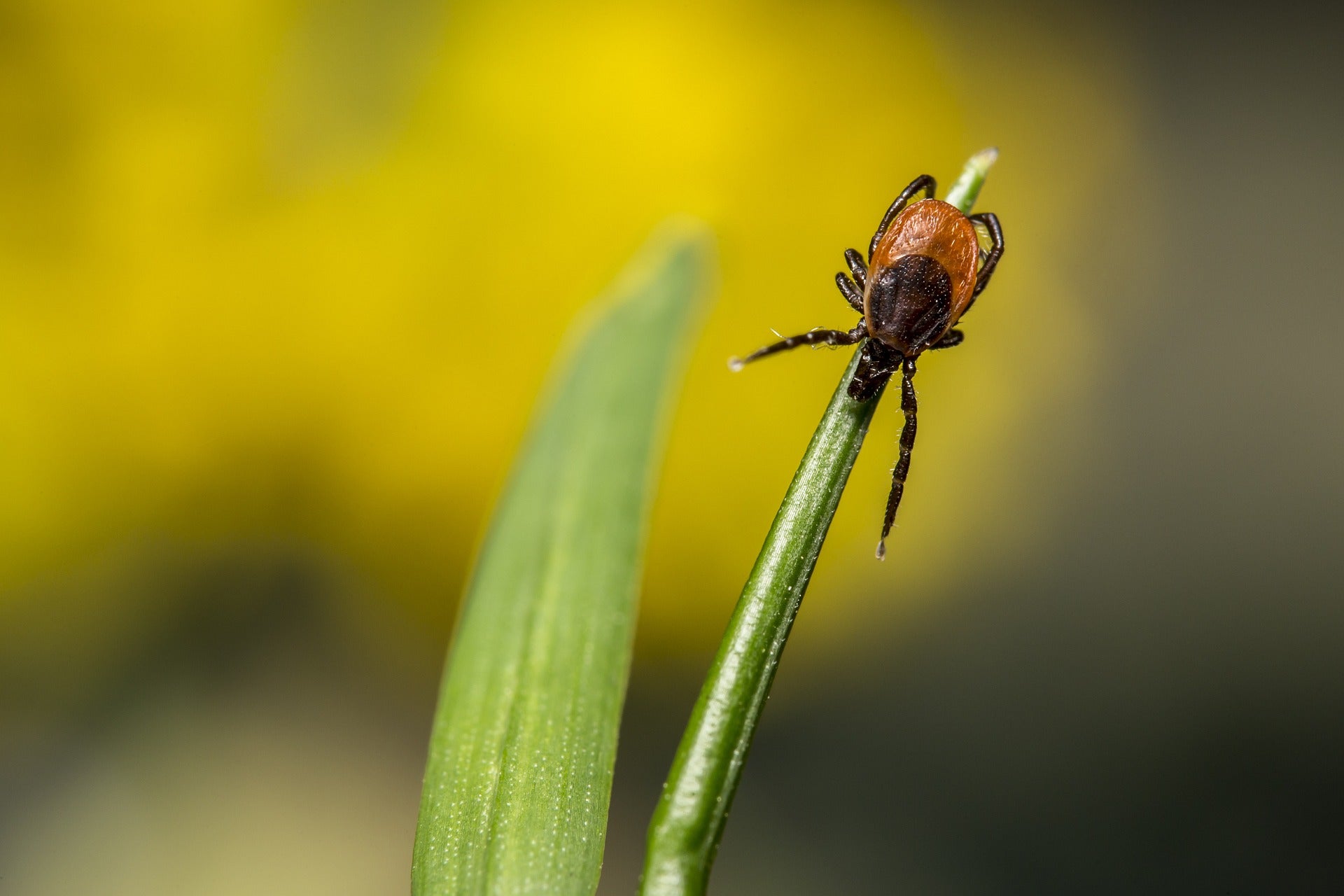
Also, ticks... Tick numbers are increasing across the UK. The small parasites, which thrive in long grass, bracken and wooded areas, and easily attach themselves to both dogs and humans, can carry Lyme disease. They’re not just an issue in summer, though that is when they are most prevalent. Lyme Disease UK is a useful resource with advice on how best to prevent tick bites and what to do should you find a tick bite.
The details that make a good dog walking outfit
The best dog walking outfit combines waterproof, breathable outerwear with practical mid-layers and hardwearing trousers. Look for freedom of movement through the shoulders and hips, deep pockets for all the usual walk essentials, and easy-care fabrics that stand up to repeated washing.
When you're choosing pieces for a dog walking outfit, fit and function matter more than labels. Here's what to look for.
Waterproofing vs water resistance
Water-resistant fabrics handle a light shower; waterproof fabrics handle sustained rain. For anyone who walks in all weathers, the distinction matters. A jacket rated waterproof – look for a hydrostatic head rating of 10,000mm or above – will outlast a water-resistant alternative in prolonged wet weather. Read more in our guide to choosing the right waterproof jacket.
Breathability
A jacket that keeps rain out but traps body heat in will leave you uncomfortable within minutes of picking up the pace. Breathability – measured in grams of moisture vapour transmitted per square metre per 24 hours (g/m²/24h) – matters as much as waterproofing for active use. Aim for a breathability rating of 10,000g/m²/24h or above for walking. If ever you’ve walked your dogs in a jacket that isn’t breathable, you’ll be aware of how quickly perspiration becomes an issue.
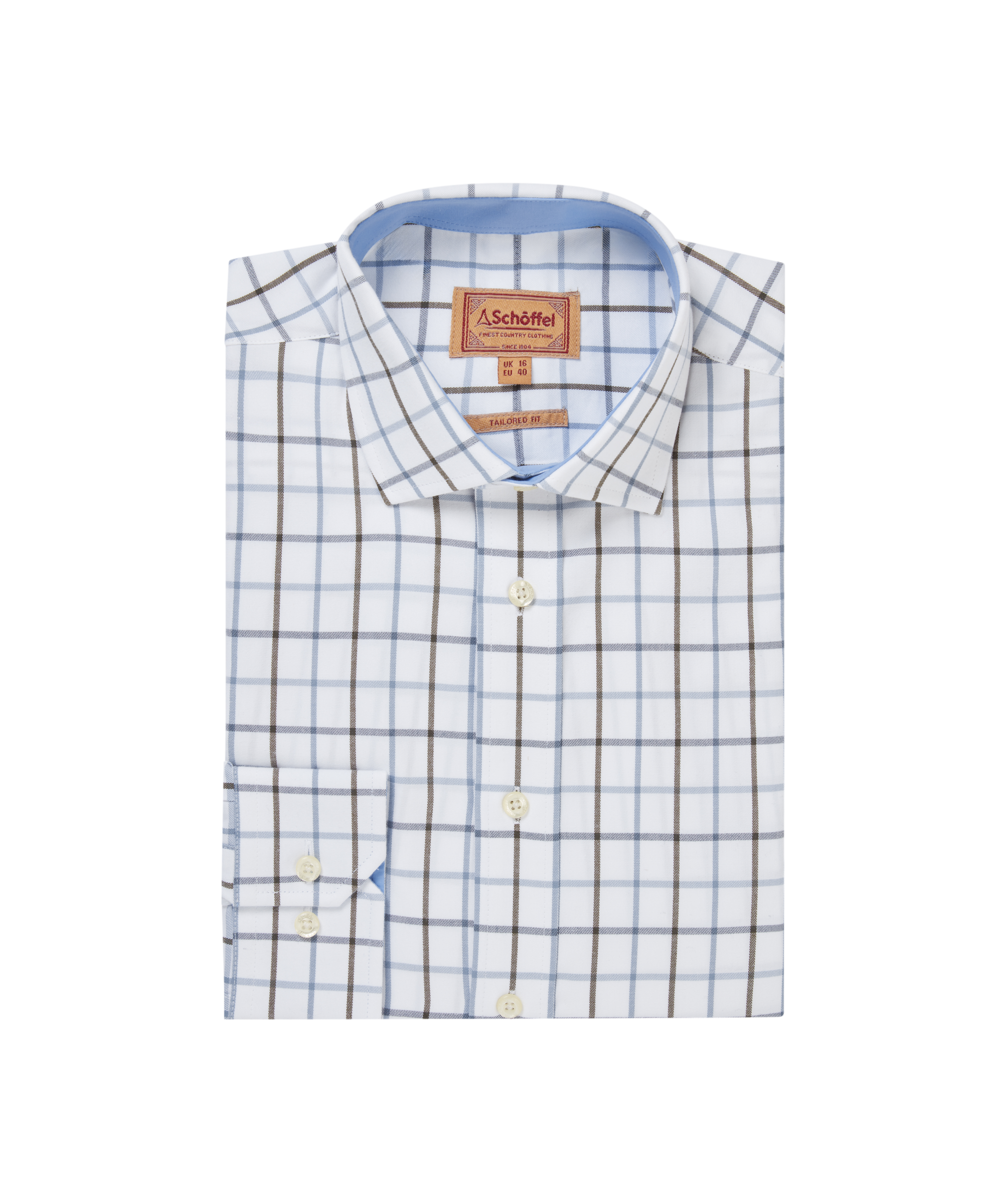
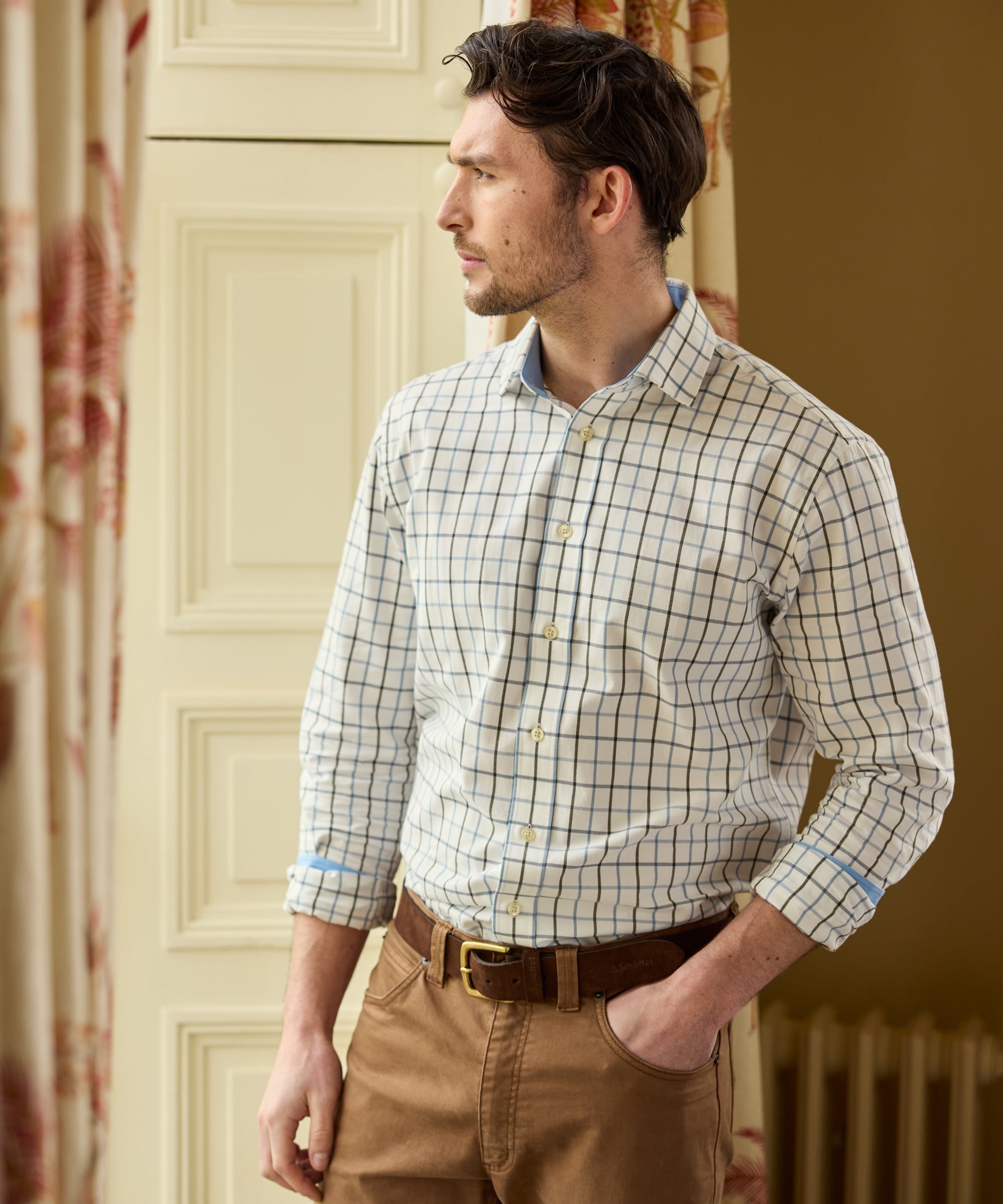
- BestsellerBaconsthorpe Tailored ShirtMountain Blue + 2 colours€100
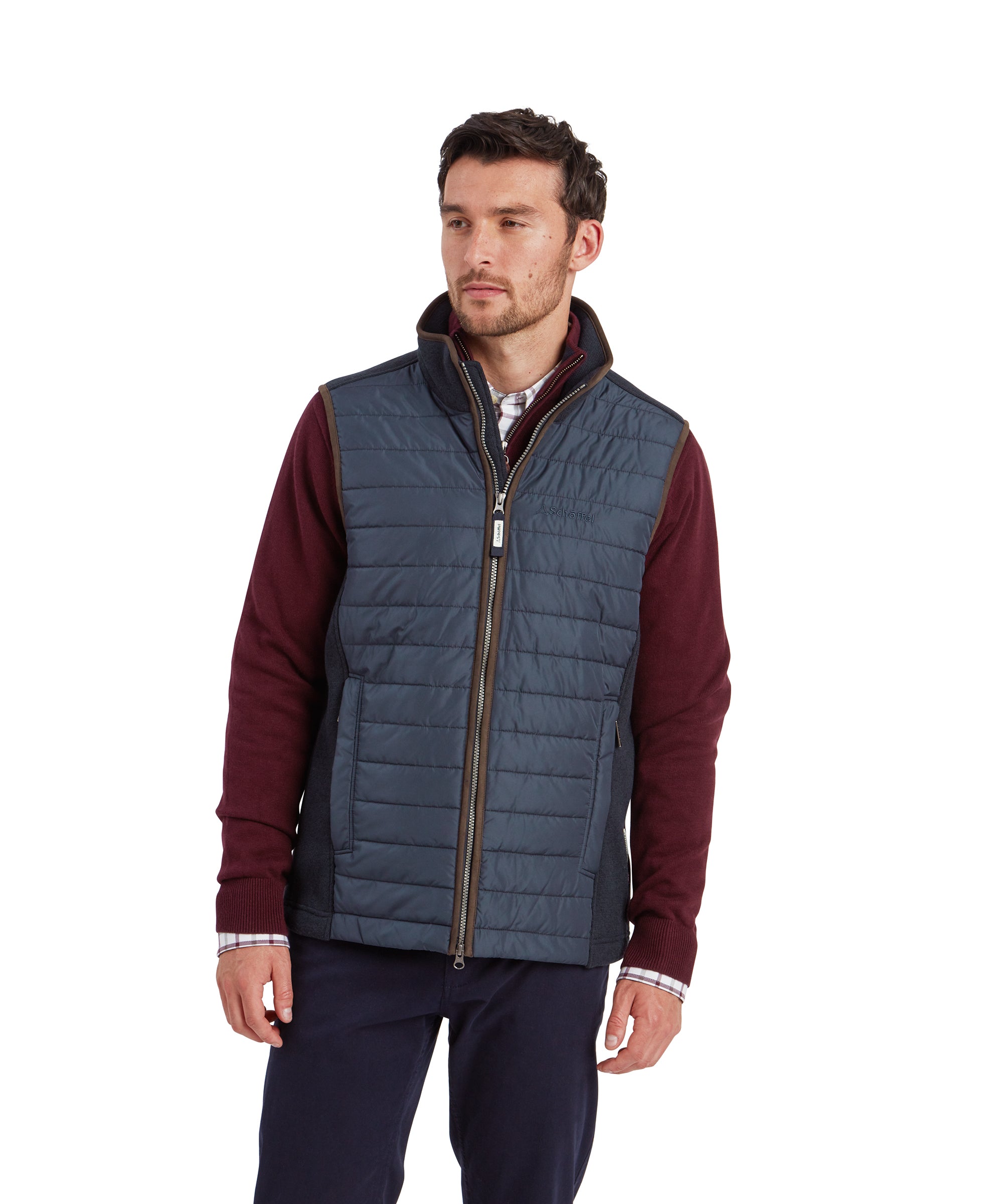
- Oakham Hybrid GiletPetrol Blue€250
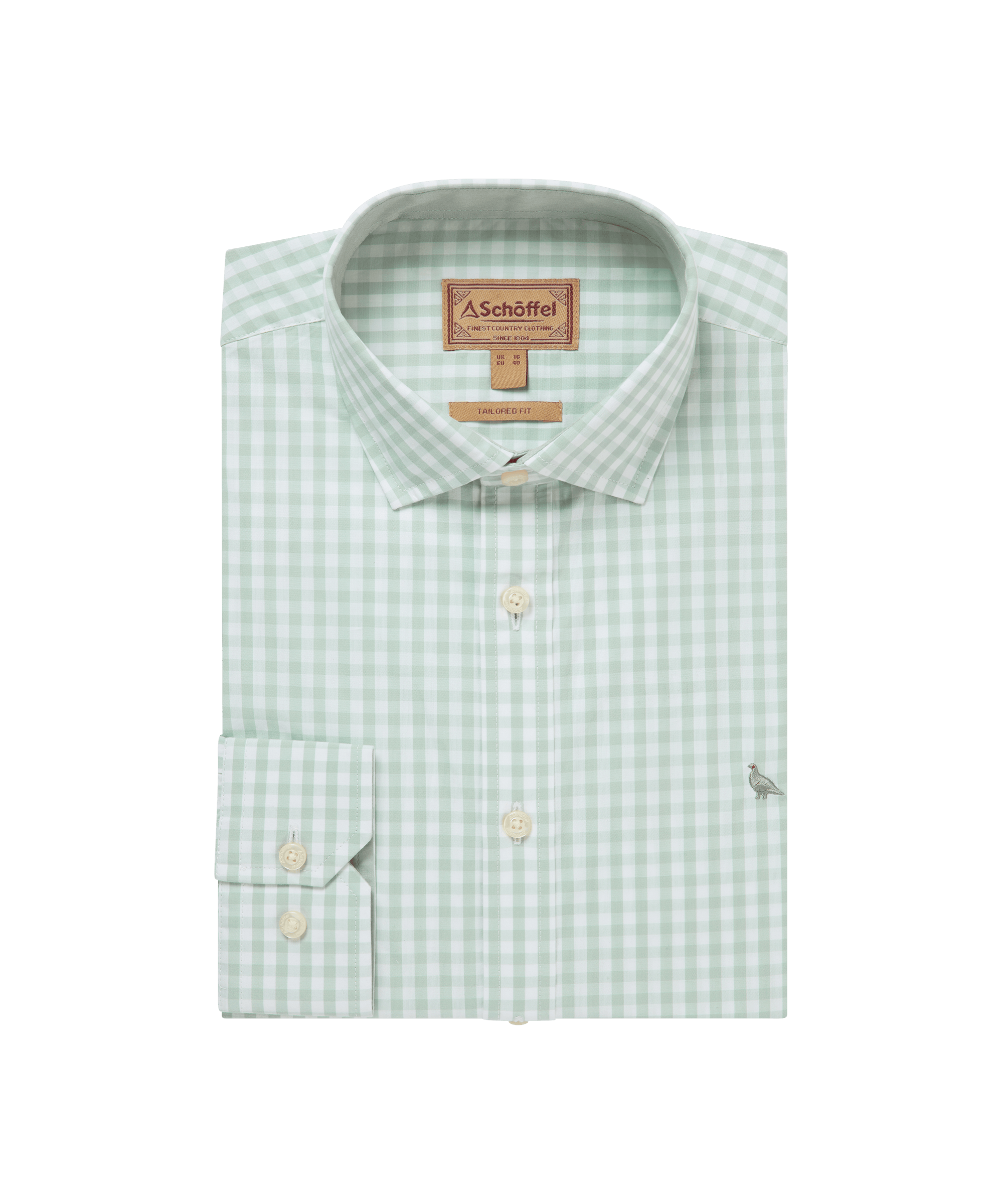
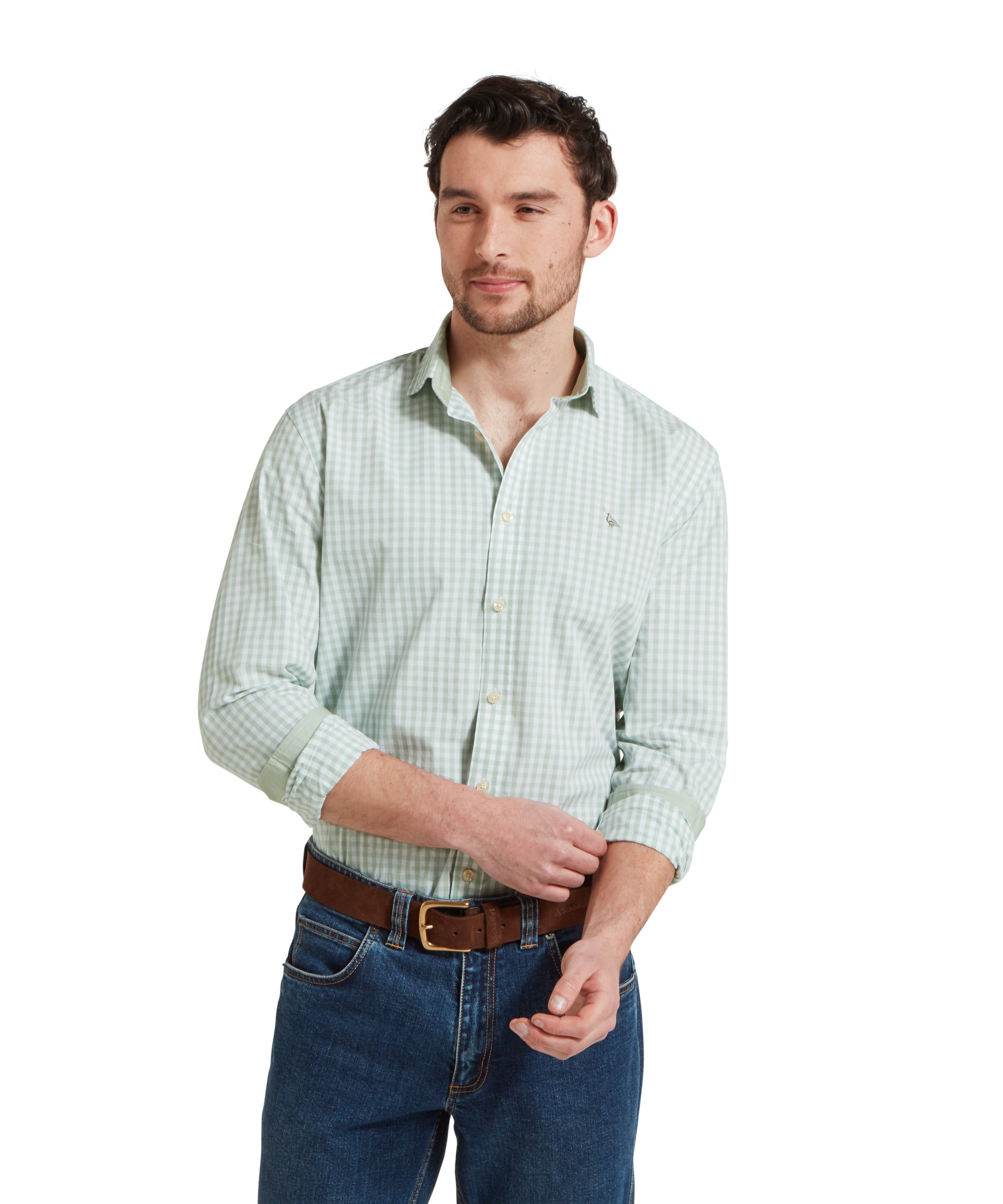
- Thorpeness Tailored ShirtAqua Sage + 2 colours€100
- BestsellerEgleton Lightweight JacketWoodland + 1 colour€280
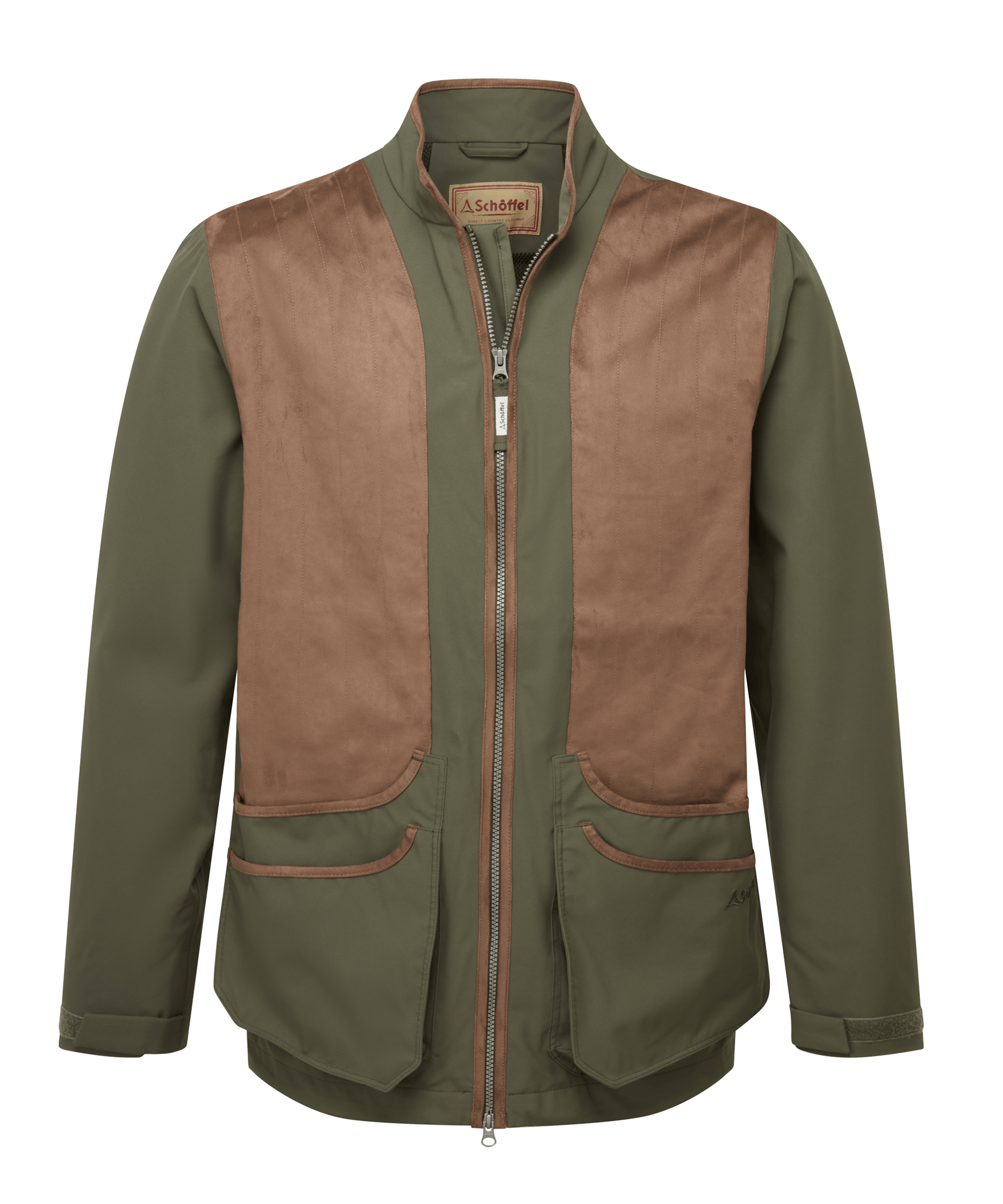
- WaterproofGrimsthorpe Clay Shooting JacketForest + 1 colour€290
- BestsellerBrora GiletCharcoal + 2 colours€300
- Brora GiletForest + 2 colours€300
- BestsellerCarron JacketNavy + 2 colours€370
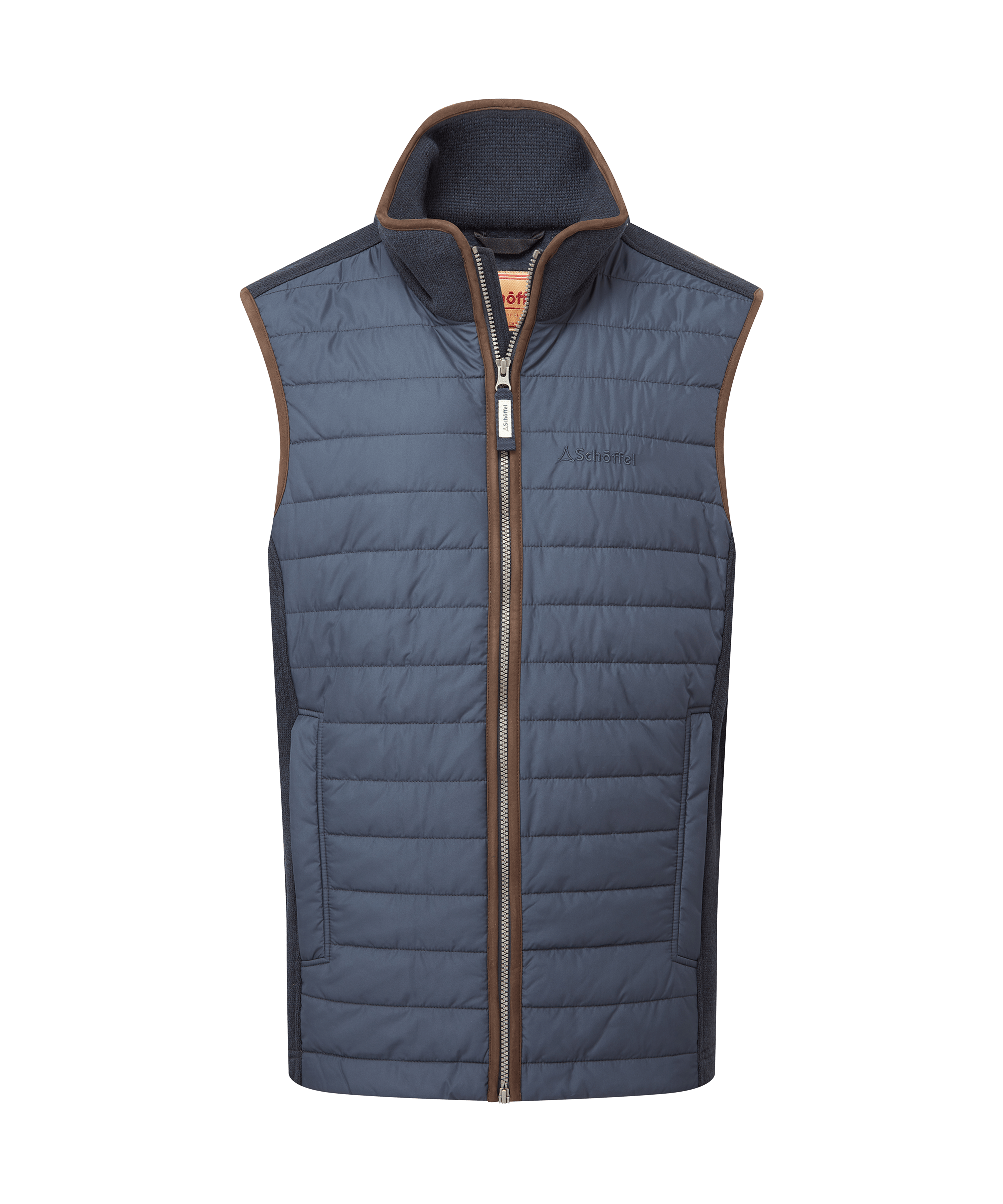
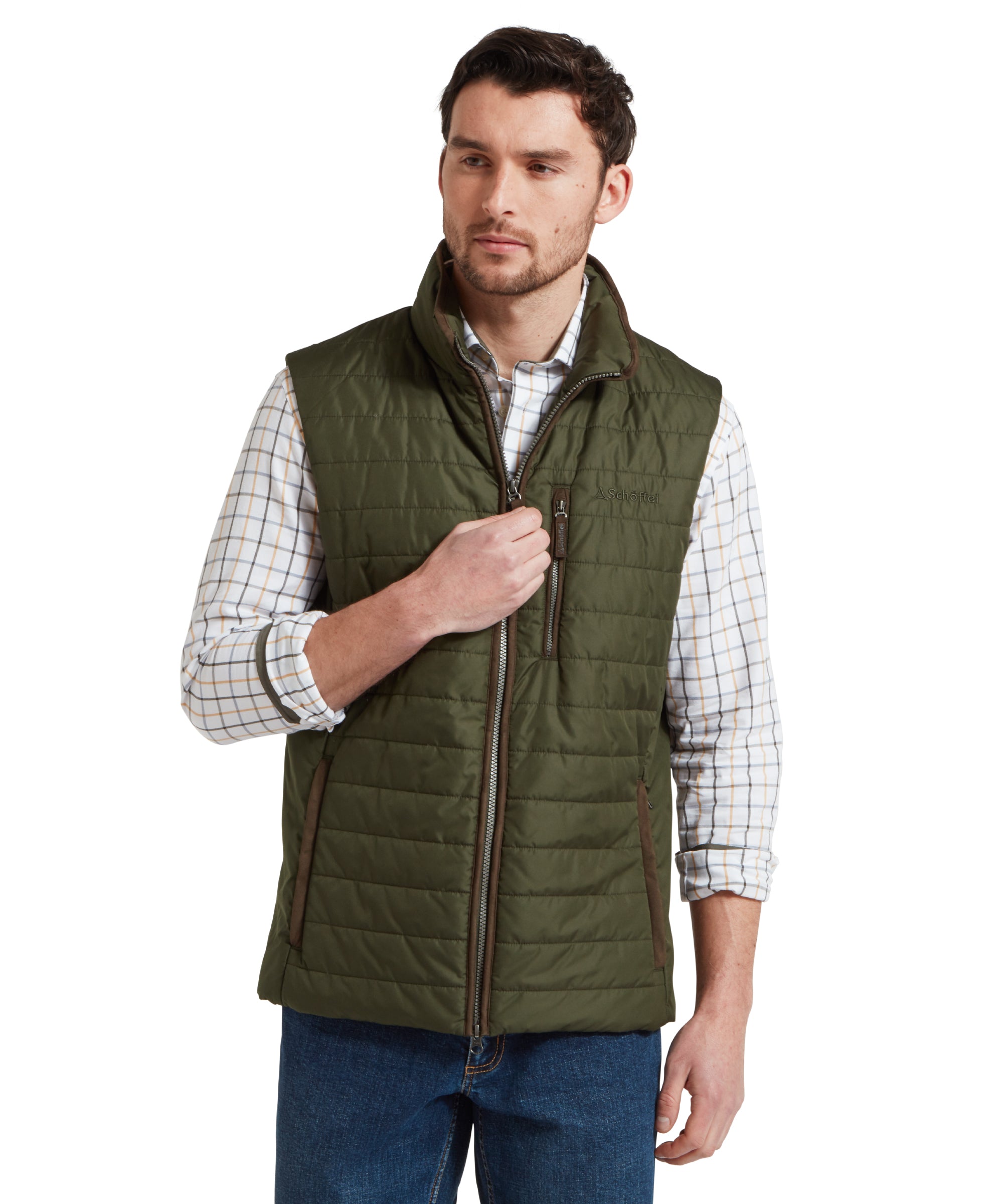
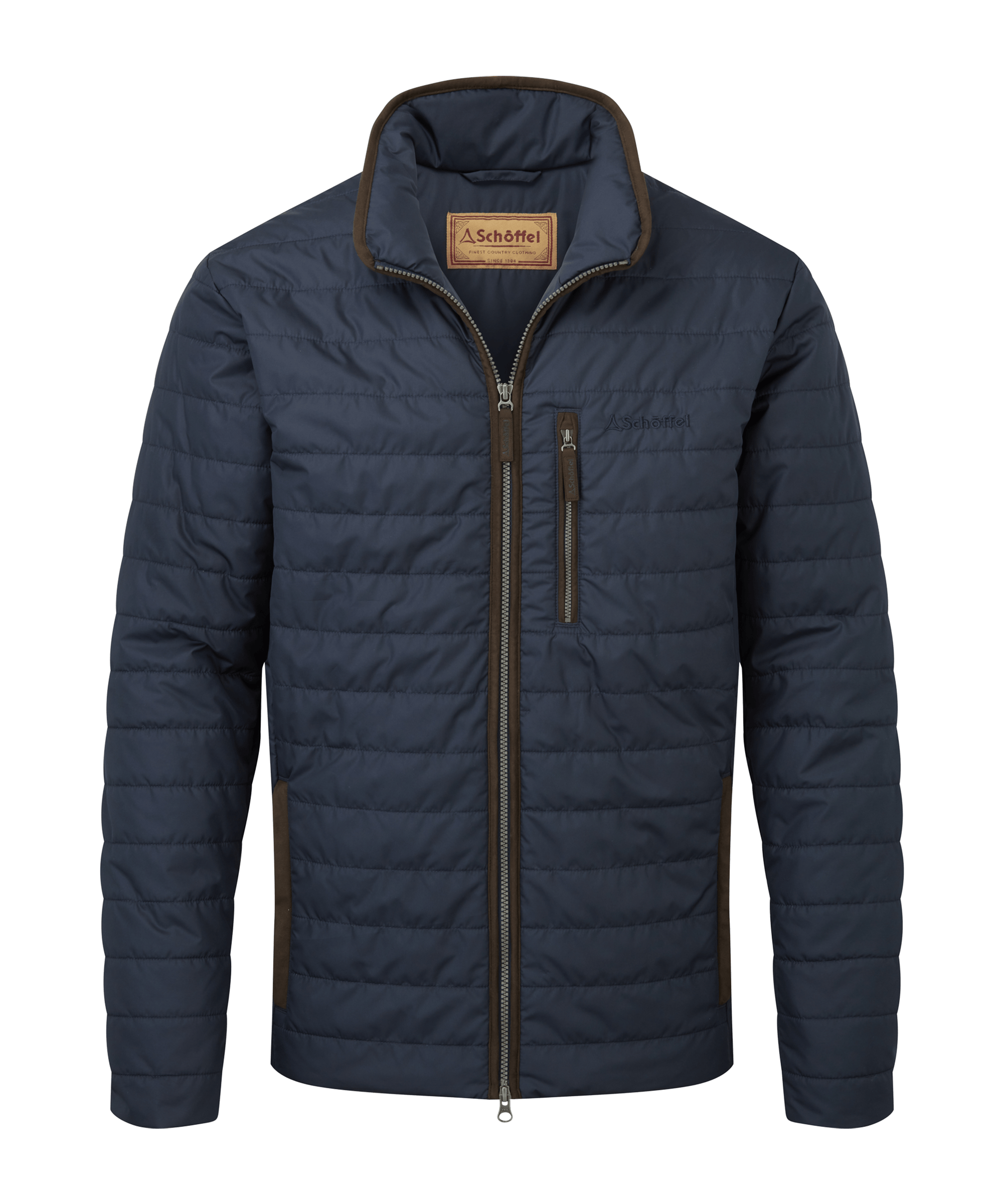
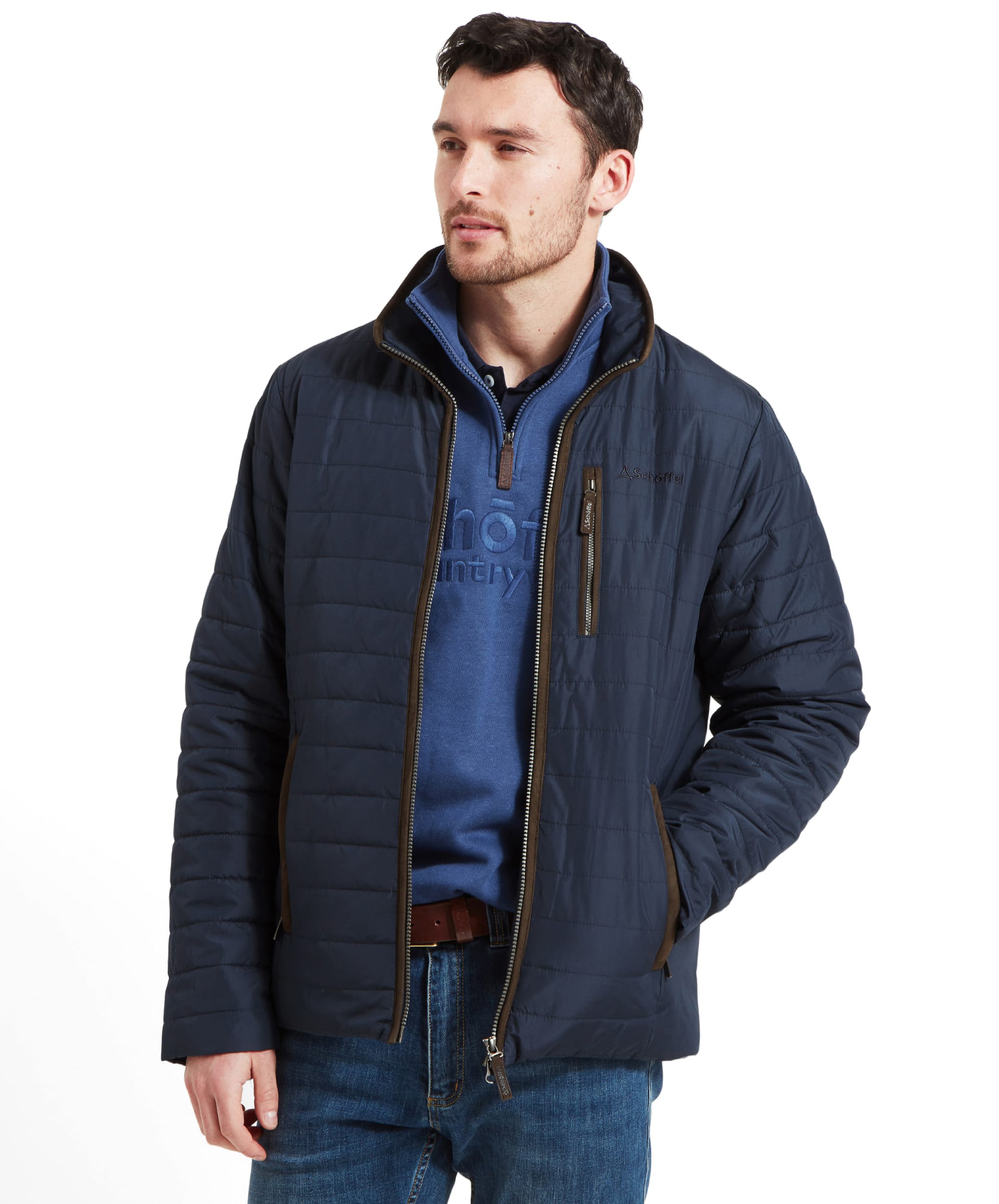
- Lyndon Retro Fleece GiletTrue Navy + 3 colours€190
- Lyndon Retro Fleece GiletTan + 3 colours€190
- Lyndon Hybrid GiletPetrol Blue€250
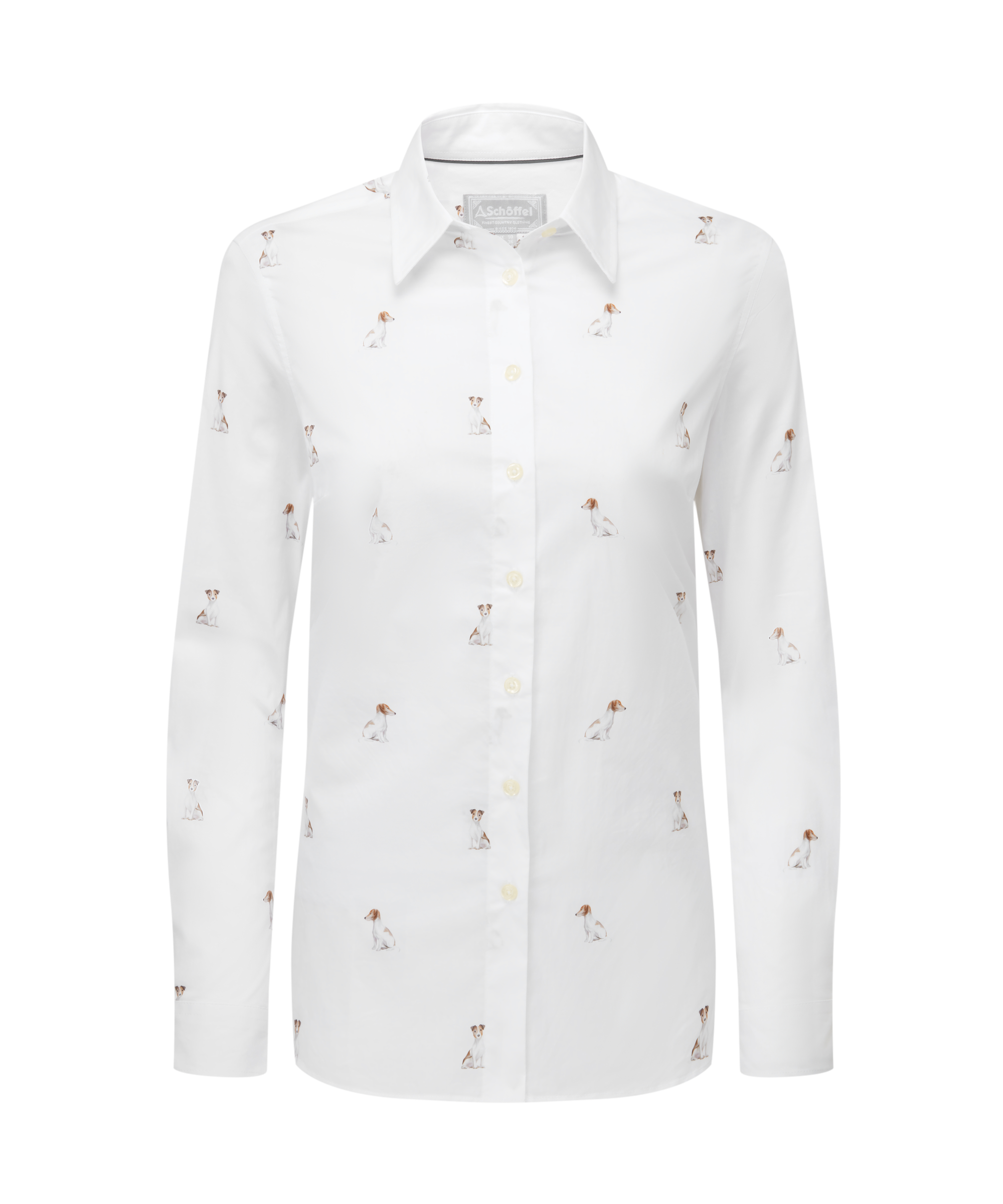
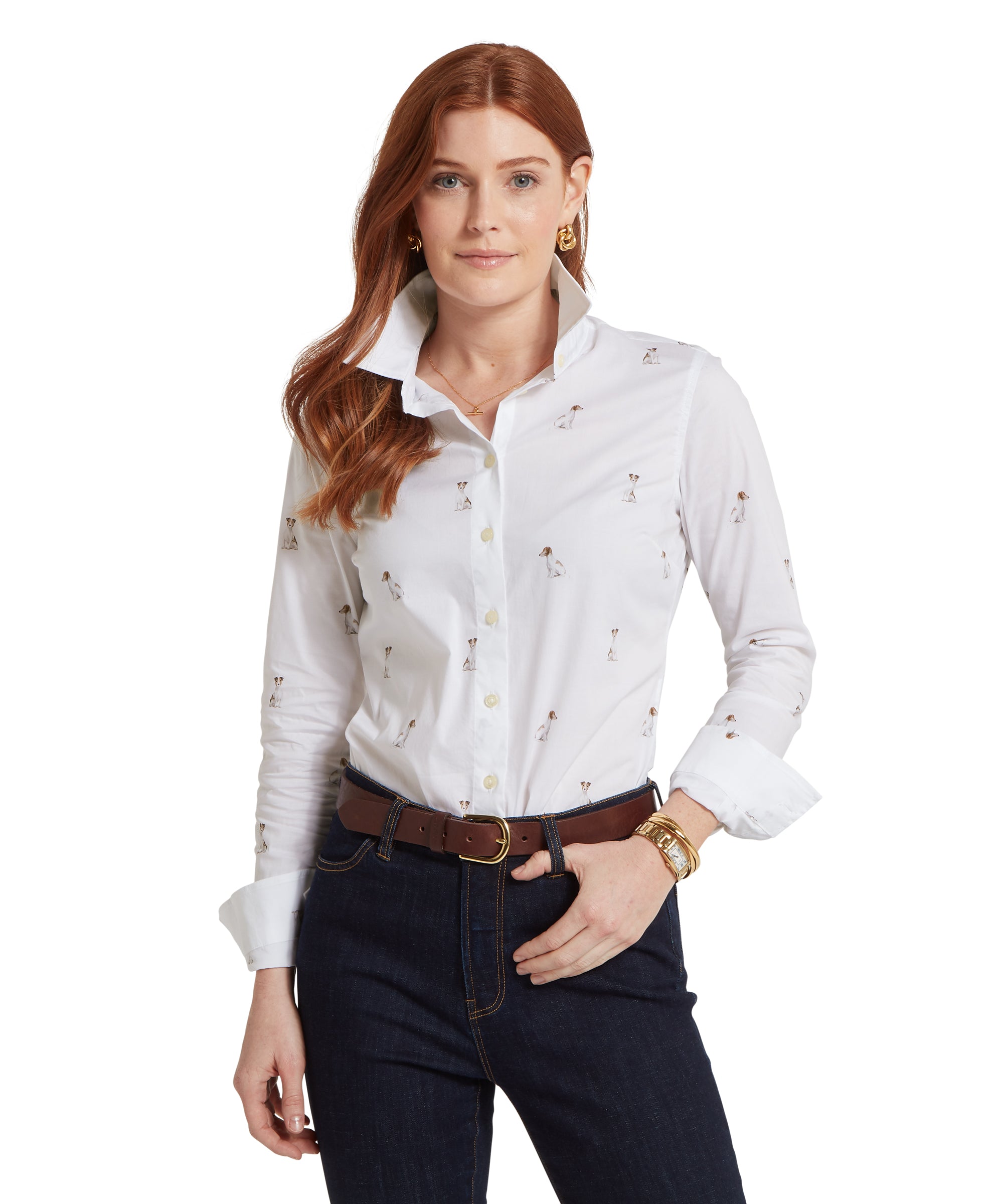
- Norfolk ShirtJack Russel Print + 9 colours€110
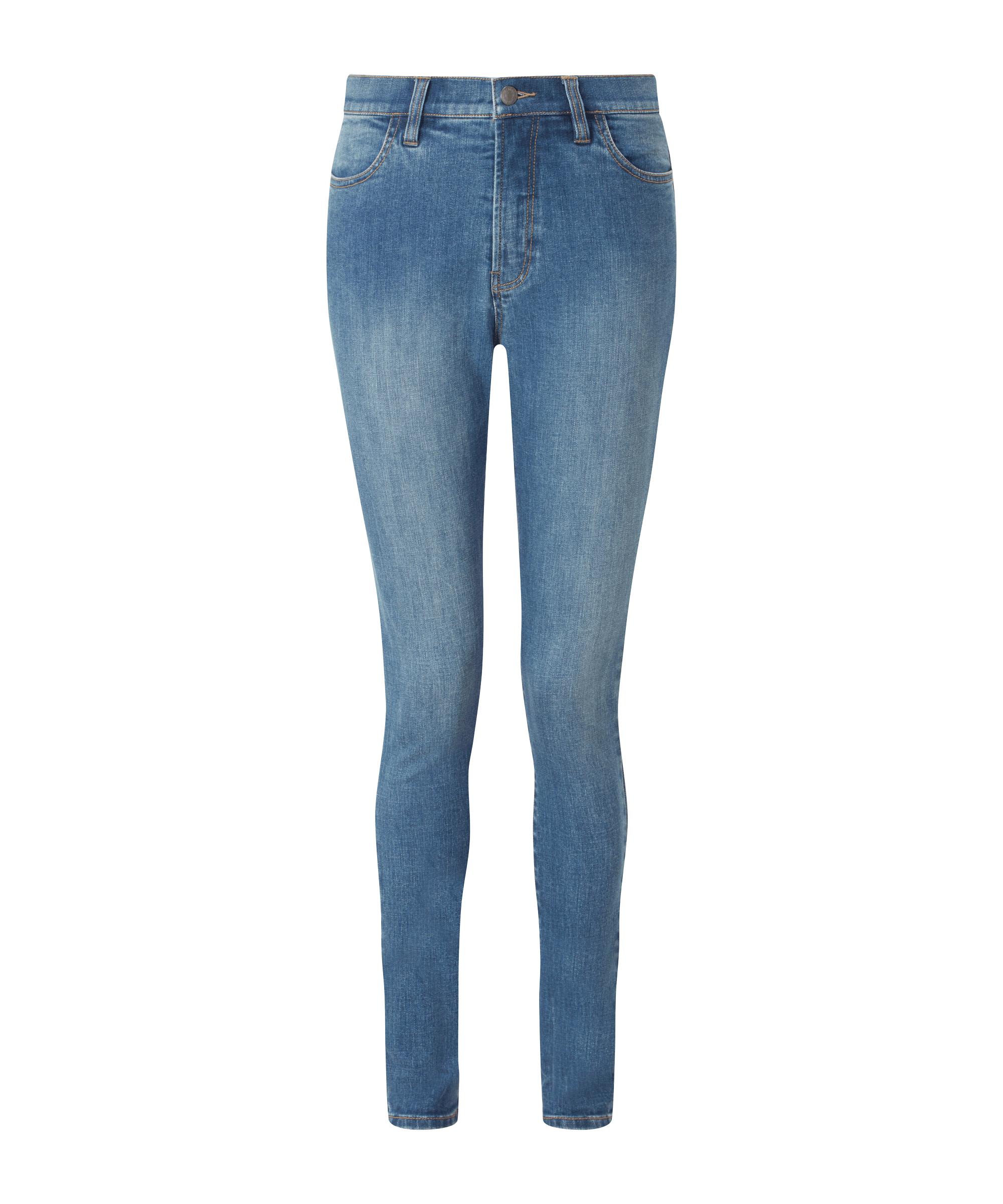
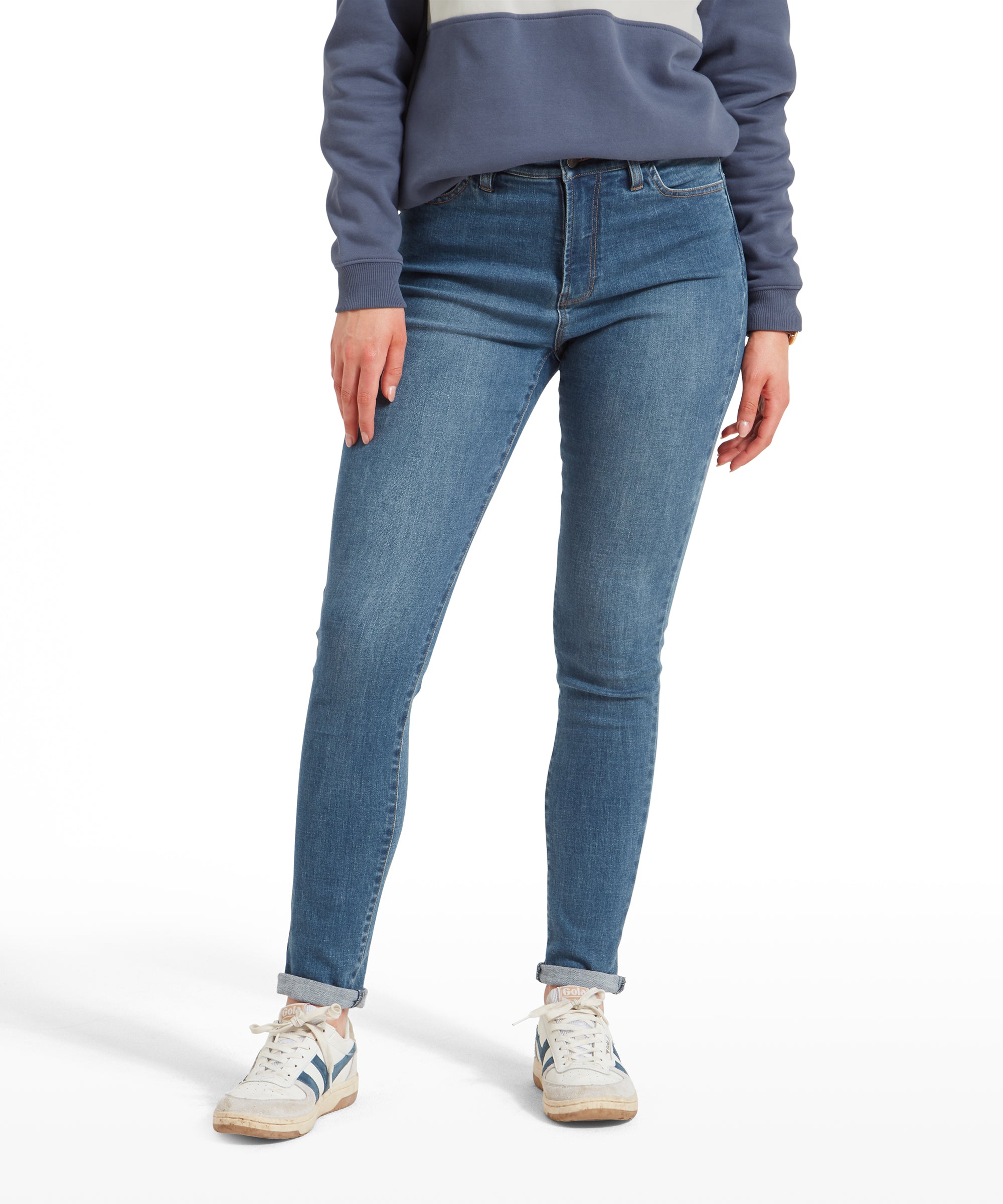
- Poppy JeansIndigo + 5 colours€150
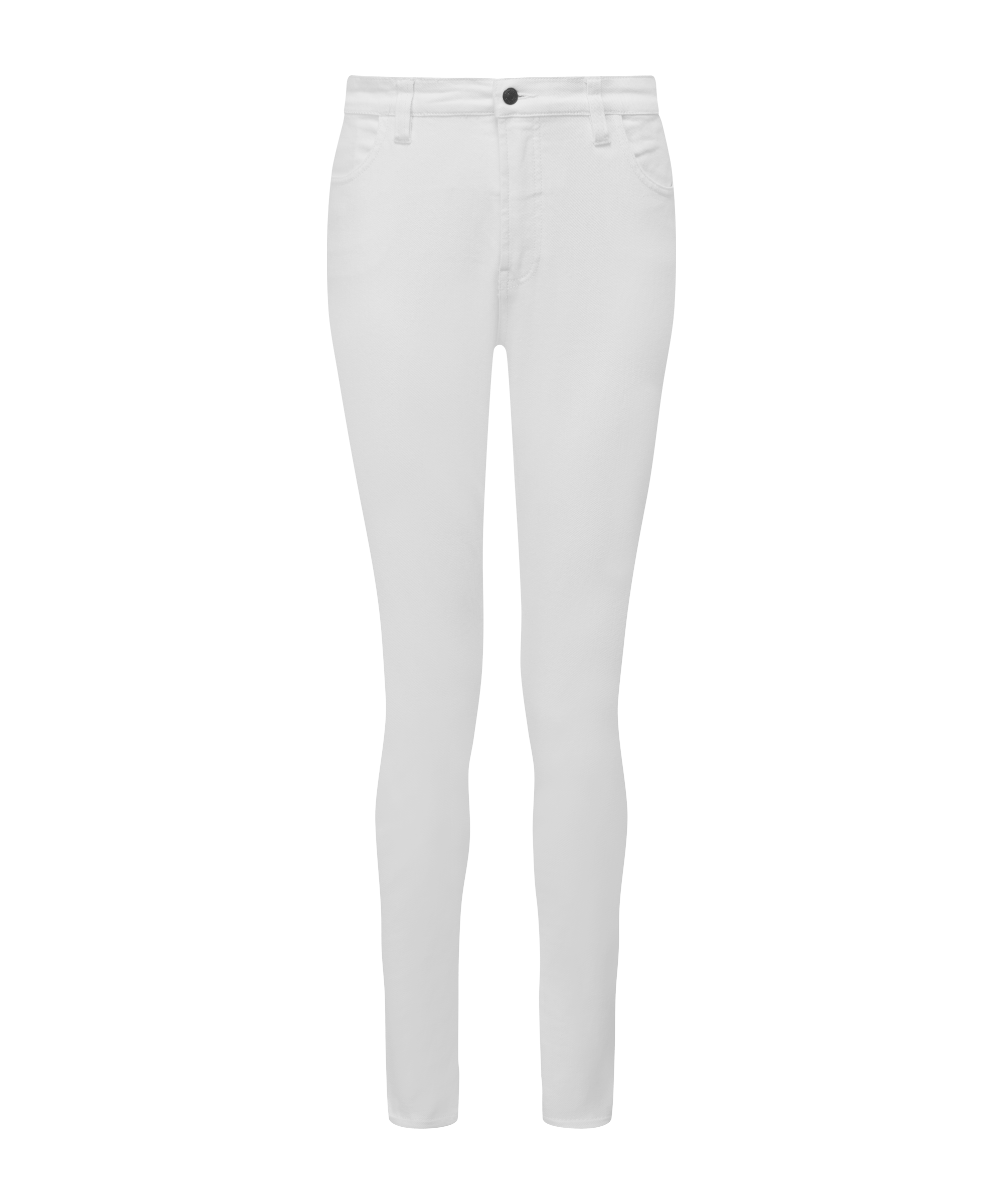
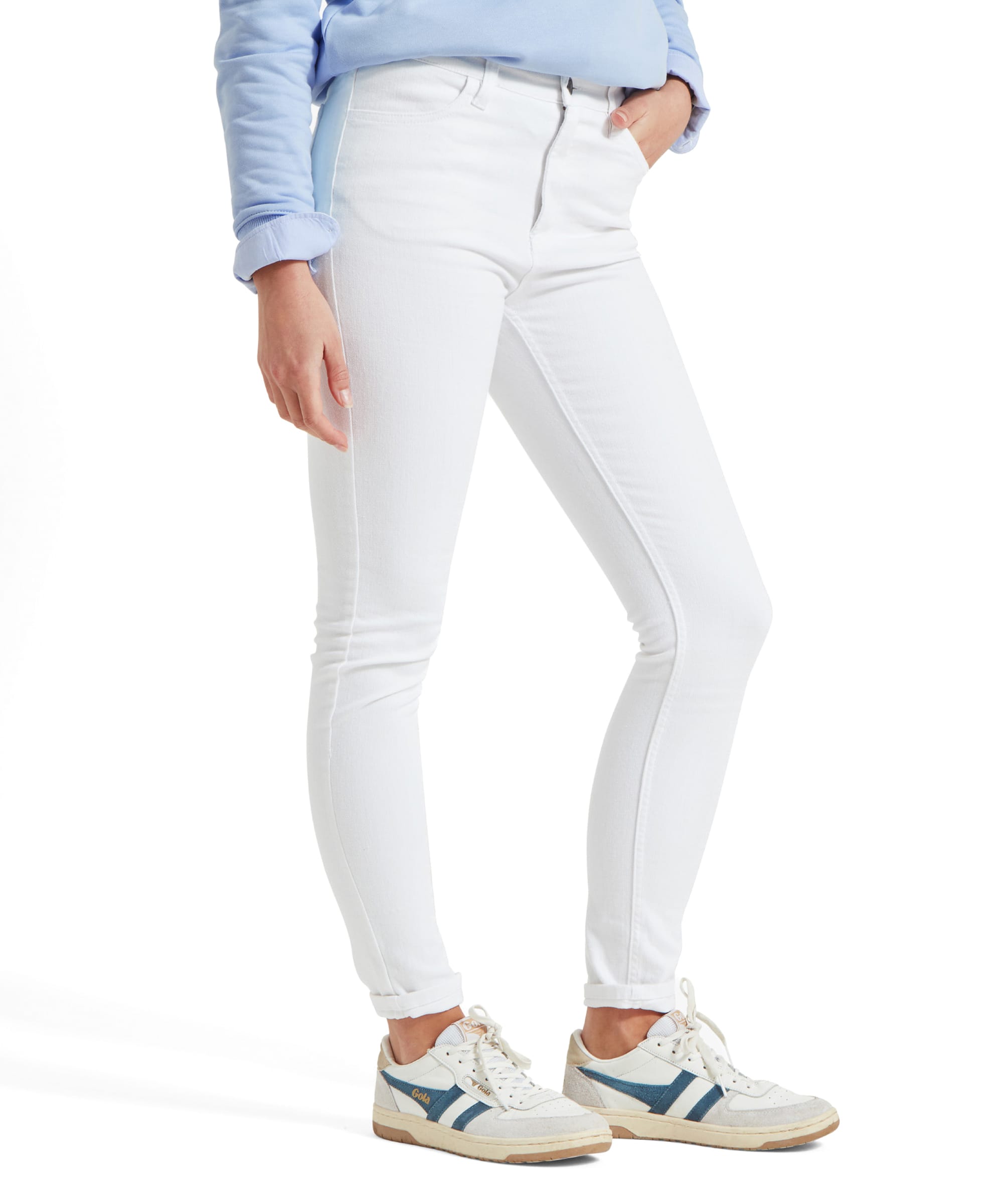
- Poppy JeansWhite + 5 colours€150
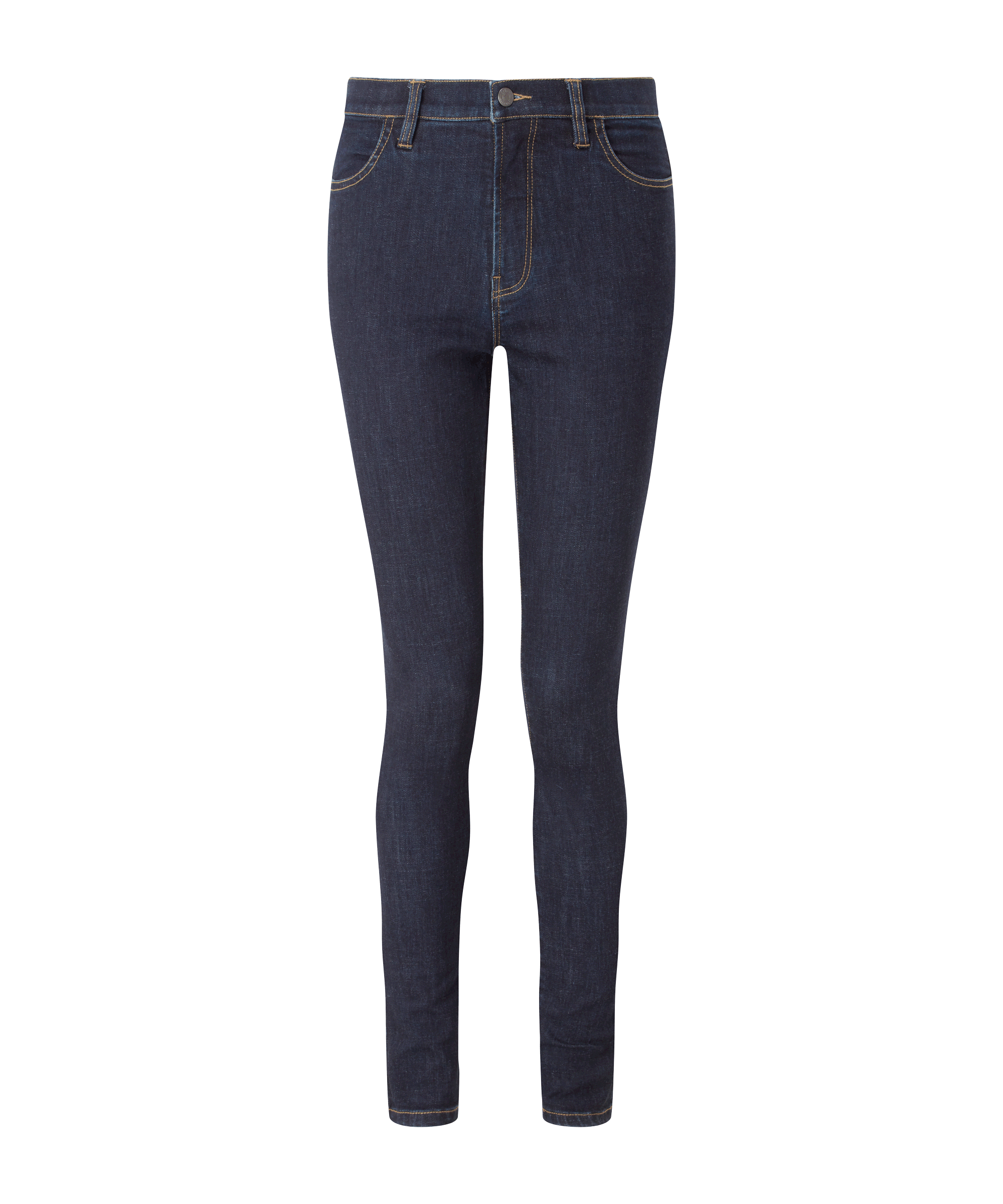
- Poppy JeansDark Denim + 5 colours€150
- BestsellerBurley Fleece JacketNavy + 3 colours€250
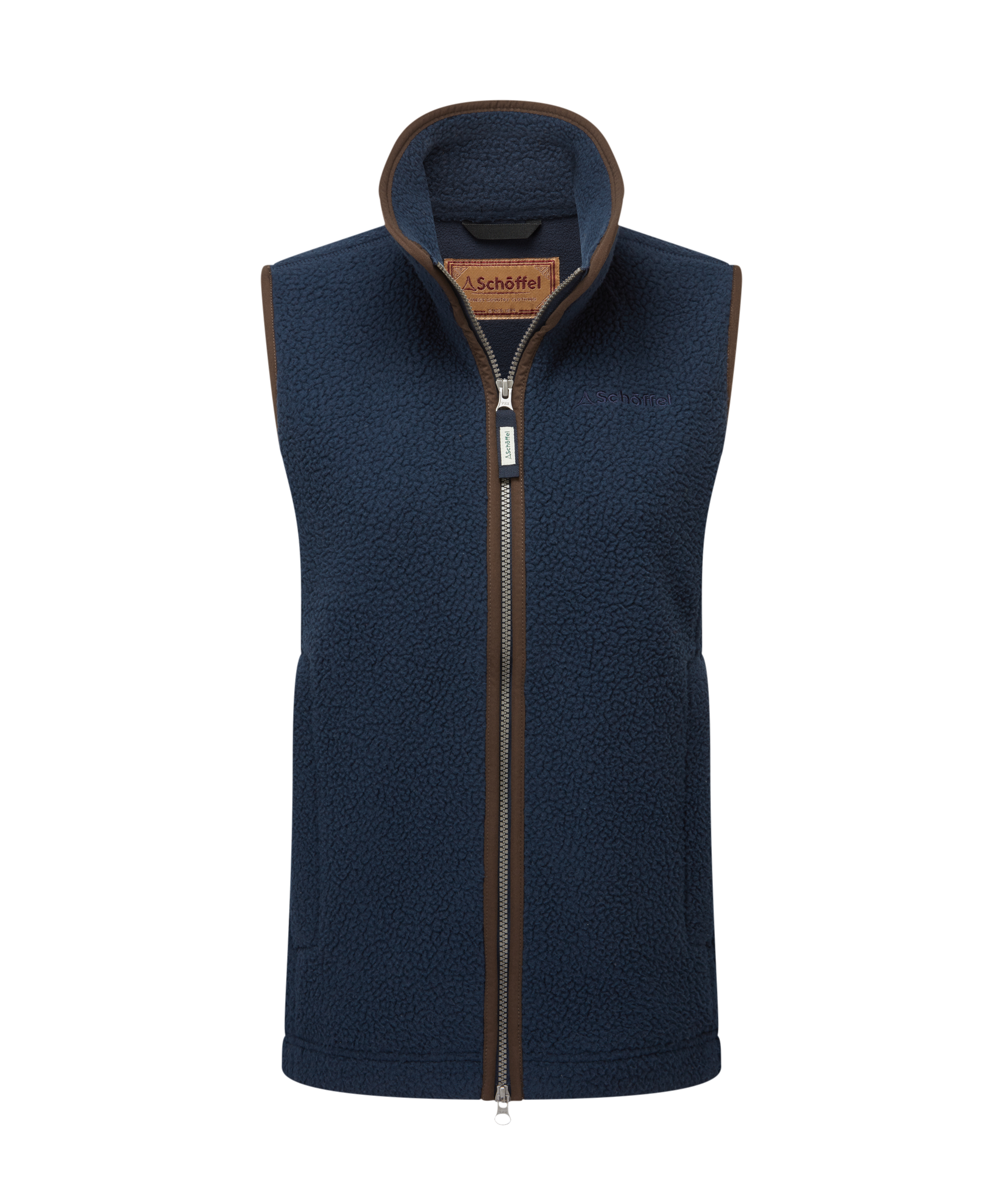
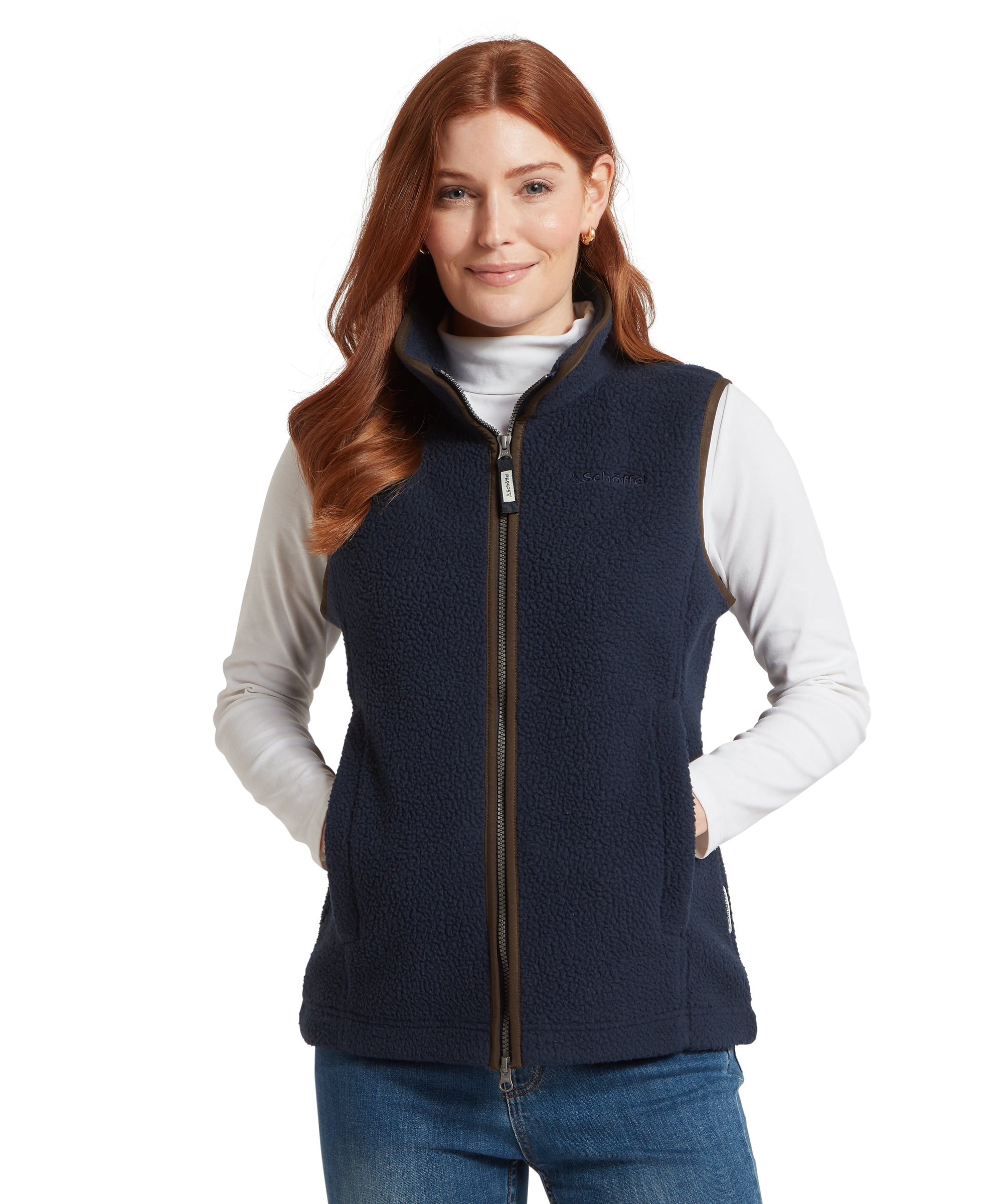
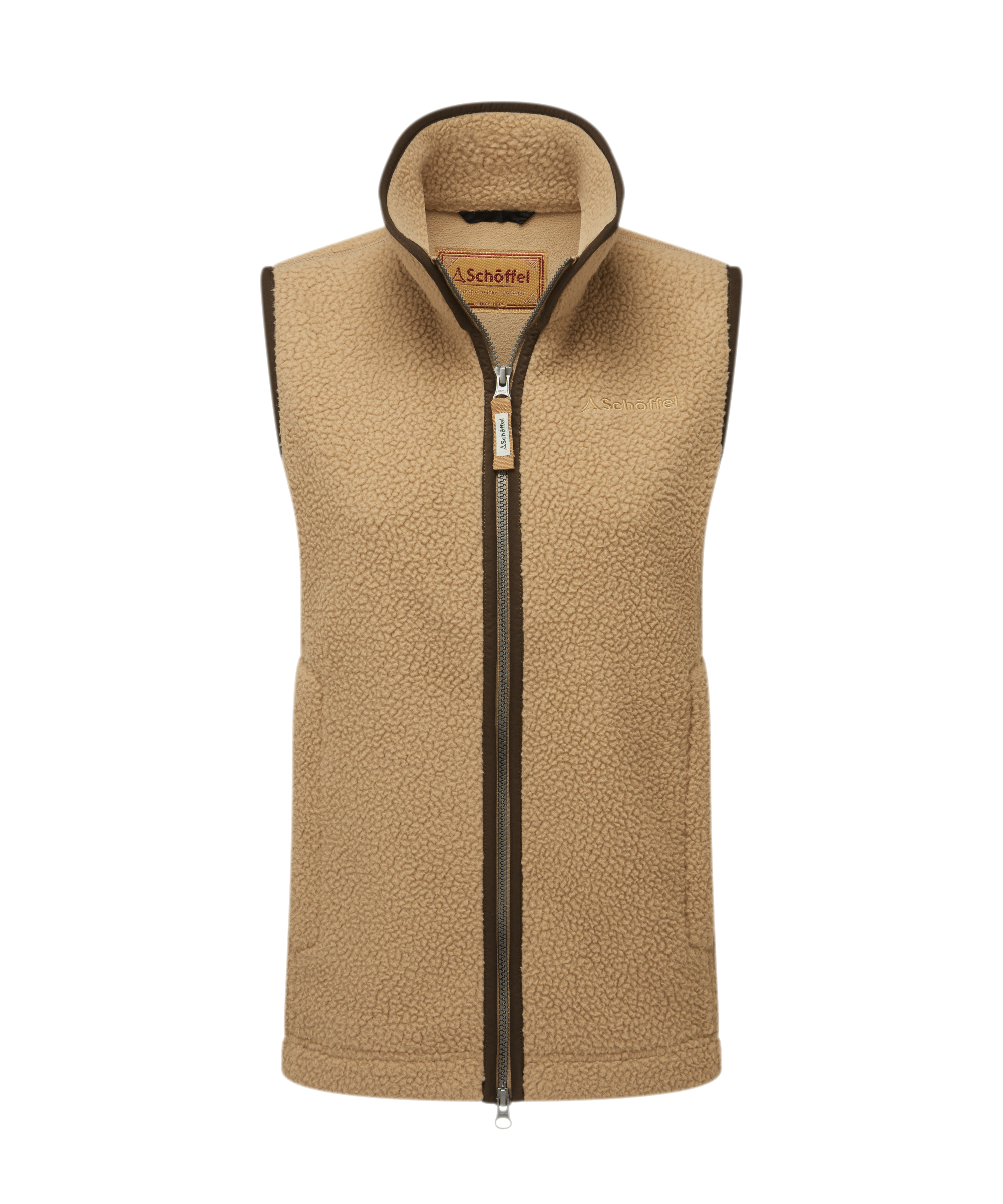
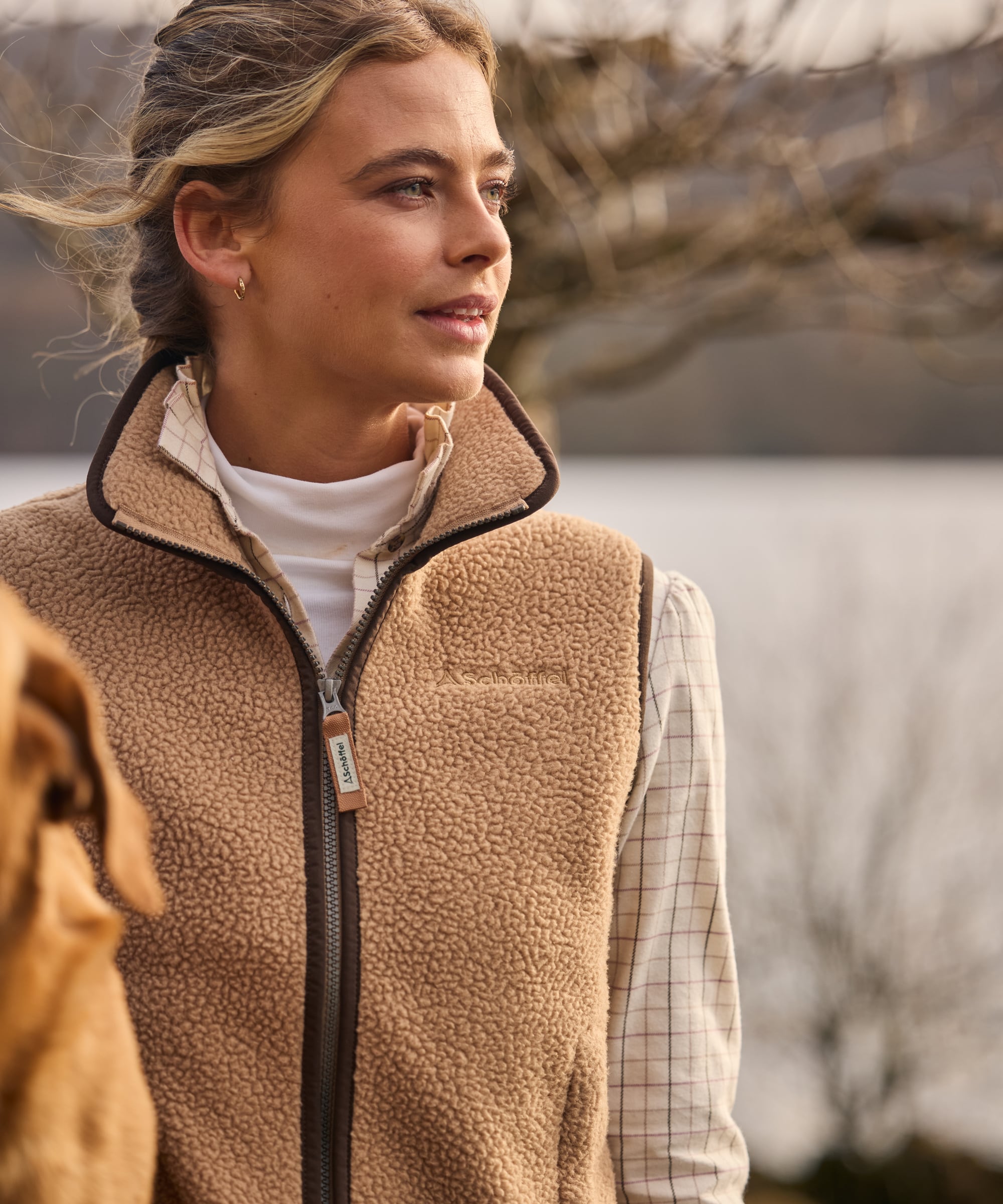
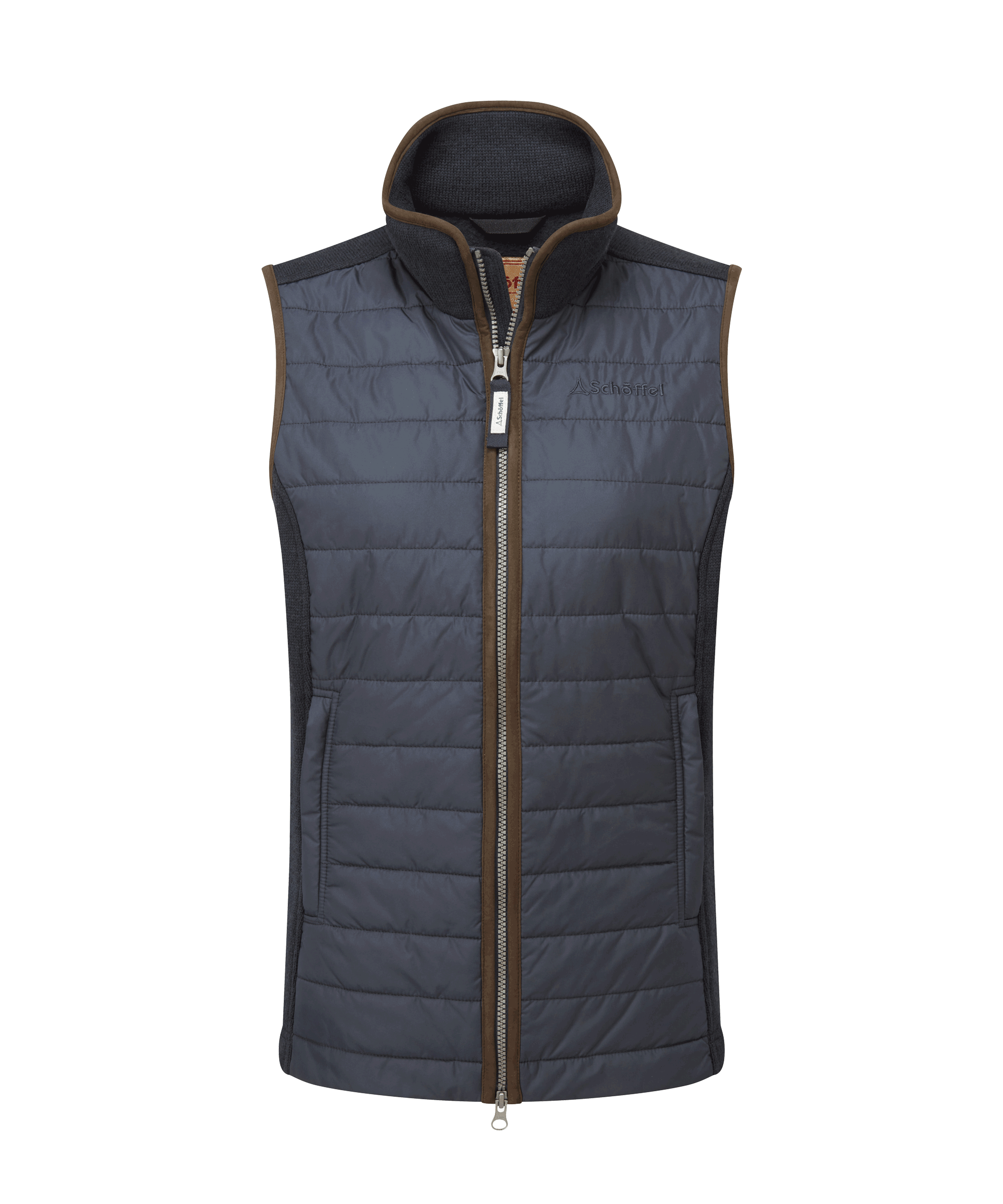
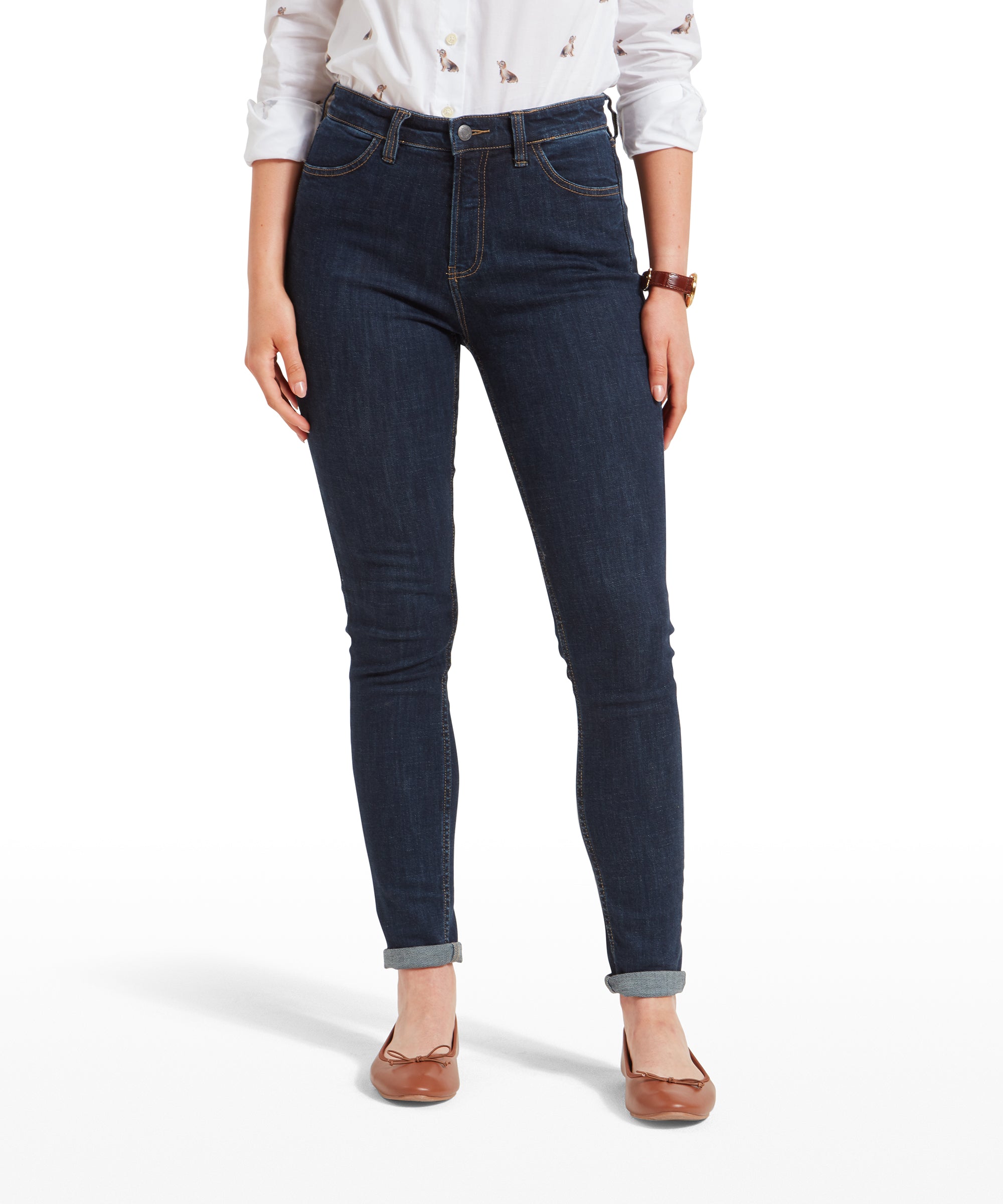
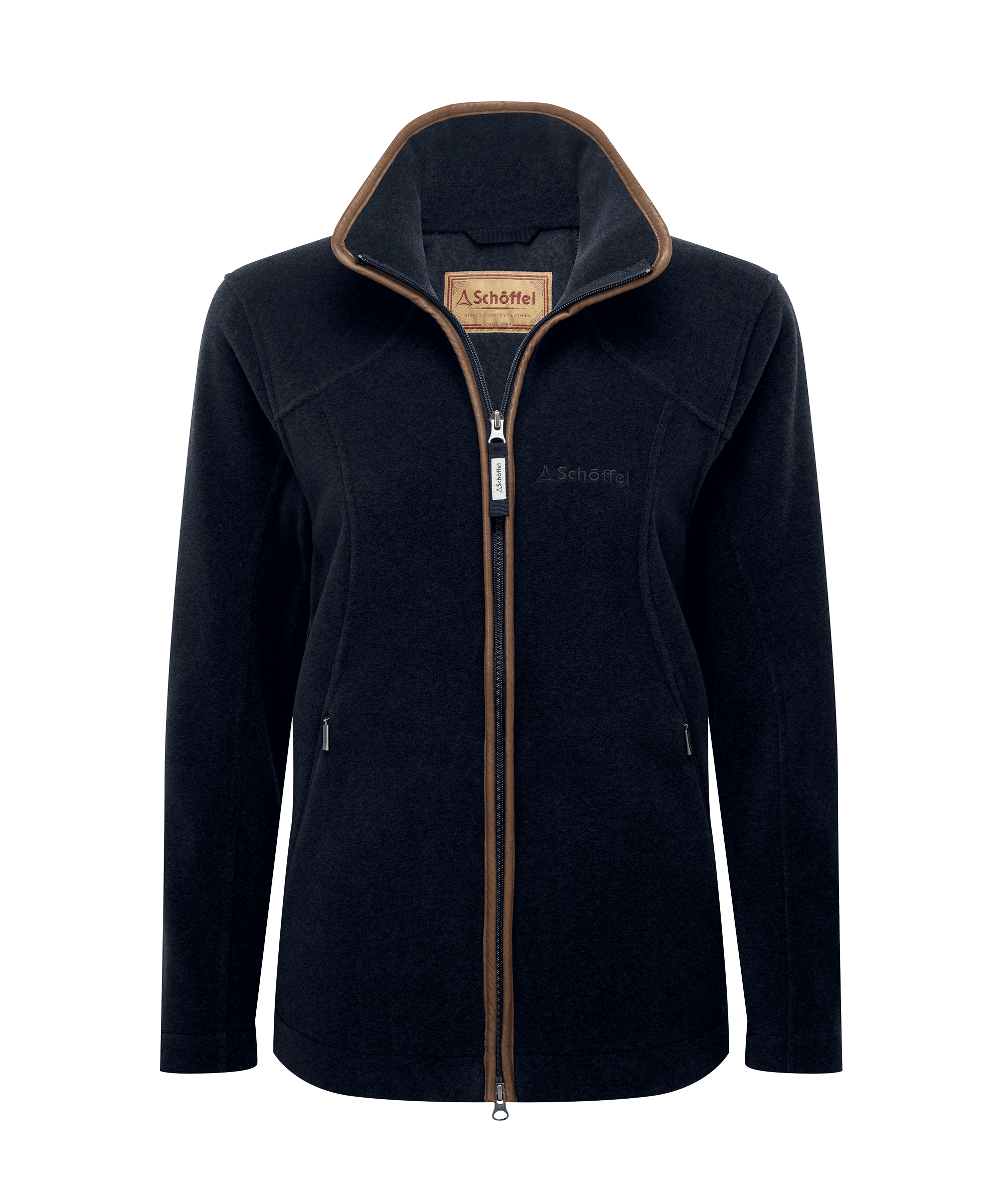

Fit is the variable most easily overlooked in outdoors clothing. A jacket designed with enough room to layer underneath, but cut neatly at the shoulder and hip, will always look more considered than an oversized shell that swamps the person wearing it. When you try on outerwear for dog walking, wear the same weight of mid-layer you'd realistically use in the field – it's the only way to judge whether the fit will actually work.
At Schöffel Country, our range is built around exactly this balance: technical enough to handle genuine countryside conditions, well-made enough to justify the investment, and designed with the kind of detail that makes the difference on a long walk in difficult weather. Browse our waterproof jacket guide for inspiration on finding the right style for your walks.
Ready for your next walk?
Getting your dog walking outfit right doesn't require a total wardrobe overhaul. Start with the layer you reach for most – usually the outer jacket – and build from there. The right coat makes every walk better; everything else follows.At Schöffel Country, we've been making technical countrywear for more than 30 years. Our waterproof jackets, fleeces, and country clothing are built for real field conditions, by people who understand what the countryside actually asks of the clothing worn in it.
A practical dog walking outfit consists of three layers: a moisture-wicking base layer, an insulating mid-layer (fleece or gilet), and a waterproof or water-resistant outer jacket. Pair with durable, stretch trousers and waterproof footwear with good grip for mixed terrain. In colder months, add a hat, gloves, and a scarf or snood in really cold conditions.
The best dog walking coat combines genuine waterproofing (taped seams, a 10,000mm+ hydrostatic head rating), good breathability, and a practical pocket layout. It should allow a full range of arm movement without restricting the shoulder, and fit comfortably over a mid-layer. A longer cut provides better coverage in heavy rain and wind. Hoods, storm cuffs and adjustable hems are also key features to consider.
For countryside walks specifically, prioritise durability and weather protection. Look for hardwearing fabrics that resist snagging on brambles and hedgerows, a fit that allows easy movement over stiles and uneven ground, and layers that can be quickly added or removed as conditions change.
Clothing aside, there are of course a few key things to bear in mind when walking in the countryside with dogs. Sticking to footpaths, clearing up after your dog, and keeping your dog on a lead in sensitive areas where there may be livestock or wildlife are a few examples. For guidance on responsible access to footpaths and farmland – including the rules around walking with dogs – the Countryside Code is worth a read.