

How do we raise the next generation of conservationists?
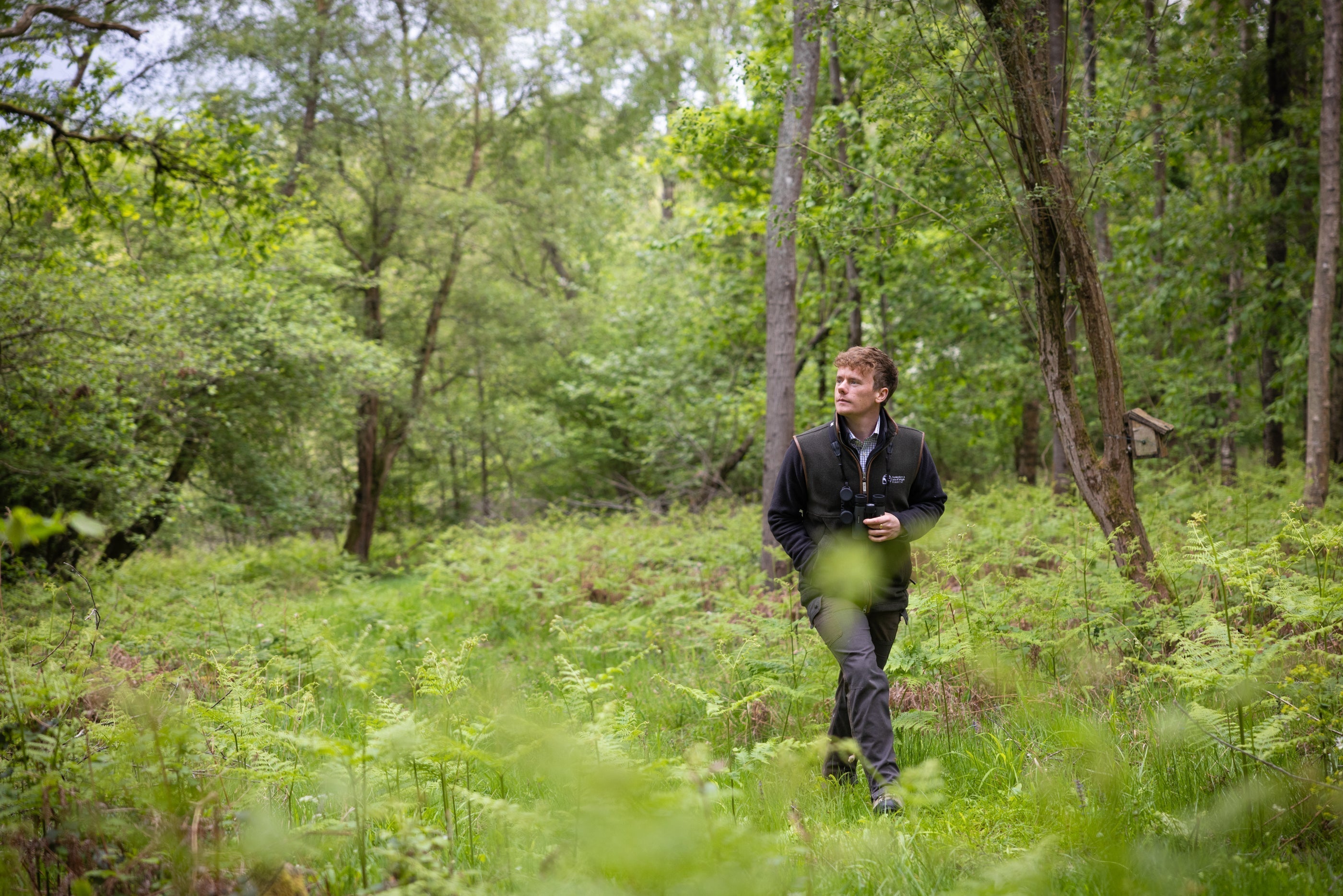
We meet Tom Hilder, a senior nature-based solutions officer at Hampshire & Isle of Wight Wildlife Trust, to talk about the moment that hooked him on the natural world as a boy, and what it takes to spark that same passion in today's children.
In a world full of digital distractions – where colours are bright, gratification is instant, and speed and volume trump depth and quality – is it harder than ever before to nurture the next generation’s interest in the natural world? How can we keep young minds engaged in the countryside? What must we do to ‘set the hook’ and spark that curiosity early and firmly, so it sticks?
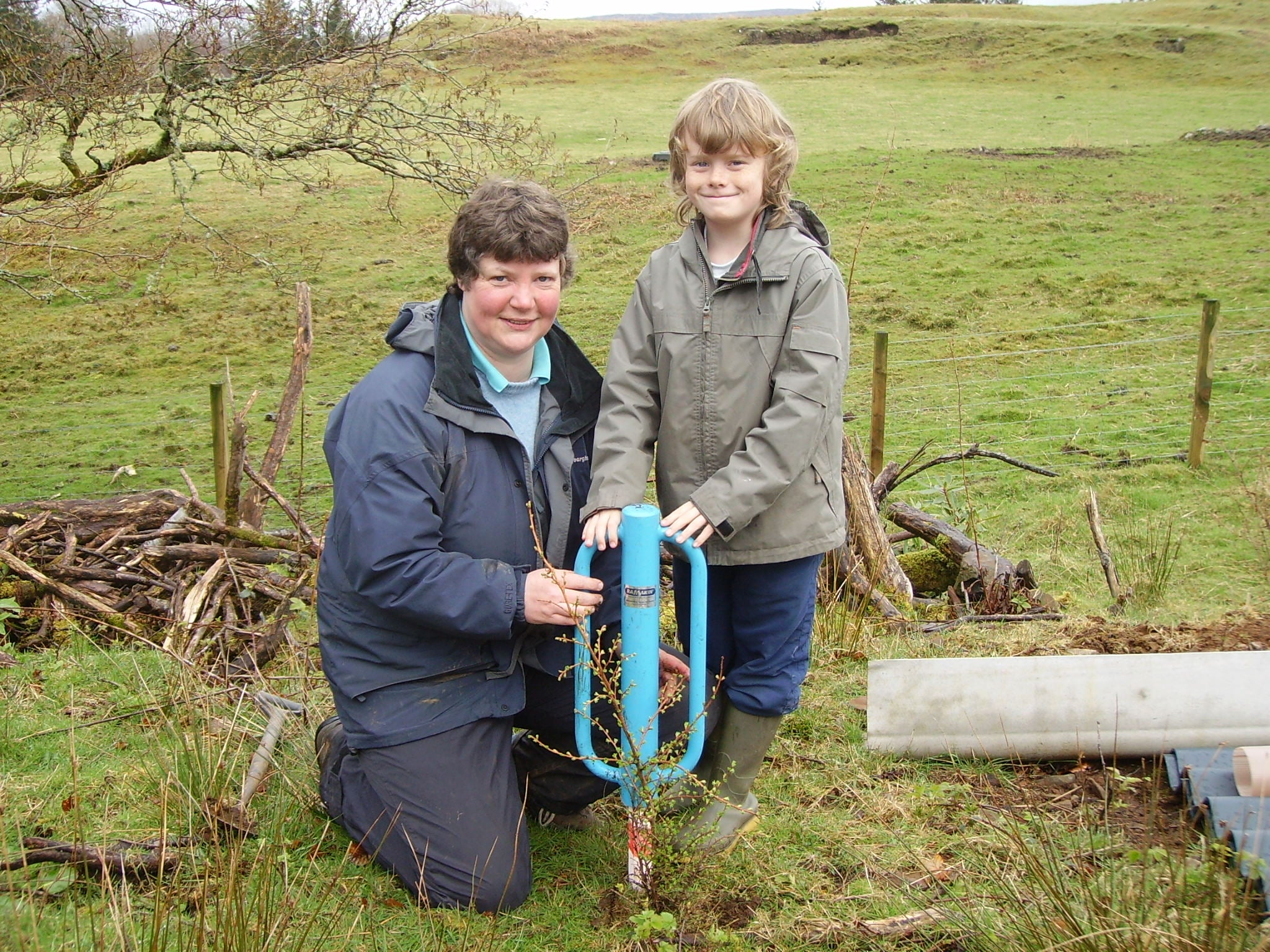
Tom Hilder was eight years old and halfway through a guided walk on the Isle of Mull when he decided the countryside was where he belonged. “I thought, wow, I want to do this. I want to spend my days with a pair of binoculars, telling people about these amazing birds,” he explains, recounting the moment a pair of white-tailed eagles drifted into view overhead. “That’s when the seed was sown.”
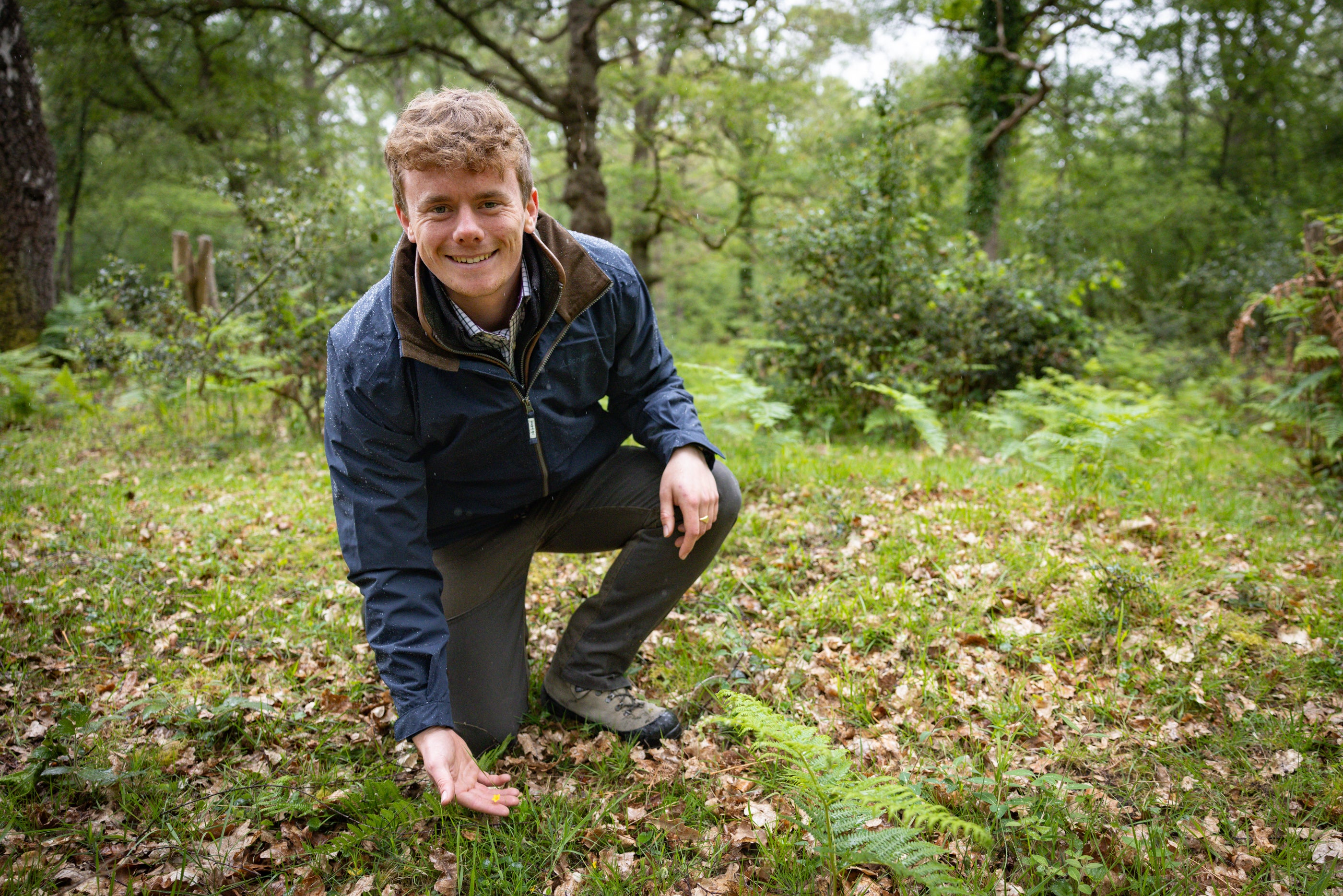
Almost two decades on, that seed has grown into a career. Tom is a senior nature-based solutions officer for Hampshire & Isle of Wight Wildlife Trust, responsible for managing reserves and coaxing biodiversity back into a diverse mix of habitat types. In 2025, he won the Rising Star Award in the Schöffel Countryside Awards , run in partnership with Game & Wildlife Conservation Trust. Now, he sits on the judging panel. But it's the earlier part of his story, where a small boy became captivated for life, that felt most urgent to talk about during our visit. Is there, after all, a blueprint for fixing that life-long passion in childhood?
A feral childhood, and the family who fostered it
Tom’s exposure to the wonders of the countryside started long before that encounter with the eagles. Born on the west coast of Scotland “to two very outdoorsy parents”, he spent his early years, in his own words, “almost running feral, as one can do in the West Highlands...
“I could just go out and explore, messing around in streams, down on the beach, in the woodlands, anything like that,” he explains as we weave along a woodland path in one of the Hampshire nature reserves he now looks after, 20-odd years later. “I think that was probably my grounding, and where my interest came from as a child.”
His family did the rest. “A lot of my family were very into nature conservation. I owe a lot of it to my granny and my aunties. My granny was a really keen birder, and my aunties still are. For my fifth birthday I got a pair of binoculars and a pocket guide to British birds, and then that was it, really. That was my in.”
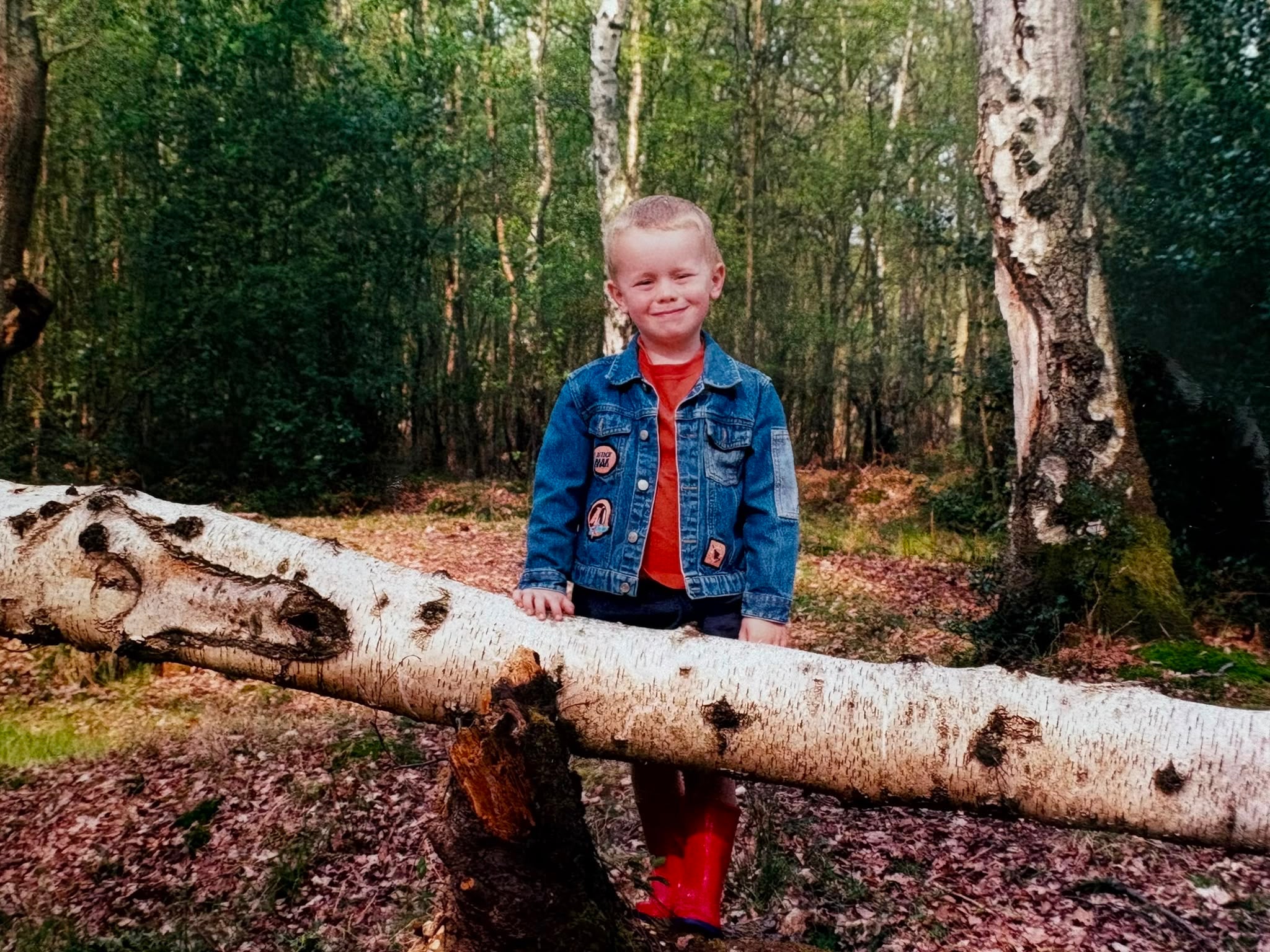
It's worth pausing on how modest that ‘in’ was: not a safari, not an expensive piece of kit, just a well-chosen present and a family who took him outside. His parents later separated, and money was tight; the six weeks he spent on Mull each summer after moving to the south of England were largely free entertainment, courtesy of his granny and the local ranger service. “It was stuff to do at weekends that was always free or low cost. We'd go to the nature reserves, the beach, the coast. It just became sort of ingrained in me.”
School, by contrast, never quite fitted. “I was always the practical type,” Tom remembers. A vocational open day at Sparsholt College in Winchester, and a chance conversation with a land management tutor, then, was a ray of light while he finished his GCSEs. “He said to me, ‘why are you here for that course? You should come and look at conservation and countryside management’. The realisation that people actually make this a career was exciting.”
Why does getting kids outdoors matter?
Ask Tom why getting children outdoors matters, and he doesn't hesitate. “I think it's more important now than it's ever been,” he says. “There are so many distractions for young people, be it social media, phones, general involvement with technology... There's a disconnect that isn't being addressed.”
Childhoods that once had space for boredom, and the wandering curiosity that fills it, now come pre-loaded with entertainment designed to hold attention at any cost. Against that, a slow afternoon pond-dipping has a lot of competing to do.
Tom's answer isn't to fight technology head-on, but to get in early. “While children are so impressionable, we need to show them what's on their doorstep. Take them to a nature reserve, take them pond dipping, take them on an engagement session, and just say, ‘this is really cool, think about this for a minute’.
“Even just spending 10 or 15 minutes a day outside, learning about the plants and animals that are there; we've got to make sure that curiosity is still there in the minds of children, away from iPads and phones and sitting in front of a screen. There's so much more outside than that.”
Crucially, Tom thinks it’s important to encourage the stream of questions that come from inquisitive children. “We don't want to stop that curiosity. We want to encourage it. Kids will come to our nature reserves and say, ‘what's that?’, ‘why does that look like that?’, ‘why is that tree growing that way, or that grass, or that bluebell over there?’. You can explain it to them, and they go away having learned something. It’s our job as adults to turn that little bit of interest into something more powerful."
The value of hands-on learning in the countryside for children
Theory only goes so far with an eight-year-old, though, which is why Tom is such a believer in hands-on experience over classroom learning. “As someone who, through school, didn't particularly like the classroom environment, I think a combination of being told about and being physically shown something is perfect. Having the base classroom sessions to explain why that tree grows there, and then actually bringing kids out to show them, it's such a great way of cementing that knowledge,” he says.
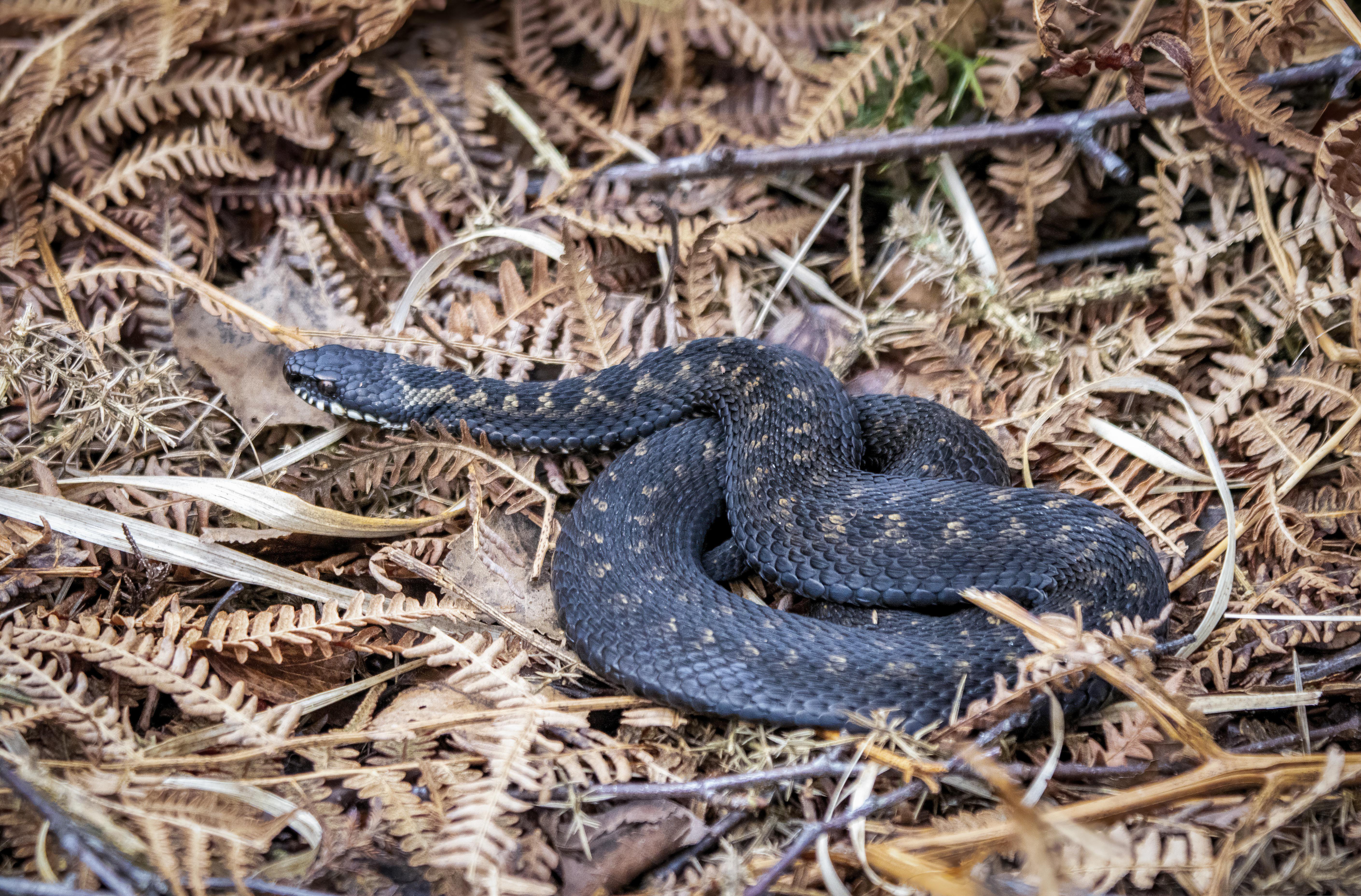
On his own reserves, he has found his ‘gateway’ species. “Locally, it's definitely reptiles, lizards and snakes. There's nothing better than lifting up a tin and seeing a few slow worms. Kids think, ‘oh, look at all those snakes!’ They start wriggling and skitter off into the undergrowth, and the kids get so excited and are desperate to see more.
“They read about these species in books – they sound quite exotic – and then you tell them, ‘well, we've got them on our doorstep, down the road on that nature reserve’. There’s your ‘in’ – they’re hooked.”
And, according to Tom, that fascination tends not to stay contained. The effect, he says, ripples through friendship groups and families. “They will also then go home and say, ‘oh mum, why don't we have a pond?’ Or ‘why don't we not cut that bit of grass, because so-and-so at school says it's really good for insects’. It's the ripple effect. You start small, the children go home and tell their parents, and then they tell their friends, and more and more people end up doing their bit for nature. And it all might have started from one after-school session.”
But how accessible is the countryside for young people today?
There's a lingering idea that conservation, and the countryside more broadly, belongs to people born into it: a big farm, an estate, wellies from birth. Tom's own story argues otherwise. He spent part of his childhood on a council estate in a low-income area, after moving from rural Scotland to a distinctly urban stretch of southern England. “I didn't come from a big farming family or an estate where I was dragged up in a pair of wellies,” he says. "I was a trainers-down-the-corner-shop kind of kid.
“The countryside isn’t an elitist, niche place you can't get into. There's space for everyone in the countryside, as long as you've got a passion for it.”
That doesn't mean the sector has always made this easy for someone entering it young, however. “I've had meetings with private landowners where, because of my age, I wasn't taken seriously initially,” Tom admits. “There have definitely been times where the attitude has very much been, ‘you're a young lad, I want to speak to the guy who's been doing this for 40 years – what do you know?’”
But for Tom, consistency and perseverance paid off. “Once you explain you have a common interest, they start listening. I've still got those friendships and relationships now, because they realised it doesn't matter that I was only 25, I did know my stuff.”
He is also quietly optimistic this is changing now, simply because more people like him are coming through. “An increasing number of people are coming from urban environments, with no background in the sector, and getting in through hard work and determination,” reckons Tom. “The more diverse the sector is, the better chance we have of conserving it, because everyone brings different views, and we're all working towards the same goal."
Landscape-scale conservation efforts in the British countryside
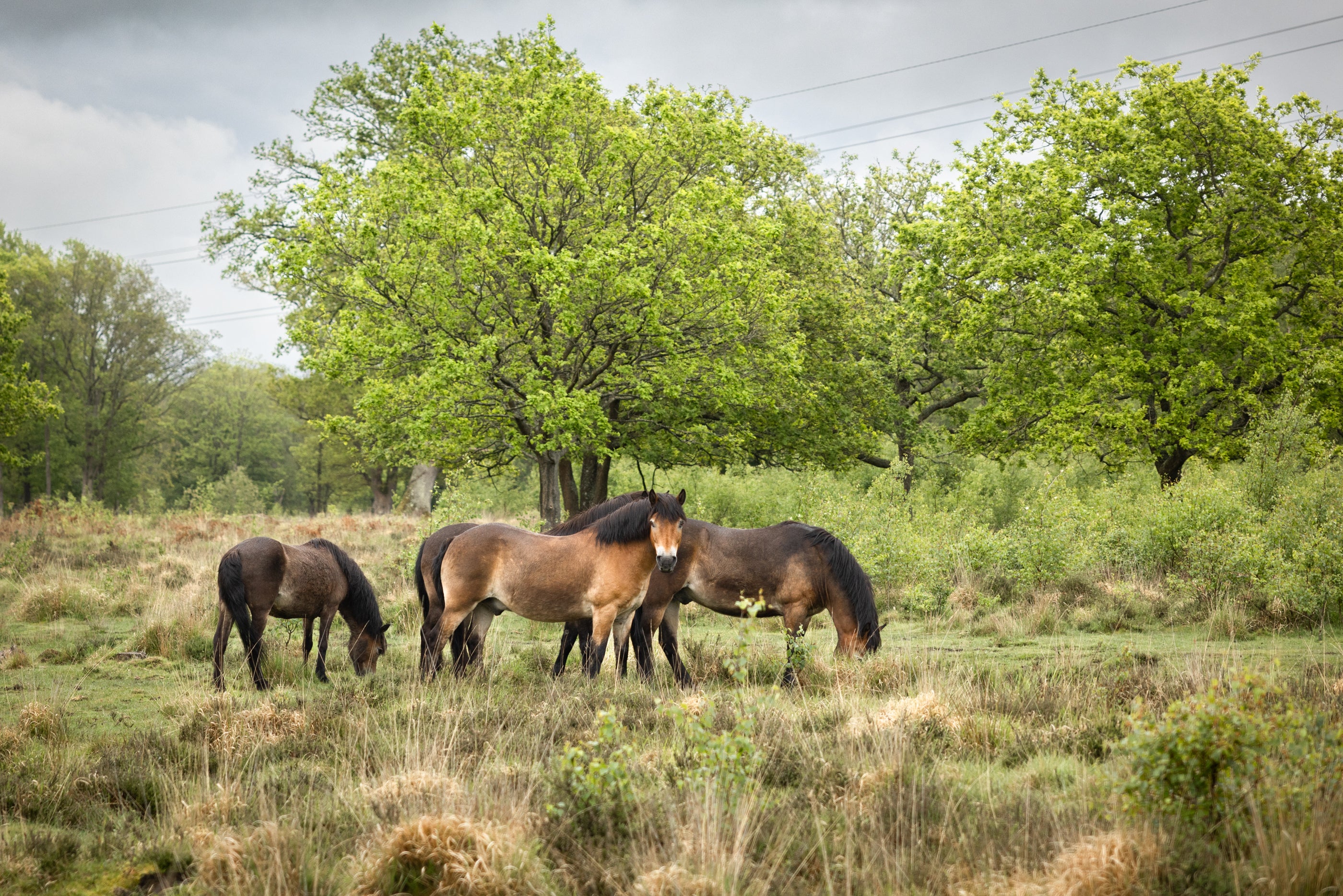
That same instinct for bringing people together shapes how Tom talks about conservation at a landscape scale. “I think there's been a big shift in the last 15 years in this country,” he explains. “It's not just about managing our own little patch. We speak to neighbours and say, ‘we could help you do this in your garden, because what we've got on our site would benefit yours if you just changed a few things’. It's about working together to build a wider space for nature recovery, rather than everyone gardening their own small patch the old Victorian way.”
What does that mean in practice for Tom, on a day-to-day basis? We got a glimpse of it during our visit to see him: fence-line checks, surveys, and habitat management that stands in for animals the landscape no longer has. “Because there are no big herbivores left pushing through the landscape and changing it, we have to play that role ourselves,” Tom explains, describing the tree felling, coppicing and scrub clearance that keeps heathland like Hook Common and Bartley Heath from disappearing under scrub. It is unglamorous but essential work, and a reminder that the reserves children fall in love with don't look after themselves.
What can parents do to encourage children to show an interest in the countryside and conservation?
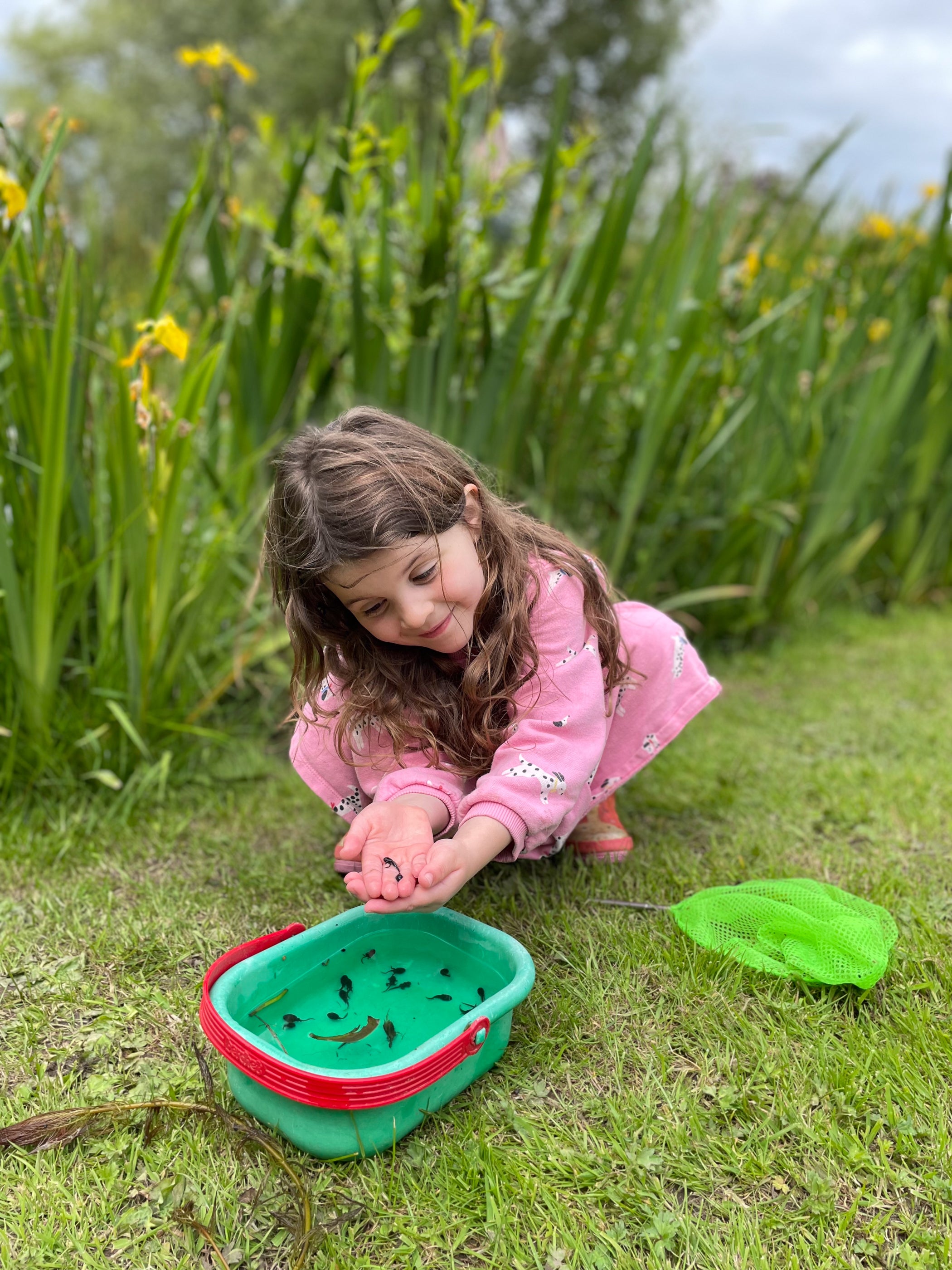
So, what's the advice, in a nutshell? Tom's answer is refreshingly unfussy. “Take them along to wildlife charity events or events held by private landowners. The Wildlife Trust runs engagement days at our education centres – pond dipping, building structures in the woods, that sort of thing.
“That's a really good way of harbouring that interest early on. And just take them outside. If you've got a spare Saturday afternoon, go for a walk on a nature reserve. There are so many good ID apps now that can help you learn together.” A particular favourite of ours at Schöffel Country is the Merlin ID App, that recognises birds through audio.
And to the children themselves, weighing up whether a career like his is a realistic option: “I'd always recommend this as a career. I've met so many great people, seen so many rare things that most members of the public will never see. I'd recommend this ten times over to my younger self, and to anyone else interested in doing it.”
Whether that lands with a five-year-old given a pocket bird guide, or a teenager joining a trained ecologist to lift a reptile tin, looking for slow worms and adders, Tom’s message is the same: the hook doesn't need to be dramatic. It just needs to be there, on offer, often enough, until curiosity does the rest.
To learn more about the other Schöffel Countryside Awards finalists we have visited, click here
The Rising Star Award is sponsored by Pressendye.
 Field Notes9 min readHarvest, drought, and a new venture | Farming the Seasons with Tom YoungsRead post
 Field Notes12 min readWhat to wear dog walkingRead post
 Field Notes6 min readA guide to MARS Badminton Horse TrialsRead post
 Field Notes6 min readOur guide to the 2026 Cheltenham FestivalRead post
 Field Notes8 min readBurghley: A brief guide to horse trialsRead post
