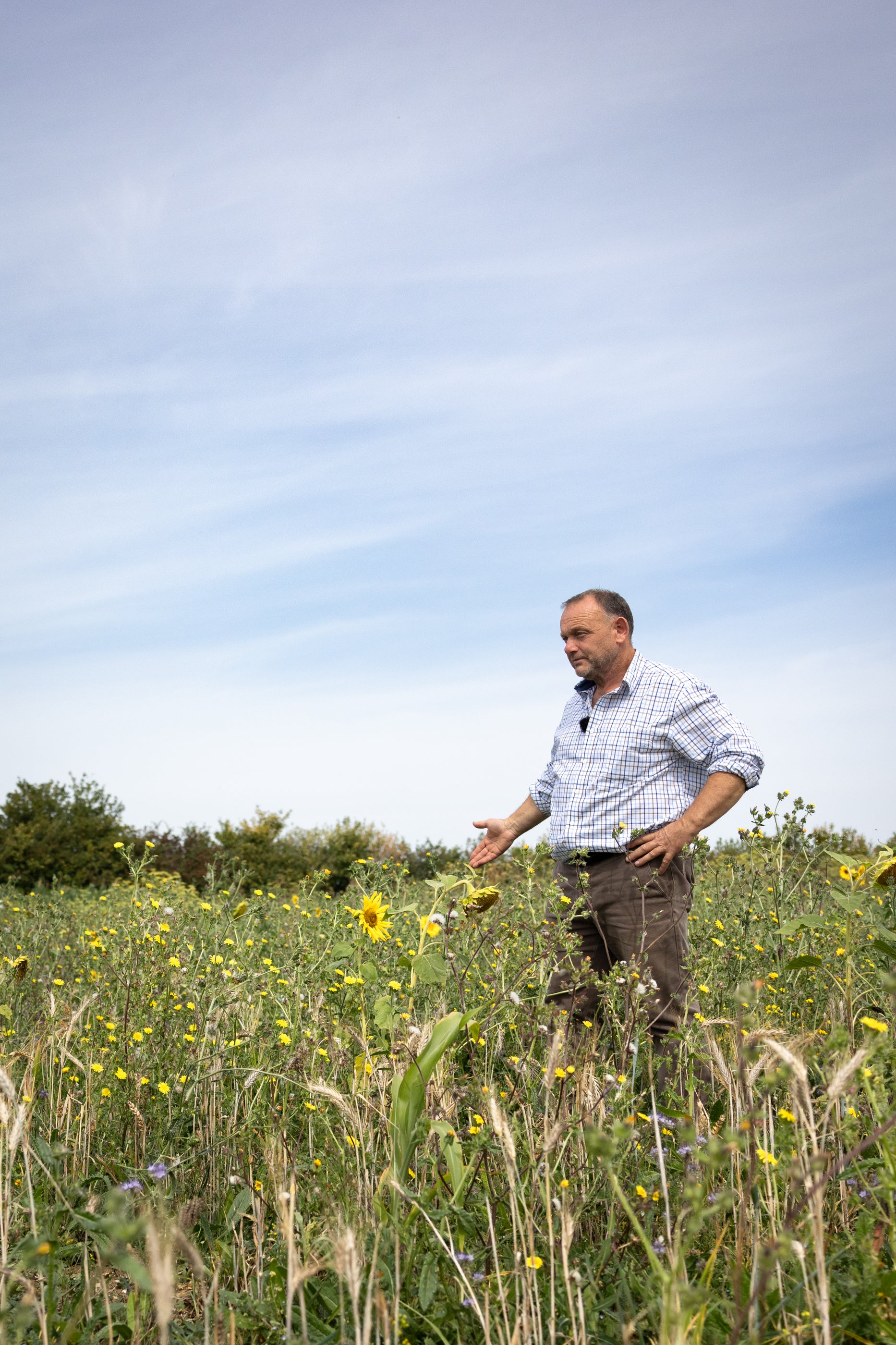
An introduction
We are facing a biodiversity crisis in the British countryside.
With one in six species at risk of being lost, and many habitats considered to be in ‘poor’ condition, more needs to be done to help our wildlife*.
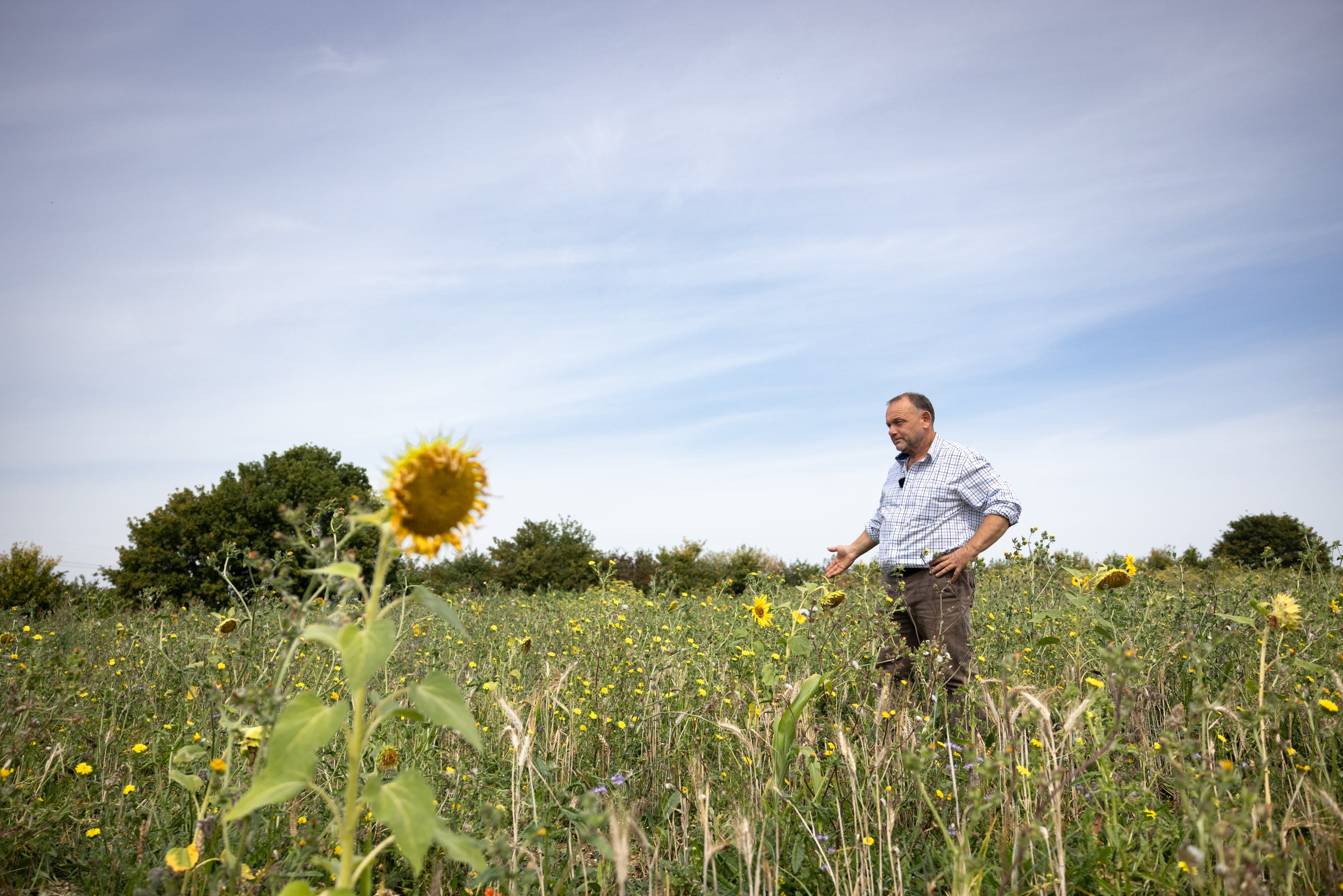
And yet, there is hope… There are private land managers or ‘working conservationists’ who, through a combination of passion and practical knowledge are successfully conserving and restoring biodiversity and soil and water health to tracts of the British countryside.
Examples abound: Woodlands are being planted and managed; wetlands are being created; regenerative farming practices are being integrated within profitable and productive agriculture; and farmers are joining forces to create landscape-scale conservation plans.
Whether it is a patch of a few acres or an estate of several thousand, a single person or a collaborative endeavour, by shining a light on examples of active and progressive private land management, we hope to inspire others to follow suit, inform policymakers of these success stories, and engage the wider public.
In order to help ensure the highest standards, we are partnering with our friends at the Game & Wildlife Conservation Trust (GWCT), a UK conservation charity. Ahead of its time, GWCT has produced decades of peer-reviewed science on farmland conservation, fisheries and moorland management. It developed many of the agri-environment measures included in the government’s Environmental Land Management Schemes (ELMS) and pioneered Farmer Clusters, having specialised in working with private land managers for more than 90 years and supporting them with trusted science-backed advice.
*Source: The State of Nature 2023 report.