Woodland foraging with Tim Maddams | The wild mushroom hunt
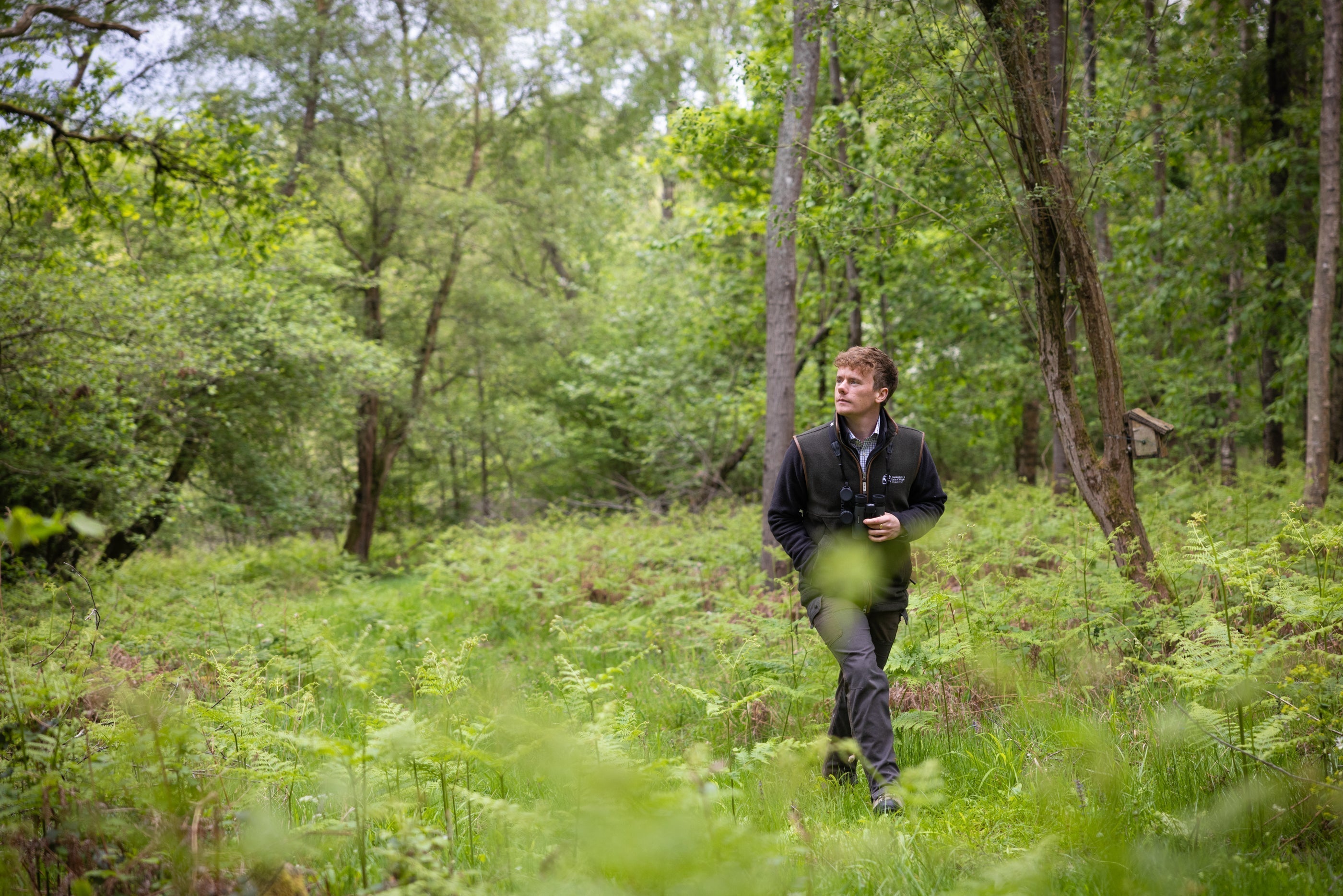
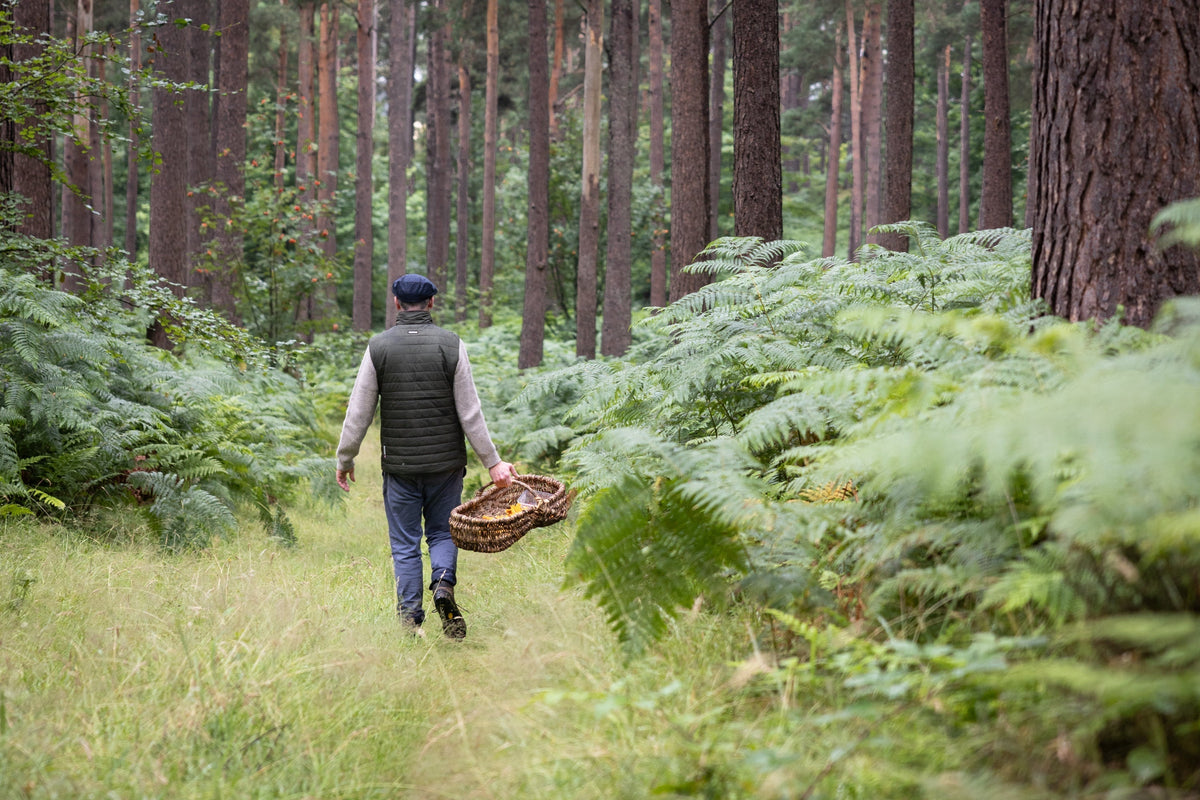
Scotland has had a dry few months, and dry woods mean fewer mushrooms – "that's gonna affect how many we find this early in the season," says Tim, without much concern in his voice, as we duck under the treeline, baskets and knives in hand, boots already dark with dew. Foraging doesn't reward pessimism.
We've come to the woods for the second leg of a two-day forage, coast behind us, ceps and chanterelles (hopefully) somewhere ahead. Tim reckons there'll be a few of the latter about regardless of the drought. Beyond that, he's hoping for something better. "There's no real way of knowing what you'll find until you get there and have a look," he says, and heads in without waiting to see if we agree.

It's late summer, the point at which trees stop growing and start storing – banking sugars for the winter ahead. It matters to what grows underfoot. Most of the mushrooms Tim is after aren't parasites, he explains, they're mycorrhizal fungi, living in a quiet trade with the trees around them: the mycelium threading through the soil pulls minerals a tree can't easily reach on its own, and in return the tree feeds it sugar, made in its leaves, sent down through its roots. Mutually beneficial. Symbiotic. "You do get a big bloom of what I'd call the really delicious ones after a long stretch of warm weather followed by a good bit of rain," Tim says. There's been precious little of the second part this year.
The first proper find is a prime example of one fungi species pretending to be another. Bright orange, growing in a cluster out of rotting wood, it looks, for a hopeful half-second, like a chanterelle. It isn't. "This is a false chanterelle, which a lot of people say is poisonous," Tim says, crouching over it. The tell is in the underside: true gills, not the shallow ridges of a real chanterelle, and a colour that leans more orange than yellow. It's a lesson in not trusting your own excitement. Your brain wants to find chanterelles, Tim says, so it will.
Better luck a few steps on: a shingled hedgehog, freshly emerged and still faintly sweet-smelling. "A delicious, well worthwhile edible," Tim says, popping it in the basket slung across his back. Nearby, a blusher – edible too, though not a favourite of his – its cap scattered with loose, moveable scales, its flesh blushing pink wherever it's nicked or broken. Small, quiet clues. Tim reads them the way you'd read weather.
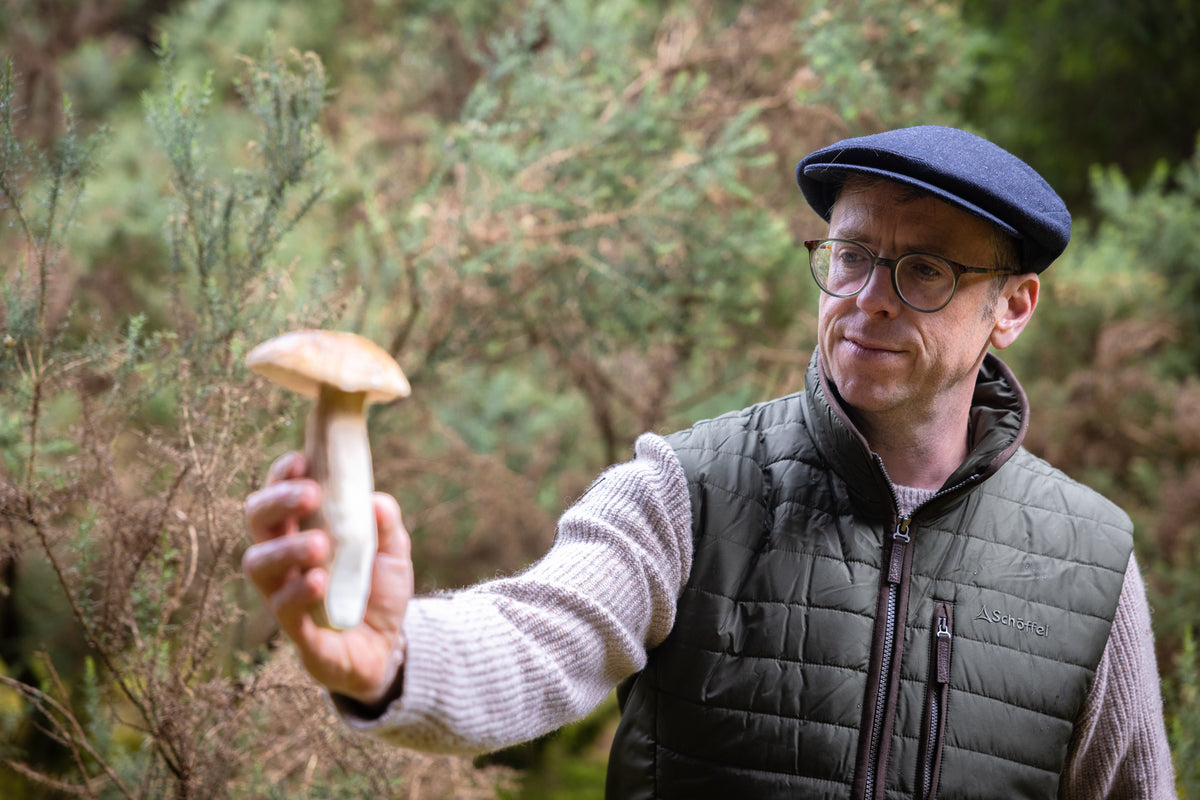
Then the moment he's actually been hoping for... Half-hidden at the base of a tree, a squat, pale-stemmed mushroom that makes him drop to a crouch. "Come down here with me," he says. "This is forager’s gold..."
It's a cep – porcini, if you're buying it in Italy, where they don't much bother splitting hairs over which closely related bolete it technically is. "They have a brilliant attitude towards this in Italy," Tim says. "It really doesn't matter whether it's a true cep or not." He turns it over, checking the stem, decides he isn't quite mycologist enough to be certain of the exact species, and decides he doesn't much care either. "What we've got here is a primo porcini mushroom, in great quality," he says, genuinely delighted. "Given how dry it's been, I really wasn't sure we'd find one. There it is." A touch of early maggot damage, nothing that will stop it going in the pan.
We headed back to the car. A short drive away was a known (but quite secret) chanterelle hotspot.
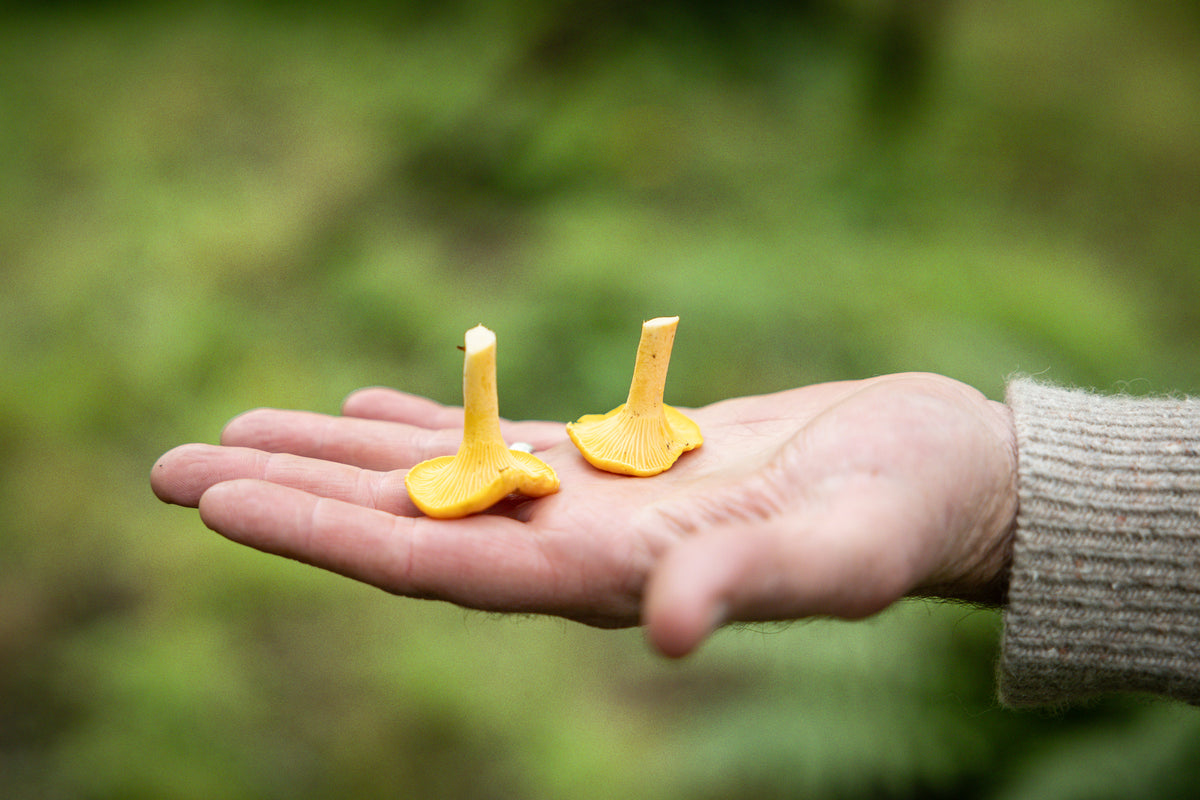
And so it proved to be... Not the one or two Tim had cautiously predicted, but broad patches of them, the sheer volume of it something he reckons foragers from further south never quite believe until they see Scotland for themselves.
Not that Tim wants to turn anyone into an expert, but take friends out mushrooming, he says, and they spend the whole walk pointing to every unfamiliar cap and asking what it is.
Eventually you have to stop them: there are millions of species of fungus in the world, and today he's interested in about five – the ones that look like this, this, this, this, and this. Learning the rest is worthwhile, he admits, and genuinely fascinating, but it tips you over from forager into mycologist, and he'd rather stay a food-focused chef who knows a handful of mushrooms very well.
That doesn't mean he's blind to the bigger picture, though. Fungus, he points out, is what turns rock into soil in the first place – lichen and mycelium breaking down minerals into a form plants and trees can actually use. We rely on that hidden network. Picking a few mushrooms for supper is a small thing set against that.
Before the woods properly close in, Tim points out a few things worth knowing along the way. Rosebay willowherb, or fireweed, grows everywhere along the treeline: in spring it can be eaten young, a bit like asparagus; now, past its flowering, it's the unopened flower heads you want, fermented overnight in a damp tea towel, then dried for tea.
There's an elder bush, its berries still small and green with the dry summer – “once the berries are ripe, add a load to some red wine vinegar, leave it a couple of weeks, drain it off, and it’s absolutely tremendous." Nearby is a young rowan, too, its berries almost but not quite ready either. “They’re better cooked into a syrup or jelly,” Tim says.
It's a reminder that woodland foraging isn't only about mushrooms, and that most of what's edible out here asks for very little in return – just an awareness of what you're taking, and how much. It's mostly about slowing down, Tim says of foraging in general: not stripping everything you find in the excitement of the moment, not damaging what doesn't need damaging, and leaving anything you can't confidently identify exactly where it's growing, since it might be rarer than it looks. Leave nothing behind except footprints, in other words, and take only what you'll actually use.

That last part matters a great deal with mushrooms. Tim's rule, repeated more than once, is to treat any mushroom you can't identify at first with total certainty – particularly within the first three times you've picked it – as one to check properly once you're home: a spore print taken, a written description read in full rather than just a photograph glanced at, the whole process gone through before deciding it's safe. The stakes, he points out, can be the same with plants as with fungi. Cow parsley and hemlock water dropwort look almost identical to an untrained eye. One is a good foraging find. The other can kill you.
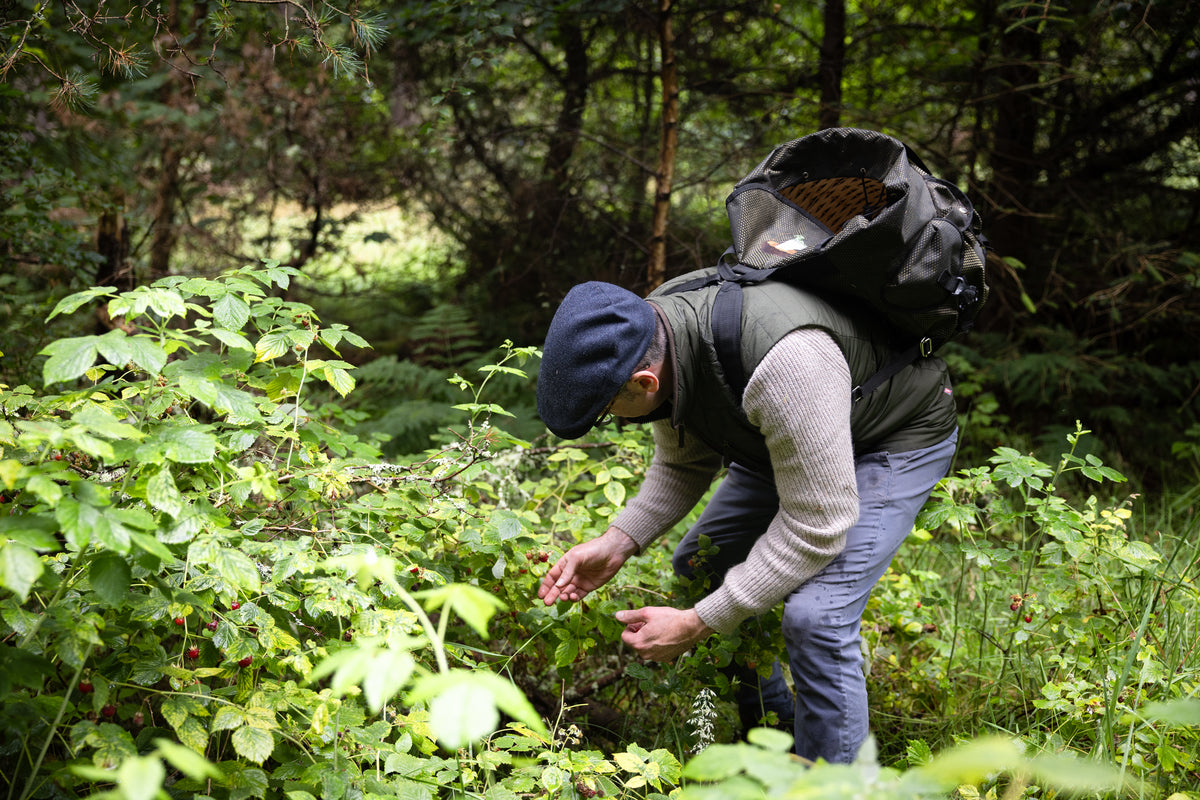
Not everything demands that kind of caution, though. A little further on, a patch of wild raspberries, "doing a great impression of cultivated ones," bearing ripe fruit all at once in a way wild raspberries rarely manage. Tim doesn't bother gathering many – they are too soft to survive the walk back – and instead does the sensible thing, stopping for five minutes to pick and eat a few as a snack.

Back at the kitchen, the day's finds – chanterelles, the cep, the shingled hedgehogs – get exactly the treatment Tim thinks wild mushrooms deserve: not much fuss at all. He's not one for scrupulously brushing every last speck of woodland off them, just flicking away anything obviously chunky and moving on – "life's too short." A quick sauté with a little garlic, before the mushrooms are spooned onto the top of a pizza, with a scattering of sweet, barely-cooked tomatoes and not quite as much mozzarella as you'd think. It isn't a recipe so much as an argument for eating what you find the day you find it, cooked simply enough that the mushrooms stay the point of focus.

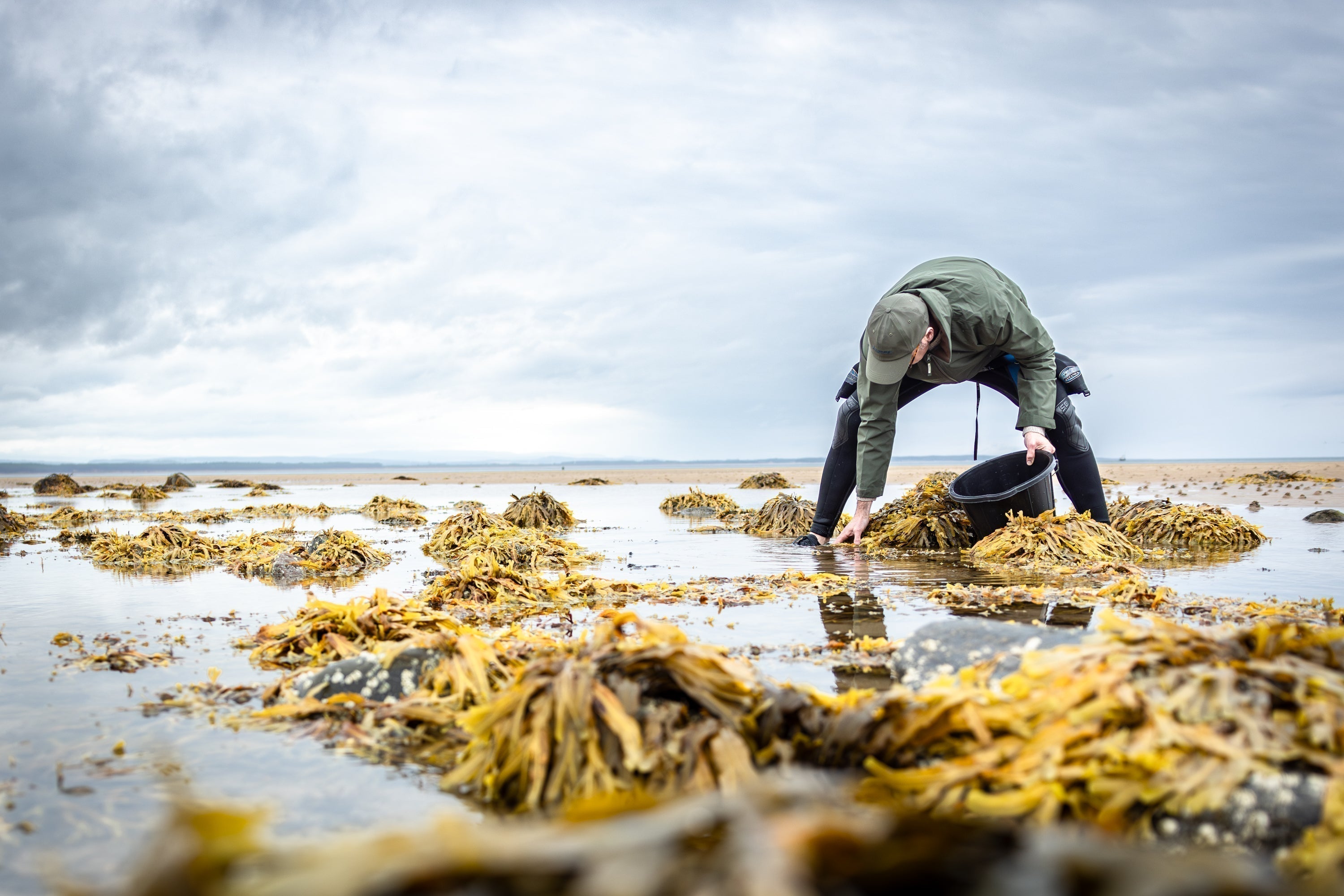
Watch Tim's full woodland forage – ceps, chanterelles and all – on Schöffel Country's YouTube channel, then see what your own local woods have to offer this season. And if you missed it, go back to part one, where Tim raked the Scottish coast for cockles
Common questions about woodland foraging
Woodland foraging means gathering wild food from trees, hedgerows and the forest floor – mushrooms most of all, but also berries, leaves and the odd useful flower – using nothing but your own eyes, a knife and a bit of patience.
Not much: a basket, a knife, a couple of tubs, and – more importantly – some decent literature. Tim recommends John Wright's mushroom foraging guides and the field books by mycologist Geoff Dann as good starting points, alongside the Association of Foragers' own guidance.
As Tim explains, it comes down to awareness: how you interact with other people, and how you interact with the environment. Slow down, don't strip everything you find in the excitement of the moment, don't damage what doesn't need damaging, and leave anything you can't confidently identify exactly where it's growing, since it could be rare or protected. The Woodland Trust's foraging guidelines cover the same ground in more detail.
Scotland's right to roam generally allows foraging for personal use in most places, under the Scottish Outdoor Access Code's guidance on foraging, though it's worth checking local guidance, any protected-site restrictions, and getting permission before foraging in private or managed woodland.
Late summer into autumn, after a good stretch of warm weather followed by rain – that combination is what triggers the biggest flushes of the more prized species, like ceps, hedgehogs and cauliflower fungus.
Nothing, really – porcini is simply the Italian name for the same group of boletes. As Tim puts it, several closely related species look and taste so similar that Italian markets sell them together as ‘Boletus edulis e gruppo similare’ ("Boletus edulis and similar group"), rather than splitting hairs over the exact species.
Look underneath. A true chanterelle has shallow, blunt ridges running down the stem, while a false chanterelle has proper, thin gills. False chanterelles also tend to be a deeper orange rather than yellow, grow in tight clusters, and are almost always found on rotting wood rather than in soil.
Never eat anything you're not completely certain of, especially the first few times you pick a species. Take a spore print, read the full written description rather than relying on photos in recommended identification books, and treat any mushroom with a potentially dangerous look-alike – as with cow parsley and the deadly hemlock water dropwort among plants – with real caution.
Chanterelles, ceps (porcini), shingled hedgehogs, cauliflower fungus and the blusher are among the most reliable finds in late summer and autumn, especially after a stretch of warm, wet weather. Which species turn up varies hugely by region and habitat, so a decent field guide and a bit of local knowledge go a long way.
A good deal: rosebay willowherb (fireweed) for tea, elderberries for vinegar, rowan berries for syrups and jellies, and – if you're lucky with timing – wild raspberries and blackberries growing along the woodland edge.
Keep it simple: a light clean, a quick sauté with a little garlic, salt and pepper, and not much else. Good wild mushrooms – chanterelles, ceps, hedgehogs – don't need dressing up; a scattering over a simple pizza or pasta is often all it takes.
 Harvest, drought, and a new venture | Farming the Seasons with Tom YoungsRead postField Notes9 min read
 Fleece jacket vs quarter zip vs gilet: Which layer should you choose?Read postStyle Guide12 min read