What does a jockey do on race day? | Behind the scenes with Harry Skelton
“Any pre-race rituals?” we ask, as the car pulls out of the yard. “No, to be honest. Very relaxed.” No superstitions at all? Harry thinks about it, then grins. Maybe he's wearing his lucky pants.
It's a quiet day by Harry's standards. The meeting was meant to be at Worcester, but the course isn't ready to race yet, so it has moved to Hereford, about an hour and twenty minutes down the road. He was due two rides, but the ground is a little quick for one of them, so it comes down to a single horse: Ice Jet. “He just got beat at Wetherby the last time out. So yeah, pretty hopeful for today,” he says.
Do jockeys study a race before riding in it?
Before the day arrives, Harry has studied the field, the likely pace and has an idea of where he wants Ice Jet to sit. “Today, on this ground, you don't want to be too far back,” he reckons. “It's quite a hard track to make up ground on. He likes to race just behind the leaders.”
Then he adds the caveat every jockey lives by. “You can have a rough idea of what's going to happen in the race, and then you go out there and it can all change,” he smiles. “You've got to have that freedom to manoeuvre and do the things that feel natural on the day. It's no good being pinned down to doing one thing. You've got to be flexible.”
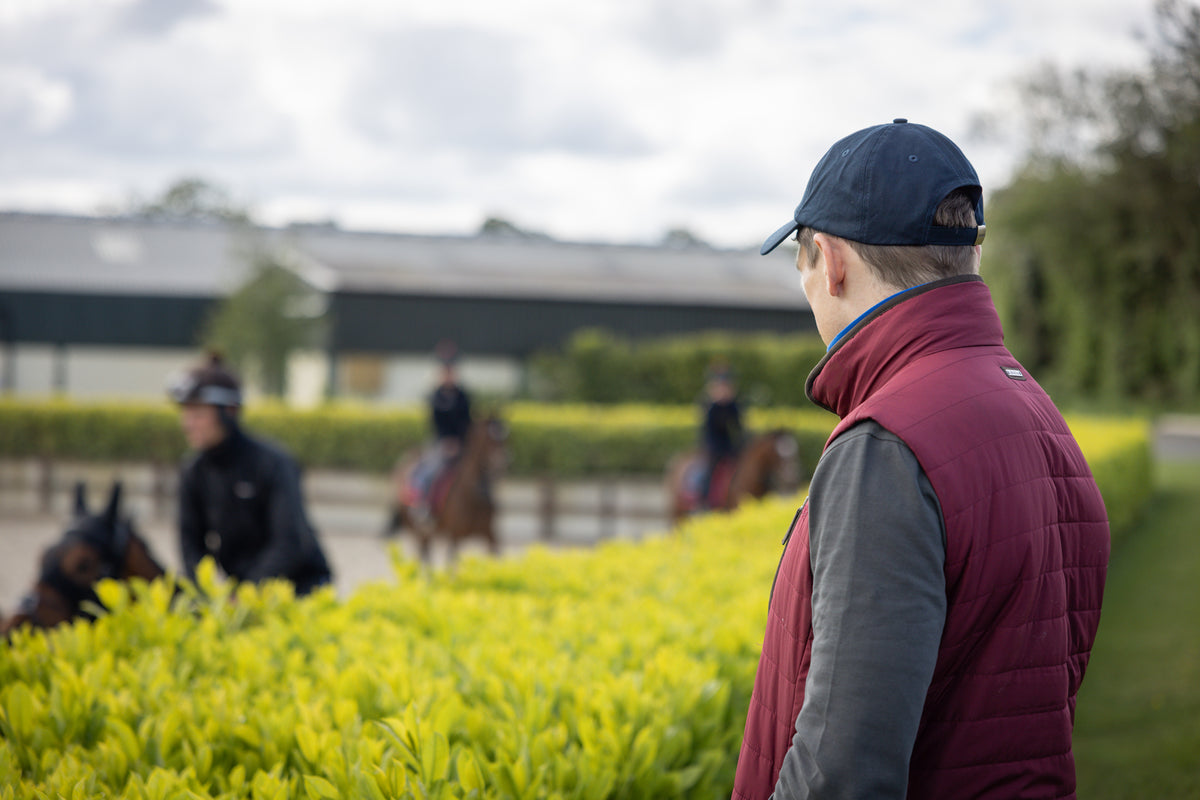
Harry's position is unusual among jockeys. He rides almost exclusively for the stable run by his brother, champion trainer Dan Skelton, and he's hands-on with the training. “If I get the odd outside ride then fine, but I don't necessarily go looking for them,” he says.
The yard has around 50 horses over the summer and as many as 250 in winter, and is home to a number of well-known names including Protektorat.
Before we leave, he pops one of the youngsters over some logs. The horse is a three-year-old who has just given the yard its first ever flat winner, and he'll go hurdling in time. “You just practise, practise, practise all the time,” says Harry. “Keep getting their eye in. Keep teaching them.”
Then it's off to collect Tom, Harry's right-hand man. There's one other non-negotiable on a race day: a stop for coffee. That means two extra-hot flat whites, one with three brown sugars.
Why do jockeys walk the course before a race?
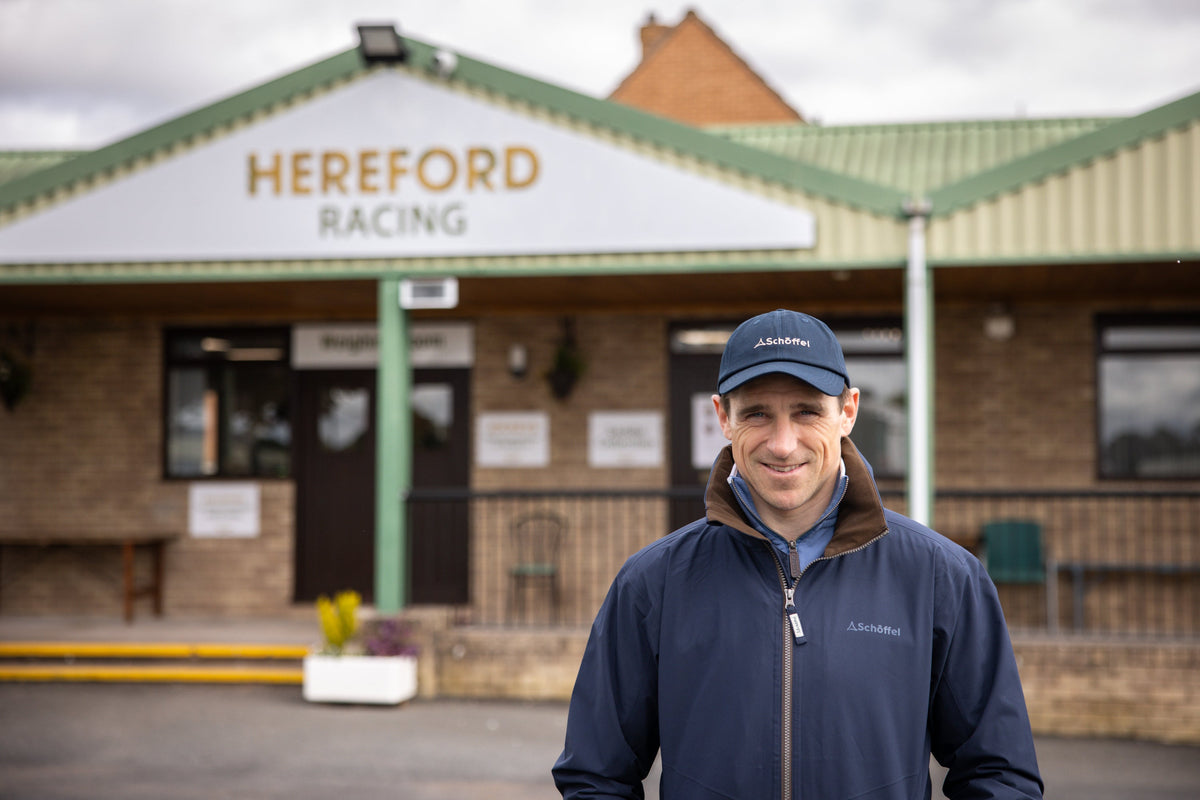
At Hereford, Harry's first job is to walk the course. Today is a hurdle race, over the smaller of jump racing's two obstacles. He wants to know the layout, where the markers are and how the ground is riding.
Hereford is a right-handed track, so the markers stay on his right. He kicks a heel into the turf to test it. “You're looking to make a good print or divot,” he says. “There's not much of a print, so it's fairly quick ground today. That's no worry for Ice Jet, who doesn't mind it fast.”
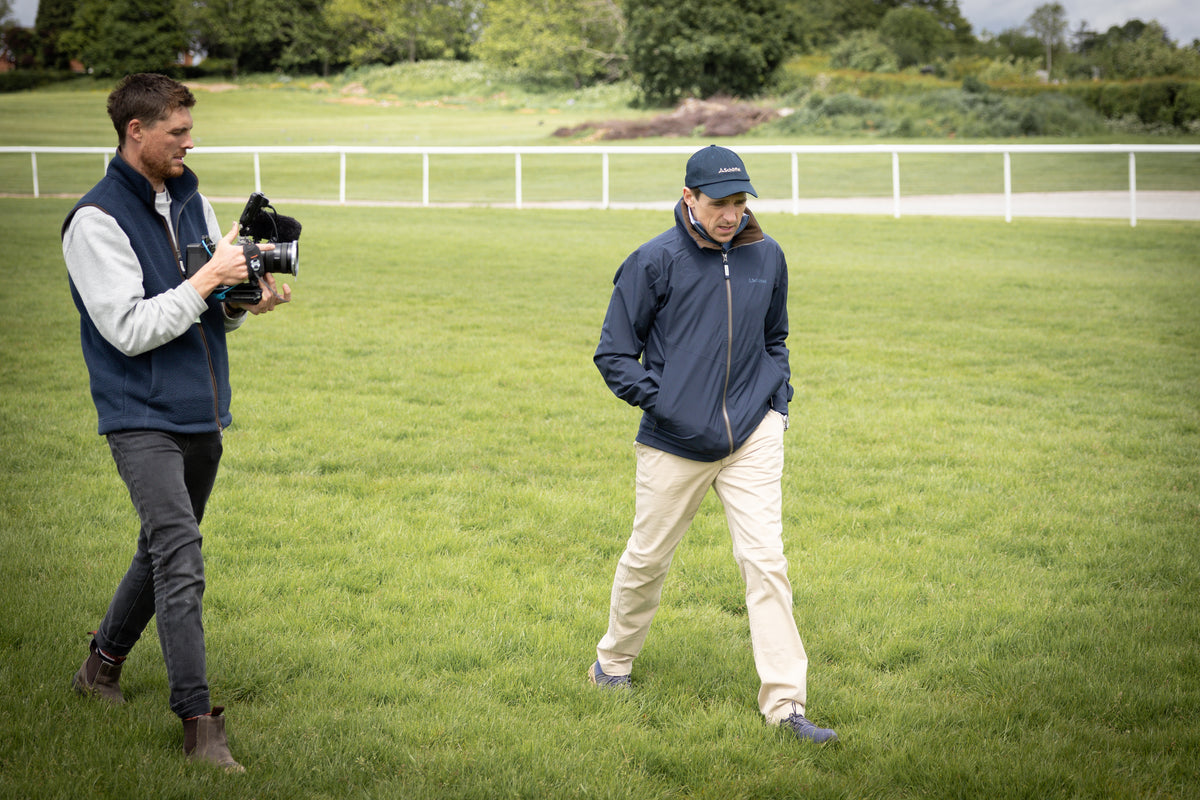
He talks us through the race as he walks it. The first hurdle has six panels to take the full field, then the next narrows to five as the runners string out. Early on, the aim is to sit in neutral and save energy. “You don't really want to be asking for anything before you get to the top of this hill,” he says. The hill is only a slight one, but it's a sharper pull than people realise.
After the second-last, it's downhill into the straight, and the danger is getting boxed in. “If you're on the inside and the horse on your outer has got forward momentum, sometimes he'll just have first run on you,” Harry explains. From the last hurdle there's barely half a furlong to the line. “No room for error here.”
When are jockeys weighed before a race?
Back in the weighing room, the numbers matter. On this occasion, Harry rides at 10st 13lb, with a 4lb allowance for his kit, mainly his back protector, so the scales will show 11st 3lb.
Tom handles the saddle. It's weighed with Harry, and the reading flashes up on a screen and goes straight into the system. About 25 minutes before the off, Tom saddles Ice Jet, who then walks the pre-parade ring and on into the main paddock. The jockeys come out ten minutes before the race and are legged up seven or eight minutes before. “Then down to the start,” says Tom, “and that's my bit done.”
Over the tannoy comes a going change: officially good to firm, good in places. Ice Jet is number seven in the 4.45 and the favourite in the betting.
The race
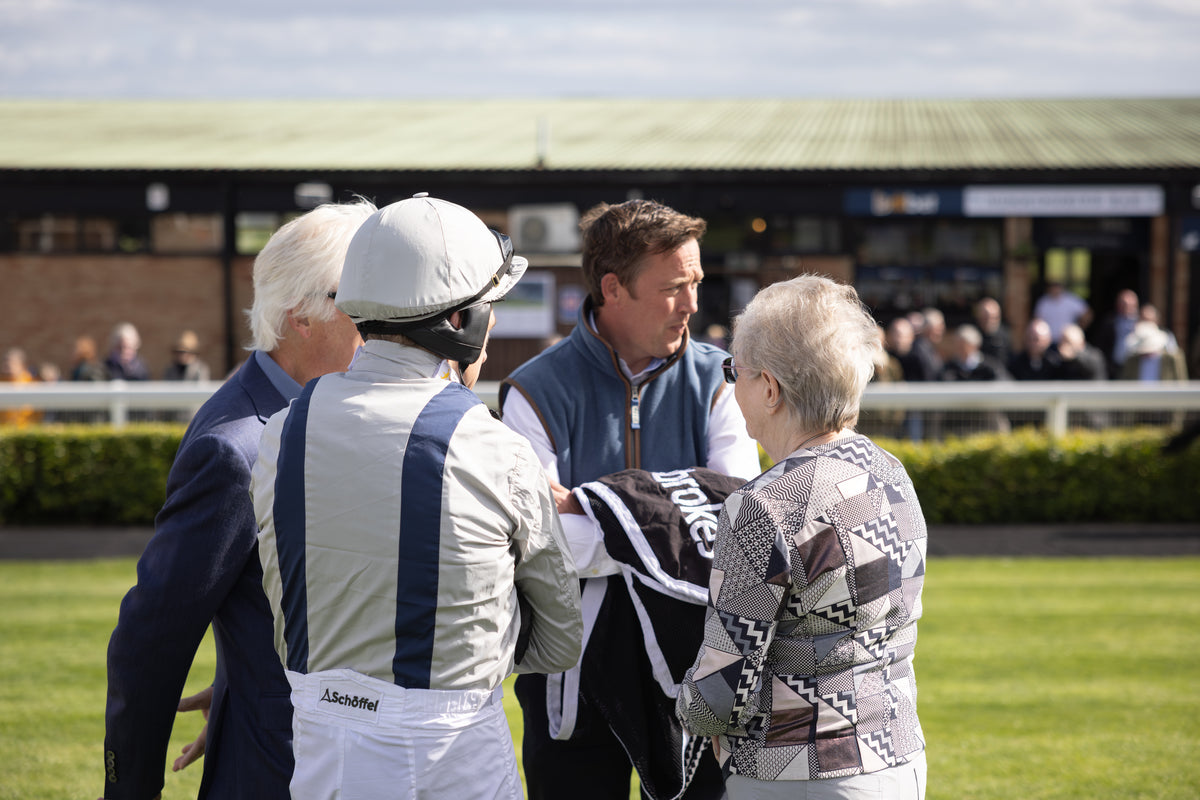
From the stands it's over in a few minutes. Ice Jet jumps well and wins impressively, a fair stretch out in front of the rest of the field. In the winner's enclosure, the commentator reckons a handicap mark of 92 ‘won't stay 92 for very long’.
“Perfect script,” says the team. “And worth the trip to Hereford.” Harry is chuffed. “He jumped great, loved the ground like we were talking about earlier, and they were ideal conditions for him. From a jockey's point of view, it couldn't have gone any better. He was an armchair ride.”

His thoughts soon turn to the owners. They have been patient through a winter of testing ground, and today brings the horse's first win under rules and over hurdles.
And tomorrow? For a jump jockey, there's little time to savour a win. “We're done,” Harry says. “I'll get a shower, go home and see the kids and my wife.” Then the circuit starts again. The next few days bring evening racing at Newton Abbot, Fontwell, Aintree, and Bangor. “We've a really busy few days coming up,” he says. “Plenty of rides, and hopefully loads of winners!”
For Harry, every ride this season is important, but Cheltenham meets are always a calendar highlight. Perhaps you’re heading there yourself? Read our guide to what to wear at Cheltenham
Watch the film
Watch the full film of our day at the races with Harry Skelton on the Schöffel Country YouTube channel.