The man who has kept a nature diary for 60 years
“28th of May. Sunny, hazy cloud, southwest wind, 24 degrees centigrade...”
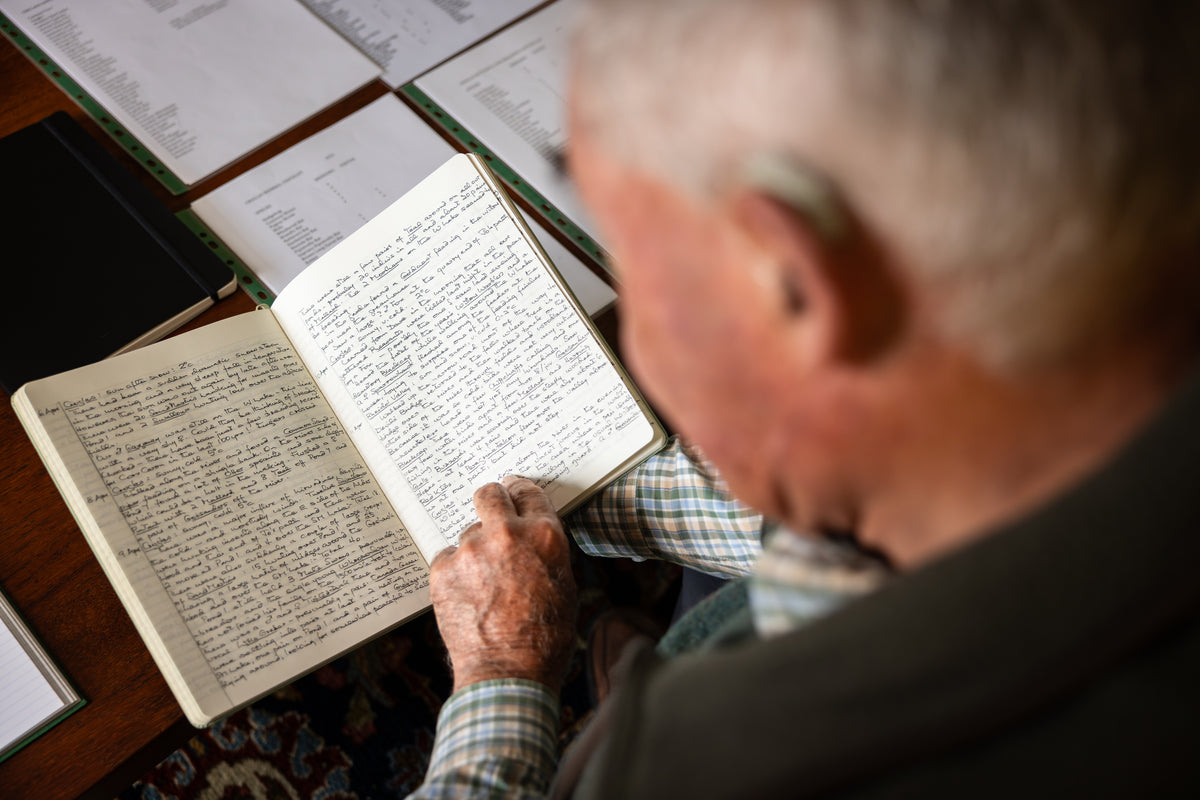
Terry Mills read the opening line of a recent diary entry aloud, a stack of books and species lists piled in front of him. I’d asked him to pick a typical day, and he chose one from earlier that week. What followed was a survey in miniature: a little egret at the hide, two hobbies high in the sky, probably hunting dragonflies, sand martins twisting and turning, and painted ladies “all over the farm” – hundreds of them.
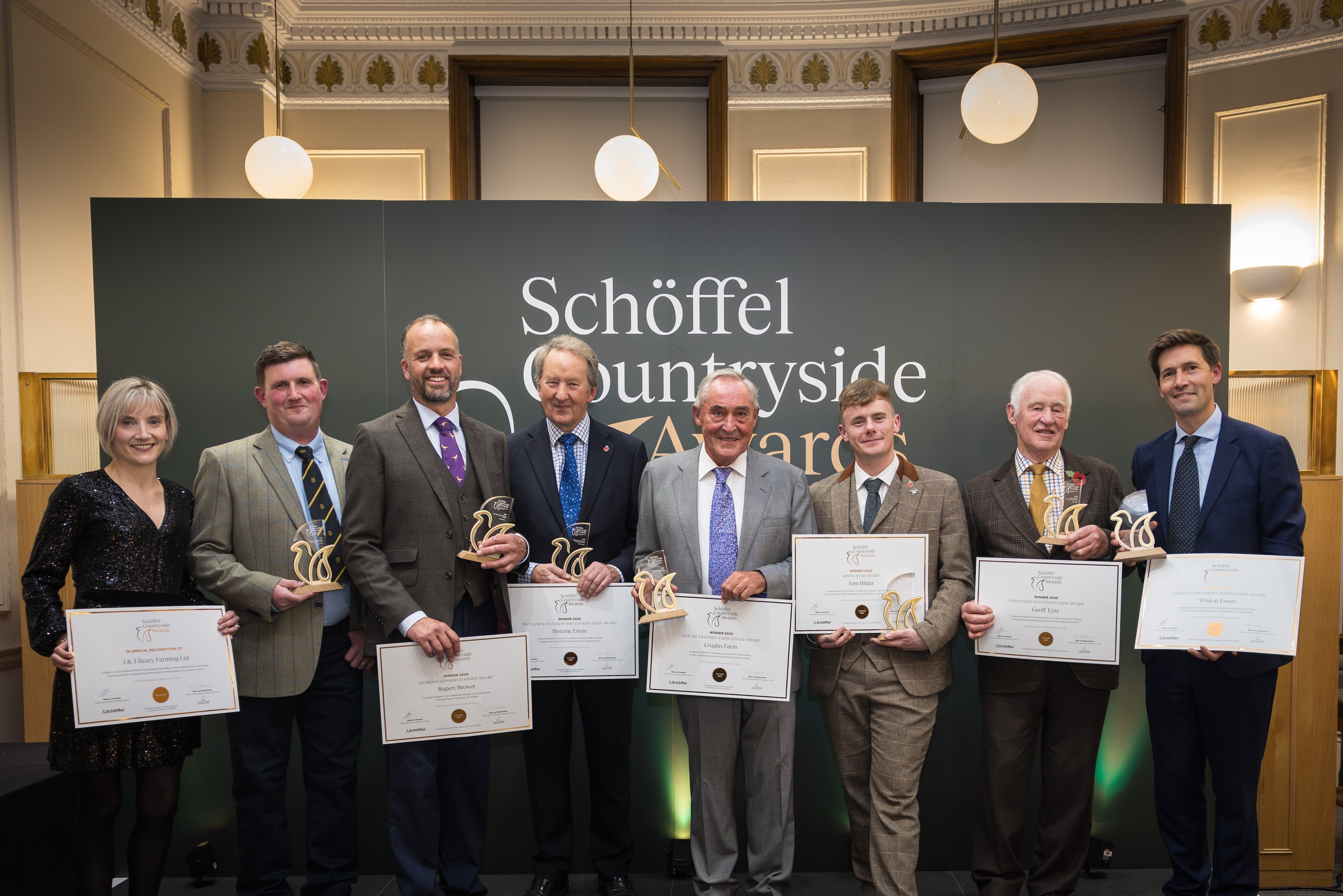
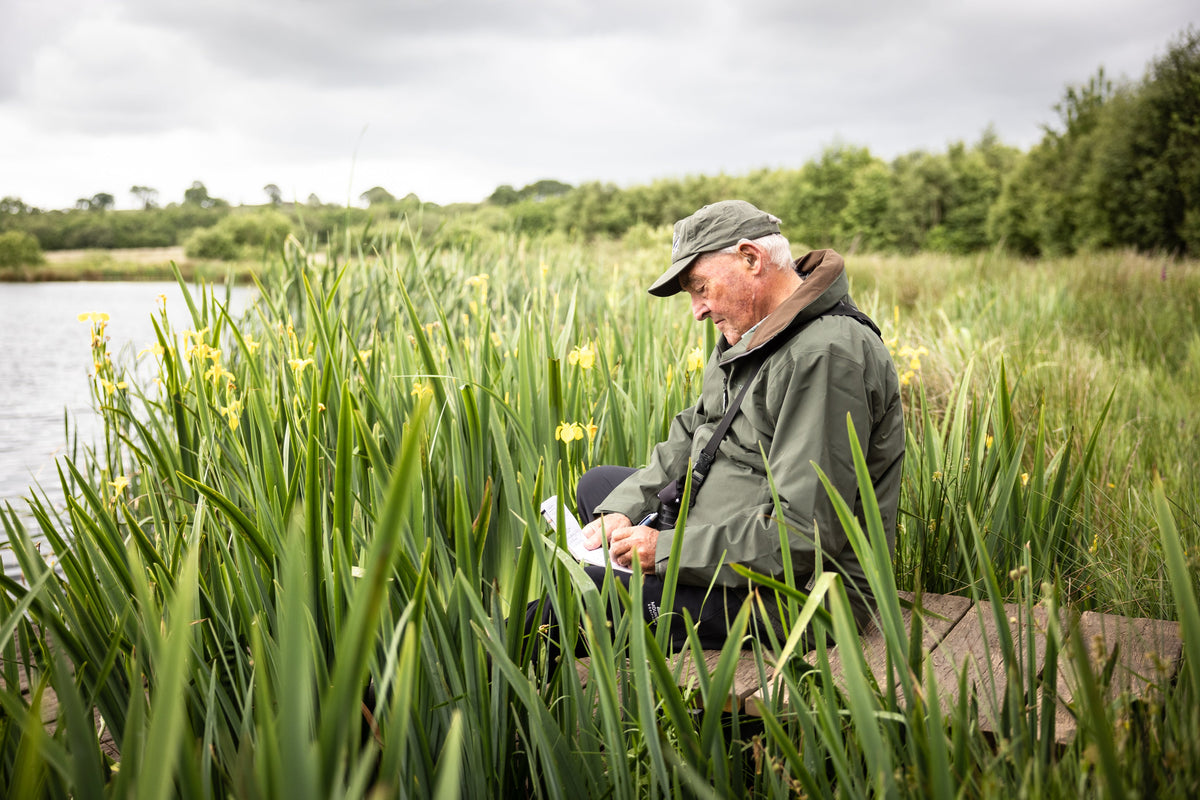
Terry, now in his eighties, has kept a country diary since 1960. For the past 30 years he has written it at Cruglas Farm, a hill farm in Ceredigion, west Wales, which he bought with his wife, Jo, in 1995. Since then, he has spent three decades reshaping the place for wildlife, and In 2025 it won the Nature-Friendly Farm/Estate category in the Schöffel Countryside Awards run in partnership with the Game & Wildlife Conservation Trust (GWCT). What I really wanted to understand, sitting there, was what a lifetime of noticing looks like – and what it can tell the rest of us about farming with biodiversity front of mind.
A Welsh prairie and a blank canvas
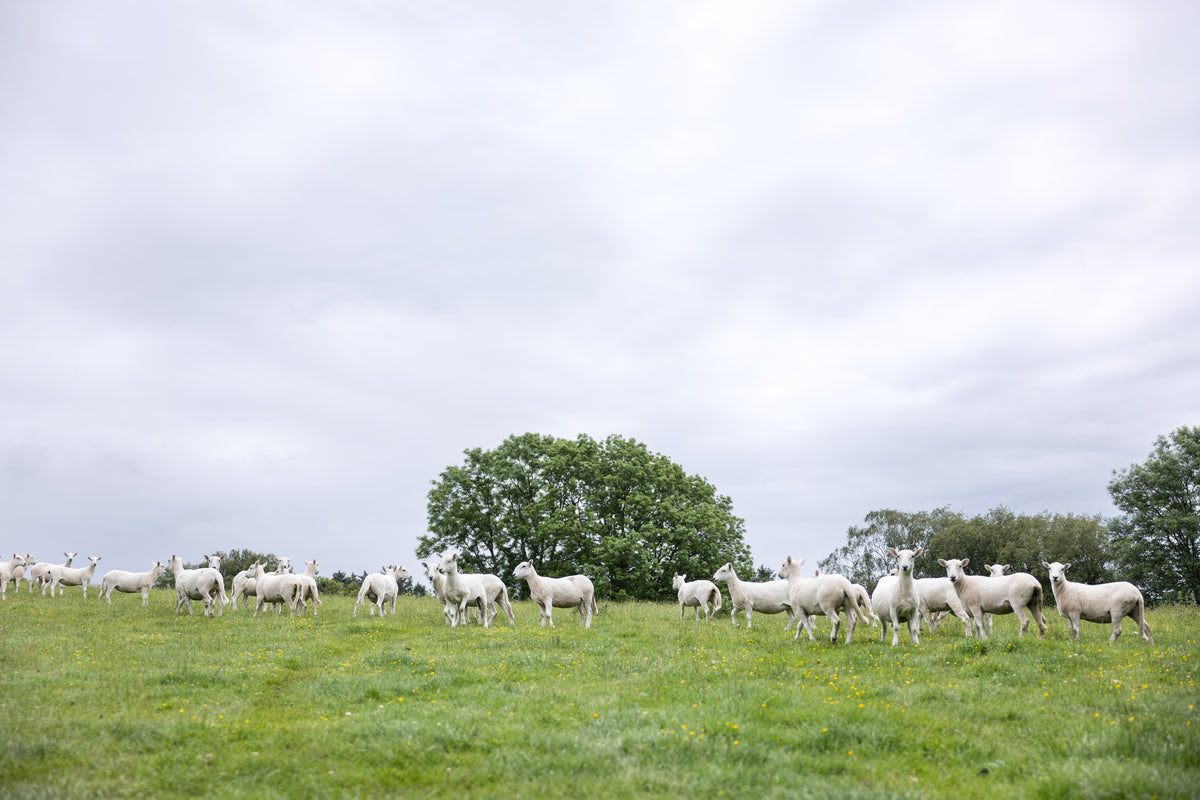
I asked Terry what he saw when he and Jo first arrived at Cruglas. “Cruglas was a typical Welsh prairie,” he said. “The sheep had eaten virtually everything.” In 1995 there were a few conifer stands and no hedgerows at all. The fencing had more or less disappeared, the gates were old bedsteads and there was no water around the house.
The farm covers 510 acres of gently south-facing slope, plus 210 acres of rented boggy ground on the edge of the Cors Caron nature reserve, including a mile and a half of the River Teifi. “We could see that the landscape would lend itself to some kind of major change,” Terry continued. “We wanted to have a farm that was economically viable but could also work alongside nature.”
Before touching anything, Terry spent time studying how the land was farmed and surveying the wildlife already there. He picked his battles: poor, unproductive corners went to trees and ponds, sheep numbers came down gradually from 800 to around 550 breeding ewes, and the suckler herd stayed much as it was. By 1998, he had a plan.
Why keep a nature diary?
I asked Terry whether he’d realised, when he arrived, that he would still be keeping records three decades later. In a way, he had been keeping them far longer. “I’ve always kept records of what I’m experiencing when I go out in nature. I’ve got records here that go back to 1960, when I was a teenager,” he said, nodding to the well-thumbed tomes on the table between us. “So this has been a lifelong task, if you like, or something that I’ve done naturally as I went along.” Continuing the habit at Cruglas, then, was inevitable.
So why does monitoring matter so much in conservation? Terry’s answer pointed to what ecologists call ‘shifting baselines’. Each generation tends to accept the wildlife it grew up with as normal, so slow declines pass unnoticed. “If I go back to my childhood, I think there were probably about four or five times as many birds around as there are today,” he said. “We’ve lost something like 80% of all our bird life while I’ve been on this earth.”
Record keeping fixes the baseline. “I think it’s very important when you undertake a project like this to make a record of what’s there at the beginning,” Terry continued, “because it’s only by doing that that you can see whether improving the habitat is actually having much effect or not.”
That, he argues, is what is often missing. “There’s been a lot of money spent on farms in the last few decades trying to improve habitat, but not many people have really looked carefully to see whether the so-called improvements really are improvements, or whether the wildlife has just continued to decline, which in most cases, it has.”It’s the difference between thinking wildlife is doing well and actually knowing it is.
Thirty years of records: what the diaries show
Terry’s diaries and species lists make a remarkable ledger. He has recorded 146 species of bird at Cruglas, 82 of which have bred, along with 27 species of butterfly, 16 dragonflies, 31 mammals and 61 species of tree and shrub. “We have nine species of warbler here, which is unusual,” he added.
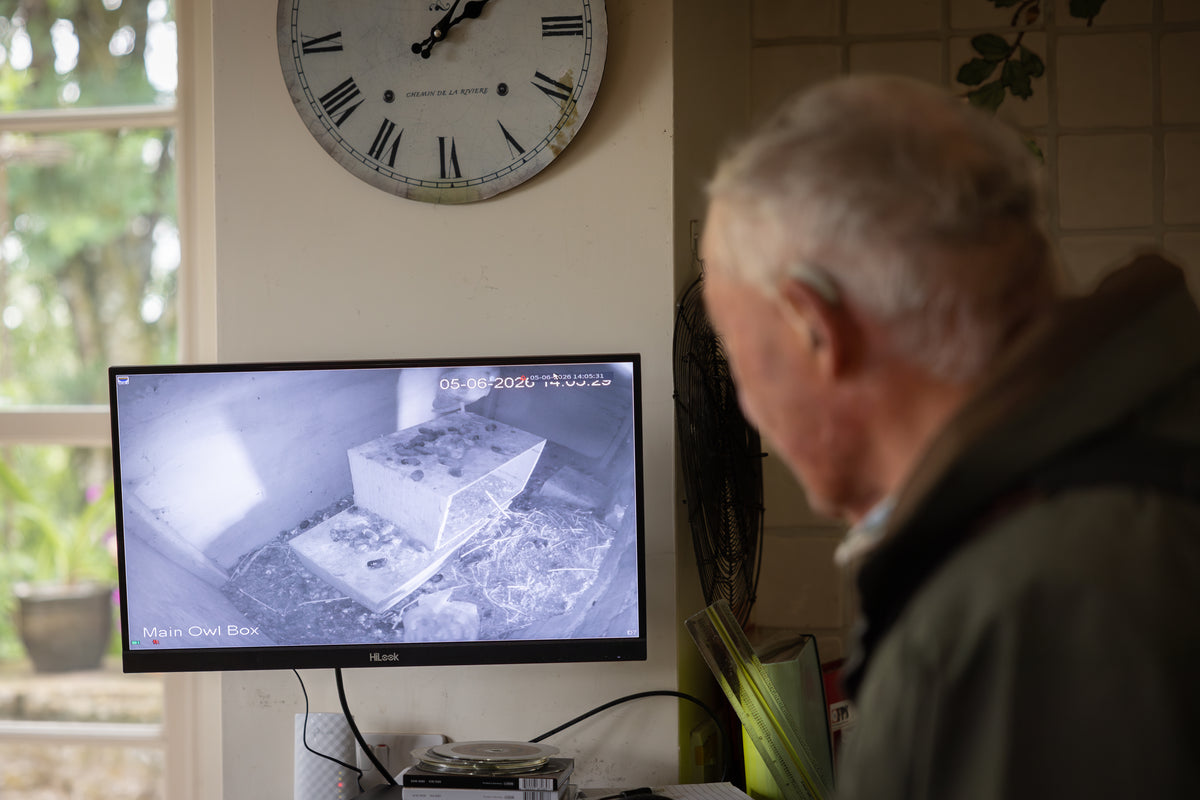
It is the change over time that makes the records so valuable. When Terry started, a single pair of little grebes nested at Cruglas; today there are seven. Tufted duck, a relatively rare breeder in Ceredigion, now nest on the ponds. Barn owls have gone from one pair to four, and kestrels, absent before, now breed in the boxes he dotted about the place. When I asked what stood out as the biggest change, though, Terry pointed to the finches. “We’ve seen a lot more nesting finch family species,” he said. “Siskins, hawfinches, bullfinches, greenfinches and redpolls are all up very noticeably".
Then there are the arrivals nobody could have predicted. Since the ponds went in, Terry has logged about 15 species of duck and all three species of swan: mute, whooper and Bewick’s. “None of those would have been seen here if we hadn’t put in ponds and created wetlands,” he said. Great white egrets now grace Cruglas with their presence every winter, bittern have been recorded in the reedbeds, and both hawfinch and garganey have made breeding attempts. The species lists are still growing, too. Just three nights of moth trapping recently turned up more than 100 species.
The habitat behind the numbers
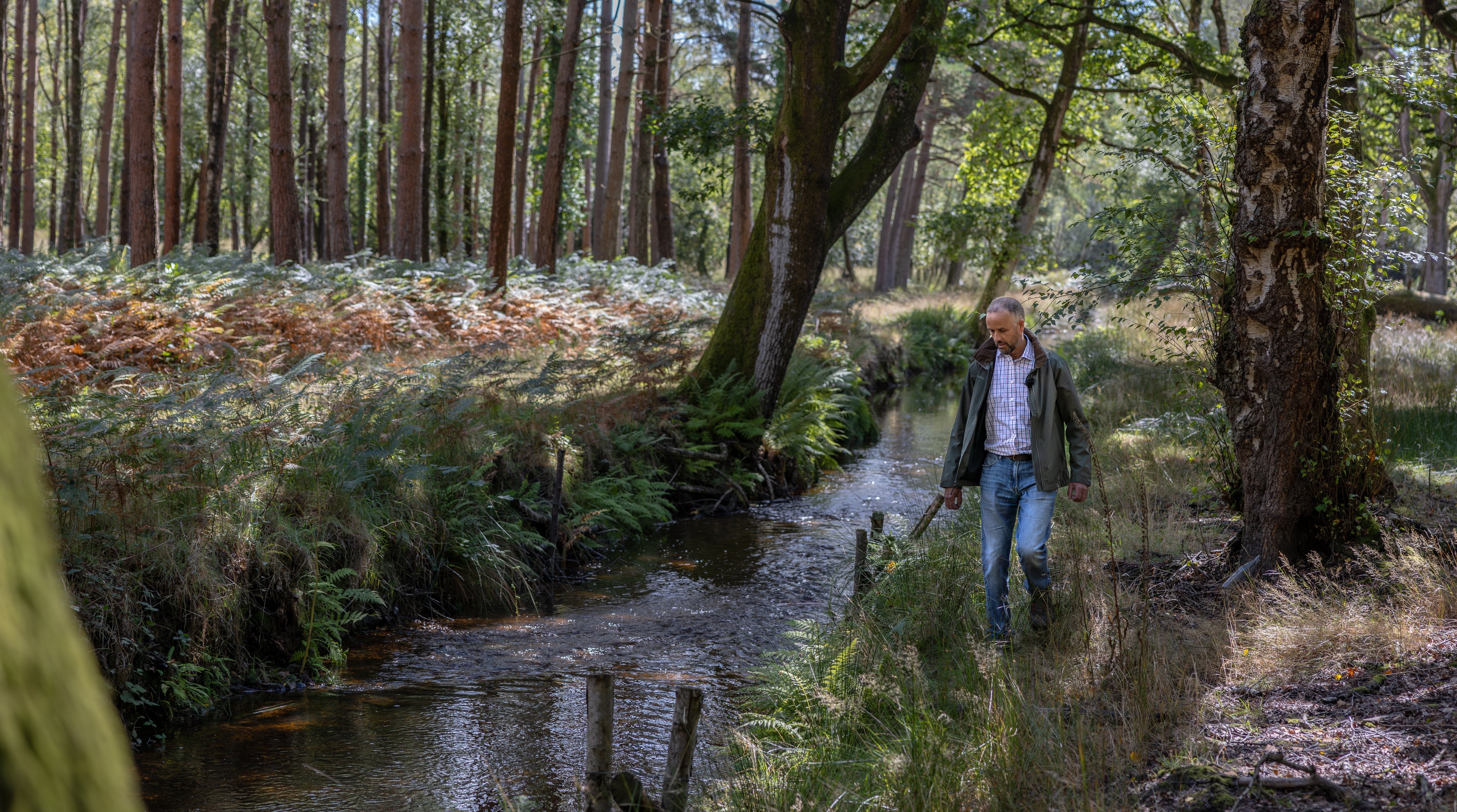
Hedgerows were arguably the backbone of Cruglas Farm’s transformation. Terry and Jo have planted 17km of wide, mixed-species hedges, with seven shrub species and a mature standard tree every 30 yards. Some are now more than eight metres wide and cut only occasionally, to maximise habitat and carbon capture. Early planting created wildlife corridors between woodlands; later came hedges around every field. To find where the old boundaries once ran, Terry traced the faint remains of banks on the ground and consulted the old tithe maps of 1781, then planted along them. Every hedge is double-fenced, to prevent damage from livestock.
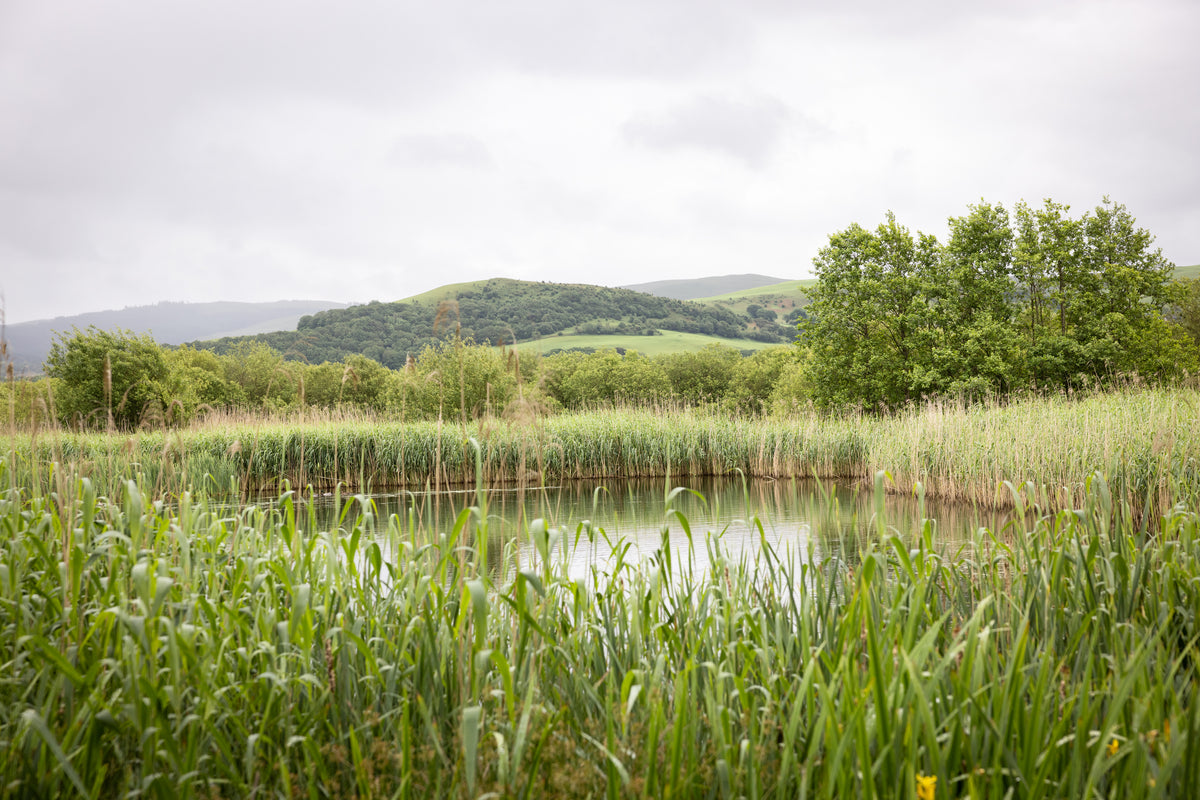
Water came next. When Terry arrived, there was one pond; there are now 12. One lake covers four acres and is stocked with trout. An artificial sand martin nest on an island has drawn several breeding pairs, and planted reed now attracts reed warbler, reed bunting and sedge warbler every year. “I calculate that there are probably 40 species that we have here on the farm that we wouldn’t have here if we didn’t have the ponds,” Terry said. Moorhen, coot, both little and great crested grebes, and the rare spotted crake, all feature on that list.
The farm’s woodland was purely conifer, so rather than fell it, Terry planted deciduous trees around its edges, at least doubling the area. Woodland now covers about 14% of the farm. In total he has planted 165,000 trees and shrubs, creating a mosaic that makes the most of edge habitat.
Nest boxes, barn owls and kestrels
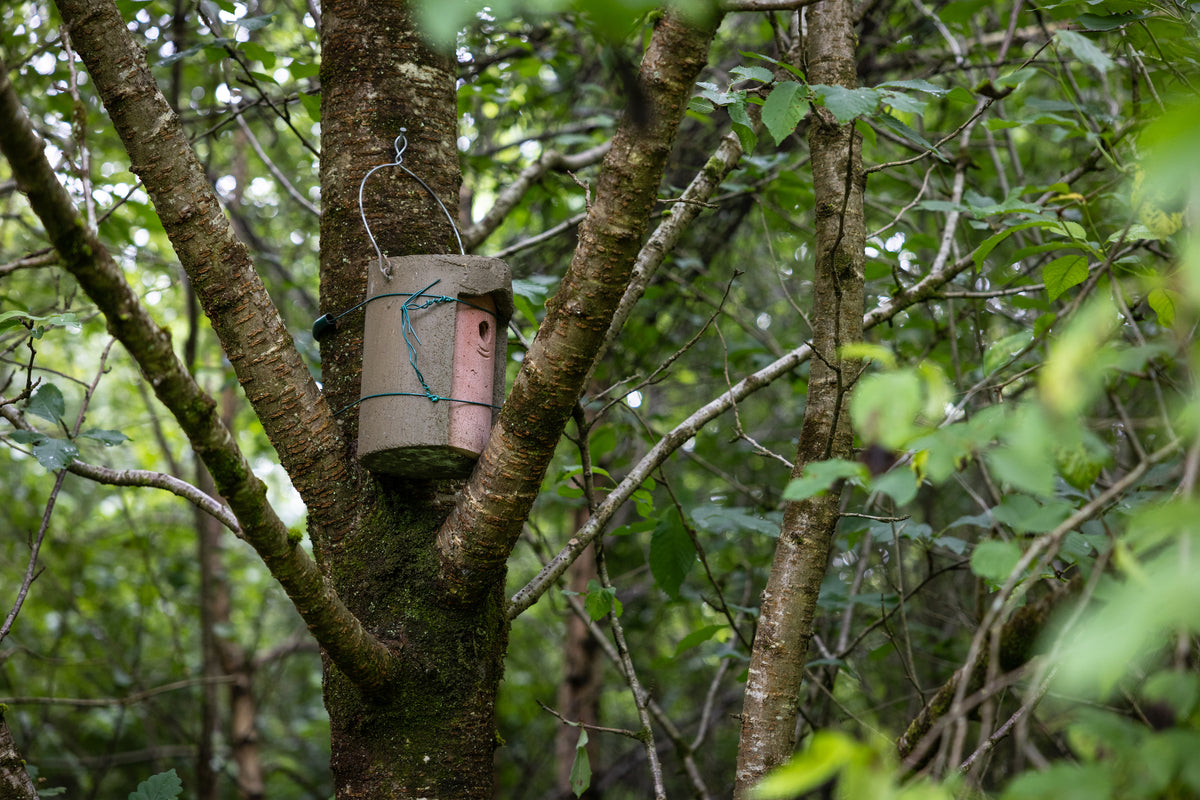
I asked how the records had influenced Terry’s decisions on the farm, and the nest boxes were his first example. Looking back through the diaries, Terry saw that some of the birds he wanted weren’t turning up in numbers. “We realised after a while that some of the hole-nesting birds that we would like to have here were not present in very large numbers,” he explained. The trees he had planted were simply too young. “A nuthatch, with a wonderful hammer of a beak, can chisel its own hole in a young tree. But a pied flycatcher can’t do that. It needs a hole.”
So the boxes went up. There are now more than 300 across the farm, and several pairs of pied flycatcher nest at Cruglas. Kestrel and owl boxes have done better still: over the past 20 years, one owl box has fledged 102 barn owls and one kestrel box has fledged 72 young.
Farming with nature, not against it
Cruglas is a working hill farm, and Terry is keen to stress that it pays its way. “We are able to make a living out of the farm,” he said.
When I asked whether there had been a moment when he knew it was all working, he pointed to the hedgerows as an example of something they had created for the good of the farm and nature. They shelter livestock from sun, wind and rain, and create a microclimate that boosts spring grass growth, which feeds straight through to the farm’s bottom line.
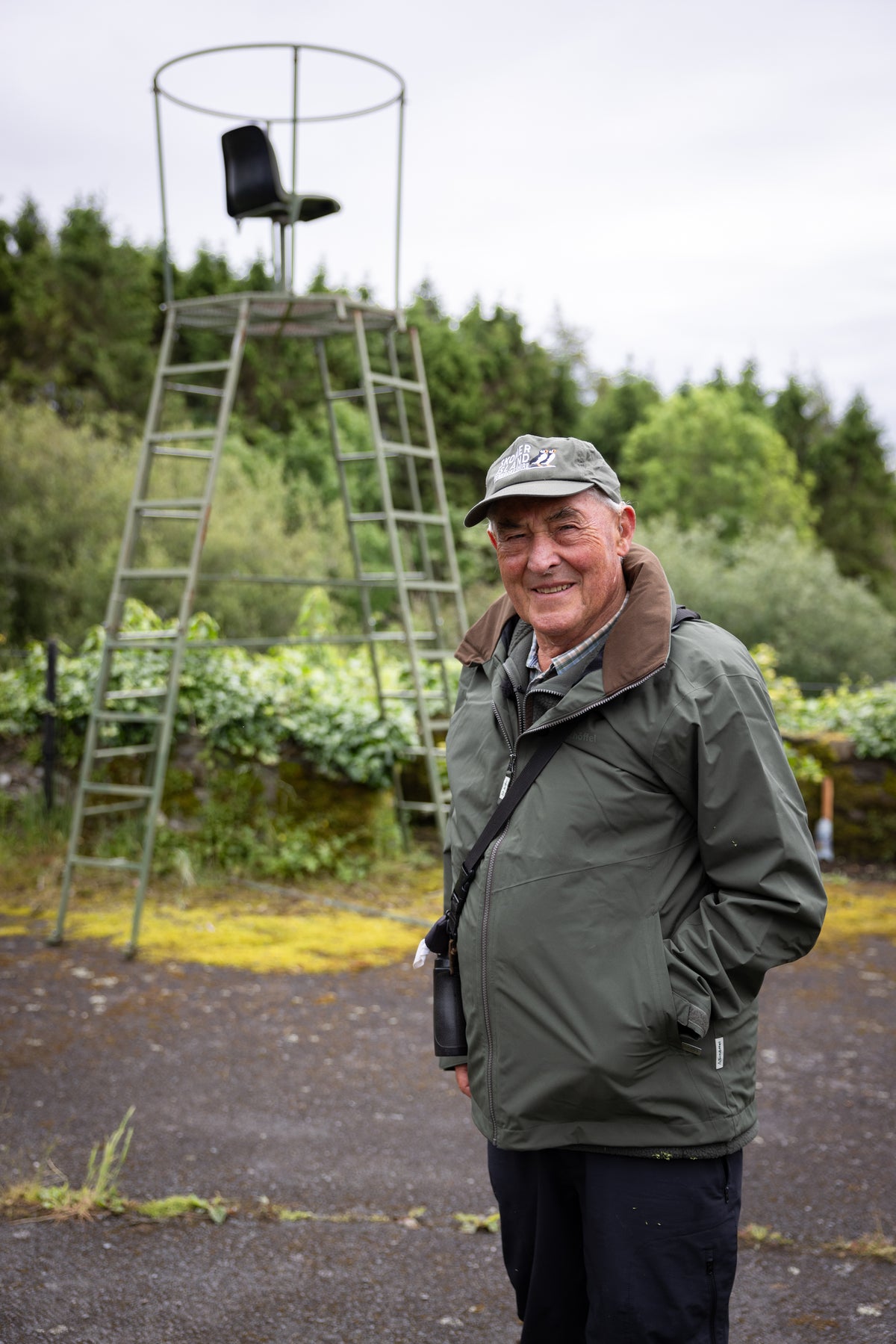
Protection from predators is the third leg of what the GWCT calls the ‘three-legged stool’, alongside habitat and feeding. Terry practises targeted control, including mink trapping to protect ground-nesting birds along the Teifi and fox and corvid control. This, he stresses, is crucial.
And Terry has been proactive in sharing what he has learned over the decades. Through a GWCT-run scheme, he brought seven neighbouring farms on board, hosting meetings and farm walks, presenting Cruglas as a model that clearly works.
How to start your own nature diary
I asked Terry what he’d say to farmers and land managers who want to start keeping records of their own and he admitted that it’s probably never been easier. “Modern field guides illustrate every species in colour, and those for birds, butterflies and mammals are simple to use. Apps such as Merlin for birds and Seek for plants are getting better and better all the time, too”.
Terry himself knows birds by their calls and doesn’t need an app for them, but he uses one for moths and wildflowers, where further expertise is always welcome. He was quick to point out that the value of external help shouldn’t be overlooked either. A visiting expert who stayed at Cruglas earlier this year found dragonflies Terry hadn’t known were there. “I’ve had no trouble finding local people with in-depth knowledge, often specialising in a particular area, who are only too pleased to have permission to walk over the farm and share a record of everything that they see,” Terry explained.
The next entry
What lies in store for Cruglas? Well, Terry has plenty planned: more ponds and flashes on the boggy ground, dredging for those that are silting up, and a new hand-dug sand martin bank nearer the river, as floods sometimes wash out the riverbank nests. His long-term vision is that his successors, in his own words “will keep running it more or less the way that it’s being run today”.
When I asked, as we packed up the cameras and prepared to leave, what he gets from living at Cruglas, his answer was simple. “As soon as I step outside, as long as I have my hearing aids on, I can hear all the wildlife around me. And so I feel that I’m really alive...”
Learn more about the Schöffel Countryside Awards, run in partnership with the Game & Wildlife Conservation Trust here
The Nature-Friendly Farm/Estate category is sponsored by Oakbank Game & Conservation
 The unsung heroes of the countryside | Episode 6: Graham DennyRead postSchöffel Countryside Awards8 min read
 The unsung heroes of the countryside | Episode 5: Geoff EyreRead postSchöffel Countryside Awards5 min read
 Nominations open for 2026 Schöffel Countryside AwardsRead postSchöffel Countryside Awards5 min read
 The unsung heroes of the countryside | Episode 4: Hooves and habitatRead postSchöffel Countryside Awards7 min read
 The unsung heroes of the countryside | Episode 3: Rupert BrewerRead postSchöffel Countryside Awards5 min read
 Schöffel Countryside Awards | Insights from the judgesRead postSchöffel Countryside Awards11 min read
 The Schöffel Countryside Awards – meet the judges | Part 2Read postSchöffel Countryside Awards15 min read