
Food Origins | Episode 2: Eggs – what does ‘organic’ really mean?
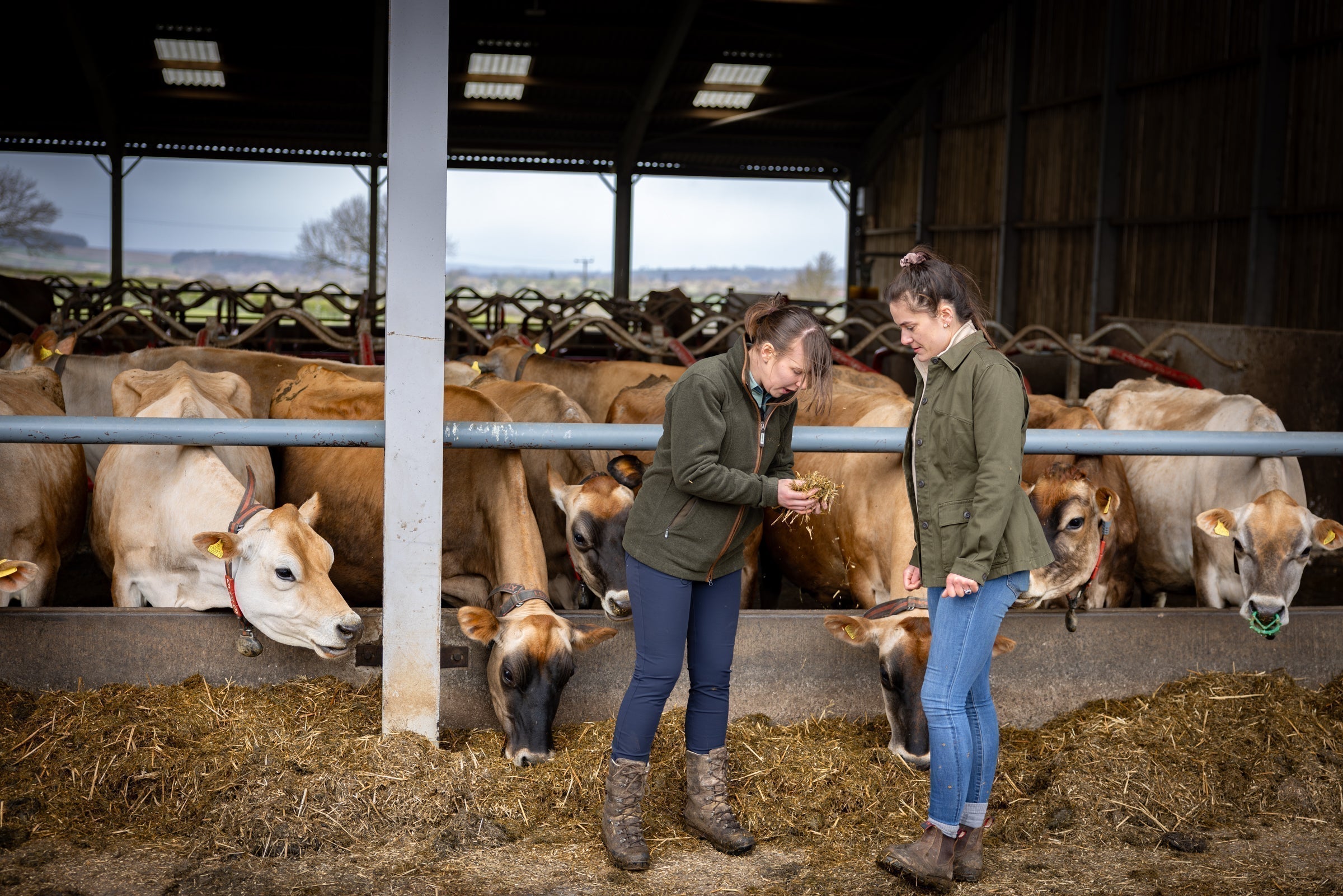
The aim of our Food Origins series is simple: we want to help reconnect people with where their food comes from. To do this – with the help of friend of the brand and fifth-generation farmer Rebecca Wilson – this year we’re visiting a number of producers to go behind the scenes and learn more about the everyday staples that feature on many of our shopping lists.
From traditional practices to modern innovation, highs and lows, challenges and opportunities, we’ll share honest insights from behind the scenes of various sectors and industries. We will, no doubt, uncover surprising facts about foods that challenge public perception, too, while learning about what we can all do to support British farmers and producers.
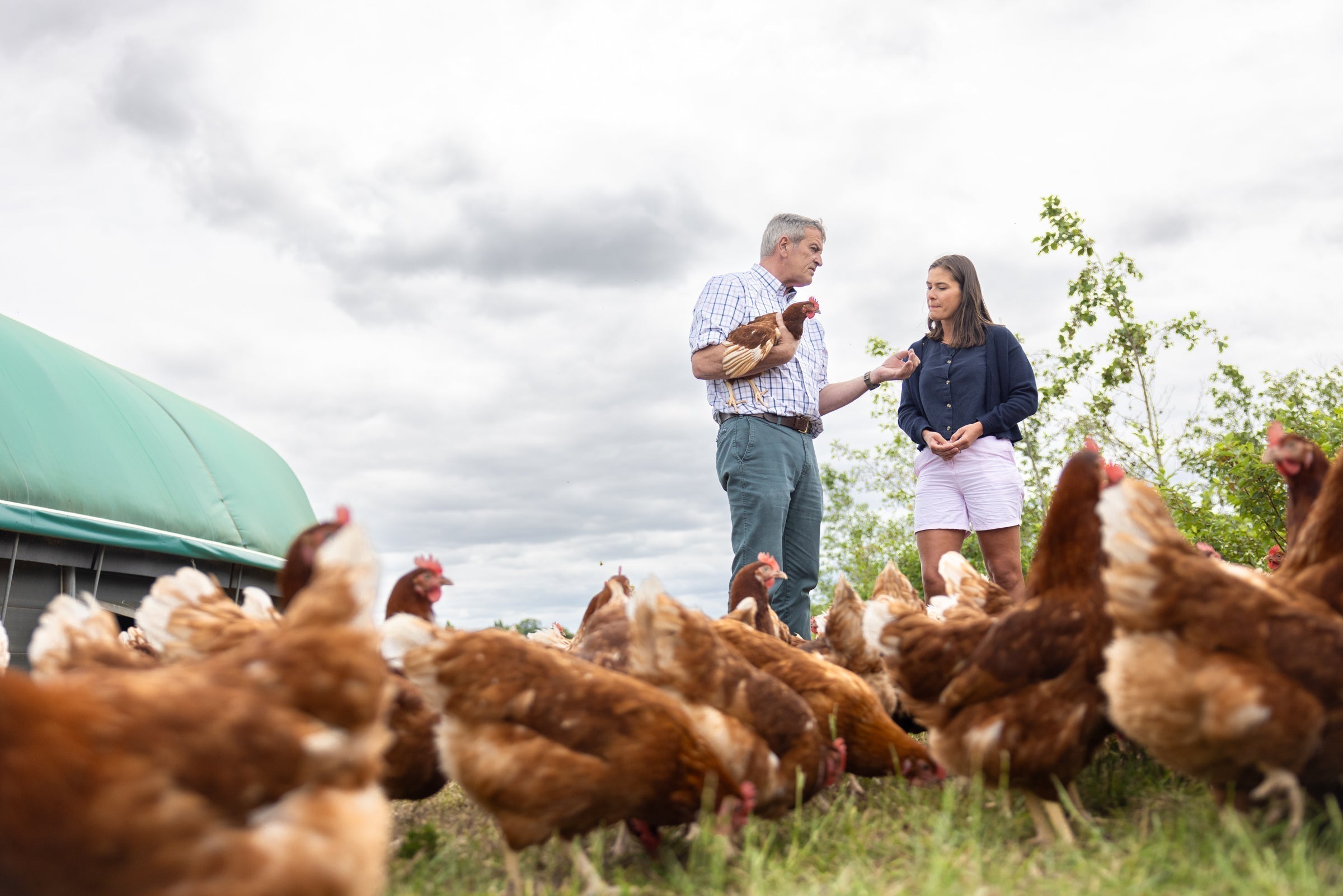
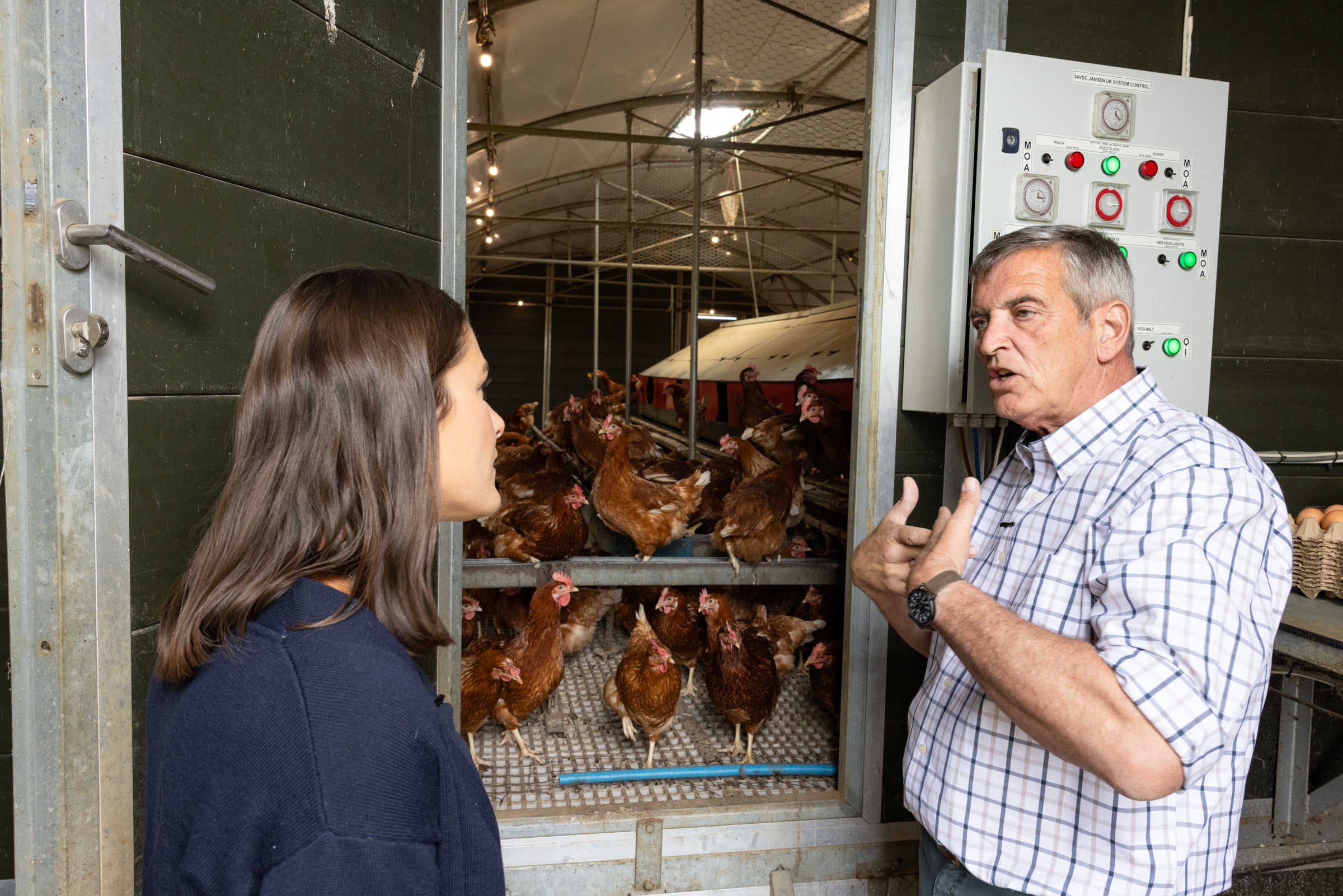
In episode two, join us in the Cotswolds at Daylesford Organic where farms director Richard Smith takes us for a tour of the farm and helps us understand how the Daylesford hens spend their days. We discuss everything from housing, natural habits and stocking densities to food, laying, egg grading and more...
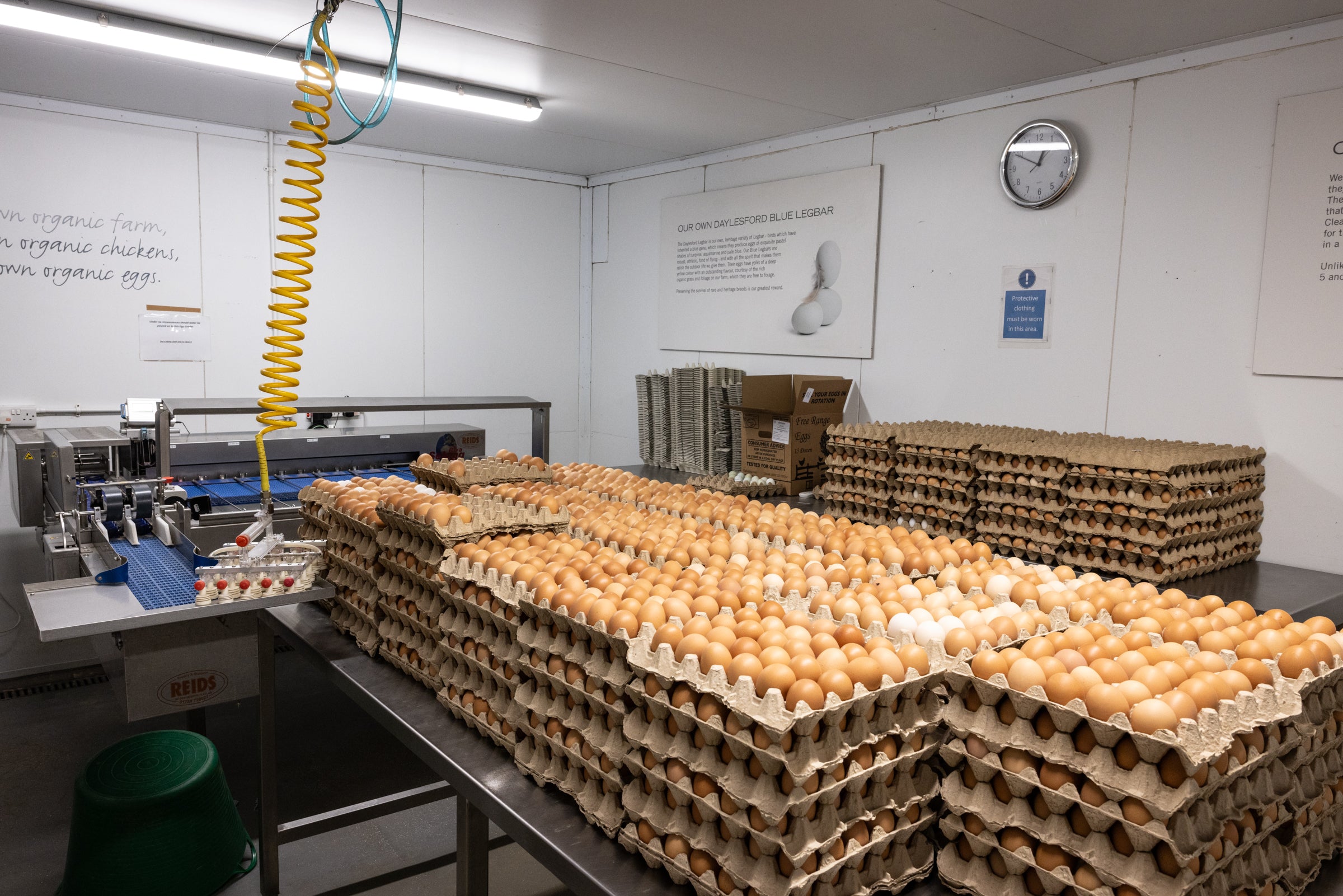
Eggs – a few facts and figures
Despite buying them every week, most of us couldn't explain the difference between free-range and organic eggs – or what life actually looks like for the hens producing them.
Of course, egg consumption goes further than those we boil, scramble, poach and fry – they’re a staple ingredient in so many of the other foods we consume. Still, the numbers are eye opening...
How many eggs are consumed in the UK every year?
The UK consumes around 14.5 billion eggs every year – that's almost 40 million eggs every day. The average Brit eats around 209 eggs per year – roughly four eggs every week.
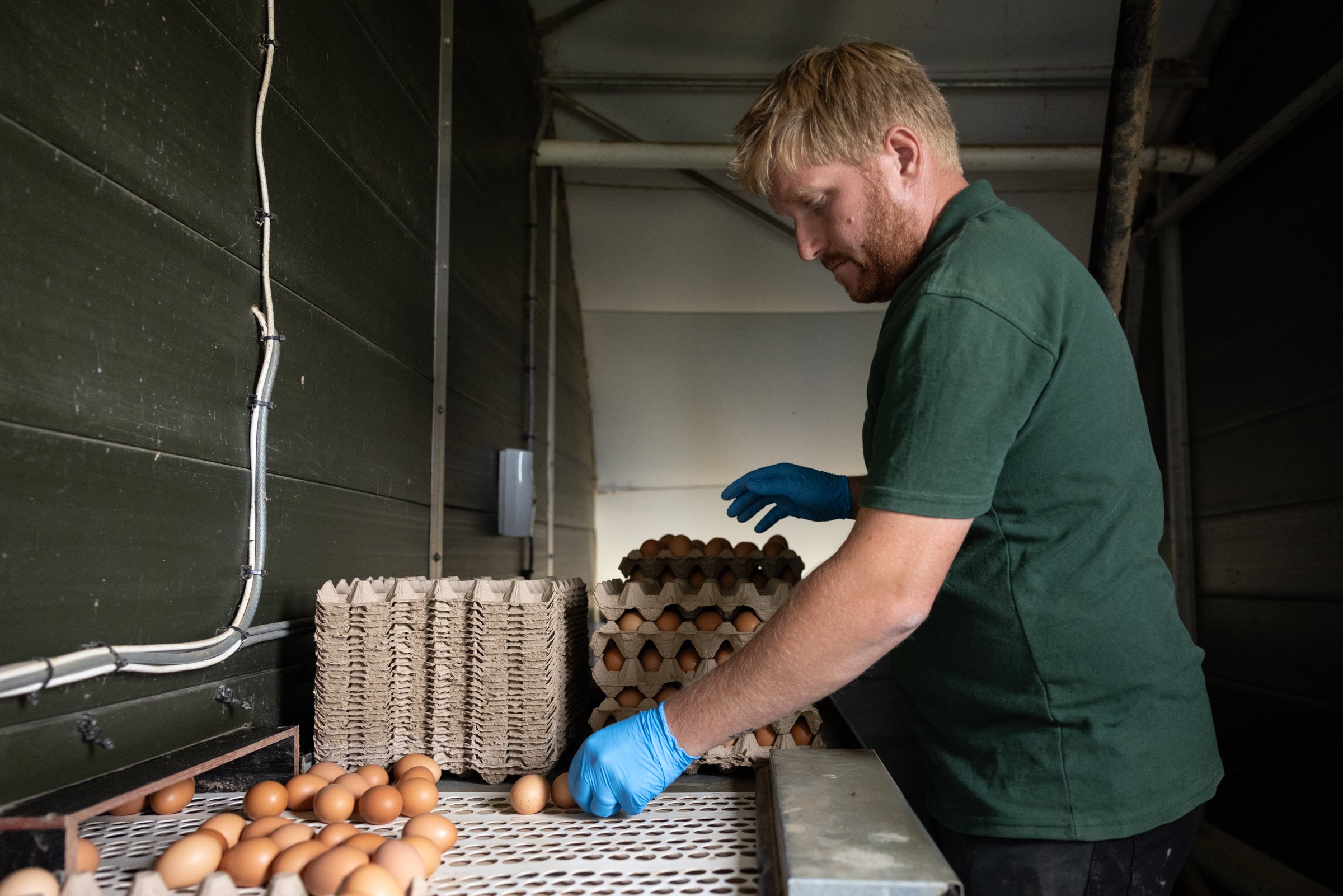
Is egg consumption becoming more popular?
Yes, eggs are becoming more popular; egg consumption has increased by more than four billion eggs a year since 2004. As an easy, relatively inexpensive source of healthy and high-quality protein, eggs also fit neatly into the current shift towards simpler, less-processed foods. Free-range and organic eggs also appeal to consumers who are interested in how and where their food is produced.
What type of eggs are consumed most in the UK?
Around 89% of chicken eggs eaten in the UK are produced here, with the remainder imported. Around three quarters of all eggs produced in the UK are free-range, of which approximately 4% are organic.
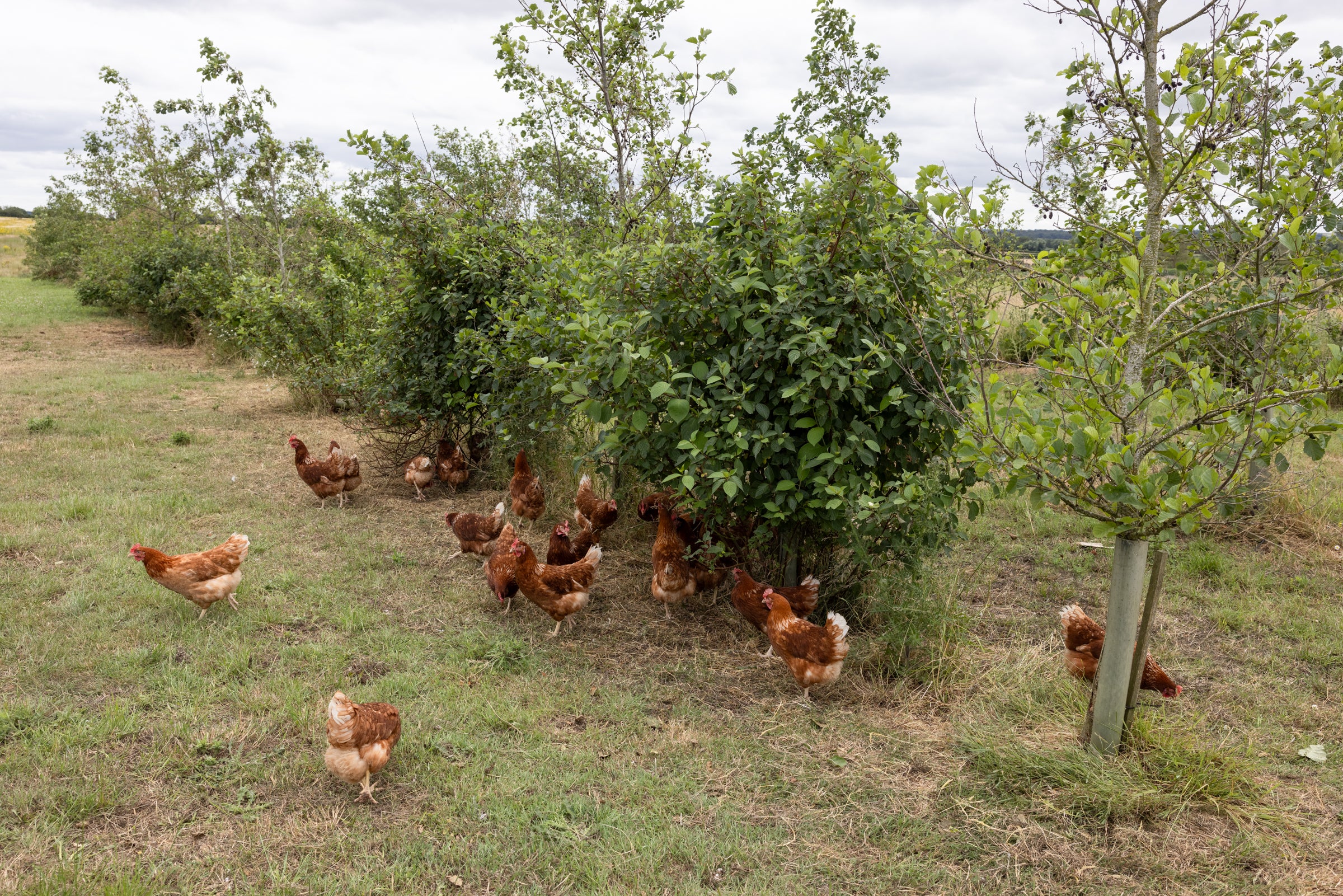
What’s the difference between organic and free-range eggs?
1. Stocking density
At Daylesford Organic, each hen house is home to 500 birds. The limit for organic, set by their certifying body, the Soil Association, is 2,000 birds per house. By comparison, in free-range systems, up to 16,000 hens can be kept in a house of the same size. This translates to the ability to demonstrate completely natural behaviour (think dust bathing, foraging, etc).
2. Area of range outside
In a Soil Association organic system, the farmer must provide at least 10 square metres per bird outside.
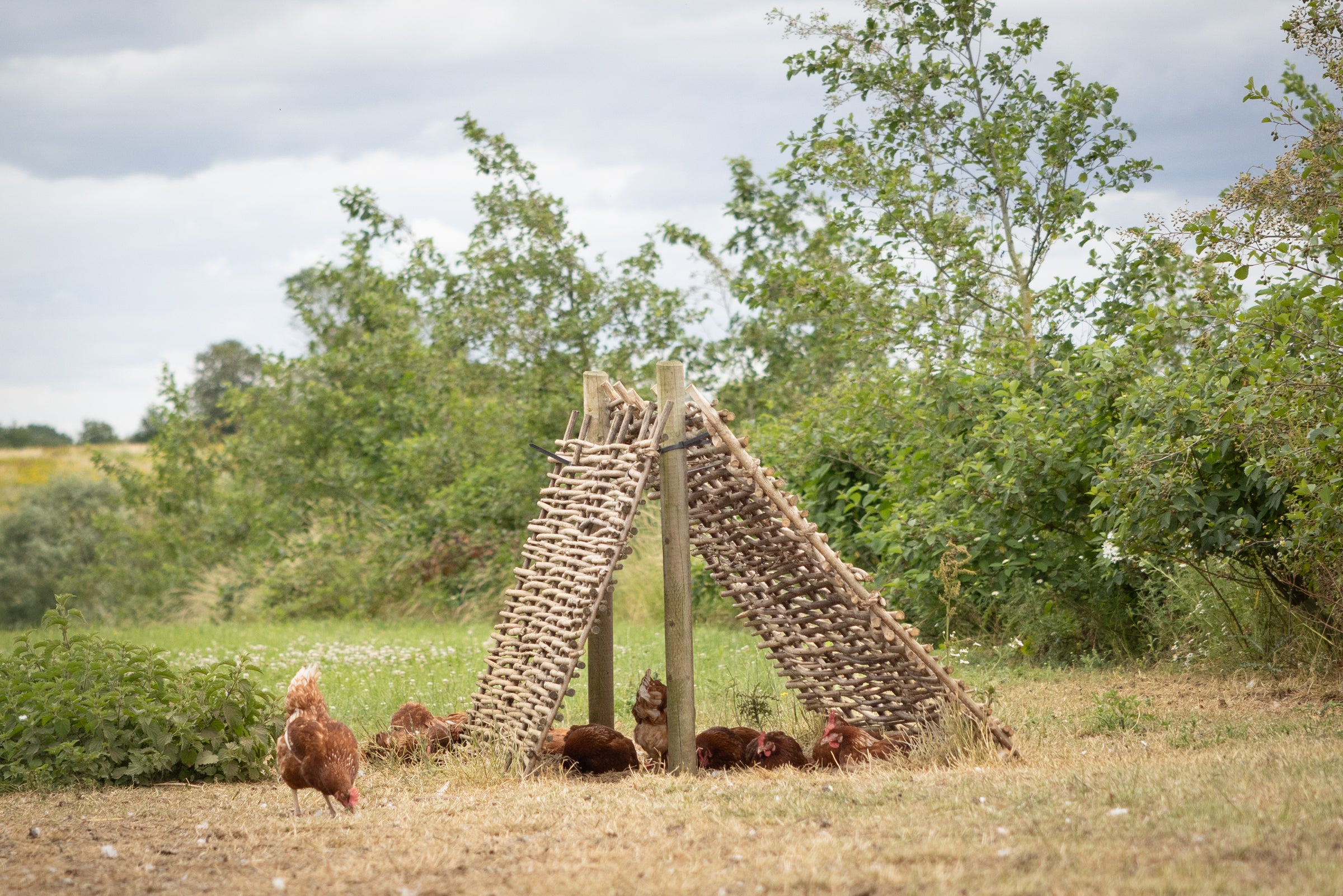
3. Laying lifecycle
Hens start laying at around week 18 and reach peak lay around week 24, they maintain this level of productivity until about week 60 before the number of eggs they lay starts to tail off. At Daylesford, the birds stay until week 75, then they are rehomed through the British Hen Welfare Trust.
4. Feed
As you’d expect, hens used for organic egg production are fed 100% organic and GM-free food.
Interested in learning more about what you’re paying for when you buy organic eggs? We’d highly recommend watching our film. And why not then see where we were for episode one, when we visited a dairy farm to learn all about milk