

Tech in focus: Down insulation
Down and feather insulation has become a popular choice among those who seek reliable performance from natural materials. Here, we explore the benefits of down insulation and how to care for garments that use down and feathers.
Down and feathers have long been revered for their unrivalled warmth-to-weight ratio. This article delves into the natural performance properties of down and feather insulation, before taking a closer look at how to care for garments filled with nature’s insulation.
Where does down and feather insulation come from?
Down and feathers are derived from ducks and geese and have been used for centuries as insulation in outerwear and sleeping bags due to their exceptional thermal properties. Down is the soft, fluffy layer found under the outer feathers, while feathers are the outer covering that provide structure and the first layer of protection.
What sets down and feather insulation apart?
Superior warmth-to-weight ratio
One of the primary reasons for the enduring popularity of down insulation is its exceptional warmth-to-weight ratio. Down insulation provides remarkable thermal efficiency without adding significant bulk, making it ideal for outdoor activities and travel. A small amount of down can trap a large volume of air, which is what retains heat and keeps wearers warm.
Natural breathability
Down insulation offers excellent breathability, helping to regulate body temperature and manage perspiration. As body heat escapes, down allows moisture vapour to move, reducing the risk of overheating during physical activity. This feature makes down an ideal choice for a range of situations, from chilly winter walks to cooler summer evenings in the garden.
Compressibility and packability
One of the standout features of down insulation is its compressibility. Down can be packed down into a compact size without losing its loft, making it convenient for travelling and those who like to pack light. When needed, down quickly regains its shape and insulating properties, providing essential warmth without bulk.
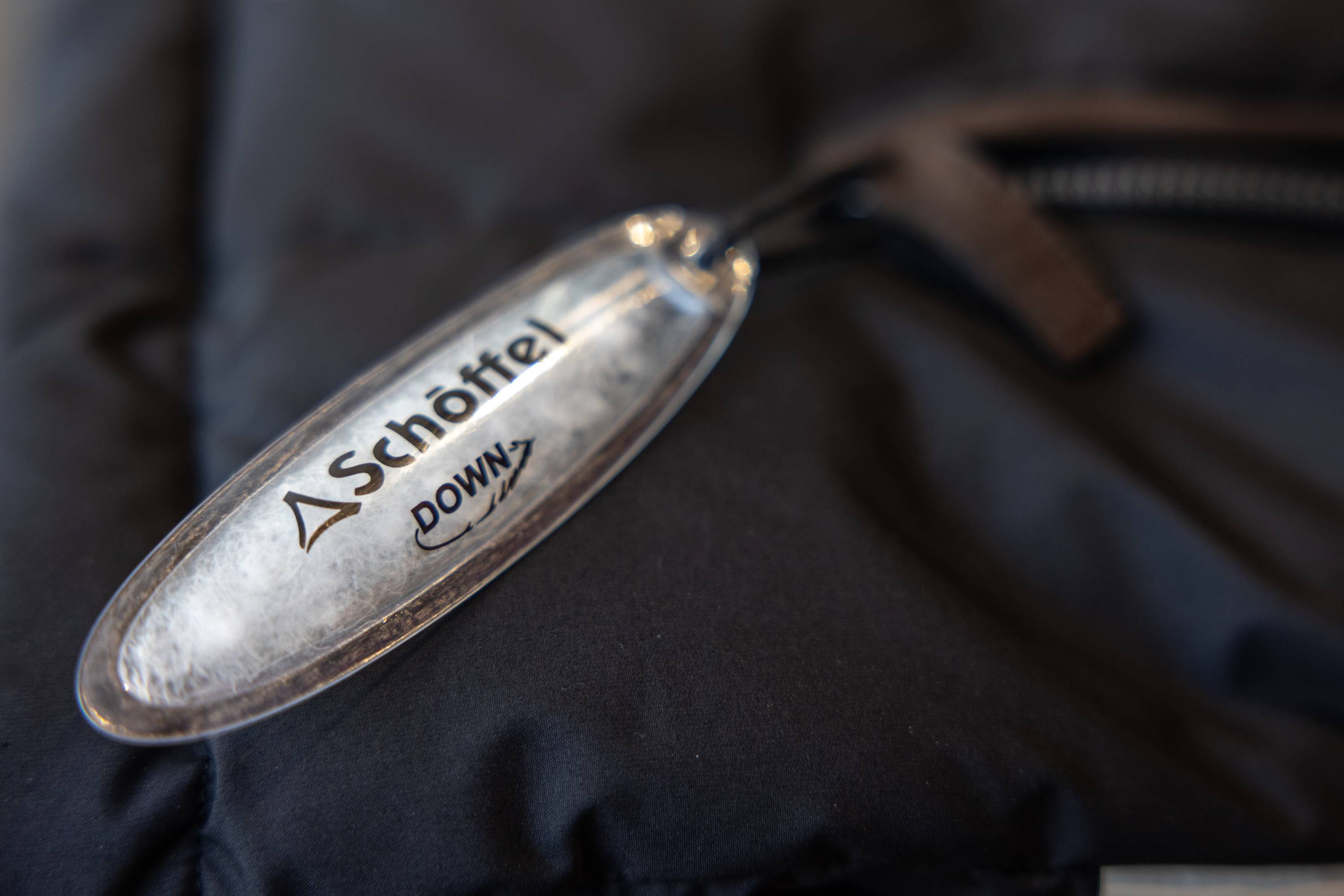
Performance characteristics of down insulation
Thermal efficiency
Down delivers exceptional warmth in even the coldest temperatures, making it a preferred choice for winter jackets, sleeping bags, and outdoor gear. Its ability to trap heat efficiently in tiny pockets created by its fine fibres allows wearers to stay comfortable in harsh environments.
Moisture management
While down insulation retains warmth, it is also effective at managing moisture. High-quality down is treated with hydrophobic coatings to enhance its resistance to water, preventing clumping and preserving its insulating properties when exposed to humidity or light rain.
Versatility
Down insulation is extremely versatile, lending itself to a variety of garment types – from lightweight gilets to heavyweight parkas – and activities from fell walking and mountaineering to staying warm on the school run, while dog walking, or when watching the rugby.
Easy to care for
Garments filled with down are generally easy to care for. Many down-insulated products are machine washable, allowing for convenient cleaning without affecting their performance.
How to care for down and feather insulation
Caring for garments filled with down is essential to keep them performing at their best Here are some tips to help you maintain and prolong the life of your insulated garments.
Always refer to the care label
This should always be your first port of call. Basic care instructions, including dos and don’ts, will be detailed on the product label.
Washing Instructions
Wash on a gentle cycle: when washing down-insulated garments, use a gentle cycle, or the hand-wash cycle, and a mild detergent specifically designed for down. Avoid bleach and fabric softeners, as these can impair the insulation's effectiveness.
Front-load washers: if possible, use a front-loading washing machine, as top-loaders may cause excessive agitation that can damage the down.
Drying techniques
Tumble dry: use a low-heat setting in a tumble dryer. Adding clean tennis balls or dryer balls helps agitate the insulation and restore its loft.
Air drying: if you prefer to air dry, lay the garment flat on a clean surface to prevent compressing the insulation. Ensure it is in a well-ventilated area to promote even drying.
Storage guidelines
When storing down-insulated garments, keep them in a cool, dry place. Avoid compressing the items for extended periods, as this can lead to loss of loft and insulation properties. Instead of folding or stuffing them into a small space, consider hanging jackets or keeping them loose in a dedicated storage bag.
Regular inspection
Periodically inspect your down garments for signs of wear, damage, or loose stitching. Address any issues promptly to prolong the lifespan of the insulation.

