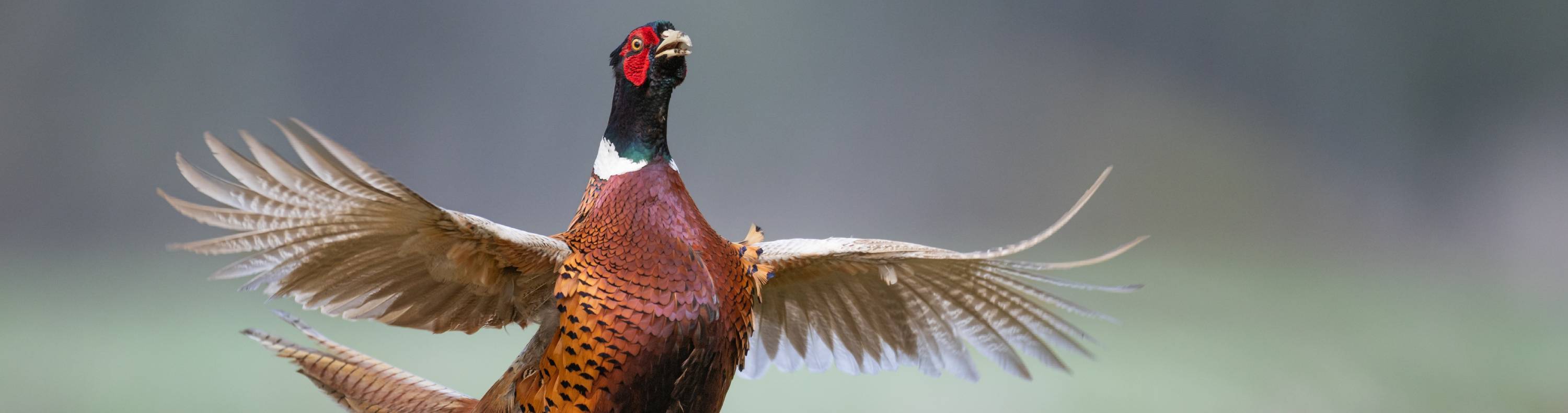

Five things you should probably know about pheasants
With the arrival of autumn and the countryside’s greenery gradually disappearing, the UK’s most common gamebird is a frequent sight in rural Britain. Are you familiar with the ins and outs of how they got here, though? Or the different strains, and the pheasant’s Top Trumps stats? Here’s a quick rundown.
When did pheasants first arrive in the UK?
There is some debate as to how and when the pheasant found its way to Britain. The Romans are often credited with bringing the first pheasants – birds native to Asia that were prized as food for the table – to our shores via southern Europe. But many believe the pheasant wasn’t naturalised in Great Britain until the 10th-century AD and actually arrived with the Normans.
It wasn’t until the 16th century that pheasant shooting became a thing – and even then it was on a small scale, often walked-up over dogs, until the advent of the breech-loading shotgun in the 19th century. Interestingly, what is believed to be the first ever picture of a pheasant being shot, appeared in Richard Blome’s book Hawking or Faulconry, in 1686.
How many species and strains of pheasant are there?
There are thought to be 49 species of pheasant around the world, and various strains and crosses in the UK today. Although it was very likely the Old English Blackneck that was first introduced to the UK all those years ago, gamekeepers can now choose from various strains – from the French ringneck to the Michigan blueback and the bazanty to the Japanese green. Certain strains, such as the blackneck, are bigger and so yield more meat; others, like the Kansas, are smaller and are thought to fly better on flatter ground. Some strains are even believed not to wander from home so much when released, and gamekeepers might have a favoured strain that they stick with season after season.
The rearing and releasing of pheasants
Although wild pheasants do exist in the UK, most of the pheasants in the British countryside today are reared and released for the pheasant shooting season, which runs from October 1 to February 1.
Gamekeepers typically buy in pheasants as eggs, day-old chicks, or 6-8-week-old poults. Eggs and chicks are hatched and reared until ready to be taken to ‘release pens’ as poults. Release pens are large, open-topped, enclosed areas of woodland used to acclimatise pheasants to the habitat they go on to live in.
There are usually three to four months between birds being released in woodland pens and the first day’s shooting, by which time they are fully mature and have been living wild in the open countryside – in cover crops, hedgerows, and woodland areas – for some time.
Studies undertaken by the Game & Wildlife Conservation Trust (GWCT) have shown that, when compared to unmanaged woodlands, in woods managed for pheasants there can be 22-32% more songbirds, twice as many butterflies, and an increased number of flowering shrubs. The GWCT also states that 14 per cent of the UK’s woodland is managed for pheasant shooting (you can read more about woodlands managed for shooting in this excellent blog piece we have previously published).
Key pheasant facts and figures
The general consensus is that pheasants can fly 40-45mph in still conditions, and even faster than that with a strong wind in their favour. They have a wingspan of 70-90cm, and the males and females (cocks and hens) usually weigh 1–1.4kg and 0.9-1kg respectively.
A clutch of pheasant eggs typically comprises 8–15 eggs. Usually, one egg a day is laid by the hen bird. Once the final egg of a clutch has been laid, the clutch is then incubated for 23– 25 days before the chicks all hatch within a 12-hour window.
Within 12 days of hatching, pheasant chicks have developed the feathers that allow them to fly short distances, but they tend to remain with the hen pheasant for eight weeks before finding their independence in full.
The nutritional benefits of pheasant meat
According to Eat Game, pheasant is higher in protein (27g per 100g), selenium (0.37g per 100g) and iron (1mg per 100g), and lower in fat (1.2g per 100g) and cholesterol (66mg per 100g), than chicken (20.1g protein, 0.1mg selenium, 0.2g iron, 1.5g fat, and 90mg cholesterol per 100g).
From the average pheasant – and, of course, they do vary a great deal between cocks and hens and different strains – you can expect to yield two breast fillets of ~125g each, plus the legs. Naturally lean and flavoursome, pheasant meat is versatile, too. The breast meat is delicious cooked hot and fast before being left to rest, and can be served slightly pink in the middle. Pheasant legs lend themselves to a low-and-slow style of cooking – think stews, curries and casseroles.

 BestsellerPtarmigan Tweed Classic CoatCorry Tweed + 1 colour€1.000
 Ptarmigan Extreme CoatWoodland€725
 Ptarmigan Ultralight II CoatForest€550
 BestsellerSnipe CoatForest€595
 New inGrimsthorpe Clay JacketForest + 1 colour€320
 New inGrimsthorpe Clay JacketTrue Navy + 1 colour€320
 New inSnipe Ultralight CoatForest€550
 New inPtarmigan Classic CoatHunter Green€725


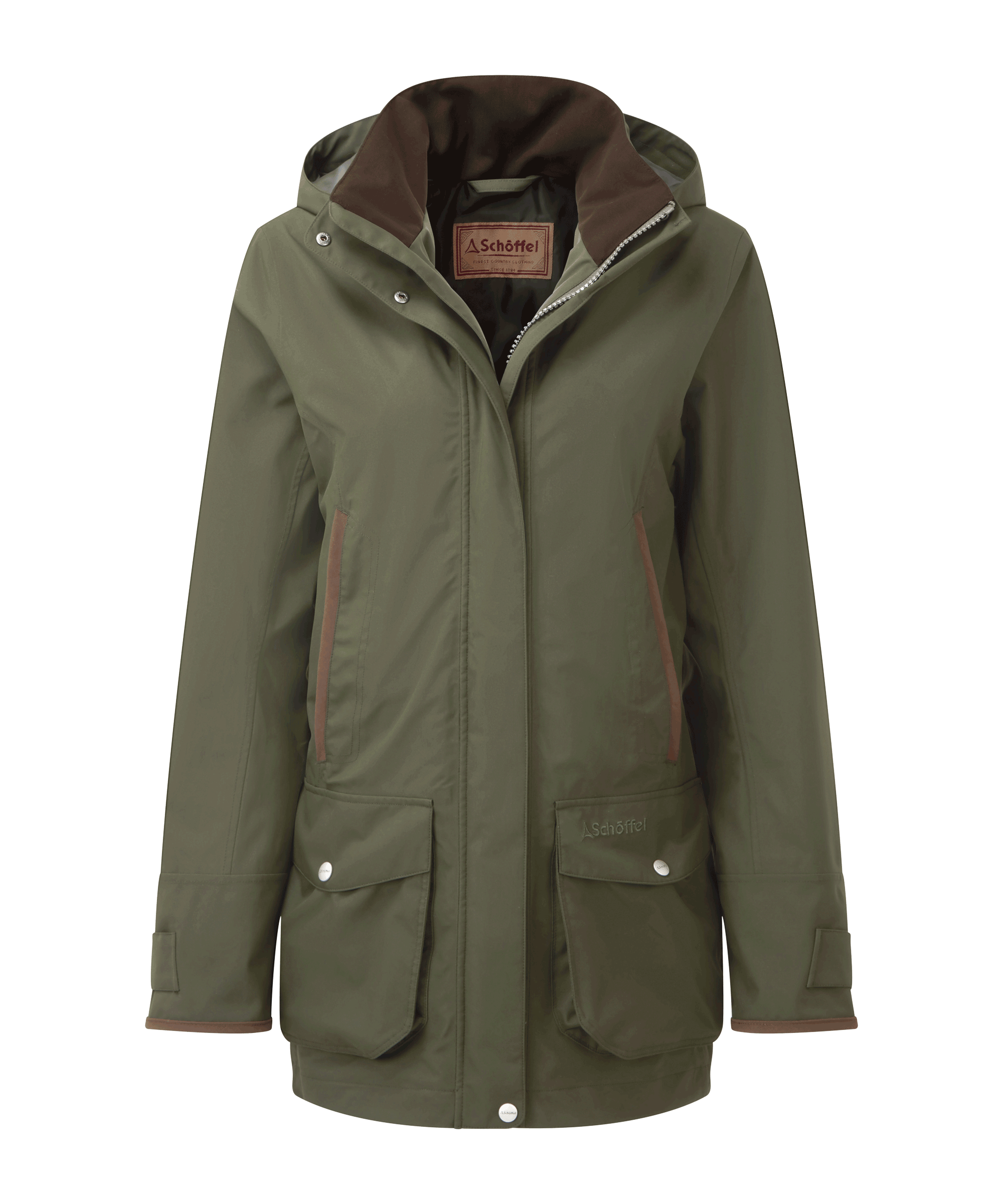
 Teal Ultralight CoatForest + 1 colour€550
 BestsellerBurley Fleece JacketDark Olive + 2 colours€250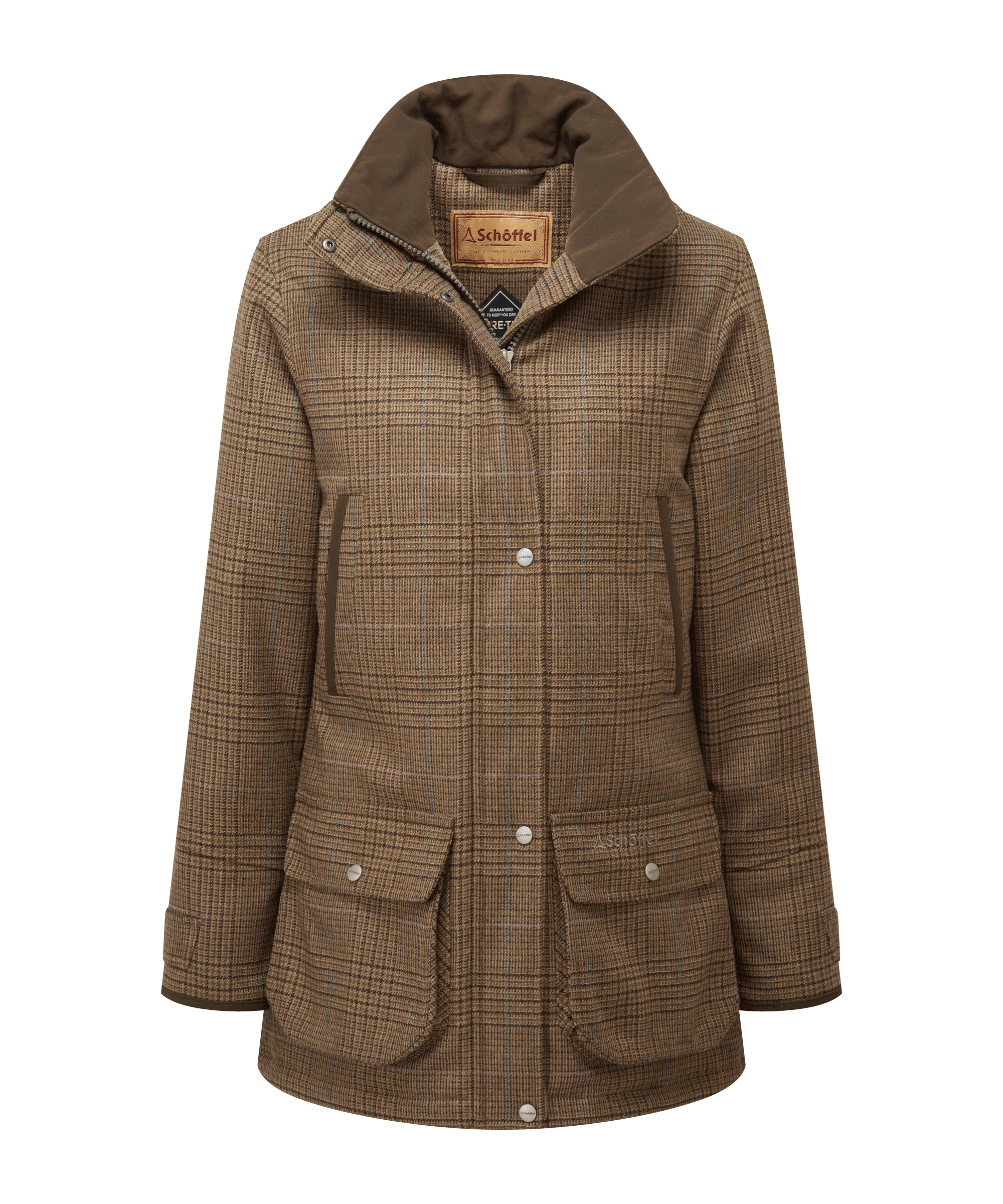
 OutletWomen's Ptarmigan Tweed CoatTeviot Tweed + 1 colour€700
€1.000,00
 BestsellerEdith JacketTrue Navy + 1 colour€350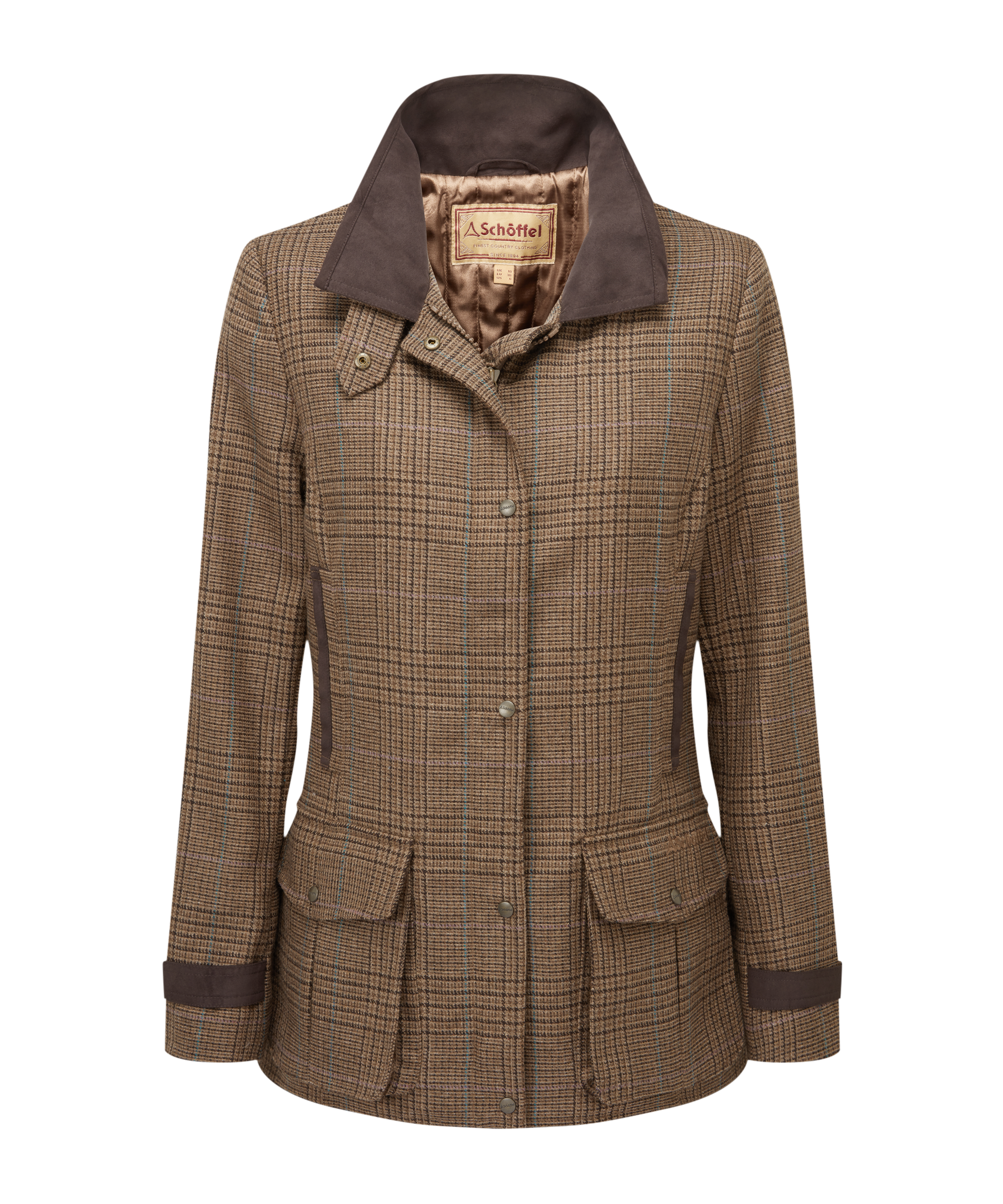
 Murra Tweed CoatTeviot Tweed + 1 colour€675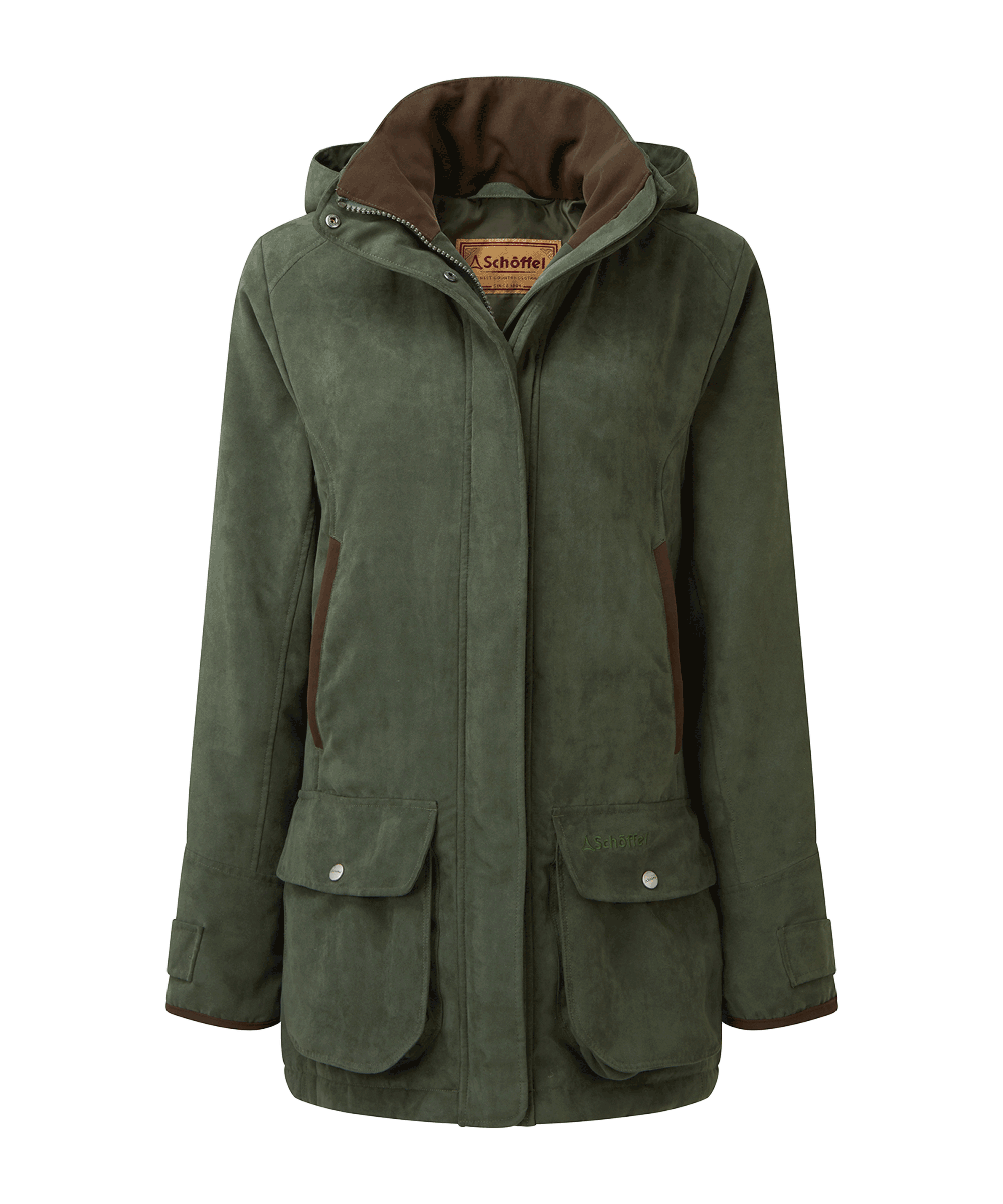
 Teal Shooting CoatCedar€575
 Hambleton Down JacketWoodland + 2 colours€370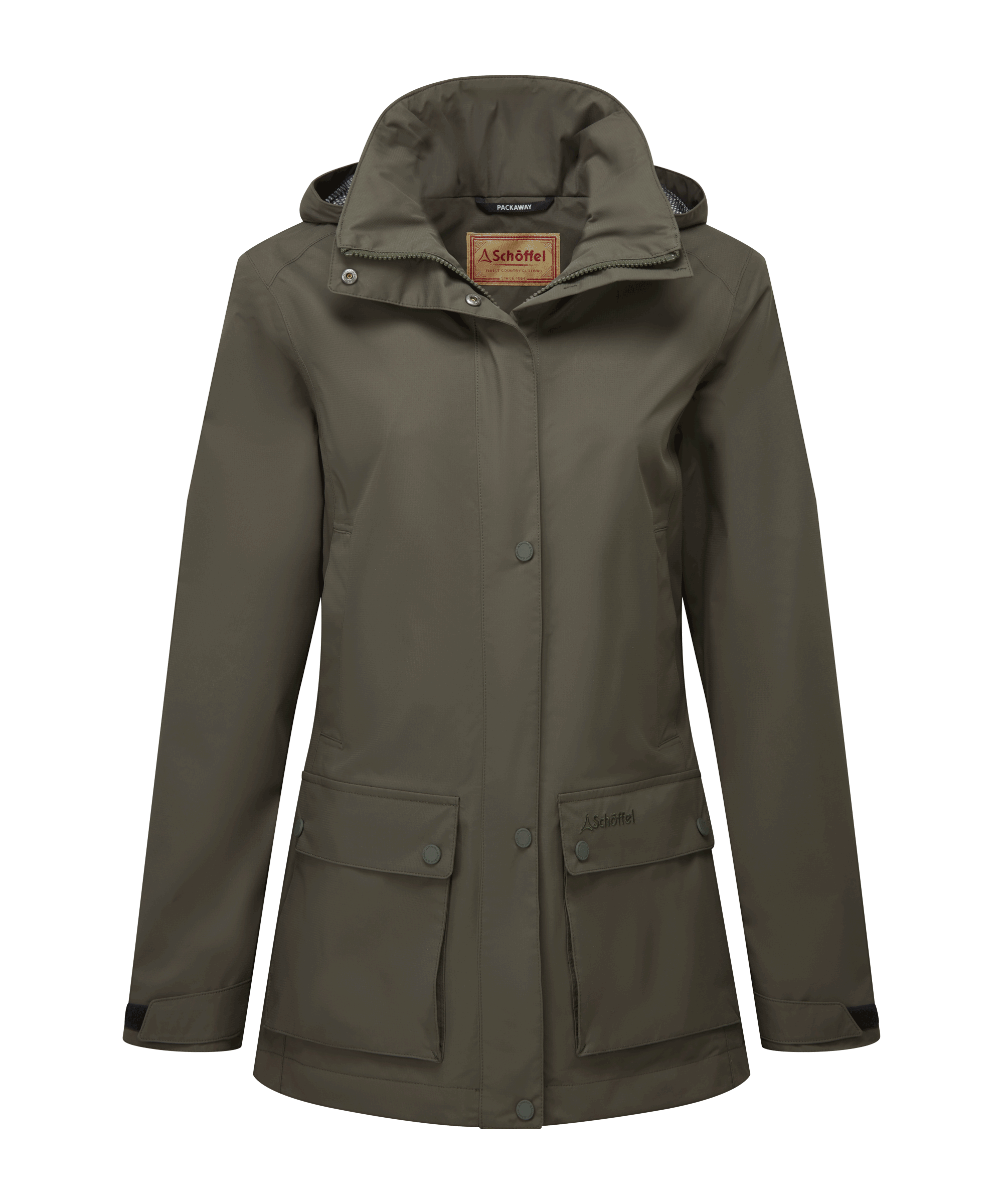
 OutletEdith JacketTundra + 1 colour€265
€350,00