









Help us support wildlife-friendly farming
A closer look at what our donation to the Game & Wildlife Conservation Trust will support, and why its work is so important.
To sustain the world’s population, it is estimated that by 2050 we’ll need to grow at least 50 per cent more food across the globe than we currently are doing. Crucially, that must be achieved in a sustainable manner, against a backdrop of climate change and extreme weather events, while reversing widespread declines in wildlife.
It’s a huge task, it’s no longer tomorrow’s problem, and British farmers are at the sharp end of the spear... Indeed, agriculture and land use is increasingly being seen as one of the few practical means of reversing our climate and biodiversity crises; 70 per cent of the UK landscape is farmland.
Here in the UK, farmland birds have declined by 63% since 1970. The costs of soil erosion run to over £1.2 billion every year. It is widely quoted that we’ve lost 50 per cent of our hedgerows since the Second World War... All of these statistics need to be addressed.
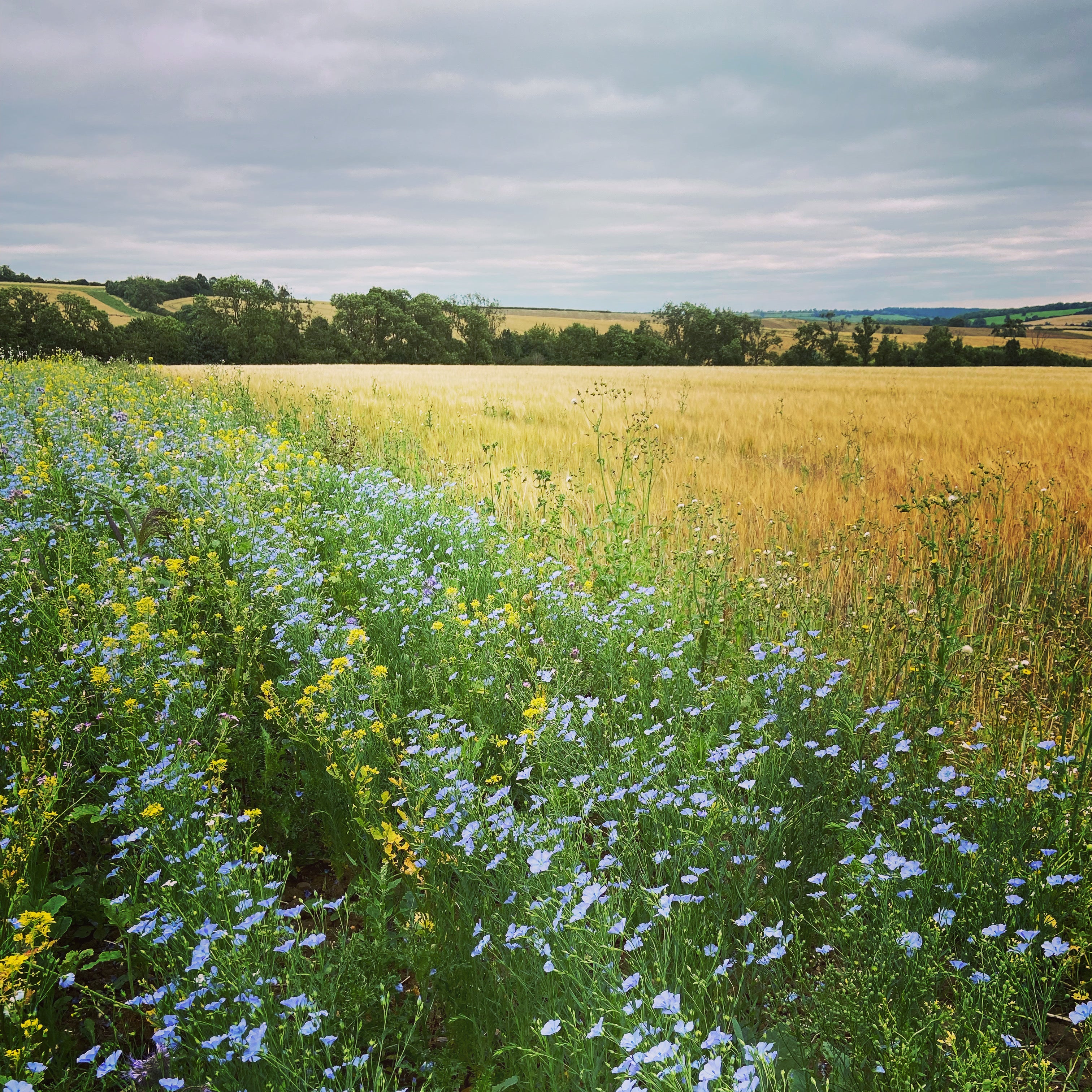
So, what’s the way forward? Well, that’s one of the things we’ll be looking at in our series of upcoming articles on the Schöffel Country blog as we embark on our giveback campaign to support the critical work of the Game & Wildlife Conservation Trust (GWCT).
As well as donating five per cent of all sales between 21 October and 3 November to the GWCT, we’ll be raising awareness of how important the organisation’s research and training is to the future of wildlife-friendly farming.
Along the way, we’ll focus on the topics that are central to the blueprint the Trust has spent decades developing as it strives to square the circle of profitable food production and a thriving natural environment. For now, though, a little more on the organisation whose work we’re so grateful for...
What is the Game & Wildlife Conservation Trust (GWCT)?
The GWCT is a UK-based research-led conservation charity that was established in 1931. Since then, it has played an important role in improving our understanding of how best to look after the natural environment, while demonstrating that conservation can go hand-in-hand with economic land use.
Through scientific research, education, and practical land management, the GWCT is pioneering and promoting practices that allow us to maximise value in our rural landscapes for wildlife and farming.
From farmers and agronomists to secretaries of state, ministers and civil servants, the Trust also engages with a wide array of key figures who are making the decisions that shape our countryside. Training and knowledge exchange is a vital part of its work. After all, why conduct all that sterling research if the results of it are not to be shared and utilised?
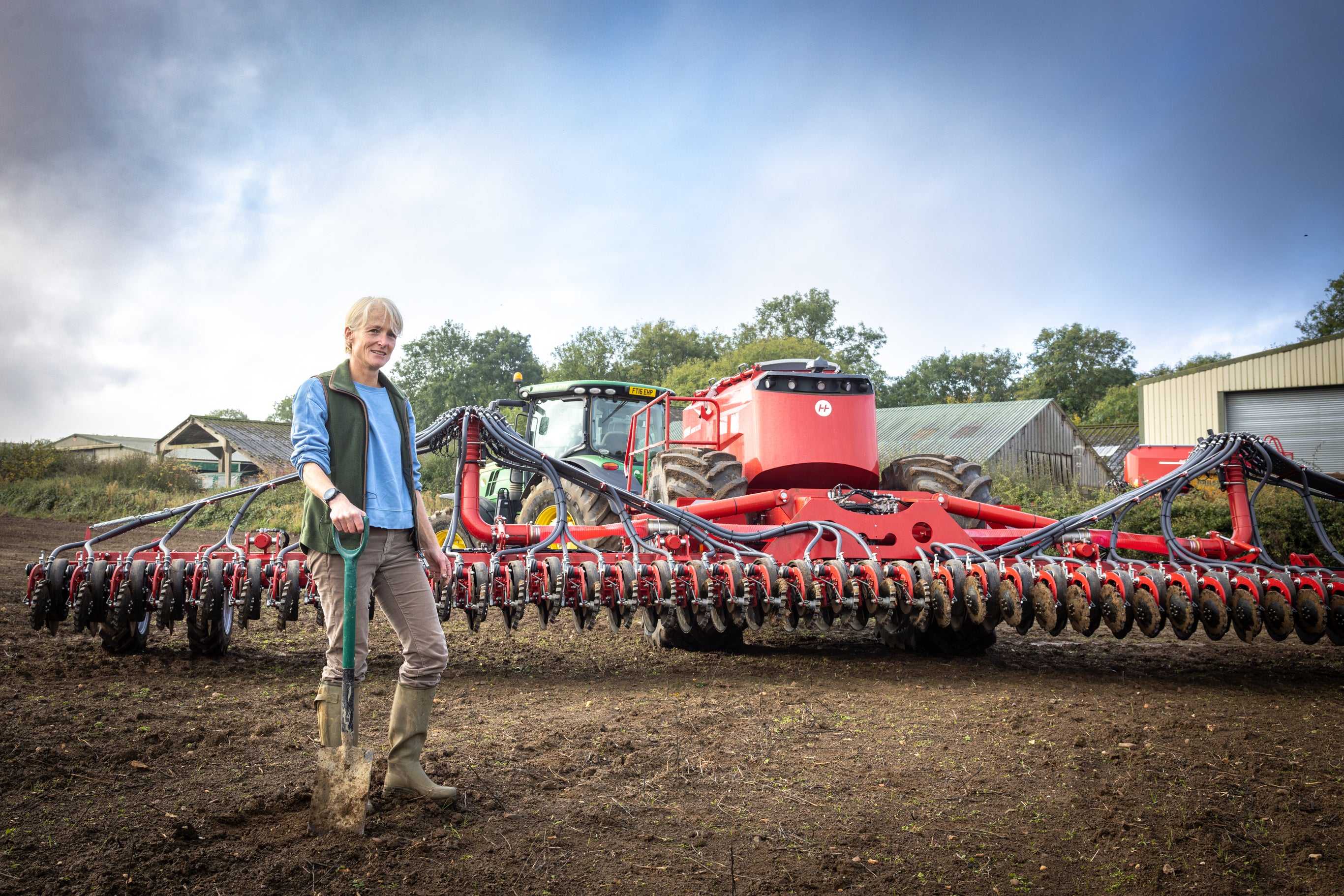
What are the key issues that the GWCT is working to address in relation to wildlife-friendly farming?
The pressing matters that we must address as a society are varied but closely linked.
Whether it’s building greater resilience into British food production in the face of climate change, or reversing the decline of wildlife species in farmed landscapes, there’s a great deal of symbiosis among those matters, too.
As a nation, we have huge targets to hit for air and water quality, biodiversity, resources and waste. The last government committed, among other things, to “create or restore 500,000 hectares of wildlife-rich habitat outside the protected site network”, “plant 180,000 hectares of woodland in England by the end of 2042”, and ensure that “by 2030 all of England’s soils are managed sustainably.” Meanwhile, the Labour Party has promised to develop a new version of the Environmental Improvement Plan that “will focus on cleaning up our waterways, reducing waste across the economy, planting millions more trees, improving air quality, and halting the decline in species by 2030.”
There’s no doubt these are hugely important issues, and for decades the GWCT has been leading the way in developing sustainable land management practices that will help us to address them.
How is the GWCT helping to shape, promote and progress wildlife-friendly farming?
Everything that the GWCT does comes back to sound scientific data. Today, its research covers all manner of agri-environmental issues, from soil and water management to species recovery, and integrated pest management to agroforestry. Importantly, that research is helping to shape policies that can help reverse negative trends; the Trust’s vital research, conducted in collaboration with farmers and land managers, has helped to inform 30 out of 36 arable options currently available to farmers through Environmental Land Management (ELM) schemes – and such schemes will be key to achieving national nature recovery.
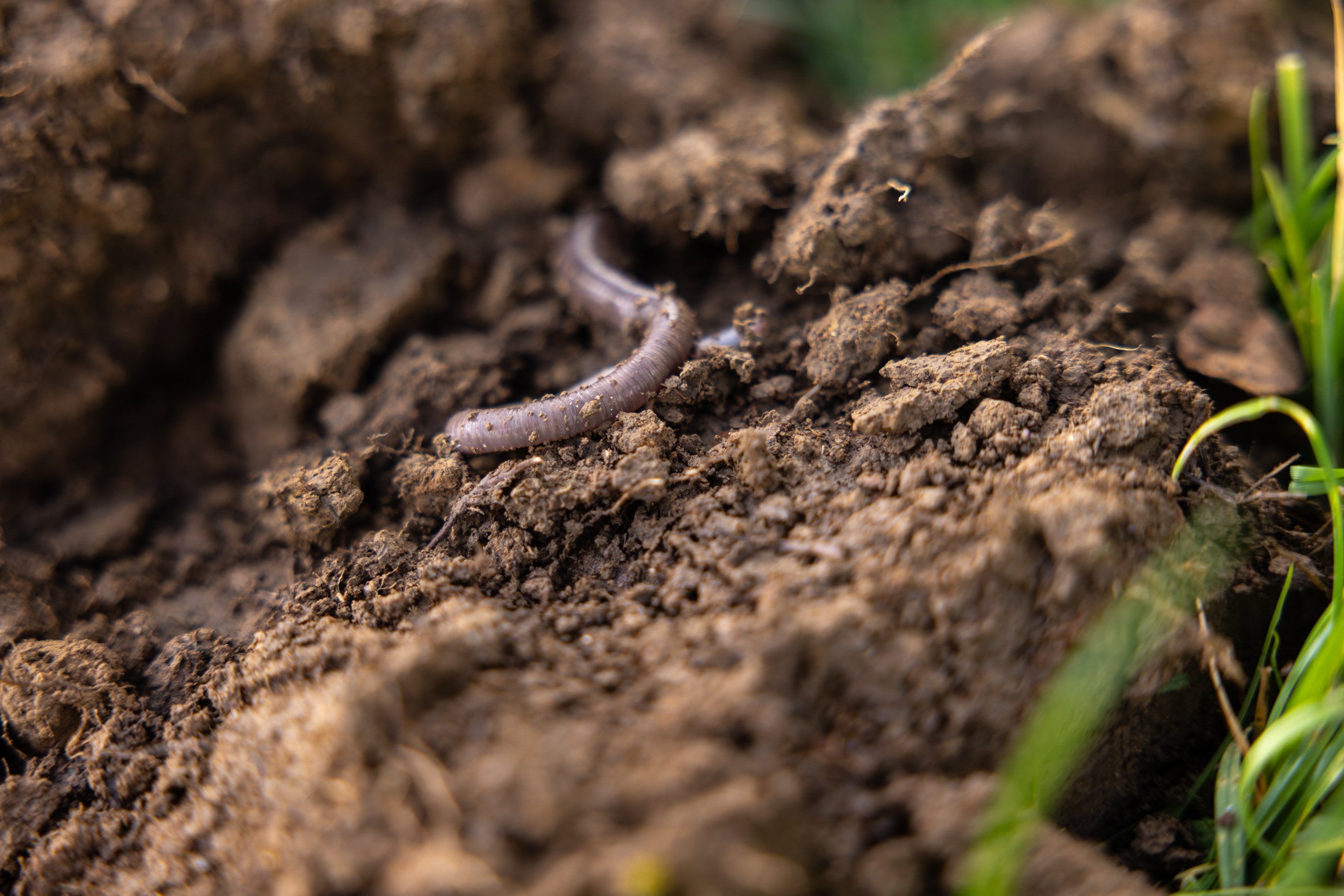
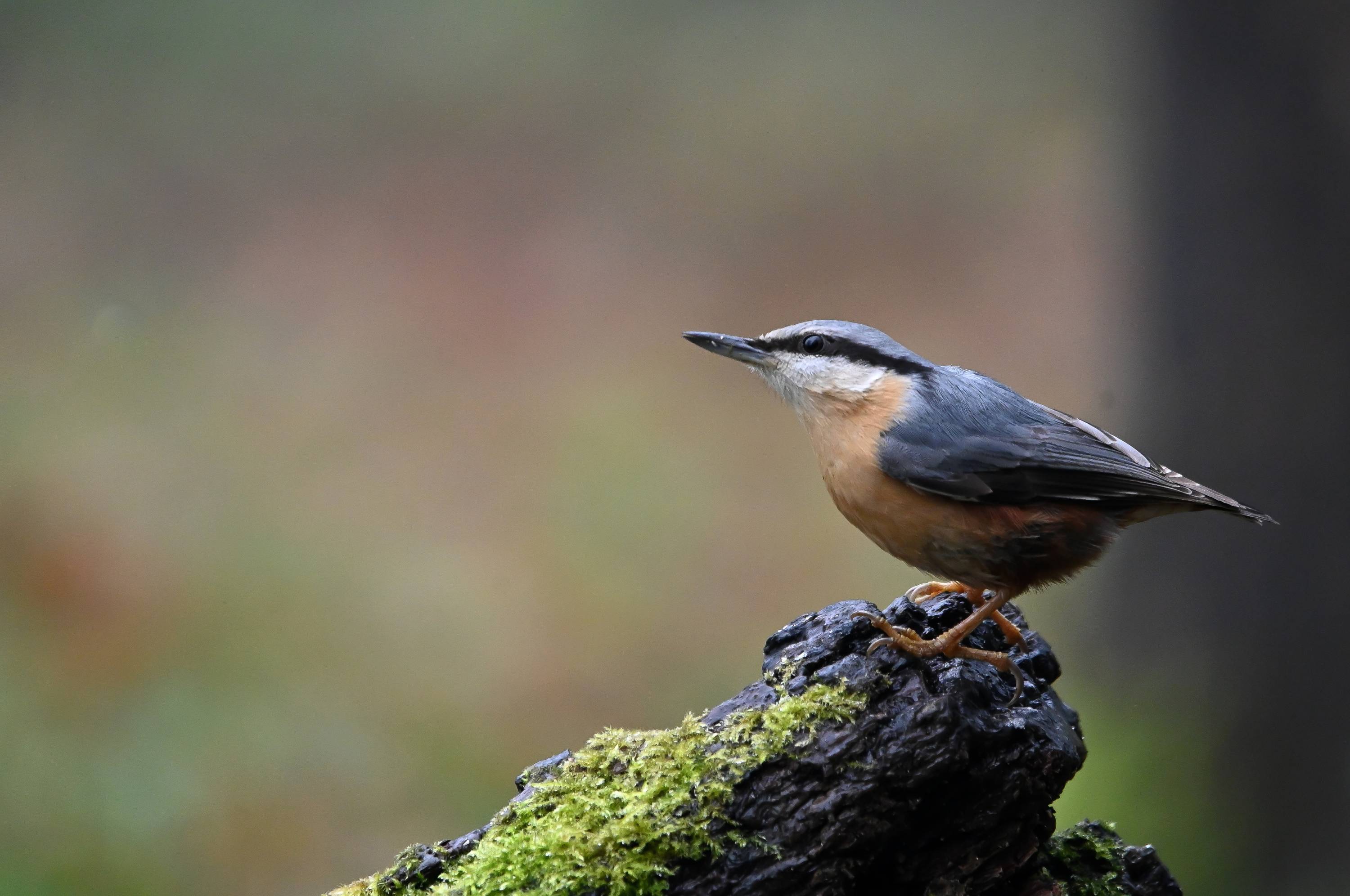
What's more, through provision of habitat, supplementary feeding, and protection from predation at the Allerton Project, its flagship demonstration farm in Leicestershire, the GWCT has been able to show that farmland wildlife can recover significantly.
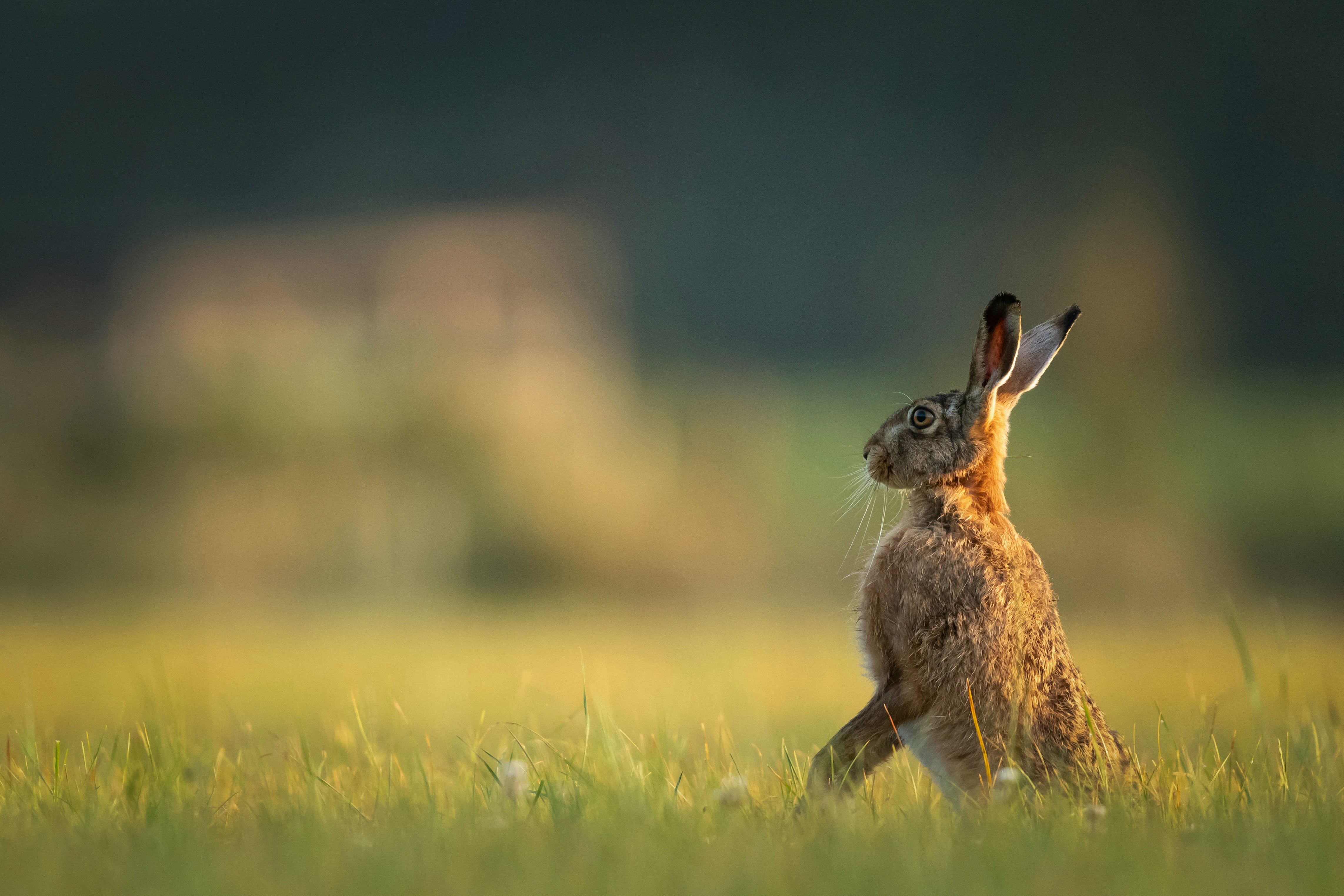
At the Allerton Project, since 1992 the GWCT has recorded a 97% increase in songbird numbers, a 1200% increase in brown hare numbers, and a 35% increase in macro-moth numbers – and all while operating as a modern, conventional mixed farm. It is working proof of the science, if you like.
Tomes could be written about the work of the GWCT to date. And we’ll be covering some key areas of that work in our upcoming blog posts. But in the meantime, do take advantage of our giveback campaign and shop your favourite Schöffel Country pieces. You’ll be supporting the future of wildlife-friendly farming – and that’s something we should all be getting behind.