



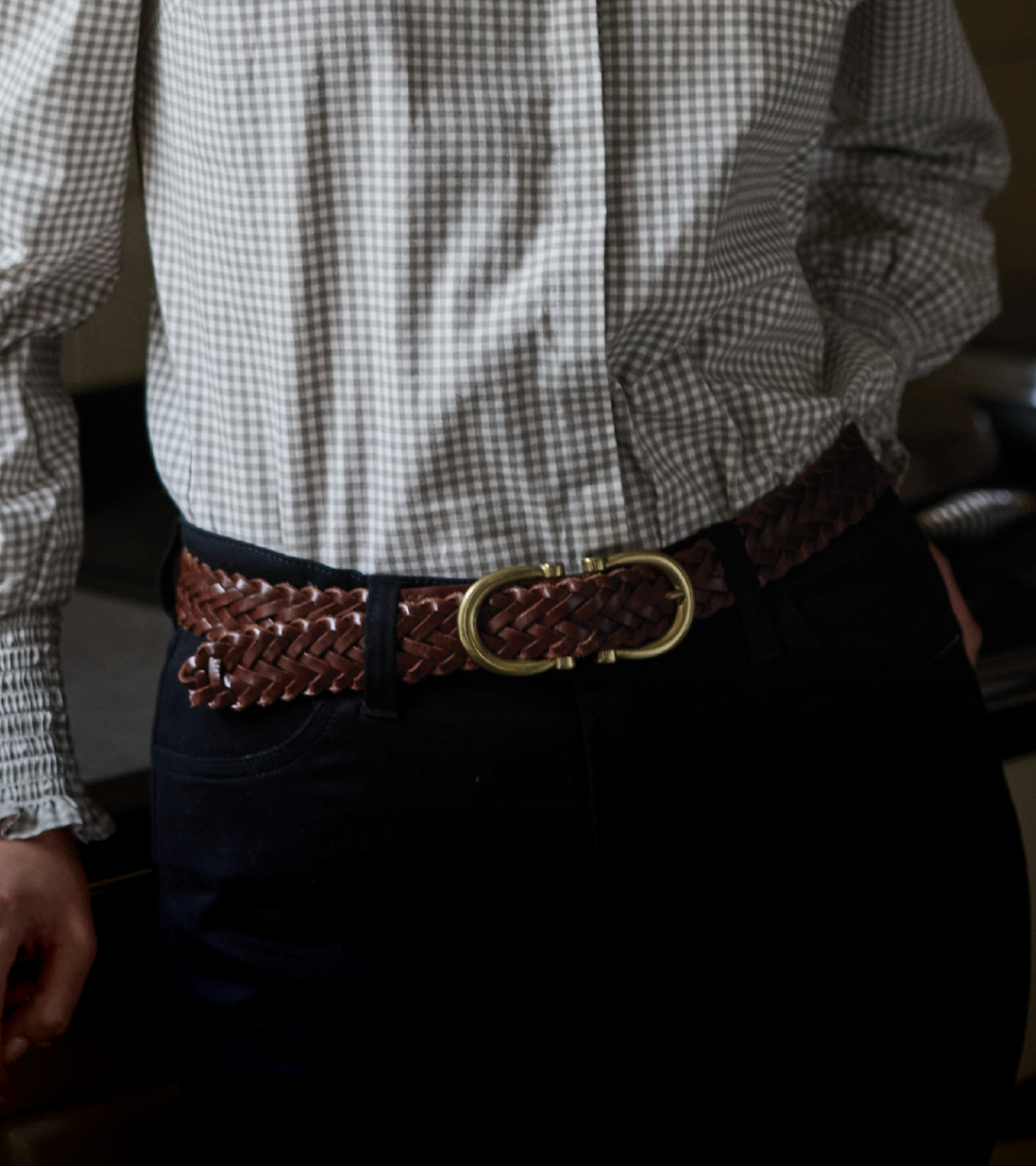



Fabric in focus: A guide to linen
Breathable, durable and effortlessly elegant, linen is a timeless fabric prized for warm-weather comfort. Discover what linen is made from, its key properties and benefits, and how it compares to cotton in this essential guide.
What is linen?
Linen is a natural fabric valued for its lightness, durability and distinctive texture. It is particularly well suited to seasonal dressing, offering comfort and versatility when temperatures rise. Linen’s appeal lies not only in how it looks, but in how it performs – particularly in warmer weather.
Linen fabric history
The story of linen begins thousands of years ago. In fact, linen fabric history can be traced back to ancient civilisations; the oldest scraps of flax linen, recovered from caves in the Caucasus mountains, are believed to date back nearly 40,000 years.
Later, the Egyptians famously used linen for clothing, household textiles and ceremonial purposes, aware of its purity, cooling qualities and strength. And across Europe it became a symbol of craftsmanship and quality. This long heritage has shaped linen into the timeless fabric we recognise today – practical, refined and enduring.
Where does linen come from?
Linen originates from the flax plant, a resilient crop traditionally grown in cooler European climates. For those wondering where does linen come from or what is linen made from, the answer is refreshingly simple: flax fibres extracted from the plant’s stem are spun into yarn and woven into fabric. This relatively low-impact process helps preserve the integrity of the fibre and contributes to linen’s natural character and performance properties.

Linen fabric properties
The appeal of linen lies in a unique combination of performance and aesthetics. Understanding linen fabric properties reveals why it continues to be such a valued material.
Strength and durability
Linen fibres are naturally strong – stronger, in fact, than cotton. The fibres of linen are longer and wrapped tighter than cotton. This gives linen garments excellent longevity, making them well suited to regular wear. Over time, linen softens without losing its structure, developing a comfortable, lived-in feel that enhances its appeal – you could say linen clothing improves with age.
Breathability and moisture absorption
One of linen’s most notable properties is its exceptional breathability. Air circulates freely through the more open weave fabric, while moisture and perspiration is absorbed and released quickly. It can absorb up to a fifth of its weight in moisture and is very quick drying, making linen particularly comfortable in warm or changeable conditions, helping the body stay cool and dry throughout the day.
Natural texture and appearance
Linen’s gently crumpled texture is part of its charm. Rather than striving for crisp perfection, linen embraces a relaxed, natural aesthetic. This understated elegance makes it equally at home in casual country settings and more polished, tailored looks.

The benefits of linen
Beyond its visual appeal, the benefits of linen lie in how it feels to wear and how it fits into a considered wardrobe.
Comfort in warm weather
Linen’s cooling properties make it an ideal fabric for warmer months. Lightweight and breathable, it offers all-day comfort without feeling restrictive, and it also boasts natural antibacterial properties, making it a trusted choice for summer shirts, dresses, blazers and trousers.
Eco-friendly material
Linen is widely recognised as an environmentally responsible fabric. Flax requires less water and fewer inputs than many other crops, and almost every part of the plant is used during production. Linen is also biodegradable, so for those mindful of sustainability, linen represents a thoughtful balance of tradition, performance, and responsible sourcing.
Hypoallergenic benefits
Naturally hypoallergenic and resistant to bacteria, linen is kind to sensitive skin. Its breathable structure also helps prevent irritation, making it a comfortable option for prolonged wear.

Linen vs cotton – which to go for
When choosing natural fabrics, the comparison of linen vs cotton often arises. While both have their merits, they offer slightly different qualities.
Comparison of properties
Linen fibres are stronger and more breathable than cotton, with superior moisture-wicking properties. Cotton tends to feel softer initially and creases less, while linen offers better airflow and a cooler touch in warm conditions. Many garments intended for everyday wear in hotter weather combine linen and cotton for enhanced softness and less wrinkling and creasing.
Usage in fashion
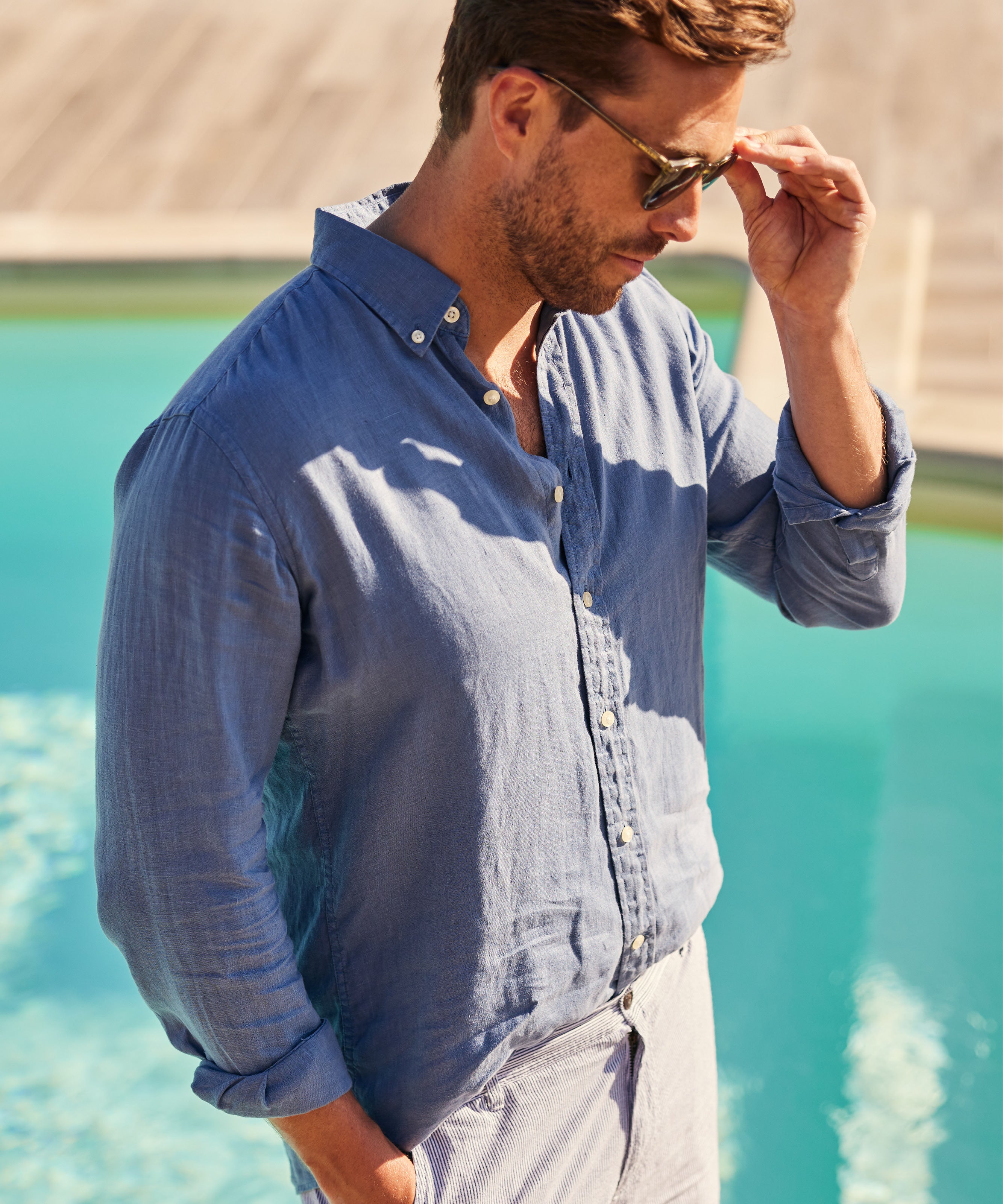
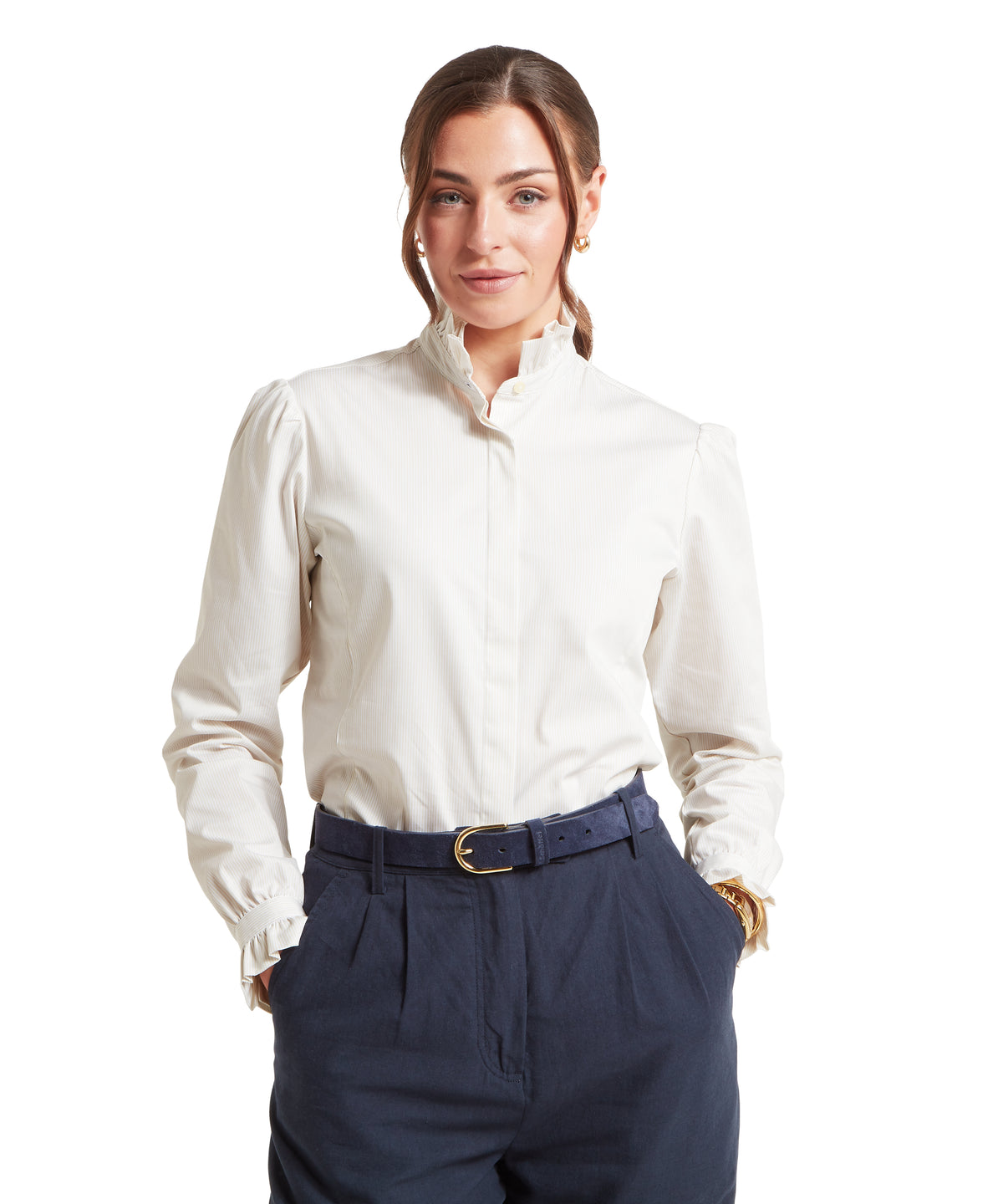
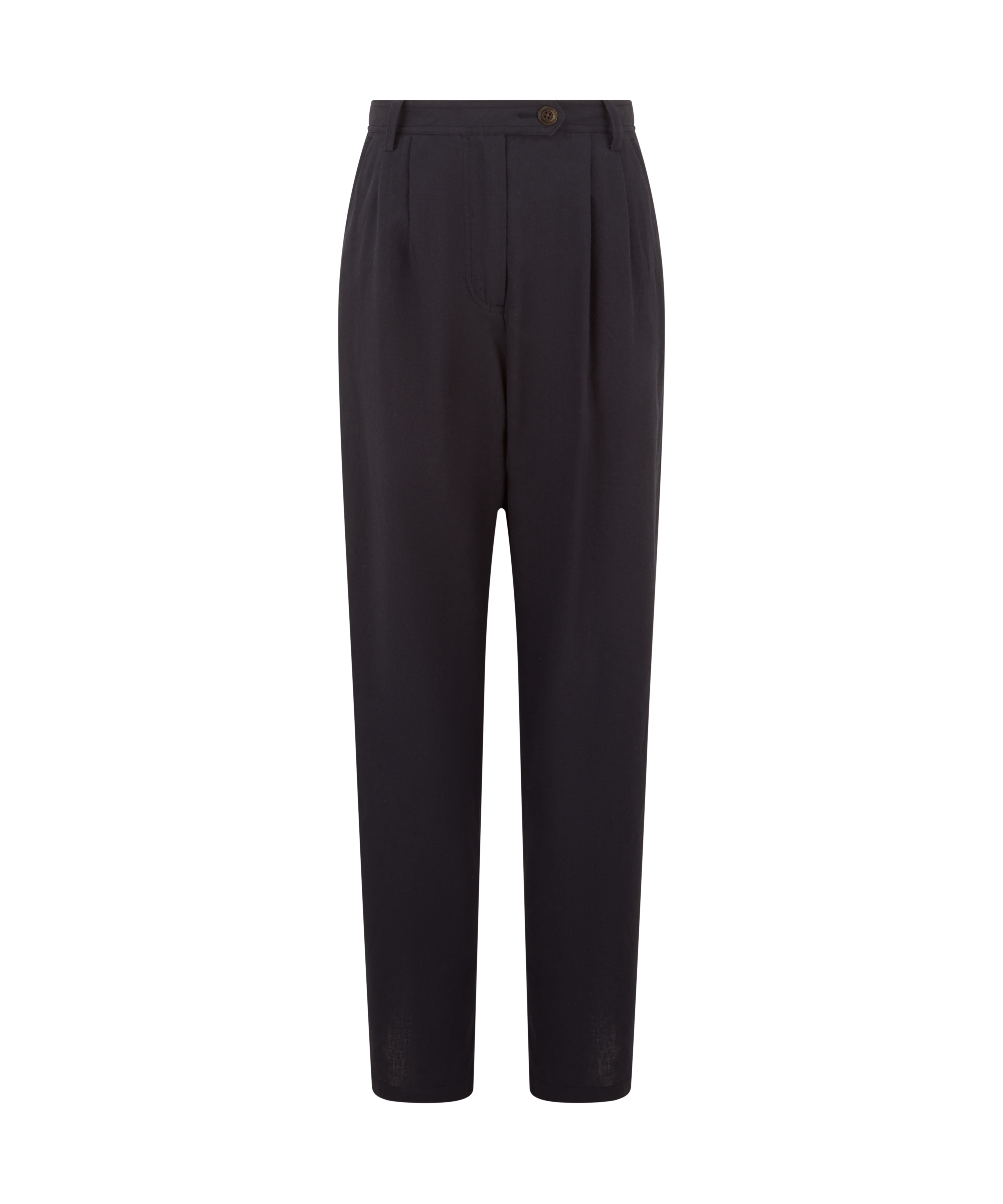
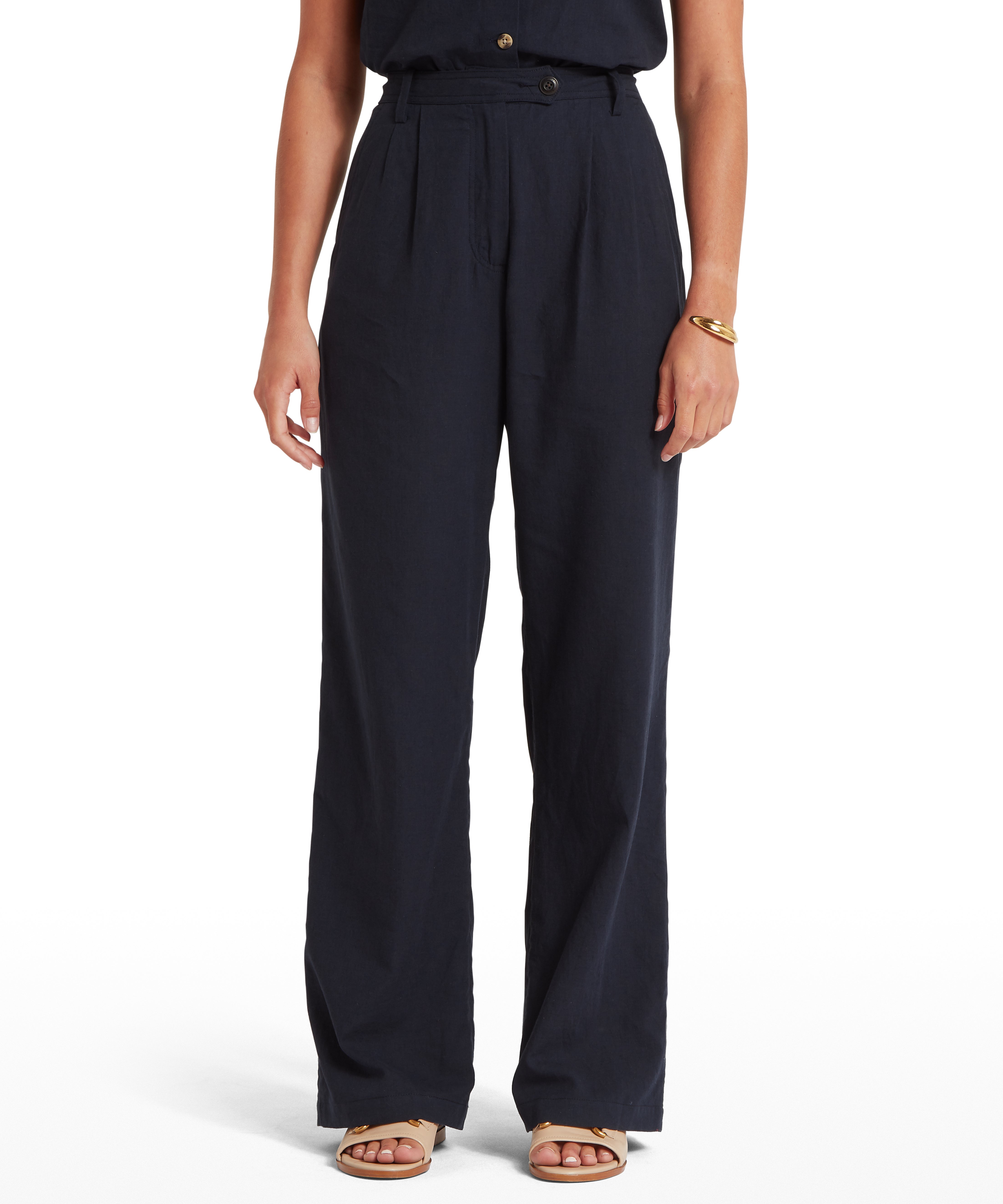
Cotton is a versatile, year-round staple, whereas linen fabric for clothing truly excels in spring and summer collections, lending itself very well to the likes of wide-leg trousers, lightweight blazers and summer blouses. Linen garments offer a relaxed sophistication that moves effortlessly between casual and smart settings. .
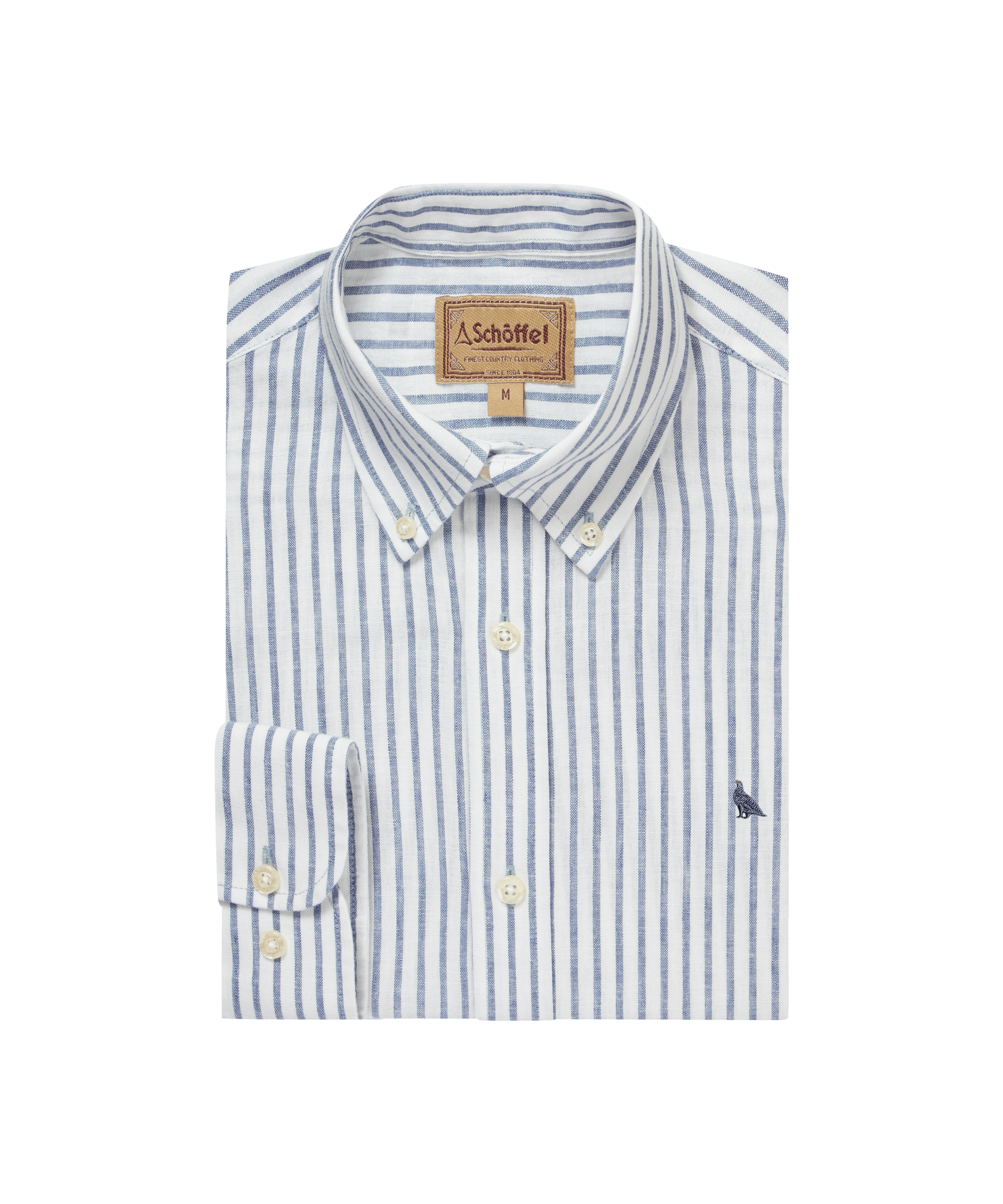
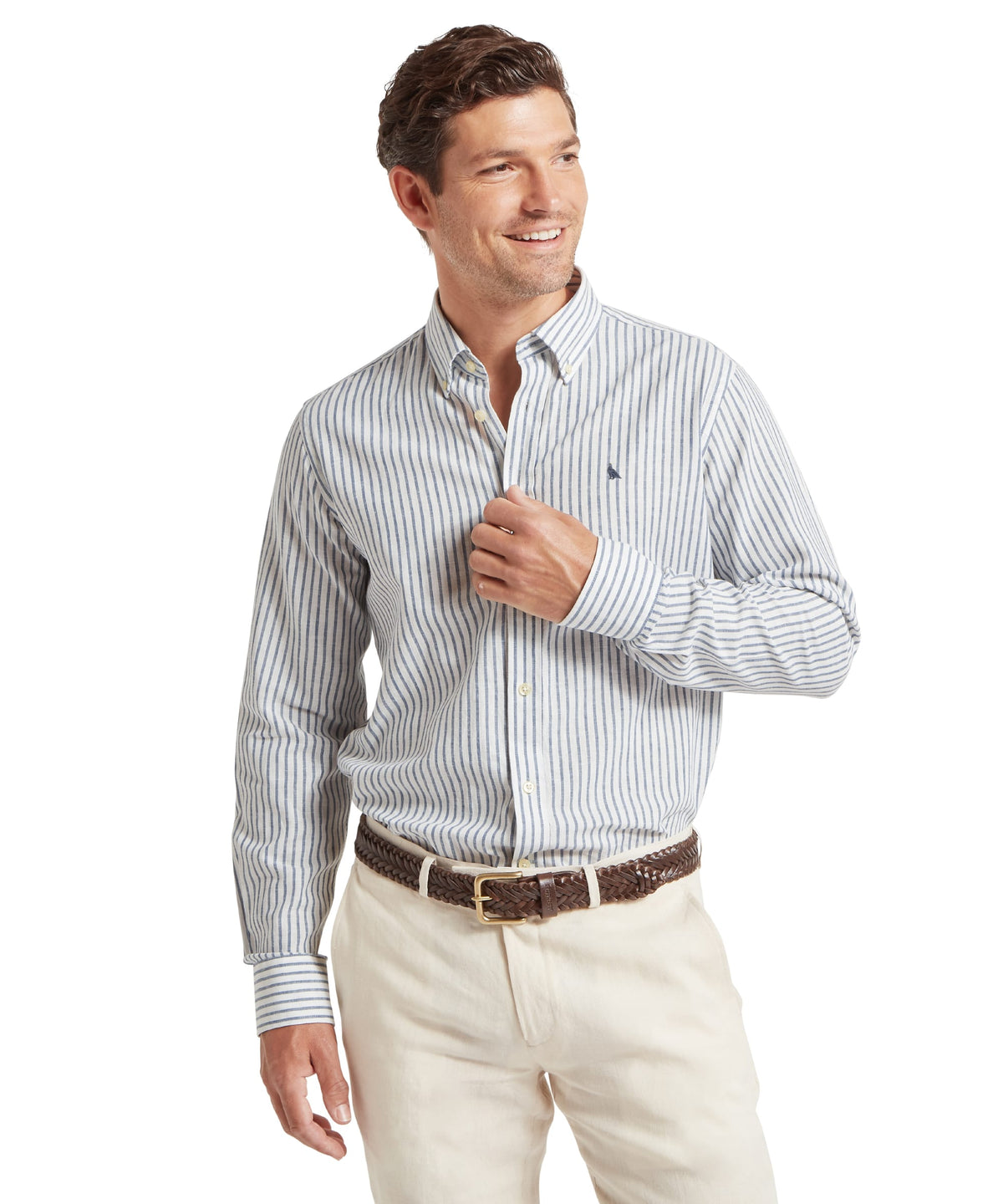
- Walsingham Linen ShirtBlue Stripe + 4 colours€120
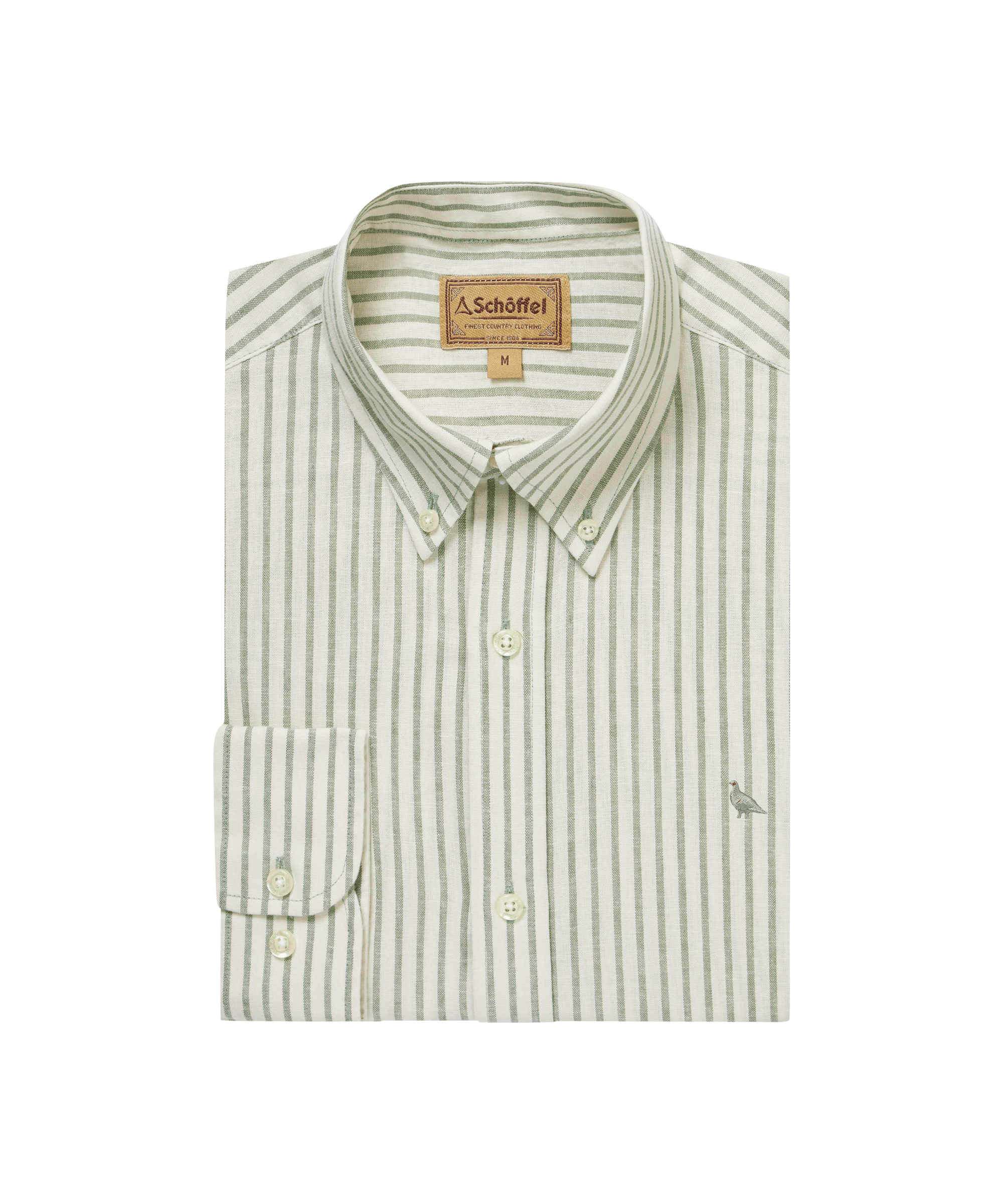
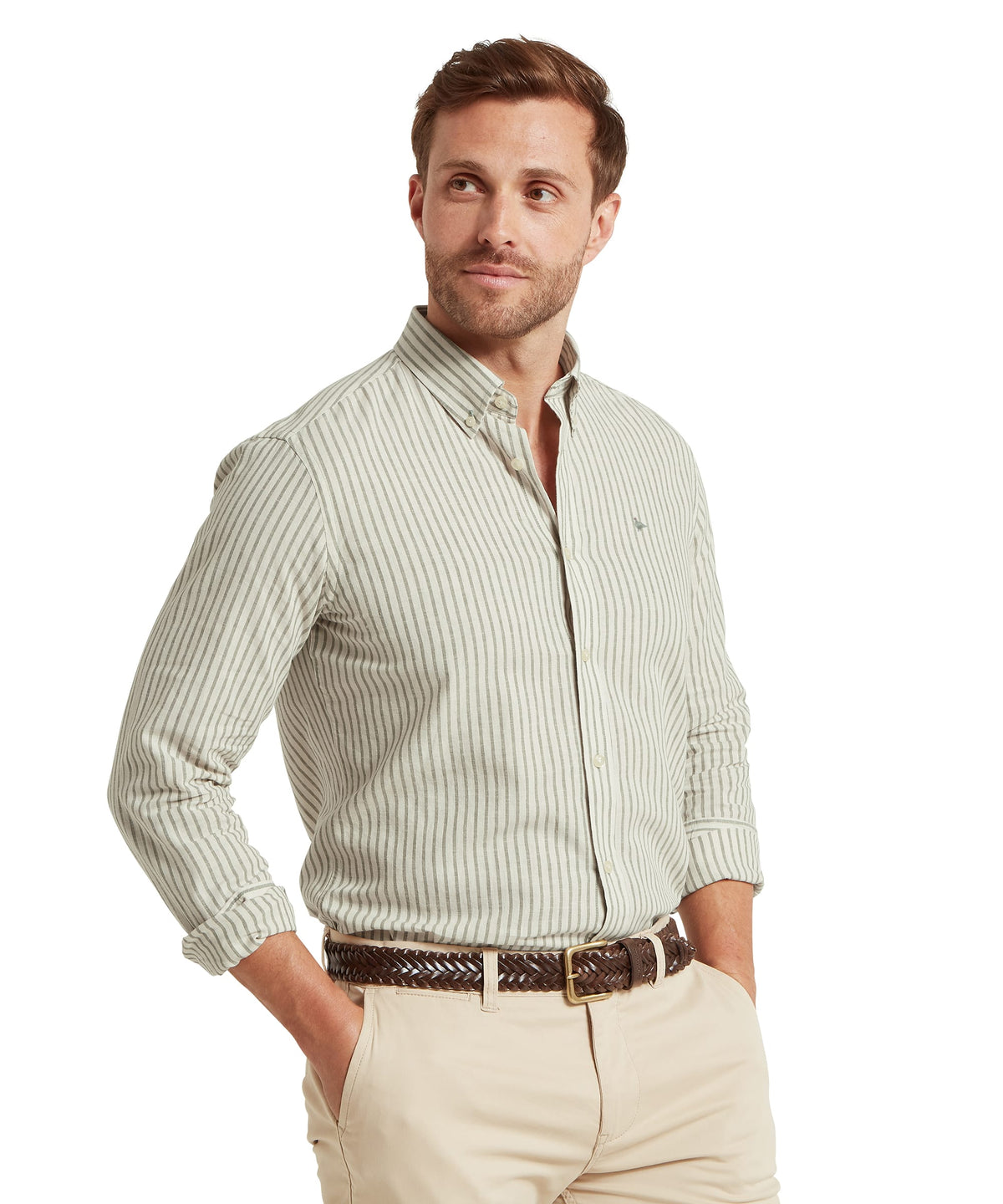
- Walsingham Linen ShirtAgave Green Stripe + 4 colours€120
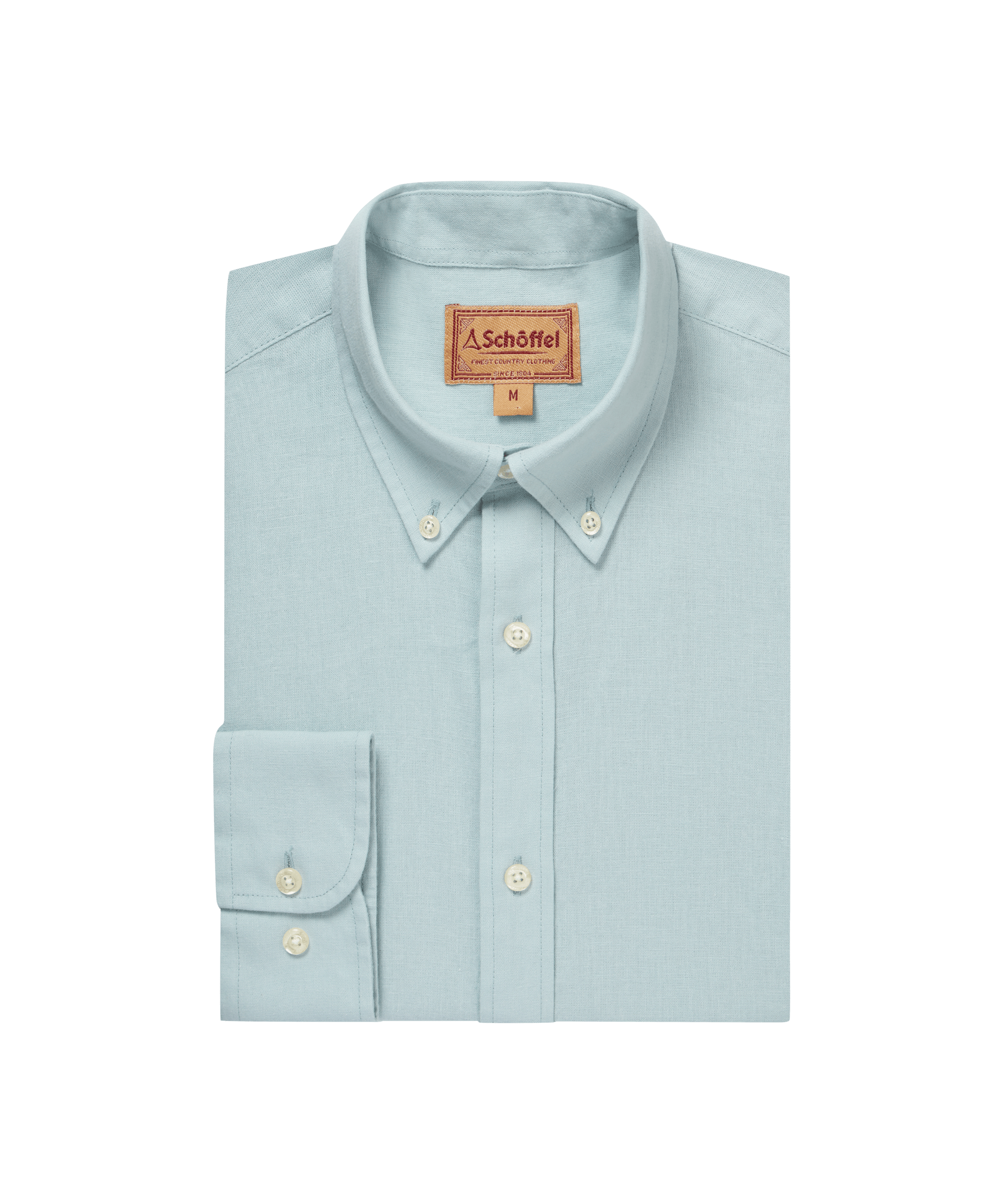
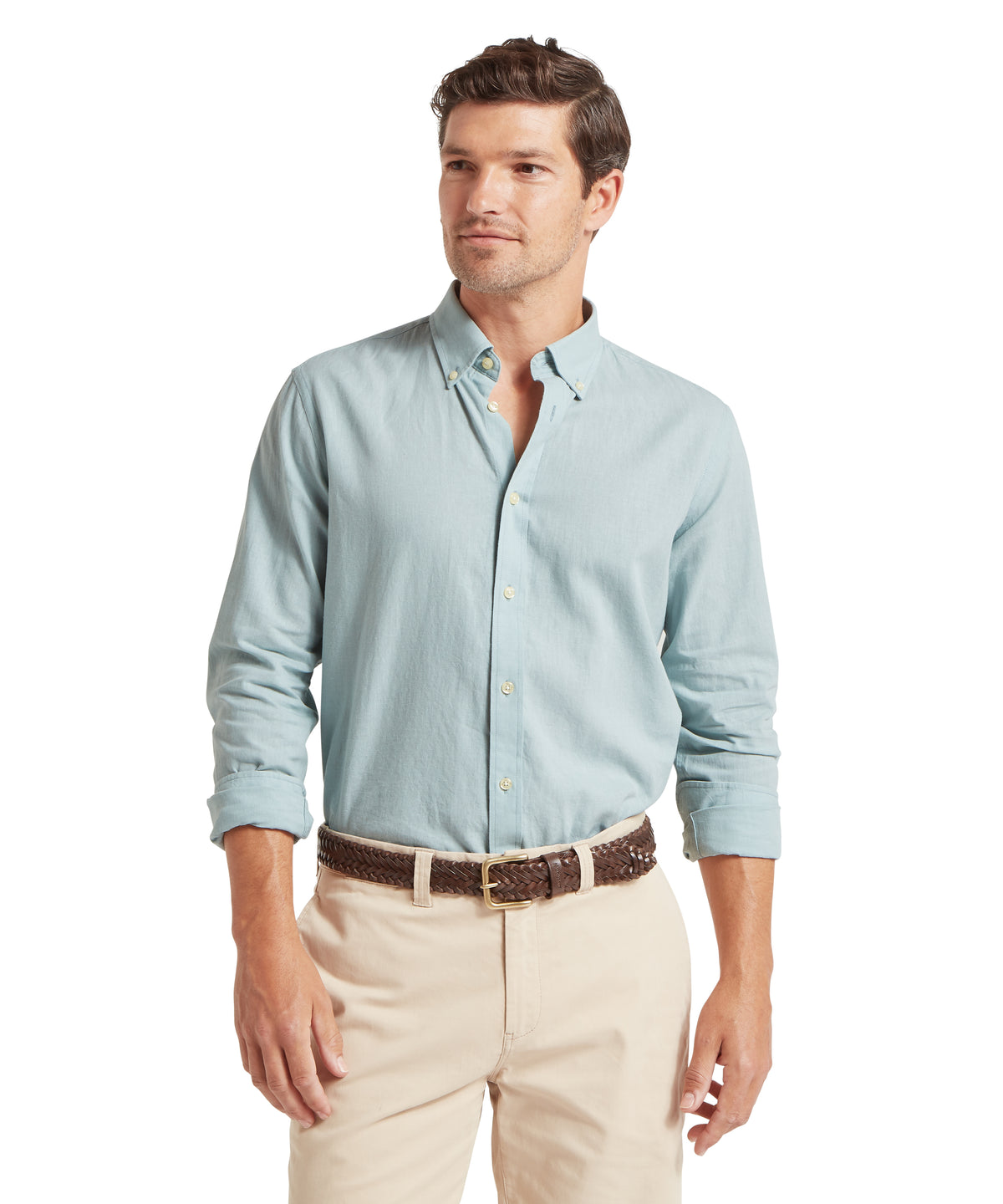
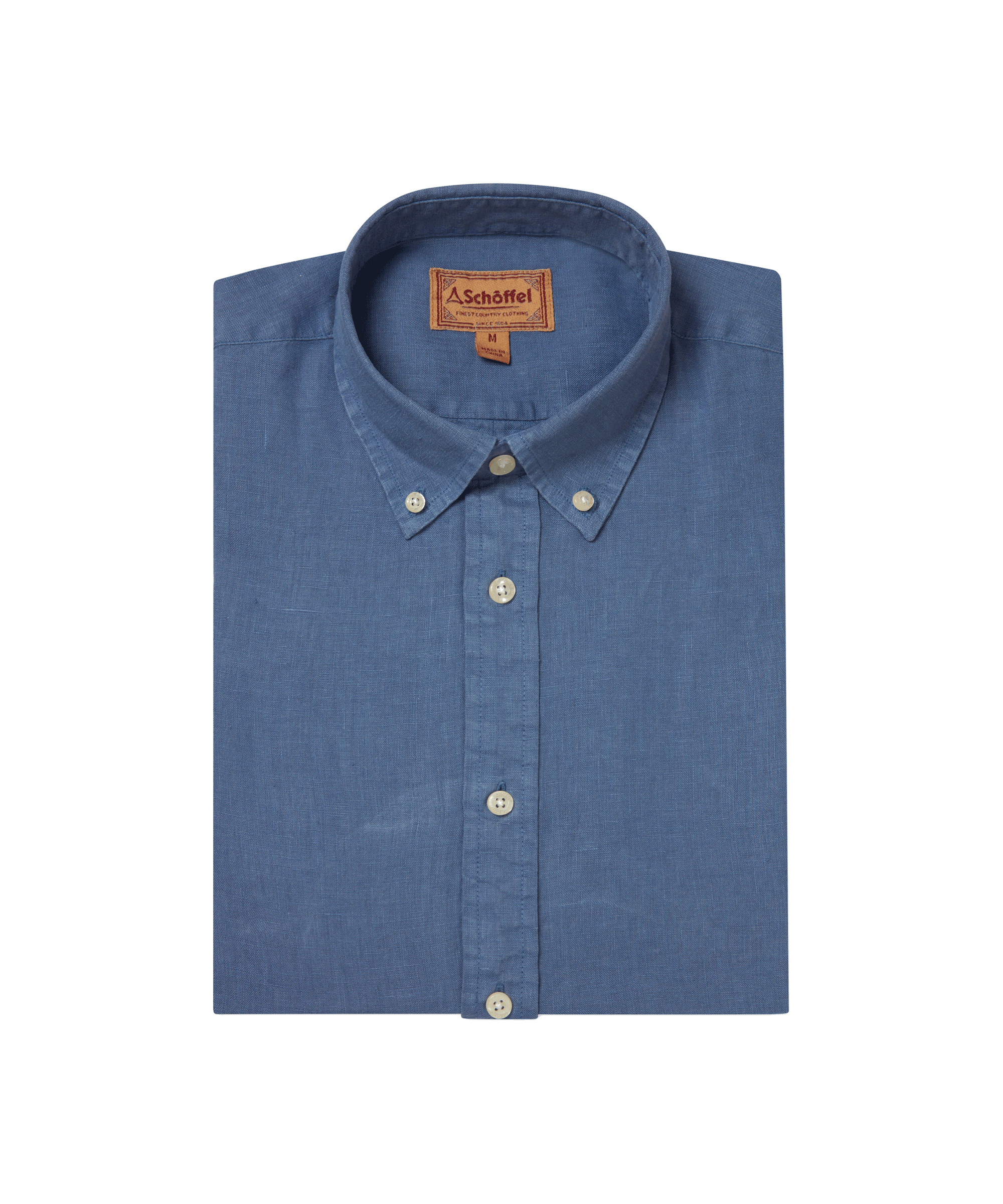
- Walsingham Linen ShirtSurf Blue + 4 colours€120
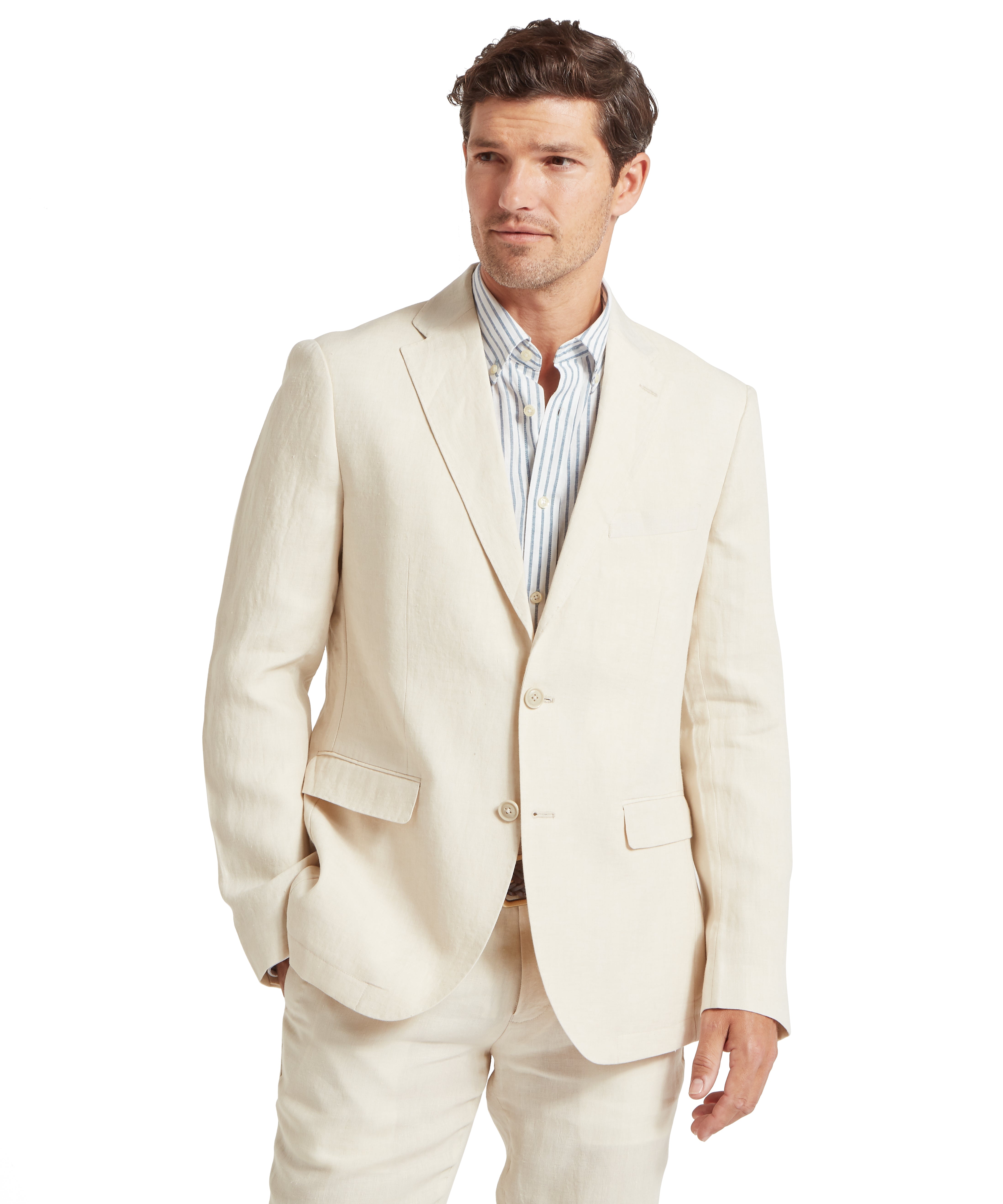
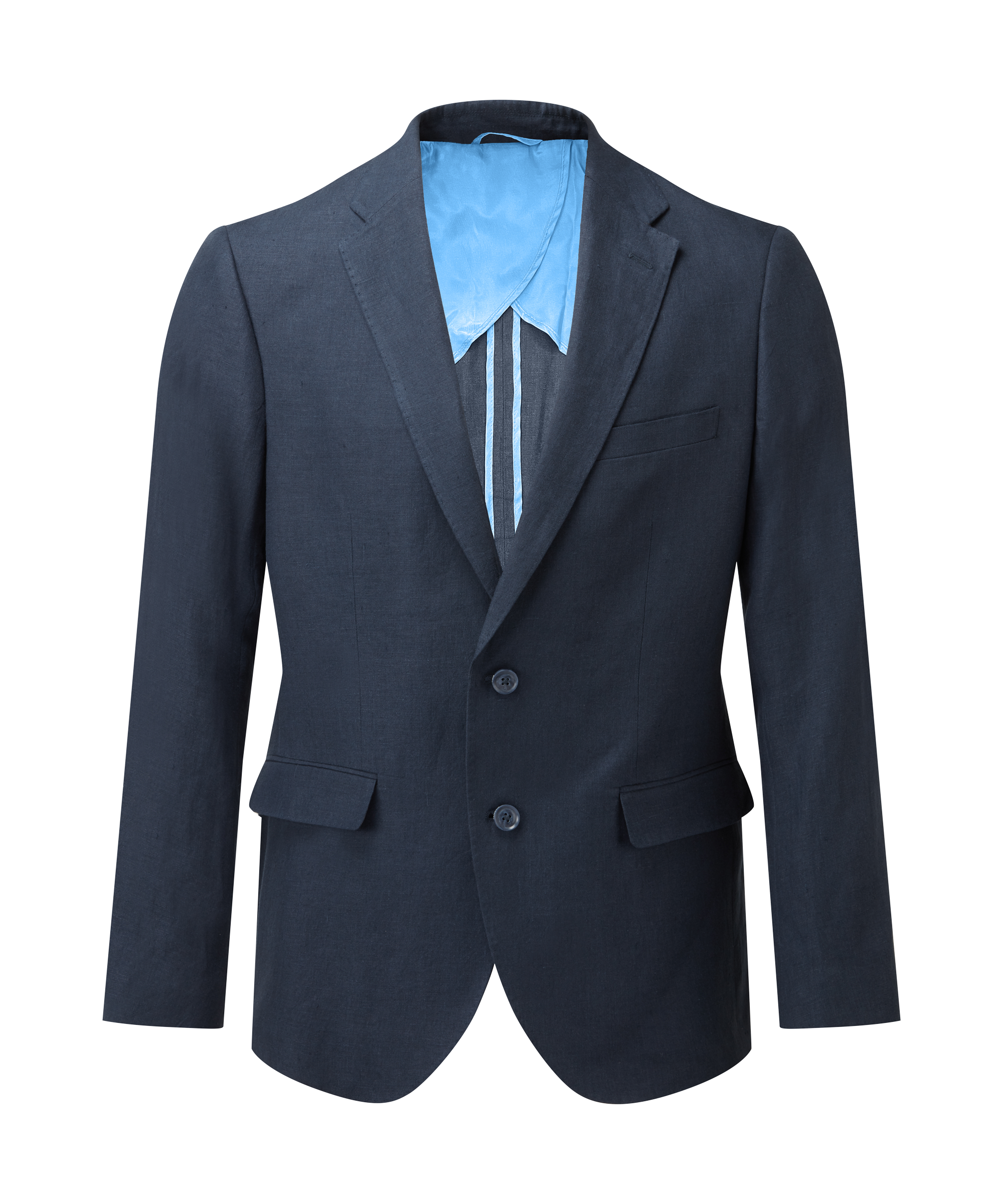
- Cowes Linen JacketOat + 1 colour€340
- Cowes Linen JacketNavy + 1 colour€325
- Walsingham Linen ShirtFrench Navy + 4 colours€120
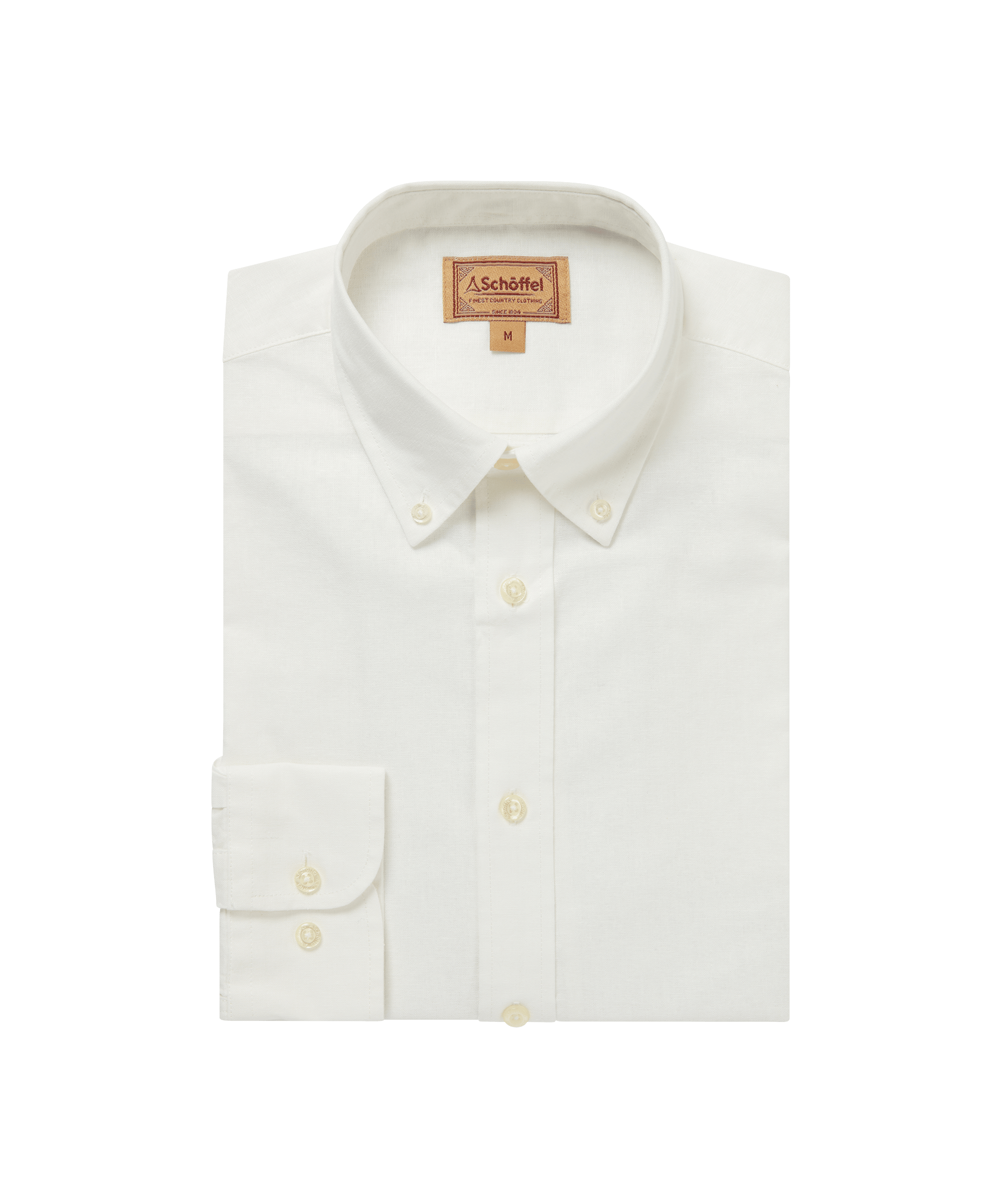
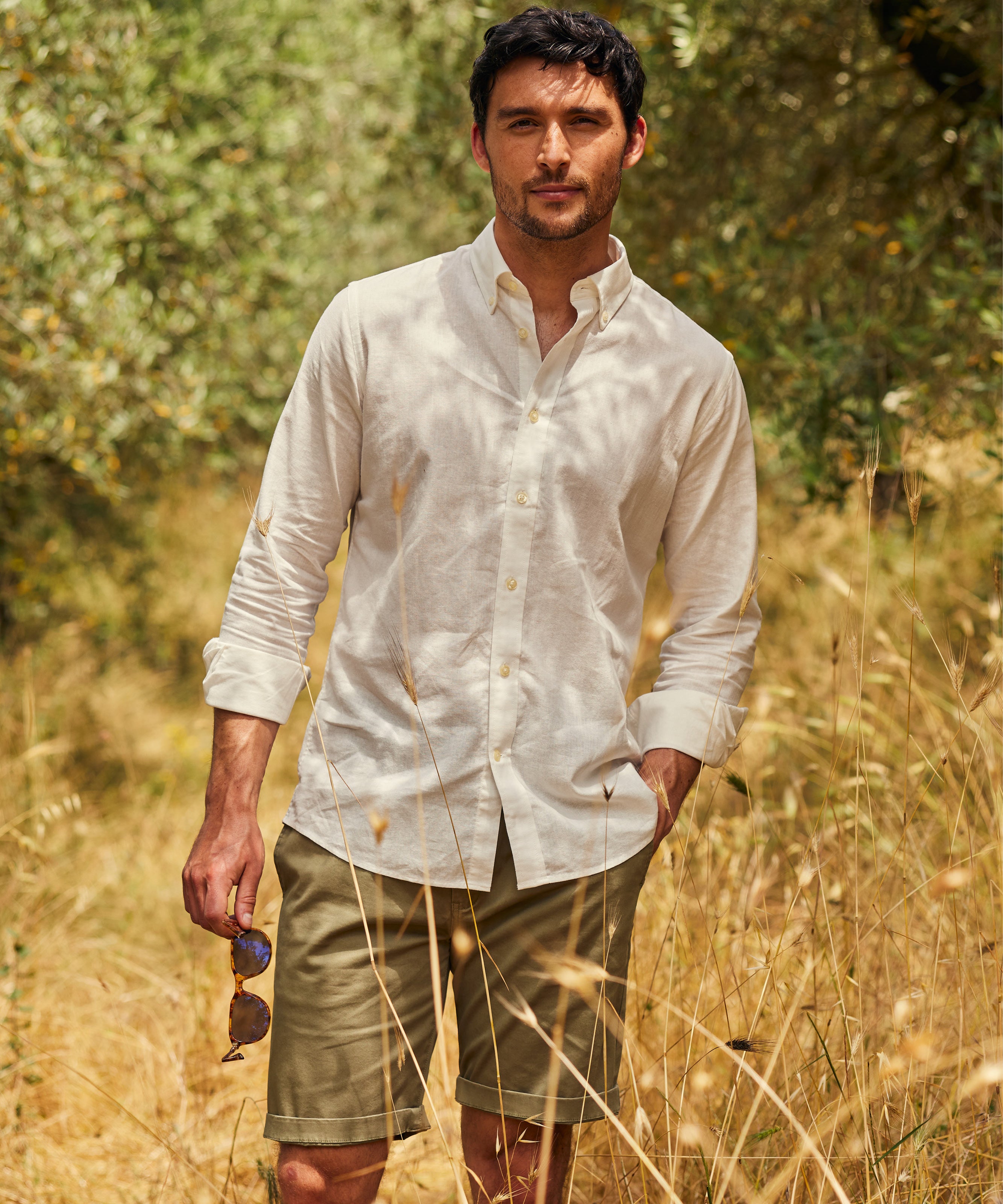
- Walsingham Linen ShirtWhite + 4 colours€120
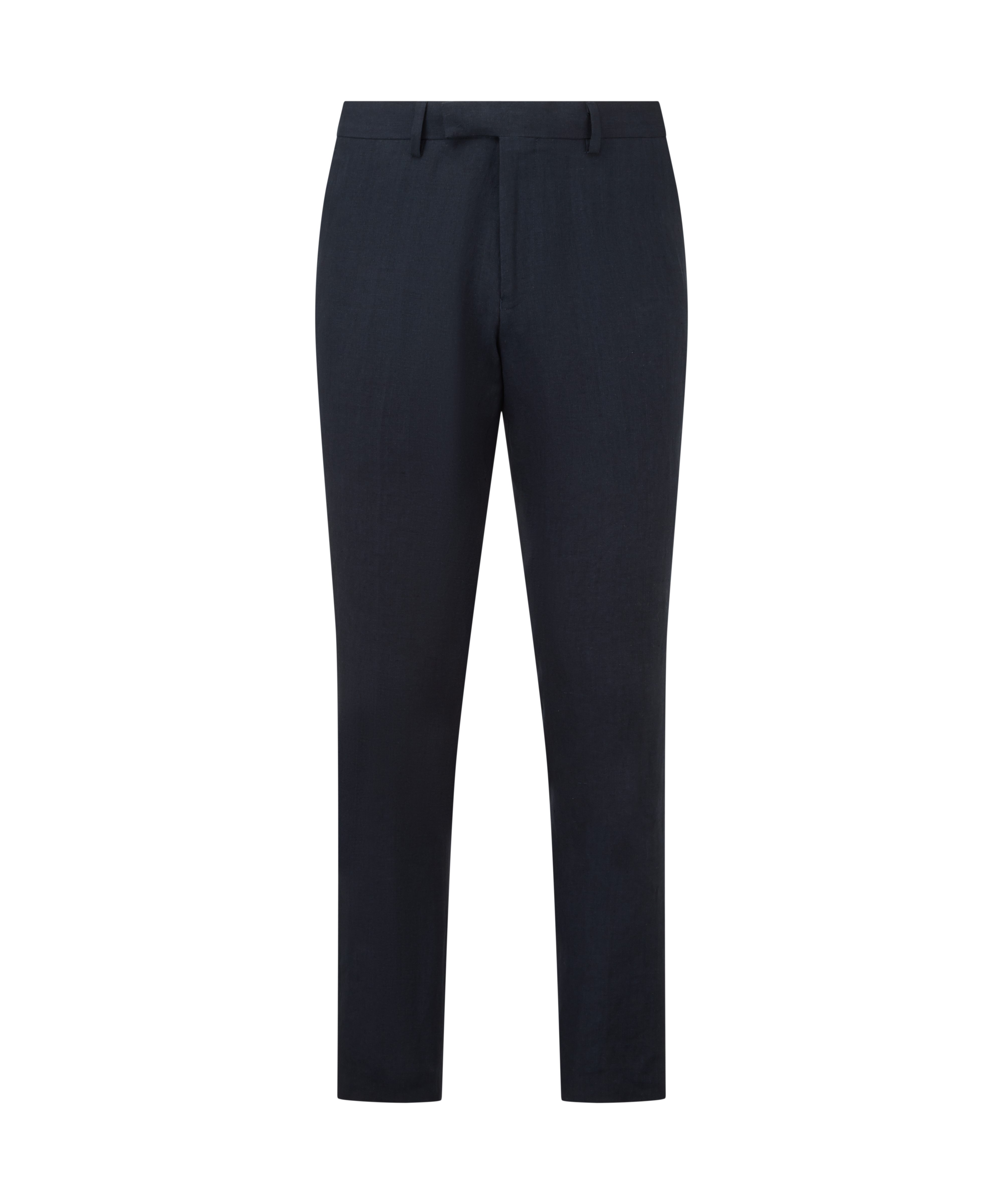
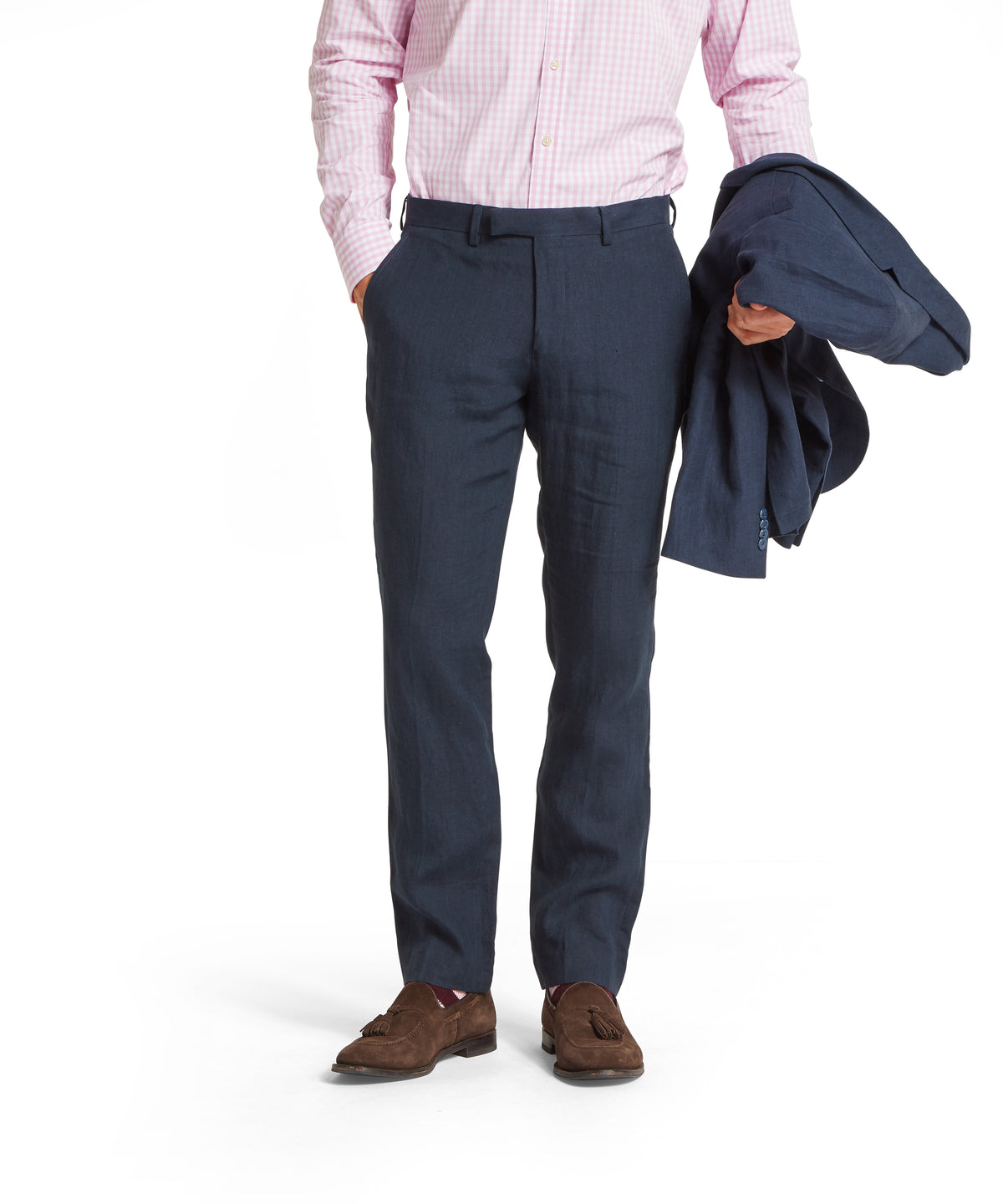
- Chilham Linen TrousersNavy + 1 colour€170


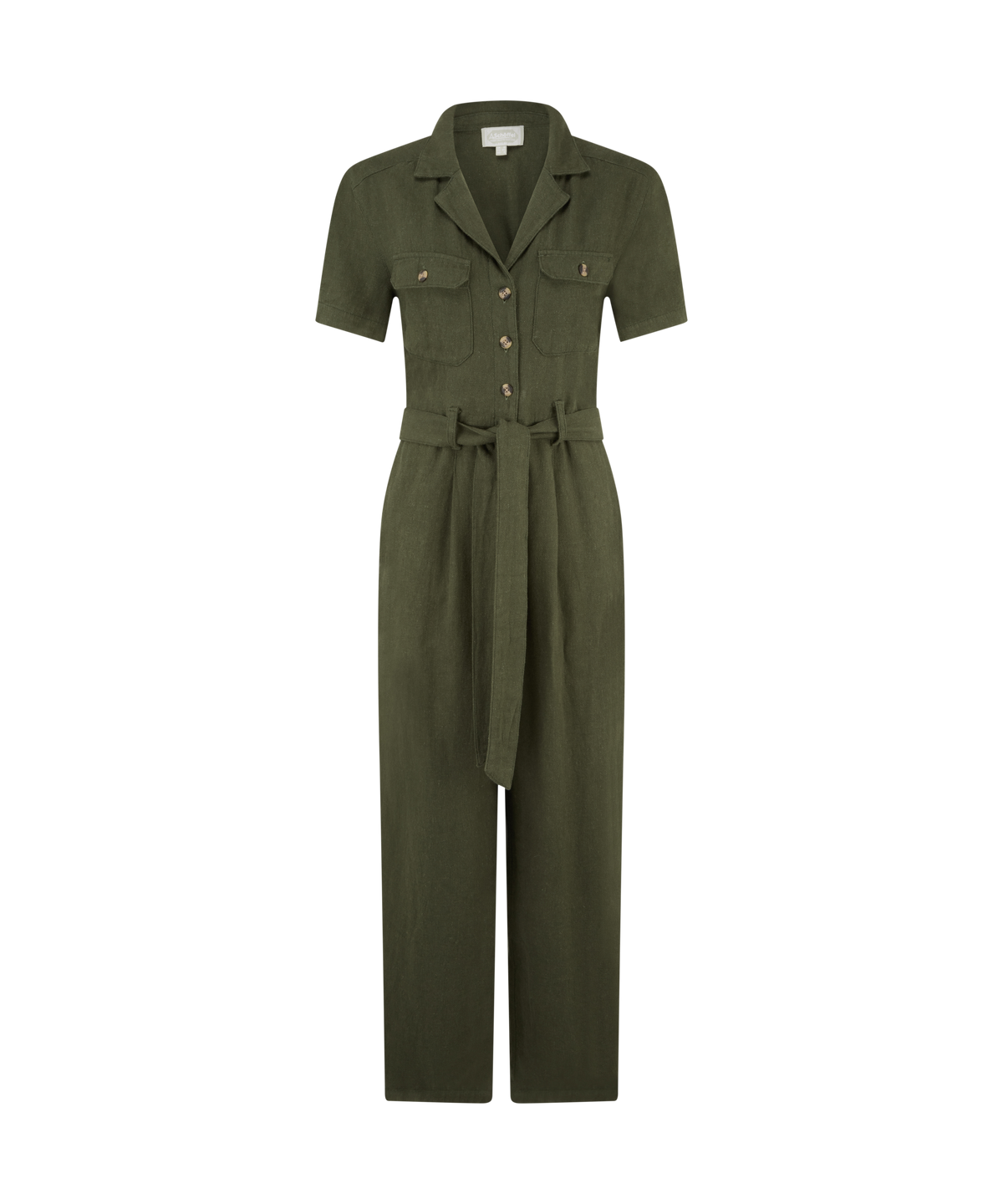
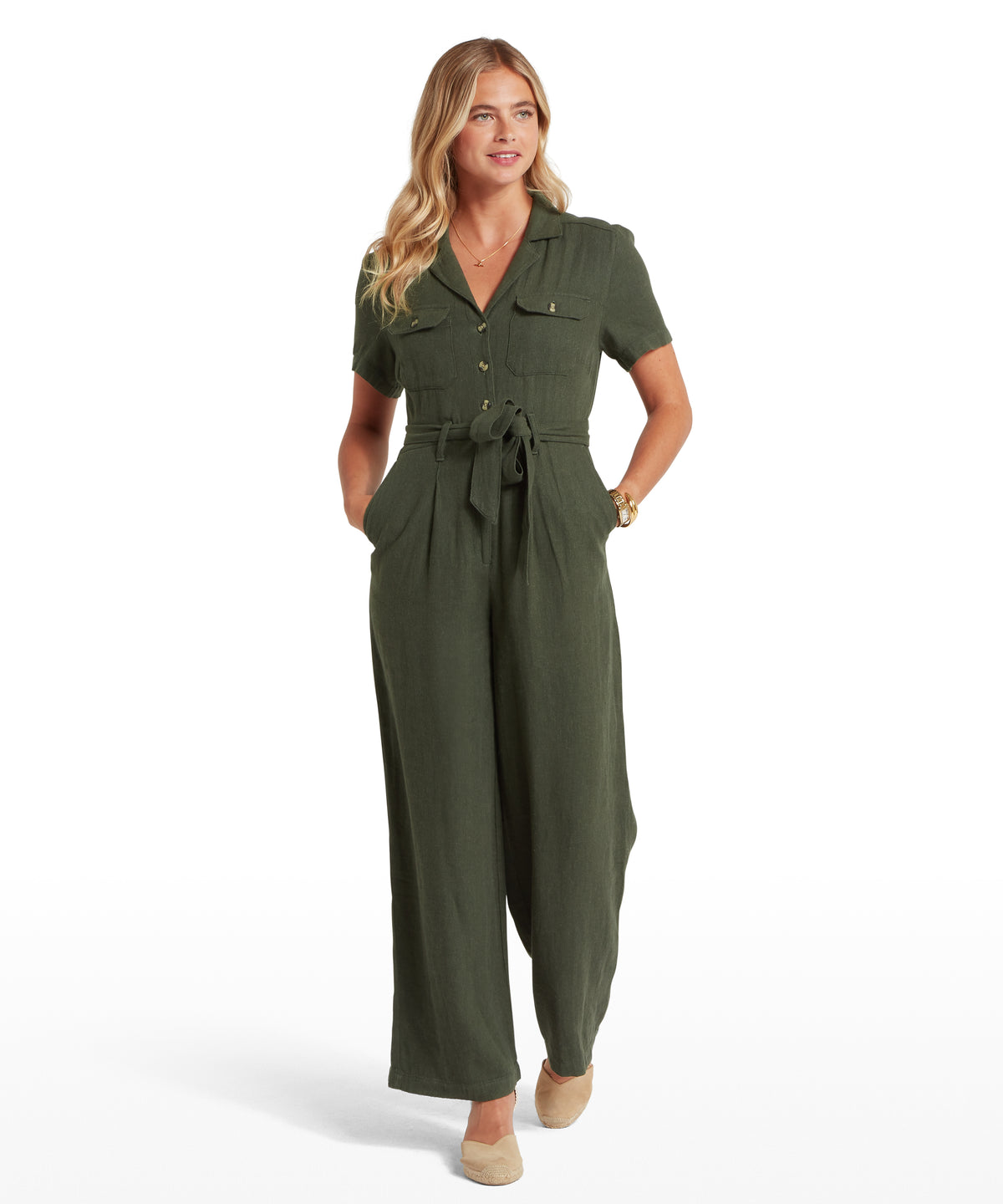
- Daisy Linen JumpsuitBeetle Green€200
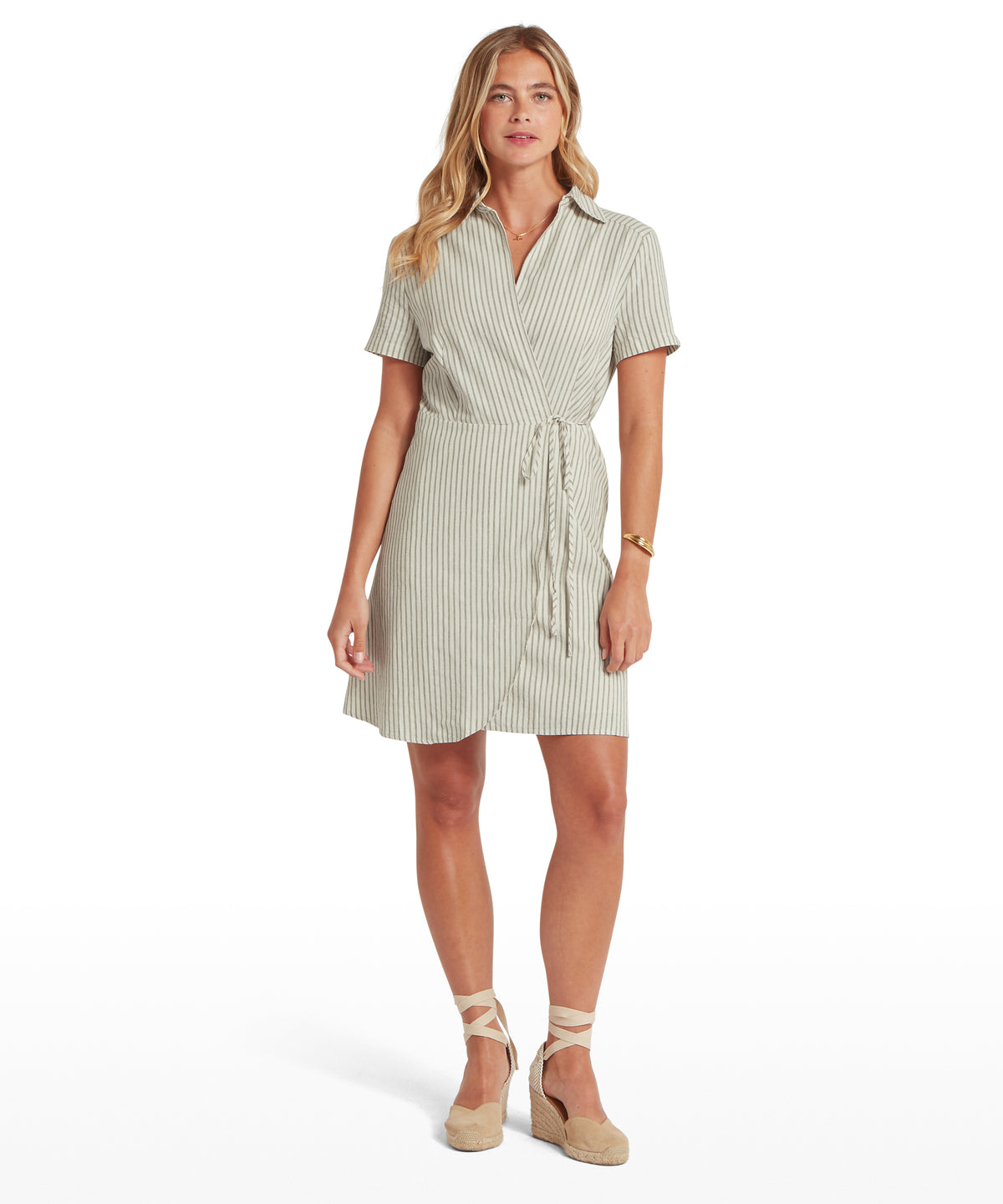
- Fleur Linen DressAgave Green Stripe + 1 colour€150
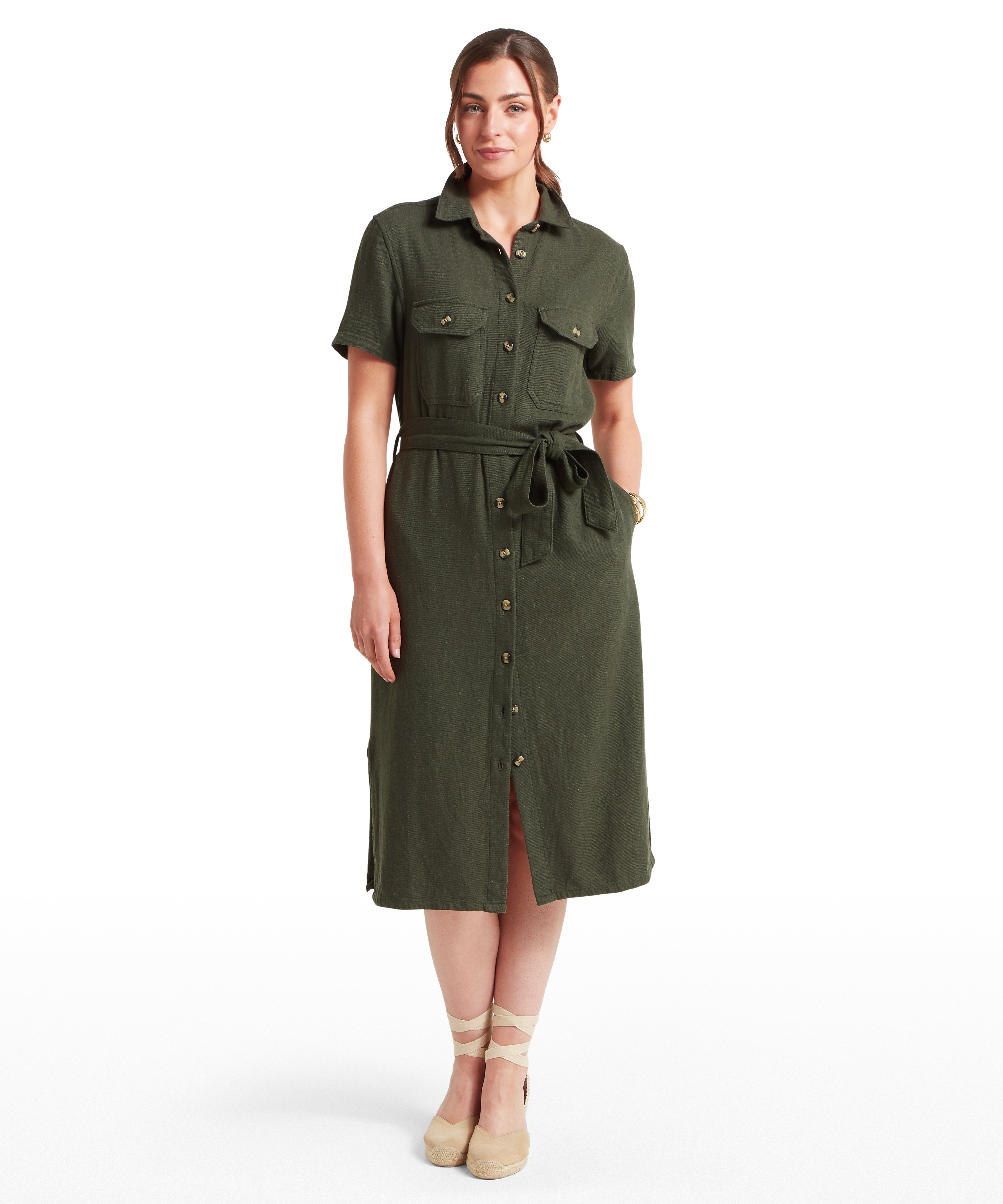
- Daisy Linen DressBeetle Green + 3 colours€175
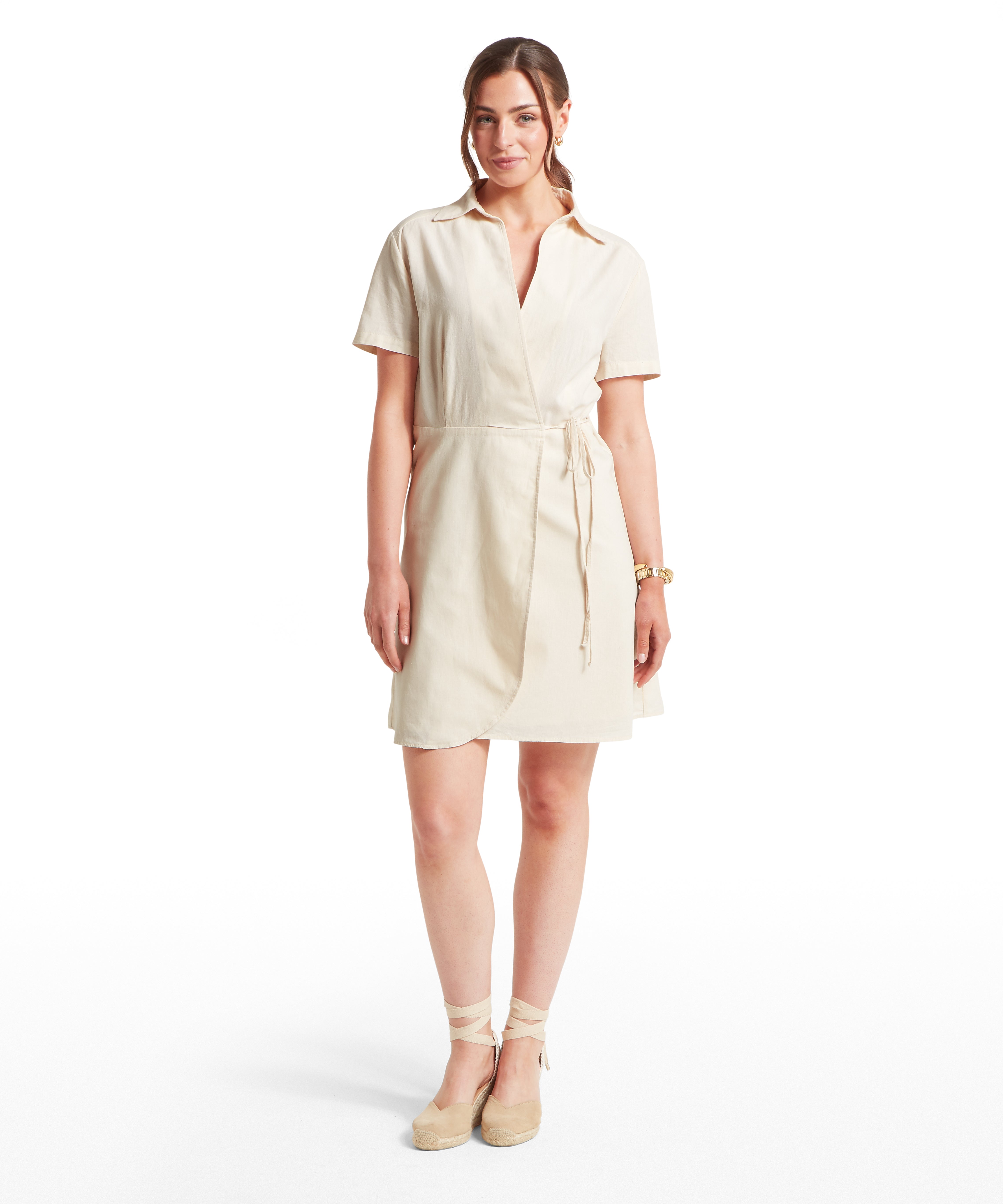
- Fleur Linen DressOat + 1 colour€150
- Fakenham ShirtLinen Stripe + 3 colours€110
- Salthouse Linen ShirtSurf Blue + 4 colours€110
- Dahlia Linen TrousersNavy + 1 colour€145
- Elsworth Linen TopOat + 1 colour€80








 1 min readHow to care for your linen clothingRead post
 Product Care3 min readHow To Care For Your Waterproof JacketRead post
 Fleece5 min readWhat makes Schöffel fleece different?Read post
 Product Care2 min readHow to care for your fleeceRead post
 Toray DermizaxToray DermizaxRead post
 DownDown insulationRead post
 InsulationPrimaLoft insulationRead post
 VenturiVenturiRead post
